What are Used Textile Garment Waste?
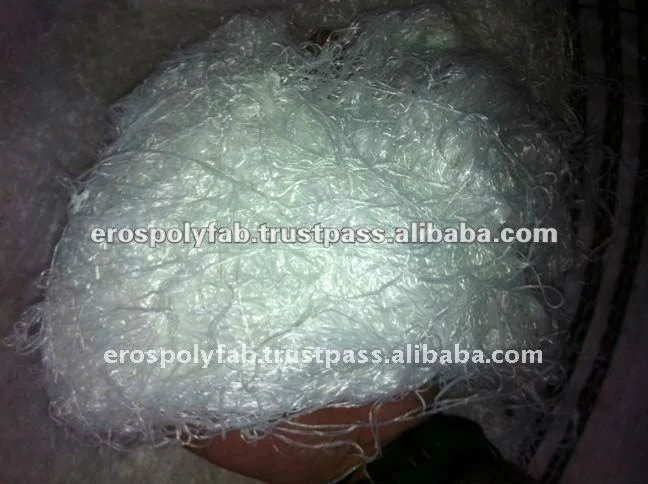
Used Textile Garment Waste refers to leftover fabric and clothing materials that are discarded during the textile production process or after the garments have reached the end of their life cycle. This waste typically includes off-cuts, defective pieces, and unsold inventory. The growing concern over environmental sustainability has led to increased attention on how these materials can be repurposed or recycled, transforming waste into valuable resources.
The primary uses of Used Textile Garment Waste include recycling into new textiles, insulation materials, and other industrial applications. Businesses across various sectors are now looking to incorporate recycled textiles into their supply chains, reducing their overall waste footprint. The market for these materials has expanded, driven by both consumer demand for sustainable products and regulatory pressures to minimize waste in the textile industry.
With the global textile industry being a significant contributor to environmental pollution, the relevance of Used Textile Garment Waste cannot be overstated. Companies are increasingly seeking to source these materials not only for cost savings but also to enhance their sustainability efforts. This growing market reflects a shift towards circular economy principles, where waste is minimized, and resources are reused effectively.
Key Features and Specifications
Used Textile Garment Waste offers several key features that make it an attractive option for businesses looking to enhance their sustainability practices. These specifications can vary depending on the source and type of waste material.
Key specifications include:
1. Material Composition
- Typically consists of cotton, polyester, and blends
- Varies based on the source of the garment waste
2. Color Variability
- Available in a range of colors and patterns
- Can be sorted or processed to meet specific aesthetic requirements
3. Size and Form
- Offered in bulk bales, rolls, or loose form
- Sizes can vary depending on the type of waste
4. Contamination Levels
- Generally low contamination for higher-quality waste
- Requires assessment to ensure suitability for intended use
5. Weight Considerations
- Commonly sold by weight, with variations depending on moisture content
- Average weights can range from 100 kg to several tons per shipment
6. Processing Requirements
- Potential need for sorting, cleaning, or shredding before reuse
- Processing affects end application and quality
7. Environmental Impact
- Reduced landfill contribution compared to unprocessed waste
- Key component in sustainable product development
With these specifications, businesses can effectively evaluate the quality and suitability of Used Textile Garment Waste for their projects.
Common Applications and Use Cases
Used Textile Garment Waste serves various industries looking to incorporate sustainable practices into their operations.
1. Fashion Industry: Designers and manufacturers use garment waste to create new clothing lines, thereby reducing the demand for virgin materials.
2. Home Furnishings: Companies repurpose textile waste into upholstery, cushions, and other home decor items, enhancing their eco-friendly product offerings.
3. Automotive Industry: Some businesses utilize textile waste for insulation and soundproofing materials in vehicles, offering a sustainable alternative to traditional materials.
4. Construction Sector: Used textiles can be processed into insulation for buildings, contributing to energy efficiency and waste reduction in construction.
5. Non-Profit Organizations: Many NGOs collect used textile waste for redistribution, creating job opportunities while supporting communities in need.
6. Industrial Applications: Companies can use textile waste in various industrial products, including cleaning rags and industrial packaging solutions.
7. Eco-Friendly Packaging: Some businesses incorporate textile waste into biodegradable packaging materials, aligning with environmental initiatives.
Product Variants and Subcategories
Used Textile Garment Waste comes in various forms, catering to different needs and applications. Although specific subcategories are not available, the diversity in the types of waste allows for a range of solutions.
Bulk Bales
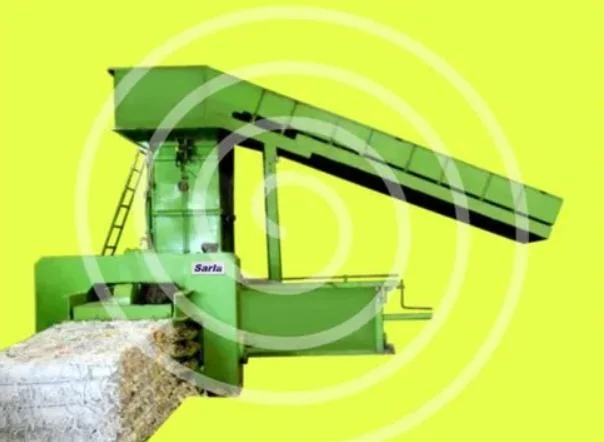
These consist of compacted garment waste, making transportation and storage easier. They are ideal for businesses looking to recycle large quantities of textile material efficiently.
Sorted Waste
This variant involves pre-sorted textile waste based on fabric type, color, and quality. It is suitable for companies that require specific materials for their production processes.
Recycled Fiber
This form is produced by processing used textile waste into fibers, which can then be spun into yarn. It provides manufacturers with an eco-friendly alternative to traditional fiber sources.
Benefits and Advantages
Sourcing Used Textile Garment Waste offers numerous advantages for businesses aiming to enhance sustainability and reduce costs.
1. Cost Savings: Utilizing waste materials can lower production costs while providing an inexpensive resource for manufacturers.
2. Environmental Impact: Sourcing used materials significantly reduces landfill waste, supporting a more sustainable production cycle.
3. Enhanced Brand Image: Companies that incorporate recycled materials often enjoy a positive perception among consumers who value sustainability.
4. Supply Chain Resilience: By integrating Used Textile Garment Waste into their supply chain, businesses can reduce dependency on virgin materials, enhancing supply chain stability.
5. Innovation Opportunities: The use of recycled materials can inspire creative product development and unique offerings in the marketplace.
6. Regulatory Compliance: Sourcing sustainable materials helps companies meet increasing regulatory standards regarding waste management and environmental sustainability.
Buying Guide for B2B Buyers
When sourcing Used Textile Garment Waste, several factors should be considered to ensure a successful purchase.
1. Quality Assessment: Evaluate the quality of the textile waste by checking for contamination levels and material composition. This will help determine its suitability for your intended application.
2. Supplier Verification: Vet potential suppliers to ensure they have a reputable history and can provide reliable materials. This may involve checking references and previous customer reviews.
3. Pricing and MOQ: Understand the pricing structures and minimum order quantities set by suppliers. This can affect your overall budget and sourcing strategy.
4. Delivery and Lead Times: Discuss logistics with suppliers to confirm delivery schedules and lead times. Timely delivery is crucial for maintaining production schedules.
5. Compliance Requirements: Ensure that the supplier adheres to relevant regulations and standards for textile waste. This can include local and international compliance for waste disposal and recycling practices.
Compliance and Certifications
Used Textile Garment Waste is subject to various quality standards and certifications. These ensure that the materials meet specific safety and performance criteria.
Relevant quality standards include ISO 9001, which focuses on quality management systems, and CE certifications that indicate compliance with European health and safety regulations.
Safety and testing requirements can vary based on the intended application of the textile waste. It is essential for businesses to assess these requirements before sourcing materials.
Regional compliance considerations may also apply, depending on where the materials are sourced and sold. Companies should familiarize themselves with local regulations regarding textile waste to ensure full compliance throughout their operations.
Why Source Used Textile Garment Waste from Pepagora?
Pepagora provides a trusted platform for sourcing Used Textile Garment Waste with several key advantages.
Verified Supplier Network: Pepagora ensures that all suppliers on its platform undergo a rigorous verification process, guaranteeing that buyers receive high-quality materials from reputable sources.
Streamlined RFQ Process: The platform simplifies the request for quotation process, allowing buyers to receive competitive pricing from multiple suppliers quickly and efficiently.
Trade Assurance and Support: Pepagora offers buyer protection through trade assurance, providing peace of mind when sourcing materials. This support helps mitigate risks associated with transactions.
Regional Coverage: With a broad geographic reach across India, the GCC, and Southeast Asia, Pepagora connects buyers with suppliers in these regions, facilitating access to a diverse range of Used Textile Garment Waste options.

 IN
IN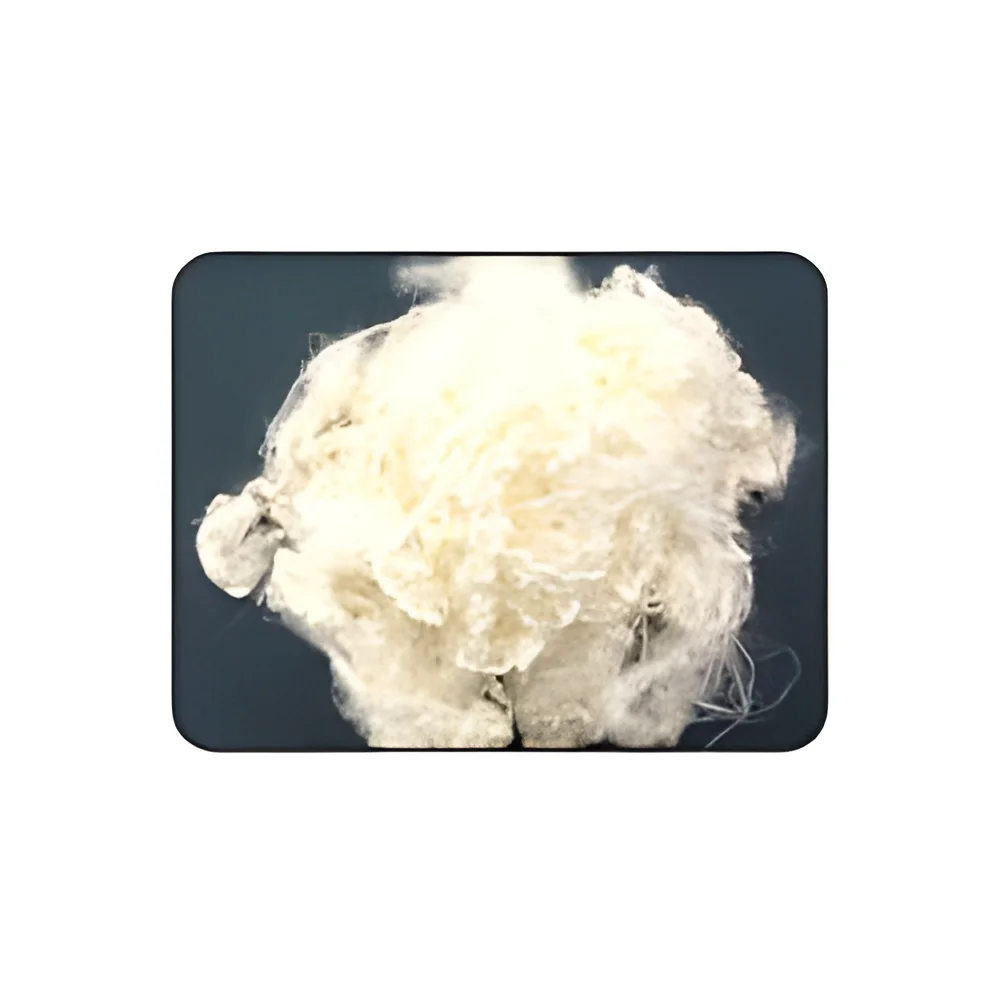

 India
India