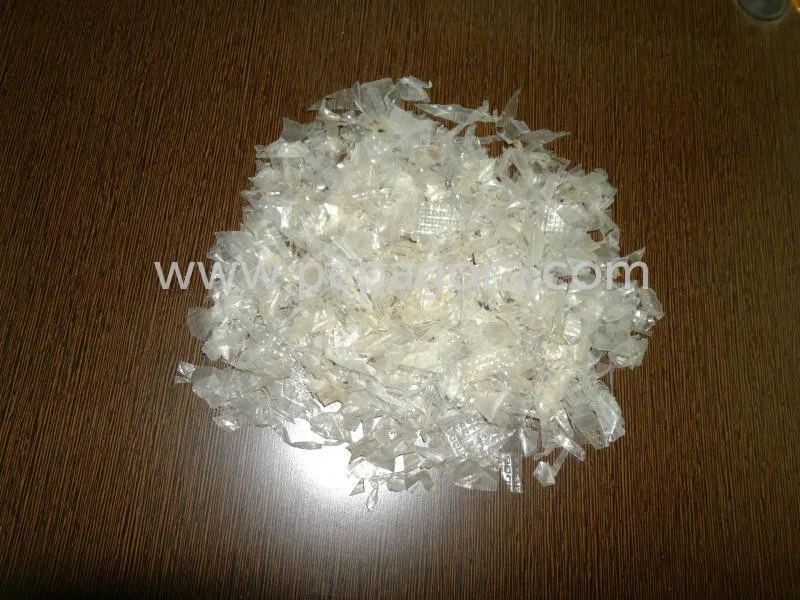
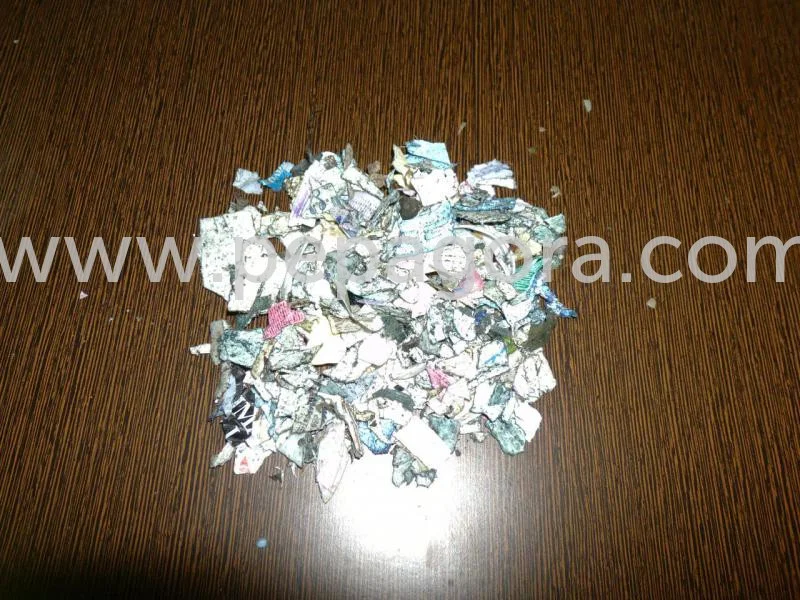
What are Plastic Waste Bales?
Plastic waste bales are compacted blocks of plastic materials, designed for efficient storage and transport. These bales are made by compressing various types of plastic waste, such as polyethylene, polypropylene, and polystyrene. The bales are typically bound with wire or plastic strapping to maintain their shape and facilitate handling. This compact format not only saves space but also makes recycling processes more efficient.
The primary use of plastic waste bales is in recycling and waste management industries. Businesses use them to consolidate plastic waste before sending it to recycling facilities where the materials can be processed and repurposed. Additionally, plastic waste bales are often utilized in manufacturing new products, such as textiles, containers, and other plastic goods. The relevance of plastic waste bales has increased significantly in recent years due to the growing emphasis on sustainability and environmental responsibility in various sectors.
Key Features and Specifications
Plastic waste bales come with a variety of features and specifications that meet industry needs. These specifications help businesses determine the best fit for their recycling and waste management operations.
Key specifications include:
1. Bale Size
- Common sizes range from 1,000 to 2,500 lbs per bale.
- Dimensions typically vary based on the type of plastic and processing method.
2. Bale Density
- Average density is approximately 10 to 20 pounds per cubic foot.
- Higher density bales are preferred for shipping efficiency.
3. Material Composition
- Typically includes a mix of HDPE, LDPE, PET, and other plastics.
- Composition affects the recycling potential and end-product quality.
4. Binding Method
- Bales can be bound using wire, plastic strapping, or twine.
- Binding method impacts handling and transport.
5. Contamination Levels
- Acceptable contamination levels vary by recycling facility.
- Lower contamination results in higher recycling value.
6. Storage Conditions
- Should be stored in a dry area to prevent degradation.
- Temperature and humidity control may be necessary depending on the plastic type.
7. Compliance Standards
- Must meet industry-specific compliance requirements, including CE certification.
- Compliance ensures safety and quality throughout the supply chain.
In summary, understanding the key features and specifications of plastic waste bales is crucial for stakeholders in waste management and recycling industries.
Common Applications and Use Cases
Plastic waste bales are utilized across a range of industries, driven by the need for responsible waste management and recycling.
1. Recycling Industry: These bales serve as a primary feedstock for recycling facilities, where they are processed into new materials.
2. Manufacturing: Many manufacturers purchase plastic waste bales to incorporate recycled plastics into their production lines, reducing reliance on virgin materials.
3. Retail: Retailers often consolidate plastic packaging waste into bales for efficient disposal and recycling.
4. Construction: Some construction companies use recycled plastics from bales in composite materials for building products.
5. Automotive: The automotive industry incorporates recycled plastics from waste bales in manufacturing components, contributing to sustainability initiatives.
6. Agriculture: Agricultural businesses use bales for recycling plastic films and containers, which are common in farming operations.
7. Waste Management: Waste management companies use plastic waste bales to streamline the collection and processing of recyclable materials.
Product Variants and Subcategories
Plastic waste bales come in various forms tailored to different industry needs.
Bale Type A
This variant focuses on high-density polyethylene (HDPE) bales, which are ideal for recycling into new containers and products. These bales are known for their durability and are often sought after for their high recycling value.
Bale Type B
This variant includes mixed plastic bales that contain a combination of different plastics. They are versatile and can be processed into a variety of end products, making them suitable for recycling facilities that handle diversified streams.
Bale Type C
This category features low-density polyethylene (LDPE) bales, commonly used in applications like plastic bags and film recycling. LDPE bales are lighter and often have different processing requirements compared to other types.
Benefits and Advantages
Sourcing plastic waste bales offers several advantages for businesses aiming for sustainability and efficiency.
1. Cost-Effectiveness: Utilizing recycled plastics from waste bales can significantly reduce material costs in manufacturing processes.
2. Environmental Impact: Recycling plastic waste contributes to reduced landfill use and lower carbon footprints, aligning with corporate sustainability goals.
3. Space Efficiency: Baling plastic waste optimizes storage and transport, allowing companies to manage inventory more effectively.
4. Processing Efficiency: Compact bales streamline the recycling process, increasing throughput at recycling facilities.
5. Quality Assurance: Bales that meet specified standards ensure that the recycled materials produced are of high quality.
6. Regulatory Compliance: Sourcing compliant bales helps businesses adhere to environmental regulations and standards.
Buying Guide for B2B Buyers
When sourcing plastic waste bales, it is essential for buyers to consider several critical factors.
1. Quality Assessment: Evaluate the quality of the bales, including their material composition and contamination levels. High-quality bales yield better recycling outcomes.
2. Supplier Verification: Conduct thorough vetting of suppliers. Check their certifications, reputation, and history in the industry to ensure reliability.
3. Pricing and MOQ: Understand the pricing structure and minimum order quantities (MOQ) offered by suppliers. Ensure that the costs align with your budget and operational needs.
4. Delivery and Lead Times: Clarify delivery schedules and lead times to align with your project timelines. Timely delivery is crucial for maintaining workflow.
5. Compliance Requirements: Ensure that the bales meet necessary regulatory and industry standards. Compliance is vital for legal operations and safe handling.
Compliance and Certifications
Plastic waste bales must adhere to several quality standards and certifications to ensure safety and effectiveness in recycling processes. Relevant quality standards include ISO 9001, which focuses on quality management systems, ensuring that suppliers maintain high production standards.
Additionally, industry certifications such as CE indicate that the products meet European safety, health, and environmental protection standards. These certifications are crucial for businesses that operate in regions with strict regulations.
Safety requirements also play a significant role in the compliance of plastic waste bales. Testing for contaminants and ensuring proper handling protocols are essential for protecting workers and the environment.
Regional compliance considerations may vary based on local regulations concerning waste management and recycling. Understanding these regulations is vital for businesses operating in multiple regions.
Why Source Plastic Waste Bales from Pepagora?
Pepagora provides a trusted platform for sourcing plastic waste bales, offering several key advantages for B2B buyers.
Verified Supplier Network: Pepagora connects buyers with a network of verified suppliers, ensuring that the sources are reputable and reliable. This verification process helps mitigate risks associated with sourcing.
Streamlined RFQ Process: The platform's Request for Quotation (RFQ) process simplifies the way buyers can request information and pricing from multiple suppliers, saving time and effort.
Trade Assurance and Support: Buyers benefit from trade assurance and dedicated support, offering protection throughout the sourcing process. This ensures peace of mind when making purchasing decisions.
Regional Coverage: Pepagora has a significant geographic reach, covering areas such as India, the GCC, and Southeast Asia. This extensive coverage allows buyers to find local suppliers that meet their specific needs while ensuring compliance with regional regulations.

 IN
IN