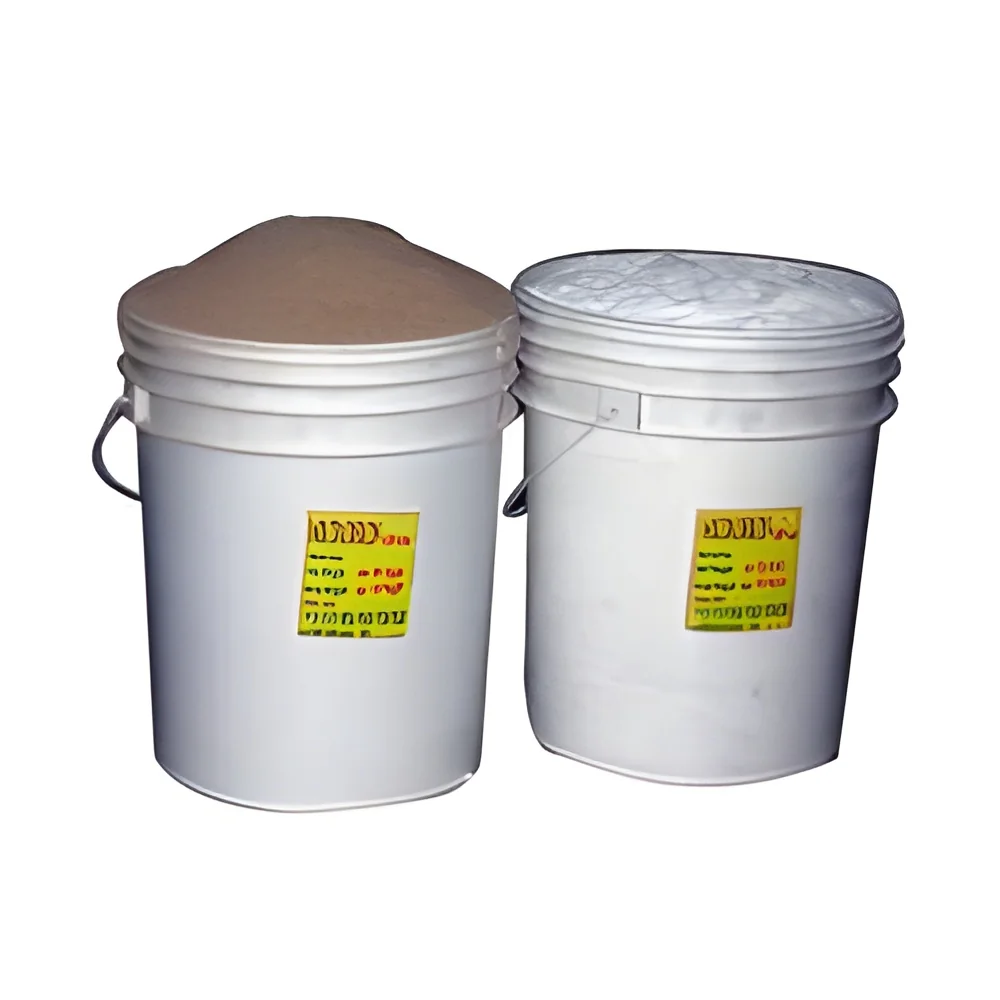
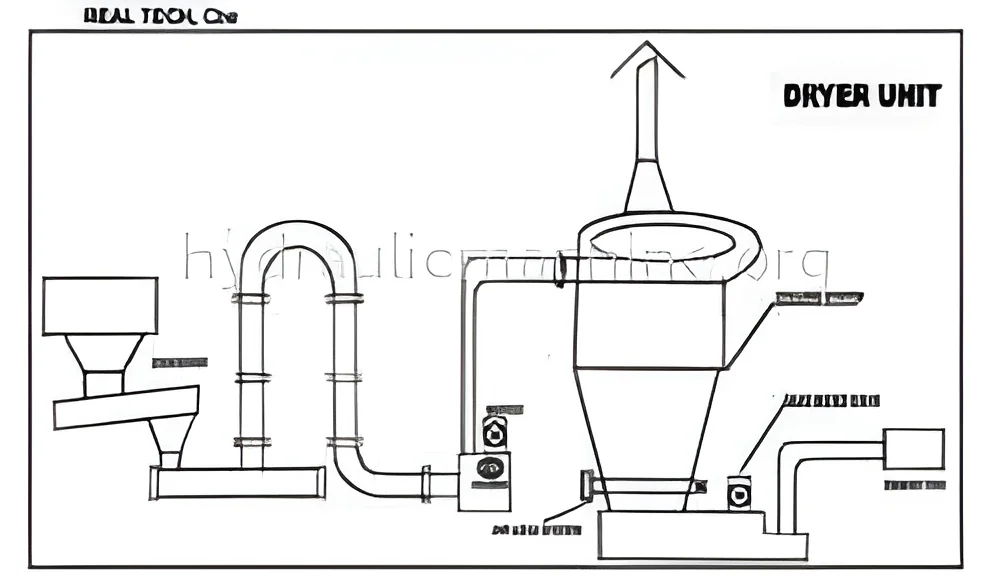
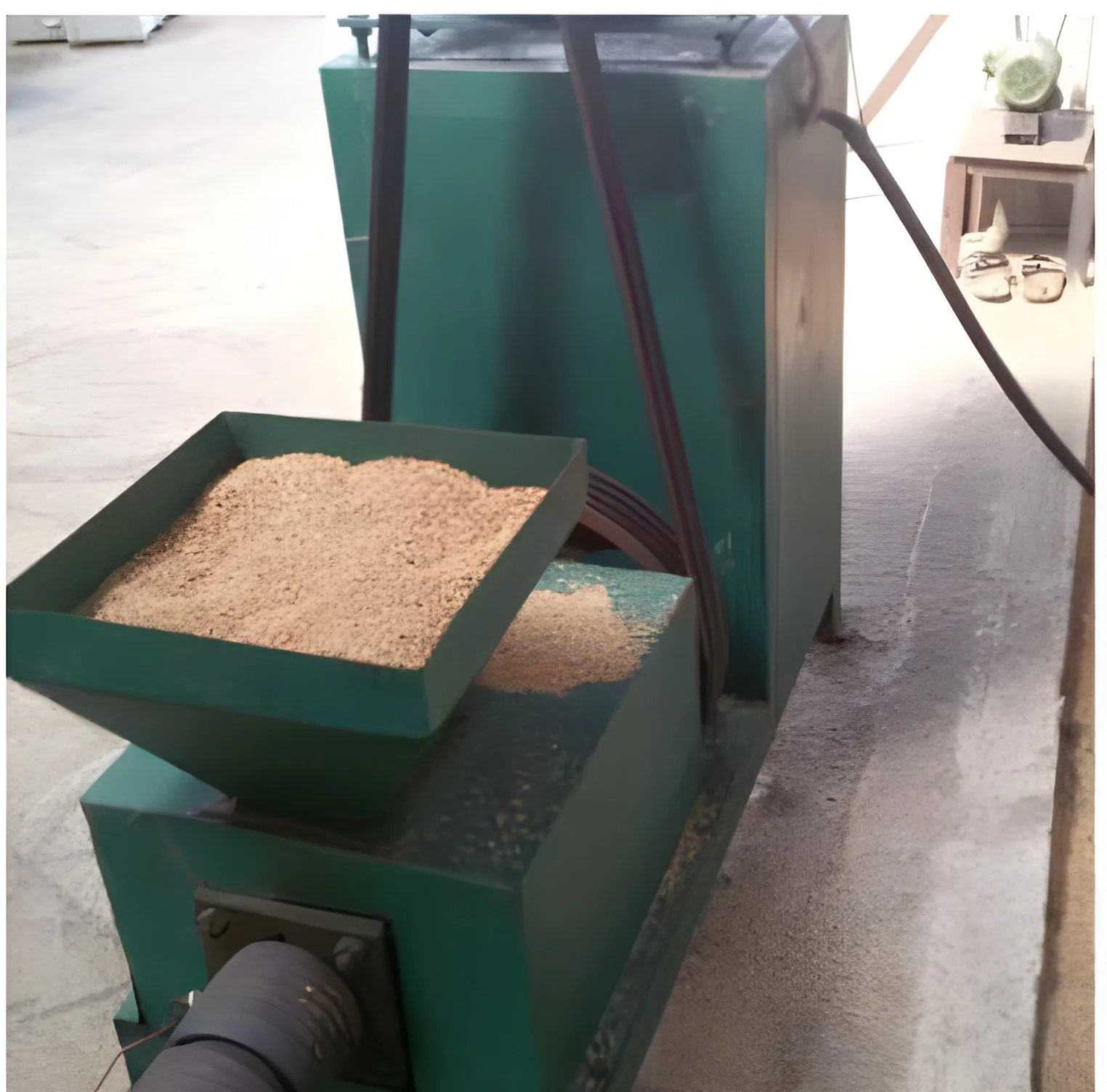
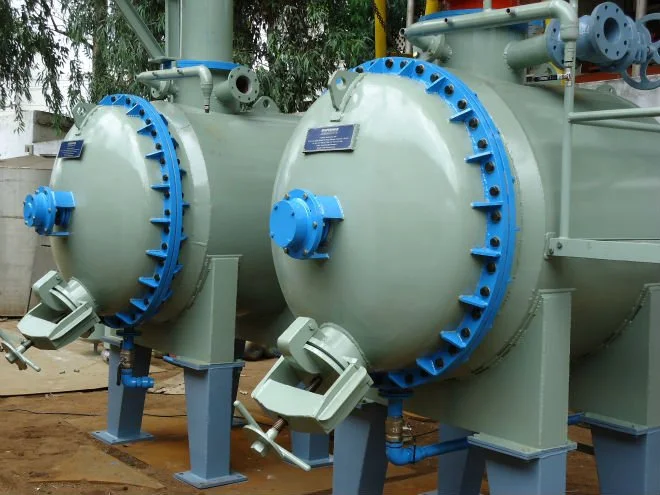
What are Waste-to-Energy Feedstock?
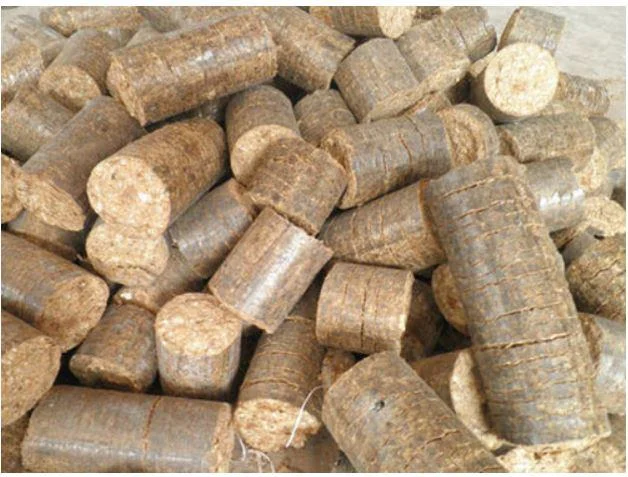
Waste-to-Energy Feedstock refers to a variety of materials that are utilized to generate energy through combustion or other conversion processes. These feedstocks primarily consist of organic waste, industrial by-products, and other materials that can be converted into energy. The process involves transforming waste that would otherwise contribute to landfills into a valuable energy source, thereby supporting sustainability and reducing environmental impact.
The primary uses of Waste-to-Energy Feedstock include electricity generation, heat production, and biofuel creation. Businesses in sectors such as waste management, energy production, and agriculture increasingly rely on these feedstocks to enhance energy efficiency and reduce waste disposal costs. The growing focus on renewable energy sources and sustainability makes Waste-to-Energy Feedstock a critical component of energy production strategies in various industries.
The relevance of Waste-to-Energy Feedstock in today's market is underscored by rising energy demands and the need for sustainable waste management solutions. With governments and organizations pushing for greener energy sources, the market for Waste-to-Energy Feedstock is expanding. This growth presents opportunities for businesses to innovate and invest in cleaner technologies while contributing to environmental sustainability.
Key Features and Specifications
Waste-to-Energy Feedstock is characterized by several essential features that enhance its effectiveness and usability in energy production processes. These specifications play a crucial role in determining the suitability of feedstock for specific applications.
Key specifications include:
1. Composition
- A diverse mix of organic and inorganic materials
- Includes food waste, agricultural residues, and industrial by-products
2. Energy Content
- Typically measured in megajoules per kilogram (MJ/kg)
- Varies based on the type of waste and moisture content
3. Moisture Level
- A crucial factor affecting energy conversion efficiency
- Ideal moisture levels generally range from 20% to 40%
4. Ash Content
- Represents the non-combustible residue after combustion
- Lower ash content is preferable for efficient energy recovery
5. Contaminant Levels
- Includes metals, plastics, and other non-biodegradable materials
- Lower levels of contaminants lead to better quality feedstock
6. Particle Size
- Typically required to be uniform for optimal combustion
- Size specifications may vary based on conversion technology used
7. Odor Profile
- Affects handling and storage conditions
- Should be minimized to ensure compliance with regulations
8. Storage Conditions
- Must be stored in a controlled environment to prevent degradation
- Requires humidity and temperature control measures
These specifications are vital for ensuring the quality and efficiency of Waste-to-Energy Feedstock in energy production processes.
Common Applications and Use Cases
Waste-to-Energy Feedstock serves a wide range of industries, providing sustainable energy solutions and reducing waste.
1. Energy Production: Power plants utilize Waste-to-Energy Feedstock to generate electricity and heat, contributing to the energy grid while minimizing landfill waste.
2. Agriculture: Farms convert organic waste into biofuels or biogas, supporting energy needs while managing waste effectively.
3. Municipal Waste Management: Local governments deploy Waste-to-Energy technologies to process municipal solid waste, reducing landfill reliance and generating energy.
4. Food Processing: Food manufacturers use Waste-to-Energy systems to manage by-products and waste, converting them into usable energy.
5. Industrial Applications: Factories and manufacturing plants implement Waste-to-Energy Feedstock to power operations, leading to cost savings and waste reduction.
6. Waste Management Sector: Waste management companies leverage Waste-to-Energy Feedstock to enhance profitability through energy recovery from waste.
7. Construction: Construction sites use Waste-to-Energy technologies to process construction debris, generating energy while promoting sustainable practices.
Product Variants and Subcategories
While specific product variants for Waste-to-Energy Feedstock may not be available, the diversity in types of feedstock offers various applications across industries.
Organic Feedstock
This variant consists primarily of biodegradable materials such as food waste, yard trimmings, and agricultural residues. It is highly effective in anaerobic digestion processes for biogas production.
Industrial By-Products
This category includes materials generated from manufacturing processes, such as sawdust, paper waste, and textiles. These feedstocks are ideal for combustion in energy recovery systems.
Commercial Waste
Commercial establishments produce significant amounts of waste, including packaging and food waste. Collecting and processing this feedstock can yield energy while addressing waste management challenges.
Benefits and Advantages
Sourcing Waste-to-Energy Feedstock offers numerous advantages for businesses.
1. Sustainability: Using waste as a feedstock promotes recycling and reduces landfill contributions, supporting environmental goals.
2. Cost Savings: Implementing Waste-to-Energy systems can lower disposal costs and generate revenue from energy production.
3. Energy Independence: Leveraging local waste resources reduces reliance on fossil fuels and enhances energy security.
4. Improved Waste Management: Transforming waste into energy minimizes the volume of waste sent to landfills, improving overall waste management practices.
5. Regulatory Compliance: Utilizing Waste-to-Energy Feedstock can help organizations meet environmental regulations and sustainability targets.
6. Innovation Opportunities: The growing market for Waste-to-Energy solutions encourages research and development, fostering innovation in energy technologies.
Buying Guide for B2B Buyers
When sourcing Waste-to-Energy Feedstock, several critical factors should be considered to ensure quality and compatibility with processing systems.
1. Quality Assessment: Evaluate the composition and energy content of the feedstock. Ensure it meets the required specifications for your energy production system.
2. Supplier Verification: Conduct thorough background checks on suppliers to confirm their reliability and compliance with industry standards. Look for customer reviews and case studies.
3. Pricing and MOQ: Understand the pricing structure and minimum order quantities (MOQ) required by suppliers. This information will aid in budgeting and procurement planning.
4. Delivery and Lead Times: Confirm logistics arrangements, including delivery schedules and lead times. Ensure the feedstock can be supplied consistently to avoid operational disruptions.
5. Compliance Requirements: Verify that the feedstock meets all relevant regulatory and quality standards. This includes environmental regulations and safety requirements.
Compliance and Certifications
Compliance with industry standards is critical in the production and use of Waste-to-Energy Feedstock. Key quality standards include ISO 9001, which focuses on quality management systems, ensuring that products meet customer and regulatory requirements.
Certifications such as CE indicate that the feedstock complies with European safety and environmental protection standards. This certification assures buyers of the product's quality and safety.
Safety and testing requirements are essential in assessing the suitability of Waste-to-Energy Feedstock. Regular testing for contaminants and energy content is necessary to maintain compliance with industry standards.
Regional compliance considerations vary, depending on local regulations regarding waste management and energy production. It is crucial to stay informed about regional laws to ensure adherence and avoid penalties.
Why Source Waste-to-Energy Feedstock from Pepagora?
Pepagora offers a reliable platform for sourcing Waste-to-Energy Feedstock, providing several notable advantages for B2B buyers.
Verified Supplier Network: Pepagora connects buyers with a network of verified suppliers, ensuring that sourced products meet quality and compliance standards. This verification process provides peace of mind to buyers.
Streamlined RFQ Process: The platform simplifies the request for quotation (RFQ) process, enabling buyers to quickly obtain quotes from multiple suppliers. This efficiency enhances decision-making and procurement speed.
Trade Assurance and Support: Pepagora provides trade assurance services, protecting buyers during transactions. With dedicated support, buyers receive assistance throughout the sourcing process, ensuring a smooth experience.
Regional Coverage: Pepagora's reach extends across India, the GCC, and Southeast Asia. This geographic coverage facilitates access to a wide range of suppliers and products, catering to diverse market needs.
By choosing Pepagora, businesses can confidently source Waste-to-Energy Feedstock while benefitting from a comprehensive support system designed to enhance procurement efficiency and reliability.

 IN
IN