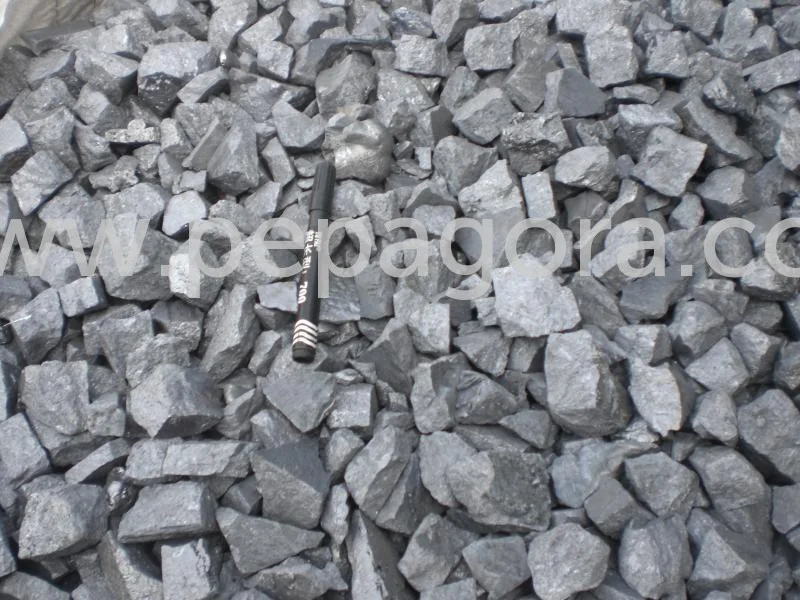
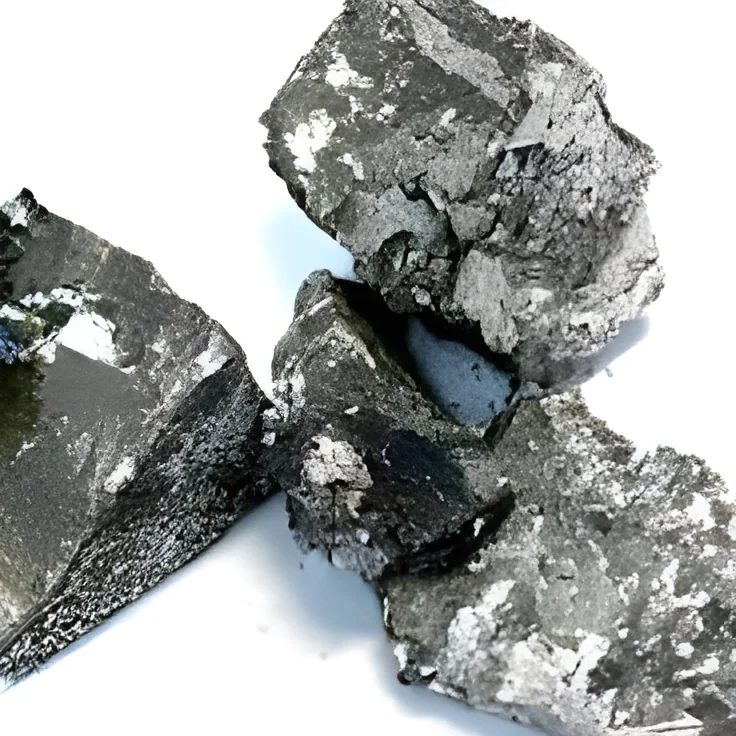
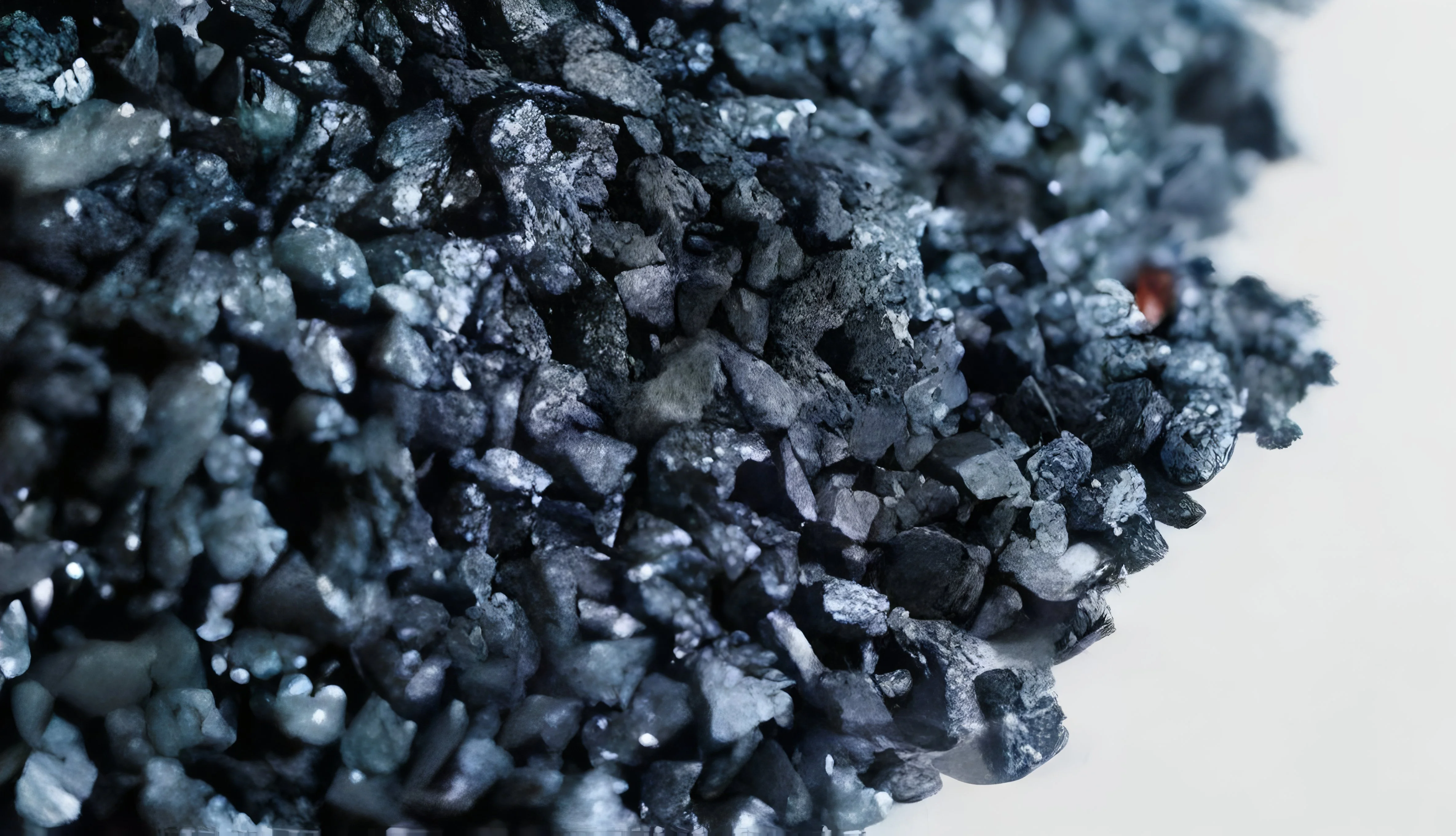
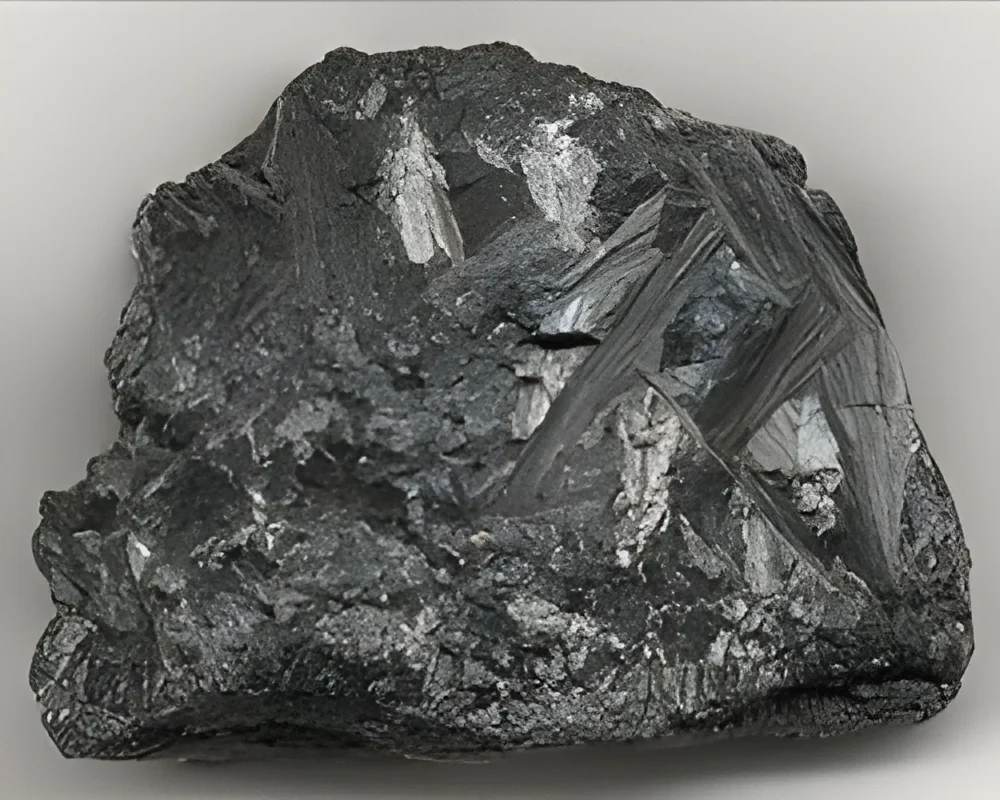
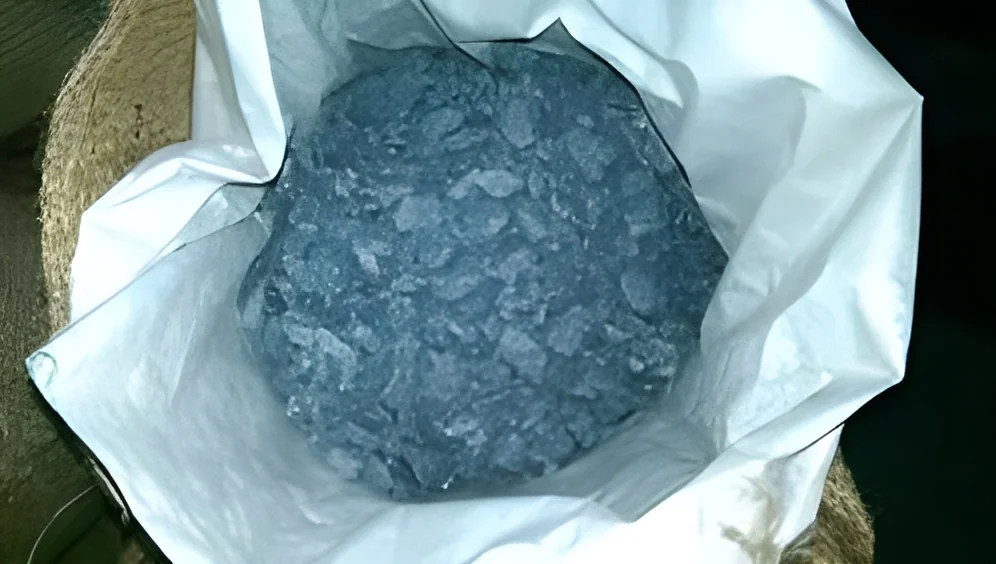
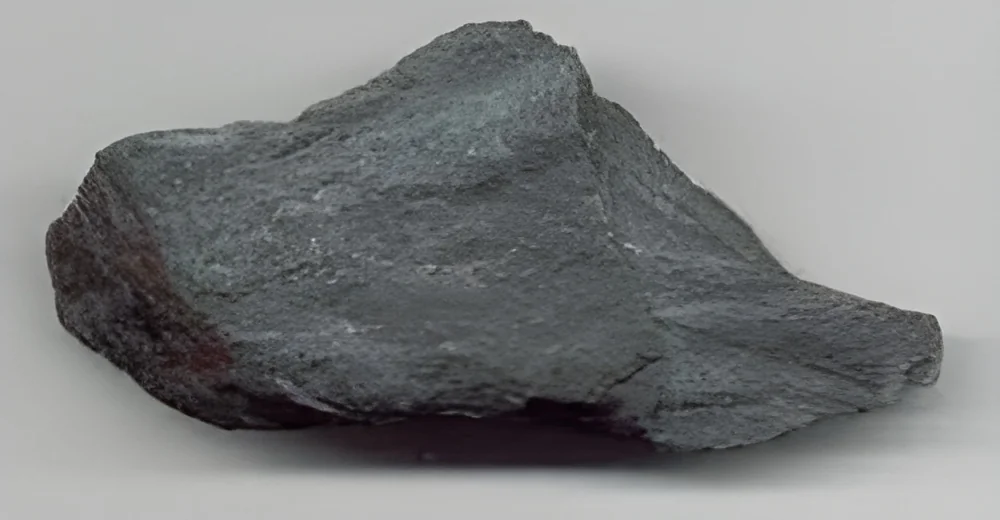
What are Ferrous & Non-Ferrous Scrap?
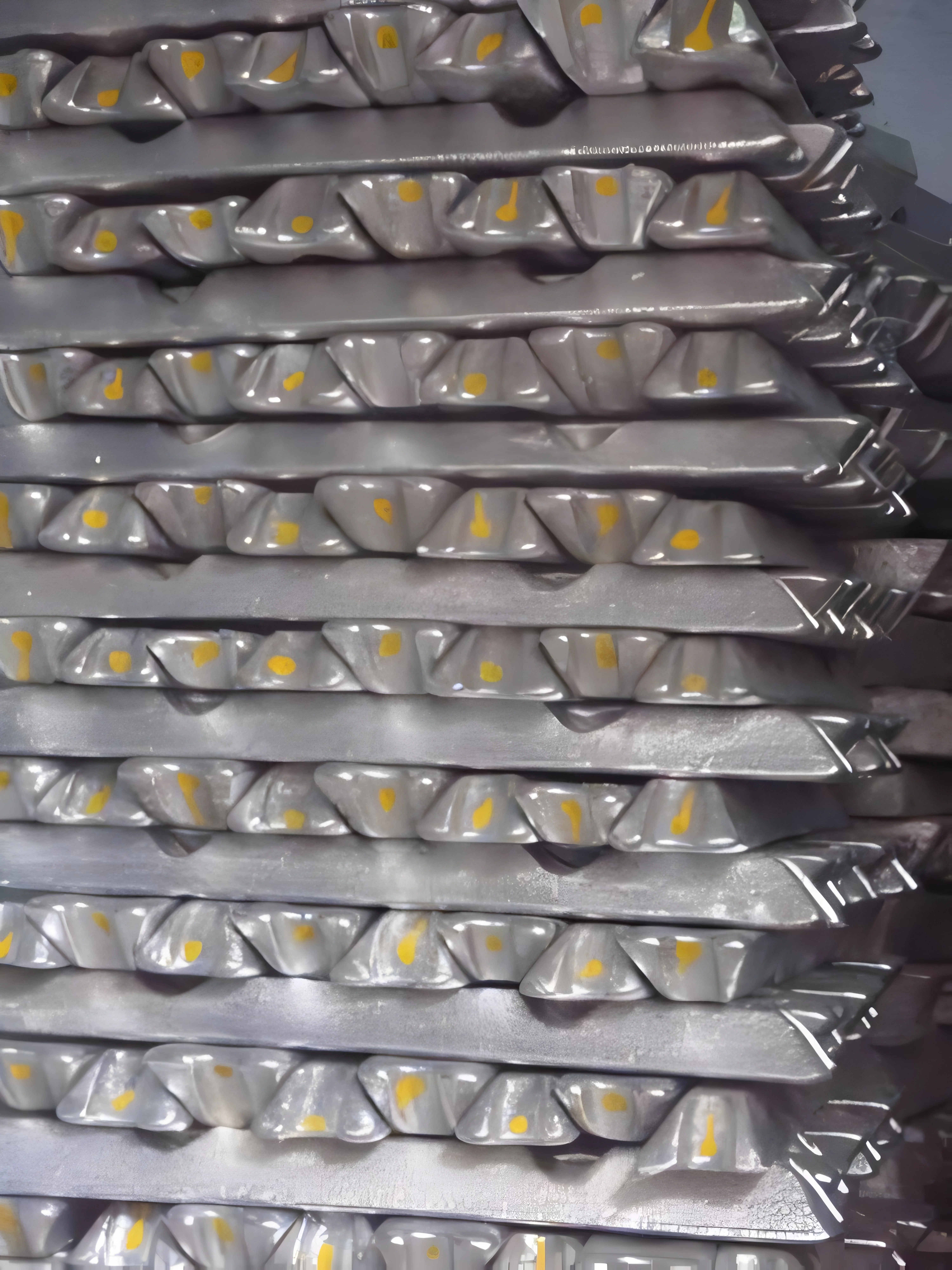
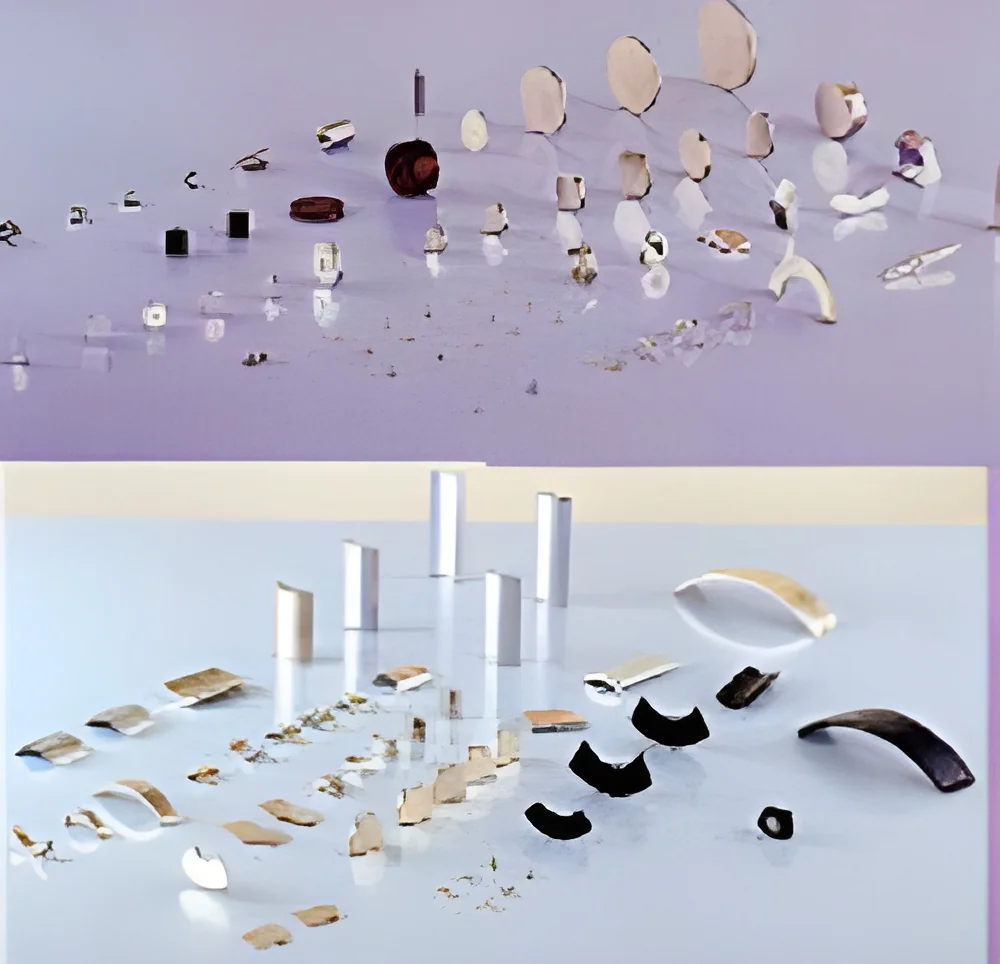
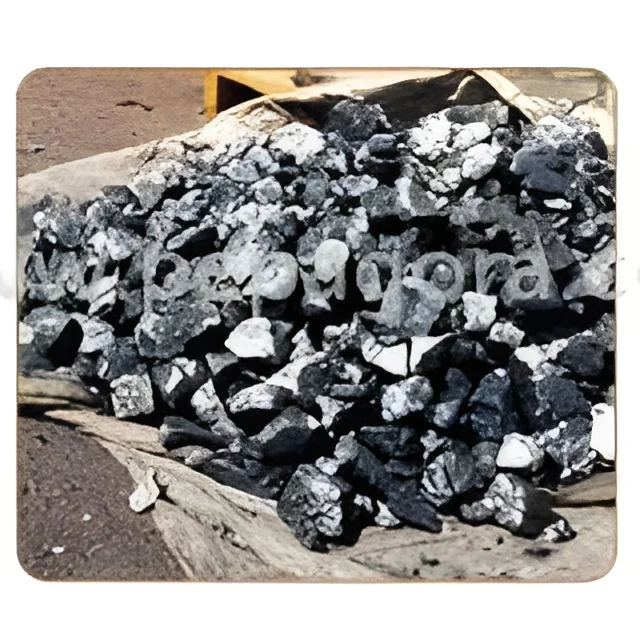
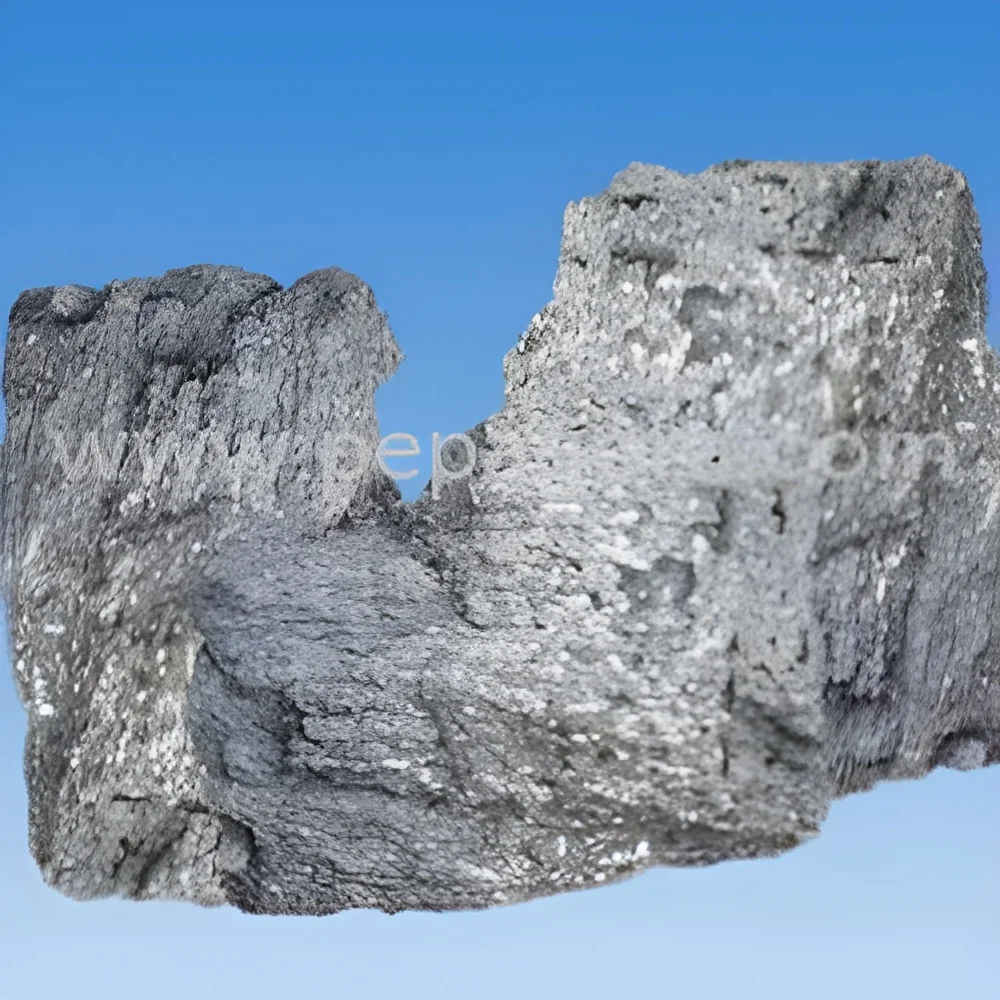
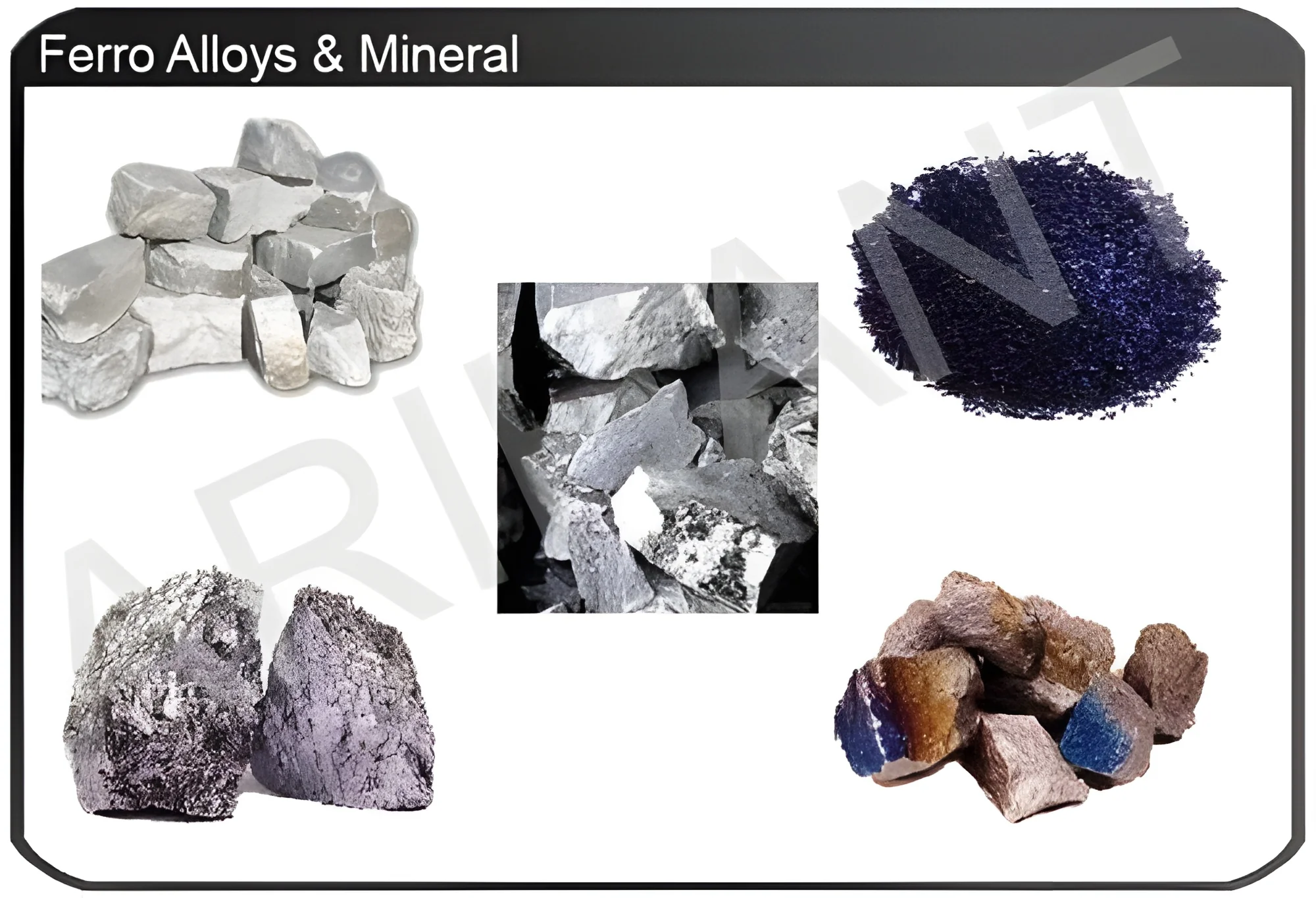
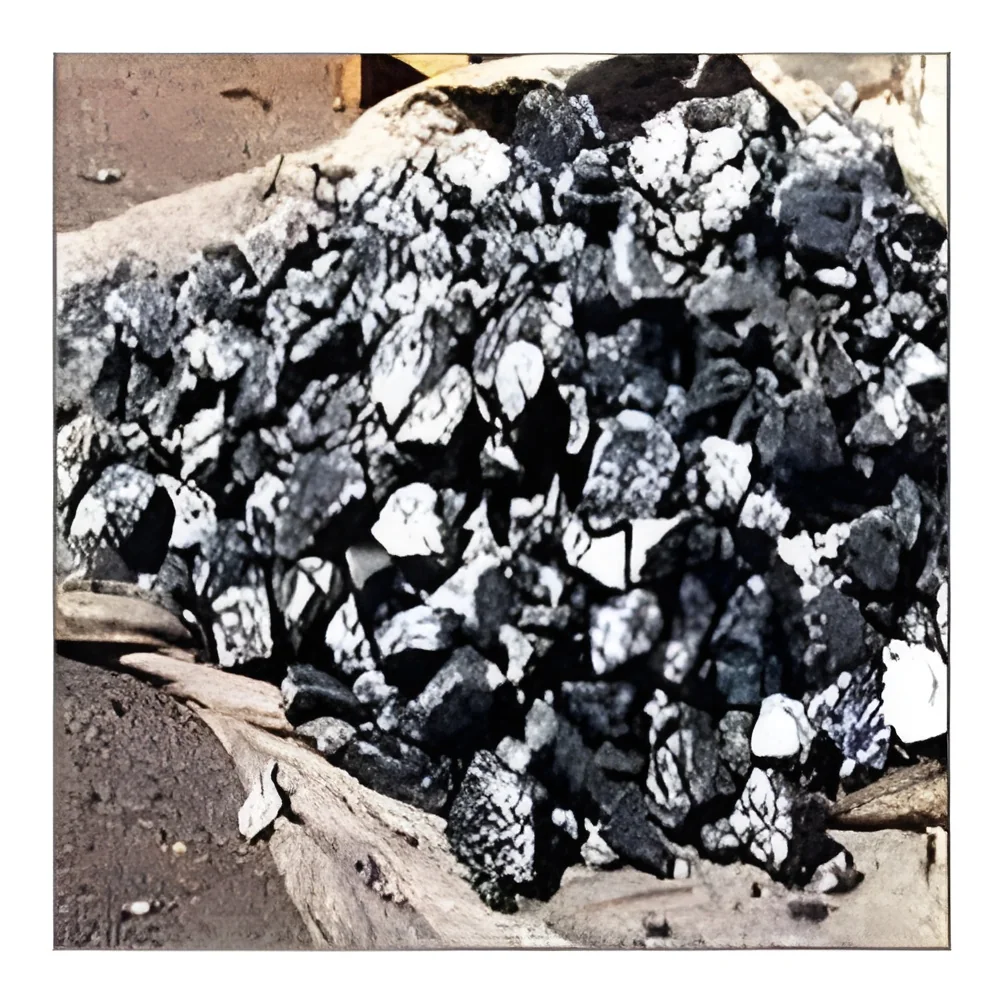
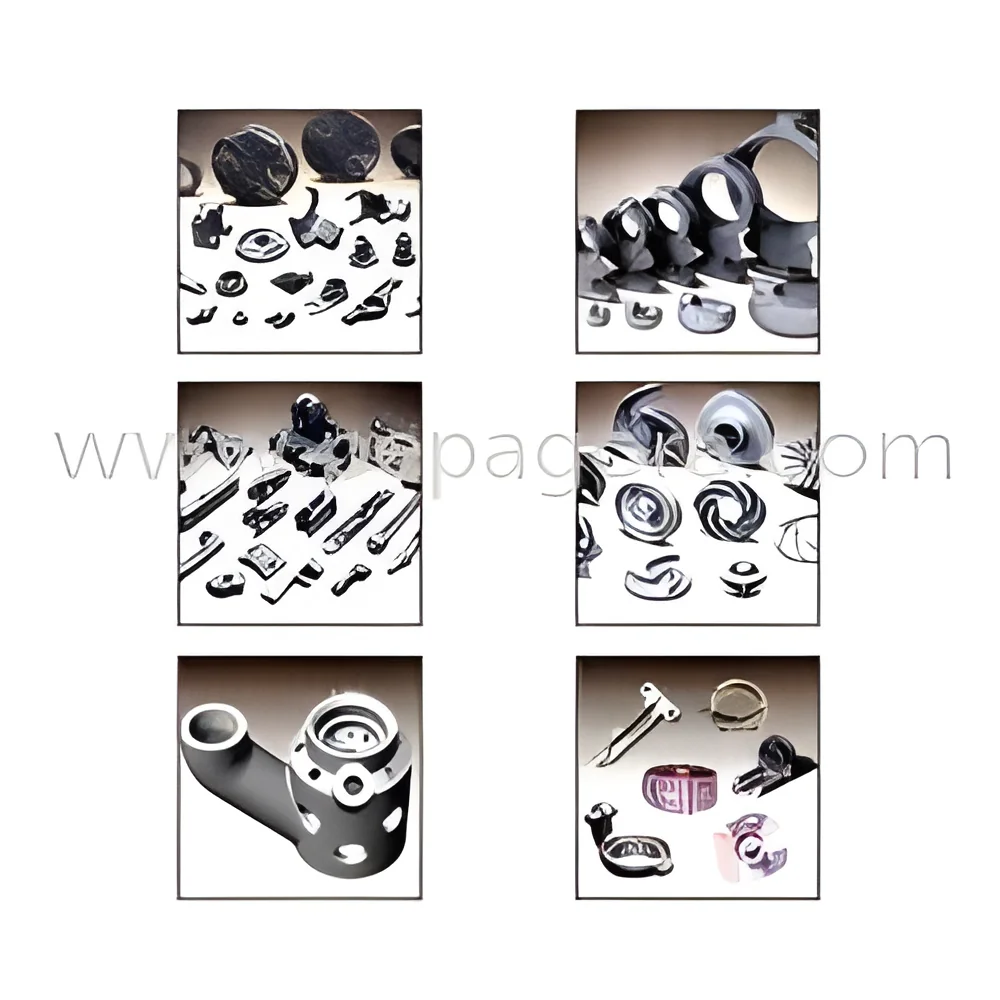
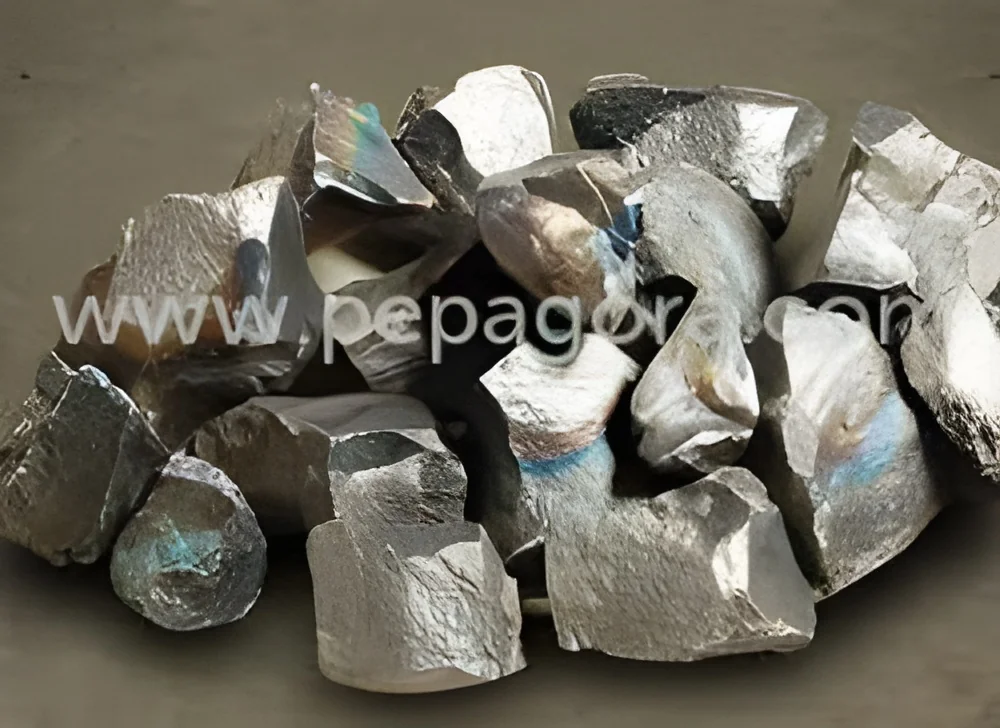
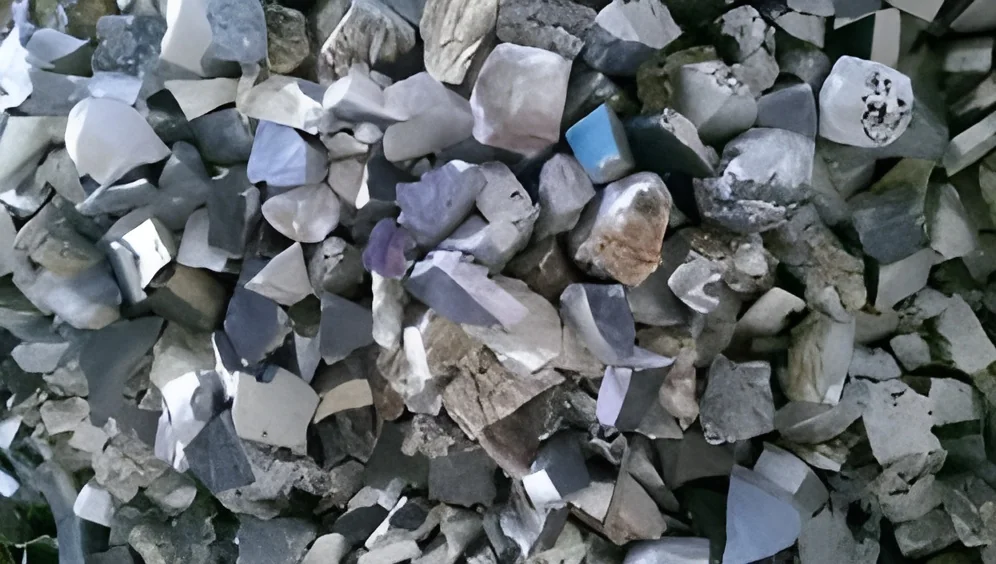
Ferrous and non-ferrous scrap materials are essential components in the recycling industry. Ferrous scrap primarily consists of iron and steel, which are magnetic and widely used in construction and manufacturing. Non-ferrous scrap includes metals such as aluminum, copper, brass, and lead, which do not contain iron and are typically non-magnetic. These scrap materials can be sourced from various industries, including automotive, construction, and electronics, and are crucial for producing new metal products.
The primary uses of ferrous and non-ferrous scrap include recycling into new metal products, reducing the need for virgin materials, and minimizing environmental impact. Businesses use these materials in manufacturing processes, allowing them to lower production costs and adhere to sustainability goals. The recycling of scrap metals also plays a vital role in conserving resources and reducing energy consumption in metal production.
In the current market, the demand for recycled metals is increasing due to the growing focus on sustainability and resource conservation. Industries are seeking reliable sources of ferrous and non-ferrous scrap to meet their production needs while reducing their carbon footprint. This trend highlights the importance of establishing strong supplier relationships and ensuring the quality of scrap materials.
Key Features and Specifications
Ferrous and non-ferrous scrap materials come with specific features and specifications crucial for buyers in the recycling and manufacturing industries. Understanding these specifications helps businesses make informed purchasing decisions.
Key specifications include:
1. Composition
- The percentage of ferrous and non-ferrous metals in the scrap.
- Varies based on the source and type of scrap collected.
2. Purity Level
- The presence of contaminants such as plastics, rubber, or other non-metal materials.
- Higher purity levels are preferred for efficient recycling.
3. Size and Shape
- Dimensions and physical form of the scrap (shredded, baled, or loose).
- Influences transportation and processing methods.
4. Weight
- The total weight of the scrap being purchased.
- Often measured in tons or pounds.
5. Market Pricing
- Pricing varies based on market demand and metal type.
- Prices may fluctuate based on global economic conditions.
6. Source of Scrap
- Origin of the scrap materials, such as industrial, post-consumer, or construction waste.
- Impacts quality and pricing.
7. Compliance with Standards
- Adherence to industry standards and regulations.
- Ensures materials meet safety and quality benchmarks.
8. Availability
- Consistency of supply from suppliers.
- Important for maintaining production schedules.
In summary, understanding the features and specifications of ferrous and non-ferrous scrap is vital for businesses looking to optimize their sourcing strategies and ensure quality in their production processes.
Common Applications and Use Cases
Ferrous and non-ferrous scrap materials are utilized across various industries, showcasing their versatility and importance.
1. Automotive Industry: Scrap metals from old vehicles are recycled to produce new car parts, reducing the need for new metal and lowering production costs.
2. Construction Industry: Scrap materials sourced from construction sites are used to create new steel beams and other structural components, promoting sustainability.
3. Electronics Manufacturing: Non-ferrous metals such as copper from electronic waste are recovered and reused in new electronic products, minimizing waste.
4. Packaging: Aluminum and steel scrap are commonly recycled into packaging materials, such as cans and containers, contributing to circular economy practices.
5. Shipbuilding: Scrap metals are used in shipbuilding to create new vessels, enhancing the durability and strength of the construction.
6. Appliances: Old appliances are dismantled for scrap metal, which is then reused in the manufacturing of new appliances, supporting resource conservation.
7. Aerospace: Ferrous and non-ferrous scrap are essential in producing lightweight materials used in airplanes, improving fuel efficiency and performance.
Product Variants and Subcategories
Ferrous and non-ferrous scrap encompasses a diverse range of materials, each with unique characteristics and applications.
Ferrous Scrap
This category includes iron and steel products, typically sourced from construction debris, old vehicles, and industrial waste. Ferrous scrap is essential in producing new steel products, making it a staple in the construction and manufacturing sectors.
Non-Ferrous Scrap
This variant includes metals like aluminum, copper, and brass, which are highly sought after for their lightweight and corrosion-resistant properties. Non-ferrous scrap is commonly recycled from electronic waste, plumbing materials, and packaging, playing a vital role in various industries.
In summary, each variant of ferrous and non-ferrous scrap serves specific functions and industries, highlighting the importance of proper sourcing and application.
Benefits and Advantages
Sourcing ferrous and non-ferrous scrap offers several notable benefits for businesses looking to enhance their operations.
1. Cost Efficiency: Utilizing recycled scrap metals reduces production costs by lowering the need for expensive raw materials.
2. Sustainability: Recycling scrap metals contributes to environmental conservation by minimizing waste and reducing energy consumption in metal production.
3. Resource Conservation: Using recycled materials helps preserve natural resources, ensuring they remain available for future generations.
4. Versatility: Ferrous and non-ferrous scrap can be used across multiple industries, making it a flexible solution for various manufacturing needs.
5. Compliance with Regulations: Sourcing scrap from certified suppliers helps businesses meet regulatory requirements, enhancing safety and quality in production.
6. Market Demand: Increased demand for recycled metals provides businesses with opportunities to capitalize on the growing sustainability trend.
Buying Guide for B2B Buyers
For businesses looking to source ferrous and non-ferrous scrap, several factors should be considered to ensure effective procurement.
1. Quality Assessment: Evaluate the quality of scrap materials based on composition and purity levels. This ensures that the recycled metals will meet production standards.
2. Supplier Verification: Vet potential suppliers by checking their certifications and previous performance. A reliable supplier network is critical for consistent quality and supply.
3. Pricing and MOQ: Understand the pricing dynamics of scrap metals, including minimum order quantities (MOQ). This helps in budgeting and managing procurement costs effectively.
4. Delivery and Lead Times: Consider logistics and transportation arrangements to ensure timely delivery of scrap materials. This is essential to maintain production schedules.
5. Compliance Requirements: Be aware of regional compliance standards and regulations concerning scrap metal sourcing. This ensures adherence to safety and quality benchmarks.
Compliance and Certifications
Compliance and certifications are crucial aspects of sourcing ferrous and non-ferrous scrap. Adhering to relevant standards ensures quality and safety in the recycling process.
ISO 9001 is a widely recognized quality management standard that ensures organizations consistently meet customer and regulatory requirements. Compliance with this standard indicates a commitment to quality in sourcing and processing scrap metals.
Additionally, CE certification is important for businesses operating in markets that require compliance with European safety standards. This certification assures buyers of the safety and reliability of the scrap materials they source.
It is also essential to consider safety and testing requirements specific to the scrap metal industry. Regular testing and quality assessments help ensure that the materials meet industry standards and do not pose risks during processing.
Regional compliance considerations may vary by location, and it is important for businesses to stay informed about local regulations that govern scrap metal sourcing and recycling.
Why Source Ferrous & Non-Ferrous Scrap from Pepagora?
Pepagora provides a trusted platform for sourcing ferrous and non-ferrous scrap, offering several key advantages to businesses.
A verified supplier network is one of Pepagora's standout features. The platform connects buyers with reputable suppliers who have been thoroughly vetted for quality and reliability. This ensures that businesses can source scrap materials with confidence.
The streamlined RFQ process simplifies the quotation system, allowing buyers to request quotes quickly and efficiently. This feature saves time and enhances the purchasing experience for businesses seeking ferrous and non-ferrous scrap.
Trade assurance and support are central to Pepagora's commitment to buyer protection. The platform provides guidance and support throughout the sourcing process, ensuring that buyers receive the materials they need without complications.
Lastly, Pepagora offers regional coverage that extends across India, the GCC, and Southeast Asia. This geographic reach allows businesses to tap into a diverse supplier base, ensuring a consistent supply of high-quality ferrous and non-ferrous scrap materials.

 IN
IN