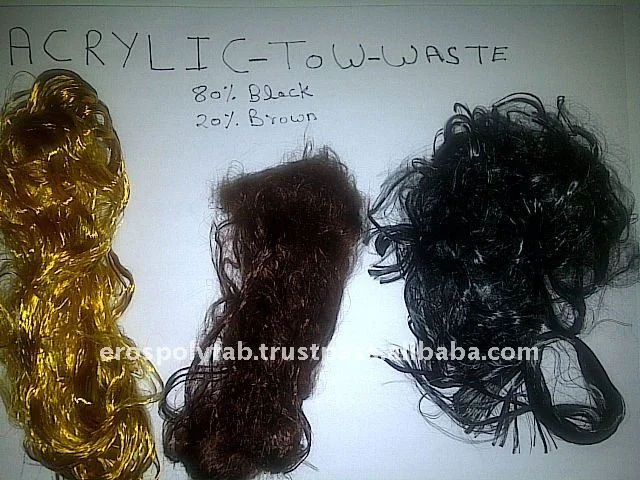
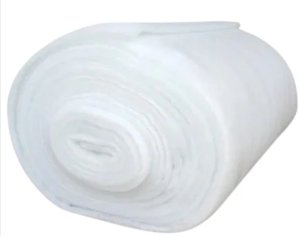
What are Recycled Textile Fiber?
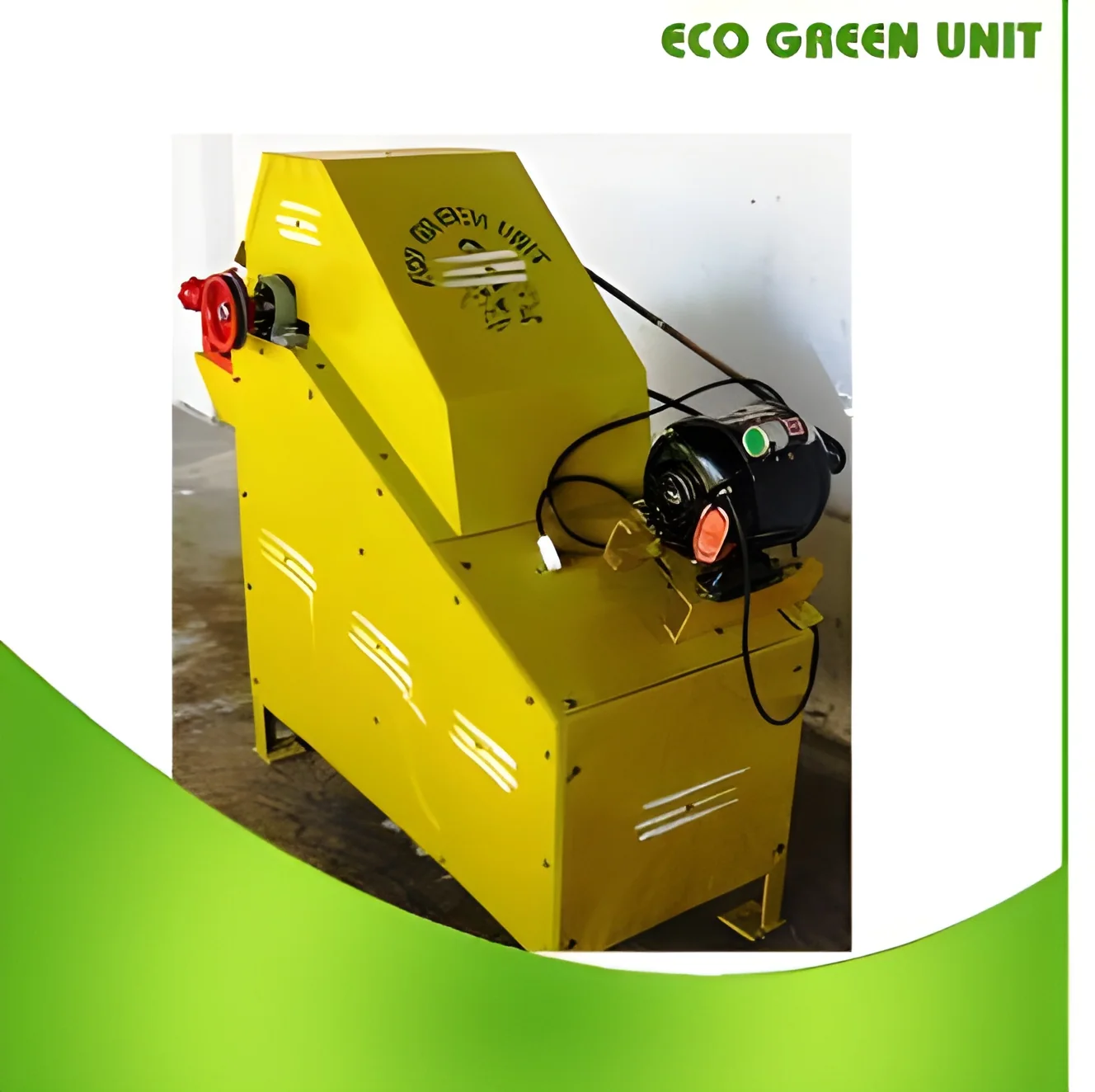
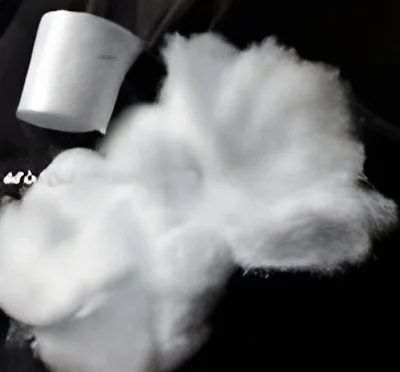
Recycled Textile Fiber refers to fibers obtained from post-consumer or post-industrial textile waste, which are processed to create new textile materials. This innovative approach not only helps in managing waste but also reduces the consumption of virgin resources. The recycling process involves sorting, shredding, and re-spinning the textile waste into usable fibers, which can then be woven into new fabrics or used in various applications.
These fibers find extensive use in multiple sectors, including fashion, automotive, and home textiles. Businesses utilize recycled textile fibers for producing clothing, upholstery, insulation materials, and other textile products. The growing awareness about sustainability and environmental impact has led to an increasing demand for recycled fibers, making them a critical component in the textile supply chain.
The relevance of recycled textile fibers in the industry is underscored by the global push towards sustainability. As consumers and businesses alike prioritize eco-friendly practices, the market for recycled materials is expanding. Companies investing in recycled textile fibers are not only contributing to environmental conservation but also gaining a competitive edge in an increasingly eco-conscious marketplace.
Key Features and Specifications
Recycled Textile Fiber offers several features that make it suitable for various applications. These fibers are typically derived from a mix of materials, which can influence their characteristics and usability. Understanding these specifications is essential for businesses looking to integrate recycled fibers into their products.
Key specifications include:
1. Fiber Composition
- Typically made from cotton, polyester, or blended fabrics.
- Variability in composition affects dyeability and texture.
2. Length and Diameter
- Fiber lengths can vary based on processing methods.
- Diameter impacts the final fabric's texture and durability.
3. Color Range
- Available in a spectrum of colors, depending on the source material.
- Can be dyed to meet specific aesthetic requirements.
4. Strength and Durability
- Mechanical properties vary based on fiber processing.
- Essential for ensuring product longevity.
5. Moisture Absorption
- Varies based on fiber type; natural fibers generally have higher absorption rates.
- Important for applications requiring breathability.
6. Environmental Impact
- Significantly lower carbon footprint compared to virgin fibers.
- Reduces landfill waste and resource consumption.
7. Compliance with Standards
- Must meet industry standards for safety and quality.
- Certification can enhance marketability.
8. Availability and Sourcing
- Sourced from various suppliers; consistency may vary.
- Important for planning production and inventory.
In summary, understanding the key features and specifications of recycled textile fibers is crucial for making informed purchasing decisions. Businesses should assess their specific needs to choose the right fiber type.
Common Applications and Use Cases
Recycled Textile Fiber is versatile and serves various industries. Its applications are increasingly broad as sustainability becomes a priority across sectors.
1. Fashion Industry: Many fashion brands are integrating recycled fibers into their collections to promote sustainable clothing lines. This includes everything from casual wear to high-fashion garments.
2. Automotive Sector: Recycled textile fibers are used in vehicle interiors for upholstery, carpeting, and insulation materials. This helps manufacturers reduce waste while meeting environmental regulations.
3. Home Textiles: Recycled fibers are utilized in products like bedding, curtains, and rugs. Consumers are attracted to these eco-friendly options, which often come with a story of sustainability.
4. Industrial Applications: Some industries use recycled fibers for insulation and soundproofing materials, contributing to energy efficiency in buildings and vehicles.
5. Outdoor Gear: Companies producing outdoor equipment often incorporate recycled textiles, appealing to environmentally conscious consumers.
6. Non-Woven Products: Recycled fibers can be found in non-woven applications like wipes, filters, and geotextiles, providing an eco-friendly alternative to synthetic materials.
7. Footwear: The shoe industry is increasingly adopting recycled textile fibers for making various components, from insoles to uppers, promoting a circular economy.
Product Variants and Subcategories
Recycled Textile Fiber comes in various forms, catering to diverse market needs. Each variant offers unique features suited for specific applications.
Cotton Recycled Fiber
This variant is derived primarily from cotton waste and is ideal for creating soft, breathable fabrics. It is commonly used in apparel and home textiles, providing a sustainable alternative to conventional cotton.
Polyester Recycled Fiber
Made from recycled PET bottles or polyester fabrics, this fiber is known for its durability and resistance to shrinkage. It is widely used in activewear and outdoor gear, contributing to a reduction in plastic waste.
Blended Fiber
This variant combines different types of recycled fibers, allowing for tailored properties. It is suitable for applications that require specific characteristics, such as enhanced strength or moisture management.
Benefits and Advantages
Recycled Textile Fiber offers numerous benefits that appeal to businesses and consumers alike. As the demand for sustainable solutions grows, these advantages become increasingly significant.
Key benefits include:
1. Environmental Sustainability: Utilizing recycled fibers reduces waste and conserves resources, promoting a circular economy.
2. Cost Efficiency: Recycled fibers can be more cost-effective than virgin materials, especially as technology improves and processing methods become more efficient.
3. Brand Differentiation: Companies that use recycled textile fibers can distinguish themselves in the market by appealing to eco-conscious consumers.
4. Resource Conservation: Recycling textile waste lessens the need for new raw materials, helping to preserve natural resources.
5. Compliance with Regulations: Sourcing recycled materials can aid businesses in meeting environmental regulations and standards.
6. Enhanced Market Appeal: Products made with recycled fibers often attract customers looking for sustainable options, increasing sales potential.
Buying Guide for B2B Buyers
When sourcing Recycled Textile Fiber, businesses should consider several critical factors to ensure they make informed purchasing decisions.
1. Quality Assessment: Evaluate the quality of recycled fibers based on their source and processing methods. Look for samples to assess texture, strength, and color consistency.
2. Supplier Verification: Vet potential suppliers by checking their certifications and reputation in the industry. Ensure they comply with relevant environmental standards.
3. Pricing and MOQ: Understand the pricing structure and minimum order quantities. Compare quotes from multiple suppliers to find the best value.
4. Delivery and Lead Times: Inquire about delivery schedules and lead times to ensure they align with your production timelines.
5. Compliance Requirements: Familiarize yourself with any regulatory compliance needed for recycled materials in your region. Ensure your supplier adheres to these standards.
Compliance and Certifications
Recycled Textile Fiber must meet various compliance and certification standards to ensure safety and quality. These standards are crucial for businesses looking to integrate these materials into their products.
ISO 9001: This quality management standard ensures that suppliers maintain consistent quality in their processes. Companies sourcing recycled fibers should look for suppliers certified under this standard.
CE Certification: Products made from recycled textile fibers may require CE marking to confirm compliance with European health, safety, and environmental protection standards.
Safety and Testing Requirements: Compliance with safety regulations is vital. Testing for harmful substances and durability is often required to ensure the fibers meet industry standards.
Regional Compliance Considerations: Different regions may have specific regulations governing the use of recycled materials. Businesses should be aware of these to avoid penalties and maintain market access.
Why Source Recycled Textile Fiber from Pepagora?
Pepagora offers a trusted platform for sourcing Recycled Textile Fiber, ensuring that businesses can access high-quality materials with confidence. With a verified supplier network, Pepagora screens suppliers to ensure they meet stringent quality and compliance standards. This verification process provides peace of mind for buyers.
The platform also features a streamlined Request for Quotation (RFQ) process. This allows buyers to easily compare offers from multiple suppliers, enabling them to make informed decisions based on price, quality, and delivery options.
Furthermore, Pepagora provides trade assurance and support, protecting buyers throughout the purchasing process. This includes assistance with logistics and communication, ensuring a smooth transaction from start to finish.
Lastly, Pepagora has a broad regional coverage, serving markets in India, the GCC, and Southeast Asia. This geographic reach ensures that businesses can find suitable suppliers regardless of their location, enhancing accessibility to sustainable materials.

 IN
IN