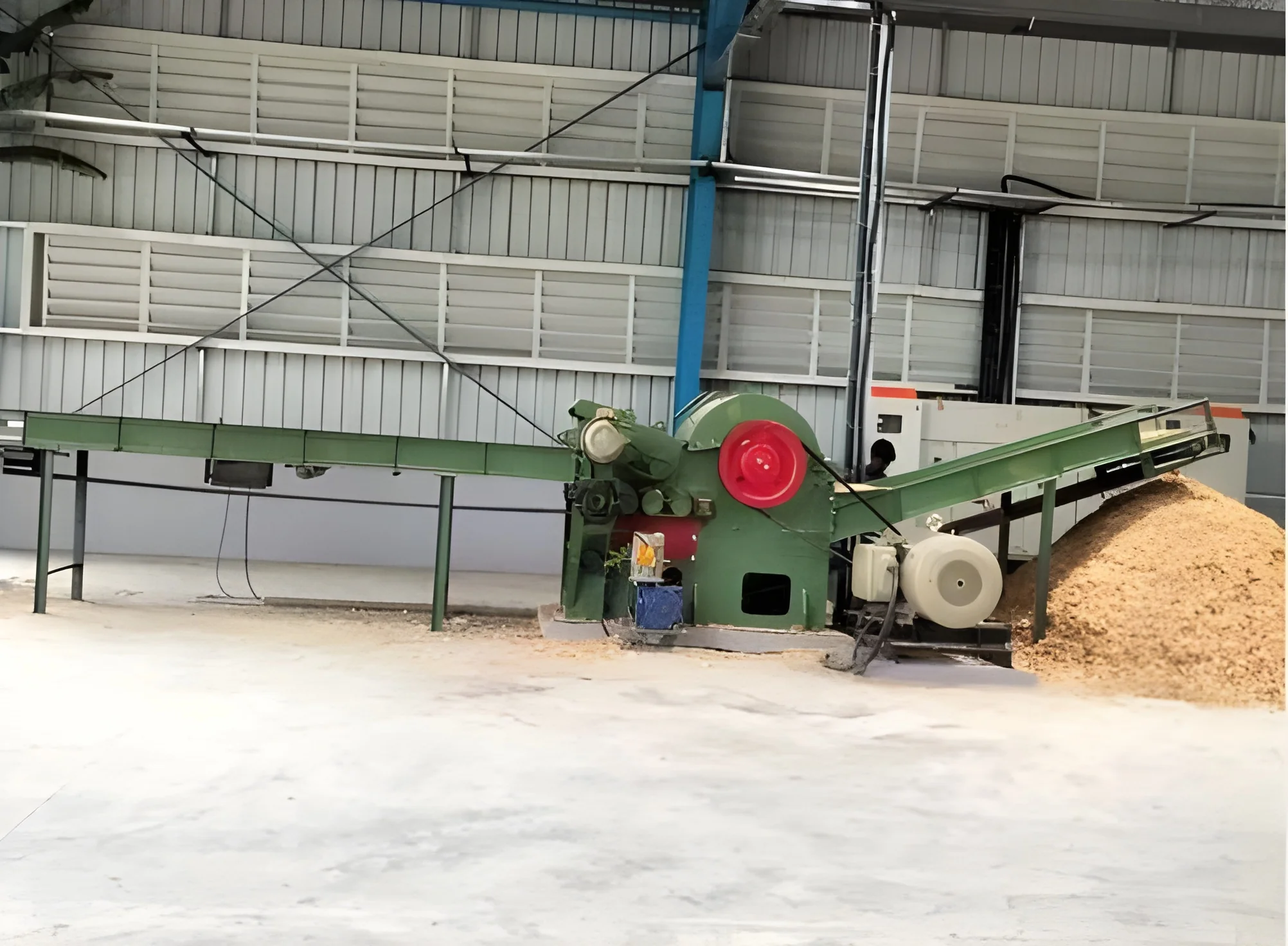
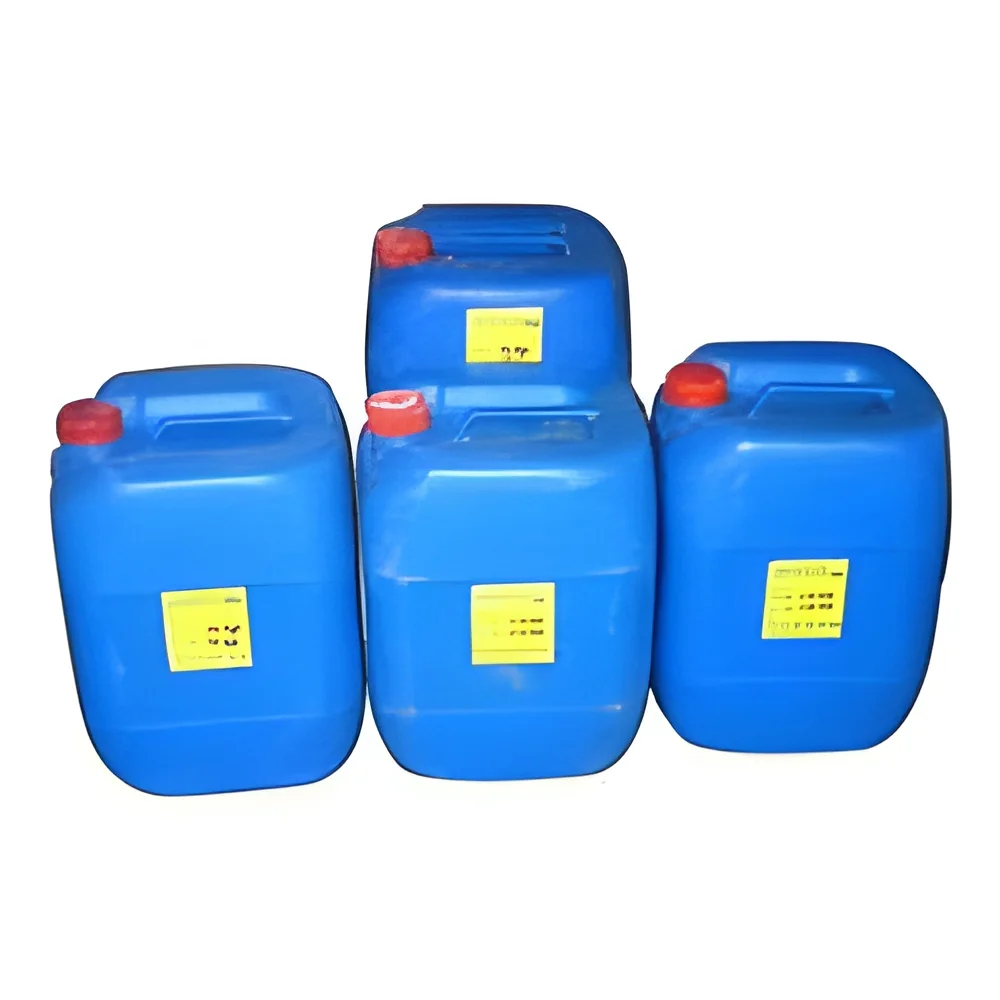
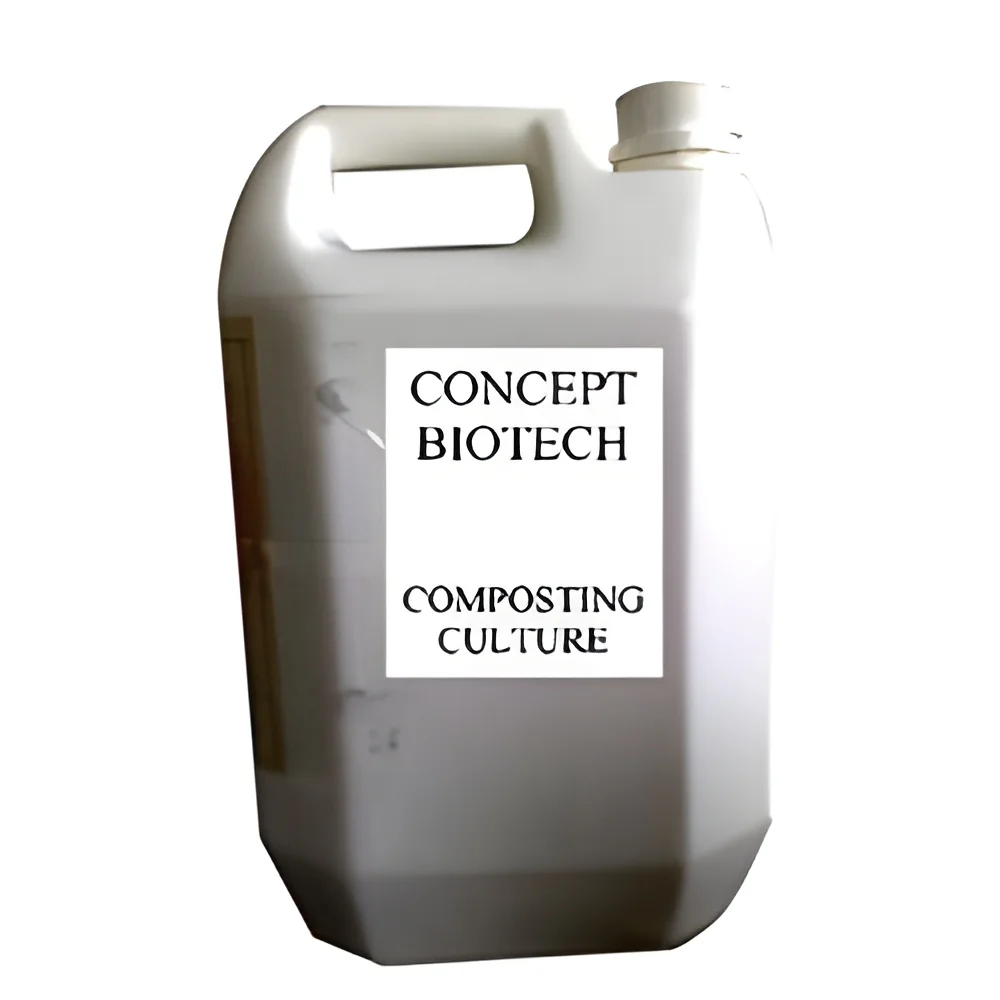
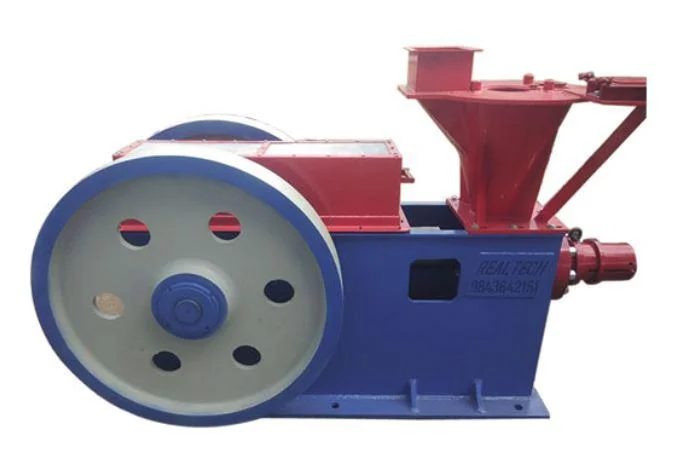
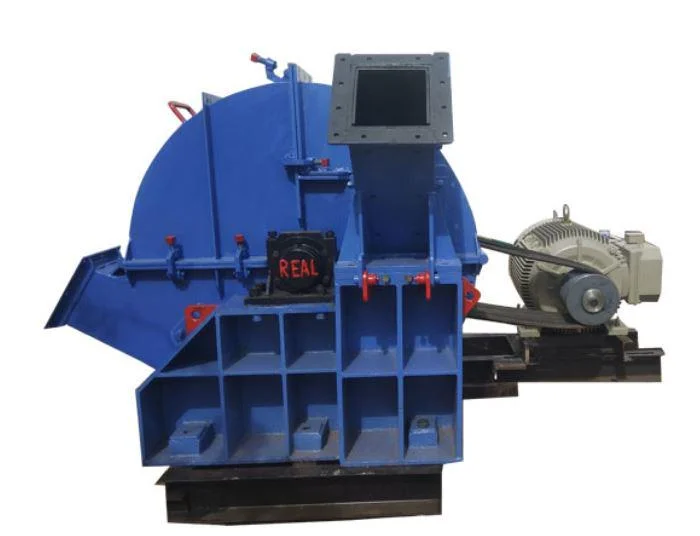
What are Bio-Waste Processing Substrates?
Bio-waste processing substrates are materials designed to facilitate the breakdown of organic waste through biological processes. These substrates serve as a medium for microorganisms, which decompose the organic matter. They can include a variety of materials such as agricultural residues, food waste, and other biodegradable materials. The primary purpose of these substrates is to enhance the efficiency of bio-waste processing systems, making it easier to convert waste into valuable products like compost, biogas, or other forms of renewable energy.
The primary uses of bio-waste processing substrates span a range of industries including agriculture, waste management, and energy production. In agriculture, they are often used to enrich soil and improve plant growth. In waste management, they help in the efficient processing of organic waste, reducing landfill use and promoting sustainability. Additionally, in energy production, these substrates play a crucial role in anaerobic digestion processes, where they contribute to biogas generation. With increasing environmental regulations and a growing focus on sustainability, the market for bio-waste processing substrates is expanding, creating opportunities for businesses to adopt eco-friendly practices.
Key Features and Specifications
Bio-waste processing substrates come with several key features that make them suitable for various industrial applications. These features ensure that they meet industry standards and operational requirements.
Key specifications include:
1. Composition
- Made from organic materials such as food waste, agricultural residues, and other biodegradable substances.
- Varies based on the source material and intended application.
2. Moisture Content
- Ideally maintained between 40-60% to optimize microbial activity.
- Ensures effective decomposition and reduces the risk of spoilage.
3. pH Level
- Typically ranges from 6.0 to 8.0 to support microbial growth.
- Adjustments may be needed depending on the specific waste type being processed.
4. Nutrient Content
- Contains essential nutrients like nitrogen, phosphorus, and potassium.
- Supports plant growth and enhances soil quality when used in agriculture.
5. Particle Size
- Varies to improve aeration and microbial access during the decomposition process.
- Typically ranges from fine powder to larger particles based on the application.
6. Bulk Density
- Affects transportation and storage efficiency.
- Varies according to the substrate composition and moisture levels.
7. Contaminant Levels
- Must meet regulatory standards for contaminants like heavy metals and pathogens.
- Regular testing is required to ensure compliance and safety.
In summary, these specifications are crucial for ensuring the effectiveness and safety of bio-waste processing substrates in various applications.
Common Applications and Use Cases
Bio-waste processing substrates find applications across multiple industries, each benefiting from their unique properties.
1. Agriculture: Used to enrich soil, improve fertility, and promote sustainable farming practices. They help in the decomposition of organic matter, enhancing soil structure and nutrient availability.
2. Waste Management: Essential in composting facilities and anaerobic digesters, these substrates facilitate the efficient breakdown of organic waste, reducing landfill dependency and promoting recycling efforts.
3. Energy Production: Serve as feedstock in biogas plants, where organic waste is converted into renewable energy. They enhance the efficiency of anaerobic digestion, leading to increased biogas yields.
4. Landscaping: Utilized in the creation of mulch and soil amendments, improving water retention and nutrient content in garden beds and landscapes.
5. Environmental Remediation: Used in bioremediation projects to aid in the degradation of pollutants in contaminated soils and water bodies.
6. Food Industry: Employed in food waste recycling programs to convert organic waste into useful products, such as animal feed or compost.
7. Municipal Services: Implemented in municipal organic waste collection programs, helping cities manage food waste effectively and sustainably.
Product Variants and Subcategories
Bio-waste processing substrates come in various forms, catering to specific needs and applications within different industries.
Organic Compost Substrate: This variant is rich in nutrients and ideal for enhancing soil fertility. It is made from a blend of decomposed organic matter and is suitable for agricultural use and landscaping.
Anaerobic Digestion Substrate: Specifically formulated for use in biogas production, this substrate is designed to optimize the anaerobic digestion process. It typically contains a high percentage of organic waste to maximize biogas yield.
Compost Starter: A specialized substrate that contains microorganisms and nutrients to kickstart the composting process. It is particularly useful for new composting operations that require a boost for microbial activity.
Benefits and Advantages
Bio-waste processing substrates offer numerous advantages that make them attractive for various applications.
Key benefits include:
1. Environmental Sustainability: By facilitating the decomposition of organic waste, these substrates help reduce landfill use and promote recycling, contributing to a circular economy.
2. Soil Enrichment: They enhance soil quality by adding essential nutrients, improving fertility, and promoting healthy plant growth.
3. Energy Generation: In anaerobic digestion applications, they contribute to biogas production, providing a renewable energy source that can reduce reliance on fossil fuels.
4. Cost-Effective Waste Management: Utilizing bio-waste processing substrates can lower waste disposal costs by converting organic waste into valuable products.
5. Compliance with Regulations: Many substrates meet environmental regulations, ensuring businesses can operate within legal frameworks while promoting sustainability.
6. Versatility: These substrates can be tailored for various applications, making them suitable for a wide range of industries and processes.
Buying Guide for B2B Buyers
When sourcing bio-waste processing substrates, it is essential for buyers to consider several critical factors to ensure they select the right products for their needs.
1. Quality Assessment: Evaluate the composition and nutrient content of the substrates to ensure they meet the specific requirements of your application. Look for suppliers that provide detailed product specifications and quality assurance.
2. Supplier Verification: It is important to vet potential suppliers by checking their industry reputation, certifications, and customer reviews. A reliable supplier should have a proven track record in delivering high-quality substrates.
3. Pricing and MOQ: Understand the pricing structure and minimum order quantities (MOQ) set by suppliers. This information is vital for budgeting and ensuring that the procurement aligns with operational needs.
4. Delivery and Lead Times: Discuss logistics with suppliers to ascertain delivery schedules and lead times. Timely delivery is crucial for maintaining operational efficiency and meeting project deadlines.
5. Compliance Requirements: Ensure that the substrates comply with relevant local and regional regulations. This may include certifications for quality standards and safety requirements that impact operational practices.
Compliance and Certifications
Bio-waste processing substrates must adhere to various quality standards and certifications to ensure they are safe and effective for use in different applications.
Relevant quality standards include ISO 9001, which focuses on maintaining quality management systems, and HACCP, which emphasizes food safety. These standards help ensure that the substrates are produced under controlled conditions and are safe for use in agricultural and food-related applications.
Industry certifications, such as CE marking, indicate that the substrates meet European safety and environmental requirements. This certification is essential for suppliers aiming to market their products in Europe and ensures compliance with EU regulations.
Safety and testing requirements must also be met, including regular assessments for contaminants such as heavy metals and pathogens. These tests help ensure that the substrates do not pose risks to human health or the environment.
Finally, regional compliance considerations should be taken into account, as regulations may vary significantly between different countries and regions. Buyers should be aware of local laws governing organic waste processing and ensure their suppliers are compliant.
Why Source Bio-Waste Processing Substrates from Pepagora?
Pepagora provides a trusted platform for sourcing bio-waste processing substrates, offering several key advantages that benefit B2B buyers.
Verified Supplier Network: Pepagora features a comprehensive network of verified suppliers, ensuring that buyers can access high-quality products. Each supplier is vetted for reliability, helping businesses avoid potential pitfalls in sourcing.
Streamlined RFQ Process: The platform simplifies the request for quotation (RFQ) process, enabling buyers to receive competitive bids from multiple suppliers quickly. This efficiency saves time and ensures that buyers can make informed purchasing decisions.
Trade Assurance and Support: Pepagora offers trade assurance that protects buyers against potential issues during the procurement process. This includes support for resolving disputes and ensuring that transactions are secure.
Regional Coverage: With a strong presence in India, the GCC, and Southeast Asia, Pepagora provides extensive regional coverage. This allows businesses to source substrates that meet their specific needs while taking advantage of local market conditions.
By choosing Pepagora, buyers can confidently navigate the process of sourcing bio-waste processing substrates while benefitting from a robust support system and access to quality products.

 IN
IN