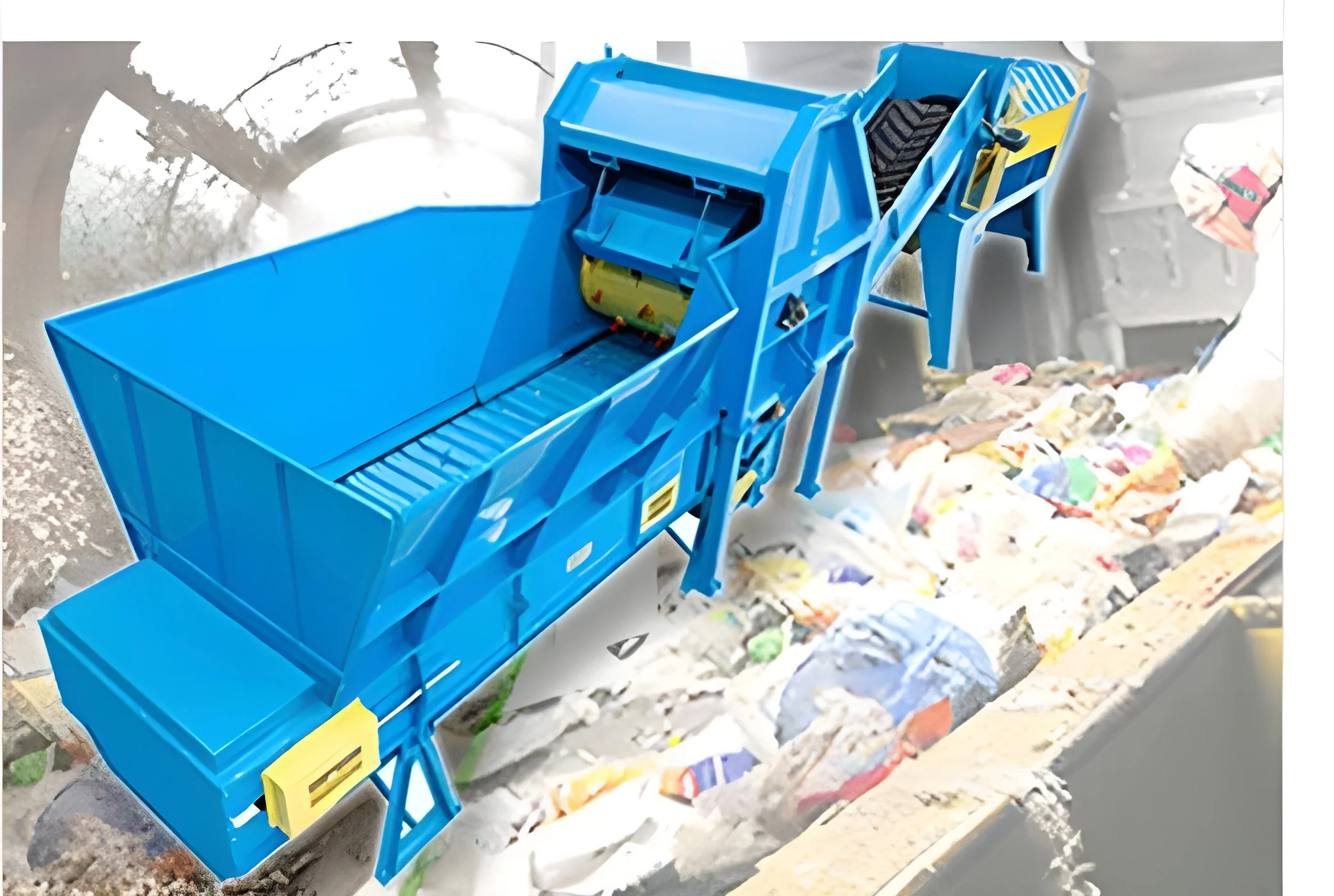
What are PE & PET Bottle Flakes?
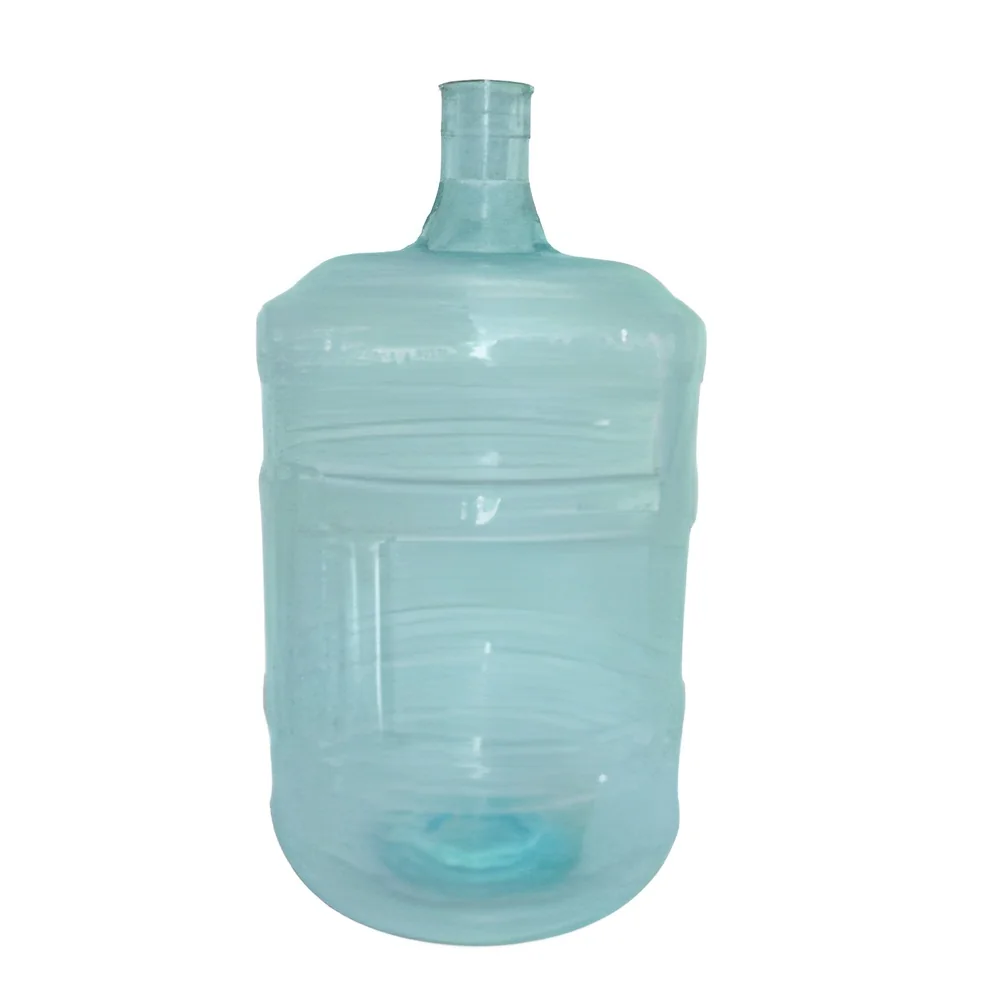
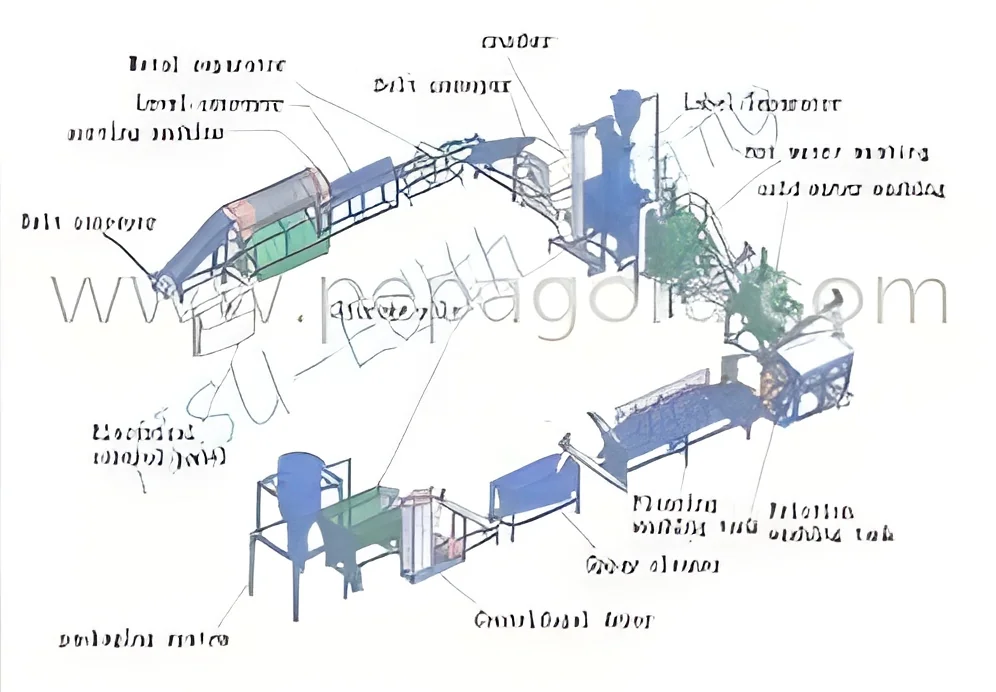
PE (Polyethylene) and PET (Polyethylene Terephthalate) bottle flakes are small, processed pieces of plastic derived from recycled bottles. These flakes are essential in the recycling industry as they provide a sustainable way to reuse plastic materials. The recycling process involves shredding used bottles into small flakes, which can then be cleaned and processed into raw materials for manufacturing new products.
The primary uses of PE and PET bottle flakes include the production of new plastic bottles, containers, and various industrial applications. They serve as a valuable resource in creating sustainable products, reducing the need for virgin plastic, and minimizing environmental impact. Businesses across multiple sectors, including packaging, textiles, and automotive, leverage these recycled materials to enhance their sustainability efforts while also optimizing costs.
The relevance of PE and PET bottle flakes in today's market is significant, given the increasing demand for sustainable materials. As industries strive to meet environmental regulations and consumer expectations for eco-friendly products, the adoption of recycled plastic materials is becoming a standard practice. This trend not only supports corporate sustainability goals but also contributes to a circular economy.
Key Features and Specifications
PE and PET bottle flakes come with a range of features and specifications that make them suitable for various applications. Understanding these specifications is crucial for businesses looking to source these materials effectively.
Key specifications include:
1. Color:
- Typically available in clear, green, and blue varieties.
- Color can affect the recycling process and the final product's appearance.
2. Purity Level:
- High purity levels are necessary to ensure the quality of recycled products.
- Purity is generally measured by the absence of contaminants and foreign materials.
3. Moisture Content:
- Low moisture levels are essential to prevent degradation during processing.
- Ideal moisture content typically ranges from 0.1% to 0.5%.
4. Size:
- Flakes are usually produced in sizes ranging from 2mm to 10mm.
- Size consistency is critical for uniform processing in manufacturing.
5. Melt Flow Index (MFI):
- This measures the flowability of the material when melted.
- Typical MFI values help determine the processing temperature and conditions.
6. Density:
- Density impacts the processing and application of the flakes.
- Common density ranges for PE and PET are between 0.85 to 1.4 g/cm³.
7. Odor:
- Flakes should have minimal to no odor, which is important for food-grade applications.
- Odor testing is often part of quality control processes.
8. Certification:
- CE certification ensures compliance with European safety and environmental standards.
- Certifications can impact marketability and acceptance in various industries.
These specifications guide buyers in selecting the right type of bottle flakes for their business needs, ensuring they meet quality and application requirements.
Common Applications and Use Cases
PE and PET bottle flakes find applications across a variety of industries, showcasing their versatility and importance in sustainable manufacturing practices.
1. Packaging Industry:
- Recycled PET flakes are commonly used to produce new bottles and containers, contributing to a reduction in virgin plastic consumption.
2. Textile Industry:
- PET flakes are transformed into fibers for clothing and carpets, promoting the use of recycled materials in fashion and home goods.
3. Automotive Industry:
- Both PE and PET flakes are utilized in producing interior components, insulation materials, and other automotive parts, enhancing sustainability in vehicle manufacturing.
4. Construction Industry:
- Recycled flakes can be used in composite materials and insulation, offering eco-friendly building solutions.
5. Consumer Goods:
- Manufacturers of household products often incorporate these flakes into their production processes, aligning with consumer demand for sustainable options.
6. Electronics Industry:
- Recycled plastics derived from bottle flakes are used in various electronic components, contributing to the circular economy.
7. Agriculture:
- Some applications include using recycled plastics for agricultural films and containers, aiding in sustainable farming practices.
Product Variants and Subcategories
PE and PET bottle flakes are available in various forms, catering to specific business needs and applications. This diversity allows companies to select the most suitable materials for their projects.
Clear PET Flakes:
These flakes are derived from transparent bottles and are widely used in food-grade applications. Their high purity levels make them ideal for producing new bottles and containers that require stringent quality standards.
Colored PET Flakes:
Produced from colored bottles, these flakes are often used in the textile and automotive industries. They provide unique color options for products while promoting recycling efforts.
Recycled PE Flakes:
These flakes come from recycled polyethylene bottles and are commonly used in manufacturing non-food packaging materials and industrial products. Their durability and resistance to moisture make them suitable for various applications.
Benefits and Advantages
Sourcing PE and PET bottle flakes offers numerous advantages for businesses striving for sustainability and cost-effectiveness.
Key benefits include:
1. Environmental Sustainability:
- Utilizing recycled materials reduces reliance on virgin plastics and minimizes environmental impact.
2. Cost Efficiency:
- Recycled flakes can often be sourced at lower prices compared to virgin materials, helping businesses reduce production costs.
3. Regulatory Compliance:
- Using certified recycled materials can assist companies in meeting environmental regulations and sustainability goals.
4. Product Versatility:
- Bottle flakes can be used in a wide range of applications, allowing for flexibility in product development.
5. Consumer Appeal:
- Offering products made from recycled materials can enhance brand image and attract environmentally conscious consumers.
6. Contribution to Circular Economy:
- By using recycled materials, businesses support the circular economy, promoting resource efficiency and waste reduction.
Buying Guide for B2B Buyers
When sourcing PE and PET bottle flakes, various considerations are essential for making informed decisions that align with business needs.
1. Quality Assessment:
- Evaluate the quality of the flakes by reviewing purity levels, moisture content, and size specifications. This ensures the material meets your production standards.
2. Supplier Verification:
- Vet potential suppliers by checking their certifications, customer reviews, and industry reputation to ensure reliable sourcing.
3. Pricing and MOQ:
- Understand the pricing structure and minimum order quantities (MOQ) to align with your budgeting and inventory needs.
4. Delivery and Lead Times:
- Consider logistics aspects, including delivery timelines and shipping options, to ensure timely production schedules.
5. Compliance Requirements:
- Ensure that the materials sourced comply with relevant industry standards and regulations to avoid legal issues and maintain product safety.
Compliance and Certifications
PE and PET bottle flakes must adhere to various quality standards and certifications to ensure their safety and effectiveness in applications.
Relevant quality standards include ISO 9001, which focuses on quality management systems, ensuring that products meet customer and regulatory requirements. Additionally, standards like HACCP (Hazard Analysis and Critical Control Points) are vital for food-grade materials, emphasizing safety throughout the production process.
Industry certifications, such as CE marking, indicate compliance with European safety and environmental standards. This certification boosts customer confidence and expands market opportunities, particularly in Europe.
Testing requirements for safety often involve laboratory assessments to identify contaminants and ensure product quality. Companies must also consider regional compliance aspects, as regulations may vary by country or region, impacting market access and product acceptance.
Why Source PE & PET Bottle Flakes from Pepagora?
Pepagora provides a trusted platform for sourcing PE and PET bottle flakes, offering several key advantages to B2B buyers seeking reliable materials.
Verified Supplier Network:
Pepagora ensures that all suppliers in its network are thoroughly vetted, providing buyers with confidence in the quality and reliability of the products offered.
Streamlined RFQ Process:
The platform features an efficient request for quotation (RFQ) system that simplifies the procurement process, allowing buyers to receive competitive pricing and options tailored to their specific needs.
Trade Assurance and Support:
Pepagora offers trade assurance to protect buyers throughout the purchasing process, ensuring that transactions are secure and that buyers receive the materials as promised.
Regional Coverage:
With a strong presence in India, the GCC, and Southeast Asia, Pepagora connects buyers with local suppliers, facilitating easier logistics and faster delivery times while promoting regional sourcing initiatives.

 IN
IN