What are Textile Waste for Recycling?
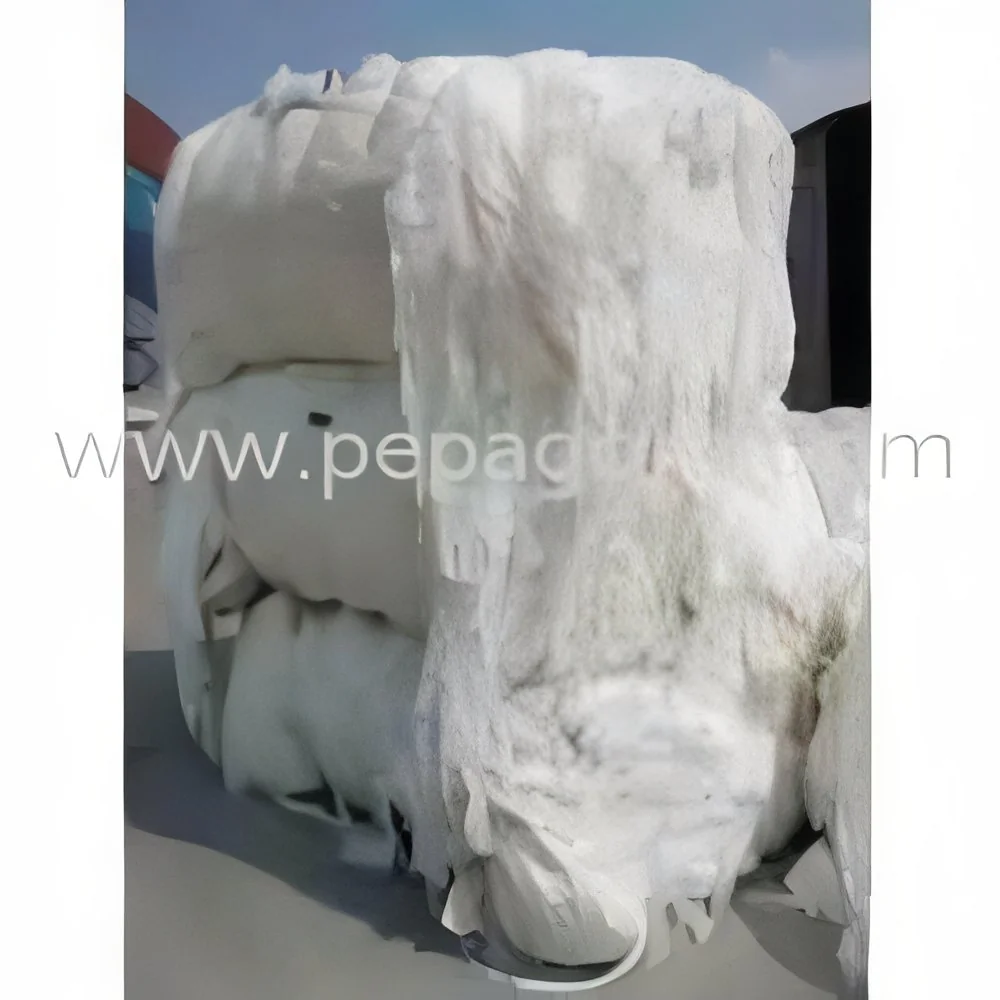
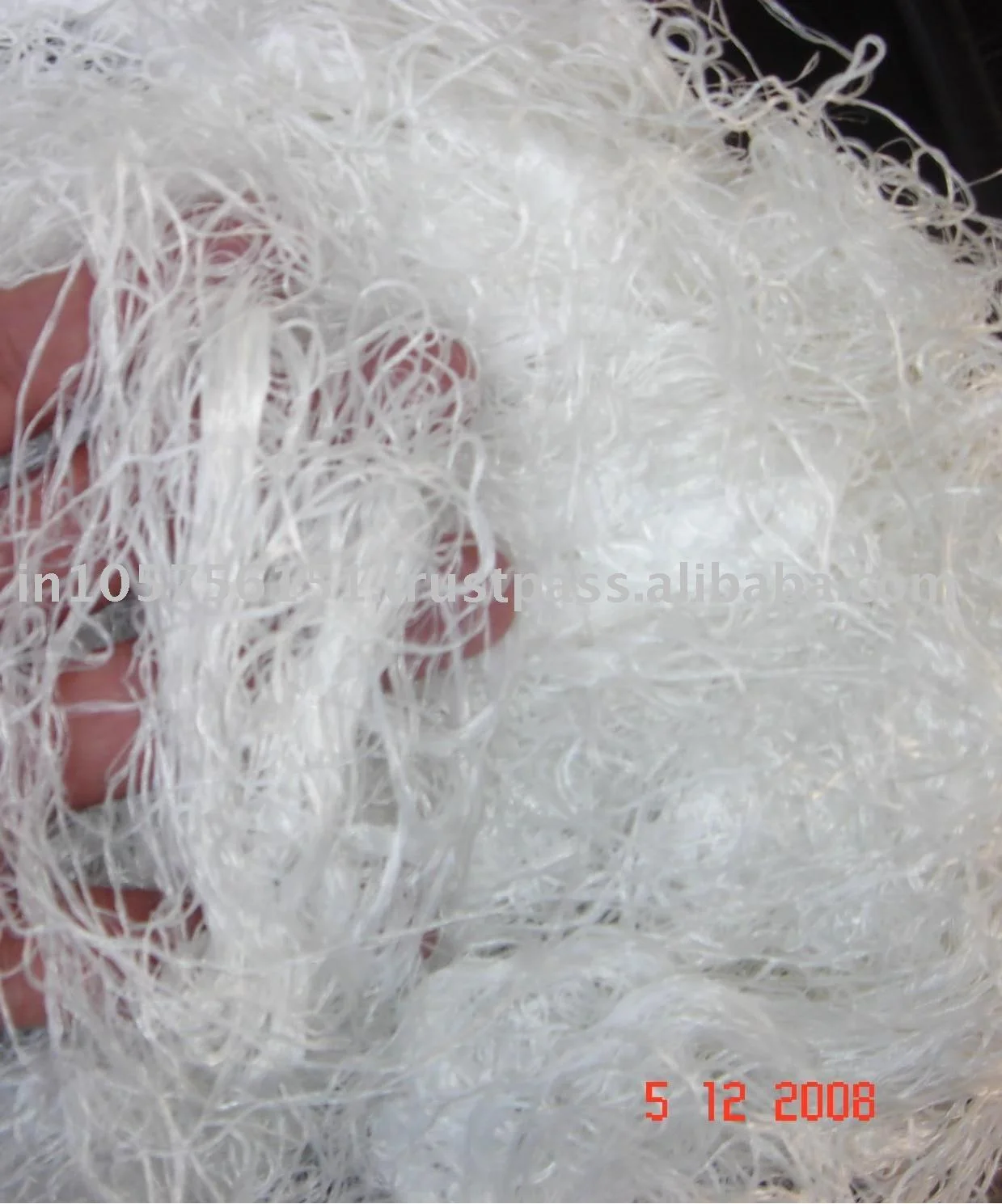
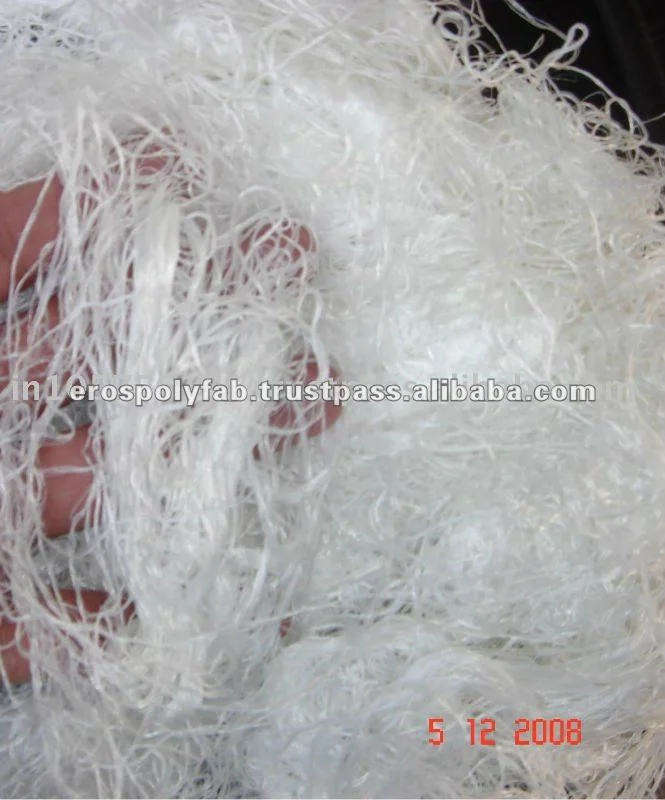
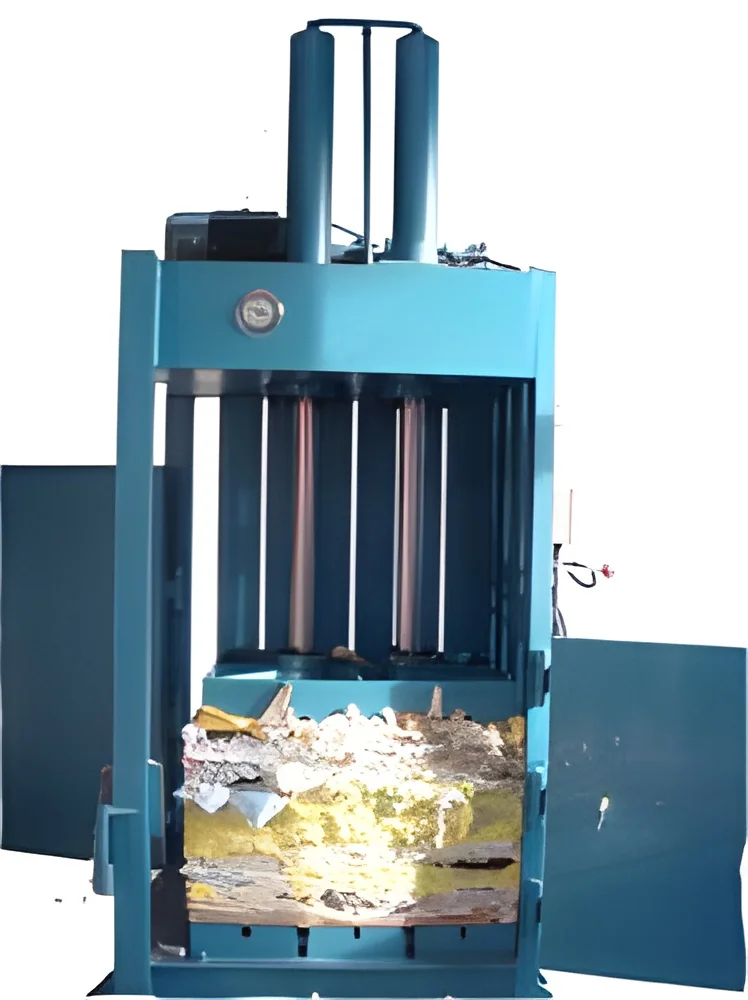
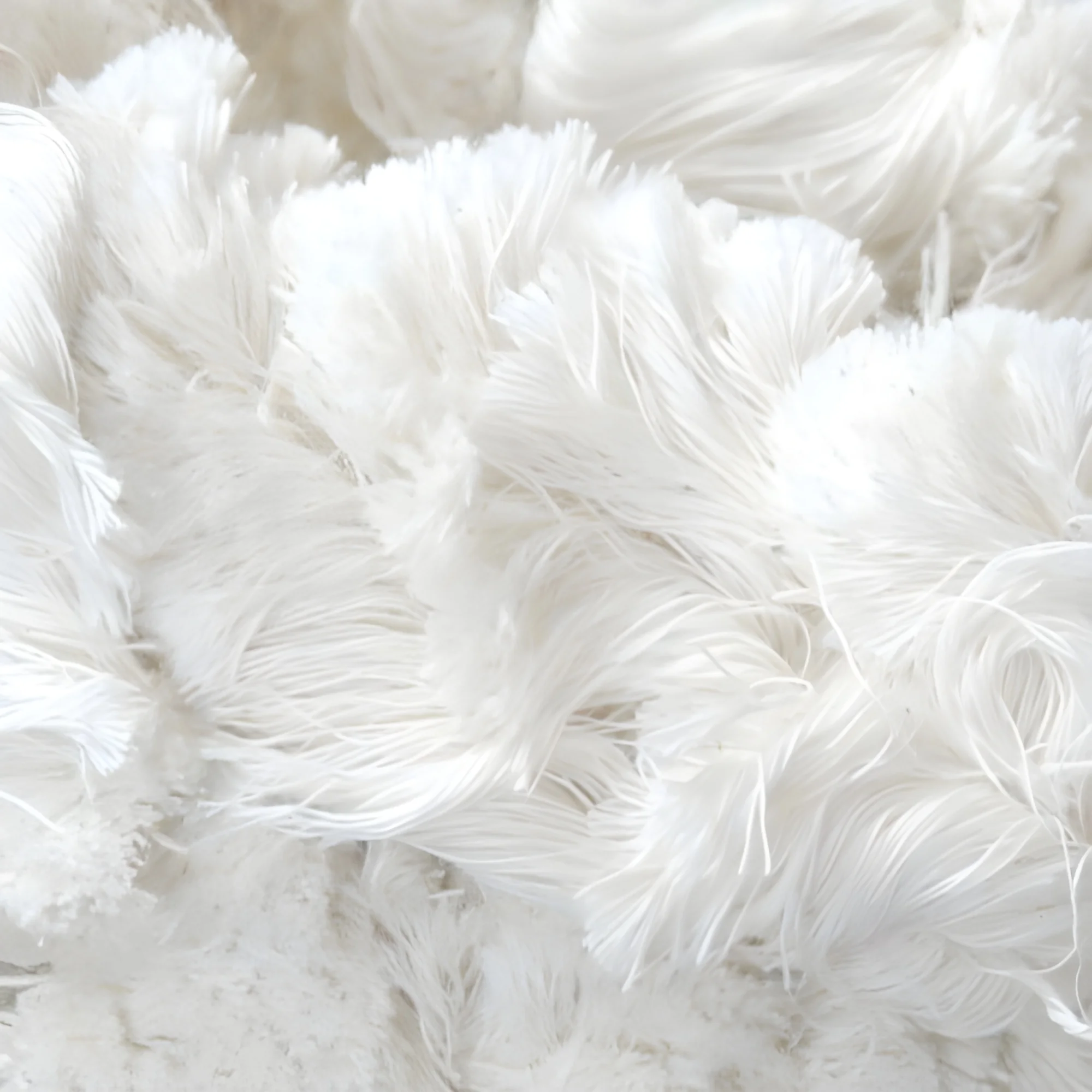
Textile waste for recycling refers to the byproducts generated during the production and consumption of textiles. This waste can include scraps from manufacturing processes, unsold clothing, and post-consumer waste. The recycling of textile waste is essential as it reduces the environmental impact associated with textile production, conserves natural resources, and minimizes landfill contributions.
The primary uses of textile waste involve repurposing materials for new products. Businesses utilize recycled textiles in various applications, including insulation materials, new fabric production, and various industrial processes. With the increasing awareness of sustainability, many industries are adopting recycling practices, further driving the demand for recycled textile materials. The textile recycling market continues to evolve, highlighting the importance of circular economy principles in the fashion and textile industries.
As the global textile industry faces mounting pressure to reduce waste, the recycling of textile waste has become a critical focus area. This shift not only aligns with environmental regulations but also meets consumer demand for sustainable practices. The market context underscores the need for businesses to invest in recycling solutions, ensuring compliance with environmental standards while also enhancing their corporate social responsibility profiles.
Key Features and Specifications
Textile waste for recycling encompasses various features and specifications that enhance its usability in multiple applications. Understanding these specifications is crucial for businesses looking to integrate recyclable materials into their operations.
Key specifications include:
1. Material Composition
- Primarily consists of cotton, polyester, and blended fabrics.
- Varies based on the source and type of textile waste.
2. Contamination Levels
- Indicates the presence of non-textile materials.
- Lower contamination levels are preferred for higher-quality recycling.
3. Moisture Content
- Important for storage and processing.
- Typically maintained below 10% to prevent degradation.
4. Fiber Length
- Affects the quality of the recycled product.
- Longer fibers are generally more desirable for fabric production.
5. Sorting and Grading
- Involves categorizing textile waste based on color, type, and quality.
- Proper sorting enhances the recycling process and final product quality.
6. Baled Weight
- Refers to the weight of compressed textile waste bales.
- Common weights range from 200 kg to 500 kg per bale.
7. Packaging Standards
- Ensures safe transport and storage.
- Often involves plastic wrap or other protective materials.
8. Environmental Compliance
- Must meet local and international recycling standards.
- Relevant certifications include CE and adherence to waste management regulations.
In summary, understanding the key specifications of textile waste for recycling is vital for businesses aiming to incorporate sustainable practices. These specifications not only influence the recycling process but also the quality of the end products.
Common Applications and Use Cases
Textile waste for recycling serves a broad spectrum of industries, showcasing its versatility and utility.
1. Fashion Industry: Many fashion brands are now using recycled textiles to create new clothing lines, reducing their environmental footprint and appealing to eco-conscious consumers.
2. Automotive Industry: Recycled textiles are often used in automotive interiors, such as seat covers and insulation, contributing to lighter vehicle weights and improved fuel efficiency.
3. Home Furnishing: Textile waste can be transformed into carpets, curtains, and upholstery materials, offering an eco-friendly option for home decor.
4. Construction Industry: Recycled textiles are utilized in insulation and soundproofing materials, promoting energy efficiency in buildings.
5. Industrial Applications: Textile waste is used to produce industrial rags and wipes, providing cost-effective cleaning solutions across various sectors.
6. Non-Woven Fabrics: Many non-woven products, such as geotextiles and medical fabrics, are made from recycled textile fibers, further enhancing their sustainability profile.
7. Arts and Crafts: Designers and artists often source recycled textiles for creative projects, promoting upcycling and innovative design.
Product Variants and Subcategories
Textile waste for recycling presents a diverse range of variations tailored to different industry needs. Though specific variants are not detailed, businesses can explore options based on their requirements.
Recycled Cotton Waste
This variant is derived from cotton textiles and is ideal for new fabric production. It retains the natural properties of cotton while reducing the environmental impact of sourcing new materials.
Recycled Polyester Waste
Comprising polyester fabrics, this variant is popular in the manufacturing of various products, including apparel and industrial materials. It offers durability while contributing to a circular economy.
Recycled Blended Fabrics
These materials combine different textile types, allowing for versatile applications across multiple industries. The blending enhances the properties of the final product, making it suitable for various uses.
Benefits and Advantages
Sourcing textile waste for recycling provides numerous benefits that can enhance operational efficiency and sustainability.
1. Environmental Sustainability: Recycling textiles reduces landfill waste and conserves natural resources, contributing positively to the environment.
2. Cost-Effective Solutions: Utilizing recycled materials can lower production costs, allowing businesses to maintain competitive pricing.
3. Enhanced Brand Image: Companies that adopt sustainable practices can improve their reputation and appeal to environmentally conscious consumers.
4. Compliance with Regulations: Sourcing recycled materials helps businesses meet environmental compliance requirements, reducing the risk of penalties.
5. Innovation Opportunities: Using recycled textiles can inspire new product development and creative solutions, fostering a culture of innovation.
6. Resource Conservation: Recycling textiles helps preserve valuable resources, reducing the need for new raw materials and promoting a circular economy.
Buying Guide for B2B Buyers
When sourcing textile waste for recycling, businesses should consider several critical factors to ensure successful procurement.
1. Quality Assessment: Evaluate the quality of the textile waste, focusing on material composition, contamination levels, and sorting practices. High-quality materials lead to better recycling outcomes.
2. Supplier Verification: Conduct thorough vetting of suppliers, including reviews of their compliance with industry standards and certifications. Reliable suppliers ensure consistent quality and adherence to regulations.
3. Pricing and MOQ: Understand the pricing structure and minimum order quantities set by suppliers. This information is essential for budget planning and inventory management.
4. Delivery and Lead Times: Assess logistics capabilities, including delivery schedules and lead times. Timely delivery is crucial for maintaining production schedules.
5. Compliance Requirements: Ensure that the sourced materials meet relevant regulatory standards, including environmental regulations and quality certifications. This step is vital for legal compliance and operational integrity.
Compliance and Certifications
Textile waste for recycling must adhere to various quality standards to ensure safety and effectiveness. Relevant industry standards include ISO 9001, which focuses on quality management systems, and CE certification, which ensures that products meet European safety requirements.
Safety and testing requirements are essential in guaranteeing that recycled textiles do not pose health risks to consumers or workers. Additionally, businesses must consider regional compliance factors, as different areas may have specific regulations regarding textile waste management and recycling practices.
Understanding these compliance and certification requirements is vital for businesses looking to source textile waste responsibly and effectively.
Why Source Textile Waste for Recycling from Pepagora?
Pepagora provides a trusted platform for sourcing textile waste for recycling, offering several key advantages that benefit businesses.
Verified Supplier Network: Pepagora has established a robust network of verified suppliers, ensuring that buyers can access high-quality textile waste with confidence. This network is crucial for maintaining quality and compliance.
Streamlined RFQ Process: The platform features a user-friendly Request for Quotation (RFQ) system, simplifying the procurement process. Buyers can easily request quotes from multiple suppliers, facilitating informed decision-making.
Trade Assurance and Support: Pepagora offers trade assurance and support to protect buyers throughout the purchasing process. This commitment ensures that businesses can source textile waste with peace of mind, knowing they are backed by reliable services.
Regional Coverage: With a strong presence in India, the GCC, and Southeast Asia, Pepagora provides extensive geographical coverage. This reach allows businesses to access diverse textile waste sources, enhancing their supply chain flexibility and sustainability efforts.

 IN
IN