What are Agricultural Waste (Bagasse, Husk)?
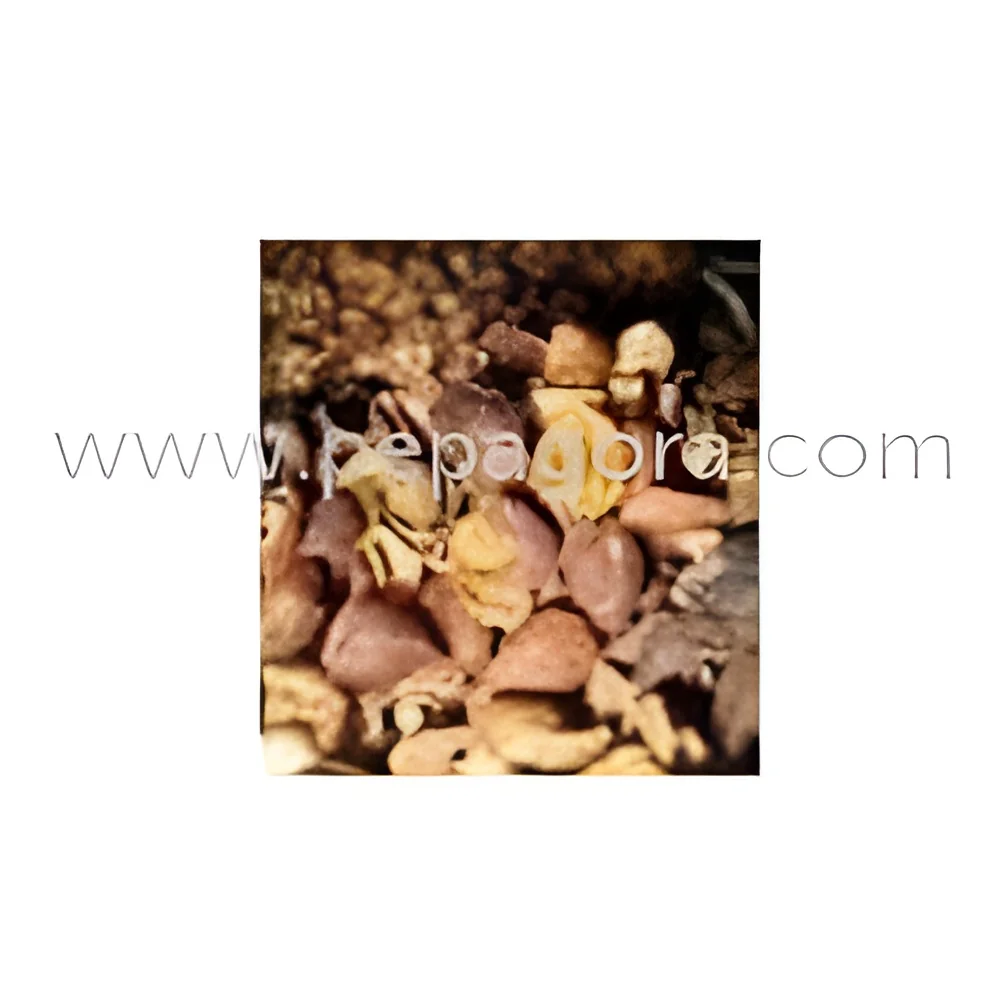
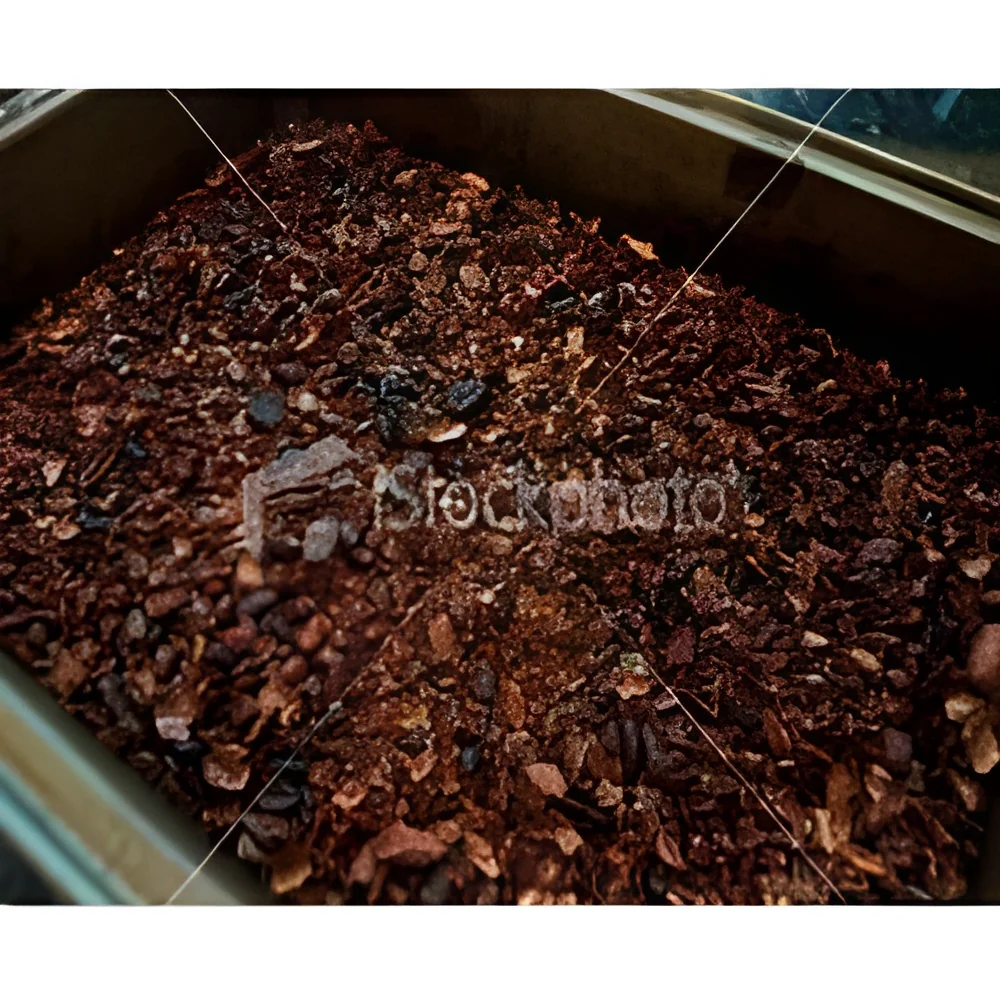
Agricultural waste refers to the by-products generated during the cultivation and processing of crops. Bagasse and husk are two notable examples. Bagasse is the fibrous residue left after the extraction of juice from sugarcane. Husk, on the other hand, is the outer covering of grains such as rice, wheat, and corn. Both materials are often considered waste but have significant potential for various applications.
These agricultural residues are primarily used in industries such as bioenergy, biofuels, and animal feed. Businesses can convert bagasse and husk into biomass for energy generation or use them as raw materials in the manufacturing of biodegradable products. The growing emphasis on sustainability and waste reduction has led to increased interest in utilizing these materials. As industries seek alternative resources, the market for agricultural waste has become highly relevant, aligning with global efforts toward eco-friendly practices.
๐๐ฒ๐ ๐๐ฒ๐ฎ๐๐๐ฟ๐ฒ๐ ๐ฎ๐ป๐ฑ ๐ฆ๐ฝ๐ฒ๐ฐ๐ถ๐ณ๐ถ๐ฐ๐ฎ๐๐ถ๐ผ๐ป๐
Agricultural waste products like bagasse and husk come with specific features and specifications that determine their usability in various applications. Understanding these specifications is crucial for businesses looking to integrate these materials into their operations.
Key specifications include:
1. Fiber Content
- Bagasse typically contains 45-55% fiber.
- Husk can vary between 30-50% fiber content depending on the type of grain.
2. Moisture Content
- Ideal moisture levels for bagasse should be below 14% for optimal storage and processing.
- Husk moisture content can range from 10-15%, affecting its usability in animal feed.
3. Energy Content
- Bagasse has an energy content of approximately 18-20 MJ/kg.
- Husk generally offers an energy content of around 15-17 MJ/kg.
4. Ash Content
- Bagasse may contain 2-5% ash, depending on the processing method.
- Husk typically has an ash content of about 3-7%.
5. Bulk Density
- Bagasse has a bulk density ranging from 100-150 kg/m3.
- Husk's bulk density can vary from 80-120 kg/m3.
The specifications mentioned help buyers assess the quality and suitability of agricultural waste for their specific applications.
๐๐ผ๐บ๐บ๐ผ๐ป ๐๐ฝ๐ฝ๐น๐ถ๐ฐ๐ฎ๐๐ถ๐ผ๐ป๐ ๐ฎ๐ป๐ฑ ๐จ๐๐ฒ ๐๐ฎ๐๐ฒ๐
Agricultural waste such as bagasse and husk finds diverse applications across multiple industries.
1. Bioenergy: Bagasse is extensively used as a biomass fuel in power generation, providing a renewable energy source for various facilities.
2. Paper and Packaging: Both bagasse and husk can be processed into pulp for paper production and sustainable packaging materials, reducing reliance on wood pulp.
3. Animal Feed: Husk serves as a nutritious feed ingredient for livestock, while bagasse can be used as a fibrous additive in animal diets.
4. Biocomposites: Industries are exploring the use of bagasse and husk fibers in the production of biocomposite materials for automotive and construction applications.
5. Fertilizers: Both materials can be composted or processed into organic fertilizers, contributing to sustainable agriculture.
6. Construction: The fibrous nature of bagasse and husk makes them suitable for insulation materials in eco-friendly building designs.
7. Food Industry: Husk may be utilized in food processing as a natural thickening agent or for producing functional food ingredients.
๐ฃ๐ฟ๐ผ๐ฑ๐๐ฐ๐ ๐ฉ๐ฎ๐ฟ๐ถ๐ฎ๐ป๐๐ ๐ฎ๐ป๐ฑ ๐ฆ๐๐ฏ๐ฐ๐ฎ๐๐ฒ๐ด๐ผ๐ฟ๐ถ๐ฒ๐
Agricultural waste products like bagasse and husk offer various forms that cater to different business needs.
Bagasse Pellets: These are compacted forms of bagasse that enhance storage and transportation efficiency. They are ideal for biomass heating systems and have a higher energy density compared to loose bagasse.
Husk Ash: This by-product is produced from the combustion of husk and is rich in silica. It can be used as a supplement in cement and concrete production, enhancing material properties and sustainability.
๐๐ฒ๐ป๐ฒ๐ณ๐ถ๐๐ ๐ฎ๐ป๐ฑ ๐๐ฑ๐๐ฎ๐ป๐๐ฎ๐ด๐ฒ๐
Utilizing agricultural waste such as bagasse and husk provides numerous benefits for businesses.
1. Cost Efficiency: Sourcing agricultural waste can reduce raw material costs, as these products are often available at lower prices compared to traditional materials.
2. Sustainability: Using bagasse and husk supports eco-friendly practices, reducing landfill waste and promoting recycling efforts in various industries.
3. Renewable Resource: As renewable materials, bagasse and husk contribute to energy generation and lower carbon footprints in manufacturing operations.
4. Versatility: These materials can be applied in multiple sectors, offering businesses flexibility in product development and innovation.
5. Nutritional Value: When used in animal feed, husk provides essential nutrients, promoting animal health and productivity.
6. Improved Soil Health: Both materials can enhance soil quality when used as organic fertilizers, leading to better crop yields and sustainable farming practices.
๐๐๐๐ถ๐ป๐ด ๐๐๐ถ๐ฑ๐ฒ ๐ณ๐ผ๐ฟ ๐๐ฎ๐ ๐๐๐๐ฒ๐ฟ๐
When considering the purchase of Agricultural Waste (Bagasse, Husk), several factors should be taken into account to ensure quality and suitability.
1. Quality Assessment: Evaluate the quality of the agricultural waste based on its fiber content, moisture levels, and overall freshness. High-quality materials will enhance end-product performance.
2. Supplier Verification: Ensure that suppliers are reputable and have a history of delivering consistent quality. Conduct background checks and seek references from other businesses.
3. Pricing and MOQ: Consider the pricing structure and minimum order quantities (MOQs) offered by suppliers. Ensure that the cost aligns with your budget and production needs.
4. Delivery and Lead Times: Assess the logistics involved in sourcing agricultural waste, including delivery schedules and lead times. Timely delivery is essential for maintaining production schedules.
5. Compliance Requirements: Be aware of any regulatory requirements related to agricultural waste in your region. Ensure that suppliers comply with local and international standards.
๐๐ผ๐บ๐ฝ๐น๐ถ๐ฎ๐ป๐ฐ๐ฒ ๐ฎ๐ป๐ฑ ๐๐ฒ๐ฟ๐๐ถ๐ณ๐ถ๐ฐ๐ฎ๐๐ถ๐ผ๐ป๐
Compliance with quality standards and certifications is crucial in the agricultural waste industry. Relevant standards include ISO 9001 for quality management systems and HACCP for food safety management. Additionally, certifications such as CE and UL are important for ensuring that products meet safety and performance requirements.
Safety and testing requirements vary by application, and businesses should ensure that materials are tested for contaminants and quality assurance. Regional compliance considerations may also apply, depending on local regulations for agricultural waste utilization.
Why Source Agricultural Waste (Bagasse, Husk) from Pepagora?
Pepagora offers a reliable platform for sourcing Agricultural Waste (Bagasse, Husk), ensuring that businesses receive high-quality materials.
Verified Supplier Network: Pepagora connects buyers with a network of verified suppliers, ensuring that each supplier meets industry standards for quality and reliability.
Streamlined RFQ Process: The platform simplifies the request for quotation (RFQ) process, allowing businesses to efficiently compare multiple suppliers and make informed decisions.
Trade Assurance and Support: Buyers benefit from trade assurance measures that protect their purchases, coupled with dedicated support to address any concerns throughout the buying process.
Regional Coverage: Pepagora serves a wide geographic region, including India, GCC countries, and Southeast Asia, facilitating access to agricultural waste for businesses in these areas.