What are Recycled Plastic Granules (HDPE, LDPE, PP, PET)?
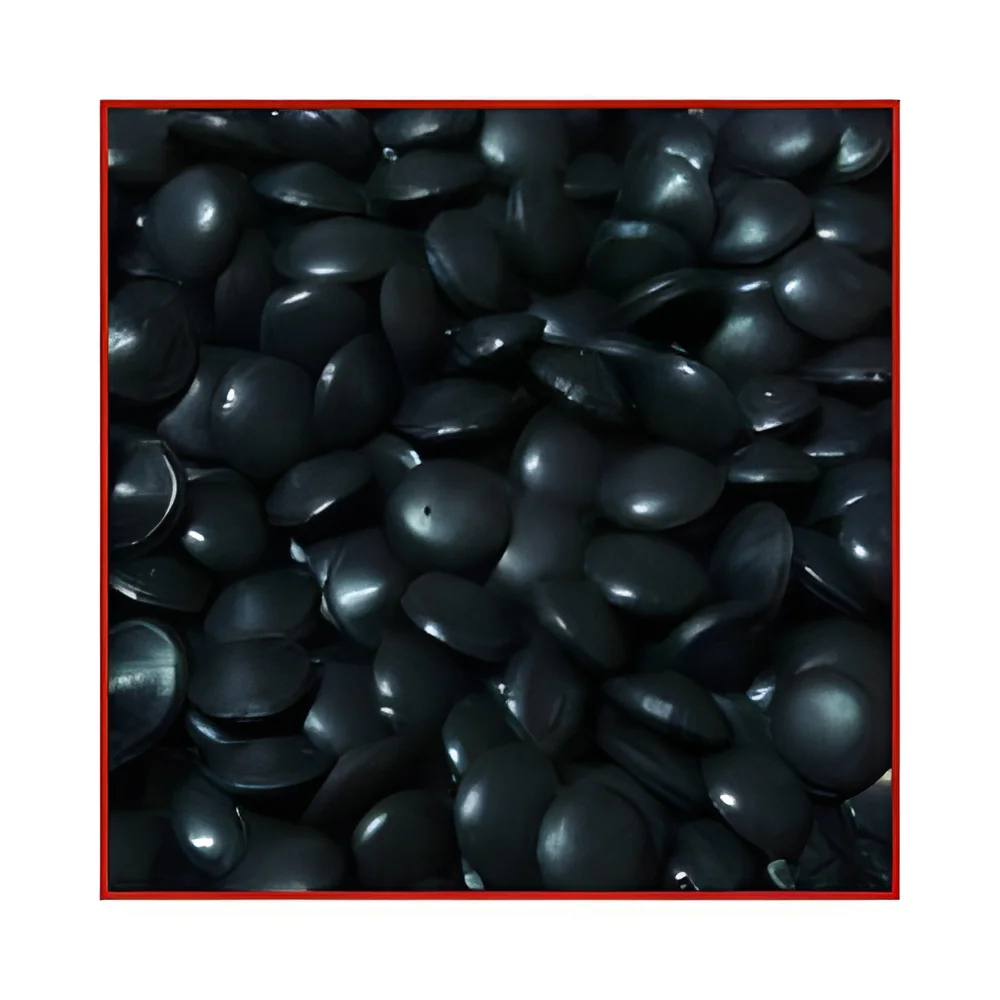
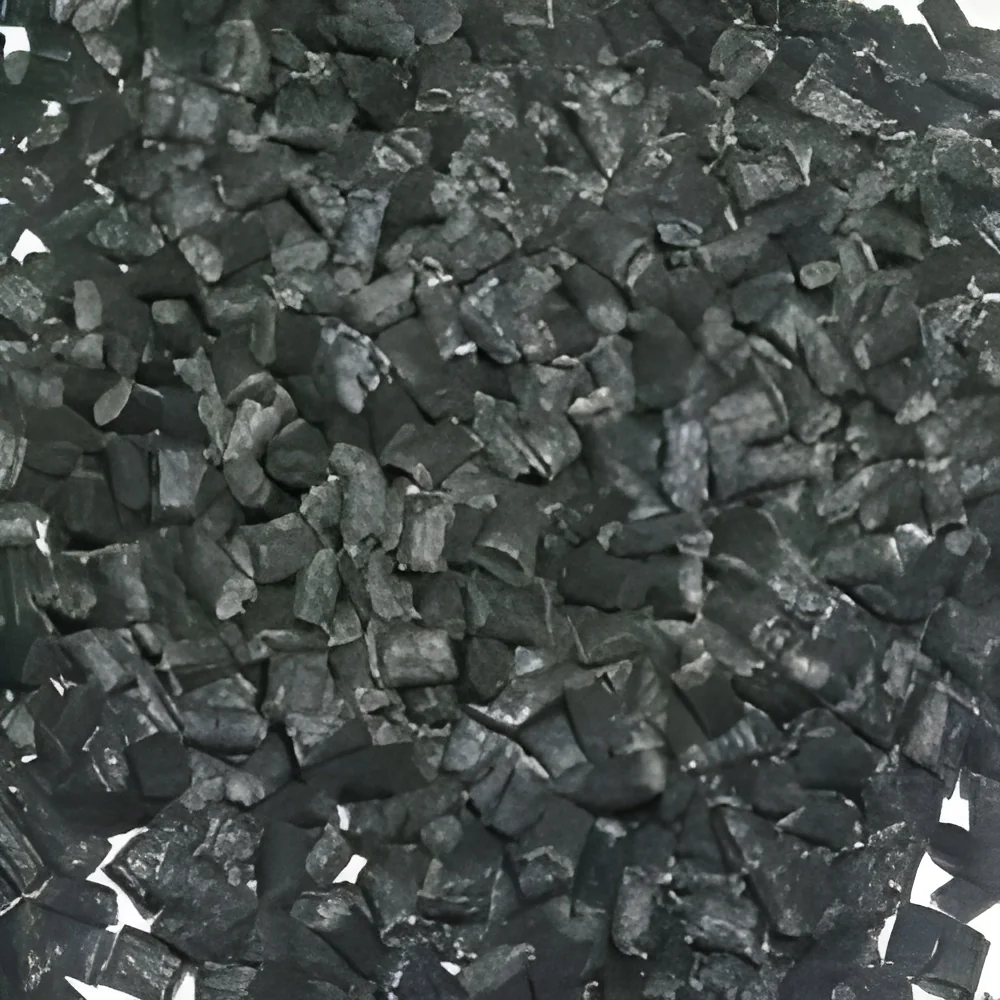
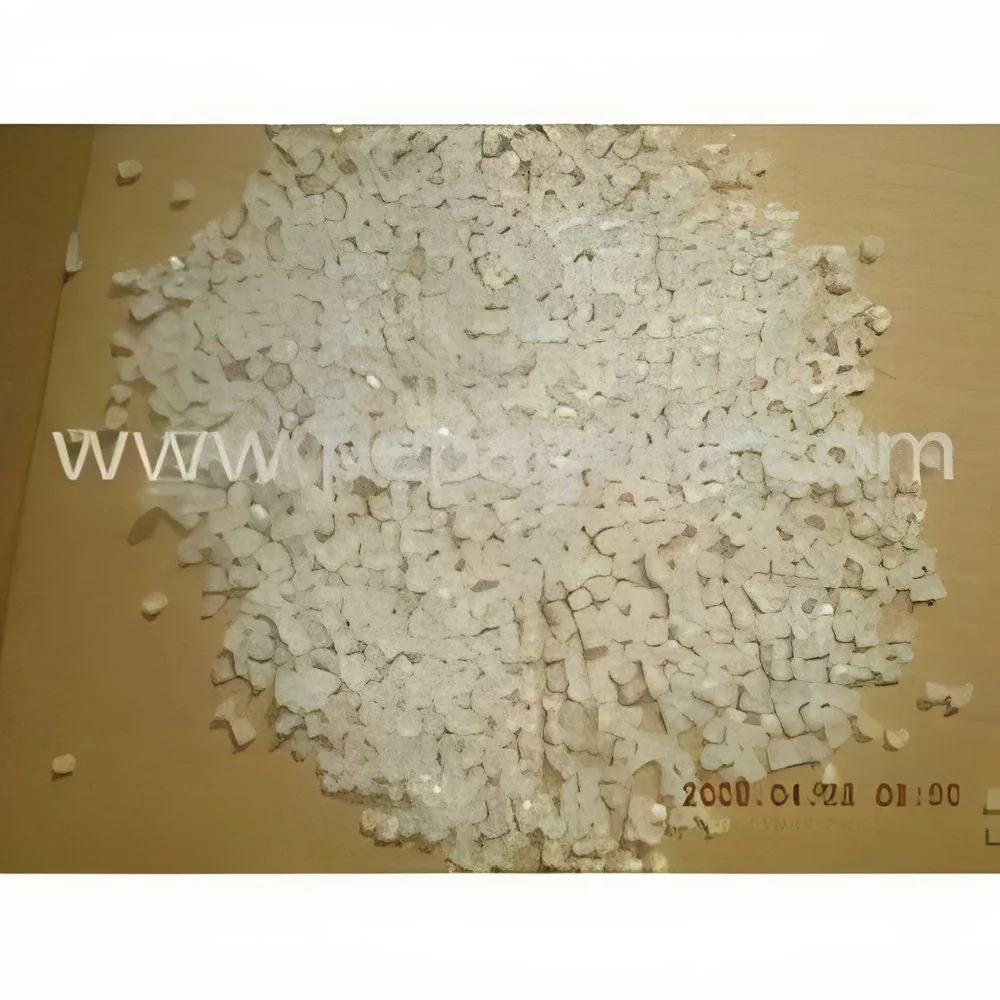
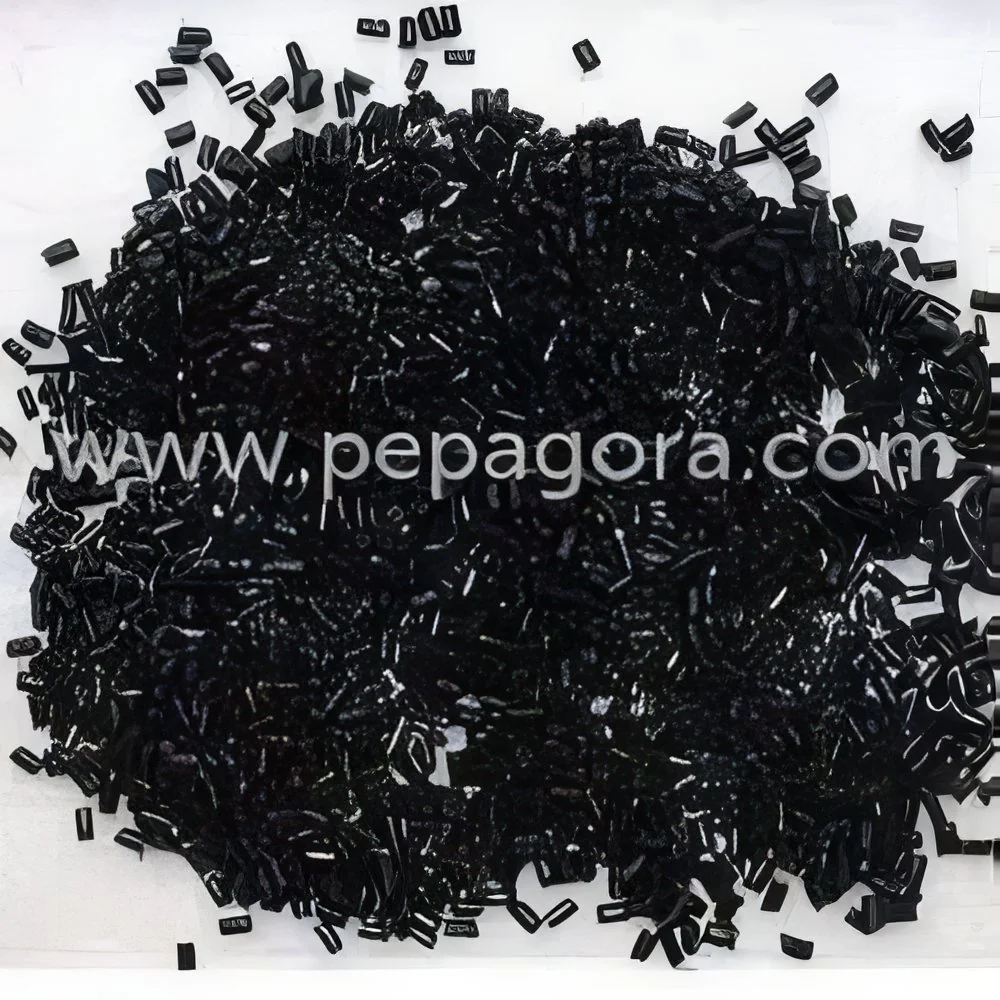
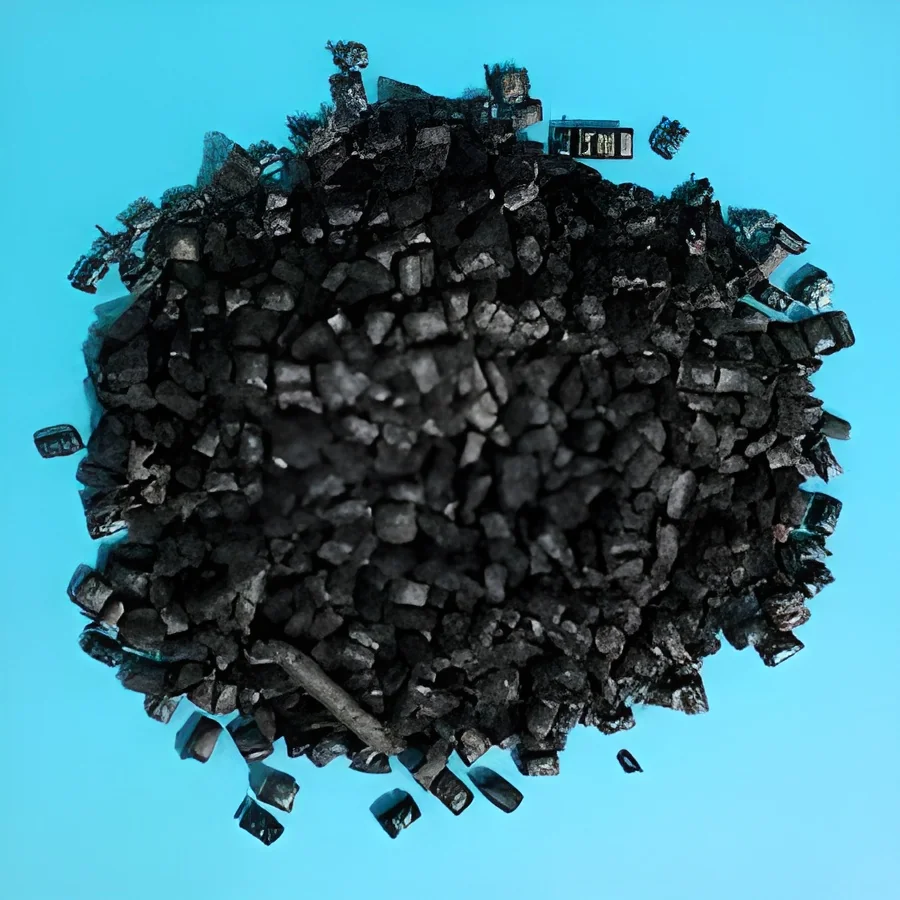
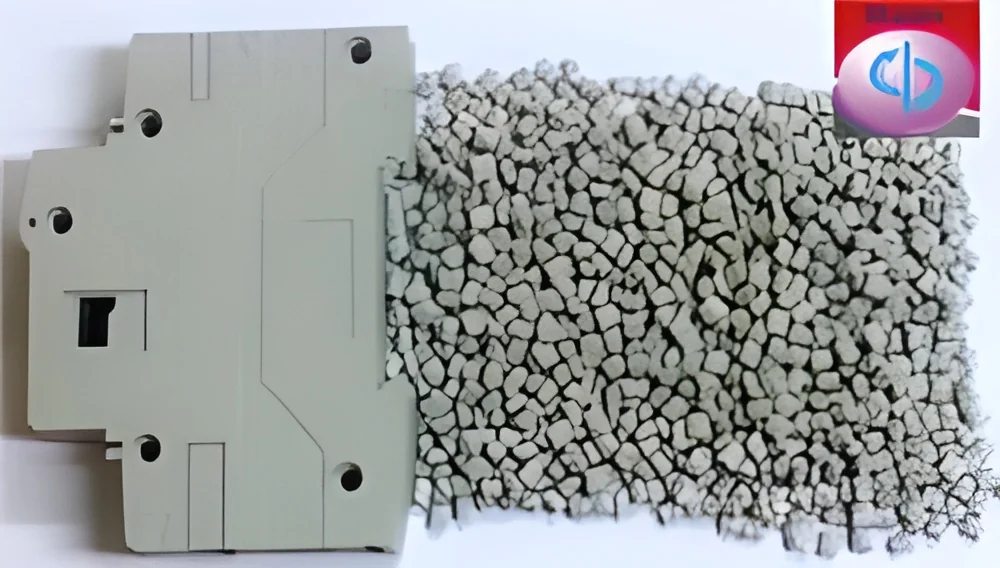
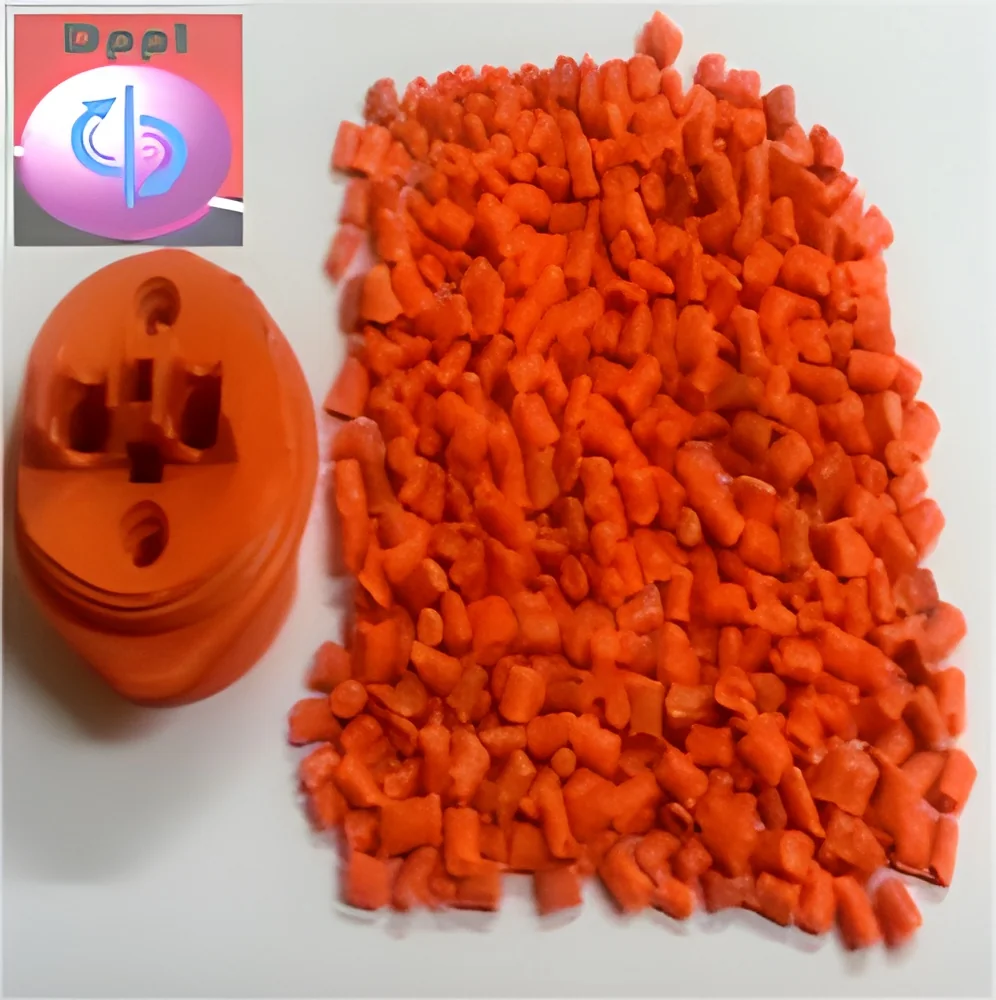
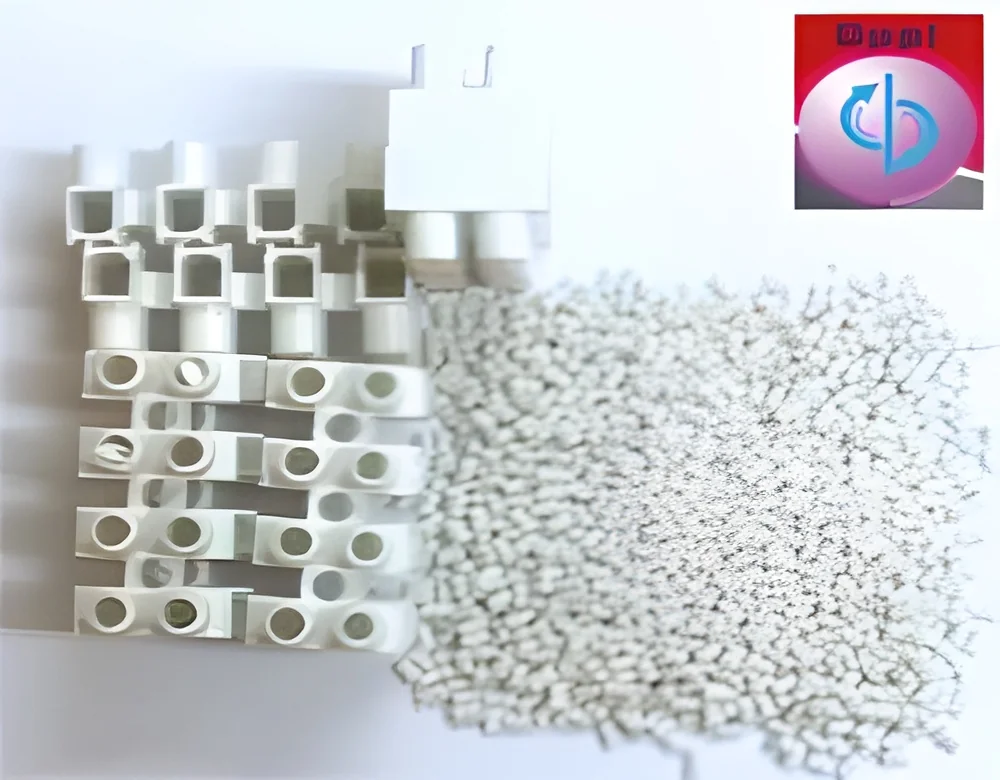
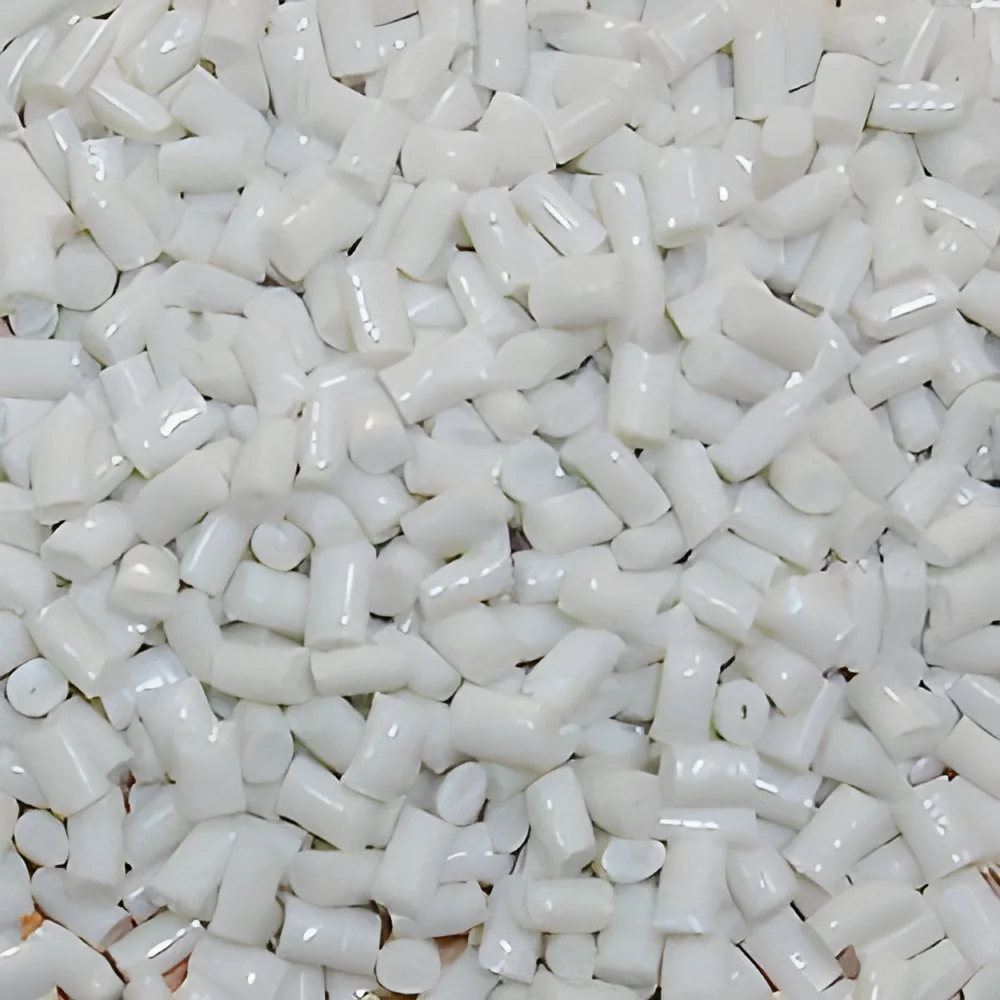
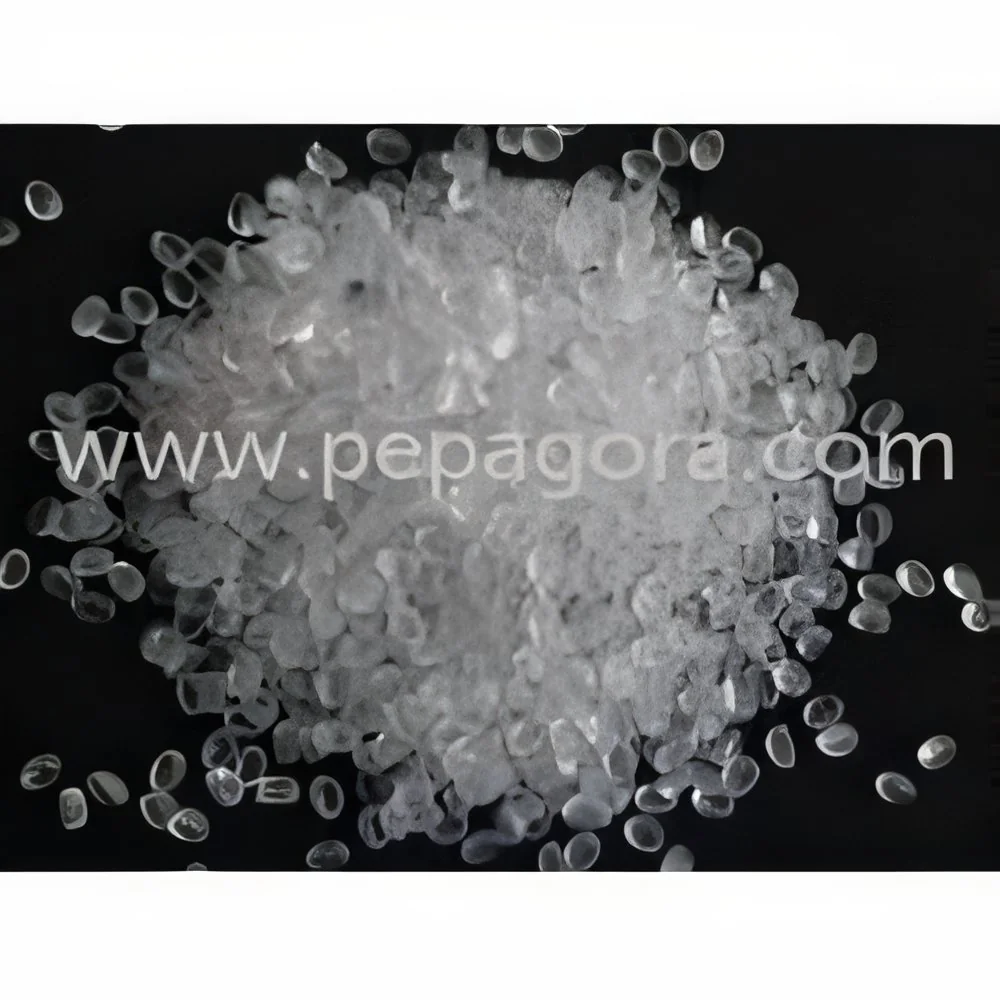
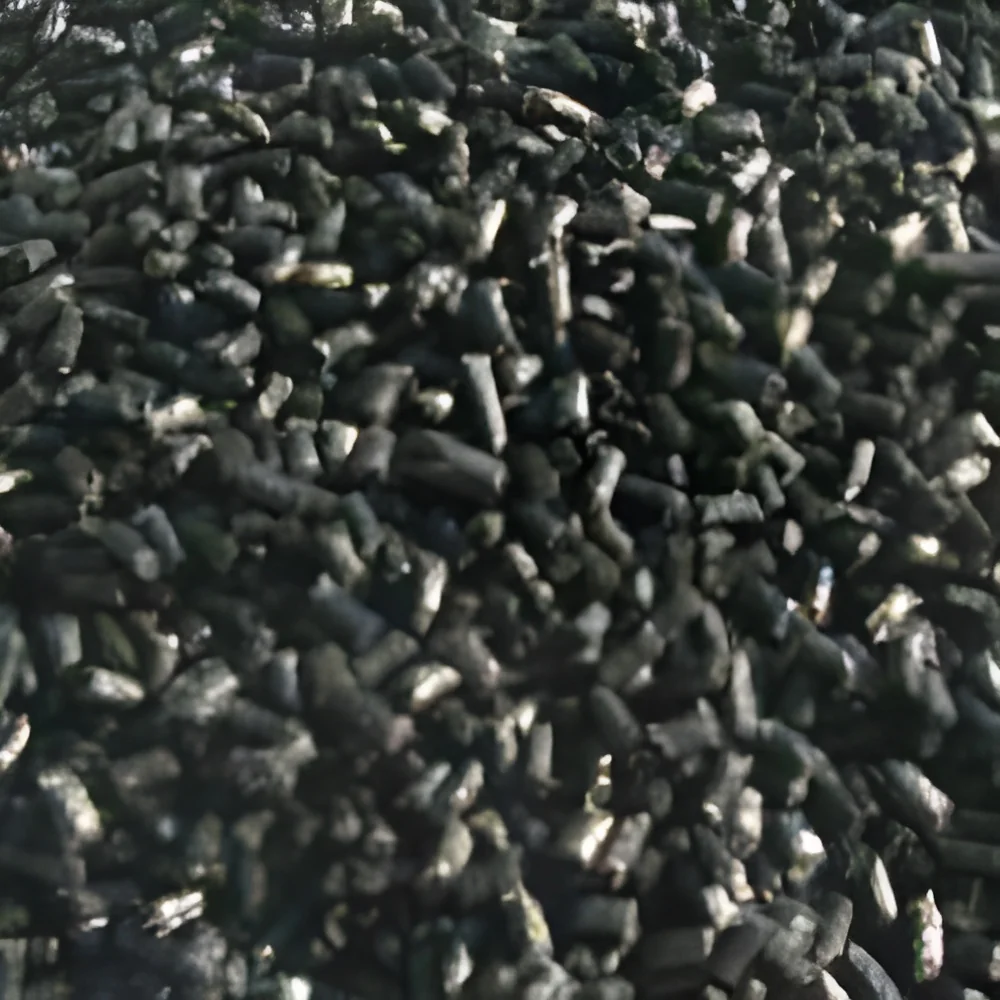
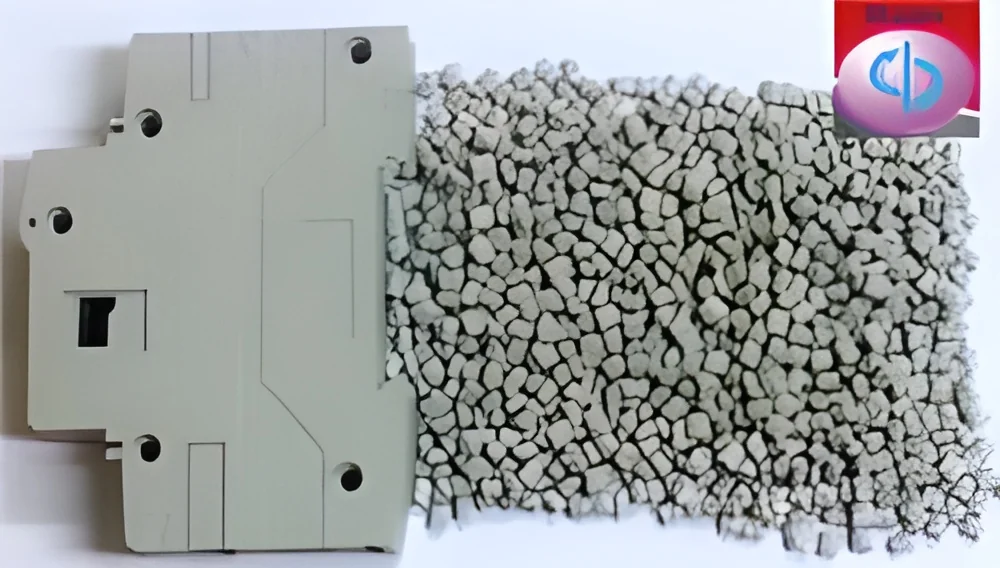
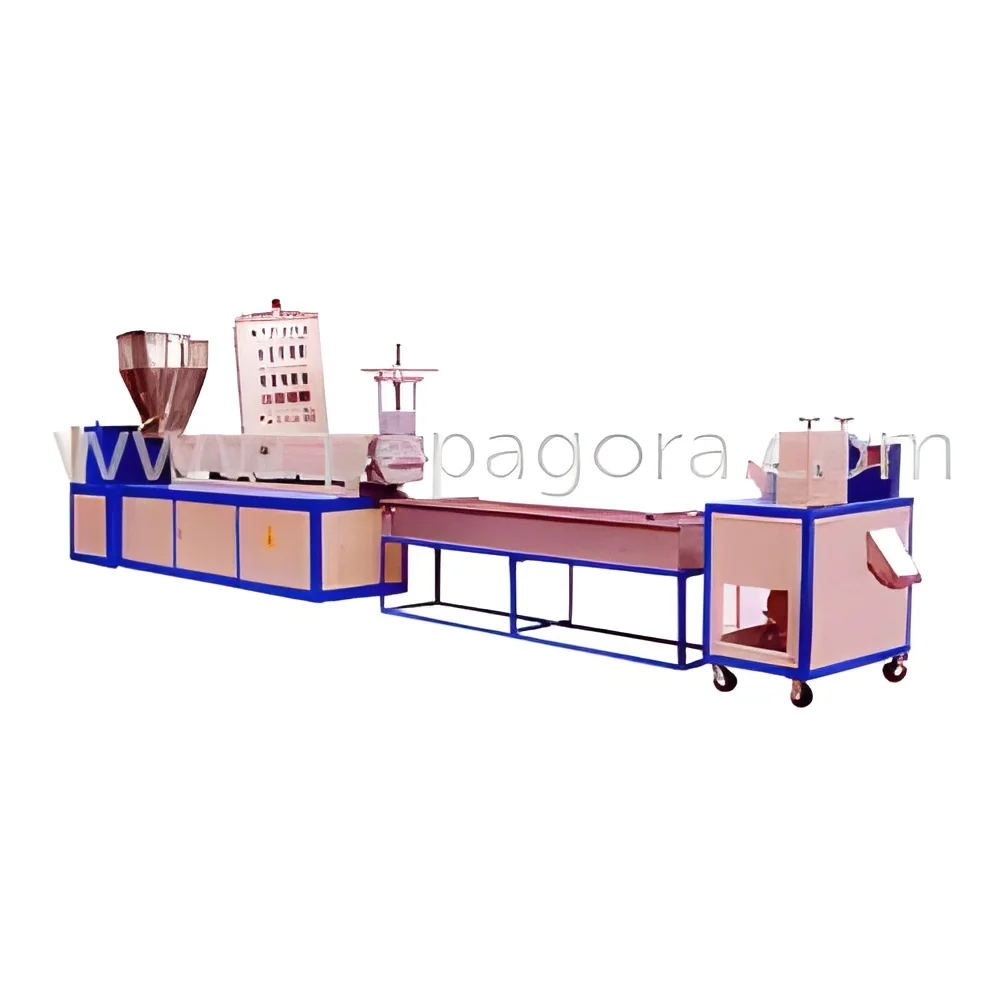
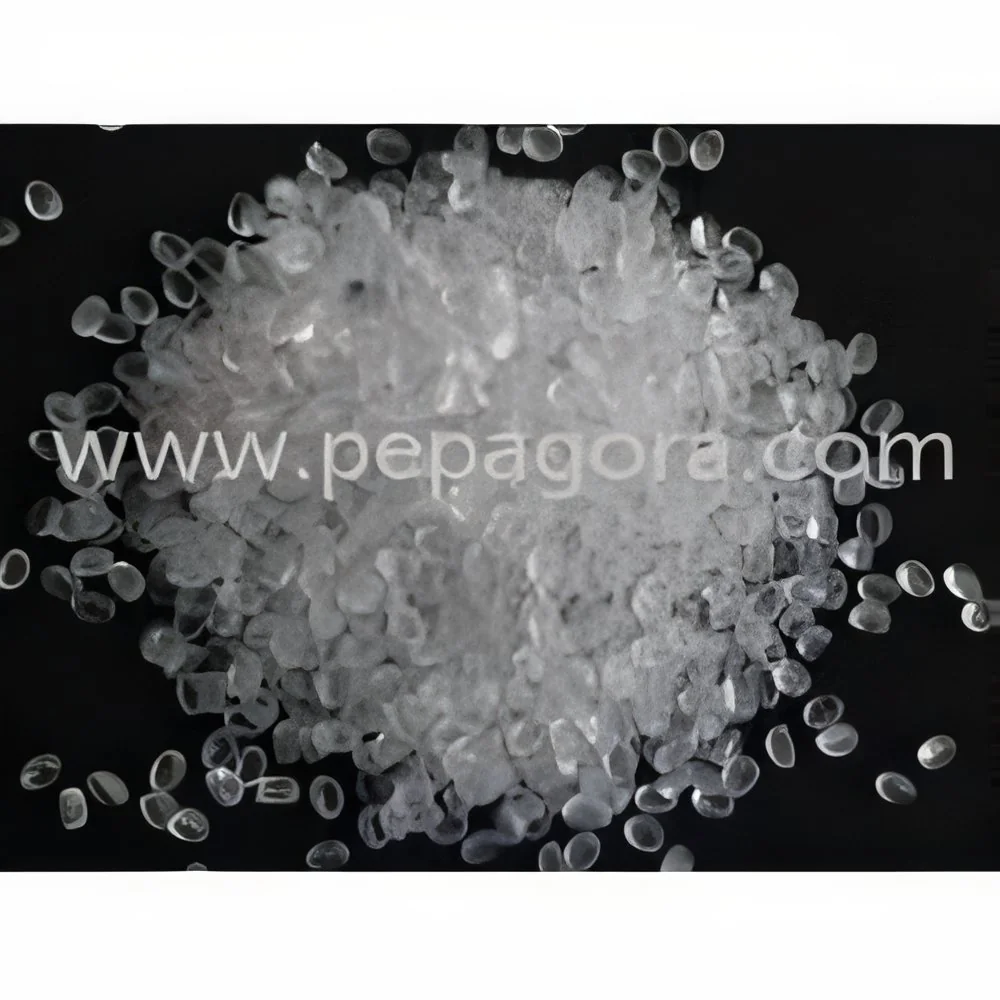
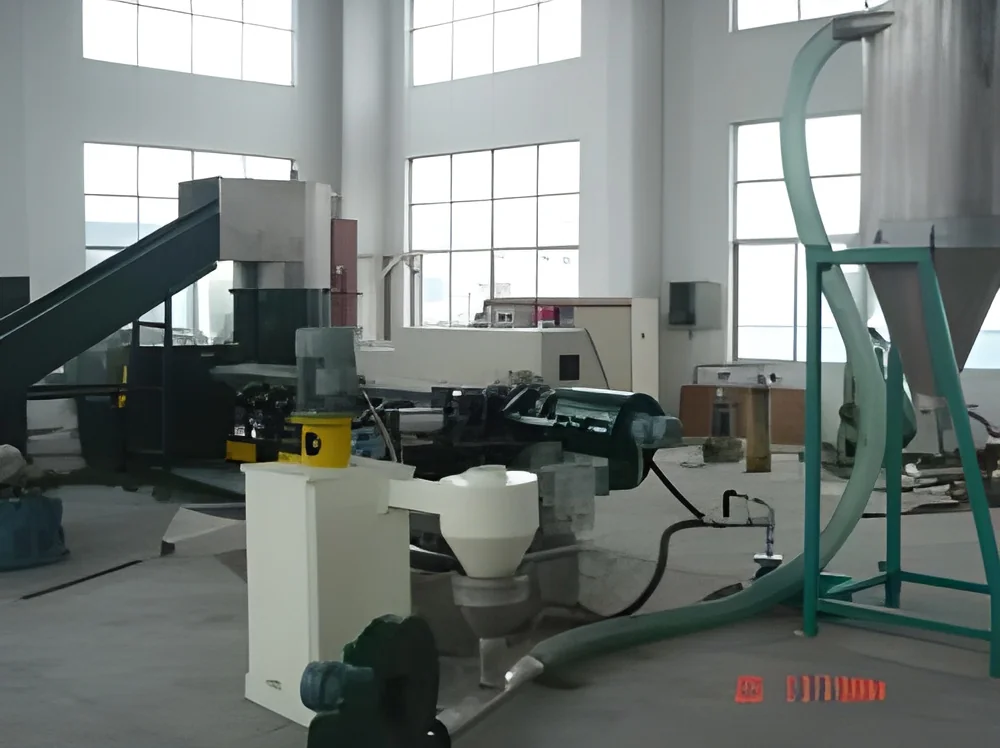
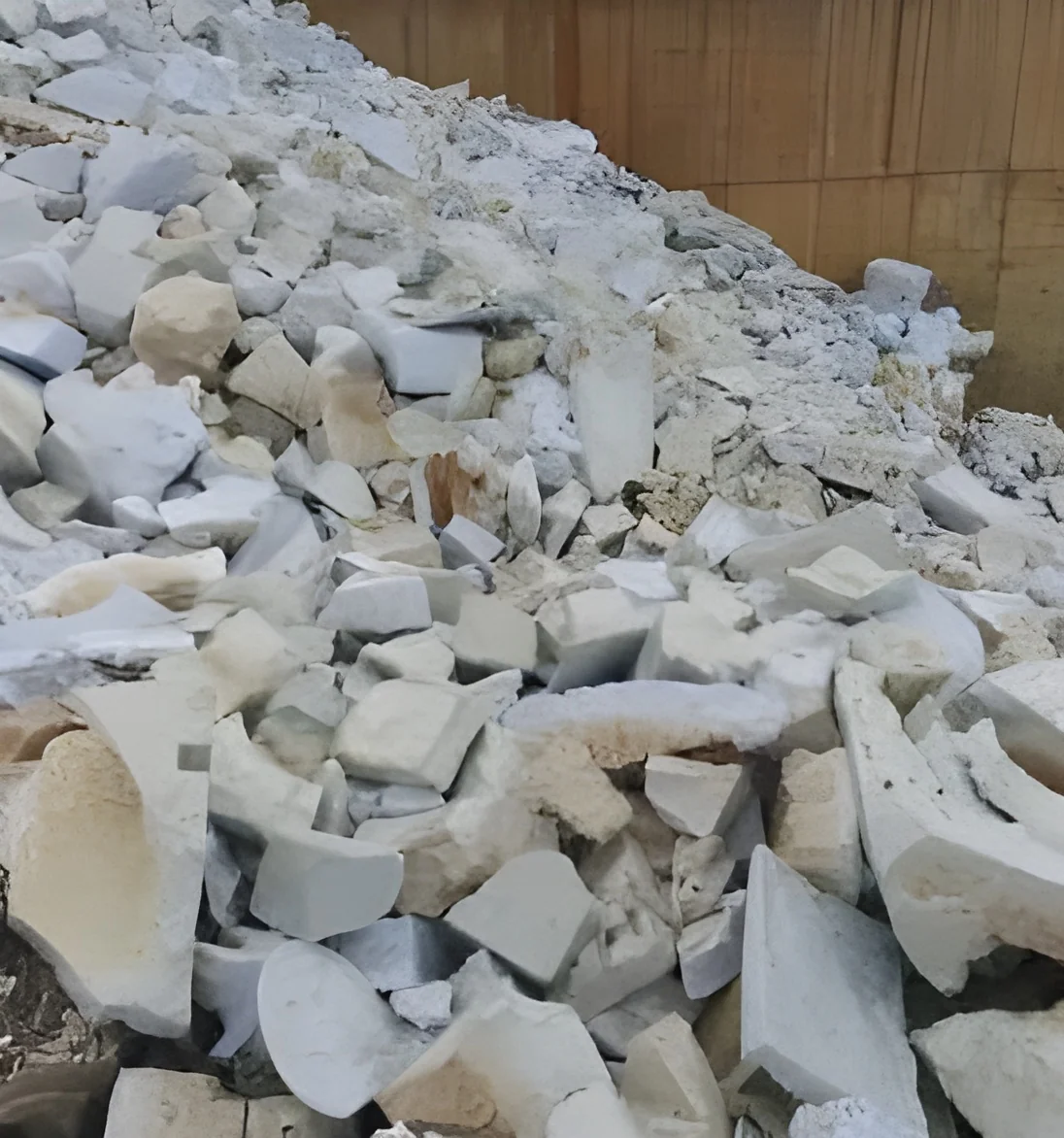
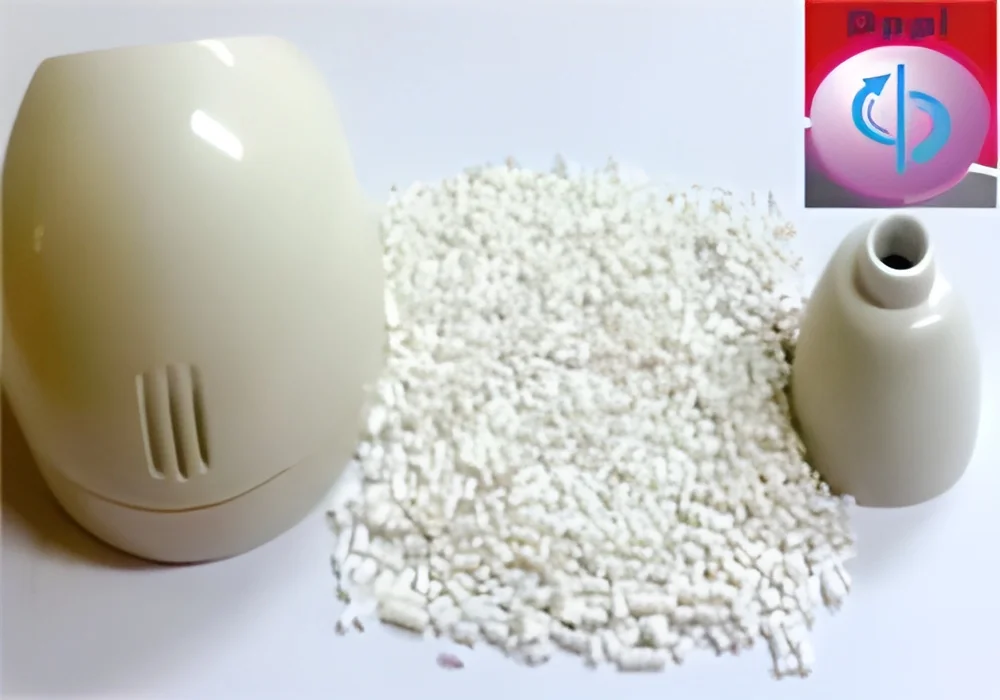
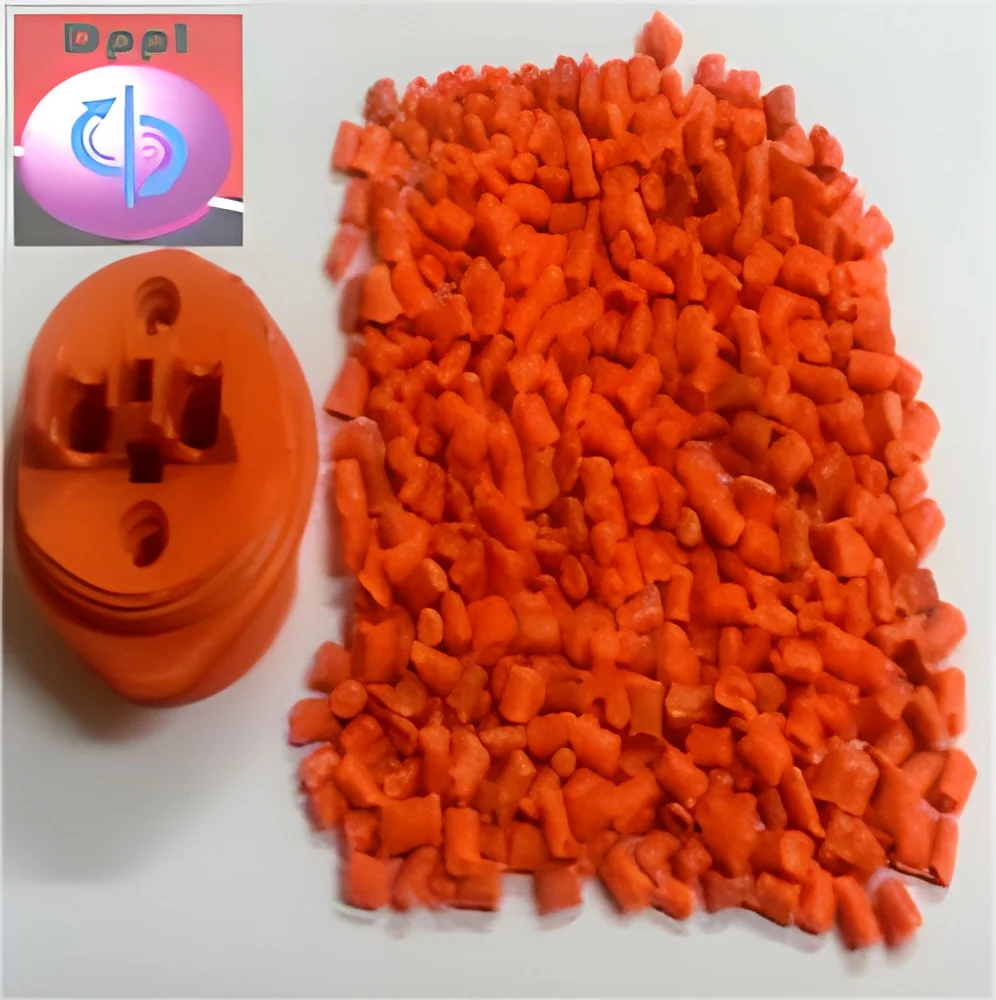
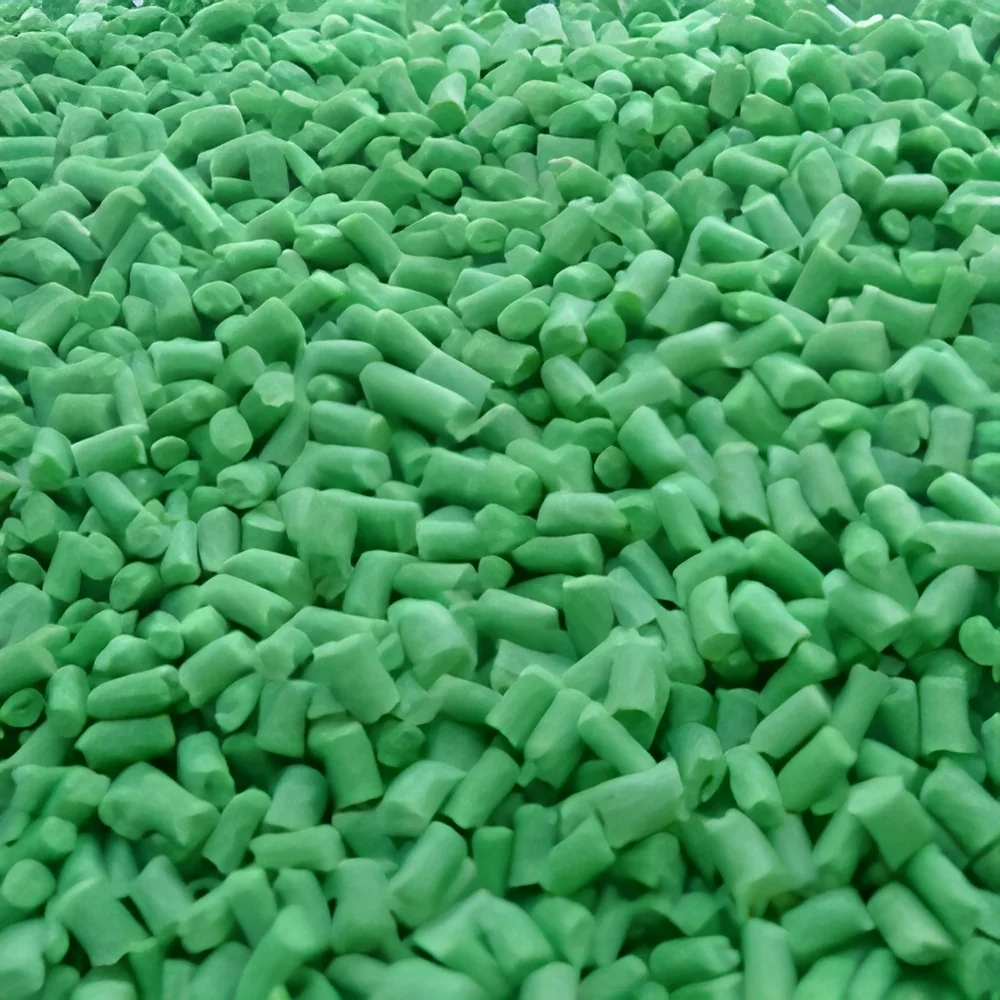
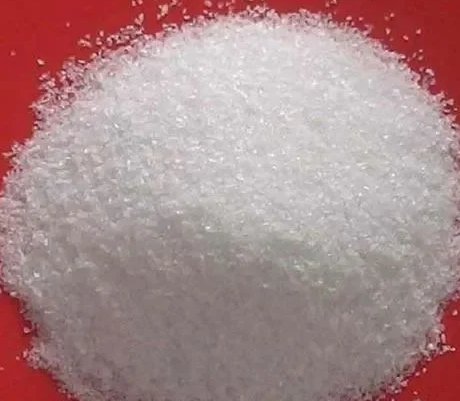
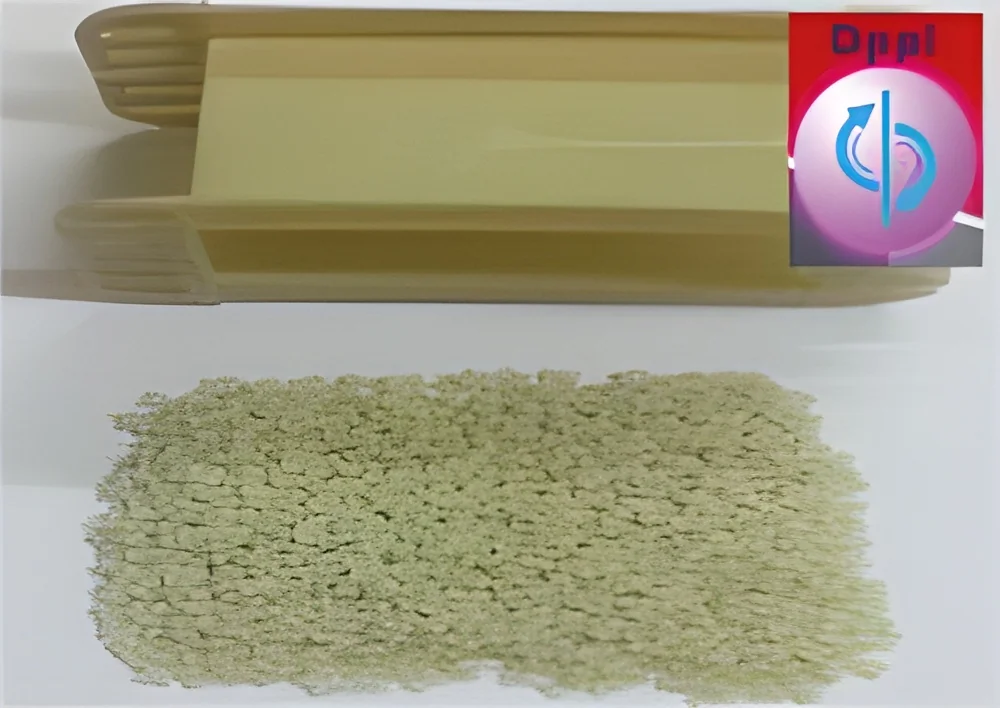
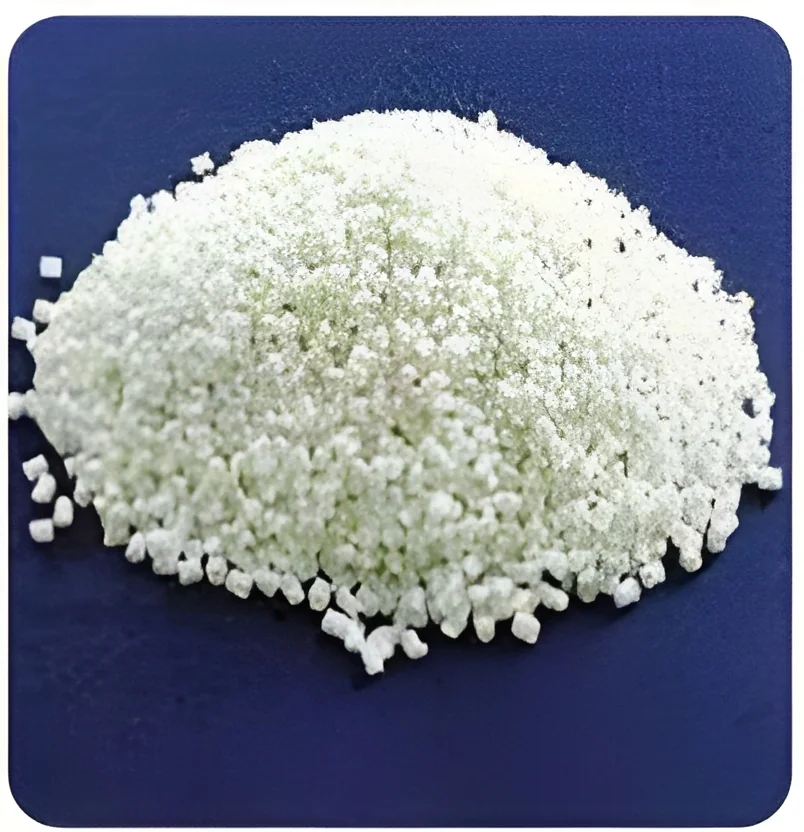
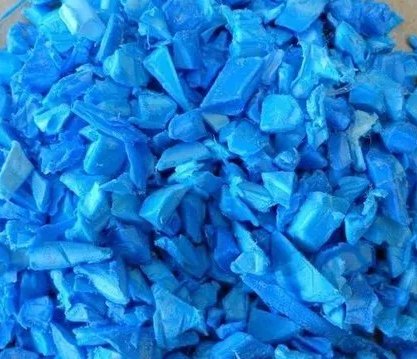
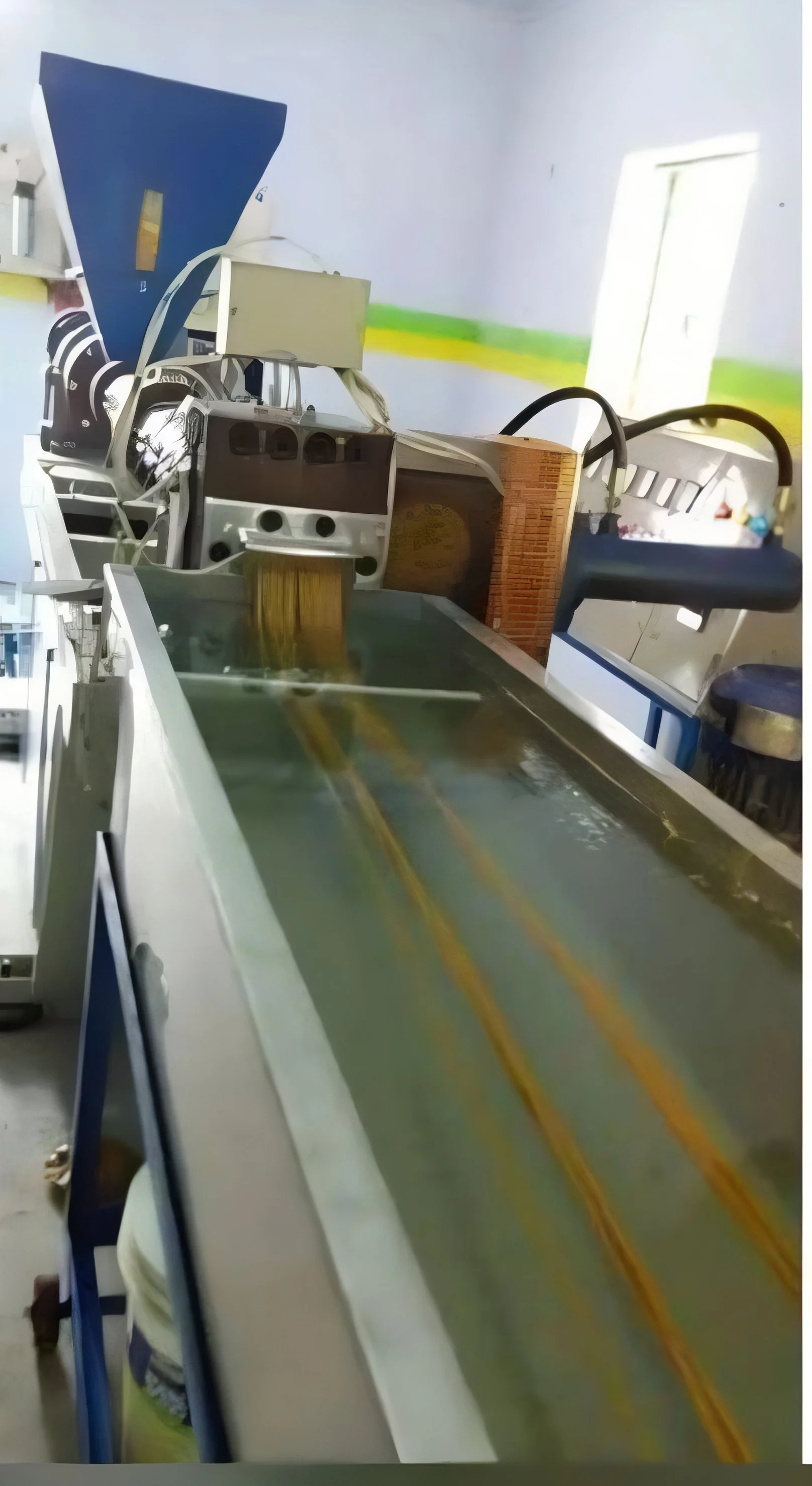
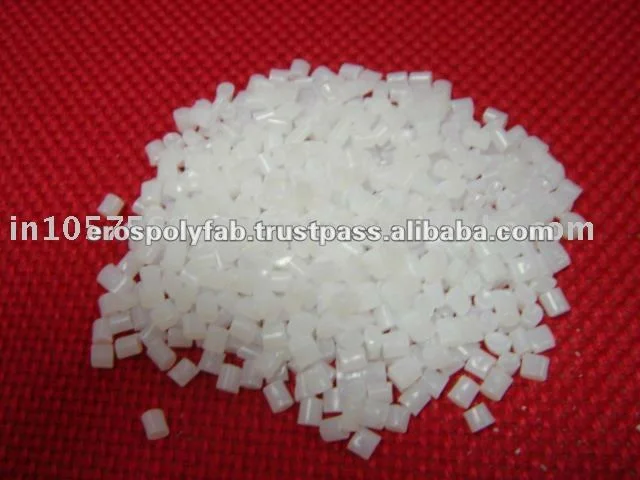
Recycled plastic granules are small pellets made from post-consumer or post-industrial plastic waste. These granules are produced through a recycling process that involves collecting, cleaning, and processing various types of plastics. The most common types include High-Density Polyethylene (HDPE), Low-Density Polyethylene (LDPE), Polypropylene (PP), and Polyethylene Terephthalate (PET). Each type of granule has unique properties and applications, making them suitable for different industrial uses.
These granules are primarily used in manufacturing applications, such as injection molding, extrusion, and blow molding. They serve as raw materials for creating a variety of products ranging from containers and packaging materials to automotive parts and consumer goods. The industry relevance of recycled plastic granules is significant, as they contribute to sustainability efforts by reducing plastic waste and promoting a circular economy. The growing demand for eco-friendly materials has positioned these granules as a crucial component in various manufacturing sectors.
𝗞𝗲𝘆 𝗙𝗲𝗮𝘁𝘂𝗿𝗲𝘀 𝗮𝗻𝗱 𝗦𝗽𝗲𝗰𝗶𝗳𝗶𝗰𝗮𝘁𝗶𝗼𝗻𝘀
Recycled plastic granules come with several key features that make them appealing to manufacturers. These features ensure quality, performance, and sustainability. The following specifications highlight important aspects of these granules.
Key specifications include:
1. Material Type
- HDPE, LDPE, PP, and PET are the primary types of recycled granules.
- Each type has different physical and chemical properties.
2. Color and Appearance
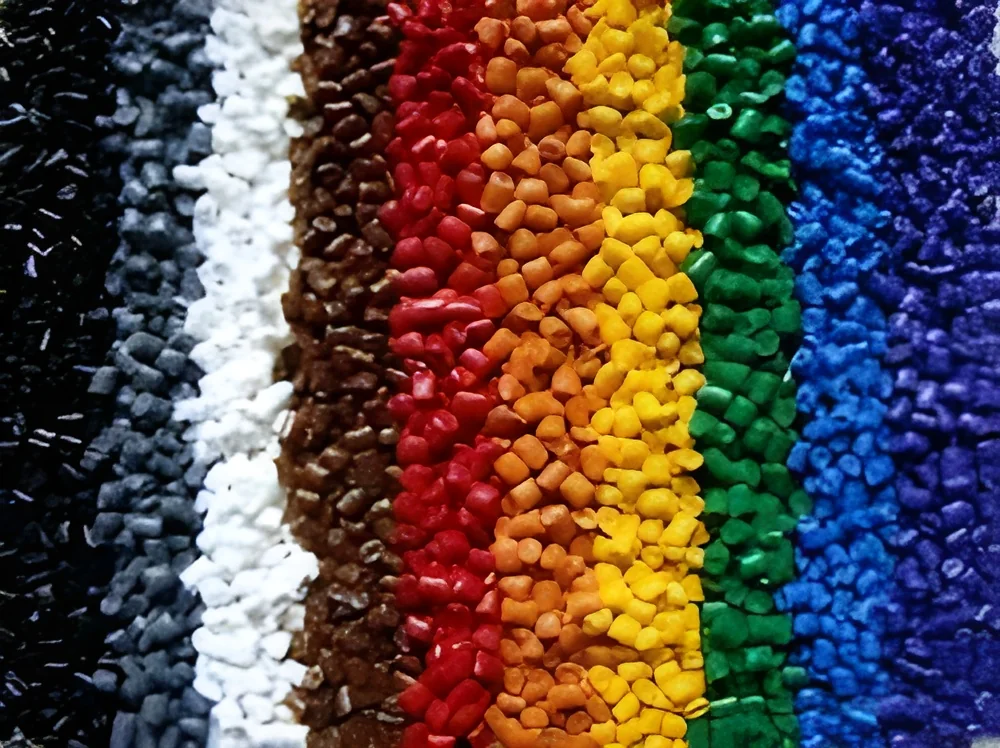
- Available in various colors, depending on the recycling process.
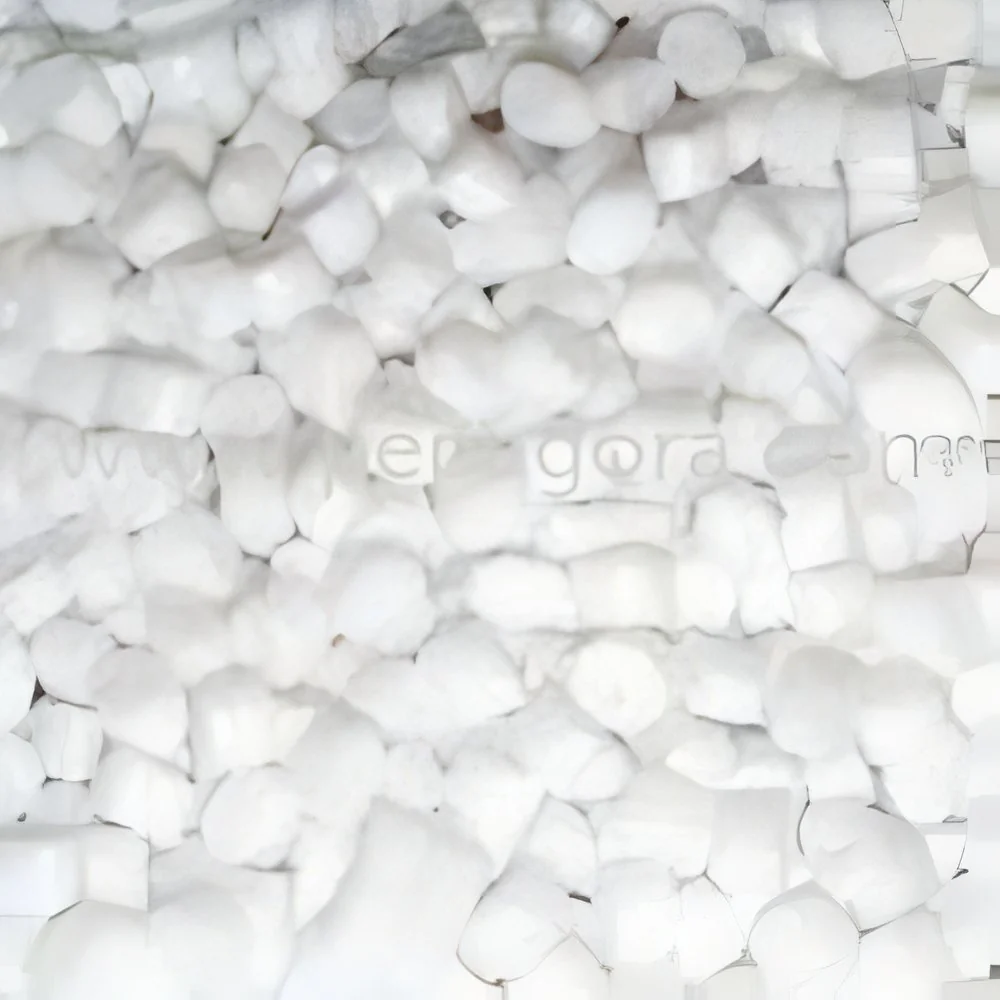
- Granules can be transparent, opaque, or colored.
3. Melt Flow Index (MFI)
- Indicates the flow characteristics during processing.
- Typical ranges vary by type: HDPE (0.2-1.0 g/10 min), LDPE (1.0-6.0 g/10 min), PP (1.0-30 g/10 min), PET (0.5-5.0 g/10 min).
4. Density
- Density varies by type: HDPE (0.94-0.97 g/cm³), LDPE (0.91-0.93 g/cm³), PP (0.90-0.92 g/cm³), PET (1.38-1.40 g/cm³).
5. Impact Resistance
- Varies by material type and processing conditions.
- Typically higher for HDPE and PP compared to LDPE and PET.
6. Thermal Stability
- Ensures materials maintain properties during processing.
- Varies by type with HDPE and PP generally showing better thermal stability.
7. Recyclability
- All granules can be recycled further, supporting sustainability.
In summary, the features and specifications of recycled plastic granules highlight their versatility and importance in various manufacturing processes.
𝗖𝗼𝗺𝗺𝗼𝗻 𝗔𝗽𝗽𝗹𝗶𝗰𝗮𝘁𝗶𝗼𝗻𝘀 𝗮𝗻𝗱 𝗨𝘀𝗲 𝗖𝗮𝘀𝗲𝘀
Recycled plastic granules find applications across a wide range of industries. Their versatility allows businesses to utilize these materials in various ways.
1. Packaging Industry: Recycled granules are commonly used to create packaging materials such as bottles, containers, and films. Their lightweight and durable nature makes them ideal for this sector.
2. Automotive Industry: Manufacturers use recycled granules to produce components such as dashboards, bumpers, and interior parts. These materials contribute to weight reduction and cost savings.
3. Consumer Products: Items like toys, household goods, and furniture often incorporate recycled plastics. This use promotes sustainable practices and reduces reliance on virgin materials.
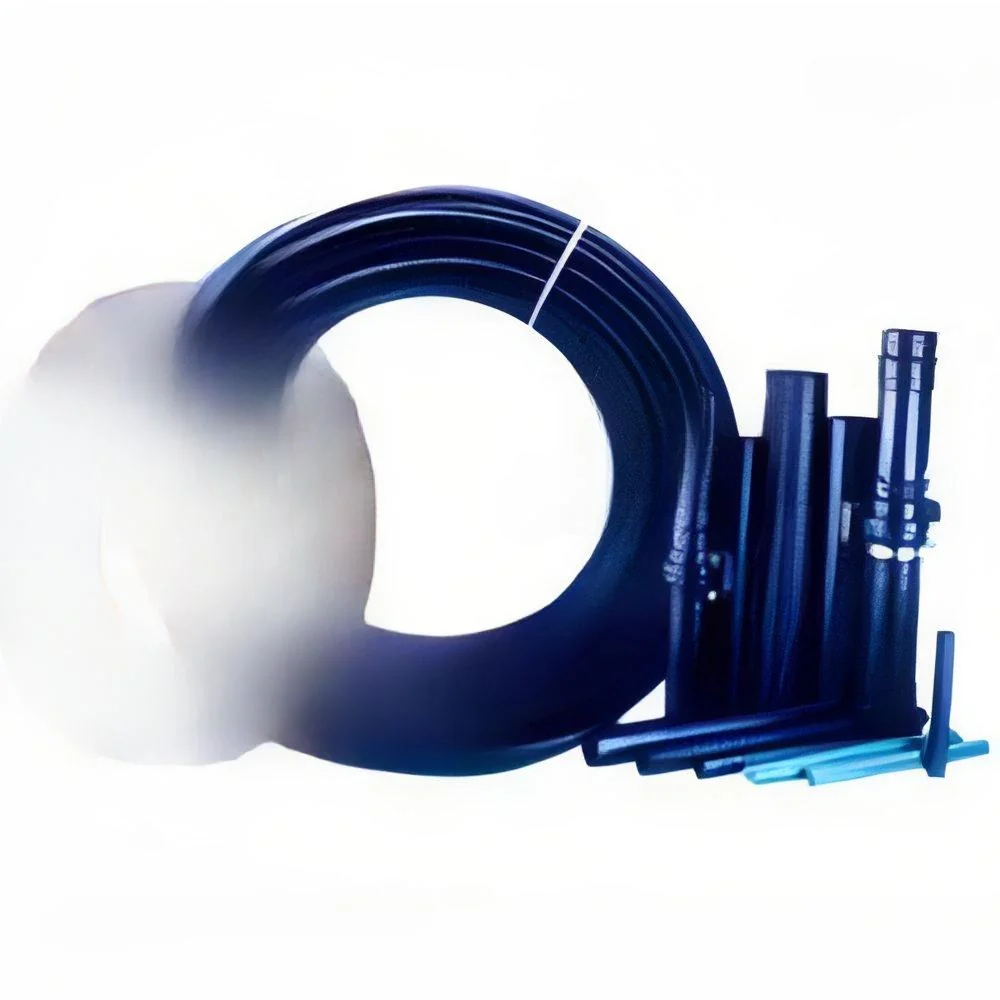
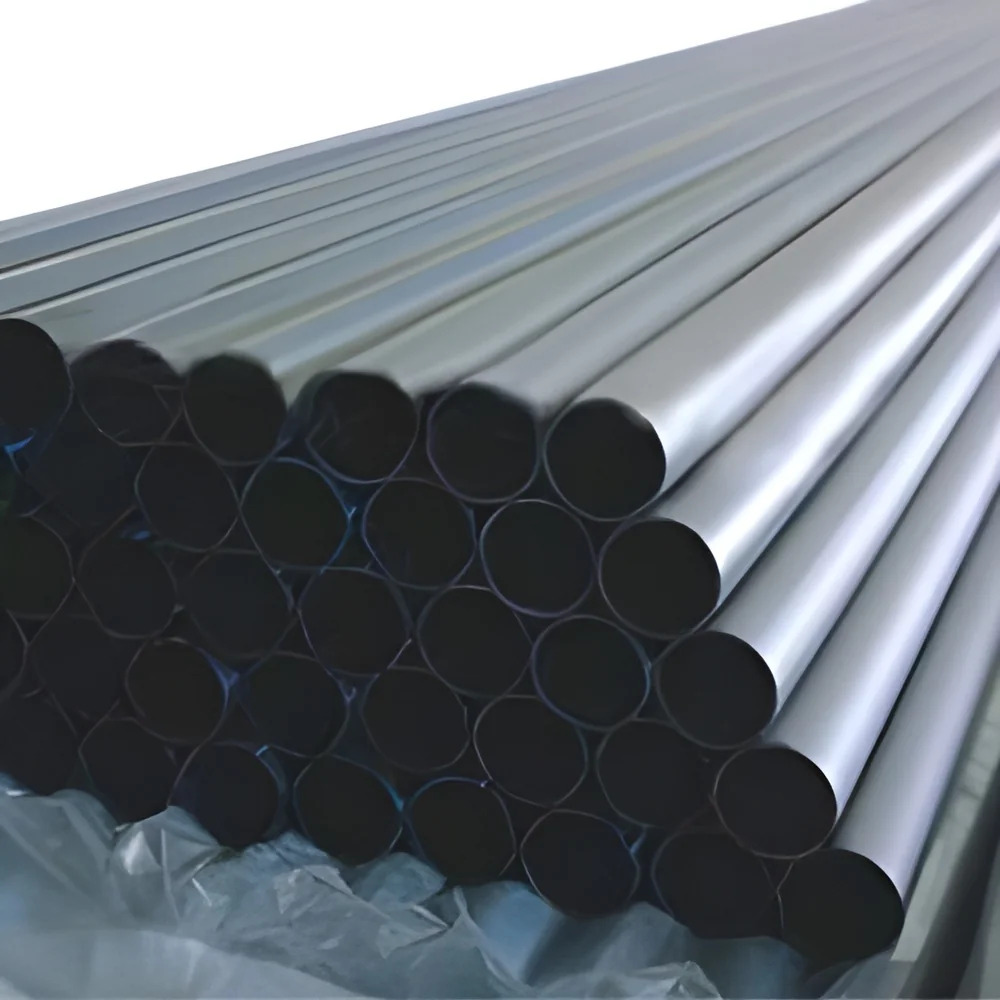
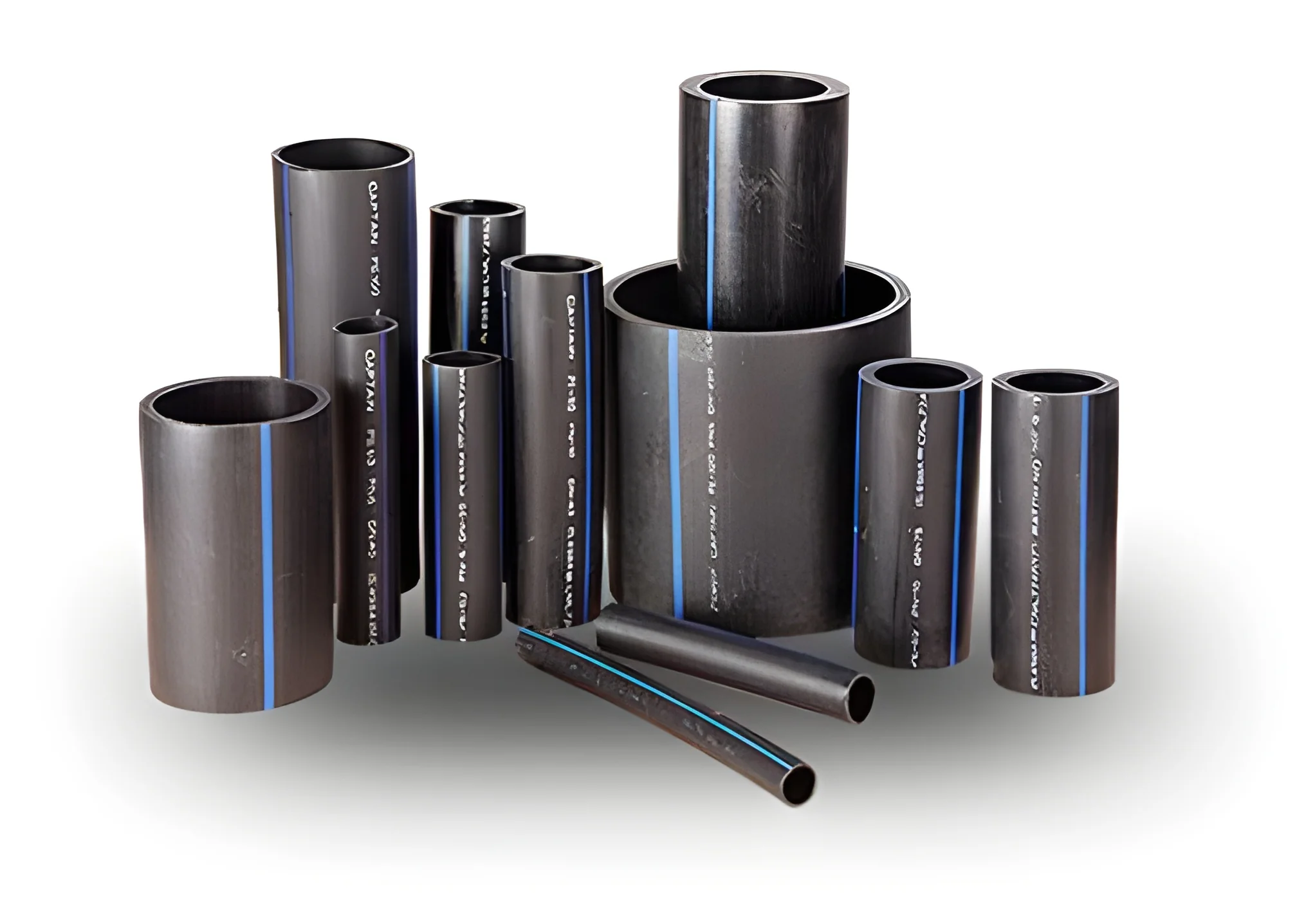
4. Construction Industry: Recycled granules can be found in products like insulation, piping, and roofing materials. Their durability and resistance to elements make them suitable for construction applications.
5. Electronics: The electronics sector utilizes recycled plastics for casings and components, supporting eco-friendly product design.
6. Agriculture: Granules are used in the production of pots, trays, and irrigation systems, helping to reduce plastic waste in farming practices.
7. Textiles: In some cases, recycled plastics are used to create fibers for textiles, promoting sustainable fashion and reducing waste.
𝗣𝗿𝗼𝗱𝘂𝗰𝘁 𝗩𝗮𝗿𝗶𝗮𝗻𝘁𝘀 𝗮𝗻𝗱 𝗦𝘂𝗯𝗰𝗮𝘁𝗲𝗴𝗼𝗿𝗶𝗲𝘀
Recycled plastic granules are diverse and can be tailored to meet specific industry needs. Different variants offer unique features and applications.
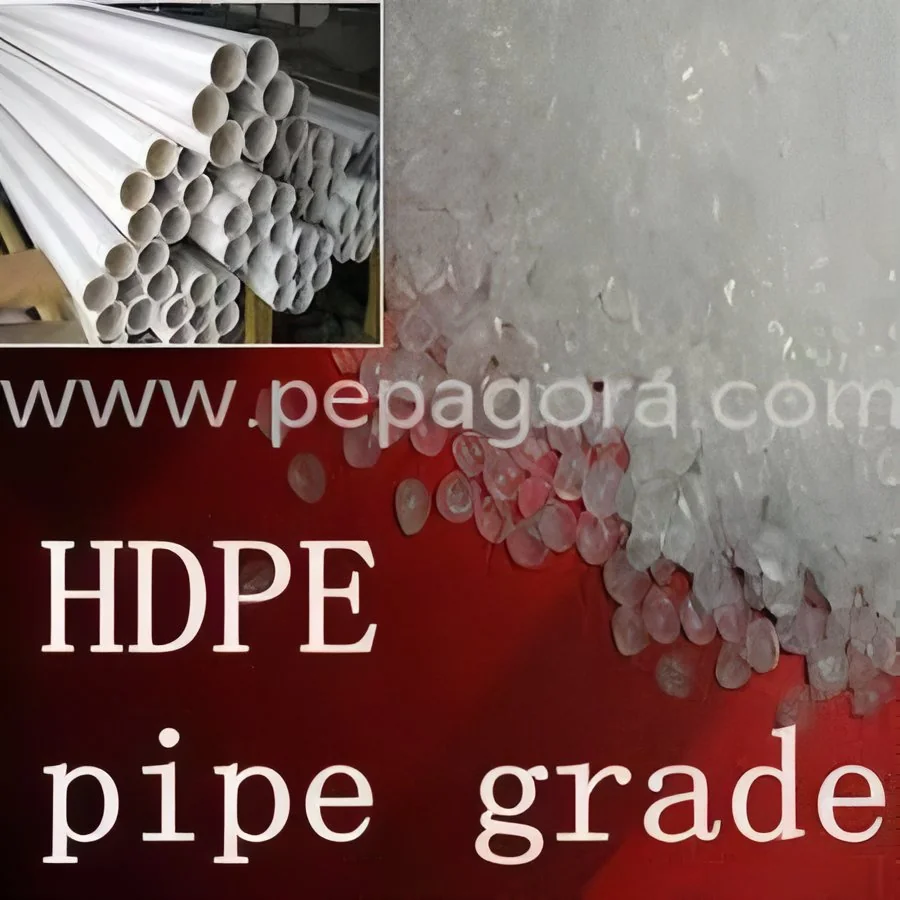
HDPE Granules: These granules are known for their strength and durability. They are commonly used in applications such as bottles, containers, and piping systems.
LDPE Granules: Characterized by their flexibility and low-density, LDPE granules are often used in film applications, bags, and packaging materials.
PP Granules: Polypropylene is valued for its resistance to chemicals and heat. It is widely used in automotive parts, household goods, and food containers.
PET Granules: Known for their clarity and strength, PET granules are primarily used for beverage bottles and food packaging, promoting recyclability.
𝗕𝗲𝗻𝗲𝗳𝗶𝘁𝘀 𝗮𝗻𝗱 𝗔𝗱𝘃𝗮𝗻𝘁𝗮𝗴𝗲𝘀
Sourcing recycled plastic granules offers several benefits to businesses looking to enhance sustainability and reduce costs.
1. Environmental Sustainability: Using recycled materials helps reduce plastic waste and lowers the carbon footprint, contributing to a healthier planet.
2. Cost-Effectiveness: Recycled granules are often more affordable than virgin materials, helping companies save on raw material costs.
3. Versatile Applications: The variety of granules available allows businesses to find suitable materials for diverse manufacturing needs.
4. Regulatory Compliance: Many industries are moving toward stricter regulations on plastic usage. Sourcing recycled granules can help companies stay compliant.
5. Brand Image: Utilizing recycled materials enhances a company's image as a responsible and sustainable business, appealing to eco-conscious consumers.
6. Continuous Availability: With the increasing focus on recycling, the supply of recycled granules is becoming more stable and reliable.
𝗕𝘂𝘆𝗶𝗻𝗴 𝗚𝘂𝗶𝗱𝗲 𝗳𝗼𝗿 𝗕𝟮𝗕 𝗕𝘂𝘆𝗲𝗿𝘀
When sourcing recycled plastic granules, it is essential for B2B buyers to consider several factors to ensure they make informed purchasing decisions.
1. Quality Assessment: Evaluate granules for quality, consistency, and suitability for your specific application. Request samples to conduct tests.
2. Supplier Verification: Vet suppliers to ensure they adhere to quality standards and have a reliable track record in providing recycled materials.
3. Pricing and MOQ: Understand pricing structures and minimum order quantities to align with your budget and production needs.
4. Delivery and Lead Times: Assess logistics and delivery schedules to ensure timely availability of materials for your manufacturing processes.
5. Compliance Requirements: Ensure that the granules meet relevant industry standards and regulations, which can vary by application and region.
𝗖𝗼𝗺𝗽𝗹𝗶𝗮𝗻𝗰𝗲 𝗮𝗻𝗱 𝗖𝗲𝗿𝘁𝗶𝗳𝗶𝗰𝗮𝘁𝗶𝗼𝗻𝘀
Recycled plastic granules must adhere to various compliance and certification standards to ensure safety and quality. Key standards include ISO 9001, which ensures quality management systems, and HACCP for food safety. Additional certifications such as CE and UL indicate that products meet specific safety and performance criteria.
Safety and testing requirements are critical for materials used in sensitive applications. Companies should ensure that their suppliers conduct thorough testing to meet these standards. Furthermore, regional compliance considerations are vital, as different countries may have unique regulations regarding plastic use and recycling.
Why Source Recycled Plastic Granules (HDPE, LDPE, PP, PET) from Pepagora?
Pepagora provides a trusted platform for sourcing recycled plastic granules, offering several key advantages that benefit B2B buyers.
Verified Supplier Network: Pepagora's extensive network includes verified suppliers who have undergone thorough vetting processes. This ensures that buyers receive high-quality materials from reputable sources.
Streamlined RFQ Process: The request for quotation system simplifies the procurement process. Buyers can easily submit their requirements and receive competitive pricing from multiple suppliers.
Trade Assurance and Support: Pepagora offers trade assurance, protecting buyers from potential risks associated with transactions. This support fosters confidence in the purchasing process.
Regional Coverage: With a strong presence in India, GCC, and Southeast Asia, Pepagora provides wide geographic coverage, ensuring that buyers can access quality recycled plastic granules regardless of their location.