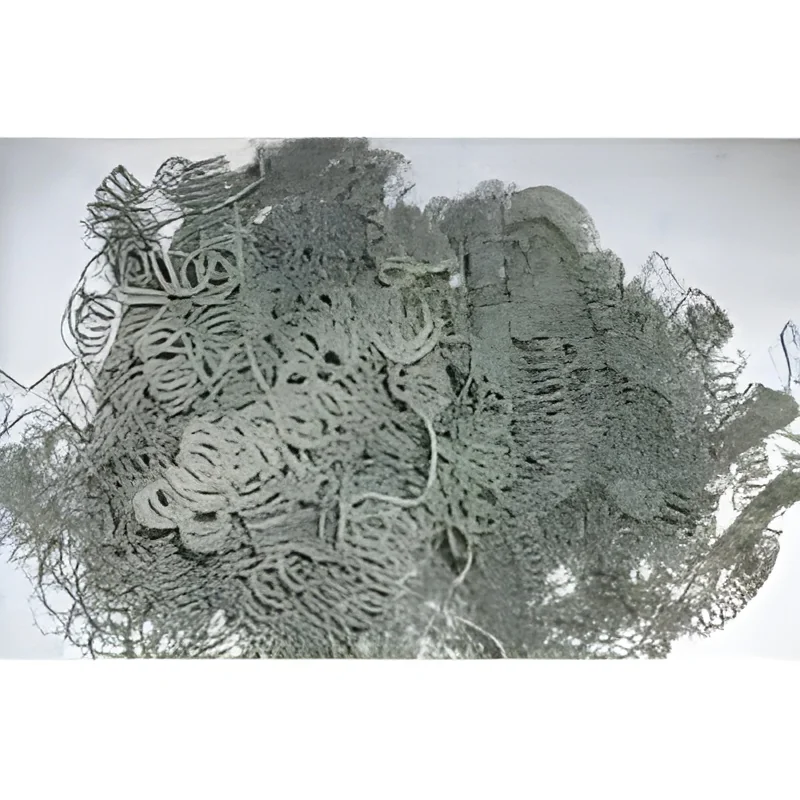
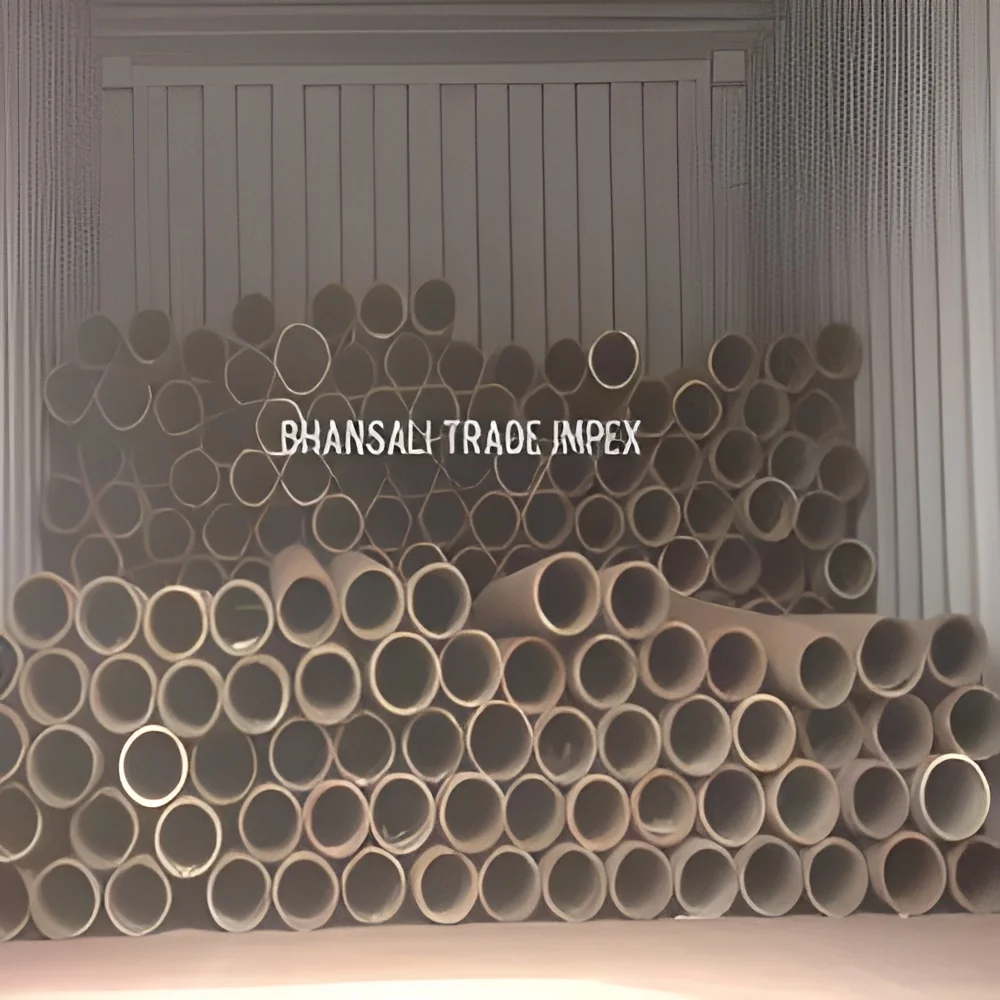
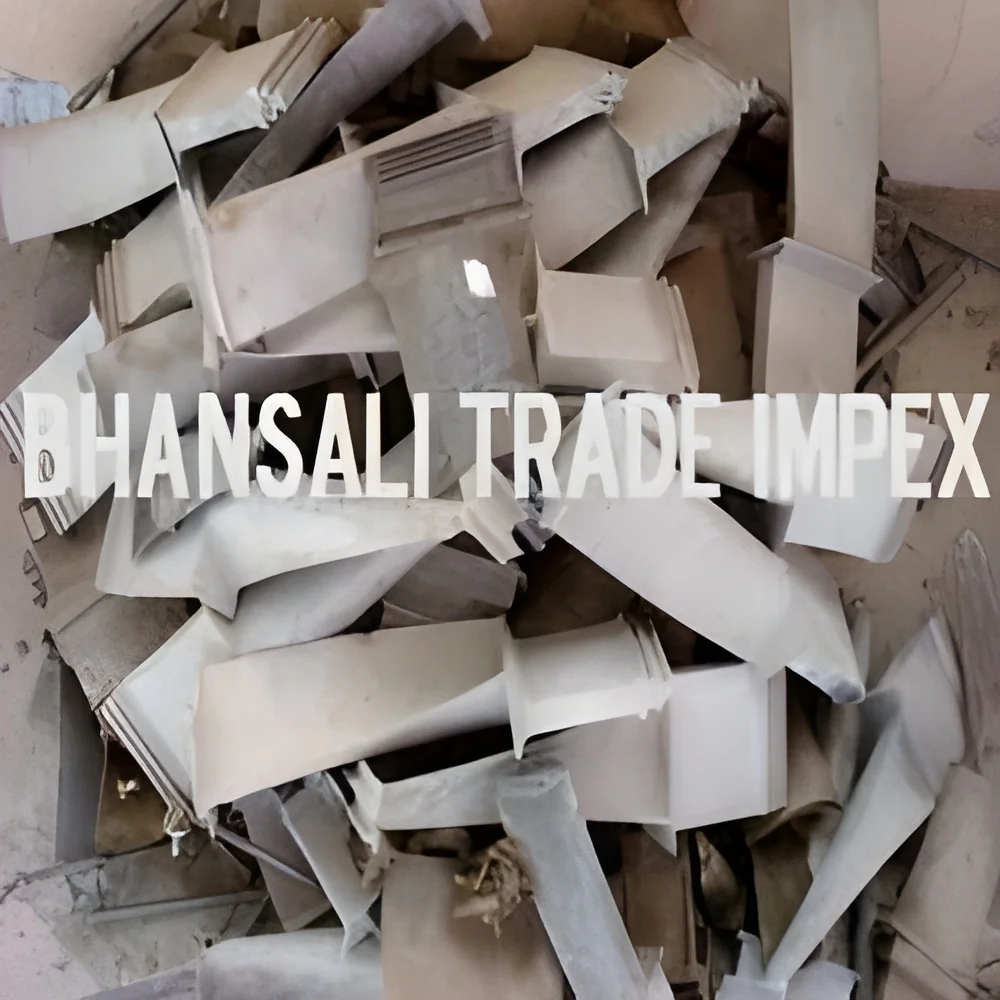
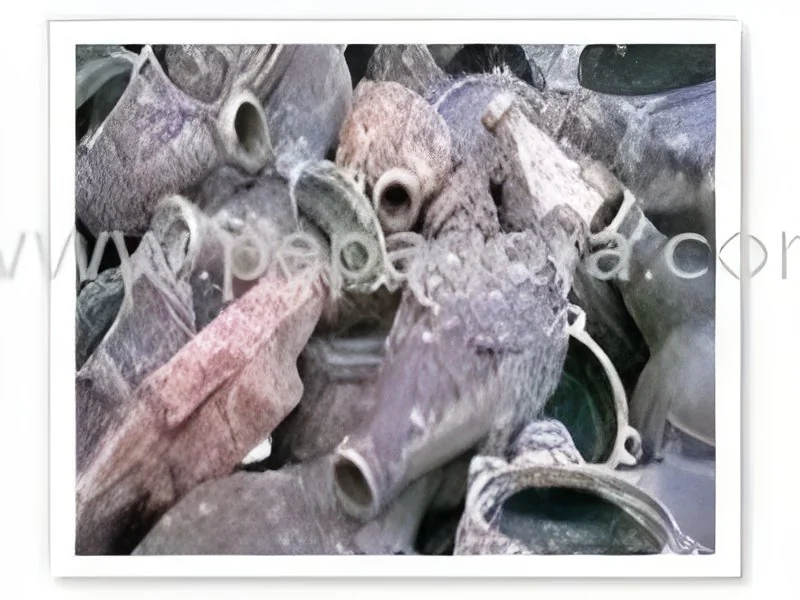
Key Features and Specifications
Recycled metal scrap is characterized by several key features that make it valuable for various applications. Understanding these specifications is essential for businesses looking to source high-quality materials effectively.
Key specifications include:
1. Composition
- The metal content must meet industry standards for purity.
- Common compositions include aluminum alloys, copper grades, and different steel types.
2. Size and Form
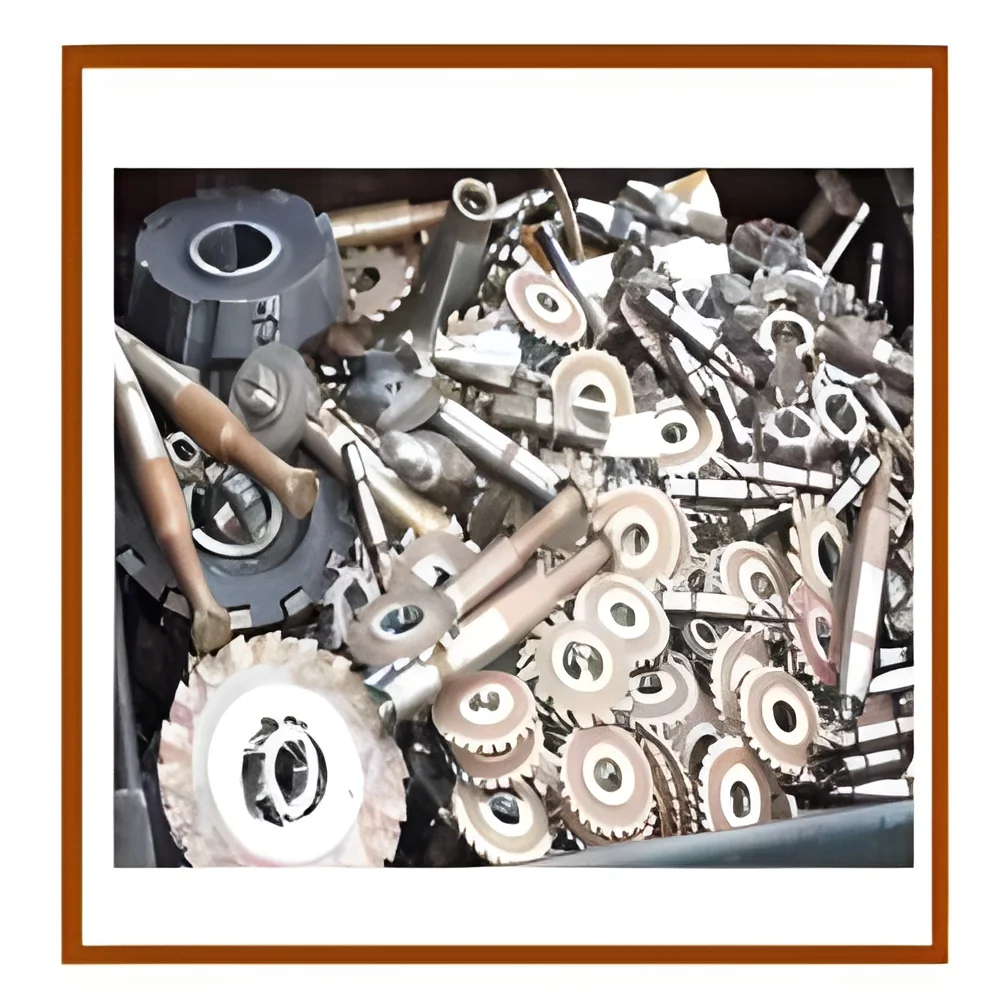
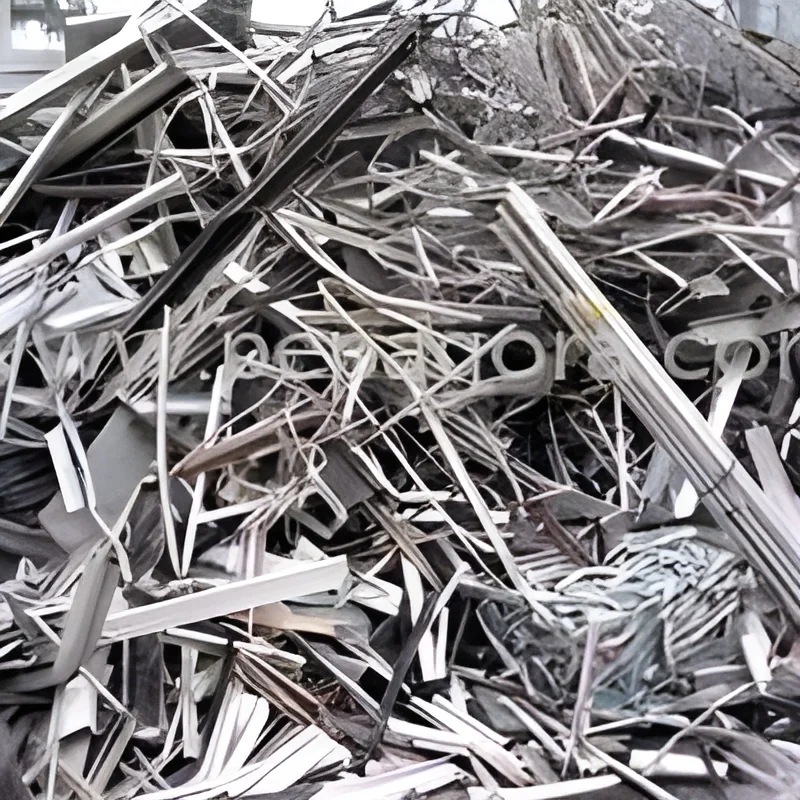
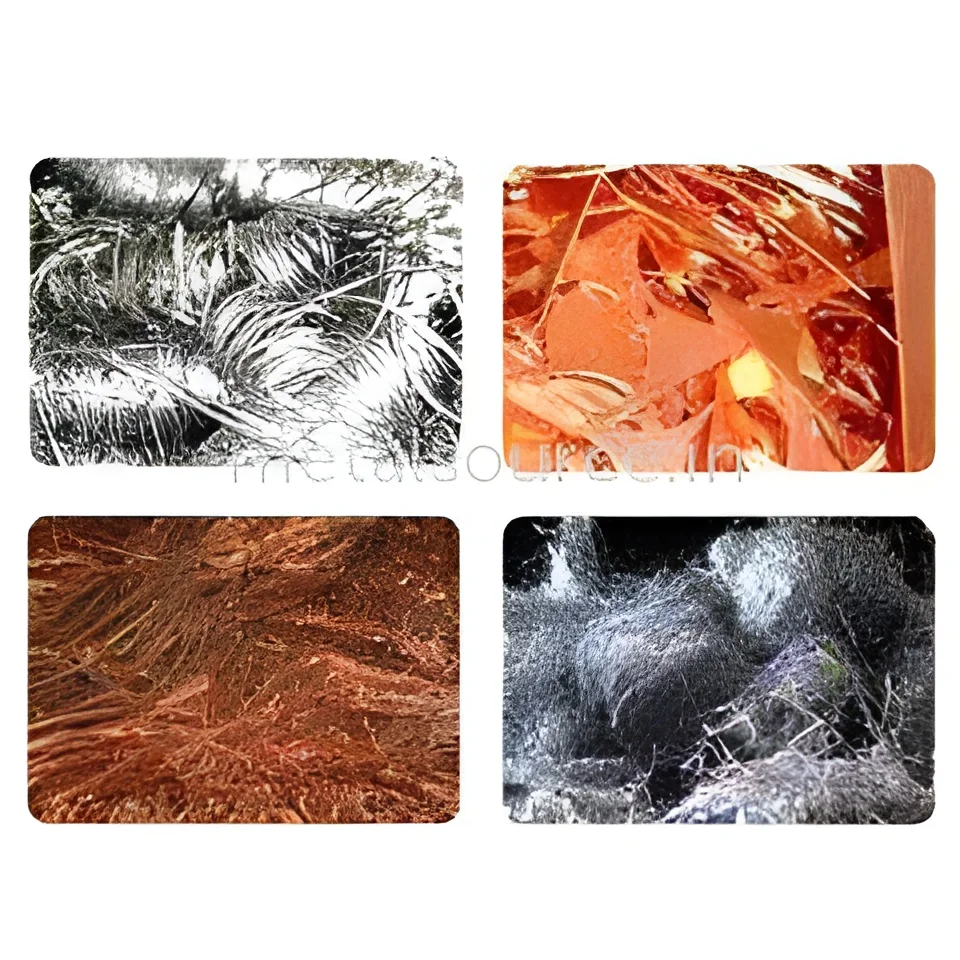
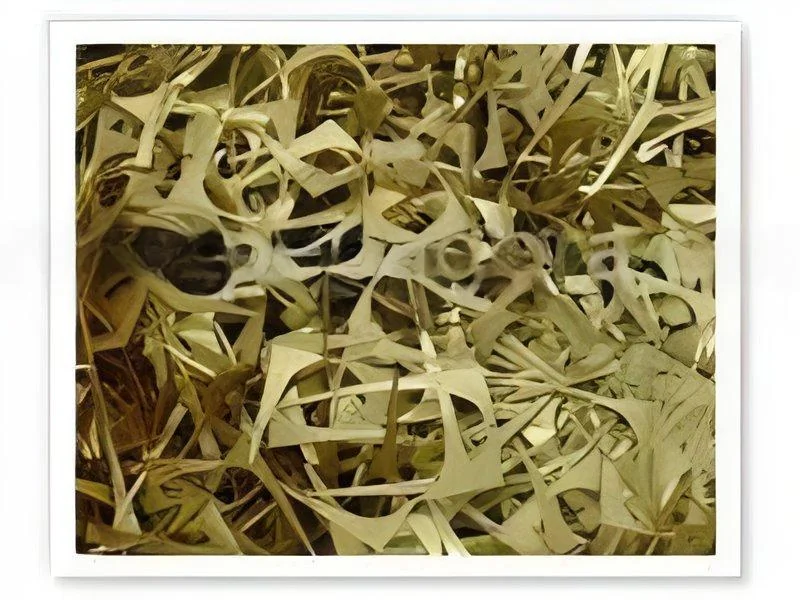
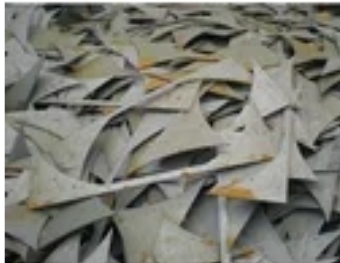
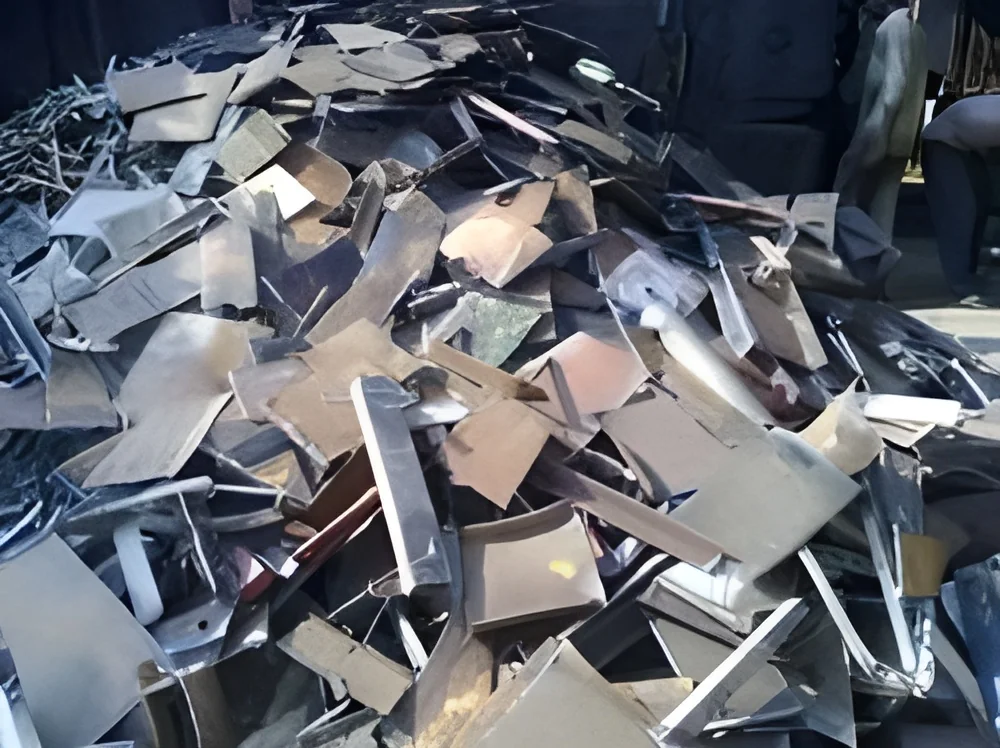
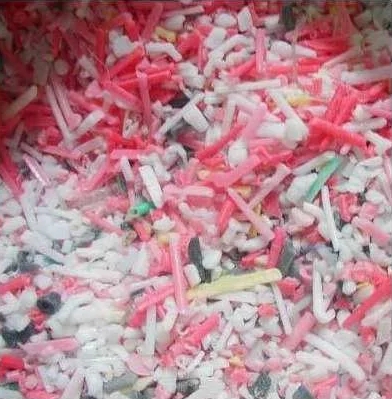
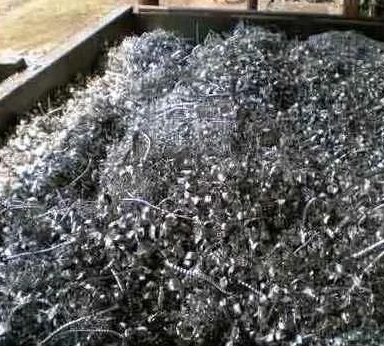
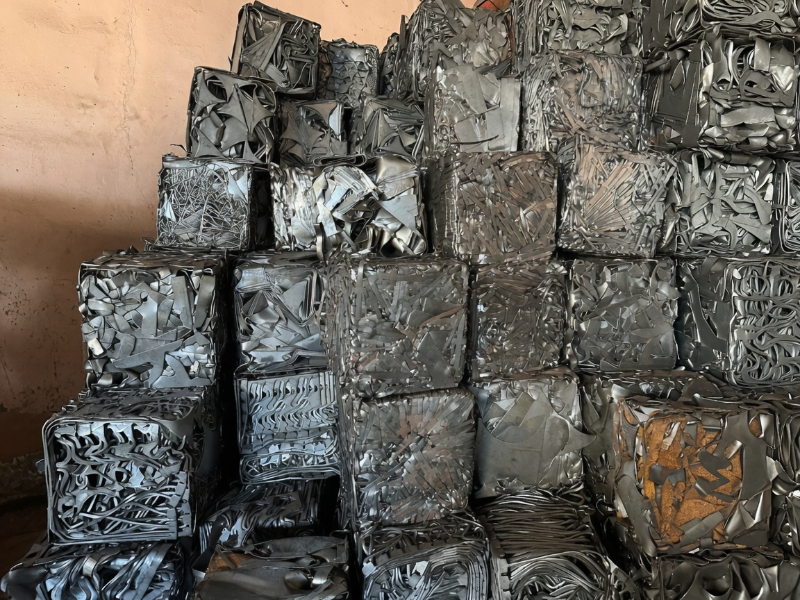
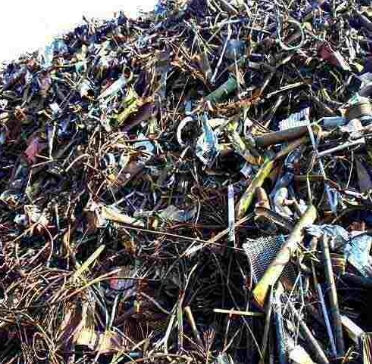
- Scrap can come in various forms such as shavings, cuttings, or larger pieces.
- Specific size requirements may vary based on end-use applications.
3. Contamination Levels
- Low contamination levels are crucial for efficient recycling and reprocessing.
- Materials should be free from non-metallic elements.
4. Density
- High-density scrap is often preferred for easier transportation and processing.
- Density can vary based on the type of metal and its form.
5. Market Value
- The pricing of recycled metal scrap fluctuates based on market demand and supply.
- Buyers should stay informed about current market conditions.
6. Certification
- Compliance with industry certifications such as CE is important for quality assurance.
- Proper documentation should accompany all shipments.
In summary, understanding these features and specifications is essential for businesses to ensure they are sourcing the right quality of recycled metal scrap for their needs.
Common Applications and Use Cases
Recycled metal scrap serves a multitude of industries, each benefiting from its versatile applications.
1. Construction: Recycled steel is extensively used in building structures, bridges, and infrastructure projects. Its strength and durability make it a preferred choice.
2. Automotive: Recycled aluminum and steel are vital in car manufacturing. They contribute to lightweight construction, improving fuel efficiency and performance.
3. Electrical: Copper scrap is crucial in electrical wiring and components. Its excellent conductivity makes it an essential material in electronics.
4. Packaging: Recycled aluminum is commonly used in beverage cans and food packaging, providing a sustainable option that reduces waste.
5. Manufacturing: Various industries utilize recycled metal scrap in the production of new goods, contributing to reduced carbon footprints and resource conservation.
6. Appliances: Many household appliances are manufactured using recycled metals, further supporting sustainability within the consumer goods sector.
7. Aerospace: The aerospace industry increasingly incorporates recycled aluminum due to its lightweight properties and strength, promoting efficiency in flight.
Product Variants and Subcategories
Recycled metal scrap is diverse, with several variants tailored to meet specific industry needs.
Aluminum Scrap
Aluminum scrap includes various grades and forms, such as extrusions and castings. It is lightweight, resistant to corrosion, and can be recycled multiple times without losing quality. This makes it ideal for automotive and packaging applications.
Copper Scrap
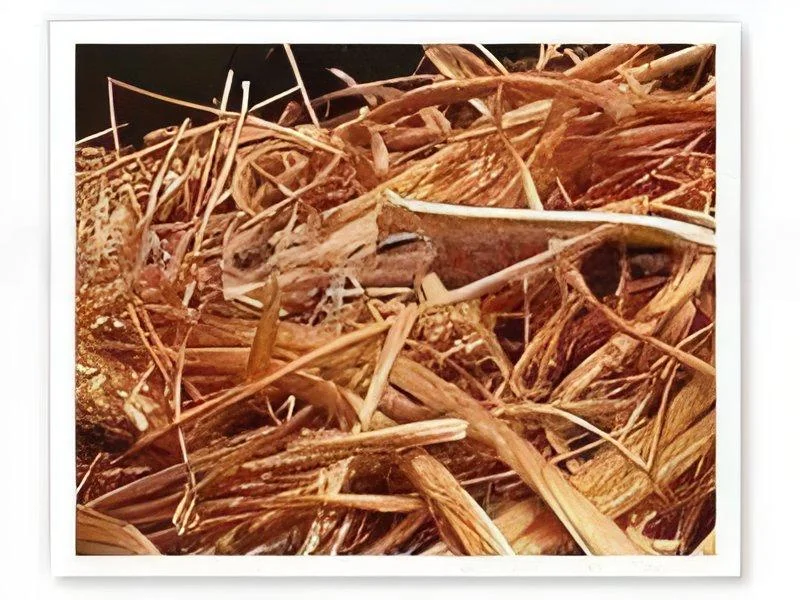
Copper scrap is available in different grades, including bare bright copper and mixed copper. Known for its excellent conductivity, it is widely used in electrical applications. The demand for high-quality copper scrap remains strong in the electronics industry.
Steel Scrap
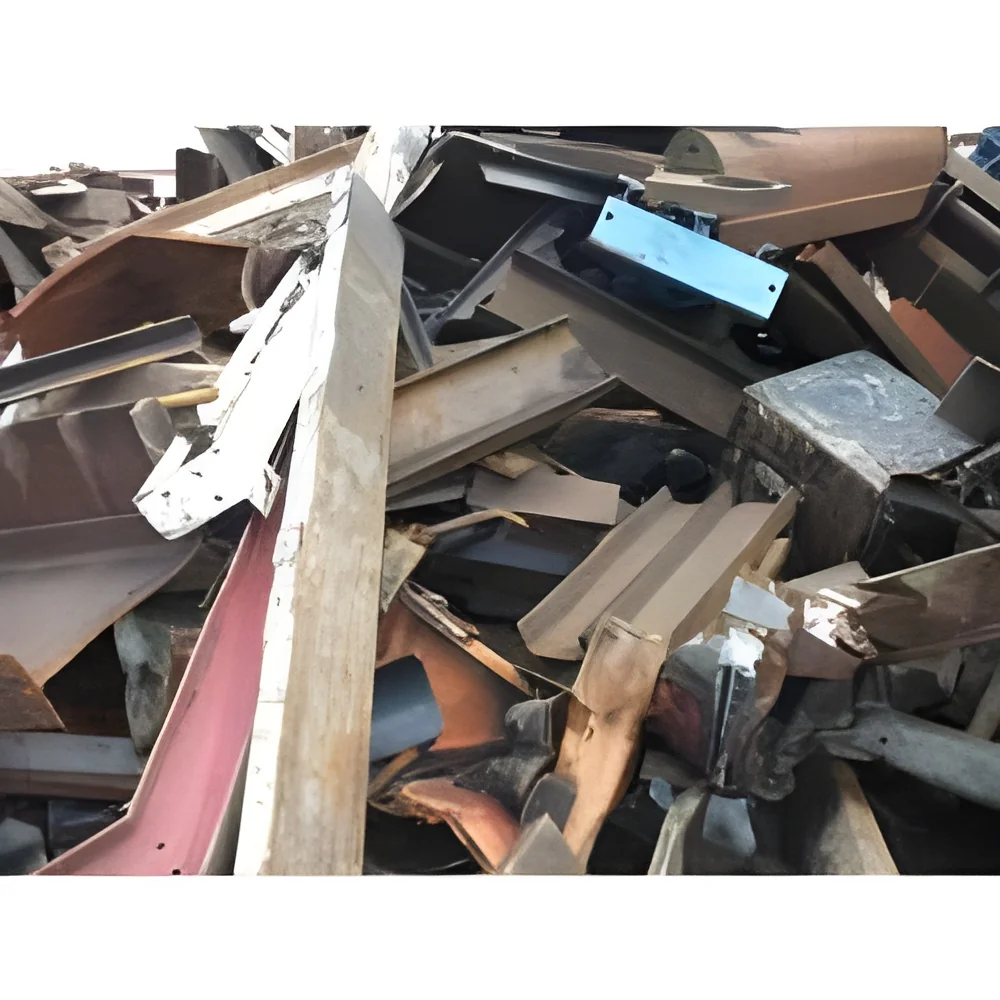
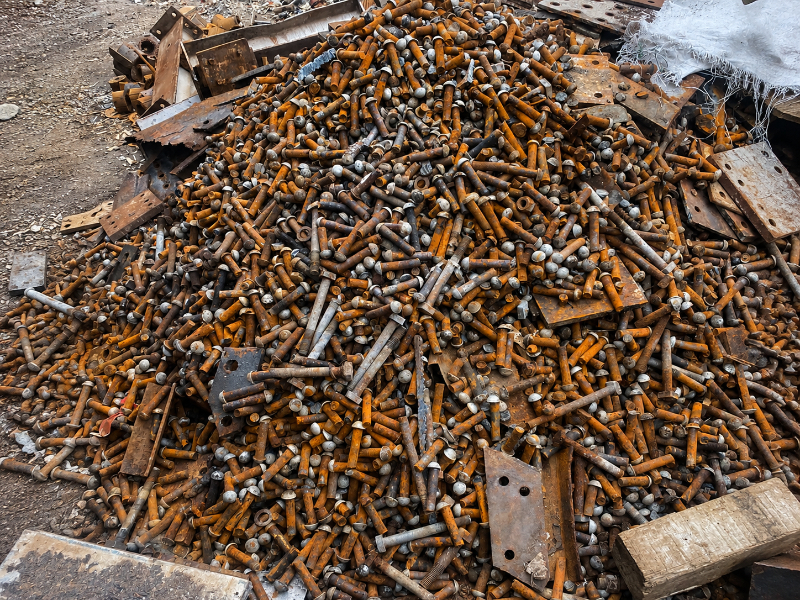
Steel scrap is categorized into different types, such as heavy melt and shredded scrap. It is commonly used in construction and manufacturing. Due to its recyclability, steel scrap is a staple in many industrial processes.
Benefits and Advantages
Sourcing recycled metal scrap provides numerous advantages for businesses.
1. Cost Savings: Utilizing recycled materials often leads to lower production costs compared to using virgin metals.
2. Environmental Impact: Recycling metals reduces landfill waste and conserves natural resources, promoting sustainability.
3. Quality Assurance: High-quality recycled metal can meet or exceed the standards of virgin materials, ensuring reliability in applications.
4. Supply Chain Efficiency: Establishing relationships with reliable suppliers can streamline procurement processes and reduce lead times.
5. Regulatory Compliance: Using recycled materials can help businesses meet environmental regulations and sustainability goals.
6. Market Competitiveness: Companies that prioritize recycling practices can enhance their brand image and attract eco-conscious customers.
Buying Guide for B2B Buyers
When sourcing recycled metal scrap, B2B buyers should consider several key factors to ensure a successful purchase.
1. Quality Assessment: Buyers should evaluate the quality of the metal scrap, including its composition and contamination levels. Requesting samples or certifications can aid in this assessment.
2. Supplier Verification: It is essential to vet suppliers thoroughly to ensure they are reputable and provide high-quality materials. Checking references and certifications can help in this process.
3. Pricing and MOQ: Understanding the current market pricing and minimum order quantities (MOQ) is critical for budgeting and planning. Buyers should compare quotes from multiple suppliers.
4. Delivery and Lead Times: Logistics play a crucial role in the purchasing process. Buyers should confirm delivery schedules and lead times to avoid disruptions in their operations.
5. Compliance Requirements: Familiarity with regional compliance standards and certifications is necessary. Ensuring that suppliers meet these requirements can help avoid legal issues.
Compliance and Certifications
Compliance and certification are vital elements in the recycling industry, ensuring that materials meet established quality and safety standards.
Relevant quality standards include ISO 9001, which focuses on quality management systems. This certification ensures that suppliers maintain consistent quality in their products and processes. Additionally, HACCP and GDP guidelines may be relevant in specific contexts, especially where food safety and product integrity are concerned.
Industry certifications such as CE indicate that products meet European safety and environmental standards. This certification is particularly important for companies looking to sell recycled metal in European markets.
Safety and testing requirements are also critical. Suppliers should conduct regular testing to ensure that recycled metal scrap meets necessary safety standards. Regional compliance considerations may vary, so buyers should be aware of local regulations governing the recycling and use of metal scrap.
Why Source Recycled Metal Scrap (Aluminum, Copper, Steel) from Pepagora?
Pepagora offers a reliable platform for businesses seeking to source recycled metal scrap. The advantages of using Pepagora are numerous.
Verified Supplier Network: Pepagora connects buyers with a network of verified suppliers, ensuring quality and reliability in sourcing. This network helps buyers find trusted partners for their recycled metal needs.
Streamlined RFQ Process: The platform features an efficient Request for Quotation (RFQ) system, simplifying the procurement process. Buyers can easily request quotes and compare offers from multiple suppliers without extensive back-and-forth communication.
Trade Assurance and Support: With trade assurance programs in place, Pepagora provides buyer protection and support throughout the purchasing process. This assurance helps mitigate risks associated with sourcing recycled materials.
Regional Coverage: Pepagora has a strong geographic presence in India, the GCC, and Southeast Asia. This regional coverage allows businesses to access a wide range of suppliers and products tailored to their specific needs, facilitating smoother transactions.

 IN
IN