What are Waste Plastic to Fuel Feedstock?
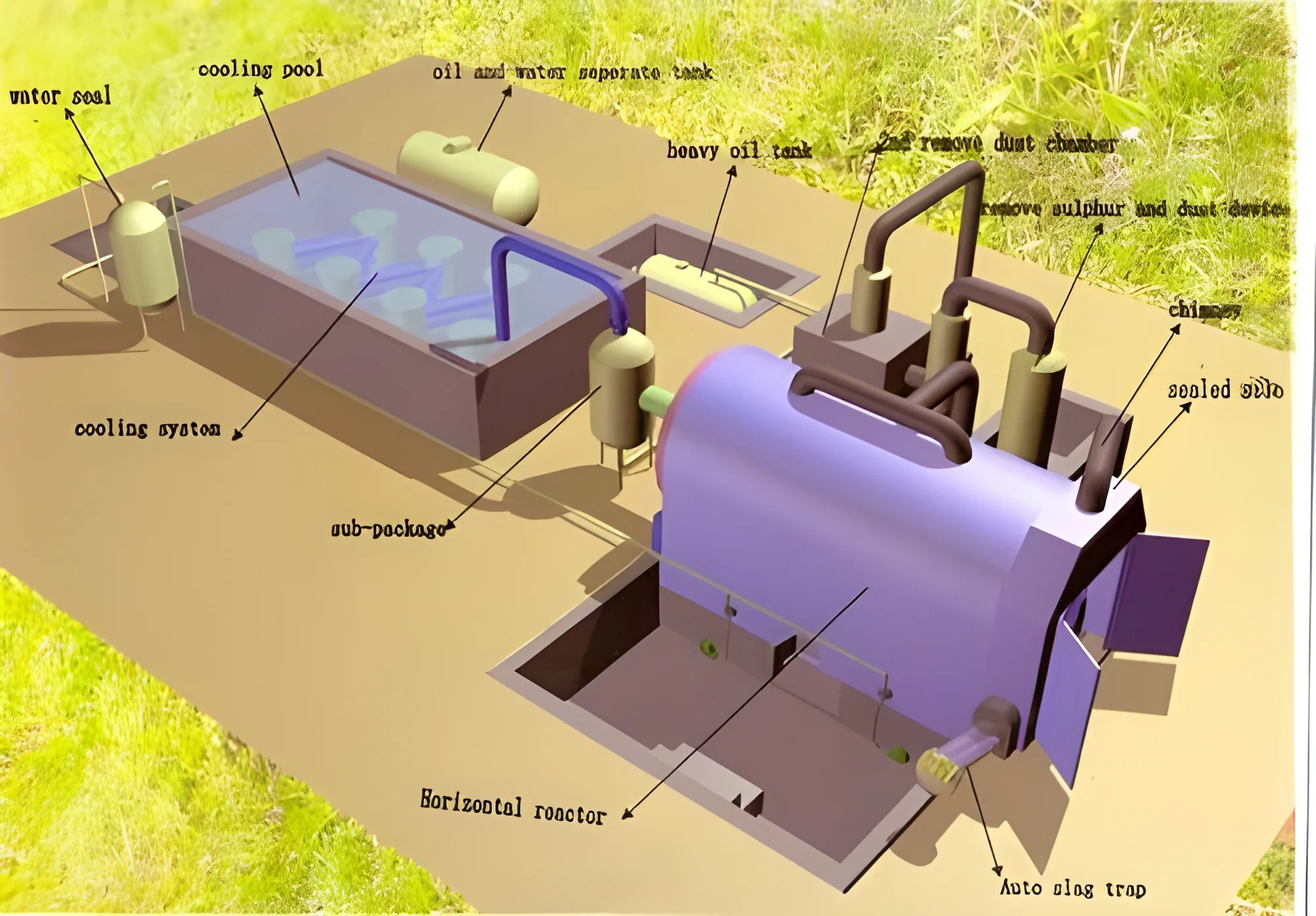
Waste Plastic to Fuel Feedstock is a sustainable solution that transforms end-of-life plastics into usable fuel. This process involves converting non-recyclable plastic waste into valuable energy products, such as diesel or gasoline. The feedstock is produced through advanced thermal or catalytic processes, which break down the complex polymer structures of plastics into simpler hydrocarbons. This innovative technology not only addresses the growing plastic pollution crisis but also provides an alternative energy source.
The primary uses of Waste Plastic to Fuel Feedstock are found in energy generation and as a feedstock in petrochemical industries. Businesses can utilize this product to enhance energy independence while reducing reliance on fossil fuels. Additionally, it serves as a raw material in various chemical processes. As industries worldwide seek sustainable practices, the relevance of waste plastic feedstock continues to grow, positioning it as a critical element in the circular economy.
The market for Waste Plastic to Fuel Feedstock is expanding due to increasing regulatory pressures on plastic waste management and rising energy costs. Companies are incentivized to adopt alternative energy solutions, making this feedstock a lucrative option for industries focused on sustainability. The integration of waste plastic feedstock into energy systems not only contributes to environmental goals but also provides economic advantages by tapping into untapped resources.
Key Features and Specifications
Waste Plastic to Fuel Feedstock comes with distinct features that cater to various industrial applications. Understanding these specifications is crucial for businesses considering the adoption of this technology.
Key specifications include:
1. Feedstock Composition
- Comprises various types of non-recyclable plastics
- Typical range includes polyethylene, polypropylene, and polystyrene
2. Conversion Efficiency
- High conversion rates of plastic waste to fuel
- Efficiency rates can exceed 90% depending on technology used
3. Energy Content
- High calorific value comparable to traditional fossil fuels
- Energy content typically ranges from 30 to 40 MJ/kg
4. Emission Levels
- Reduced greenhouse gas emissions compared to conventional fuels
- Compliance with environmental regulations is achievable
5. Processing Temperature
- Optimal processing temperatures vary based on the technology
- Typical ranges are between 300°C to 500°C
6. Byproduct Management
- Minimal byproducts generated during conversion
- Easy disposal or further processing of byproducts
7. Storage and Handling
- Requires standard handling procedures for fuel products
- Safe storage conditions to prevent degradation
8. Compatibility
- Compatible with existing fuel infrastructure
- Can be blended with conventional fuels for enhanced performance
In summary, Waste Plastic to Fuel Feedstock offers significant advantages for industries looking to improve sustainability while ensuring efficient energy production.
Common Applications and Use Cases
Waste Plastic to Fuel Feedstock serves various industries looking to innovate and reduce waste.
1. Energy Generation: This feedstock is used in power plants to produce electricity, providing a renewable energy source while minimizing landfill waste.
2. Transportation: Fuel derived from waste plastics can be utilized in vehicles, contributing to reduced carbon footprints in the automotive sector.
3. Petrochemical Industry: Businesses can use this feedstock as a raw material for producing new plastics and chemicals, ensuring a circular economy.
4. Manufacturing: Factories can integrate this fuel into their operations, leading to lower energy costs and enhanced sustainability practices.
5. Waste Management: Companies involved in waste management can transform plastic waste into fuel, creating revenue streams from materials that would otherwise be discarded.
6. Agricultural Sector: The feedstock can be used as fuel for agricultural machinery, promoting energy efficiency in farming operations.
7. Marine Applications: Waste plastic fuel can power ships, reducing reliance on traditional marine fuels and addressing marine pollution concerns.
Product Variants and Subcategories
The diversity of Waste Plastic to Fuel Feedstock allows for tailored solutions to meet specific industry needs.
Variant 1: Diesel from Waste Plastics
This variant focuses on the conversion of plastic waste into diesel fuel. It is characterized by high energy content and can be used in diesel engines, making it suitable for transportation and heavy machinery.
Variant 2: Gasoline from Waste Plastics
This variant produces gasoline suitable for conventional petrol engines. Its development supports the automotive industry in transitioning toward more sustainable fuel options while addressing plastic waste.
Variant 3: Synthetic Crude Oil
Synthetic crude oil can be produced from waste plastics and serves as a feedstock for refineries. This variant supports the petrochemical industry by providing an alternative source of hydrocarbons.
Benefits and Advantages
Waste Plastic to Fuel Feedstock offers numerous benefits that can enhance operational efficiencies and sustainability.
1. Environmental Impact: Contributing to waste reduction, this feedstock helps mitigate plastic pollution while providing an alternative energy source.
2. Cost Efficiency: Utilizing waste plastics can significantly lower raw material costs compared to traditional fossil fuels.
3. Energy Security: By converting waste into fuel, businesses can enhance energy independence and reduce reliance on imported fuels.
4. Regulatory Compliance: Using waste plastic feedstock can help companies meet stringent environmental regulations regarding waste management and emissions.
5. Versatile Applications: The adaptability of this feedstock allows for usage in various industries, from energy generation to transportation.
6. Innovation Incentive: Adoption of this technology encourages innovation within organizations, driving forward sustainable practices and new product development.
Buying Guide for B2B Buyers
When sourcing Waste Plastic to Fuel Feedstock, several critical factors should be considered to ensure optimal selection.
1. Quality Assessment: Evaluate the quality of feedstock by checking the composition and purity. Quality materials lead to better conversion rates and fuel efficiency.
2. Supplier Verification: Conduct thorough research to validate suppliers. Check for their reputation, past projects, and customer feedback to ensure reliability.
3. Pricing and MOQ: Understand the pricing structure and minimum order quantities. This will help in budgeting and planning for procurement.
4. Delivery and Lead Times: Discuss logistics and delivery schedules with suppliers to ensure timely availability of feedstock for operations.
5. Compliance Requirements: Be aware of regulatory standards and certifications needed for the feedstock. Compliance ensures safe and legal usage within your industry.
Compliance and Certifications
Compliance and certifications are essential for ensuring the quality and safety of Waste Plastic to Fuel Feedstock.
Relevant quality standards, such as ISO 9001, ensure that suppliers maintain efficient quality management systems. This helps in delivering consistent and high-quality products to businesses.
Industry certifications, like CE marking, indicate compliance with European safety standards. These certifications ensure that products meet regulatory requirements for safety and performance.
Safety and testing requirements are critical for the handling and usage of feedstock. Regular testing for emissions and energy content guarantees that the fuel produced is safe for use.
Regional compliance considerations may include local regulations regarding waste management and fuel usage. Understanding these requirements is vital for market entry and operational success.
Why Source Waste Plastic to Fuel Feedstock from Pepagora?
Pepagora provides a trusted platform for sourcing Waste Plastic to Fuel Feedstock with several key advantages.
Verified Supplier Network: Pepagora connects buyers with a network of verified suppliers, ensuring access to quality products. Each supplier undergoes a thorough vetting process to guarantee reliability and reputation.
Streamlined RFQ Process: The platform offers an efficient Request for Quotation (RFQ) system, allowing businesses to easily compare supplier offerings and pricing. This leads to informed decision-making and competitive procurement strategies.
Trade Assurance and Support: Pepagora ensures buyer protection through trade assurance programs. This provides peace of mind, knowing that transactions are secure and that support is available throughout the purchasing process.
Regional Coverage: With a strong presence in India, the GCC, and Southeast Asia, Pepagora can facilitate sourcing across a wide geographic area. This broad coverage allows businesses to tap into diverse markets and suppliers, enhancing their operational capabilities.

 IN
IN