IN
IN₹
Apparel & Fashion
Description
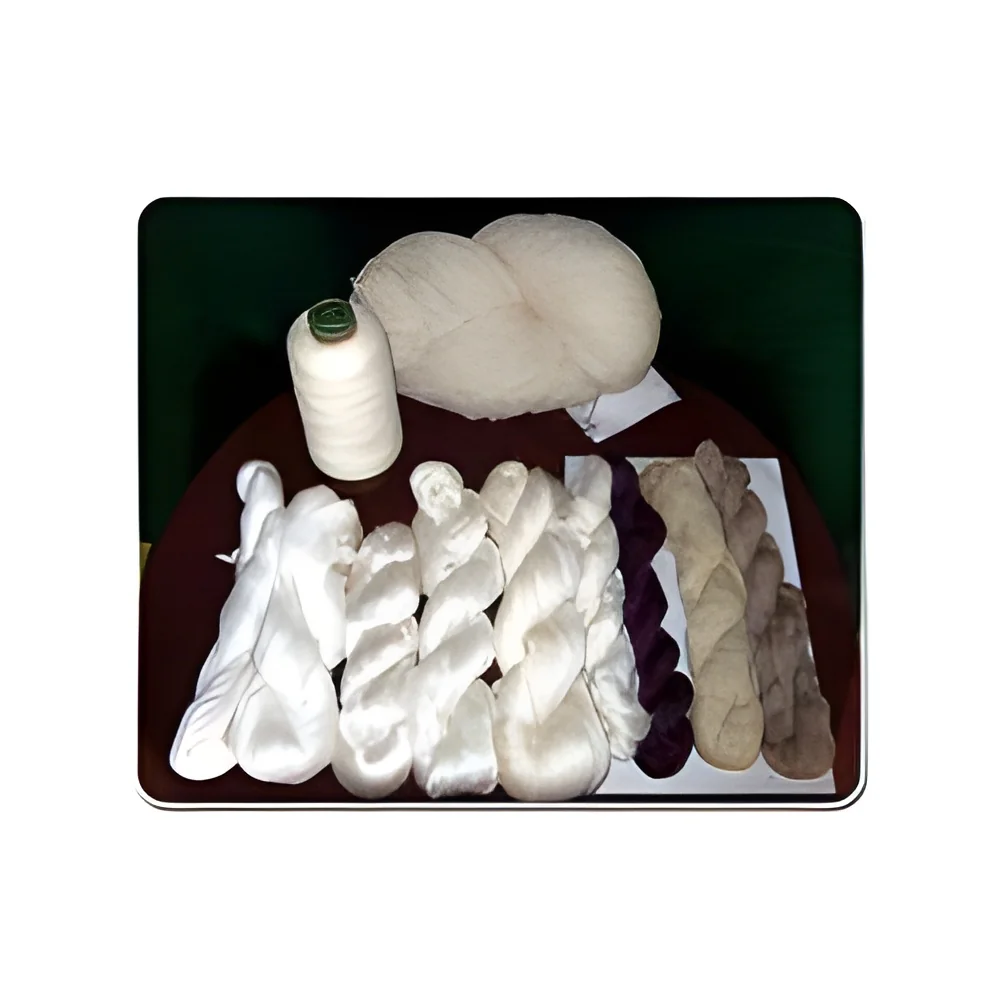
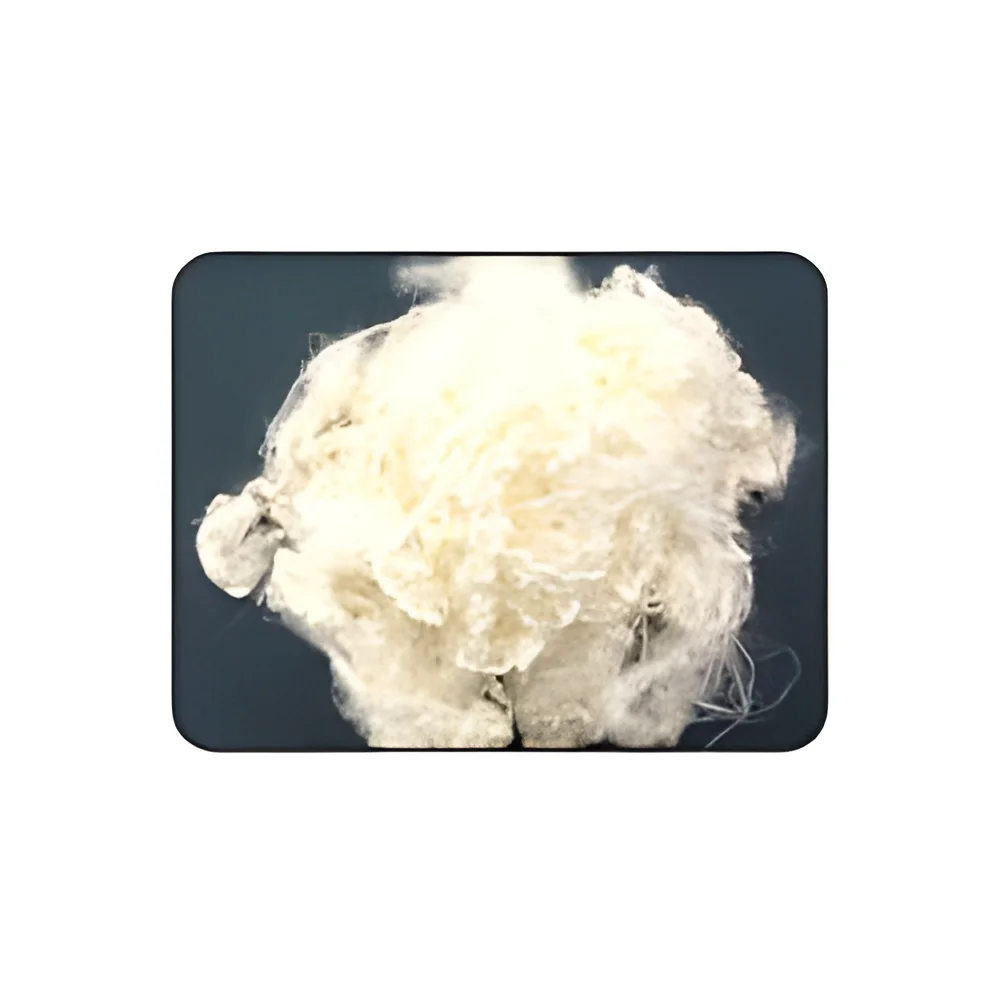
Silk degummed waste represents a premium-grade industrial byproduct derived from the essential degumming process in silk manufacturing. During this critical stage, sericin gum is carefully removed from raw silk fibers to prepare them for dyeing and finishing, resulting in a consistent, nutrient-rich material with significant commercial value. Unlike ordinary manufacturing waste, this product maintains reliable quality standards and organic composition, making it a sought-after raw material for serious industrial buyers. Its sustainable origin and versatile properties provide manufacturers with an eco-friendly alternative to synthetic substrates while supporting circular economy principles. The material's traceable sourcing and standardized processing ensure it meets the rigorous demands of various production environments.

This material finds extensive application across multiple industrial sectors due to its unique biochemical properties. Textile manufacturers utilize it in recycling ...
Silk degummed waste represents a premium-grade industrial byproduct derived from the essential degumming process in silk manufacturing. During this critical stage, sericin gum is carefully removed from raw silk fibers to prepare them for dyeing and finishing, resulting in a consistent, nutrient-rich material with significant commercial value. Unlike ordinary manufacturing waste, this product maintains reliable quality standards and organic composition, making it a sought-after raw material for serious industrial buyers. Its sustainable origin and versatile properties provide manufacturers with an eco-friendly alternative to synthetic substrates while supporting circular economy principles. The material's traceable sourcing and standardized processing ensure it meets the rigorous demands of various production environments.

This material finds extensive application across multiple industrial sectors due to its unique biochemical properties. Textile manufacturers utilize it in recycling initiatives to create sustainable fabrics and reduce environmental impact. Biotechnology companies employ it as a cost-effective substrate for microbial fermentation processes, particularly in enzyme production. Agricultural operations benefit from its nutrient density in organic fertilizers and animal nutrition supplements. The cosmetics industry extracts valuable sericin for skincare formulations, while pharmaceutical applications leverage its properties for specialized productions. This cross-industry versatility ensures consistent demand from manufacturers seeking efficient, environmentally responsible raw materials that perform reliably in different processing systems.

The commercial value of silk degummed waste lies in its reliability, consistent quality, and cost-efficiency for bulk industrial users. Importers and distributors benefit from a steady supply of standardized material that reduces production costs while enhancing sustainability credentials. Its suitability for diverse manufacturing applications ensures broad market demand, offering competitive advantages to suppliers serving multiple industrial sectors. The product's traceable sourcing and compliance with industrial standards make it a trustworthy choice for buyers prioritizing quality assurance, supply chain reliability, and environmental responsibility in their procurement decisions. This combination of performance, sustainability, and reliability makes it an essential component for modern manufacturing operations seeking to optimize both efficiency and ecological impact.

Key Features:
- Produced through controlled degumming processes ensuring consistent biochemical composition and quality.
- Rich in natural proteins, amino acids, and organic nutrients ideal for industrial applications.
- Available in standardized forms suitable for various manufacturing and processing requirements.
- Sourced from established silk production facilities with quality control and traceability systems.
- Sustainable, biodegradable material supporting eco-friendly manufacturing and circular economy models.

Benefits:
- Provides reliable, consistent raw material quality that reduces production variability and waste.
- Offers cost-effective alternative to synthetic substrates while delivering comparable performance.
- Supports sustainable manufacturing initiatives and environmental responsibility commitments.
- Enables efficient resource utilization through valuable byproduct repurposing.
- Delivers versatile functionality across multiple industrial sectors from single material source.
Specifications
| Additional Information | |
|---|---|
| Country of Origin | India |
Application
Silk degummed waste is the nutrient-rich material remaining after sericin removal from raw silk fibers. This essential textile processing step creates a valuable byproduct packed with proteins and organic compounds suitable for diverse industrial reuse. Its consistent quality and organic nature make it an excellent, sustainable alternative to synthetic substrates across multiple manufacturing sectors.
This versatile material serves as a foundational substrate in biotechnology for microbial cultivation and enzyme production. Its high protein content supports agricultural applications as organic fertilizer and animal feed supplements. The cosmetic industry extracts beneficial sericin for skincare formulations, while textile manufacturers incorporate it into recycling processes to create new, eco-friendly fabrics and reduce overall waste.
- Acts as a primary substrate for microbial fermentation and protease enzyme production in biotech and pharmaceutical manufacturing.
- Serves as a key ingredient in organic fertilizer production, enhancing soil nutrition for sustainable agriculture.
- Incorporated into high-protein animal feed supplements for livestock, poultry, and aquaculture operations.
- Provides raw material for sericin extraction used in moisturizing and anti-aging cosmetic and skincare products.
- Utilized in textile recycling to produce sustainable fabrics, yarns, and non-woven materials.
Trade Details
| Available Stock | In Stock |
| Sample Availability | No |
Payment Terms
| Payment Terms |
|
Company Profile
M R Silk International, Karnataka
 Karnataka, India
Karnataka, IndiaApparel & Fashion•Manufacturer•Distributor / Wholesaler•Importer / Exporter
Factory Details
Factory SizeBelow 1000 sqm
Annual Production Capacity0
Main Markets
South Asia
Silk Degummed Waste For Textile Cosmetic Biotech Industries
Premium silk degummed waste provides high-quality raw material for textile manufacturing, cosmetic formulations, and biotech applications. This reliable, nutrient-rich byproduct supports sustainable industrial processes with consistent quality.
Min. Order Quantity: 1 unit
Shipping
Shipping fee and delivery date to be negotiated. Contact supplier now for more details.
M R Silk International
 Karnataka, India
Karnataka, IndiaApparel & FashionManufacturer