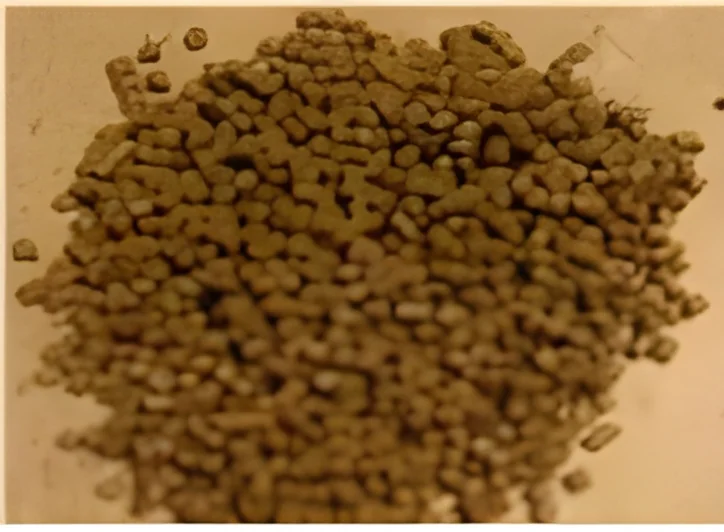
What are Reprocessed Polymers?
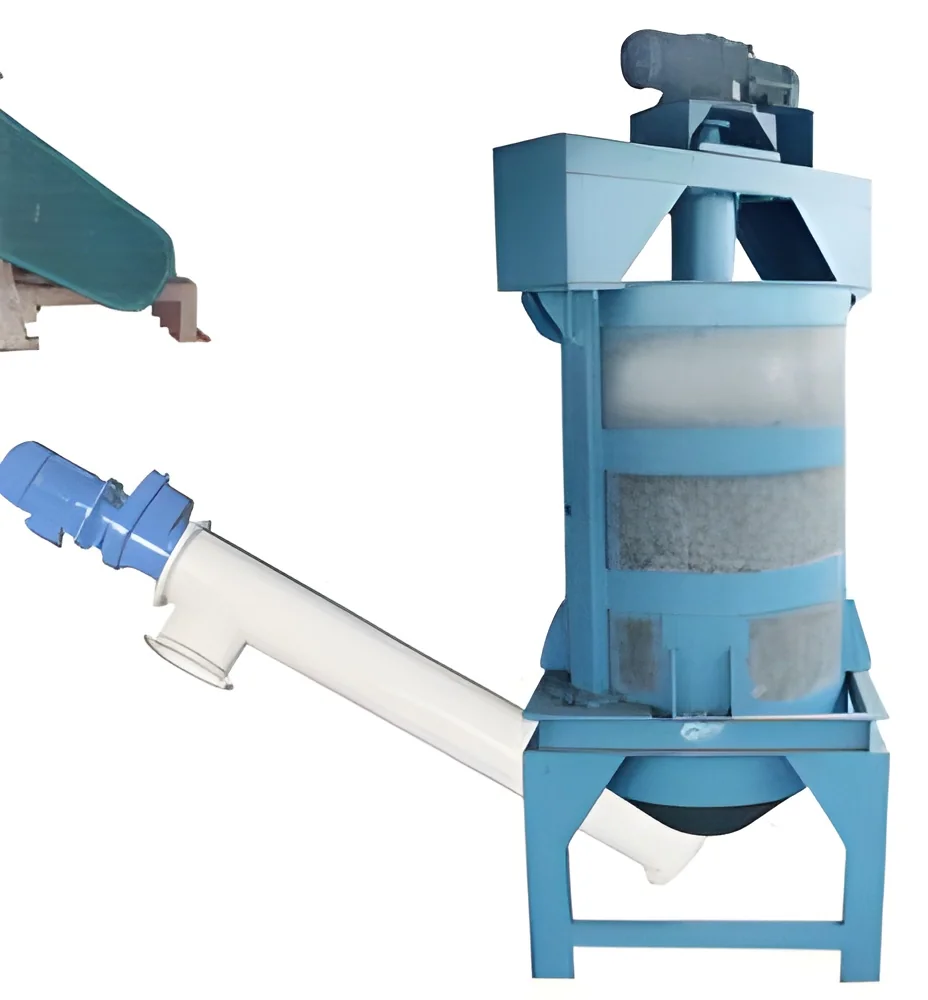
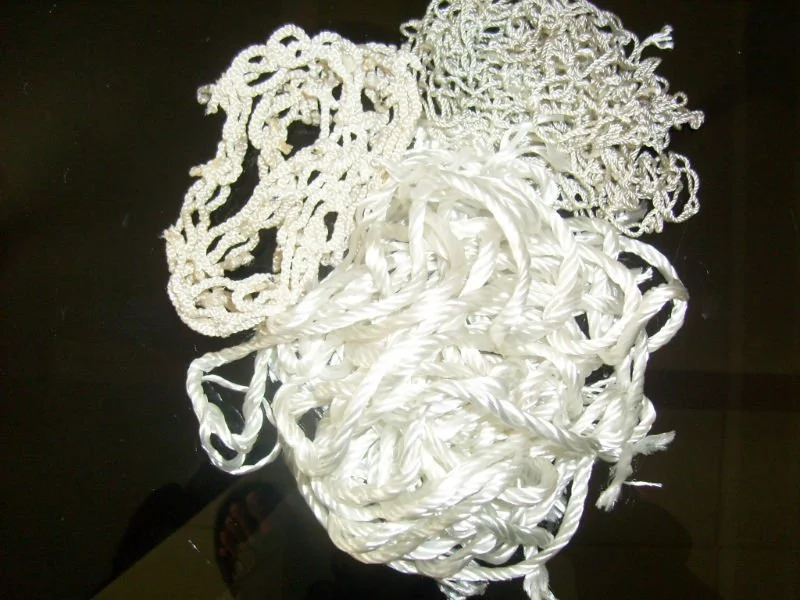
Reprocessed polymers are materials derived from recycled plastics that have been reprocessed into usable forms. This process involves the collection, sorting, cleaning, and re-manufacturing of plastic waste into new polymer products. The aim is to reduce environmental impact and enhance sustainability in various industries. By reprocessing, these polymers retain many of the original properties of plastics, making them suitable for a wide range of applications.
The primary uses of reprocessed polymers span multiple sectors, including packaging, construction, automotive, and consumer goods. Businesses leverage these materials to create items like containers, insulation, automotive parts, and more. As companies increasingly focus on sustainability and reducing their carbon footprint, reprocessed polymers play a critical role in fulfilling these goals. The growing market for recycled materials reflects a broader trend towards circular economy practices, emphasizing the importance of reprocessed polymers in contemporary manufacturing.
Key Features and Specifications
Reprocessed polymers offer a range of features that make them attractive to businesses looking to implement sustainable practices. These specifications ensure the materials meet specific industry standards and performance requirements.
Key specifications include:
1. Composition
- Typically consists of recycled polyethylene (PE), polypropylene (PP), and polystyrene (PS)
- Reprocessed polymers can contain varying percentages of recycled content
2. Physical Properties
- Maintains tensile strength comparable to virgin polymers
- Good flexibility and impact resistance
3. Color and Appearance
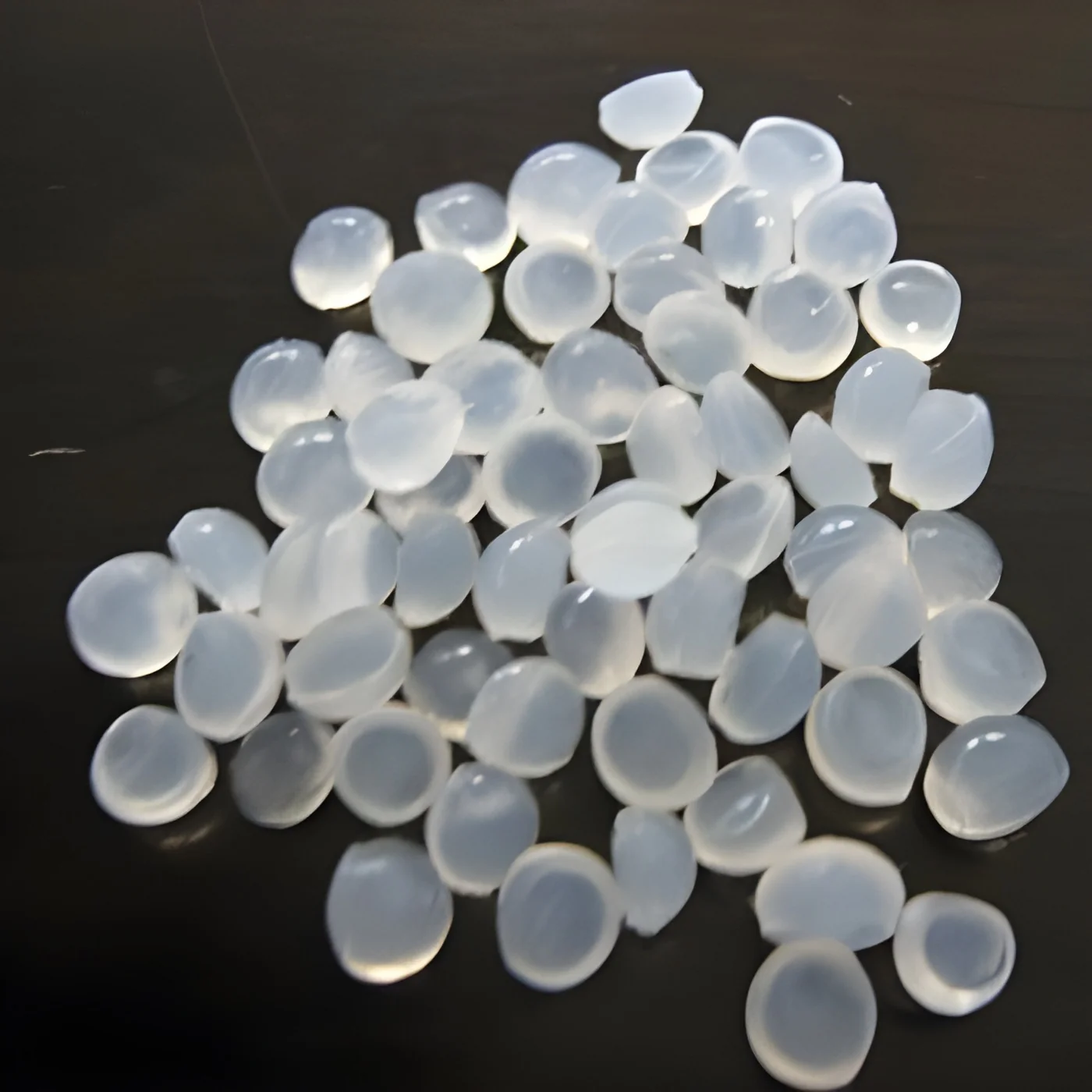
- Available in various colors, often determined by the source of the recycled material
- Can be customized for specific applications
4. Processing Temperature
- Suitable for standard processing temperatures used in injection molding and extrusion
- Typically ranges from 190 to 240 degrees Celsius
5. Moisture Absorption
- Low moisture absorption rates, enhancing durability
- Important for applications requiring stability in humid conditions
6. Cost Efficiency
- Generally lower cost compared to virgin polymers
- Provides cost-effective solutions for manufacturers
7. Environmental Impact
- Significantly reduces landfill waste
- Lower carbon footprint compared to new polymer production
In summary, reprocessed polymers combine sustainability with performance, making them an excellent choice for businesses seeking eco-friendly materials.
Common Applications and Use Cases
Reprocessed polymers are versatile and find applications across various industries.
1. Packaging: Reprocessed polymers are commonly used in creating packaging materials such as containers, films, and labels. Their durability and flexibility make them ideal for protecting products during transport.
2. Construction: In the construction sector, these polymers serve as insulation materials, pipes, and composite materials. They contribute to energy efficiency and reduce reliance on virgin materials.
3. Automotive: Automotive manufacturers utilize reprocessed polymers for parts such as dashboards, bumpers, and interior trims. This use helps reduce vehicle weight and improve fuel efficiency.
4. Consumer Goods: Reprocessed polymers are employed in manufacturing a variety of consumer products, including toys, household items, and electronics casings. Their adaptability allows for creative designs while maintaining sustainability.
5. Agriculture: These materials are also used in agricultural films and containers, supporting sustainable farming practices and contributing to lower environmental impact.
6. Electronics: Reprocessed polymers can be found in electronic devices, providing protective housing and components that meet performance requirements.
7. Medical Devices: Certain reprocessed polymers are suitable for non-invasive medical applications, contributing to the sustainable production of essential healthcare products.
Product Variants and Subcategories
Reprocessed polymers come in various forms tailored to meet specific industry needs.
Polyethylene (PE)
This variant is widely used due to its excellent chemical resistance and flexibility. It is commonly found in packaging applications and can be processed easily, making it a go-to choice for many manufacturers.
Polypropylene (PP)
Known for its strength and thermal resistance, this variant is often used in automotive parts and consumer goods. Its ability to withstand higher temperatures makes it ideal for applications requiring durability.
Polyvinyl Chloride (PVC)
Reprocessed PVC is utilized in construction and plumbing applications. Its rigidity and resistance to environmental factors make it suitable for pipes and building materials.
Benefits and Advantages
Reprocessed polymers offer numerous benefits that can enhance business operations and sustainability initiatives.
1. Environmental Sustainability: By using reprocessed polymers, companies contribute to reducing plastic waste and conserving natural resources, promoting a circular economy.
2. Cost-Effectiveness: These materials can lower production costs compared to virgin polymers, providing significant savings over time.
3. Versatile Applications: Reprocessed polymers can be adapted for various uses in multiple industries, making them a flexible choice for manufacturers.
4. Improved Brand Image: Utilizing sustainable materials can enhance a company’s reputation and appeal to environmentally conscious consumers.
5. Compliance with Regulations: Sourcing reprocessed polymers can help businesses meet regulatory requirements for sustainability and waste management.
6. Innovation Opportunities: The growing market for recycled materials fosters innovation, encouraging businesses to develop new products and applications.
Buying Guide for B2B Buyers
When sourcing reprocessed polymers, several factors should be taken into account to ensure the right choice is made.
1. Quality Assessment: Evaluate the quality of reprocessed polymers by checking for certifications and conducting physical tests. Ensure that the materials meet industry standards and performance expectations.
2. Supplier Verification: Vet potential suppliers by reviewing their track record, certifications, and client testimonials. Reliable suppliers should provide transparency about their sourcing and processing methods.
3. Pricing and MOQ: Consider the cost of reprocessed polymers and the minimum order quantity (MOQ). Compare prices across different suppliers to find a balance between quality and affordability.
4. Delivery and Lead Times: Assess the supplier's ability to meet delivery schedules. Efficient logistics are crucial for maintaining production timelines and ensuring a steady supply.
5. Compliance Requirements: Be aware of regional and industry-specific compliance regulations. Ensure that the reprocessed polymers meet all necessary safety and environmental standards.
Compliance and Certifications
Reprocessed polymers must adhere to various quality standards and certifications to ensure safety and performance.
ISO 9001 is a standard that specifies requirements for a quality management system. This certification indicates that a supplier consistently provides products that meet customer and regulatory requirements.
CE marking signifies that the product complies with European health, safety, and environmental protection standards. This certification is crucial for businesses operating in or exporting to European markets.
Safety and testing requirements are essential to ensure that reprocessed polymers do not pose health risks. Products should undergo thorough testing to assess physical and chemical properties.
Regional compliance considerations may vary, and businesses should be aware of local regulations governing recycled materials to avoid legal issues and ensure market acceptance.
Why Source Reprocessed Polymers from Pepagora?
Pepagora serves as a trusted platform for sourcing reprocessed polymers, offering several advantages that streamline the purchasing process.
Verified Supplier Network: Pepagora connects buyers with a network of verified suppliers. This ensures that businesses can source high-quality materials from reputable manufacturers who adhere to industry standards.
Streamlined RFQ Process: The platform features a user-friendly Request for Quotation (RFQ) system, allowing buyers to easily submit their requirements and receive competitive quotes from multiple suppliers. This simplifies the procurement process and saves time.
Trade Assurance and Support: Pepagora provides trade assurance to buyers, offering protection against potential risks in transactions. This support enhances buyer confidence and fosters long-term partnerships.
Regional Coverage: With a presence in India, the GCC, and Southeast Asia, Pepagora ensures broad geographic reach. This enables businesses to access a diverse range of suppliers and products, catering to their specific needs in various markets.

 IN
IN