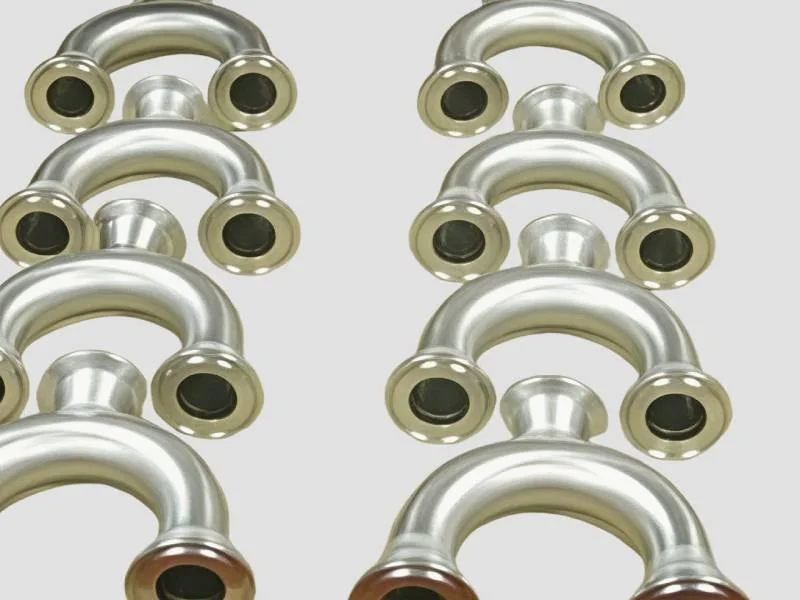
What are Titanium Sheets & Rods?
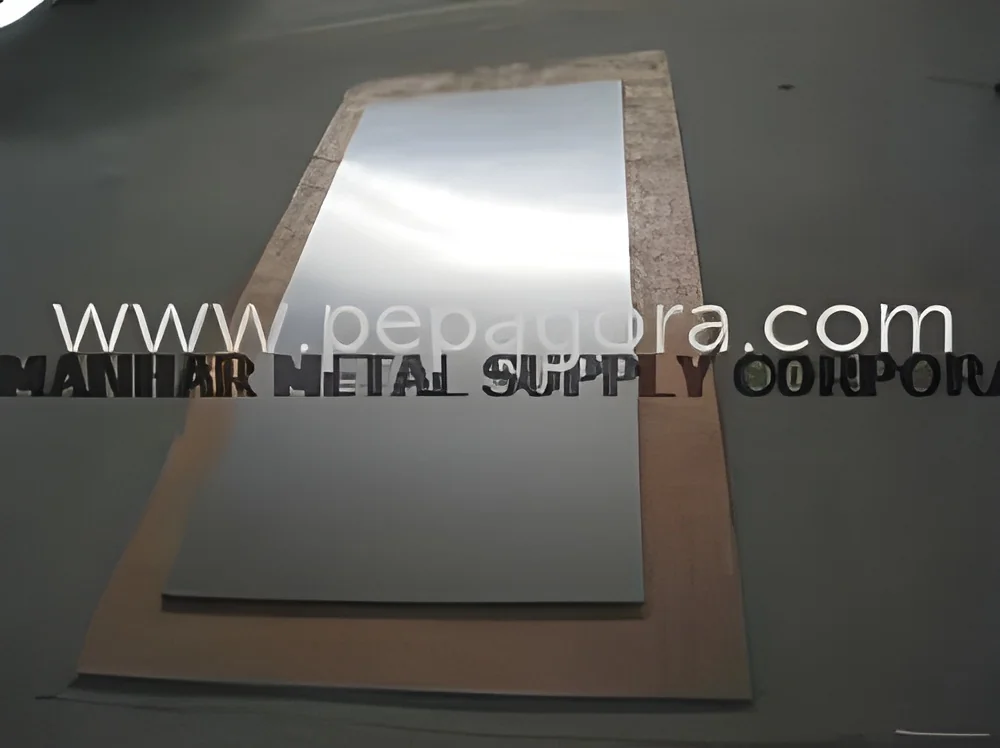
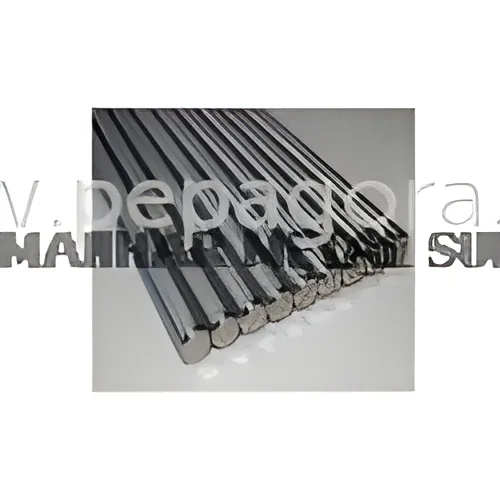
Titanium sheets and rods are versatile industrial products known for their high strength-to-weight ratio, excellent corrosion resistance, and exceptional fatigue resistance. These materials are available in various grades, primarily depending on their intended applications. Titanium sheets are typically flat pieces of titanium, whereas rods are cylindrical forms. Both forms are widely used across a range of applications due to their lightweight and durable characteristics.
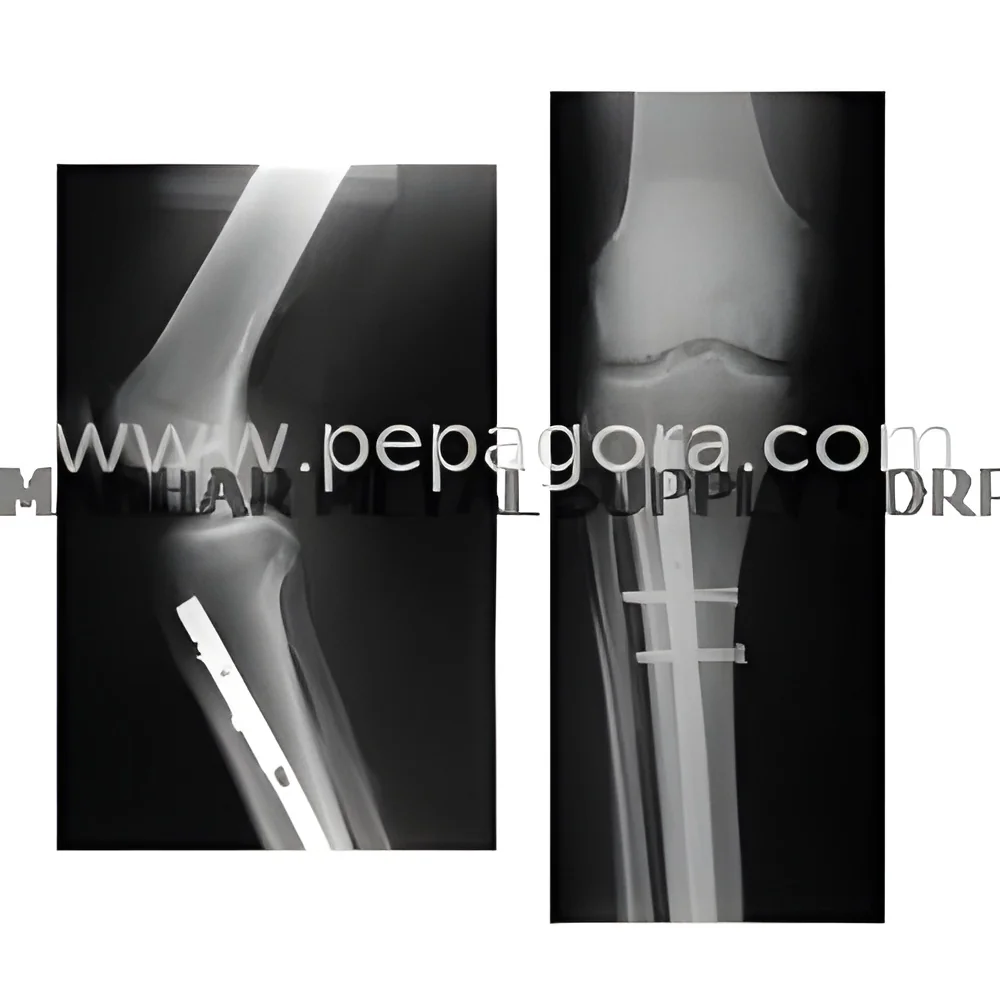
The primary uses of titanium sheets and rods span numerous industries, including aerospace, automotive, chemical processing, and medical industries. In aerospace, they are utilized for components that require high strength and low weight, such as airframes and engine parts. In the medical field, titanium is favored for surgical implants and tools due to its biocompatibility. With the growing demand for lightweight and durable materials, the market for titanium products is expanding, making it a relevant choice for businesses seeking efficiency and innovation.
Key Features and Specifications
Titanium sheets and rods come with a variety of features and specifications that make them suitable for specialized applications. These features include high corrosion resistance, biocompatibility, and strength at elevated temperatures. Understanding these specifications is crucial for businesses that require reliable materials for their projects.
Key specifications include:
1. Material Grade
- Common grades include Grade 1 (pure titanium), Grade 2 (commercially pure), and Grade 5 (Ti-6Al-4V).
- Each grade offers different mechanical properties and corrosion resistance.
2. Thickness Range
- Available thicknesses typically range from 0.5 mm to 100 mm for sheets.
- Rods are usually available in diameters ranging from 1 mm to 50 mm.
3. Length and Width
- Sheets can be supplied in standard sizes such as 1 meter by 2 meters.
- Rod lengths are often customizable, with standard lengths around 1 meter.
4. Surface Finish
- Common finishes include mill finish, polished, and anodized.
- The chosen finish can affect the material's corrosion resistance and appearance.
5. Tensile Strength
- Generally, the tensile strength ranges from 240 MPa for Grade 1 to 900 MPa for Grade 5.
- Higher tensile strength indicates better performance under stress.
6. Density
- Titanium has a density of approximately 4.5 g/cm³, making it lightweight compared to other metals.
- This low density contributes to its use in aerospace and automotive applications.
7. Thermal Conductivity
- Thermal conductivity values typically range from 6 to 22 W/m·K.
- Variability is based on the titanium grade and treatment.
8. Corrosion Resistance
- Titanium exhibits excellent resistance to a wide range of corrosive environments, including seawater and acidic conditions.
- This property makes it suitable for chemical processing applications.
In summary, titanium sheets and rods offer a range of features and specifications that cater to diverse industry needs. Their mechanical properties and resistance to environmental factors make them an essential choice for many high-performance applications.
Common Applications and Use Cases
Titanium sheets and rods serve various industries with specific applications that leverage their unique properties. These applications benefit from titanium's strength, durability, and resistance to corrosion.
1. Aerospace: Titanium is widely used in aircraft manufacturing for components such as wings, fuselage, and engine parts. Its lightweight nature enhances fuel efficiency.
2. Medical: In the medical field, titanium is utilized for surgical implants, prostheses, and dental devices due to its biocompatibility and strength.
3. Automotive: Titanium components are found in high-performance vehicles, where they contribute to weight reduction and improved fuel efficiency.
4. Chemical Processing: Titanium is employed in manufacturing tanks, pipes, and valves that handle corrosive substances, thanks to its excellent corrosion resistance.
5. Marine: The marine industry uses titanium for shipbuilding and underwater applications due to its resistance to seawater corrosion.
6. Oil and Gas: Titanium is utilized in downhole equipment and offshore structures, where strength and resistance to harsh environments are crucial.
7. Sports Equipment: High-end sports gear, such as bicycles and golf clubs, often incorporates titanium for its strength-to-weight benefits.
Product Variants and Subcategories
Titanium sheets and rods come in various forms, each tailored for specific applications and industries. This diversity allows businesses to select the best option for their needs.
Titanium Sheets
Titanium sheets are available in multiple grades and thicknesses, making them suitable for a range of applications from aerospace to medical devices. Their flat form allows for easy machining and customization, which is essential for intricate designs.
Titanium Rods
Titanium rods are offered in various diameters and lengths. They are ideal for applications requiring strong, lightweight components. Common uses include manufacturing fasteners, shafts, and structural components.
Benefits and Advantages
Choosing titanium sheets and rods offers numerous benefits for businesses across various sectors. Their unique properties contribute to improved performance and longevity.
1. High Strength-to-Weight Ratio: Titanium's lightweight nature combined with its strength makes it ideal for applications where weight savings are critical.
2. Corrosion Resistance: Titanium's ability to withstand harsh environments reduces maintenance costs and extends the lifespan of components.
3. Biocompatibility: This makes titanium an excellent choice for medical applications, ensuring minimal rejection rates for implants.
4. Durability: Titanium products exhibit excellent fatigue resistance, making them suitable for high-stress applications.
5. Customizability: Titanium sheets and rods can be easily machined to meet specific design requirements.
6. Temperature Resistance: Titanium maintains its properties at elevated temperatures, making it suitable for demanding environments.
Buying Guide for B2B Buyers
When sourcing titanium sheets and rods, buyers should consider several crucial factors to ensure they obtain the right materials for their applications.
1. Quality Assessment: Evaluate the quality of titanium based on material grade and certifications. Look for suppliers who adhere to industry standards.
2. Supplier Verification: Conduct thorough research on potential suppliers to ensure they have a proven track record in providing quality titanium products.
3. Pricing and MOQ: Understand the pricing structure for titanium sheets and rods, and be aware of minimum order quantities to make informed purchasing decisions.
4. Delivery and Lead Times: Discuss logistics with suppliers to determine lead times for delivery and ensure that materials arrive when needed.
5. Compliance Requirements: Verify that the products meet relevant regulatory and industry standards to avoid compliance issues in the future.
Compliance and Certifications
Titanium sheets and rods must adhere to various quality standards and certifications to ensure reliability and safety in their applications.
Relevant quality standards include ISO 9001, which emphasizes a quality management system, and CE certification, indicating compliance with European safety standards.
Industry certifications are critical for ensuring that titanium products meet specific performance criteria. Compliance with safety and testing requirements is essential for industries like aerospace and medical, where failure can have serious consequences.
Additionally, regional compliance considerations are important, as different countries may have varying regulations governing the use of titanium products. This makes it essential for buyers to confirm that their chosen products meet all necessary standards for their particular market.
Why Source Titanium Sheets & Rods from Pepagora?
Pepagora provides a trusted platform for sourcing titanium sheets and rods, offering several key advantages that make the procurement process seamless and efficient.
Verified Supplier Network: Pepagora connects buyers with a network of verified suppliers, ensuring that all products meet high-quality standards and compliance requirements. This minimizes the risk of sourcing subpar materials.
Streamlined RFQ Process: The request for quotation (RFQ) process is streamlined, allowing buyers to easily compare prices and specifications from multiple suppliers. This transparency helps businesses make informed purchasing decisions.
Trade Assurance and Support: Pepagora offers trade assurance and support, providing buyers with protection against potential disputes. This gives buyers peace of mind when sourcing materials.
Regional Coverage: With a strong presence in India, the GCC, and Southeast Asia, Pepagora ensures that businesses can access titanium sheets and rods in their regions, facilitating timely delivery and local support.
In conclusion, Pepagora stands out as a reliable partner for businesses looking to source high-quality titanium sheets and rods, backed by a robust supplier network and comprehensive support systems.

 IN
IN
 India
India