
 IN
Third-Party Calibration & Certification
6 products available
What are Third-Party Calibration & Certification?
Third-party calibration and certification refer to the processes by which independent organizations assess and validate the accuracy and reliability of measurement instruments and equipment. These services ensure that devices are functioning correctly and conform to industry standards. By employing an impartial third party, businesses can avoid potential conflicts of interest and enhance the credibility of their measurement processes.
These services are primarily used across various sectors to ensure compliance with regulatory requirements, improve quality control, and enhance operational efficiency. Calibration ensures that equipment such as scales, gauges, and sensors provide accurate readings, which is critical in industries like manufacturing, pharmaceuticals, and food processing. Certification, on the other hand, often involves verifying that products meet specific standards, such as safety and performance criteria.
In today’s market, the relevance of third-party calibration and certification has grown significantly due to rising regulatory scrutiny and an increasing emphasis on quality management. Industries are increasingly adopting international quality standards like ISO 9001 to enhance their operational capabilities. This trend underscores the importance of reliable calibration and certification as essential components of quality assurance programs.
Key Features and Specifications
Third-party calibration and certification come with various features that cater to the precise needs of businesses. These features ensure that equipment operates within the desired specifications and adheres to regulatory standards.
Key specifications include:
1. Quality Standards
- Adherence to ISO 9001 and other relevant quality standards
- Ensures consistency and reliability in calibration processes
2. Industry Certifications
- Compliance with certifications such as CE
- Validates products against safety and performance benchmarks
3. Accuracy Levels
- Calibration services typically offer varying degrees of accuracy
- Ranges can vary based on the type of equipment being calibrated
4. Reporting
- Detailed calibration reports provided after service completion
- Documentation includes calibration results and traceability information
5. Equipment Types
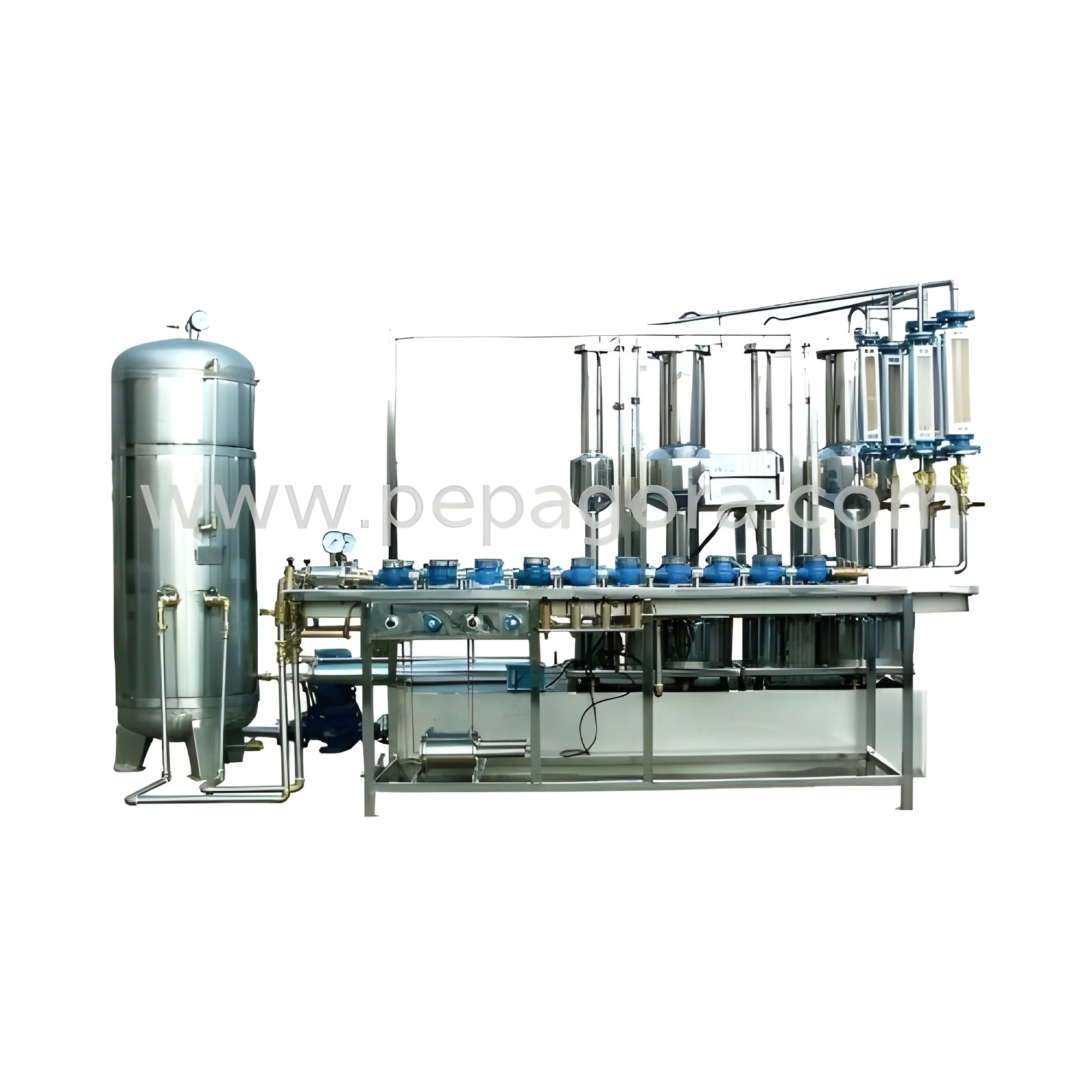
- Calibration services available for various equipment including scales, pressure gauges, and thermometers
- Ensures a broad application across different industries
6. Response Times
- Quick turnaround times for calibration and certification processes
- Helps businesses minimize downtime
7. Traceability
- Calibration traceable to national or international standards
- Ensures the integrity and reliability of measurement results
In summary, third-party calibration and certification services provide essential features that support businesses in maintaining accuracy and compliance across their operations.
Common Applications and Use Cases
Third-party calibration and certification services find application in a diverse range of industries.
1. Manufacturing: In manufacturing, precise measurements are critical for product quality. Calibration ensures machines operate correctly, reducing defects and increasing productivity.
2. Pharmaceuticals: The pharmaceutical industry relies on accurate measurements to ensure product safety and efficacy. Calibration of laboratory equipment is essential for compliance with health regulations.
3. Food Processing: Food safety is paramount. Calibration of equipment such as temperature and humidity sensors ensures that food products are processed under safe conditions.
4. Aerospace: In aerospace, equipment must meet strict safety and performance standards. Third-party certification of aviation instruments is necessary to maintain regulatory compliance.
5. Healthcare: Medical devices require accurate calibration to ensure patient safety. Calibration services help maintain the accuracy of diagnostic equipment.
6. Laboratory: Laboratories use calibration services to ensure that their instruments provide reliable data. This is vital for research and testing accuracy.
7. Energy: In the energy sector, calibration of measuring devices is necessary to ensure compliance with environmental regulations and operational efficiency.
Product Variants and Subcategories
The diversity of third-party calibration and certification services allows businesses to select options that best suit their needs.
Calibration Services
These services focus on ensuring measurement instruments are accurate. They include on-site calibration and laboratory calibration options, providing flexibility for businesses.
Certification Services
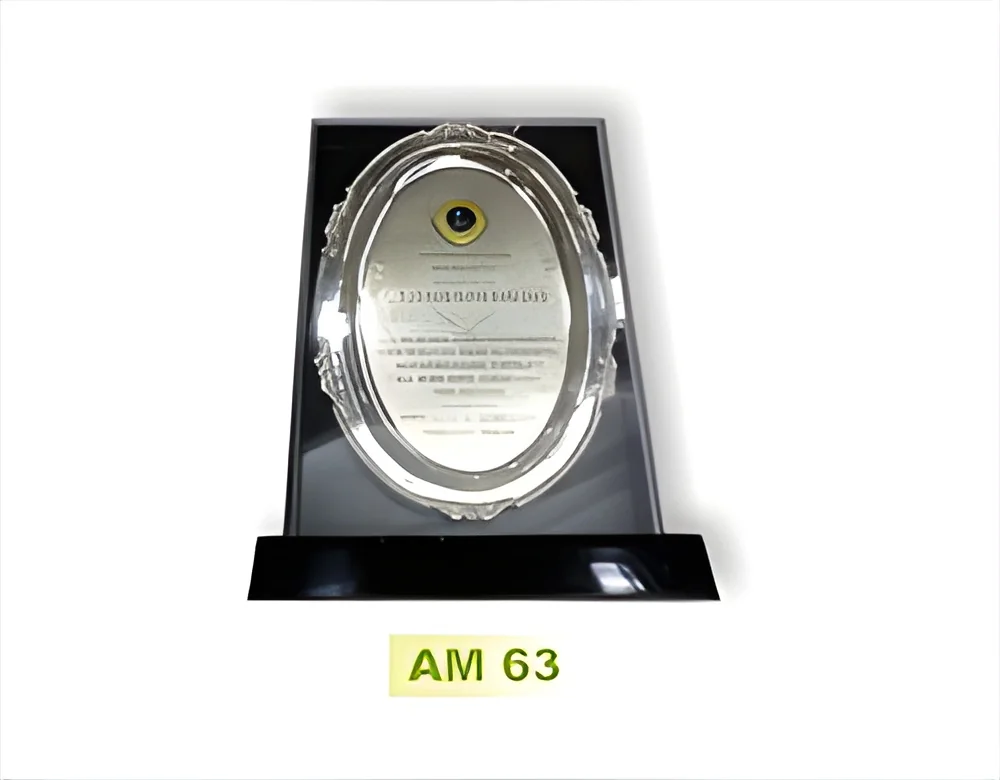
Certification services validate that products meet regulatory and safety standards. These can include product certification for specific applications across various industries.
Compliance Testing
Compliance testing ensures that products conform to industry standards. This is crucial for businesses looking to enter new markets or maintain their competitiveness.
Benefits and Advantages
Third-party calibration and certification offer numerous benefits to businesses.
1. Enhanced Accuracy: Regular calibration ensures that measurement devices provide accurate results, reducing errors in production.
2. Regulatory Compliance: Certification demonstrates compliance with industry standards, helping businesses avoid penalties and maintain market access.
3. Quality Assurance: These services support quality management systems, promoting better product quality and customer satisfaction.
4. Risk Reduction: By ensuring equipment accuracy, businesses can minimize the risk of operational failures and associated costs.
5. Improved Efficiency: Accurate measurements can lead to streamlined operations, reducing waste and improving productivity.
6. Market Credibility: Certification from a recognized third party enhances a company's credibility in the marketplace, fostering trust with clients and stakeholders.
Buying Guide for B2B Buyers
When sourcing third-party calibration and certification, businesses should consider various factors to ensure they select the right provider.
1. Quality Assessment: Evaluate the quality criteria used by the calibration provider. Look for adherence to recognized standards and industry best practices.
2. Supplier Verification: Conduct thorough vetting of suppliers to ensure they have the necessary certifications and a solid reputation in the industry.
3. Pricing and MOQ: Understand the pricing structure and minimum order quantities. This will help in budgeting and planning for calibration and certification needs.
4. Delivery and Lead Times: Consider the logistics involved, including expected turnaround times for services, to minimize disruptions to operations.
5. Compliance Requirements: Ensure that the provider meets necessary regulatory requirements relevant to your industry. This is crucial for maintaining compliance and avoiding penalties.
Compliance and Certifications
Compliance and certifications are vital components of third-party calibration and certification services. Adherence to recognized quality standards such as ISO 9001 is essential for ensuring that processes meet international benchmarks for quality management. In addition to ISO standards, certifications like CE demonstrate that products comply with safety and performance expectations set by regulatory authorities.
Furthermore, safety and testing requirements must be met to ensure that calibration processes do not compromise the integrity of measurement systems. Regional compliance considerations may vary, so it is important for businesses operating in multiple jurisdictions to understand local regulations and standards.
Why Source Third-Party Calibration & Certification from Pepagora?
Pepagora offers a reliable platform for sourcing third-party calibration and certification services, providing businesses with several key advantages.
Verified Supplier Network: Pepagora ensures that suppliers are thoroughly verified, offering businesses peace of mind that they are partnering with qualified and reputable service providers.
Streamlined RFQ Process: The platform simplifies the request for quotation process, making it easier for businesses to obtain competitive pricing and service options.
Trade Assurance and Support: Pepagora provides buyer protection and support, ensuring that businesses have recourse in case of issues with services.
Regional Coverage: With a strong presence in India, the GCC, and Southeast Asia, Pepagora facilitates access to calibration and certification services across various regions, catering to diverse industry needs.




Frequently Asked Questions
What are Third-Party Calibration & Certification?
Third-Party Calibration & Certification involves the assessment and validation of instruments and systems by an independent entity. This process ensures that products meet specified standards and regulations, providing assurance to clients regarding the accuracy and reliability of their measurements.
What are the different types of Third-Party Calibration & Certification?
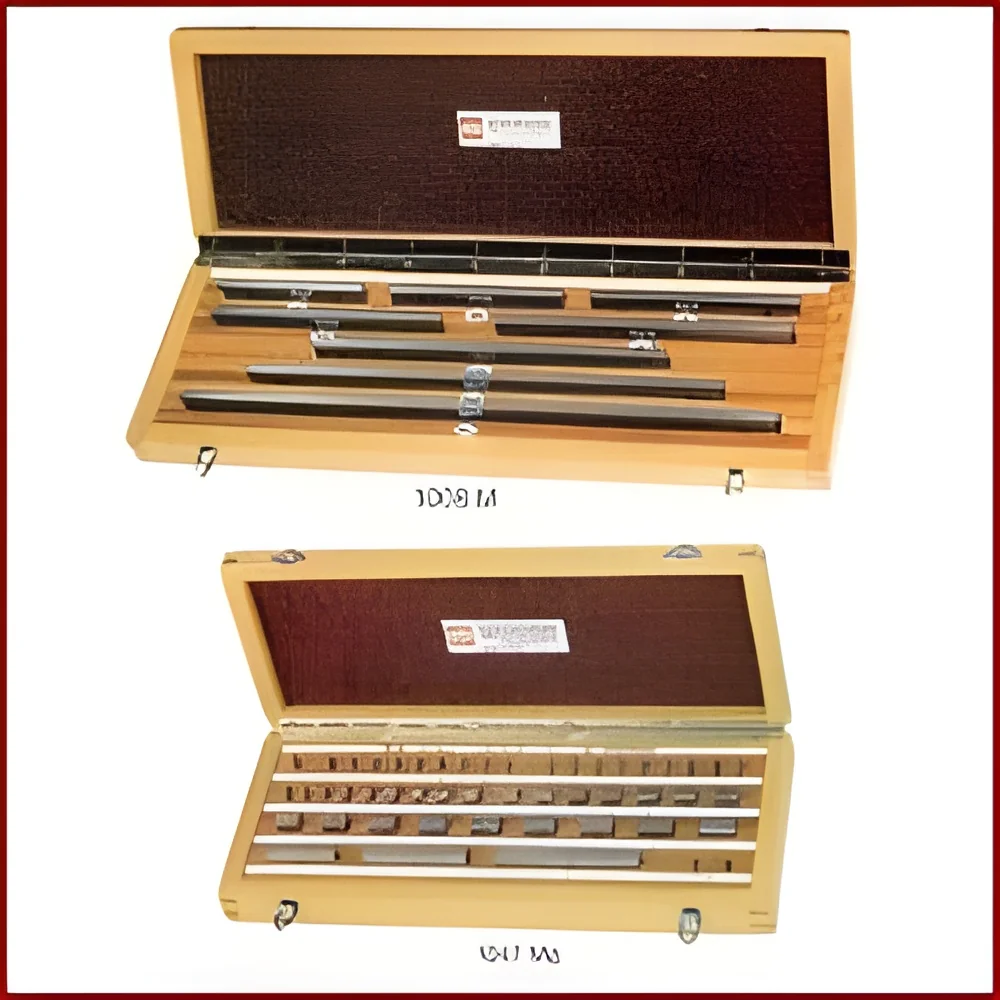
The different types of Third-Party Calibration & Certification include electrical, mechanical, thermal, and dimensional calibration. Each type focuses on specific measurement parameters and is tailored to various industries such as manufacturing, healthcare, and environmental monitoring.
How do I choose the right Third-Party Calibration & Certification?
To choose the right Third-Party Calibration & Certification provider, evaluate their accreditation, expertise, and industry reputation. Consider the specific calibration services you need and ensure the provider has experience relevant to your industry requirements.
What are the standard specifications for Third-Party Calibration & Certification?
Standard specifications for Third-Party Calibration & Certification often adhere to international standards such as ISO/IEC 17025. These specifications outline the requirements for the competence of testing and calibration laboratories, ensuring consistent quality and reliability.
What is the price range for Third-Party Calibration & Certification?
The price range for Third-Party Calibration & Certification can vary widely based on the type of calibration, the complexity of the equipment, and the service provider. Typically, prices can range from a few thousand to several tens of thousands of Indian Rupees.
What quality standards apply to Third-Party Calibration & Certification?
Quality standards for Third-Party Calibration & Certification include ISO 9001 for quality management systems and ISO/IEC 17025 for testing and calibration laboratories. Compliance with these standards ensures that calibration services are conducted reliably and accurately.
Where can I find Third-Party Calibration & Certification suppliers in India?
You can find Third-Party Calibration & Certification suppliers in India through B2B marketplaces like Pepagora.com, industry directories, and trade associations. It's advisable to review the suppliers' credentials and customer reviews before making a selection.
Can Third-Party Calibration & Certification be customized?
Yes, Third-Party Calibration & Certification services can often be customized to meet specific client requirements. Service providers may offer tailored solutions based on the type of equipment, industry standards, and particular calibration needs.
What is the typical minimum order quantity for Third-Party Calibration & Certification?
The typical minimum order quantity for Third-Party Calibration & Certification can vary by supplier and the type of calibration required. Generally, some providers may not have a strict MOQ, while others may set a minimum based on the service offered.
What is the typical lead time for Third-Party Calibration & Certification?
The typical lead time for Third-Party Calibration & Certification can range from a few days to several weeks, depending on the complexity of the calibration and the availability of the service provider. It's advisable to confirm lead times with the supplier during the ordering process.
Why Businesses Trust Pepagora
Thousands of companies trust Pepagora to source smarter and sell faster
Expand Your Sales Globally

Source Smarter,Grow Faster
