
 IN
Temperature Chamber Calibration
3 products available
What are Temperature Chamber Calibration?
Temperature Chamber Calibration is a highly specialized process that ensures temperature chambers operate within specified parameters. Calibration involves comparing the temperatures recorded by the chamber against a known reference standard. This process helps to identify any discrepancies and allows for adjustments to ensure accuracy and reliability.
The primary uses of temperature chamber calibration include quality control, research and development, and compliance with industry regulations. Businesses in sectors such as pharmaceuticals, electronics, and automotive rely on calibrated chambers to simulate environmental conditions for testing product durability and performance. Accurate calibration is crucial for maintaining quality standards and achieving certification.
In today's competitive market, temperature calibration plays a vital role in ensuring product integrity and safety. As industries continue to demand higher precision and reliability in their testing processes, the need for accurate temperature chamber calibration has become increasingly relevant across various sectors.
Key Features and Specifications
Temperature chamber calibration systems are equipped with advanced features that enhance their functionality and reliability. Understanding these features is essential for making informed purchasing decisions.
Key specifications include:
1. Calibration Range
- The range of temperatures that the chamber can accurately maintain.
- Typically spans from -40 degrees Celsius to 150 degrees Celsius, depending on the model.
2. Accuracy Level
- The degree to which the chamber's temperature readings can be trusted.
- Accuracy levels usually fall within ±0.5 degrees Celsius.
3. Humidity Control
- Capability to control and maintain humidity levels within the chamber.
- Ranges can vary from 10% to 95% relative humidity, depending on the application.
4. Monitoring Features
- Systems for real-time monitoring of temperature and humidity.
- May include graphical displays and alarms for deviations.
5. Compliance Standards
- Adherence to specific industry standards such as ISO 9001 and CE certifications.
- Ensures that the calibration processes meet international quality benchmarks.
6. Data Logging
- Capability to record temperature and humidity data over time.
- Useful for generating reports and maintaining records for compliance.
7. User-Friendly Interface
- Intuitive controls and easy navigation for operators.
- Simplifies the calibration process and enhances usability.
8. Energy Efficiency
- Features designed to minimize energy consumption.
- Helps reduce operational costs while maintaining performance.
In summary, temperature chamber calibration systems are equipped with a variety of features designed to enhance accuracy, compliance, and usability. Understanding these specifications is crucial for selecting the right system for specific business needs.
Common Applications and Use Cases
Temperature chamber calibration is essential for various industries that require precise environmental testing.
1. Pharmaceuticals: In this sector, calibration is vital for ensuring that products are tested under controlled conditions. It helps verify the stability and efficacy of medications.
2. Electronics: Calibration ensures that electronic components can withstand different environmental conditions, which is crucial for product reliability and safety.
3. Automotive: The automotive industry uses calibration to test parts under extreme temperatures, ensuring performance and safety in various driving conditions.
4. Aerospace: Calibration is necessary to simulate the harsh conditions that components may face during flight. This ensures that materials and systems can perform as expected.
5. Food and Beverage: Ensuring that products are stored and processed at appropriate temperatures is crucial for safety and compliance with health regulations.
6. Material Testing: Calibration is important for testing the durability of various materials under different temperature and humidity scenarios.
7. Research Institutions: Many research facilities rely on calibrated chambers for experiments that require precise environmental conditions.
Product Variants and Subcategories
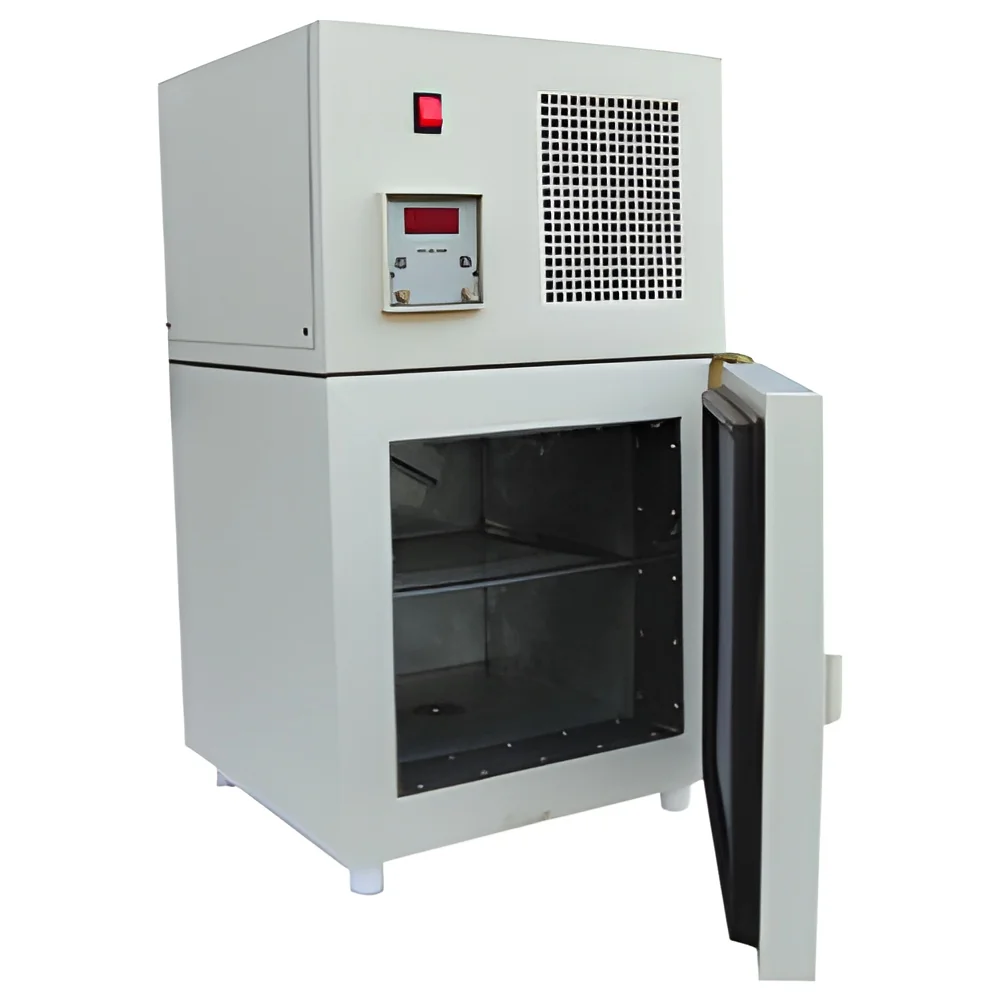
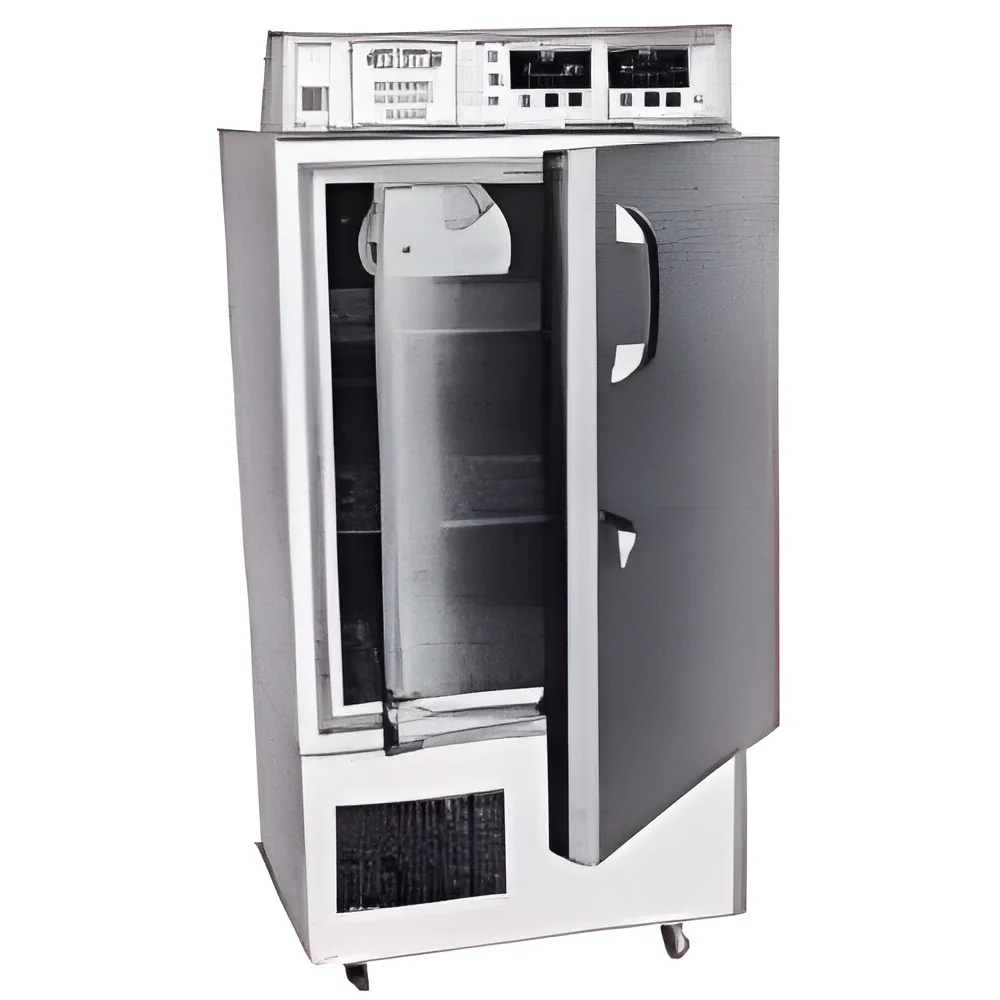
Temperature chamber calibration systems come in various models designed to meet specific needs within different industries. Each variant may offer unique features and capabilities.
Standard Calibration Chamber
This variant is designed for general-purpose calibration tasks. It typically features a broad temperature range and is suitable for a variety of applications across industries.
High-Performance Calibration Chamber
This advanced model provides enhanced accuracy and rapid temperature changes. It is ideal for industries that require stringent testing conditions, such as aerospace and pharmaceuticals.
Compact Calibration Chamber
Designed for smaller labs or facilities, this variant offers essential calibration features in a space-saving design. It is well-suited for businesses with limited floor space.
Portable Calibration Chamber
This model is lightweight and designed for on-site calibration needs. It is beneficial for companies that require flexibility in their calibration processes.
Benefits and Advantages
Investing in temperature chamber calibration offers several advantages that enhance operational efficiency and product quality.
1. Improved Accuracy: Regular calibration ensures that temperature measurements are precise, reducing the risk of errors in testing.
2. Compliance Assurance: Calibrated chambers help businesses meet industry standards and regulatory requirements, which is crucial for maintaining certifications.
3. Enhanced Product Quality: Accurate environmental testing leads to higher quality products, minimizing defects and recalls.
4. Increased Efficiency: Calibration processes can streamline operations, reducing the time needed for testing and ensuring faster turnaround times.
5. Cost Savings: By preventing failures and ensuring product reliability, businesses can save on costs associated with recalls and repairs.
6. Customer Confidence: Reliable testing processes build trust with customers, enhancing brand reputation and loyalty.
Buying Guide for B2B Buyers
When sourcing temperature chamber calibration systems, there are several key factors to consider to ensure you make the right choice for your business.
1. Quality Assessment: Examine the quality of the calibration equipment and its compliance with industry standards. Look for certifications that validate accuracy and reliability.
2. Supplier Verification: Vet suppliers to ensure they have a strong reputation for providing high-quality calibration systems. Check reviews and industry references.
3. Pricing and MOQ: Understand the pricing structure and minimum order quantities. This helps in budgeting and ensures that you can meet your business needs without overcommitting.
4. Delivery and Lead Times: Consider the logistics involved in acquiring the calibration system. Be aware of delivery times to avoid disruptions in your operations.
5. Compliance Requirements: Ensure that the calibration system meets all necessary regulatory requirements specific to your industry. This is crucial for maintaining compliance and avoiding penalties.
Compliance and Certifications
Temperature chamber calibration must adhere to various quality standards to ensure reliability and accuracy. Key standards include ISO 9001, which outlines quality management systems, and HACCP, which focuses on food safety. Compliance with these standards helps ensure that calibration processes are rigorous and consistent.
Industry certifications, such as CE, are also critical. These certifications indicate that the calibration systems meet European safety and performance requirements.
Safety and testing requirements are paramount in many industries. Calibrated chambers must undergo regular assessments to ensure they function correctly and safely. Additionally, regional compliance considerations may vary, necessitating awareness of local regulations that could impact calibration processes.
Why Source Temperature Chamber Calibration from Pepagora?
Pepagora offers an efficient platform for sourcing temperature chamber calibration systems, providing several key advantages to buyers.
Verified Supplier Network: Pepagora connects buyers with a network of verified suppliers who meet stringent quality standards. This ensures that you can source reliable calibration systems with confidence.
Streamlined RFQ Process: The platform simplifies the request for quotation process, allowing you to receive multiple quotes from different suppliers quickly. This helps in making well-informed purchasing decisions.
Trade Assurance and Support: Pepagora provides trade assurance, protecting buyers from potential issues during transactions. This support enhances buyer confidence in sourcing calibration systems.
Regional Coverage: Pepagora has a broad geographic reach, serving India, the GCC, and Southeast Asia. This allows businesses to access a diverse range of suppliers tailored to their regional needs.
In conclusion, sourcing temperature chamber calibration through Pepagora ensures that you have access to high-quality systems, supported by a network of reliable suppliers and comprehensive buyer protection.


 India
 India
Frequently Asked Questions
What are Temperature Chamber Calibration?
Temperature Chamber Calibration refers to the process of verifying and adjusting temperature measuring devices within a controlled environment. This process ensures that the devices provide accurate readings, which is crucial for various applications, including testing and research.
What are the different types of Temperature Chamber Calibration?
There are several types of Temperature Chamber Calibration, including static and dynamic calibration methods. Static calibration involves testing the device at fixed temperature points, while dynamic calibration assesses performance across a range of temperatures and conditions.
How do I choose the right Temperature Chamber Calibration?
Choosing the right Temperature Chamber Calibration depends on several factors, including the specific temperature range required and the type of equipment being calibrated. Additionally, consider the accreditation and experience of the calibration service provider to ensure compliance with industry standards.
What are the standard specifications for Temperature Chamber Calibration?
Standard specifications for Temperature Chamber Calibration typically include temperature range, accuracy, uniformity, and stability. It's important to refer to relevant industry standards, such as ISO or ASTM, to ensure that the calibration meets specific requirements.
What is the price range for Temperature Chamber Calibration?
The price range for Temperature Chamber Calibration can vary widely, depending on the complexity of the calibration process and the equipment involved. Generally, prices can range from a few thousand to several tens of thousands of Indian Rupees.
What quality standards apply to Temperature Chamber Calibration?
Quality standards for Temperature Chamber Calibration often include ISO/IEC 17025 and other relevant industry-specific standards. Compliance with these standards ensures that calibration services meet international quality benchmarks and provide reliable results.
Where can I find Temperature Chamber Calibration suppliers in India?
You can find Temperature Chamber Calibration suppliers in India through online B2B marketplaces like Pepagora.com, industry directories, and trade shows. It's advisable to verify the supplier's credentials and customer reviews before making a decision.
Can Temperature Chamber Calibration be customized?
Yes, Temperature Chamber Calibration can often be customized to meet specific requirements of different industries or applications. Customization may include adjusting the calibration process to target unique temperature ranges or specific equipment needs.
What is the typical minimum order quantity for Temperature Chamber Calibration?
The typical minimum order quantity (MOQ) for Temperature Chamber Calibration can vary by supplier. Generally, it may range from one unit for individual calibrations to larger quantities for bulk services, depending on the provider's policies.
What is the typical lead time for Temperature Chamber Calibration?
The typical lead time for Temperature Chamber Calibration varies based on the provider and the complexity of the calibration required. Generally, you can expect a lead time ranging from a few days to several weeks, depending on the workload and scheduling.
Why Businesses Trust Pepagora
Thousands of companies trust Pepagora to source smarter and sell faster
Expand Your Sales Globally

Source Smarter,Grow Faster
