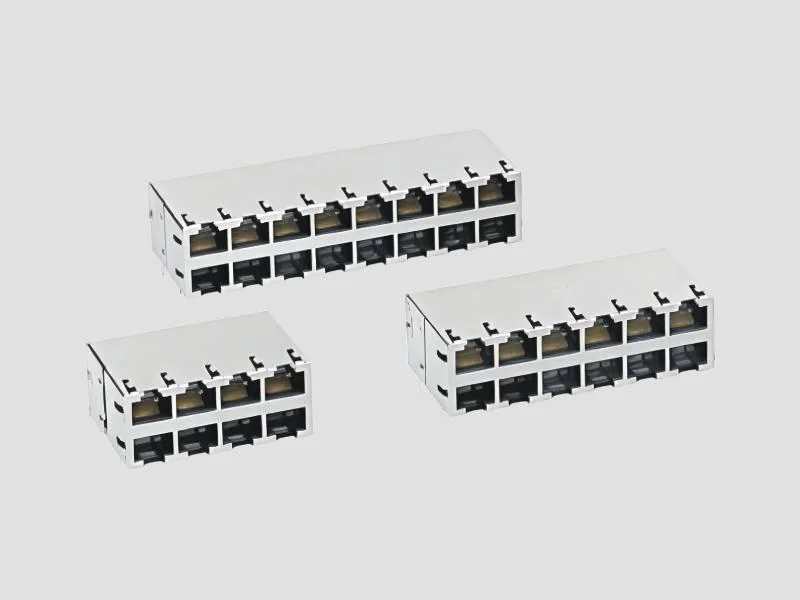
What are Switches?
Switches are essential electrical devices used to control the flow of electricity in various applications. They function by opening or closing circuits, enabling or disabling the passage of electrical current. Switches can be found in numerous forms, including toggle, push-button, rocker, and rotary, catering to different operational needs and environments. These devices are critical components in electrical systems, ensuring safe and efficient operation of equipment and machinery.
In business applications, switches are widely utilized across diverse sectors such as manufacturing, telecommunications, and automation. They serve vital roles in machinery controls, lighting systems, and electronic devices, allowing for user-friendly operation and automation. This versatility makes switches an integral part of modern industrial environments, contributing to increased productivity and operational efficiency. The growing demand for automation and smart technologies in industries further underscores the significance of switches in contemporary applications.
Key Features and Specifications
Switches come equipped with various features that enhance their functionality and reliability. Understanding the specifications helps businesses select the right switches for their needs.
Key specifications include:
1. Type of Switch
- Common types include toggle, push-button, and rotary
- Each type serves specific operational requirements
2. Current Rating
- Indicates the maximum current the switch can handle
- Typical ranges are from 1A to 20A depending on the application
3. Voltage Rating
- Specifies the voltage level for safe operation
- Common ratings include 120V, 240V, and 480V
4. Mounting Type
- Options include panel mount, surface mount, and flush mount
- Selection depends on installation requirements
5. Actuation Mechanism
- Types include manual, automatic, and remote actuation
- Affects the ease of use and application
6. Material Construction
- Common materials include plastic and metal
- Material choice impacts durability and environmental resistance
7. Environmental Rating
- Refers to IP ratings for dust and moisture protection
- Higher ratings indicate better resistance to external conditions
8. Lifespan and Durability
- Measured in terms of mechanical and electrical life cycles
- Quality switches can withstand thousands of cycles
Switches are essential components that ensure operational reliability in various applications.
Common Applications and Use Cases
Switches are utilized across a wide range of industries, each with unique requirements.
1. Manufacturing: In manufacturing settings, switches control machinery operations, enabling precise management of production lines.
2. Telecommunications: Switches are integral to telecommunications equipment, facilitating signal routing and connection management.
3. Automotive: In the automotive industry, switches manage electrical systems, including lighting, ignition, and entertainment controls.
4. HVAC: Heating, ventilation, and air conditioning systems rely on switches to control airflow and temperature settings.
5. Consumer Electronics: Many household devices, such as lamps and kitchen appliances, utilize switches for user control.
6. Renewable Energy: In solar and wind energy systems, switches regulate the flow of power and ensure safe operation.
7. Security Systems: Switches play a role in alarm and security systems, enabling activation and monitoring of various components.
Product Variants and Subcategories
Switches come in various forms to suit different needs and applications. This diversity allows businesses to select the most appropriate type for their specific requirements.
Toggle Switches: These switches provide a simple on/off function and are commonly used in lighting and general electrical applications. Their straightforward design makes them user-friendly.
Push-Button Switches: Often found in consumer electronics, these switches are designed for momentary activation. They are widely used in control panels and automated systems.
Rotary Switches: Rotary switches allow users to select from multiple settings or functions. They are commonly used in applications where variable control is necessary, such as in audio equipment.
Slide Switches: These compact switches are ideal for applications with limited space, commonly found in portable devices and appliances.
Benefits and Advantages
Switches offer numerous advantages that enhance operational efficiency and safety.
1. User Control: Switches provide straightforward user control over electrical systems, allowing for quick responses in operations.
2. Safety Features: Many switches come with built-in safety features that protect against overloads and short circuits.
3. Versatility: The variety of switch types allows for tailored solutions across different applications and industries.
4. Durability: High-quality switches are designed to withstand harsh conditions and extensive use, ensuring longevity in service.
5. Automation Compatibility: Switches can be easily integrated into automated systems, enhancing operational efficiency.
6. Cost-Effectiveness: Reliable switches help reduce downtime and maintenance costs, contributing to overall operational savings.
Buying Guide for B2B Buyers
When sourcing switches, several factors should be considered to ensure the right choice.
1. Quality Assessment: Evaluate switches based on durability, material quality, and performance ratings to ensure they meet industry standards.
2. Supplier Verification: Vet suppliers for reliability and reputation, checking for certifications and customer reviews to ensure a trustworthy partnership.
3. Pricing and MOQ: Understand the pricing structure and minimum order quantities to align with budgetary requirements and operational needs.
4. Delivery and Lead Times: Assess the logistics involved in sourcing switches, including delivery timelines, to avoid disruptions in operations.
5. Compliance Requirements: Ensure that switches meet relevant industry regulations and standards to guarantee safety and reliability in use.
Compliance and Certifications
Compliance and certifications are crucial for ensuring the quality and safety of switches. Key quality standards such as ISO 9001 enhance product reliability by ensuring manufacturers adhere to quality management principles. Additionally, switches often carry industry certifications like CE, indicating compliance with European safety and environmental standards.
Safety and testing requirements vary by application, necessitating rigorous evaluations to ensure switches perform reliably under specified conditions. Regional compliance considerations may include adherence to local electrical codes and regulations, which can vary significantly across different markets.
Why Source Switches from Pepagora?
Pepagora provides a trusted platform for sourcing switches, offering several key advantages to businesses.
Verified Supplier Network: Pepagora ensures that all suppliers undergo thorough verification processes. This builds trust and guarantees access to quality products from reputable manufacturers.
Streamlined RFQ Process: The request for quotation process on Pepagora is designed for efficiency, allowing buyers to quickly obtain competitive quotes from multiple suppliers.
Trade Assurance and Support: Buyers benefit from trade assurance programs that protect their purchases, ensuring they receive the products as specified.
Regional Coverage: Pepagora has a strong geographic presence in India, the Gulf Cooperation Council (GCC) region, and Southeast Asia. This extensive reach enables businesses to access a diverse range of switches tailored to their needs.

 IN
IN