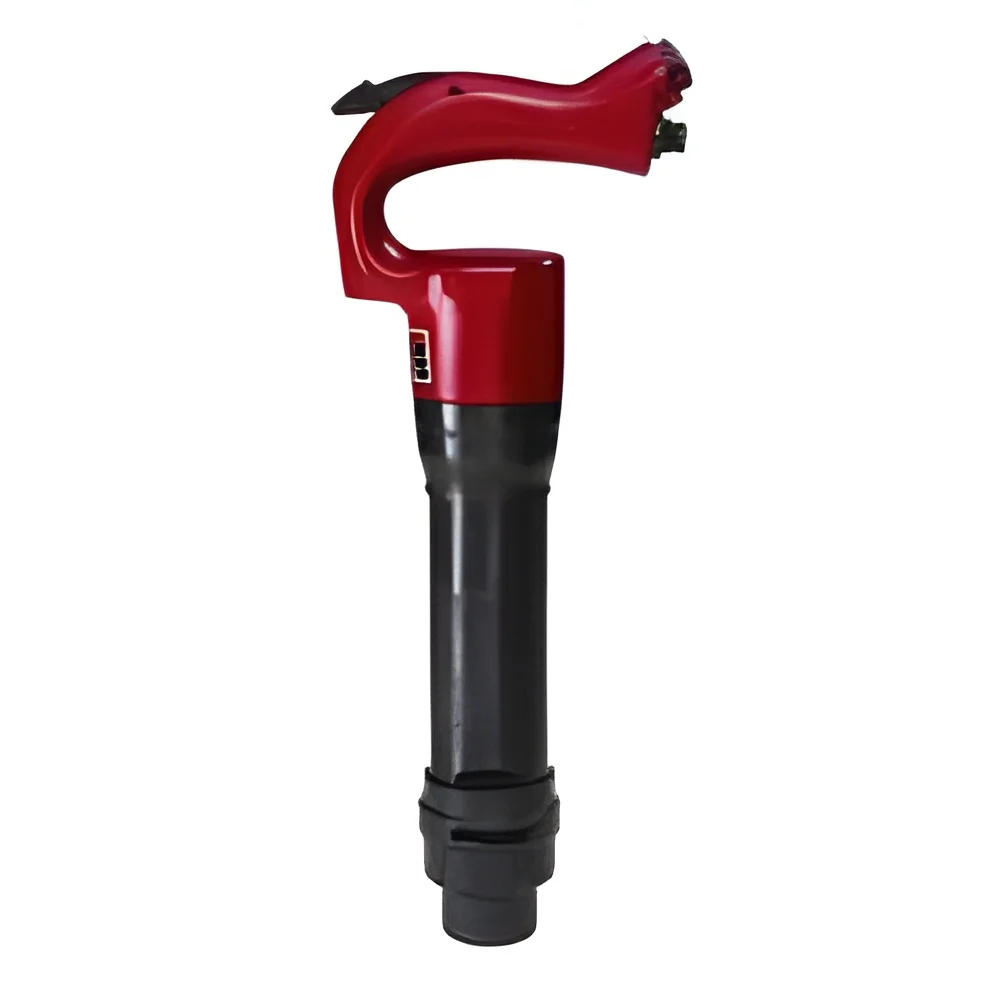
What are Straight Grinders?
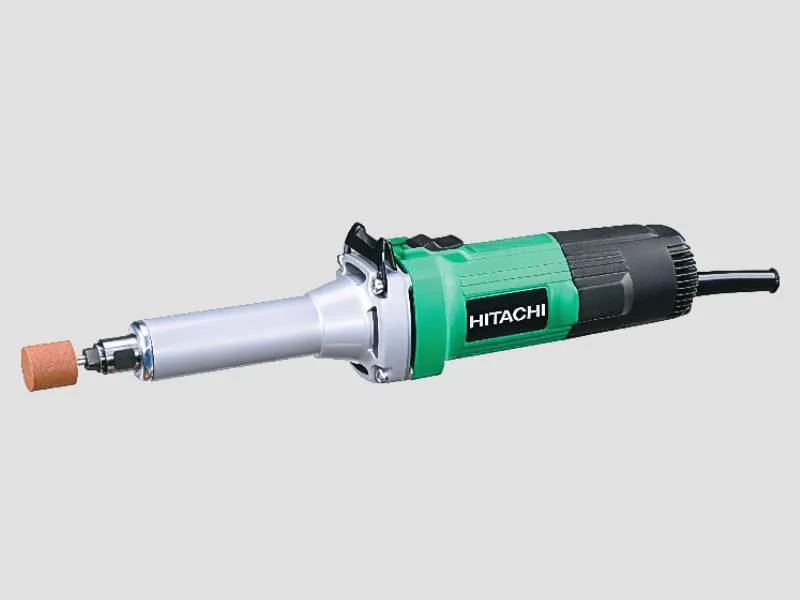
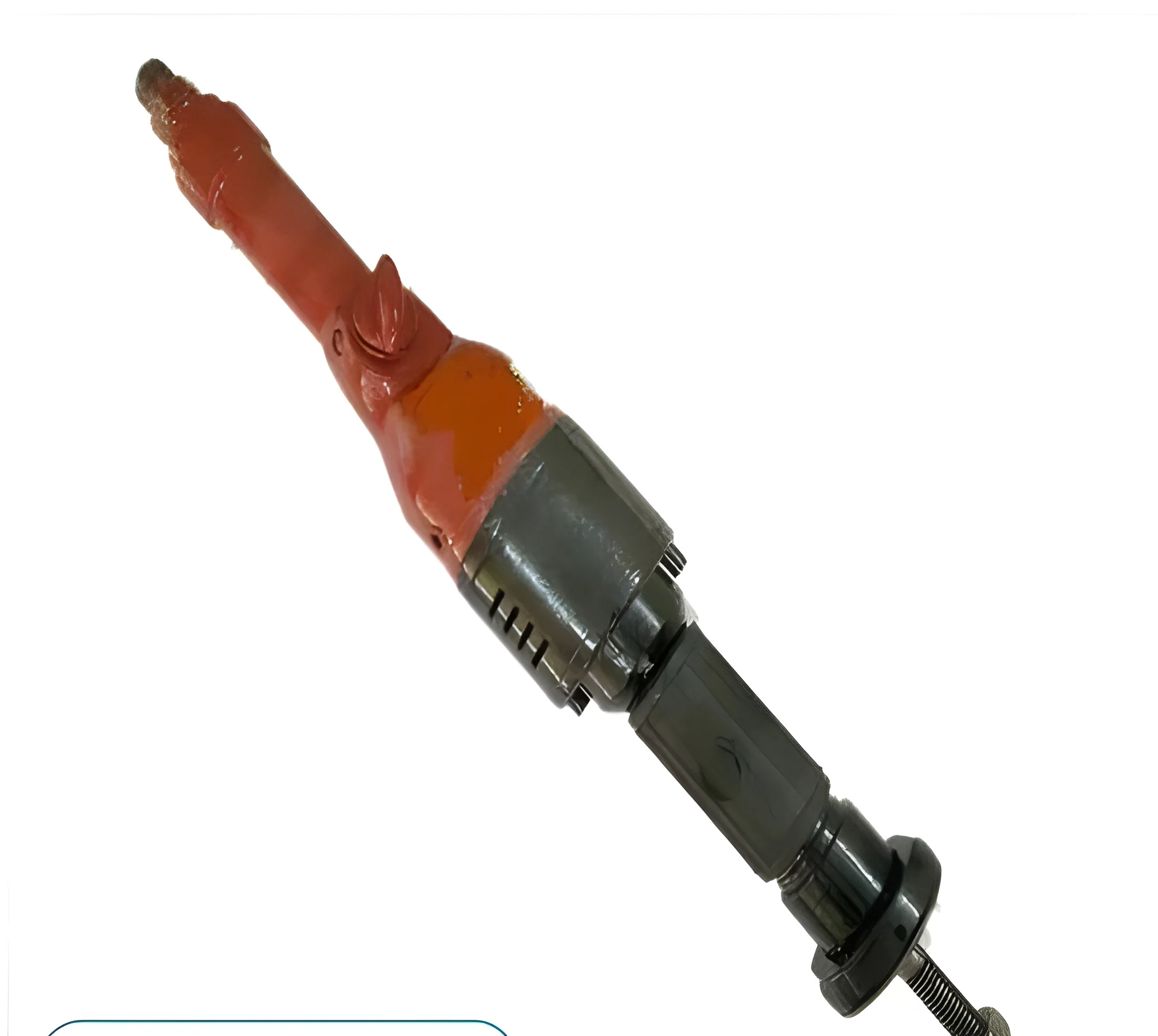
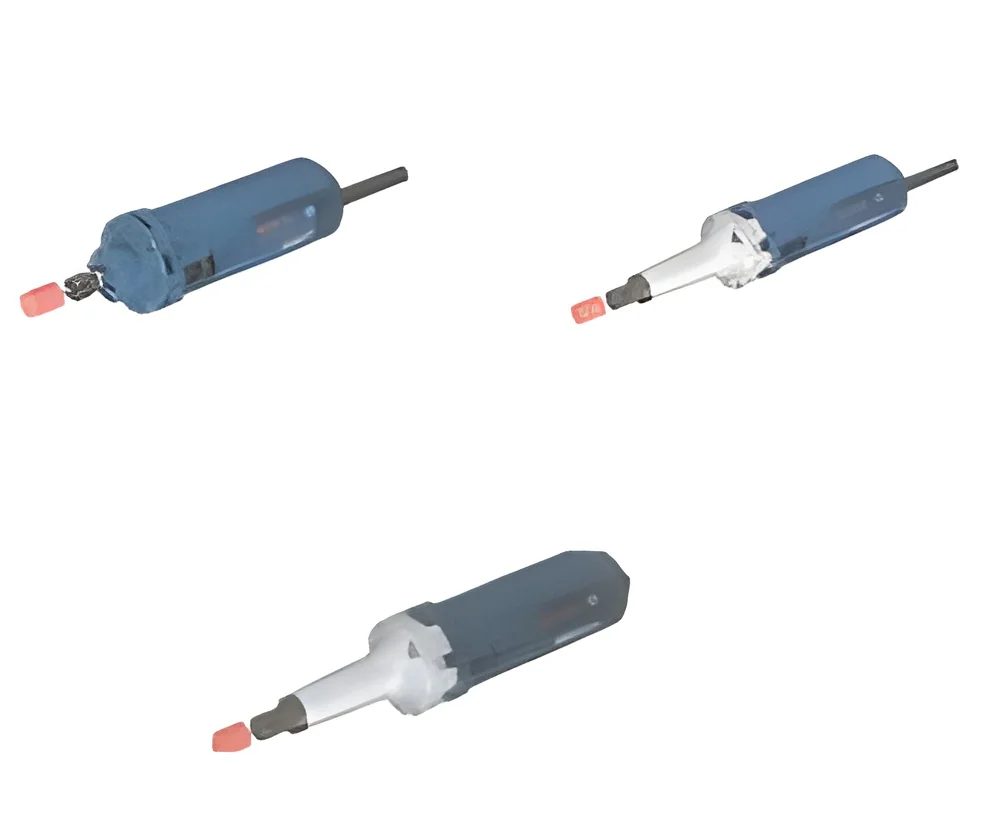
Straight grinders are versatile power tools commonly used in various industrial settings. They are designed for grinding, polishing, and sharpening tasks. These tools operate at high speeds and are equipped with a straight barrel type design, which allows for precision work in tight spaces. The user can attach different accessories, such as grinding wheels and sanding discs, making them suitable for a wide range of applications.
Straight grinders find extensive use in industries such as metalworking, automotive, and construction. They are ideal for smoothing sharp edges, removing excess material, and performing detailed polishing work on various surfaces. Due to their adaptability, these grinders can handle different materials, including metal, wood, and plastic. Their significance in manufacturing processes highlights their importance in maintaining productivity and quality standards.
In the current market, straight grinders are in high demand due to the increasing need for efficient and precise tools in various sectors. The advancement in technology has led to enhanced features and capabilities, making these grinders essential tools for professionals. As industries evolve, the necessity for reliable and effective tools continues to grow, positioning straight grinders as a critical component in modern manufacturing and construction operations.
Key Features and Specifications
Straight grinders come with several key features that enhance their performance and usability. Understanding these specifications is crucial for selecting the right tool for specific industrial applications.
Key specifications include:
1. Power Rating
- Typically ranges from 500 to 1500 watts, affecting performance and efficiency.
2. Speed
- Adjustable speed settings, usually between 10,000 to 30,000 RPM, allow for versatility in different tasks.
3. Collet Size
- Common collet sizes include 1/4 inch and 1/8 inch, determining the types of accessories that can be used.
4. Weight
- Weights vary, generally between 1.5 to 3 kg, impacting user comfort and handling.
5. Noise Level
- Operating noise levels typically range from 80 to 90 dB, which may require hearing protection during use.
6. Vibration Control
- Features may include anti-vibration systems to reduce user fatigue and improve precision.
7. Housing Material
- Often made from durable materials like aluminum or high-impact plastic, providing longevity and resistance to wear.
8. Safety Features
- Safety guards and automatic shut-off mechanisms enhance user protection during operation.
In summary, understanding these specifications helps buyers choose the right straight grinder for their specific needs, ensuring efficiency and effectiveness in their applications.
Common Applications and Use Cases
Straight grinders are integral tools in various industries, providing solutions for numerous applications.
1. Metalworking: In metal fabrication shops, straight grinders are utilized for deburring, finishing, and polishing metal surfaces, ensuring smooth edges and improved aesthetics.
2. Automotive: In automotive repair and manufacturing, these grinders are employed for tasks such as grinding down welds and preparing surfaces for painting or coating.
3. Construction: During construction projects, straight grinders aid in cutting and shaping materials like concrete and brick, making them valuable in building and renovation tasks.
4. Woodworking: In woodworking shops, straight grinders are used for sanding and finishing wood surfaces, ensuring high-quality craftsmanship in furniture and cabinetry.
5. Aerospace: In the aerospace industry, precision grinding is crucial for component fabrication and assembly, where straight grinders play a vital role in achieving stringent tolerances.
6. Electrical: Electricians use straight grinders for cable preparation and removing insulation from wires, helping improve efficiency and safety in installations.
7. Marine: In boat building and repair, straight grinders assist in shaping and finishing fiberglass and metal components, contributing to the durability and functionality of marine vessels.
Product Variants and Subcategories
Straight grinders offer a range of variants to meet diverse industrial needs. Each variant is designed to cater to specific applications and user preferences.
Electric Straight Grinders
These grinders are powered by electricity, providing consistent performance for heavy-duty tasks. They are popular in industries requiring continuous use, as their power supply eliminates downtime associated with battery changes.
Pneumatic Straight Grinders
Driven by compressed air, pneumatic grinders are lightweight and ideal for precision work. They are widely used in automotive and aerospace applications, where maneuverability and speed are essential.
Cordless Straight Grinders
These battery-operated models offer greater flexibility and portability. They are suitable for fieldwork where power outlets may not be readily available, making them a favorite among contractors and repair professionals.
Benefits and Advantages
Straight grinders present several advantages that enhance productivity and efficiency in various applications.
Key benefits include:
1. Versatility: With the ability to use different attachments, straight grinders can perform multiple tasks, reducing the need for multiple tools.
2. Precision: Their design allows for accurate grinding and polishing, essential for achieving high-quality finishes on various materials.
3. Portability: Many models are lightweight and easy to handle, making them convenient for use in various settings, including tight spaces.
4. Efficiency: High-speed operation enables quick material removal and surface preparation, improving overall workflow.
5. User Comfort: Ergonomic designs and features like vibration control reduce user fatigue, allowing for longer operational periods without discomfort.
6. Cost-Effectiveness: Investing in a straight grinder can reduce the need for additional tools, saving costs in the long run while maximizing productivity.
Buying Guide for B2B Buyers
When sourcing straight grinders, several factors should be considered to ensure the right choice for your business.
1. Quality Assessment: Evaluate the quality of the grinders by checking for reliable manufacturing standards and user reviews. Look for reputable brands that comply with industry standards to ensure durability and performance.
2. Supplier Verification: Vet suppliers thoroughly to confirm their reputation and reliability. This may include checking references, certifications, and previous customer feedback.
3. Pricing and MOQ: Understand the pricing structure and minimum order quantities (MOQ) set by suppliers. Compare different suppliers to ensure you receive competitive pricing without compromising quality.
4. Delivery and Lead Times: Discuss logistics with suppliers to determine lead times and delivery options. Timely delivery can significantly affect project schedules and operational efficiency.
5. Compliance Requirements: Be aware of any regulatory requirements or certifications needed for the grinders. Ensure that the products meet local and international compliance standards to avoid legal issues.
Compliance and Certifications
Compliance and certifications are crucial aspects of straight grinder procurement. These tools must meet various quality standards to ensure safety and performance.
Relevant quality standards, such as ISO 9001, demonstrate a commitment to quality management systems. Adhering to these standards ensures that manufacturers maintain consistent quality throughout their production processes.
Industry certifications, including CE marking, indicate that products comply with European health, safety, and environmental protection standards. This certification is essential for businesses operating within the European market.
In addition, safety and testing requirements must be met to ensure that the tools are safe for user operation. Regular testing for functionality and safety can help prevent workplace accidents.
Regional compliance considerations may vary, so it is vital for businesses to understand local regulations related to tool usage and safety standards. Ensuring compliance can help avoid legal complications and enhance workplace safety.
Why Source Straight Grinders from Pepagora?
Pepagora serves as a trusted platform for sourcing straight grinders, offering several advantages for industrial buyers.
Verified Supplier Network: Pepagora connects buyers with a network of verified suppliers. This verification process ensures that suppliers meet industry standards and provide high-quality products.
Streamlined RFQ Process: The request for quotation (RFQ) process on Pepagora simplifies sourcing. Buyers can easily compare quotes from multiple suppliers, making it easier to find the best deals.
Trade Assurance and Support: Pepagora offers trade assurance, protecting buyers throughout the transaction process. This support includes assistance with disputes and ensuring that products meet specified requirements.
Regional Coverage: With a focus on markets in India, the GCC, and Southeast Asia, Pepagora provides extensive regional coverage. This geographic reach enables buyers to access local suppliers while benefiting from competitive pricing and quick delivery options.
Through these advantages, Pepagora facilitates a smooth and reliable sourcing experience for businesses seeking high-quality straight grinders.

 IN
IN

 India
India