What are Cut-Off Machines?
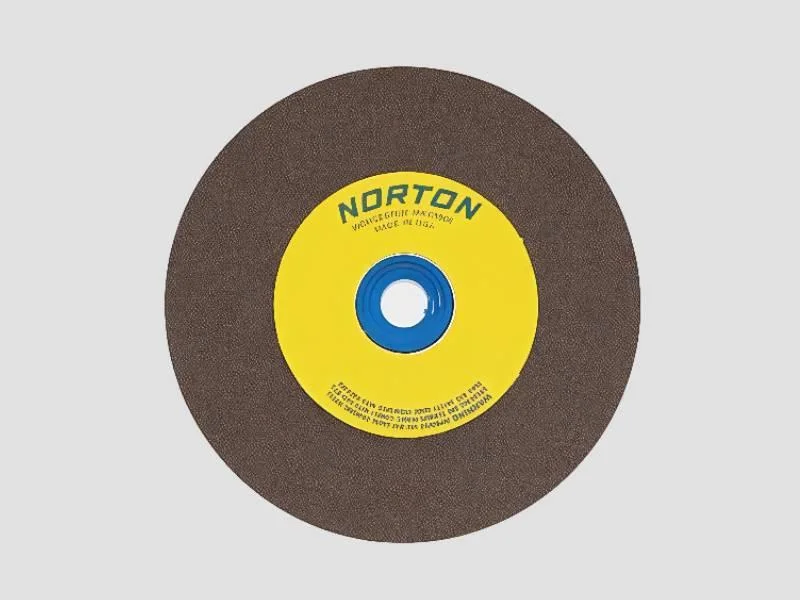
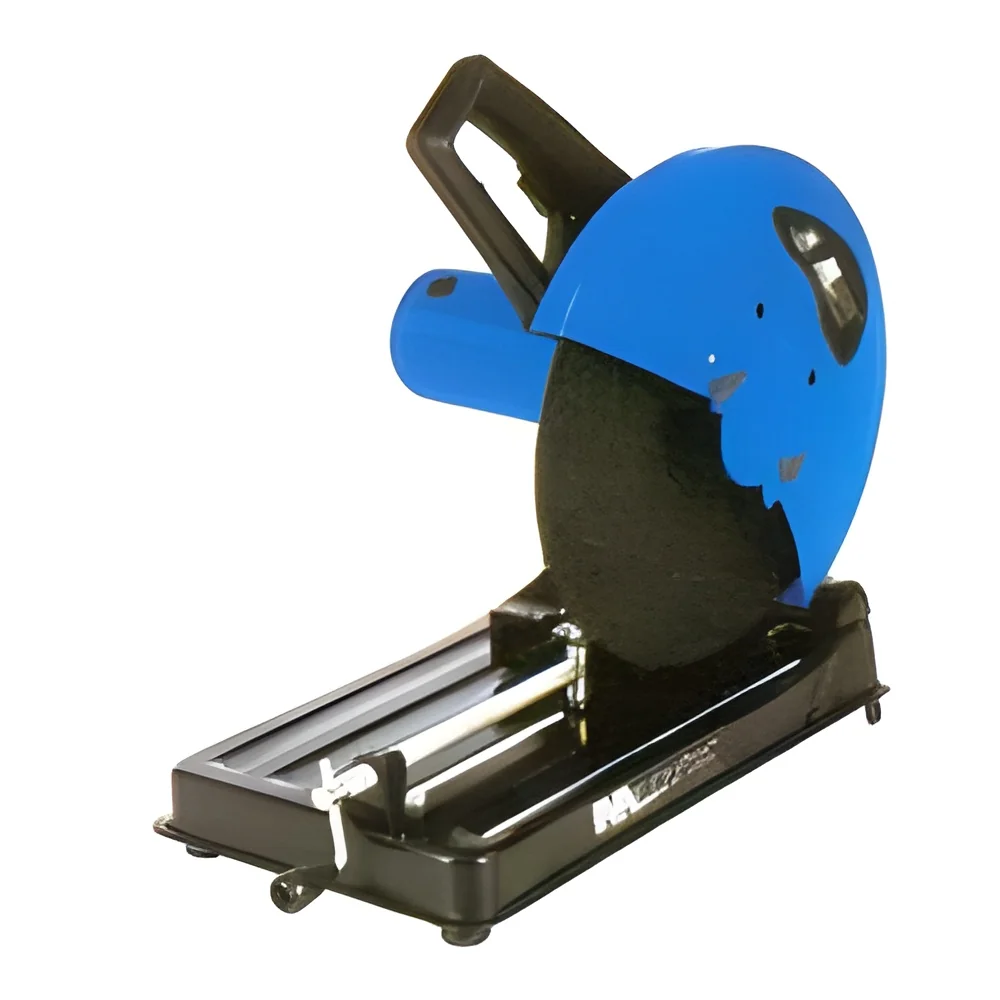
Cut-off machines are specialized tools designed for cutting through various materials with precision and efficiency. These machines utilize abrasive blades or discs to slice through hard materials such as metal, concrete, and masonry. The operation typically involves high-speed rotation, enabling the blades to penetrate tough surfaces. Cut-off machines come in various sizes and configurations, catering to different operational needs across industries.
In terms of applications, cut-off machines are widely used in the construction, manufacturing, and metalworking sectors. They are essential for tasks such as pipe cutting, concrete cutting, and metal fabrication. Businesses leverage these machines for both heavy-duty tasks and smaller projects, ensuring high-quality cuts while minimizing waste. The demand for cut-off machines has been consistent due to ongoing infrastructure developments and advancements in manufacturing processes.
The industrial relevance of cut-off machines is significant, given their role in enhancing productivity and ensuring operational efficiency. As industries continue to evolve, the market for cut-off machines is projected to grow, driven by innovations in technology and increasing demands for precision tools. Businesses that invest in high-quality cut-off machines can benefit from improved workflow and output quality.
Key Features and Specifications
Cut-off machines are designed with a range of features that enhance their performance and usability. These features can vary based on specific applications and industry requirements. Understanding the technical specifications is crucial for selecting the right machine for your needs.
Key specifications include:
1. Power Rating
- Typically ranging from 1.5 kW to 5.5 kW.
- Determines the machine's capability and operational efficiency.
2. Blade Diameter
- Commonly varies between 12 inches to 14 inches.
- Larger blades allow for deeper cuts in thicker materials.
3. Cutting Capacity
- Varies depending on the material; for instance, up to 6 inches for steel.
- Essential for determining the range of applications.
4. Weight
- Machines can weigh from 20 kg to 60 kg.
- Heavier machines often provide more stability during operation.
5. Speed
- Generally operates at speeds of 3,000 to 6,000 RPM.
- Higher speeds result in more efficient cutting.
6. Cooling System
- Some machines include built-in cooling features.
- Helps prevent overheating during extended use.
7. Safety Features
- Includes blade guards and emergency stop buttons.
- Important for operator safety and compliance with regulations.
8. Portability
- Many models are designed to be lightweight and portable.
- Facilitates easy movement between job sites.
In summary, understanding the features and specifications of cut-off machines is essential for making informed purchasing decisions. These specifications directly impact performance, efficiency, and safety during operations.
Common Applications and Use Cases
Cut-off machines are versatile tools used across various industries, each with specific applications.
1. Construction: In construction, cut-off machines are employed for cutting concrete, bricks, and tiles. They are essential for renovations and new constructions, allowing for precise cuts in hard materials.
2. Metalworking: Metal fabrication shops utilize cut-off machines for cutting metal pipes, sheets, and profiles. This ensures clean edges and accurate dimensions, critical for assembling components.
3. Plumbing: In plumbing, these machines are used to cut pipes quickly and efficiently. This is vital for installing new systems or repairing existing ones.
4. Roadwork: Road construction teams use cut-off machines to cut asphalt and concrete for repairs or modifications. This aids in maintaining road integrity and safety.
5. Demolition: During demolition projects, cut-off machines help remove structures by cutting through beams and supports. They allow for controlled demolition with minimal collateral damage.
6. Manufacturing: In manufacturing settings, cut-off machines are used for slicing materials to size before further processing. This step is crucial for ensuring accuracy in production.
7. Landscaping: Landscapers may use cut-off machines for cutting stone or concrete pavers. This facilitates the creation of aesthetically pleasing outdoor spaces.
Product Variants and Subcategories
Cut-off machines come in a variety of models, each tailored to specific cutting needs. This diversity allows users to choose a machine that best fits their operational requirements.
Electric Cut-Off Machines: These machines are powered by electricity and are ideal for indoor use. They offer consistent performance and are usually lighter than their gas-powered counterparts.
Gas-Powered Cut-Off Machines: Suitable for outdoor applications, gas-powered machines provide greater mobility and are effective for heavy-duty tasks. They are often preferred for construction and demolition projects.
Handheld Cut-Off Machines: These portable machines are designed for quick, on-the-spot cuts. They are ideal for smaller jobs and are easy to maneuver in tight spaces.
Table Cut-Off Machines: These stationary machines are used in workshops for precise cuts. They provide stability and accuracy, making them suitable for high-volume cutting tasks.
Benefits and Advantages
Investing in cut-off machines offers several advantages for businesses.
1. Increased Efficiency: Cut-off machines significantly enhance cutting speed compared to manual methods, allowing for faster project completion.
2. Precision Cuts: These machines provide consistent and accurate cuts, reducing material waste and improving overall quality.
3. Improved Safety: Modern cut-off machines come with advanced safety features, minimizing the risk of accidents and injuries during operation.
4. Versatility: With various models available, cut-off machines can be used across multiple industries and applications, making them a valuable addition to any operation.
5. Reduced Labor Costs: Automating cutting tasks can lower labor costs by decreasing the time required for manual cutting and allowing workers to focus on more complex tasks.
6. Durability: Quality cut-off machines are built to withstand heavy use, ensuring longevity and reliability in demanding environments.
Buying Guide for B2B Buyers
When considering a purchase of cut-off machines, it is important to evaluate specific factors to ensure you make the right choice.
1. Quality Assessment: Look for machines with reputable brand names and positive reviews. Check for warranties and service agreements to ensure long-term support.
2. Supplier Verification: Vet suppliers by checking their credentials, certifications, and customer feedback. This helps ensure that you are dealing with a reliable partner.
3. Pricing and MOQ: Understand the pricing structure and minimum order quantities. Compare prices across different suppliers while considering the value offered.
4. Delivery and Lead Times: Inquire about delivery schedules and lead times to ensure that the machines arrive when needed. Delays can impact project timelines.
5. Compliance Requirements: Ensure that the machines meet industry standards and regulations. This may include safety certifications and environmental compliance.
Compliance and Certifications
Cut-off machines must adhere to several quality standards and certifications to ensure safety and performance. Relevant quality standards include ISO 9001, which outlines requirements for quality management systems, ensuring that products meet customer and regulatory requirements.
Industry certifications, such as CE marking, indicate compliance with safety standards within the European market. This certification assures buyers that the product meets strict safety and environmental protection requirements.
Safety and testing requirements are critical in ensuring that cut-off machines operate safely and effectively. Regular inspections and compliance checks should be conducted to maintain operational standards. Additionally, regional compliance considerations may vary, so it is essential to understand local regulations concerning equipment use.
Why Source Cut-Off Machines from Pepagora?
Pepagora offers a trusted platform for sourcing cut-off machines, featuring several key advantages for B2B buyers.
Verified Supplier Network: Pepagora connects you with a network of verified suppliers, ensuring that you can source high-quality cut-off machines from reputable manufacturers. This network helps eliminate the risks associated with unverified suppliers.
Streamlined RFQ Process: The request for quotation process on Pepagora is designed to be user-friendly, enabling buyers to easily request and compare quotes from multiple suppliers. This transparency fosters competitive pricing and informed purchasing decisions.
Trade Assurance and Support: Buyers are protected through trade assurance programs that provide peace of mind throughout the purchasing process. This support includes assistance with disputes and ensuring that products meet agreed-upon specifications.
Regional Coverage: Pepagora's geographic reach spans India, the GCC, and Southeast Asia. This extensive coverage allows buyers to access a wide range of products and suppliers, facilitating smoother procurement processes across different regions.

 IN
IN