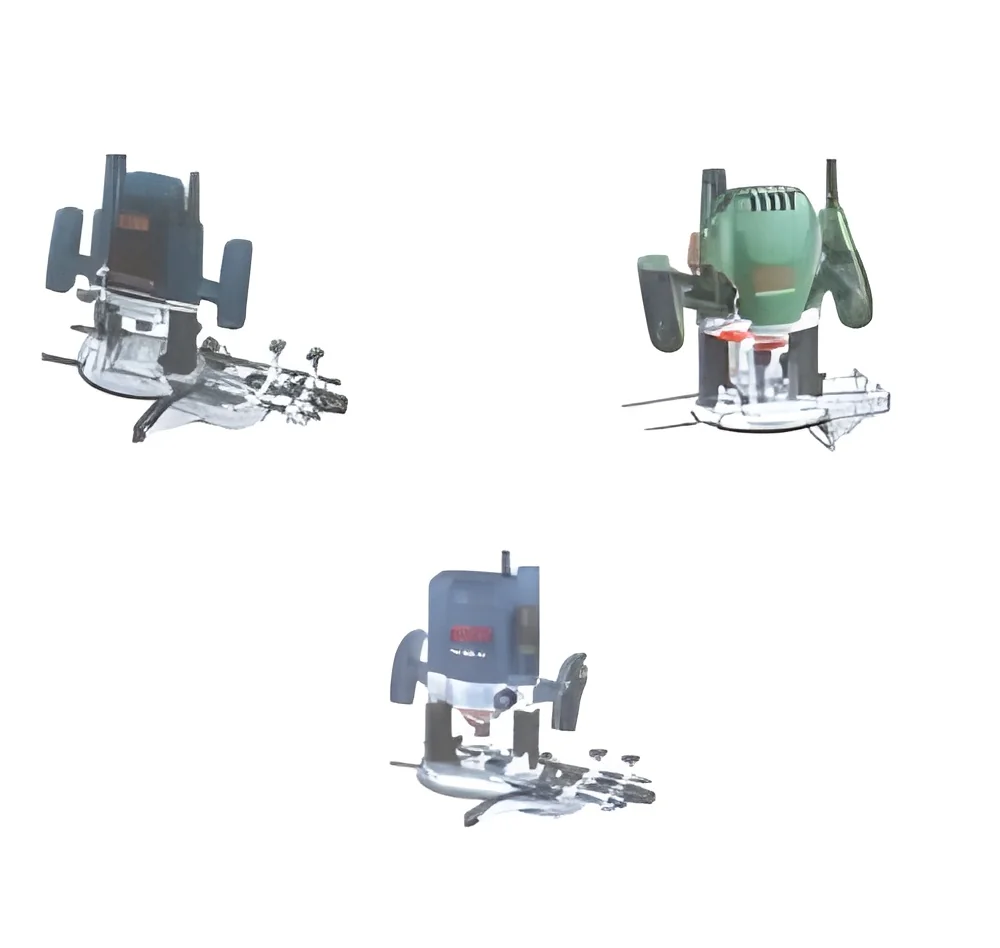
What are Wood Routers?
Wood routers are versatile power tools designed to hollow out an area in a piece of wood. They are commonly used in woodworking to create decorative edges, joinery, and other detailed designs. Wood routers can be handheld or mounted on a router table, allowing for a range of applications in both professional and hobbyist woodworking.
The primary uses of wood routers include shaping, trimming, and hollowing wood. They are crucial for tasks such as making inlays, grooves, and decorative moldings. In a business context, wood routers are essential for furniture manufacturers, cabinet makers, and other woodworkers who require precision and efficiency in their projects. The wood router market has seen growth due to an increase in DIY projects and a rise in the furniture industry, making them relevant tools in the current market landscape.
Key Features and Specifications
Wood routers come with a variety of features and specifications tailored to different woodworking needs. Understanding these specifications is crucial for making informed purchasing decisions.
Key specifications include:
1. Motor Power
- Typically ranges from 1 to 3 horsepower
- Determines the tool’s ability to handle different materials
2. Speed Control
- Adjustable speeds from 8,000 to 25,000 RPM
- Allows for various applications and material types
3. Collet Size
- Available in 1/4 inch and 1/2 inch sizes
- Affects the type of bits that can be used
4. Base Type
- Fixed base and plunge base options
- Fixed base is stable for edge work, plunge base allows for depth adjustments
5. Weight
- Generally ranges from 5 to 15 pounds
- Affects portability and ease of use
6. Dust Collection
- Integrated dust ports for cleaner workspaces
- Helps maintain visibility and safety while working
7. Safety Features
- Includes overload protection and ergonomic grips
- Enhances user safety during operation
In summary, understanding these features can help buyers choose the right wood router for their specific applications.
Common Applications and Use Cases
Wood routers are utilized across various industries due to their versatility and efficiency.
1. Furniture Manufacturing: Wood routers are used to create intricate designs and joinery for tables, chairs, and cabinets. Their precision allows for high-quality finishes.
2. Cabinet Making: They help in shaping and trimming edges, making detailed cuts for cabinet doors and frames, essential for both aesthetics and functionality.
3. Craftsmanship: Artisans use wood routers for decorative purposes, such as engraving and sign making, allowing for creativity and personalization in their projects.
4. Construction: In building projects, wood routers can create grooves for wiring or plumbing, ensuring a neat and professional finish.
5. DIY Projects: Hobbyists often use wood routers for home improvement tasks, allowing them to create custom furniture and decorative elements.
Product Variants and Subcategories
Wood routers come in various types, each designed for specific tasks and user preferences.
Plunge Router: This variant allows for depth adjustments while cutting, making it ideal for creating cavities and inset details. It is favored for its versatility in handling various woodworking tasks.
Fixed Base Router: Known for its stability, this type is perfect for edge work and is often used in conjunction with router tables. It provides consistent results for shaping and trimming.
Compact Router: Smaller and lightweight, compact routers are ideal for detailed work and are favored by hobbyists for their ease of use and portability.
Benefits and Advantages
Wood routers offer numerous benefits that make them indispensable in woodworking.
1. Precision: Wood routers provide high levels of accuracy, ensuring clean and detailed cuts.
2. Versatility: These tools can handle a variety of tasks, from simple edge shaping to complex joinery, making them suitable for many applications.
3. Efficiency: Wood routers speed up the woodworking process, allowing users to complete projects in less time.
4. Customization: With various bits and attachments available, wood routers can be tailored for specific tasks, enhancing their utility.
5. Improved Safety: Modern wood routers come with built-in safety features that protect users during operation.
6. Cost-Effectiveness: Investing in a wood router can lead to savings over time by reducing labor costs and increasing productivity.
Buying Guide for B2B Buyers
When sourcing wood routers, there are several essential factors to consider to ensure you make the right choice.
1. Quality Assessment: Evaluate the build quality and materials used in the router. Look for tools that comply with industry standards to ensure longevity and reliability.
2. Supplier Verification: Vet potential suppliers by checking their reputation, customer reviews, and product certifications. Reliable suppliers are crucial for consistent quality.
3. Pricing and MOQ: Understand the pricing structure and minimum order quantities. This helps in budgeting and planning for your procurement needs.
4. Delivery and Lead Times: Inquire about delivery options and lead times to ensure timely receipt of products. Reliable logistics can significantly affect project timelines.
5. Compliance Requirements: Be aware of any regulatory standards that apply to wood routers in your region. Compliance with safety and quality standards is essential for operational integrity.
Compliance and Certifications
Wood routers must adhere to several quality standards and certifications to ensure safety and reliability.
Relevant quality standards include ISO 9001, which focuses on quality management systems. Compliance with these standards indicates that the product meets international quality benchmarks.
Industry certifications such as CE mark demonstrate that the product meets European health, safety, and environmental protection standards. This is crucial for products sold in the European market.
Safety and testing requirements are also vital, as wood routers must be tested for durability and performance under various conditions. Regional compliance considerations may vary, so it is essential to understand and meet local regulations to ensure proper usage and safety.
Why Source Wood Routers from Pepagora?
Pepagora provides a trusted platform for sourcing wood routers with several key advantages.
Verified Supplier Network: Pepagora connects buyers with verified suppliers, ensuring that products meet high standards of quality and reliability. This network fosters trust between buyers and suppliers.
Streamlined RFQ Process: The request for quotation process on Pepagora is designed to be efficient and user-friendly. This allows buyers to receive competitive pricing and make informed decisions quickly.
Trade Assurance and Support: Pepagora offers trade assurance, protecting buyers from potential risks associated with procurement. Their support team is available to assist with any inquiries or issues that may arise.
Regional Coverage: With a geographic reach that includes India, the GCC, and Southeast Asia, Pepagora ensures that buyers can access wood routers and other industrial products in their relevant markets, enhancing convenience and availability.

 IN
IN