
 IN
Angle Grinders
15 products available
What are Angle Grinders?
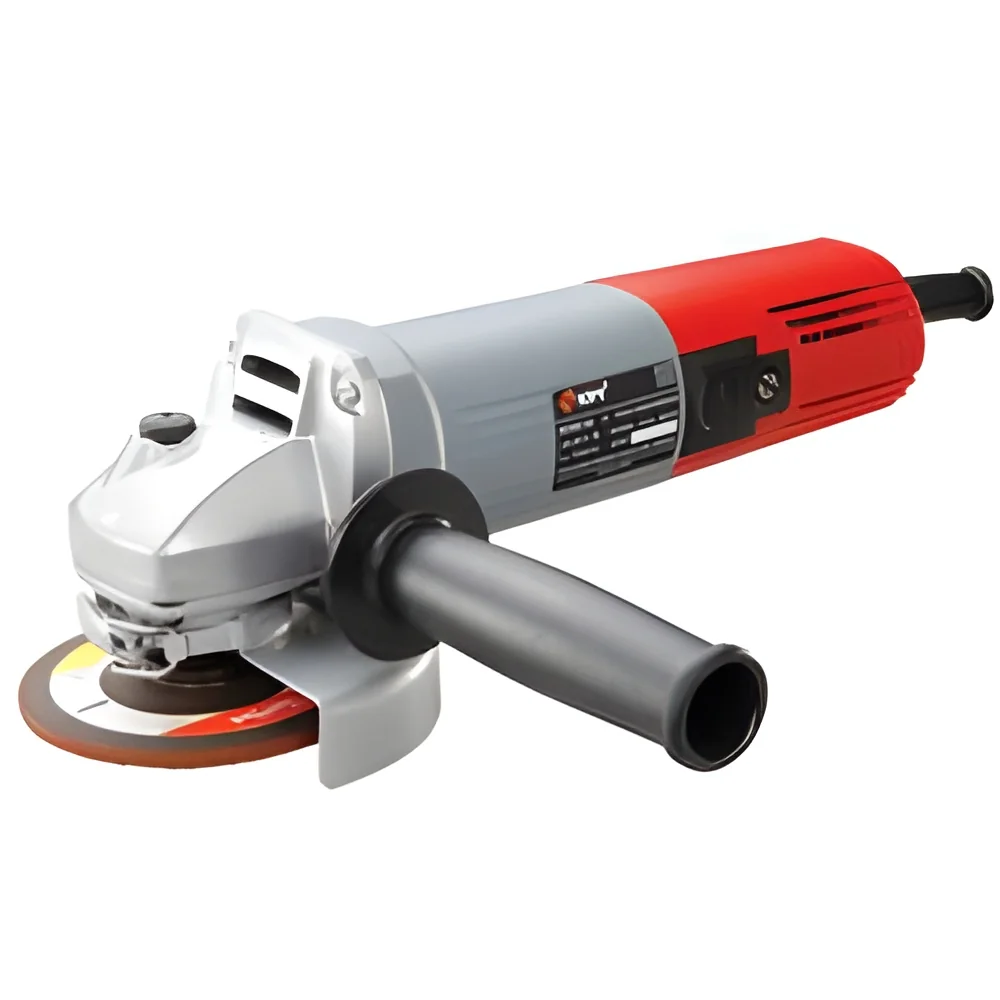
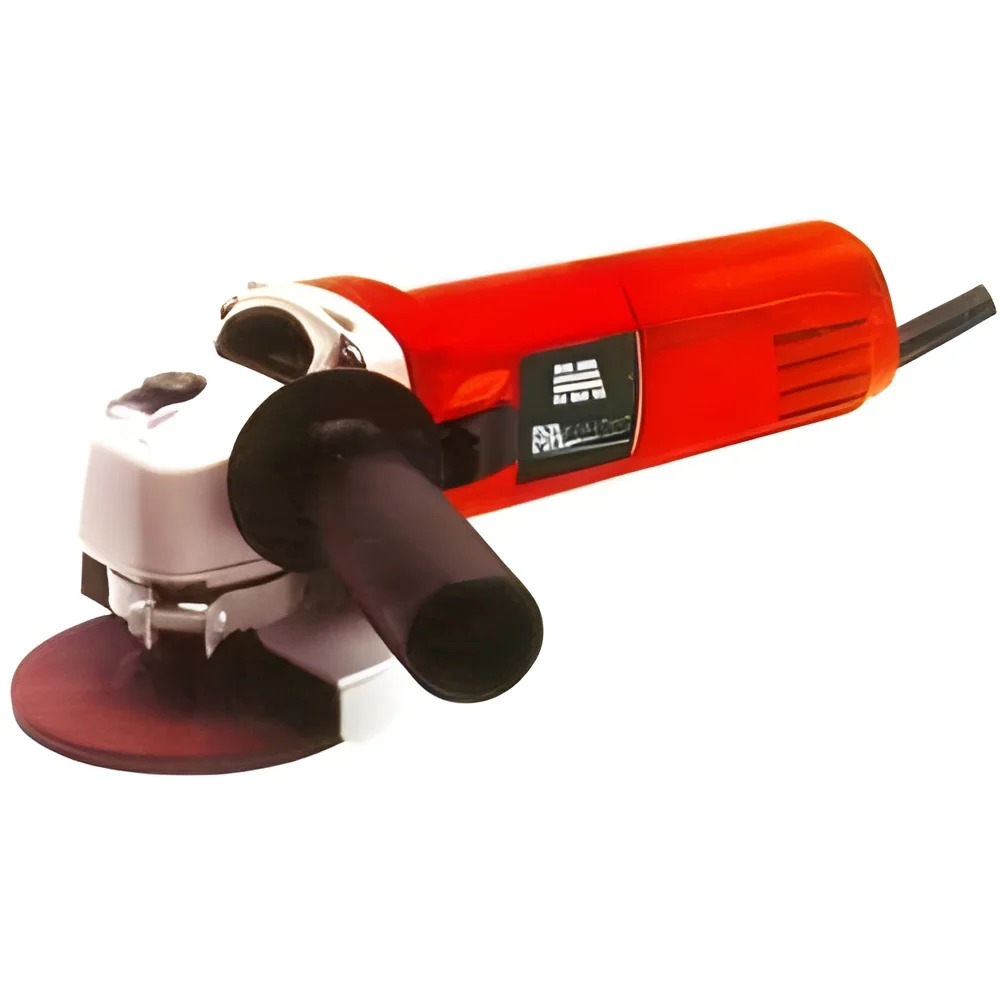
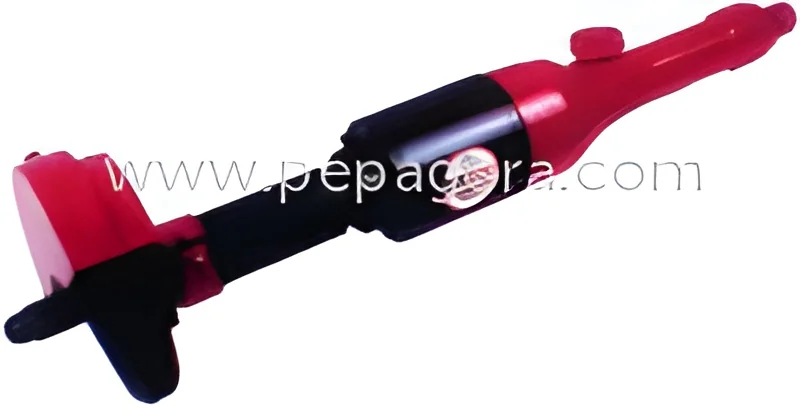
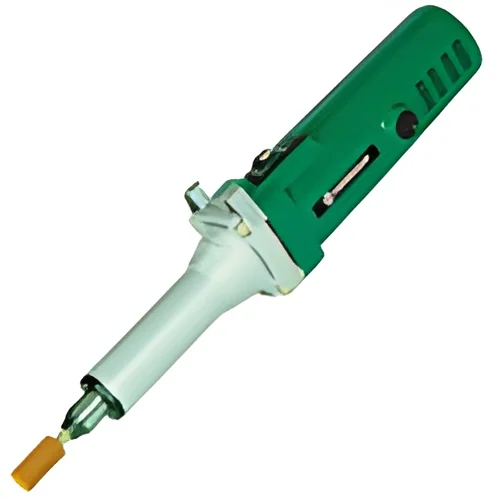
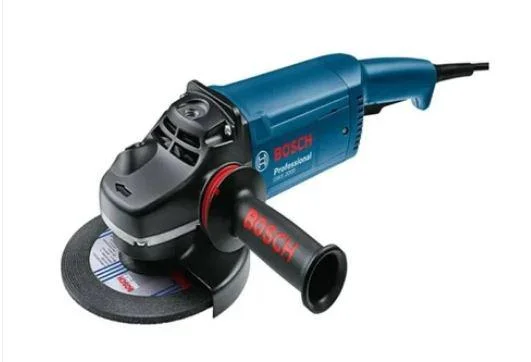
Angle grinders are versatile power tools designed for cutting, grinding, and polishing various materials. They typically feature a rotating disc that can be equipped with different attachments, allowing them to perform a wide range of tasks. These tools are powered by either electricity or compressed air, making them suitable for both professional and industrial applications.
The primary uses of angle grinders include metalworking, masonry, and woodworking. They are effective in tasks such as removing excess material, smoothing surfaces, and cutting through tough materials like metal and stone. Businesses in construction, manufacturing, and automotive sectors frequently utilize angle grinders for their efficiency and capability to handle various materials, making them essential tools in these industries.
In the current market, angle grinders are crucial for enhancing productivity and ensuring precision in various applications. The demand for these tools is supported by the growing construction and manufacturing sectors, where efficiency and safety are paramount. As a result, angle grinders continue to evolve, featuring advanced safety mechanisms and improved ergonomics to accommodate professional users.
Key Features and Specifications
Angle grinders come with several key features that enhance their performance and user experience. Understanding these specifications can aid businesses in selecting the right tool for their specific needs.
Key specifications include:
1. Motor Power
- Typically ranges from 500 watts to 2,500 watts.
- Higher wattage provides more power for heavy-duty tasks.
2. Disc Size
- Common sizes include 115mm, 125mm, and 230mm.
- Larger discs are suitable for more extensive and tougher materials.
3. RPM (Revolutions Per Minute)
- Standard RPM ranges from 5,000 to 12,000.
- Higher RPM allows for quicker material removal.
4. Weight
- Weights generally range from 1.5 kg to 5 kg.
- Lighter models enhance maneuverability, while heavier models offer stability.
5. Safety Features
- Includes guards, anti-vibration handles, and automatic shut-off systems.
- Essential for protecting users during operation.
6. Power Source
- Available in corded and cordless options.
- Cordless models provide flexibility in movement, while corded models offer continuous power.
7. Speed Control
- Some models come with adjustable speed settings.
- Allows users to tailor the speed to the material being worked on.
8. Ergonomics
- Features such as soft grips and adjustable handles for comfort.
- Important for prolonged use to reduce fatigue.
These specifications collectively ensure that angle grinders are efficient, safe, and adaptable to various applications.
Common Applications and Use Cases
Angle grinders are employed across multiple industries for their versatility and effectiveness.
1. Construction: In the construction industry, angle grinders are frequently used for cutting tiles, concrete, and metal beams, making them vital for structural work.
2. Metalworking: Metal fabricators use angle grinders to grind, cut, and polish metal surfaces, ensuring precision in manufacturing processes.
3. Automotive: In automotive repair and maintenance, angle grinders assist in cutting exhaust pipes, removing rust, and preparing surfaces for welding.
4. Woodworking: Woodworkers utilize angle grinders for sanding and shaping wood, providing smooth finishes on various projects.
5. Electrical: Electricians often use angle grinders for cutting conduit and metal enclosures, enhancing their efficiency in completing installations.
6. Scaffolding: In scaffold assembly and disassembly, angle grinders are used to cut metal tubes and fittings, ensuring quick and safe operations.
7. DIY Projects: For home improvement enthusiasts, angle grinders serve as essential tools for a range of DIY projects, from metal art to home renovations.
Product Variants and Subcategories
Angle grinders are available in various configurations to meet different user needs.
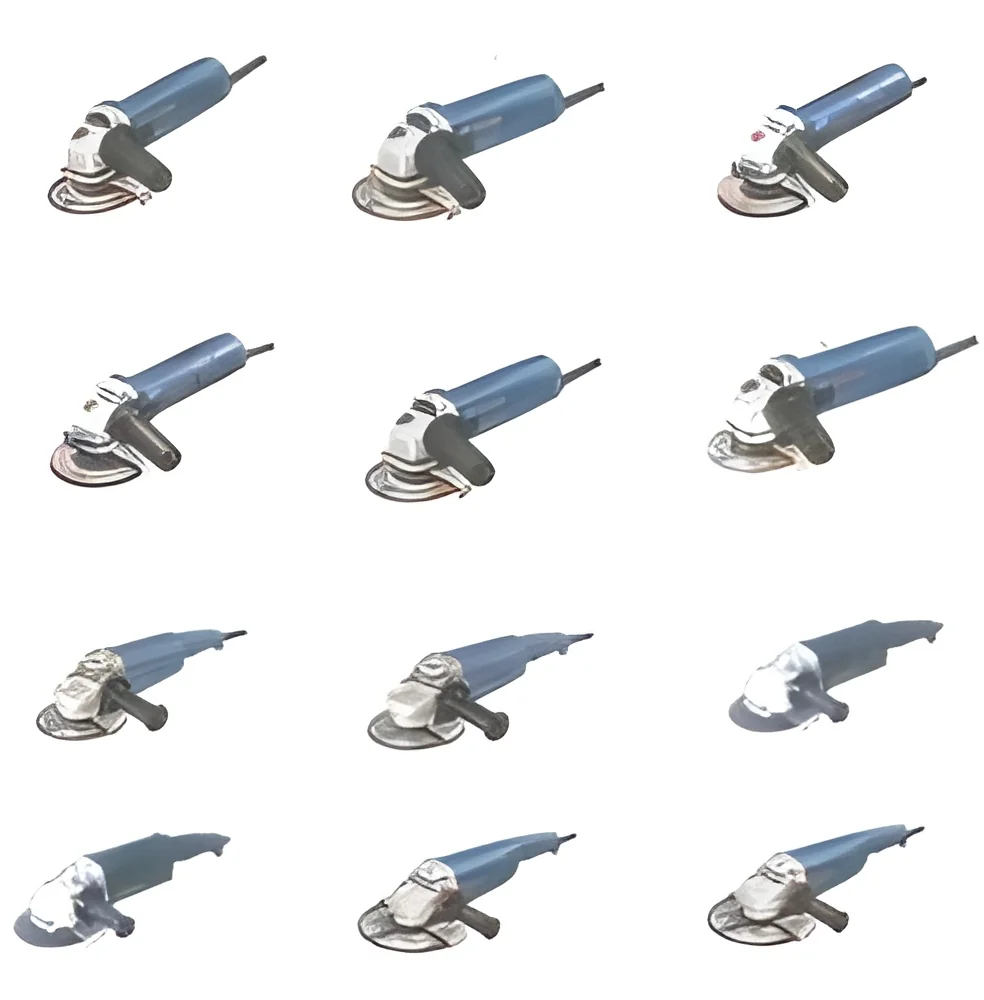
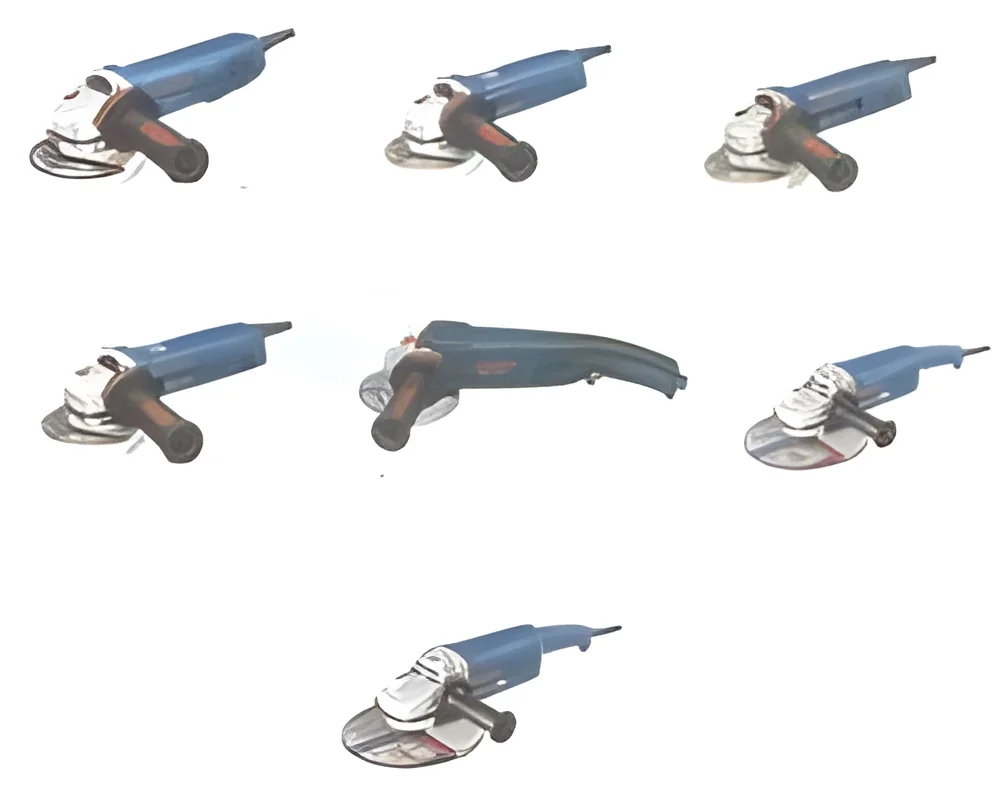
Compact Angle Grinders
These smaller models are designed for light-duty tasks and are ideal for tight spaces. They provide excellent maneuverability and are perfect for home and DIY applications.
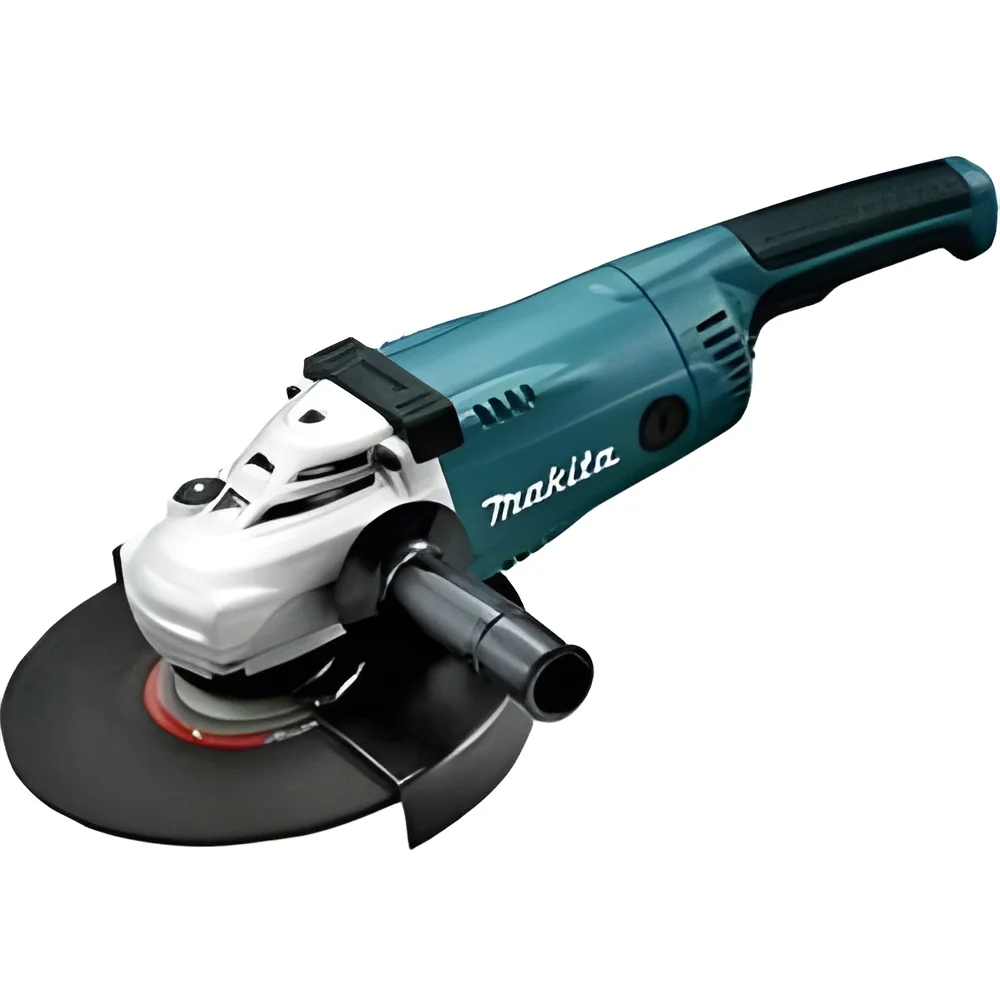
Heavy-Duty Angle Grinders
Engineered for industrial use, these grinders feature high wattage and larger discs. They are suitable for extensive metalworking and construction tasks, capable of handling tough materials.
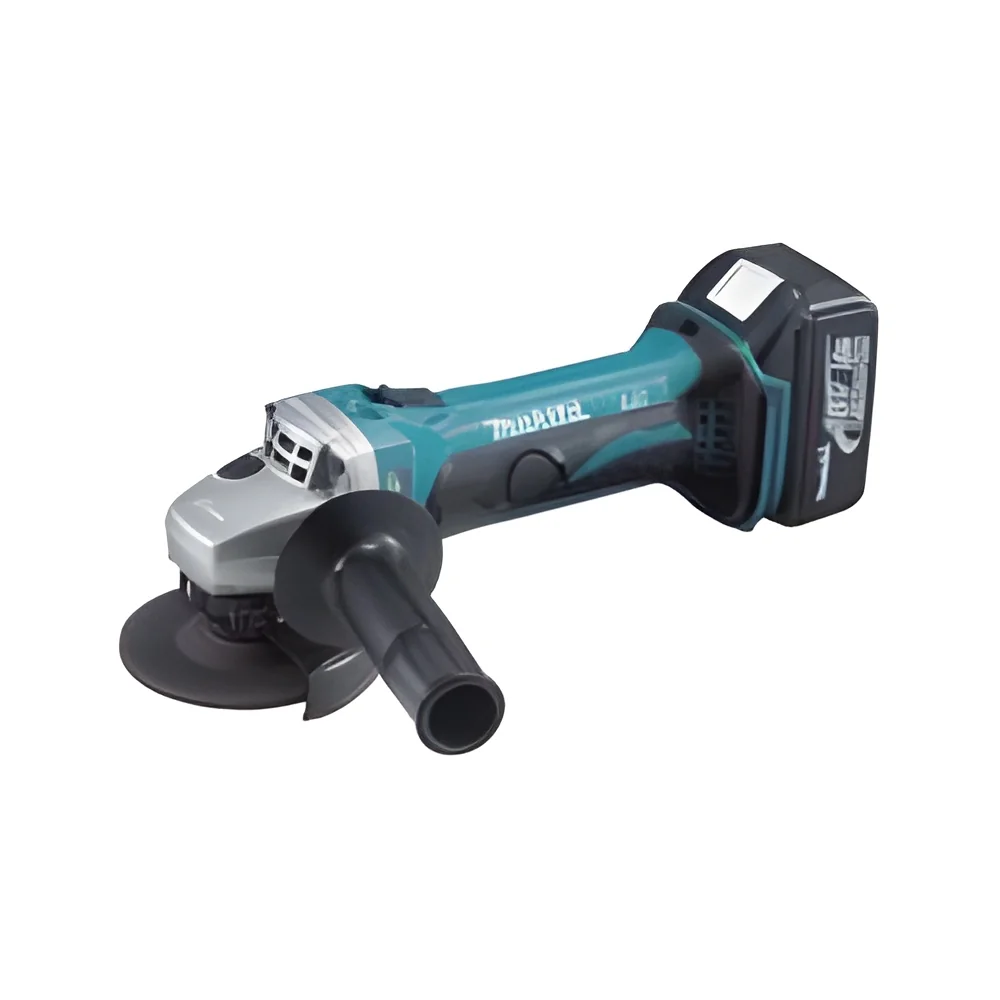
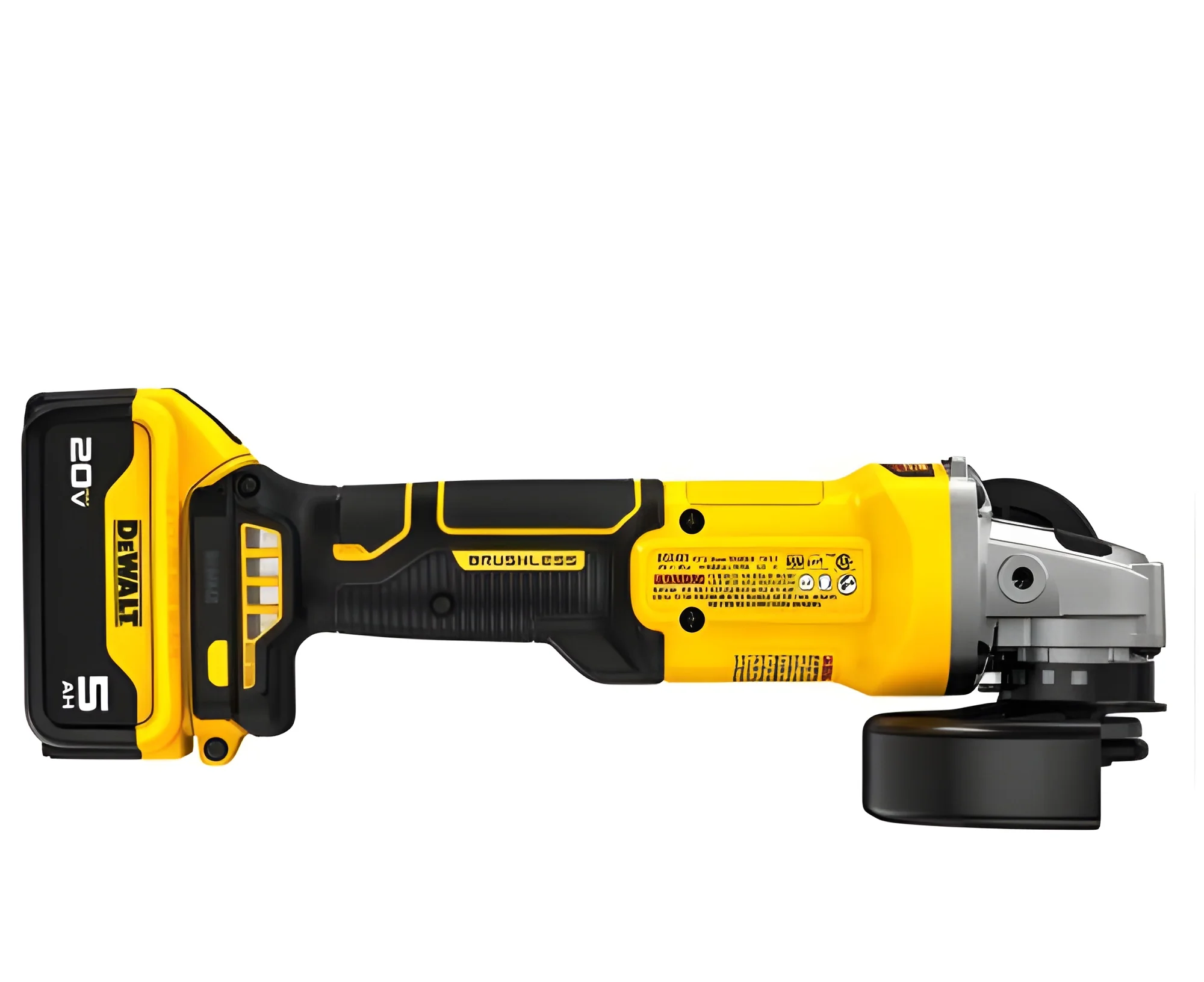
Cordless Angle Grinders
These battery-operated models offer portability and convenience without the hassle of cords. They are ideal for outdoor work and remote locations where power supply may be limited.
Professional Angle Grinders
Targeted at professionals, these grinders include advanced features such as variable speed controls and enhanced safety mechanisms for rigorous work environments.
Benefits and Advantages
Investing in angle grinders offers numerous benefits for businesses.
1. Versatility: Angle grinders can tackle a variety of tasks, from cutting to grinding, making them a multi-functional tool for different applications.
2. Efficiency: With high RPM capabilities and powerful motors, angle grinders enable quick material removal, significantly improving productivity.
3. Cost-Effectiveness: Their durability and ability to perform multiple functions reduce the need for additional tools, resulting in cost savings for businesses.
4. Ease of Use: Modern designs often include ergonomic features that enhance user comfort, allowing for extended periods of operation without fatigue.
5. Enhanced Precision: High-quality angle grinders provide excellent control and precision, ensuring better results in both professional and DIY projects.
6. Safety Features: Many models come with built-in safety features that reduce the risk of accidents, making them safer for use in various environments.
Buying Guide for B2B Buyers
When sourcing angle grinders, it is essential to consider several factors to ensure the best purchase.
1. Quality Assessment: Evaluate the build quality and materials used in the grinder. Look for models with a proven track record of durability and reliability in industrial settings.
2. Supplier Verification: Vet suppliers thoroughly by checking their reputation, customer reviews, and history in the market. This helps ensure you are sourcing from a trusted provider.
3. Pricing and MOQ: Understand the price range for different models and consider the minimum order quantity (MOQ) required. This can vary widely based on the supplier and product specifications.
4. Delivery and Lead Times: Discuss logistics and lead times with suppliers to ensure timely delivery. This is critical for maintaining project schedules.
5. Compliance Requirements: Ensure that the product meets relevant industry standards and certifications, such as CE, to guarantee safety and quality.
Compliance and Certifications
Ensuring compliance with industry standards is crucial when sourcing angle grinders. Various quality standards such as ISO 9001 ensure that manufacturers maintain high levels of quality management. Compliance with safety certifications, like CE, signifies that the product meets European safety, health, and environmental protection standards.
Additionally, angle grinders must adhere to specific safety and testing requirements to ensure user protection. This may include features designed to prevent overheating, electrical hazards, and other potential risks associated with power tools.
Regional compliance considerations may also vary, necessitating a thorough understanding of local regulations. Businesses should ensure that the angle grinders they procure meet these standards to avoid legal issues and ensure safety in operations.
Why Source Angle Grinders from Pepagora?
Pepagora provides a trusted platform for sourcing angle grinders, offering several key advantages for businesses.
Verified Supplier Network: Pepagora features a network of verified suppliers, ensuring that buyers have access to reputable manufacturers known for quality products. This verification process helps mitigate risks associated with sourcing.
Streamlined RFQ Process: The platform offers a streamlined Request for Quotation (RFQ) process, making it easier for buyers to obtain competitive pricing and compare options across multiple suppliers efficiently.
Trade Assurance and Support: Pepagora prioritizes buyer protection through trade assurance programs, providing support in case of disputes or quality issues. This added layer of security fosters confidence in purchasing decisions.
Regional Coverage: With a presence in regions like India, the GCC, and Southeast Asia, Pepagora connects buyers with suppliers that cater to their specific geographic needs. This ensures timely delivery and better service for businesses operating in these areas.


Frequently Asked Questions
What are Angle Grinders?
Angle grinders are versatile power tools used for cutting, grinding, and polishing various materials. They typically feature a rotating disc that can be fitted with various attachments, allowing for different applications in metalworking, construction, and fabrication.
What are the different types of Angle Grinders?
Angle grinders come in several types, including corded, cordless, and pneumatic models. Each type offers specific benefits; for instance, cordless angle grinders provide portability, while corded models offer consistent power for heavy-duty tasks.
How do I choose the right Angle Grinders?
Choosing the right angle grinder involves considering factors such as the intended use, power requirements, and the size of the disc. It's also important to assess the tool's weight and ergonomics for user comfort during prolonged use.
What are the standard specifications for Angle Grinders?
Standard specifications for angle grinders include motor power (commonly ranging from 500W to 3000W), disc diameter (typically between 4.5 inches to 9 inches), and RPM (revolutions per minute), which can vary by model. Other specifications may include safety features like protective guards and anti-vibration systems.
What is the price range for Angle Grinders?
The price range for angle grinders can vary widely based on brand, specifications, and features. Generally, you can expect prices to start from around INR 3,000 for basic models and can go up to INR 20,000 or more for high-end industrial versions.
What quality standards apply to Angle Grinders?
Angle grinders must comply with various quality standards, including ISO and CE certifications, which ensure safety and performance. It's important to choose tools that meet these standards to guarantee reliability and safety during operation.
Where can I find Angle Grinders suppliers in India?
You can find angle grinder suppliers in India through online B2B marketplaces like Pepagora, trade shows, and industrial supply stores. Additionally, manufacturer directories and local hardware suppliers can also provide options for sourcing.
Can Angle Grinders be customized?
Yes, angle grinders can be customized to some extent, such as specific attachments for different applications or branding on the tool. However, customization options may vary by manufacturer, so it's advisable to check with suppliers for available services.
What is the typical minimum order quantity for Angle Grinders?
The typical minimum order quantity (MOQ) for angle grinders can vary depending on the manufacturer or supplier. Generally, MOQs can range from a single unit for direct purchases to several dozen units for bulk orders.
What is the typical lead time for Angle Grinders?
The typical lead time for angle grinders can vary based on factors such as the supplier's location and the order size. Generally, standard lead times can range from 1 to 4 weeks, but it is advisable to confirm with the supplier for specific timelines.
Why Businesses Trust Pepagora
Thousands of companies trust Pepagora to source smarter and sell faster
Expand Your Sales Globally

Source Smarter,Grow Faster
