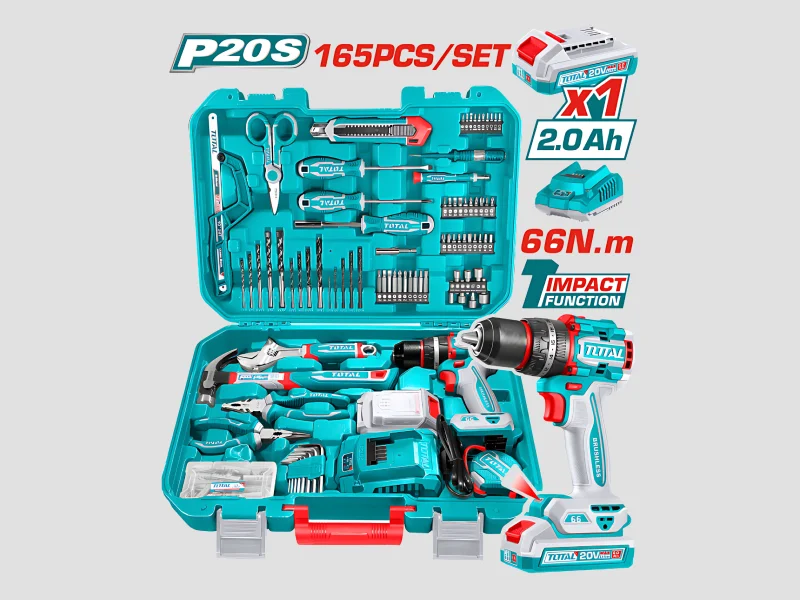
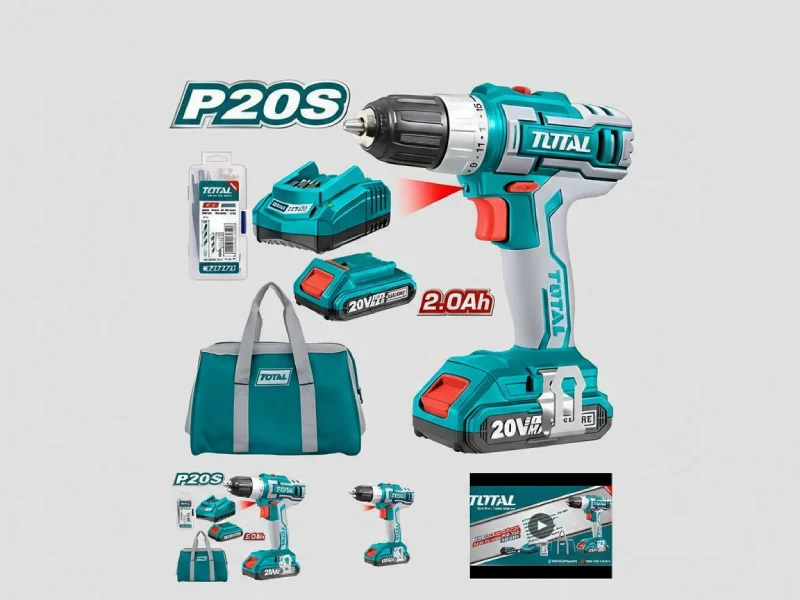
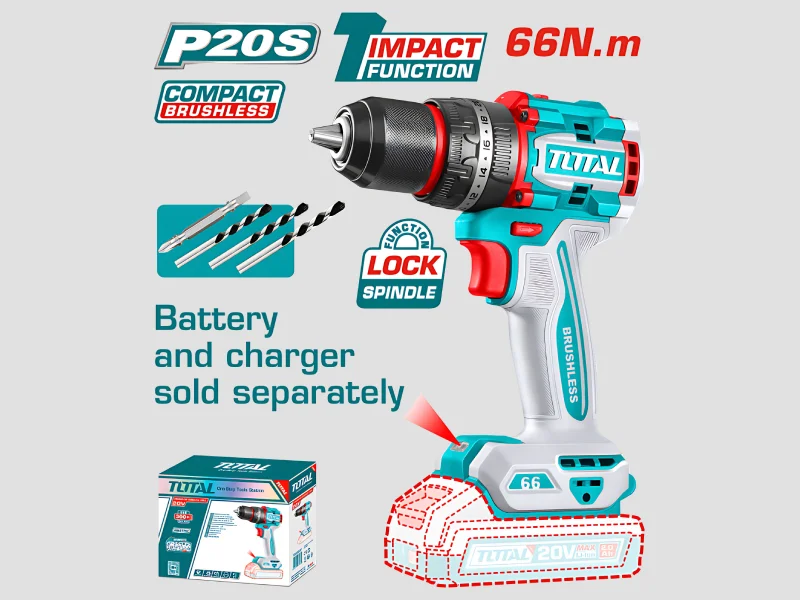
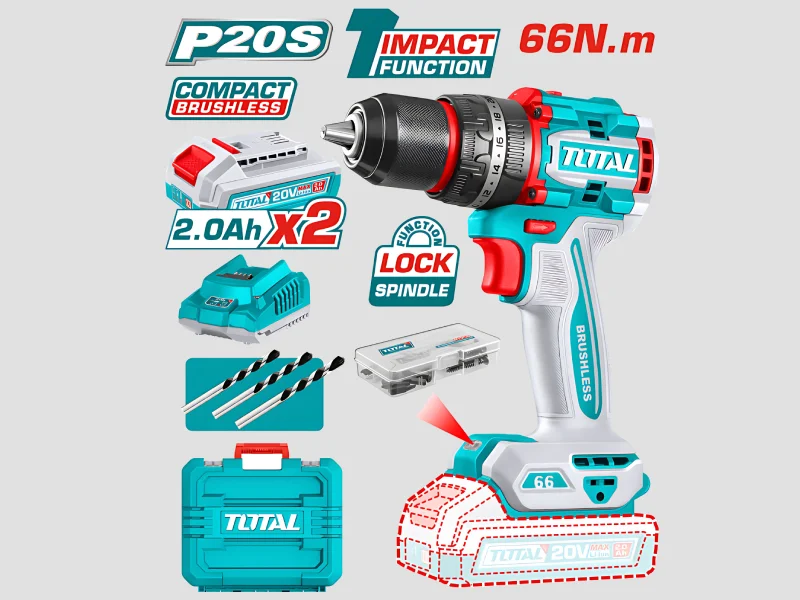
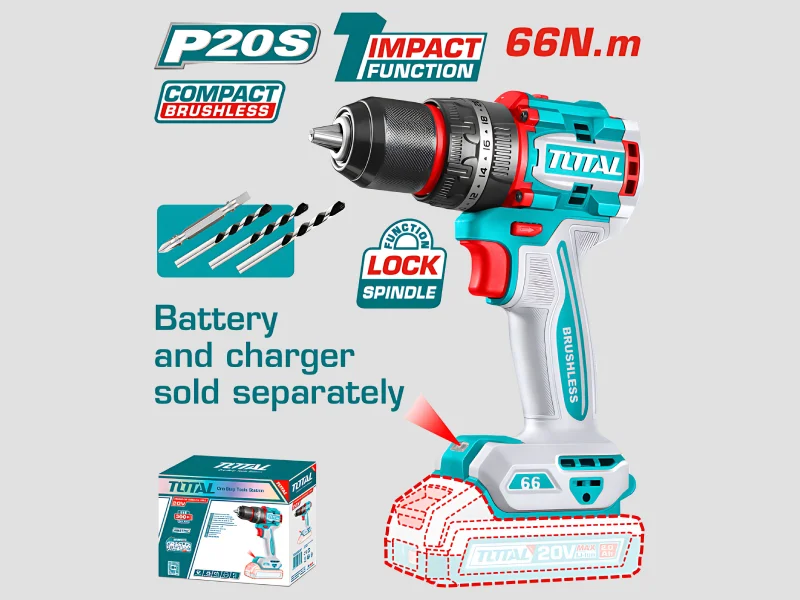
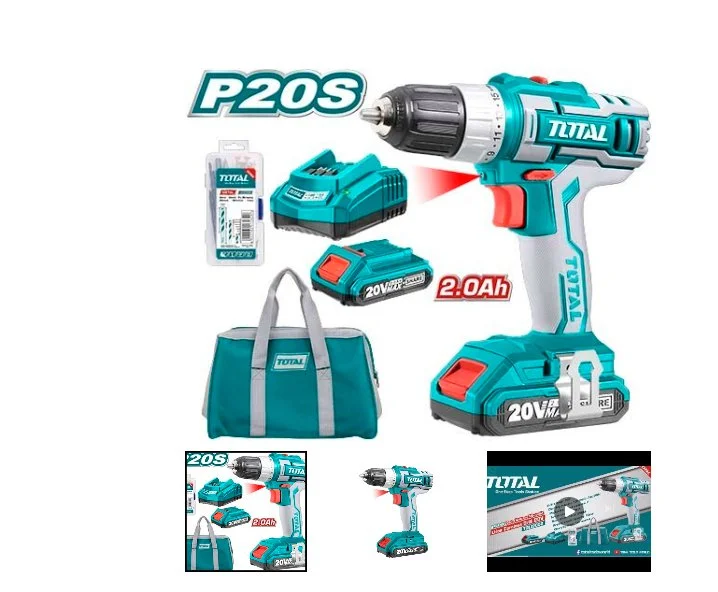
What are Cordless Drills?
Cordless drills are versatile power tools designed for drilling holes and driving screws without the need for a direct power source. They operate on rechargeable batteries, allowing for greater mobility and ease of use in various applications. Unlike traditional drills that require a power cord, cordless drills provide the flexibility to work in tight spaces and remote locations where power outlets may not be readily available.
These tools are primarily used in construction, carpentry, and maintenance tasks across different sectors. They can drill into wood, metal, plastic, and other materials, making them essential for professionals and DIY enthusiasts alike. The cordless design enhances productivity, as users can move freely without being tethered to a power source. In today’s market, cordless drills are increasingly relevant due to their efficiency and advancements in battery technology, which allow for longer run times and faster charging.
Key Features and Specifications
Cordless drills come equipped with a range of features that enhance their functionality and performance. Understanding these specifications is crucial for selecting the right tool for specific needs.
Key specifications include:
1. Battery Voltage
- Typically ranges from 12V to 20V
- Higher voltage often results in more power and faster drilling speeds
2. Chuck Size
- Common sizes include 1/2 inch and 3/8 inch
- Determines the maximum diameter of drill bits that can be used
3. Speed Settings
- Variable speed settings, usually 0-600 RPM or 0-1800 RPM
- Allows users to adjust speed for different materials and applications
4. Torque Settings
- Measured in inch-pounds (in-lbs)
- Higher torque settings are suitable for heavier-duty applications
5. Battery Type
- Lithium-ion is most common due to its lightweight and long-lasting properties
- Nickel-cadmium batteries are less common but still used in some models
6. Weight
- Generally ranges from 3 to 5 pounds
- Lighter models are easier to handle and reduce user fatigue
7. Additional Features
- Built-in LED lights for improved visibility
- Keyless chuck for quick bit changes
In summary, knowing these specifications helps buyers choose a cordless drill that fits their specific requirements and enhances their operational efficiency.
Common Applications and Use Cases
Cordless drills are utilized across multiple industries due to their versatility and ease of use.
1. Construction: Cordless drills are essential for framing, installing drywall, and other construction tasks. Their ability to drive screws quickly makes them a staple on job sites.
2. Carpentry: In carpentry, these drills are used for making precise holes and fastening wood pieces together. They are favored for their portability and convenience.
3. Automotive: In the automotive industry, cordless drills assist with assembly and repair work. Technicians value the mobility these tools provide when working on vehicles.
4. Electrical: Electricians employ cordless drills to install fixtures and run wiring, benefiting from the flexibility they offer in tight spaces.
5. Plumbing: Plumbers use cordless drills for installing pipes and fixtures, where maneuverability is crucial in confined areas.
6. DIY Projects: Homeowners and hobbyists use cordless drills for various household projects, from furniture assembly to light renovations.
7. Maintenance: Facility maintenance teams rely on cordless drills for repairs and installations, taking advantage of their efficiency and ease of use.
Product Variants and Subcategories
Cordless drills come in various configurations to meet different needs and preferences.
Compact Cordless Drills: These lightweight models are designed for easy handling and are ideal for tasks in tight spaces. They typically have lower voltage, making them suitable for light-duty applications.
Hammer Cordless Drills: These variants feature a hammer function that allows them to drill into harder materials like masonry. They provide higher torque and are perfect for more demanding tasks.
High-Performance Cordless Drills: Equipped with advanced battery technology and higher voltage, these drills are designed for heavy-duty applications. They offer greater power and longer run times, making them suitable for professional use.
Benefits and Advantages
Choosing cordless drills offers numerous advantages for businesses and professionals.
1. Enhanced Mobility: Without cords, users can navigate freely and work in various environments, boosting productivity.
2. Versatility: Cordless drills can handle a wide range of materials, making them suitable for different applications and industries.
3. Convenience: Quick battery charging and lightweight designs allow for easy use and reduced fatigue during extended work sessions.
4. Safety: Without cords, there is a lower risk of tripping hazards, making workplaces safer.
5. Cost-Effectiveness: The longevity of lithium-ion batteries reduces replacement costs, offering better value over time.
6. Technological Advancements: Modern cordless drills come with improved features like LED lights and multiple speed settings, enhancing their functionality.
Buying Guide for B2B Buyers
When sourcing cordless drills for business use, several factors should be considered to ensure the right choice is made.
1. Quality Assessment: Evaluate the durability and build quality of the drills. Opt for reputable brands known for their reliability and performance.
2. Supplier Verification: Conduct thorough checks on suppliers to ensure they are credible and have a good track record. Look for customer reviews and testimonials.
3. Pricing and MOQ: Understand the pricing structures and minimum order quantities. This helps in budgeting and ensures the supplier can meet your business needs.
4. Delivery and Lead Times: Clarify the expected delivery times to avoid disruptions in your projects. Ensure suppliers can meet your timeline requirements.
5. Compliance Requirements: Check for any industry-specific compliance standards or certifications needed for your tools. This ensures that the products meet necessary safety and quality standards.
Compliance and Certifications
Cordless drills must comply with various industry standards to ensure quality and safety.
ISO 9001 is a widely recognized standard that ensures manufacturers maintain quality management systems. This certification indicates that a supplier consistently produces high-quality products.
In addition, CE certification is essential for products sold in the European market. It signifies compliance with safety, health, and environmental protection standards.
Safety and testing requirements may vary by region, so it is crucial for manufacturers to adhere to the appropriate regulations. Buyers should also consider regional compliance, ensuring that the products meet local laws and standards.
Why Source Cordless Drills from Pepagora?
Pepagora offers a reliable platform for sourcing cordless drills, making it easier for businesses to find quality products.
Verified Supplier Network: Pepagora connects buyers with verified suppliers, ensuring that the products meet industry standards. This network enhances trust and reliability in transactions.
Streamlined RFQ Process: The platform simplifies the request for quotation process, allowing buyers to receive competitive pricing and terms efficiently. This saves time and aids in decision-making.
Trade Assurance and Support: Pepagora provides trade assurance, protecting buyers from potential risks. Their support team is available to assist with any inquiries or issues that may arise during the purchasing process.
Regional Coverage: With a broad reach in India, the GCC, and Southeast Asia, Pepagora caters to various markets, making it a valuable resource for businesses looking to source cordless drills and other industrial products.

 IN
IN