What are Heat Guns?
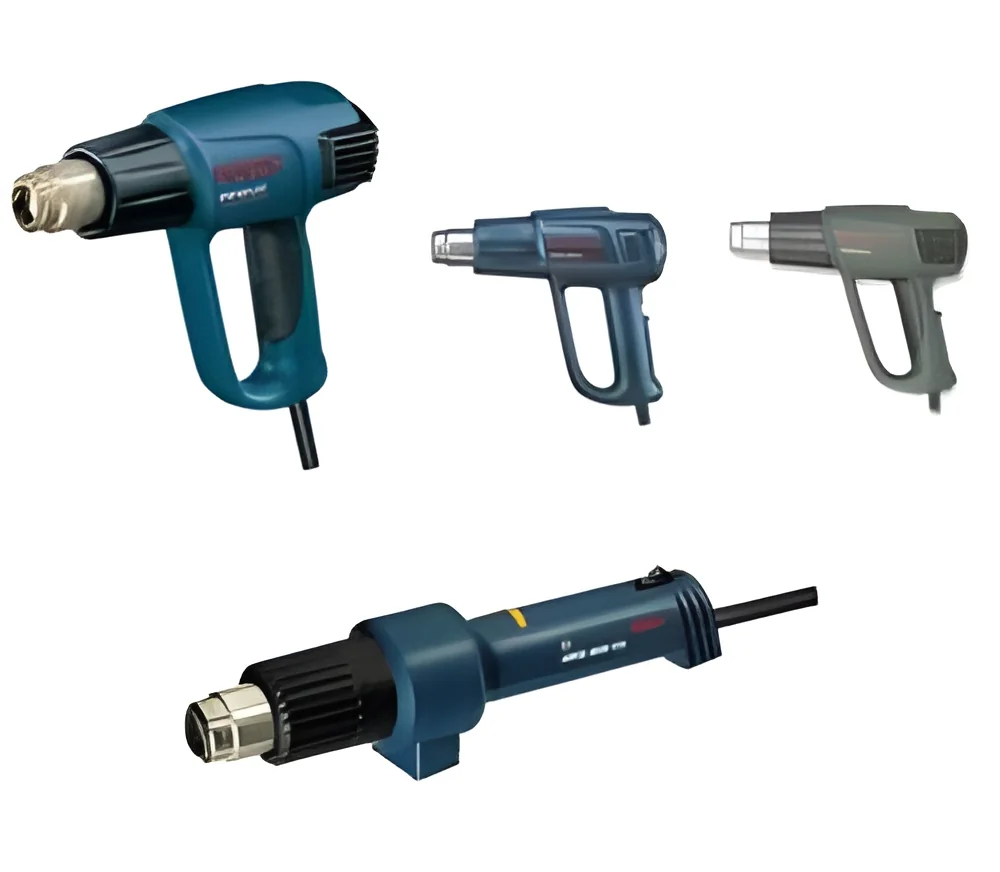
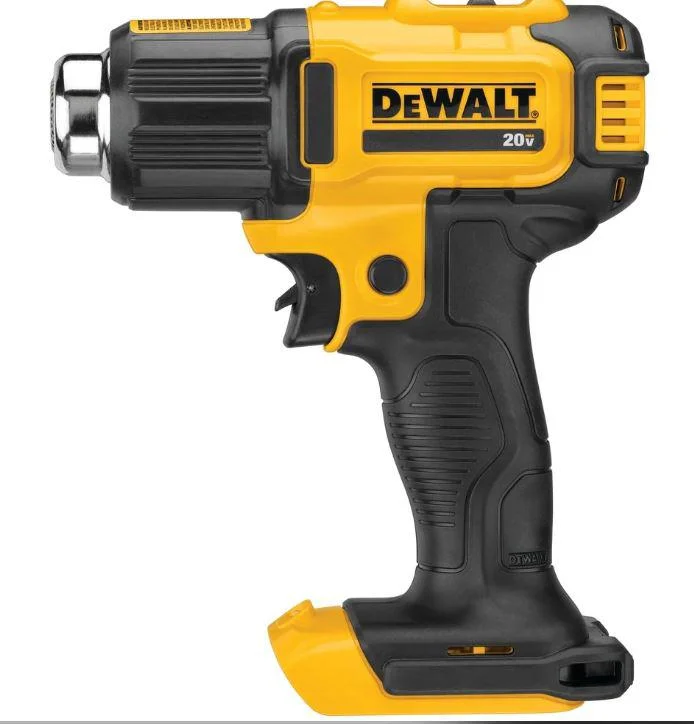
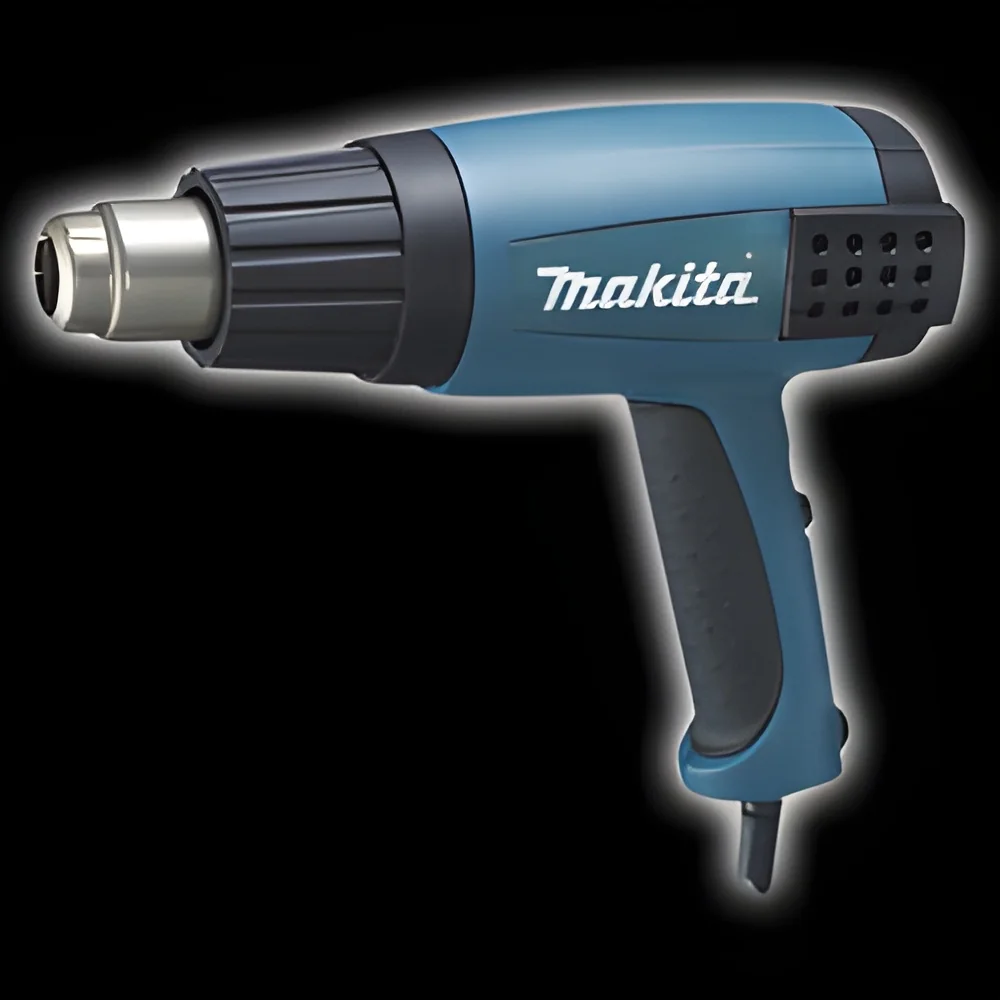
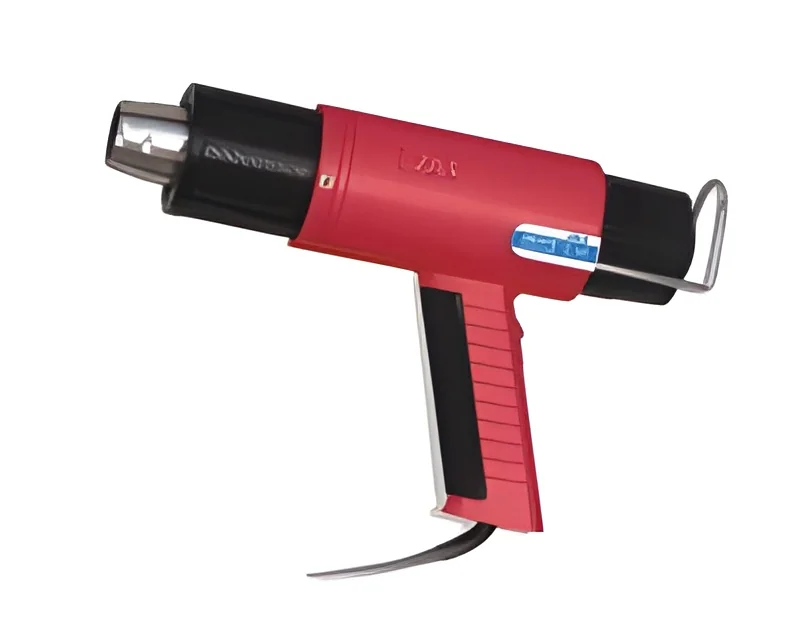
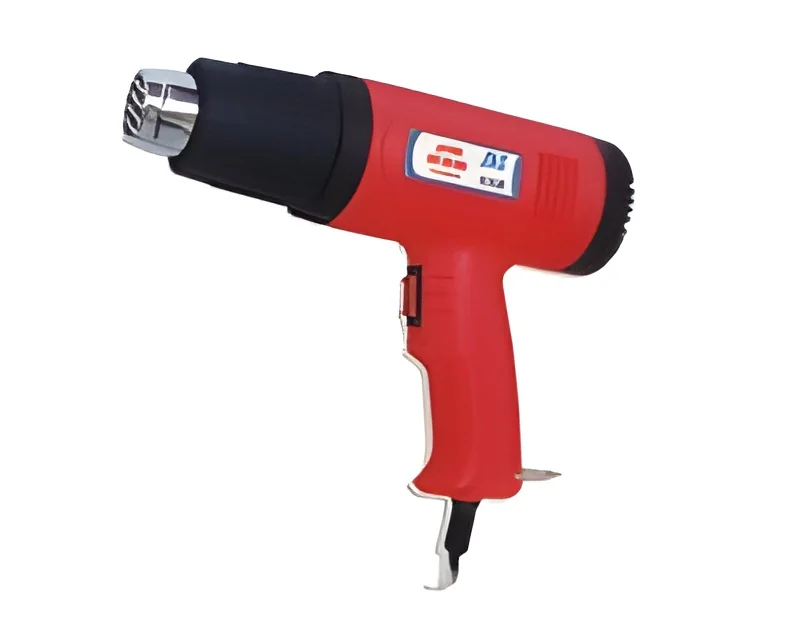
Heat guns are versatile electric tools that produce a directed stream of hot air. They can reach high temperatures, making them suitable for various applications such as drying, heating, and stripping paint. The design typically resembles a hairdryer, but with much higher heat output. Heat guns are commonly used in professional environments, where precise temperature control and airflow settings are crucial.
These tools find their primary applications in industries such as construction, automotive, electronics, and manufacturing. In construction, heat guns are often used for tasks like removing old paint or thawing frozen pipes. In the automotive industry, they assist in shrinking tubing and removing adhesives. Their relevance extends to electronics, where heat guns can be essential for soldering and desoldering components. As demand for heat guns grows, the market is becoming increasingly competitive, with manufacturers focusing on innovation and efficiency.
Key Features and Specifications
Heat guns come equipped with several important features that enhance their functionality and usability. Understanding these specifications is crucial for selecting the right tool for specific applications.
Key specifications include:
1. Temperature Range
- Heat guns typically have a temperature range from 120°F to 1,200°F.
- This allows for versatility in applications from delicate tasks to heavy-duty work.
2. Airflow Settings
- Many heat guns offer multiple airflow settings, usually adjustable between 5 to 30 CFM.
- This enables users to control the intensity of the heat applied.
3. Weight
- The weight of heat guns can vary from 1 to 3 pounds.
- Lightweight models are easier to handle for extended periods.
4. Power Rating
- Heat guns generally operate at a power rating between 500 to 2,000 watts.
- Higher wattage models heat up faster and maintain consistent temperatures.
5. Safety Features
- Many heat guns include built-in safety features such as automatic shut-off and thermal protection.
- These features enhance user safety during prolonged use.
6. Noise Level
- Operating noise levels typically range from 60 to 80 decibels.
- Quieter models are preferable for environments where noise reduction is a priority.
7. Nozzle Attachments
- Various nozzle attachments are available to focus airflow for specific tasks.
- Common types include flat nozzles and reflector nozzles.
8. Cord Length
- Cord lengths usually vary from 6 to 12 feet.
- Longer cords provide greater flexibility and maneuverability.
In summary, heat guns boast a range of features and specifications that cater to different industrial needs. Understanding these elements can help buyers make informed decisions based on their specific applications.
Common Applications and Use Cases
Heat guns are widely utilized across various industries due to their adaptability and efficiency.
1. Construction: In construction, heat guns are employed for tasks like removing paint, softening adhesives, and drying out surfaces. Their high temperatures make them effective for preparing surfaces before painting or applying finishes.
2. Automotive: The automotive industry uses heat guns for tasks such as shrinking wiring and removing decals. They are essential tools for technicians working on repairs and modifications.
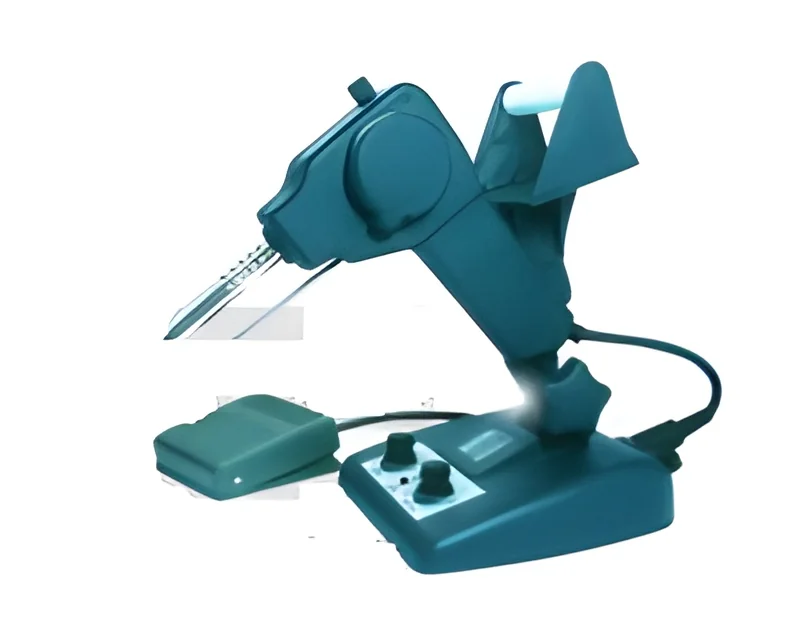
3. Electronics: Heat guns play a critical role in the electronics sector. They are used for soldering and desoldering components, as well as heat-shrinking tubing to protect electrical connections.
4. Manufacturing: In manufacturing, heat guns are used for curing adhesives and plastics. They help in shaping materials and ensuring proper bonding during assembly processes.
5. DIY Projects: Many DIY enthusiasts use heat guns for a variety of home improvement projects. They can strip paint, bend plastics, and even create unique art pieces.
6. Crafting: In the crafting industry, heat guns are popular for embossing, drying inks, and creating special effects in resin projects.
7. Food Industry: Although less common, heat guns can be used in the food industry for tasks like caramelizing sugars or roasting peppers.
Product Variants and Subcategories
Heat guns come in various models to cater to different user needs and applications. The diversity in design and features allows users to select tools that best fit their specific requirements.
Standard Heat Guns
These are the most common types found in both professional and DIY settings. They offer a range of temperatures and airflow settings suitable for general applications such as paint stripping and adhesive removal.
Industrial Heat Guns
Designed for heavy-duty use, industrial heat guns provide higher power ratings and greater temperature ranges. They are ideal for manufacturing and construction environments where continuous use is expected.
Compact Heat Guns
These smaller, lightweight models are suitable for detailed work and are often used in crafting and electronics. Their portability makes them easy to handle for extended periods.
Digital Heat Guns
Equipped with digital displays, these heat guns offer precise temperature control and settings. They are commonly used in applications requiring accuracy, such as in electronics and specialized manufacturing.
Benefits and Advantages
Heat guns offer numerous benefits that make them an essential tool in various industries.
Key benefits include:
1. Versatility: Heat guns can be used for a wide range of applications, from stripping paint to soldering electronics. Their adaptability makes them suitable for multiple tasks.
2. Precision: With adjustable temperature and airflow settings, users can apply precise heat to specific areas, minimizing the risk of damage to surrounding materials.
3. Efficiency: Heat guns heat up quickly and can cover large areas in a short amount of time, increasing productivity in both professional and DIY settings.
4. Safety Features: Many models come equipped with safety features such as automatic shut-off and thermal protection, enhancing user safety during operation.
5. Cost-Effective: Compared to other heating methods, heat guns are often more affordable to operate and maintain, making them a cost-effective choice for businesses.
6. Portability: Most heat guns are lightweight and easy to transport, allowing users to take them to different job sites without hassle.
Buying Guide for B2B Buyers
When sourcing heat guns, it is essential for B2B buyers to consider several factors to ensure they select the right products for their needs.
1. Quality Assessment: Examine the build quality, materials, and overall durability of the heat guns. Look for products that meet industry standards to ensure reliability and performance.
2. Supplier Verification: Vet suppliers thoroughly to ensure they are reputable and capable of providing high-quality products. Check their certifications and customer reviews to gauge their reliability.
3. Pricing and MOQ: Understand the pricing structure and minimum order quantities (MOQ) set by suppliers. This helps in budget planning and ensures that purchasing aligns with business needs.
4. Delivery and Lead Times: Consider the logistics involved in sourcing heat guns. Discuss delivery times with suppliers to ensure they can meet your project schedules.
5. Compliance Requirements: Ensure that the heat guns comply with relevant industry regulations and safety standards. This is crucial for ensuring product safety and reliability in your operations.
Compliance and Certifications
Heat guns must comply with specific industry standards and certifications to ensure safety and quality.
Relevant quality standards such as ISO 9001 ensure that manufacturers maintain high production standards, which is vital for product reliability.
Additionally, industry certifications like CE indicate that the heat guns meet European safety requirements. This certification is particularly important for businesses that operate in or export to European markets.
Safety and testing requirements also play a critical role in the production of heat guns. Manufacturers often conduct rigorous testing to ensure that their products are safe for use and meet all necessary performance standards.
Regional compliance considerations may vary based on local regulations. It is essential for buyers to be aware of these requirements to ensure that the heat guns they source are compliant in their respective regions.
Why Source Heat Guns from Pepagora?
Pepagora offers a trusted platform for sourcing heat guns, providing several key advantages to B2B buyers.
Verified Supplier Network: Pepagora features a curated list of verified suppliers. This network ensures that buyers can access high-quality products from reputable manufacturers, reducing the risk associated with sourcing.
Streamlined RFQ Process: The platform provides a straightforward Request for Quotation (RFQ) process. Buyers can easily submit their requirements and receive competitive quotes, facilitating informed purchasing decisions.
Trade Assurance and Support: Pepagora stands behind its transactions with trade assurance programs, providing buyer protection and support throughout the procurement process. This adds an extra layer of security for businesses.
Regional Coverage: With a geographic reach that includes India, the Gulf Cooperation Council (GCC) countries, and Southeast Asia, Pepagora connects buyers with suppliers across crucial markets. This extensive coverage helps businesses find the right products regardless of their location.

 IN
IN