
 IN
Wall Chasers
1 products available
What are Wall Chasers?
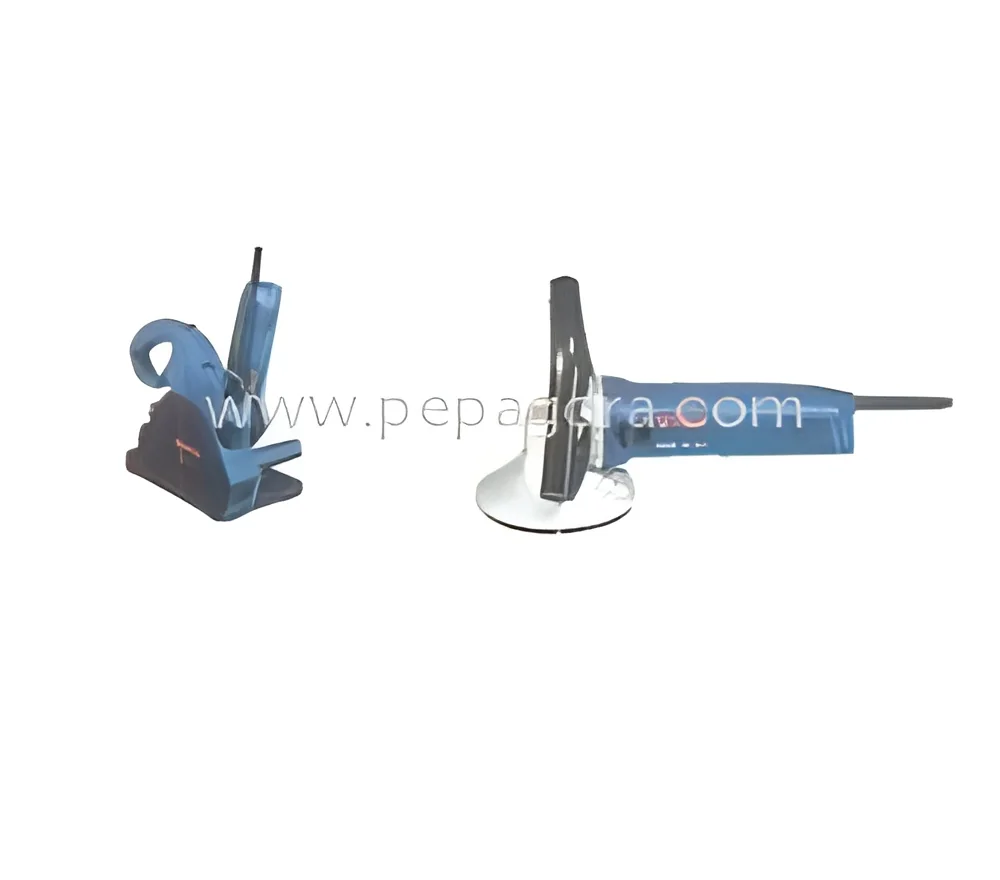
Wall chasers are specialized power tools designed for cutting narrow grooves in walls. These grooves are typically used to embed electrical wiring, plumbing pipes, or for other installations that require a clean and precise channel. Wall chasers are equipped with two parallel diamond blades that allow for efficient cutting while minimizing dust and debris. The tool operates in a manner that ensures straight cuts, making it ideal for professionals in construction and renovation.
The primary applications of wall chasers include electrical installations, plumbing work, and renovation projects. They are widely used by electricians and plumbers who require a fast and effective means to create channels in walls. Wall chasers are crucial for ensuring that installations are neat and do not compromise the structural integrity of walls. In the broader market context, the demand for wall chasers continues to grow as construction and renovation projects increase, highlighting their importance in modern industrial and commercial applications.
Key Features and Specifications
Wall chasers come with several key features that enhance their functionality and usability. Understanding these specifications can help buyers choose the right tool for their needs.
Key specifications include:
1. Blade Diameter
- Typically ranges from 110 mm to 150 mm
- Size impacts cutting depth and speed
2. Cutting Depth
- Adjustable depth settings usually up to 30 mm
- Allows for customization based on project requirements
3. Power Rating
- Varies from 1200 W to 1800 W
- Higher power ratings allow for faster cutting in tougher materials
4. Weight
- Approximate weight ranges from 3 kg to 5 kg
- Lightweight models are easier to handle and maneuver
5. Dust Extraction Port
- Compatible with vacuum systems to minimize dust
- Enhances workspace cleanliness and safety
6. Speed Control
- Variable speeds typically from 5000 to 12000 RPM
- Provides flexibility for different materials and applications
7. Safety Features
- Includes overload protection and soft start mechanisms
- Ensures safe operation while reducing wear on the tool
8. Warranty
- Generally offered for a period of 1 to 3 years
- Reflects manufacturer confidence in product durability
In summary, wall chasers are defined by their powerful motors, adjustable cutting depths, and various safety features, making them essential tools for professionals in construction and renovation.
Common Applications and Use Cases
Wall chasers are versatile tools used across various industries, each with specific applications.
1. Electrical Industry: Wall chasers are essential for electricians who need to install electrical conduits and wiring in walls. They enable clean and professional finishes, ensuring that installations comply with safety standards.
2. Plumbing Industry: Plumbers use wall chasers to create channels for piping in walls. This application is crucial in renovation projects where existing structures must accommodate new plumbing systems without significant alterations.
3. Construction Industry: General contractors utilize wall chasers during building projects to prepare walls for electrical and plumbing installations. Their efficiency reduces labor time and improves project timelines.
4. HVAC Installations: Wall chasers are also used for embedding ductwork in walls during HVAC installations, ensuring a clean and organized appearance.
5. Renovation Projects: In home renovations, wall chasers help homeowners and contractors create pathways for modern amenities while preserving the aesthetic of existing structures.
6. Interior Design Applications: Designers may use wall chasers to create recesses for lighting or decorative elements, enhancing the overall look of spaces.
7. Telecommunications: Wall chasers are useful in laying down cables for telecommunication systems, ensuring that installations are neat and unobtrusive.
Product Variants and Subcategories
Wall chasers come in various models, allowing for diverse applications based on user needs.
Compact Wall Chasers: These are smaller, lightweight models ideal for residential projects. They are easier to handle and perfect for tight spaces, making them suitable for DIY enthusiasts and smaller contractors.
Professional Wall Chasers: Designed for heavy-duty use, these models offer higher power ratings and advanced features. They are ideal for commercial applications where efficiency and durability are paramount.
Variable Speed Wall Chasers: These units allow users to adjust the cutting speed based on material type. This flexibility is beneficial for contractors who work with various substrates.
Cordless Wall Chasers: Battery-operated models provide the advantage of portability and convenience. They are ideal for remote job sites where power sources may be limited.
Benefits and Advantages
Investing in wall chasers offers several key benefits that enhance productivity and quality of work.
1. Precision Cutting: Wall chasers provide straight, clean cuts that minimize the need for additional finishing work, resulting in a professional appearance.
2. Time Efficiency: These tools significantly reduce cutting time compared to traditional methods, allowing contractors to complete projects faster.
3. Versatility: Wall chasers can handle various materials, including brick, concrete, and plaster, making them suitable for a wide range of applications.
4. Reduced Dust Production: Many models come with dust extraction capabilities, keeping work environments cleaner and safer for workers.
5. Enhanced Safety Features: Modern wall chasers include safety mechanisms that protect users from potential hazards associated with power tools.
6. Cost-Effectiveness: By streamlining the cutting process, wall chasers can save labor costs and reduce the time required for installations.
Buying Guide for B2B Buyers
When sourcing wall chasers, it is essential for B2B buyers to consider several key factors.
1. Quality Assessment: Buyers should evaluate the quality of materials and construction used in wall chasers. Tools with higher durability will provide better long-term value.
2. Supplier Verification: It is crucial to vet suppliers for reliability and reputation in the industry. Checking reviews and certifications can inform purchasing decisions.
3. Pricing and MOQ: Understanding the price range and minimum order quantities is vital for budgeting purposes. Buyers should compare prices across different suppliers to find competitive offers.
4. Delivery and Lead Times: Buyers need to consider logistics when sourcing wall chasers, including delivery times and the ability of suppliers to meet project timelines.
5. Compliance Requirements: Ensure that wall chasers meet relevant industry standards and regulations. Compliance with safety and quality certifications is essential for liability and project success.
Compliance and Certifications
Compliance and certification are critical aspects of wall chasers in the industrial market. Many manufacturers adhere to strict quality standards, such as ISO 9001, ensuring that products meet international quality management norms. Certification from organizations like CE indicates that wall chasers comply with essential health, safety, and environmental requirements set by the European Union.
Safety and testing requirements are also paramount. Manufacturers often conduct rigorous testing to confirm that their tools meet safety regulations, providing peace of mind for users. Buyers should also consider regional compliance, as different areas may have specific regulations regarding tool safety and performance standards.
Why Source Wall Chasers from Pepagora?
Pepagora offers a reliable platform for sourcing wall chasers, providing several key advantages to B2B buyers.
Verified Supplier Network: Pepagora connects buyers with a network of verified suppliers, ensuring that products meet quality standards and buyer expectations. This network helps mitigate risks associated with sourcing tools from unverified manufacturers.
Streamlined RFQ Process: The Request for Quotation (RFQ) system simplifies the procurement process. Buyers can easily request quotes from multiple suppliers, enabling informed decisions based on price and features.
Trade Assurance and Support: Pepagora provides trade assurance, protecting buyers from potential disputes and ensuring a smooth transaction process. This support enhances buyer confidence when purchasing wall chasers.
Regional Coverage: With a strong presence in regions such as India, GCC, and Southeast Asia, Pepagora offers significant geographic reach. This coverage allows buyers to source wall chasers locally, reducing shipping costs and lead times while supporting regional suppliers.

Frequently Asked Questions
What are Wall Chasers?
Wall Chasers are specialized power tools designed for cutting narrow grooves into walls for the purpose of embedding electrical wires or plumbing. They typically feature two parallel diamond blades that simultaneously cut into the wall, allowing for efficient and clean channel creation.
What are the different types of Wall Chasers?
There are primarily two types of Wall Chasers: electric and manual. Electric wall chasers are powered tools that provide more speed and precision, while manual wall chasers rely on physical effort and are generally used for lighter applications.
How do I choose the right Wall Chasers?
When selecting a Wall Chaser, consider factors such as the type of material you will be cutting, the depth and width of the grooves needed, and the power rating of the tool. Additionally, ergonomic design and weight can impact usability, so it’s essential to choose a model that fits your preferences.
What are the standard specifications for Wall Chasers?
Standard specifications for Wall Chasers typically include power ratings ranging from 800 to 1500 watts, blade diameter, cutting depth, and speed settings. It's essential to check the manufacturer's specifications to ensure the tool meets your project requirements.
What is the price range for Wall Chasers?
The price range for Wall Chasers in India varies widely based on brand and specifications, generally ranging from ₹3,000 to ₹15,000. Higher-end models with advanced features may cost more, while basic versions can be found at lower prices.
What quality standards apply to Wall Chasers?
Wall Chasers should comply with quality standards such as ISI certification in India, which ensures they meet safety and performance benchmarks. Additionally, look for tools that have undergone rigorous testing for durability and reliability.
Where can I find Wall Chasers suppliers in India?
You can find Wall Chasers suppliers in India through online B2B marketplaces like Pepagora, trade shows, and local tool distributors. It's advisable to compare multiple suppliers to find the best options in terms of pricing and product range.
Can Wall Chasers be customized?
Yes, many manufacturers offer customization options for Wall Chasers, including specific blade sizes and power configurations. Customization can help meet particular project needs, but it's recommended to discuss this with suppliers beforehand.
What is the typical minimum order quantity for Wall Chasers?
The typical minimum order quantity (MOQ) for Wall Chasers can vary by supplier but often ranges from 10 to 50 units. It's best to check with individual suppliers for their specific MOQ policies.
What is the typical lead time for Wall Chasers?
The typical lead time for Wall Chasers can range from 1 to 4 weeks, depending on the supplier and whether the product is readily available or needs to be manufactured. Always confirm the expected delivery time with your supplier before placing an order.
Why Businesses Trust Pepagora
Thousands of companies trust Pepagora to source smarter and sell faster
Expand Your Sales Globally

Source Smarter,Grow Faster
