
 IN
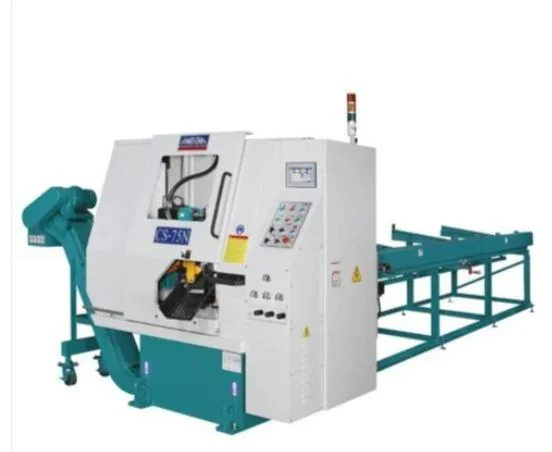
Circular Saws
1 products available
What are Circular Saws?
Circular saws are powerful cutting tools featuring a toothed or abrasive disc or blade that rotates around an arbor. The circular motion of the blade enables efficient cutting through various materials, including wood, metal, and plastic. These saws are designed for both portability and precision, making them a staple in many industrial and construction settings.
Circular saws are commonly used in woodworking, metalworking, and construction applications. They excel in tasks such as ripping, cross-cutting, and bevel cutting, providing versatility for both professionals and DIY enthusiasts. Businesses use circular saws for large-scale projects, including framing, flooring, and cabinetry, benefiting from their speed and accuracy. The market for circular saws continues to grow as industries demand more efficient and reliable cutting solutions.
Key Features and Specifications
Circular saws come equipped with a variety of features that enhance their performance and usability. Understanding these specifications is essential for selecting the right tool for specific tasks.
Key specifications include:
1. Blade Diameter
- Common sizes range from 7.25 inches to 10 inches.
- Larger blades can cut through thicker materials.
2. Power Rating
- Typically measured in amperes or watts.
- Higher ratings indicate more cutting power for tougher materials.
3. Speed
- Measured in revolutions per minute (RPM).
- Higher RPM allows for faster cutting.
4. Bevel Capacity
- Angles typically range from 0 to 50 degrees.
- Enables angled cuts for various applications.
5. Weight
- Generally between 8 to 15 pounds.
- Lightweight models offer better portability.
6. Depth of Cut
- Varies based on blade size.
- Determines the maximum thickness of material that can be cut.
7. Safety Features
- May include blade guards and electric brakes.
- Enhances user safety during operation.
8. Dust Blower
- Helps maintain visibility by clearing sawdust.
- Improves cutting accuracy by keeping the cutting line clear.
These specifications are crucial for ensuring that the selected circular saw meets the intended use and industry requirements.
Common Applications and Use Cases
Circular saws serve various industries, making them versatile tools for numerous applications.
1. Construction: Circular saws are essential for framing, cutting beams, and creating structural components. They allow for quick and efficient cutting on job sites.
2. Woodworking: In workshops, circular saws are utilized for creating furniture, cabinetry, and other wooden products. They provide precision and speed for intricate cuts.
3. Metalworking: Circular saws equipped with specialized blades can cut through metals, making them suitable for manufacturing and fabrication processes.
4. Landscaping: Professionals use circular saws for cutting timber, creating garden structures, and maintaining outdoor spaces.
5. Flooring: Circular saws are used in the installation of hardwood, laminate, and tile flooring, allowing for precise cuts and easy handling.
6. DIY Projects: Home improvement enthusiasts rely on circular saws for various tasks, from building decks to crafting custom furniture.
7. Electrical and Plumbing: In renovations, circular saws assist in cutting pipes and electrical conduits, streamlining installation processes.
Product Variants and Subcategories
Circular saws come in various types to suit specific needs and applications.
Corded Circular Saws: These saws provide consistent power without the need for battery replacements. Ideal for heavy-duty tasks, they are commonly used in professional settings.
Battery-Powered Circular Saws: Offering portability and convenience, battery-powered saws are excellent for outdoor or remote work sites. They are suitable for light to medium cutting tasks.
Compact Circular Saws: Designed for smaller projects and tight spaces, compact models are lightweight and easy to maneuver, making them great for DIY enthusiasts and hobbyists.
Miter Saws: Though not traditional circular saws, miter saws use a circular blade to make precise crosscuts and angled cuts, primarily used in woodworking.
Benefits and Advantages
Investing in circular saws provides numerous advantages that enhance productivity and efficiency in various industries.
1. Speed: Circular saws cut materials quickly, significantly reducing production time compared to manual cutting methods.
2. Precision: The design of circular saws allows for accurate cuts, ensuring high-quality results in finished products.
3. Versatility: With various blade options, circular saws can handle a wide range of materials, making them suitable for multiple applications.
4. Portability: Many circular saws are lightweight and designed for easy transport, enabling use in different locations without hassle.
5. Safety: Modern circular saws incorporate safety features that help prevent accidents, providing peace of mind during operation.
6. Cost-Effectiveness: The durability and efficiency of circular saws make them a worthwhile investment for businesses, leading to long-term savings.
Buying Guide for B2B Buyers
When sourcing circular saws, several factors should be taken into consideration to ensure the right choice for your business needs.
1. Quality Assessment: Look for saws constructed from durable materials and with reliable performance ratings. Check for reviews and industry standards to gauge quality.
2. Supplier Verification: Vet potential suppliers to ensure they have a reputation for quality and reliability. Review their certifications and customer feedback.
3. Pricing and MOQ: Understand the pricing structures and minimum order quantities (MOQ) offered by suppliers. Compare quotes to get the best value for your investment.
4. Delivery and Lead Times: Confirm the expected delivery times and logistics. Ensure that suppliers can meet your project's timeline.
5. Compliance Requirements: Be aware of any industry-specific regulations and compliance standards that may apply to your purchase, ensuring that products meet safety and quality guidelines.
Compliance and Certifications
Circular saws must adhere to several quality standards and certifications to ensure safety and performance in industrial applications.
ISO 9001 is a widely recognized standard that sets criteria for quality management systems. Manufacturers of circular saws may implement these standards to enhance their production processes and product quality.
Industry certifications such as CE and UL indicate that products meet specific safety and performance criteria. These certifications assure buyers that the tools they are purchasing are safe for use and comply with relevant regulations.
Safety and testing requirements are crucial in the manufacturing of circular saws. Compliance with these regulations helps prevent accidents and ensures that products perform reliably under various conditions.
Regional compliance considerations vary depending on the market. It is essential for businesses to understand the specific requirements in their operating regions to ensure full compliance.
Why Source Circular Saws from Pepagora?
Pepagora provides a trusted platform for sourcing circular saws, ensuring buyers have access to quality products and reliable suppliers.
Verified Supplier Network: Pepagora offers a comprehensive network of verified suppliers, ensuring that buyers can find high-quality circular saws from reputable manufacturers. This network helps reduce the risk associated with sourcing.
Streamlined RFQ Process: The request for quotation (RFQ) process on Pepagora is designed to be efficient and user-friendly. Buyers can easily submit their requirements and receive multiple quotations, facilitating informed decision-making.
Trade Assurance and Support: Pepagora prioritizes buyer protection through its trade assurance policies. This support helps ensure that transactions are secure and that buyers receive the products as promised.
Regional Coverage: With a focus on markets in India, the GCC, and Southeast Asia, Pepagora provides extensive regional coverage. This geographic reach allows buyers to access local suppliers and resources, making sourcing circular saws more convenient.

Frequently Asked Questions
What are Circular Saws?
Circular saws are power-saw tools that use a toothed or abrasive disc or blade to cut through various materials. They are commonly used in woodworking, metalworking, and construction applications, offering precision and efficiency in cutting tasks.
What are the different types of Circular Saws?
There are several types of circular saws, including handheld, table, and miter saws. Each type serves specific cutting needs, with handheld saws being portable for on-site jobs, while table saws are ideal for stationary, precise work.
How do I choose the right Circular Saws?
Choosing the right circular saw depends on the intended application, the material to be cut, and desired precision. Factors such as blade size, power rating, and additional features like laser guides should also be considered to ensure optimal performance.
What are the standard specifications for Circular Saws?
Standard specifications for circular saws include blade diameter, motor power (measured in watts or amps), and cutting depth capacity. Additionally, the RPM (revolutions per minute) and type of blade compatible with the saw are important specifications to review.
What is the price range for Circular Saws?
The price range for circular saws can vary widely based on brand, type, and features, typically ranging from INR 2,000 to INR 30,000. Professional-grade saws may cost more due to enhanced durability and advanced functionalities.
What quality standards apply to Circular Saws?
Quality standards for circular saws often include compliance with international safety and performance standards such as ISO and EN. Manufacturers may also adhere to specific industry certifications to ensure reliability and safety during use.
Where can I find Circular Saws suppliers in India?
You can find circular saw suppliers in India through various online B2B marketplaces, industry trade shows, and local hardware stores. Websites like Pepagora.com can help you connect with reputable manufacturers and distributors.
Can Circular Saws be customized?
Yes, many manufacturers offer customization options for circular saws, including blade size, motor power, and additional features. Custom solutions can be tailored to meet specific operational requirements and industry standards.
What is the typical minimum order quantity for Circular Saws?
The typical minimum order quantity (MOQ) for circular saws can vary by supplier but generally ranges from 5 to 50 units. It's advisable to check with individual manufacturers for their specific MOQ policies.
What is the typical lead time for Circular Saws?
The typical lead time for circular saws can range from 1 to 4 weeks depending on the supplier, order size, and customization requirements. It is recommended to confirm lead times directly with the manufacturer for accurate delivery schedules.
Why Businesses Trust Pepagora
Thousands of companies trust Pepagora to source smarter and sell faster
Expand Your Sales Globally

Source Smarter,Grow Faster
