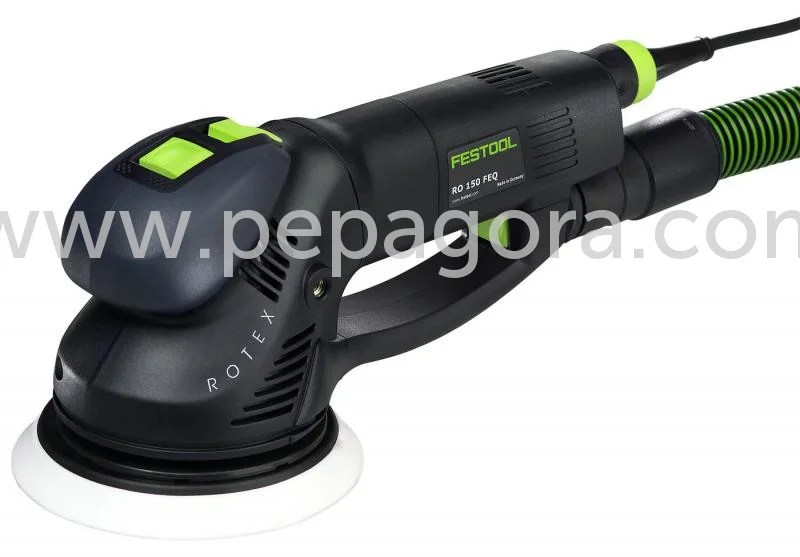
What are Power Sanders?
Power sanders are essential tools used for smoothing and finishing surfaces by sanding down materials such as wood, metal, and plastic. These electric tools come in various types and sizes, allowing users to select the best option for their specific needs. Power sanders are equipped with sandpaper or abrasive pads that rotate or vibrate, effectively removing material to achieve a desired surface finish.
These devices are widely used in various industries, including construction, woodworking, automotive, and manufacturing. They play a crucial role in preparing surfaces for painting, varnishing, or sealing, ensuring that the final finish is smooth and even. Power sanders enhance productivity and efficiency, enabling businesses to complete tasks more quickly compared to manual sanding methods. The demand for power sanders continues to grow as industries seek improved surface preparation techniques.
In the current market, power sanders are increasingly recognized for their versatility and effectiveness. This has led to innovations in design and technology, making them more user-friendly and efficient. As businesses strive for high-quality finishes and reduced labor costs, power sanders remain a staple in many professional settings.
Key Features and Specifications
Power sanders are designed with several key features that enhance their performance and usability. These specifications help buyers make informed decisions when selecting the right tool for their applications.
Key specifications include:
1. Power Rating
- This specification indicates the motor power, usually measured in watts or amps.
- Typical ranges are from 200 to 1000 watts.
2. Sanding Speed
- The speed at which the sander operates, often measured in revolutions per minute (RPM) or orbits per minute (OPM).
- Common speeds range from 10,000 to 20,000 OPM.
3. Weight
- The overall weight of the sander affects portability and ease of use.
- Most power sanders weigh between 2 to 5 kilograms.
4. Dust Collection System
- Many models include built-in dust collection systems to minimize debris and improve air quality.
- Dust bags or vacuums can be integrated.
5. Pad Size
- The size of the sanding pad determines the surface area covered during sanding.
- Common sizes include 125mm, 150mm, and 200mm.
6. Vibration Control
- Features that reduce vibration for better handling and less user fatigue.
- Look for models with ergonomic designs and soft grips.
7. Variable Speed Control
- This allows users to adjust the sanding speed based on the material being worked on.
- Enhances versatility for different applications.
8. Noise Level
- Measured in decibels (dB), this indicates the sound produced during operation.
- Typical noise levels range from 70 to 90 dB.
In summary, understanding these specifications helps buyers choose the right power sander tailored to their specific needs while ensuring optimal performance and safety.
Common Applications and Use Cases
Power sanders find applications in a range of industries, each benefiting from their efficiency and effectiveness.
1. Woodworking: Power sanders are essential for smoothing wood surfaces, removing old finishes, and preparing wood for staining or painting.
2. Construction: In construction, these tools are used for surface preparation, ensuring a smooth finish on drywall, plaster, and other materials.
3. Automotive: In the automotive industry, power sanders are used to smooth surfaces before painting, as well as for bodywork repairs.
4. Metalworking: Power sanders assist in finishing metal parts, removing rust, and preparing surfaces for welding or coating.
5. Furniture Manufacturing: In furniture production, power sanders are crucial for achieving a high-quality finish on various materials.
6. Flooring: Power sanders are used to refinish and restore wooden floors, providing a smooth surface for sealing.
7. DIY and Home Improvement: Homeowners use power sanders for various projects, such as refinishing furniture, preparing walls, and crafting.
Product Variants and Subcategories
Power sanders come in various types to suit different applications and user preferences. Each variant offers unique features tailored to specific tasks.
Orbital Sanders: These sanders feature a round sanding pad that moves in a circular motion. They are ideal for smooth finishes on flat surfaces and are often used in woodworking and furniture refinishing.
Belt Sanders: Belt sanders utilize a continuous loop of sandpaper to quickly remove material. They are effective for heavy-duty sanding and are commonly used in construction and woodworking.
Detail Sanders: Designed for precision work, detail sanders have a small triangular pad that allows access to tight corners and intricate details. They are particularly useful for detailed woodworking projects.
Random Orbital Sanders: Combining the features of both orbital and rotary sanders, these versatile tools provide a swirl-free finish on various surfaces. They are popular for general-purpose sanding tasks.
Benefits and Advantages
Power sanders offer several key benefits that make them indispensable in various industries.
1. Time Efficiency: Power sanders significantly reduce the time needed to achieve a smooth finish compared to manual sanding methods.
2. Consistent Results: These tools provide uniform sanding results, minimizing the risk of inconsistencies in surface quality.
3. Ergonomic Design: Many power sanders are designed for comfort, reducing user fatigue during prolonged use.
4. Versatility: With various attachments and settings, power sanders can be used on different materials and for various applications.
5. Improved Safety: Many models include safety features such as dust collection systems and vibration control, enhancing user safety.
6. Cost-Effectiveness: Investing in a power sander can lead to long-term savings by reducing labor costs and improving productivity.
Buying Guide for B2B Buyers
When sourcing power sanders, businesses should consider several important factors to ensure they select the right tool for their needs.
1. Quality Assessment: Evaluate the build quality and durability of the sander. Check for materials used and construction standards to ensure longevity.
2. Supplier Verification: Vet suppliers thoroughly to ensure they have a solid reputation and provide reliable products. Look for reviews and testimonials from other buyers.
3. Pricing and MOQ: Consider the overall cost of the power sanders and any minimum order quantities (MOQ) set by the supplier. Compare prices across suppliers to find the best deal without compromising quality.
4. Delivery and Lead Times: Assess the supplier's delivery capabilities and lead times to ensure that products can be received in a timely manner for your projects.
5. Compliance Requirements: Ensure that the power sanders meet relevant industry standards and certifications. This may include safety regulations and performance standards specific to your region.
Compliance and Certifications
Power sanders must adhere to various compliance and certification standards to ensure quality and safety in their operation.
ISO 9001 is a quality management standard that outlines requirements for consistent product quality and customer satisfaction. Manufacturers of power sanders often seek this certification to demonstrate their commitment to quality.
CE marking is a certification indicating that the product meets European Union safety, health, and environmental protection requirements. This is crucial for power sanders sold in European markets.
Safety and testing requirements are essential for ensuring that power sanders operate safely and effectively. Manufacturers must conduct rigorous testing to comply with safety regulations.
Regional compliance considerations can vary based on local laws and regulations. Businesses should be aware of specific requirements in their operating regions, ensuring that the power sanders they source are compliant with local standards.
Why Source Power Sanders from Pepagora?
Pepagora provides a trusted platform for sourcing power sanders, offering several key advantages for businesses.
Verified Supplier Network: Pepagora has a robust network of verified suppliers, ensuring that buyers can find reputable manufacturers and distributors. This reduces the risk of purchasing low-quality products.
Streamlined RFQ Process: The request for quotation (RFQ) system simplifies the sourcing process, allowing buyers to easily obtain multiple quotes from different suppliers. This ensures competitive pricing and options.
Trade Assurance and Support: Pepagora offers trade assurance, providing buyers with protection against potential issues. This support helps build trust between buyers and suppliers.
Regional Coverage: With a focus on regions such as India, the GCC, and Southeast Asia, Pepagora ensures that businesses can find power sanders suited to their specific market needs. This geographic reach facilitates smoother transactions and faster delivery times.

 IN
IN