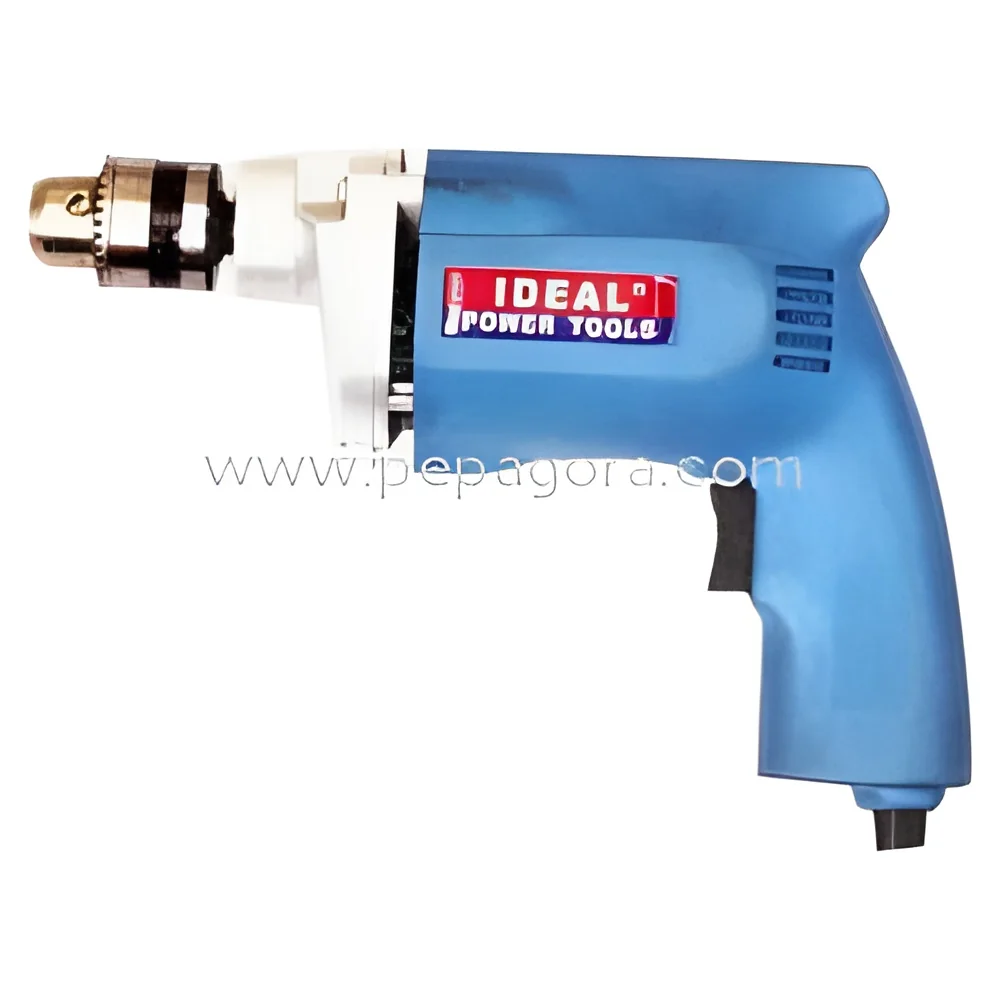
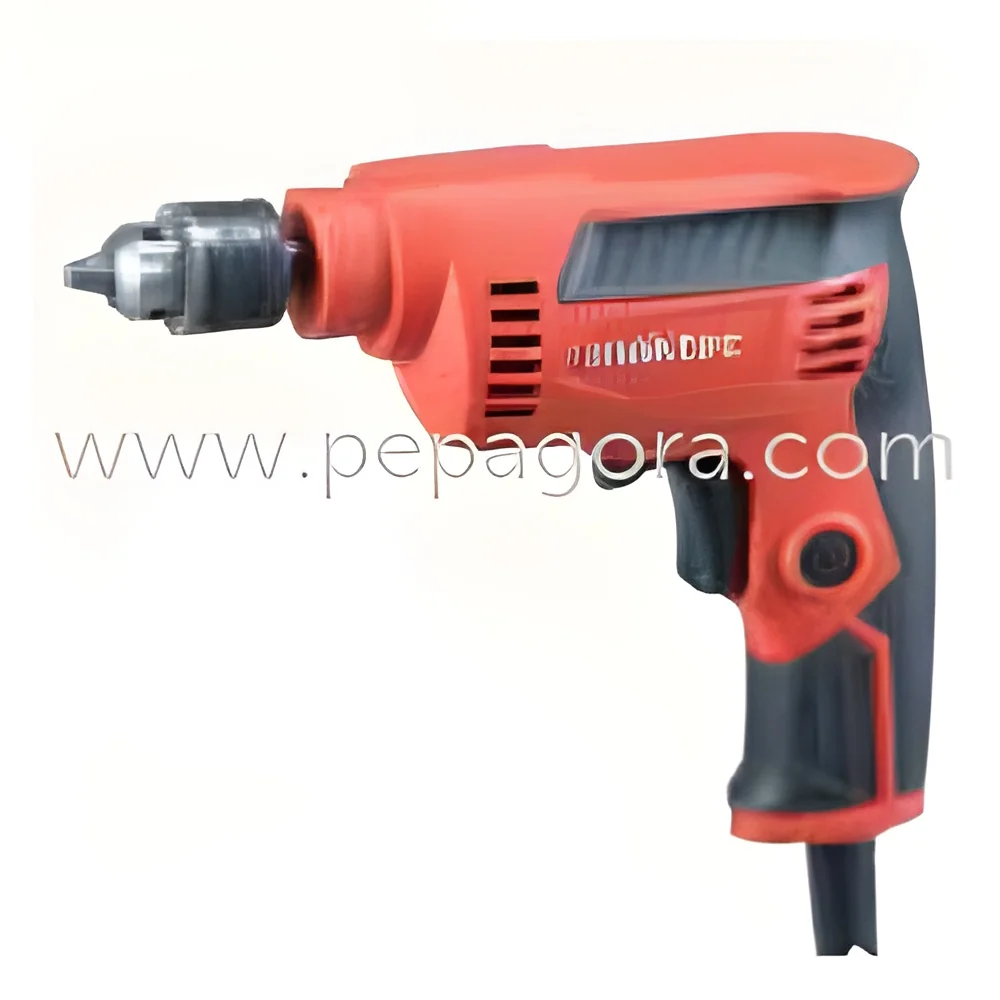
Key Features and Specifications
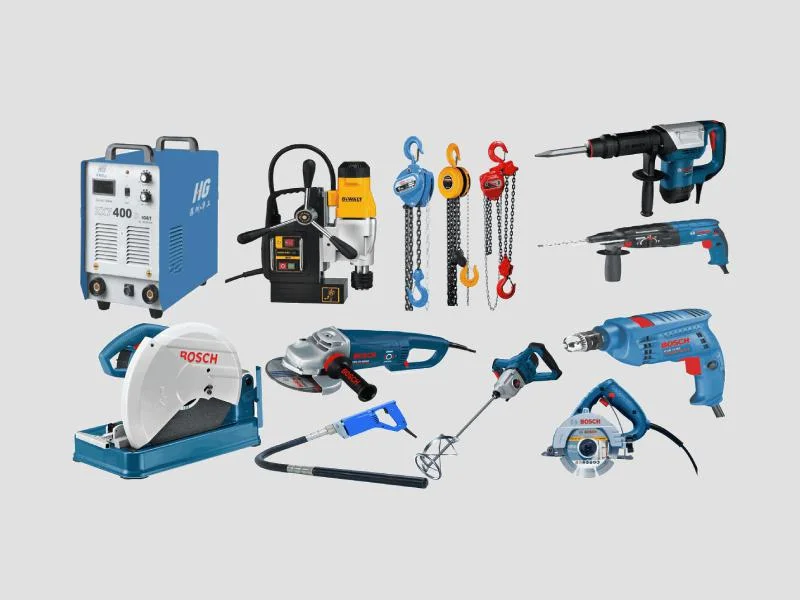
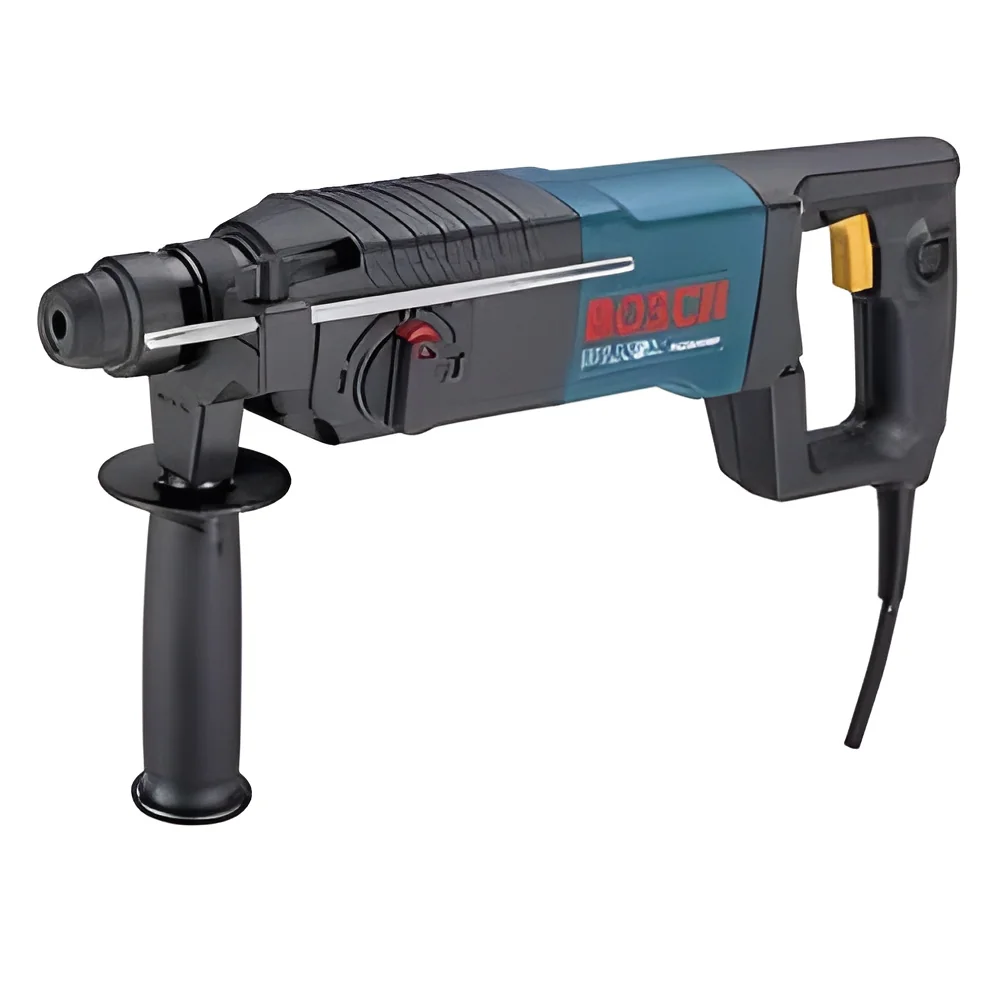
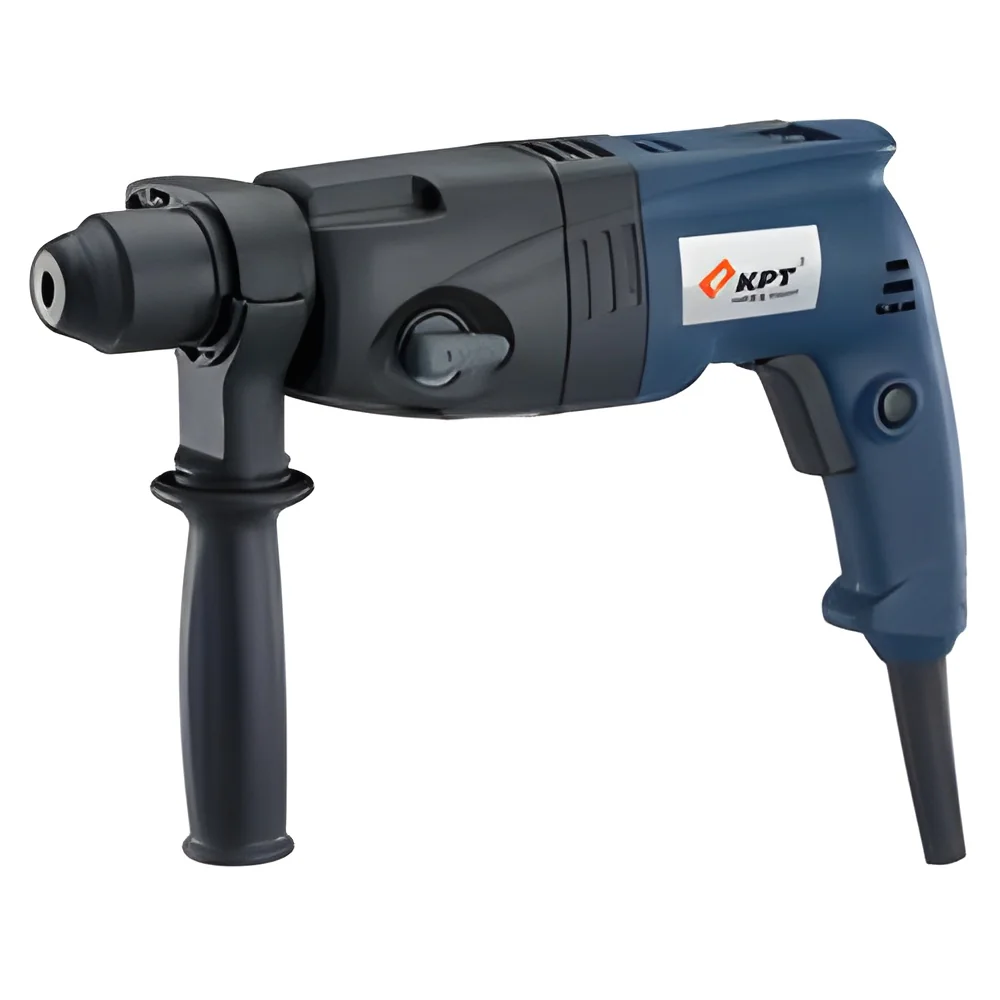
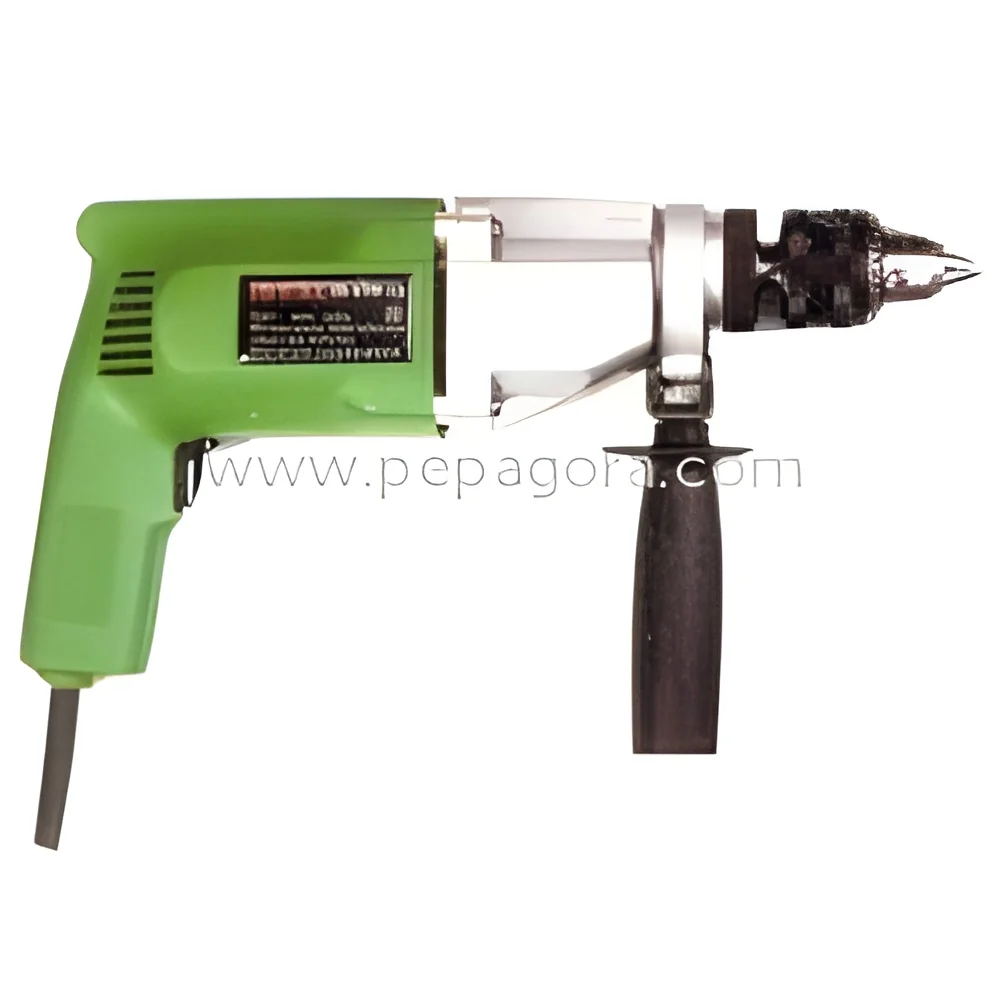
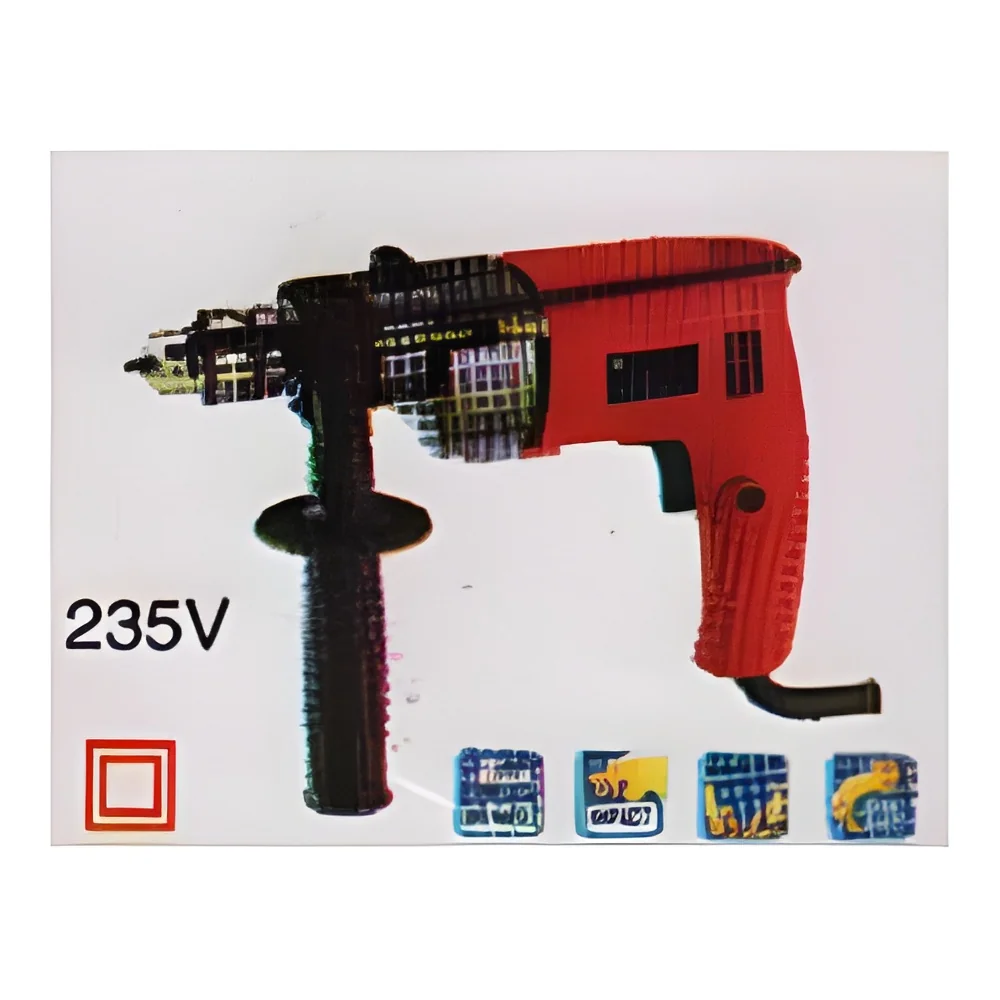
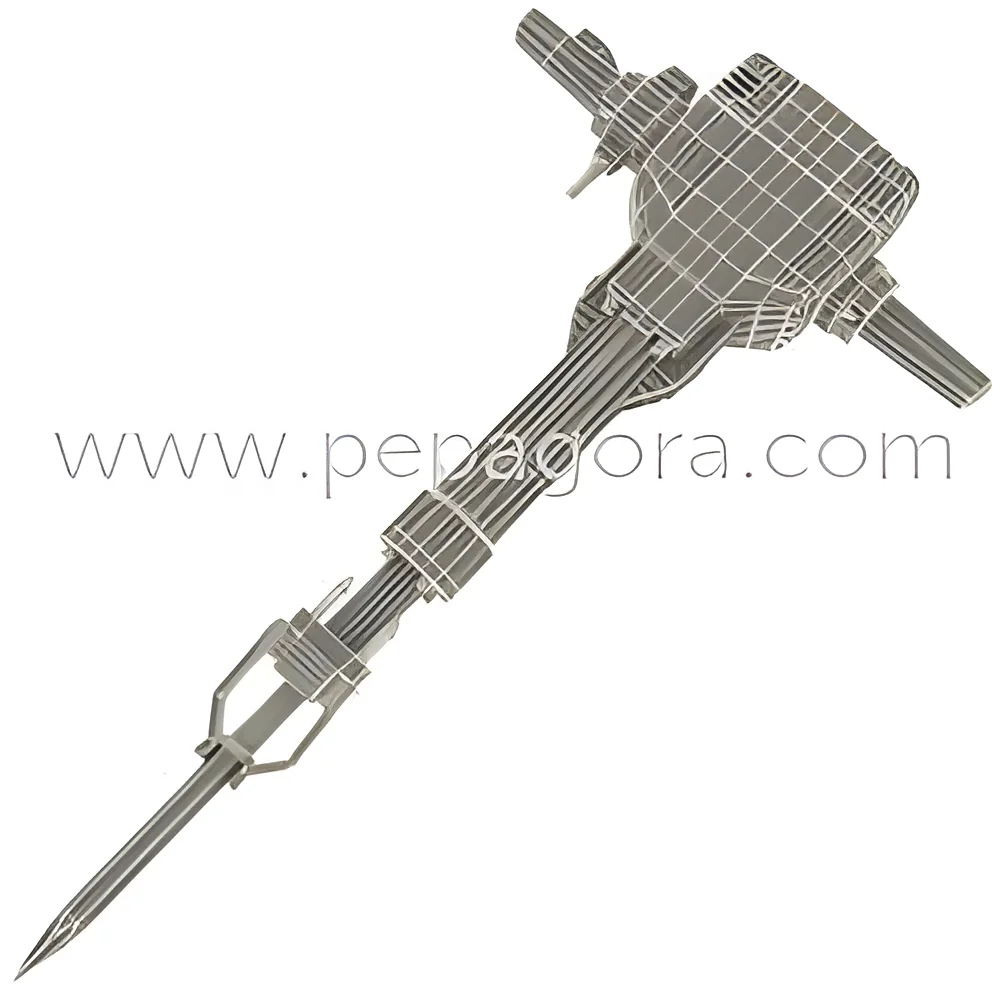
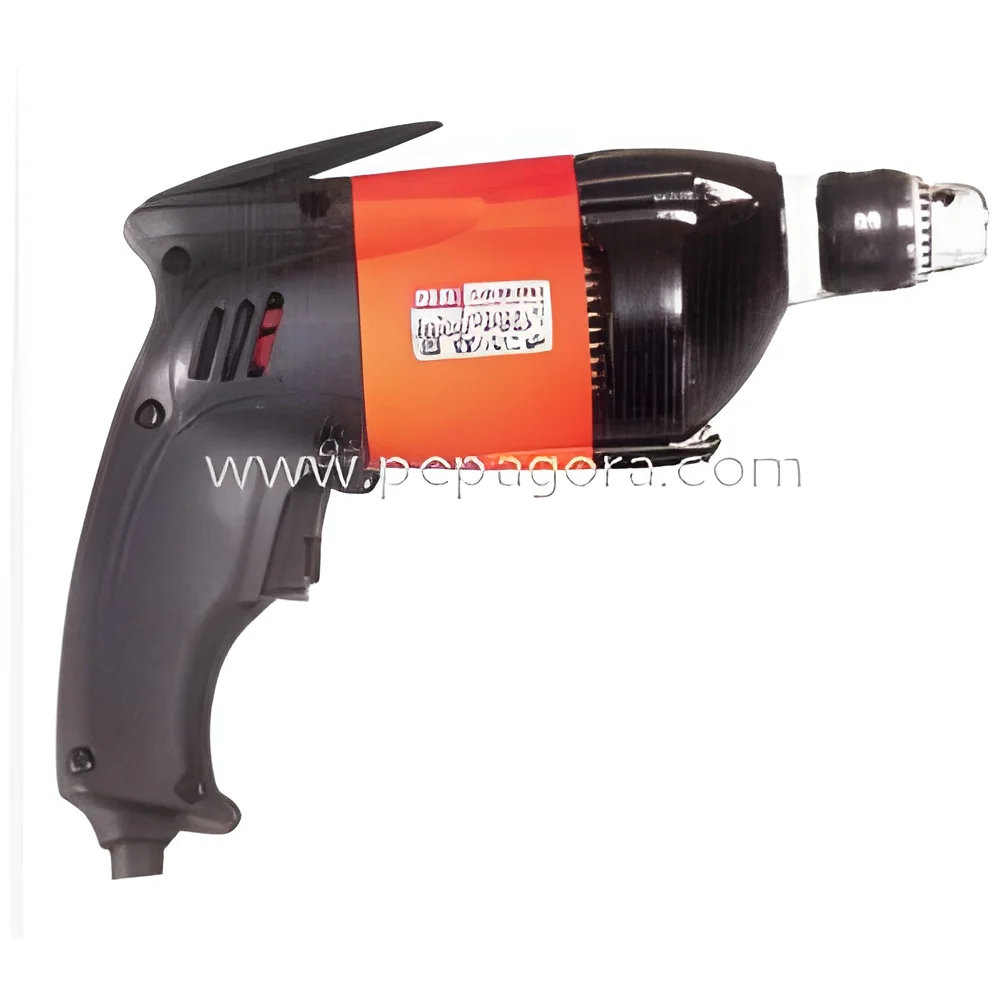
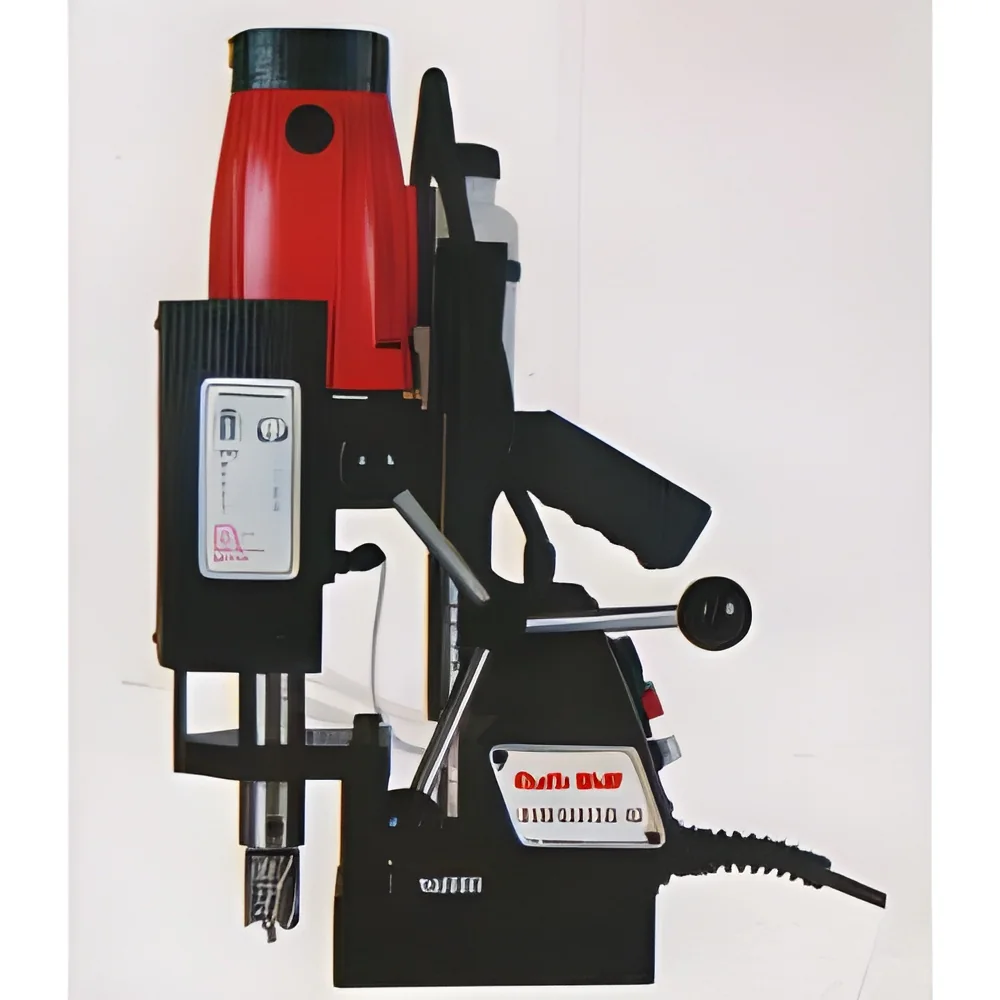
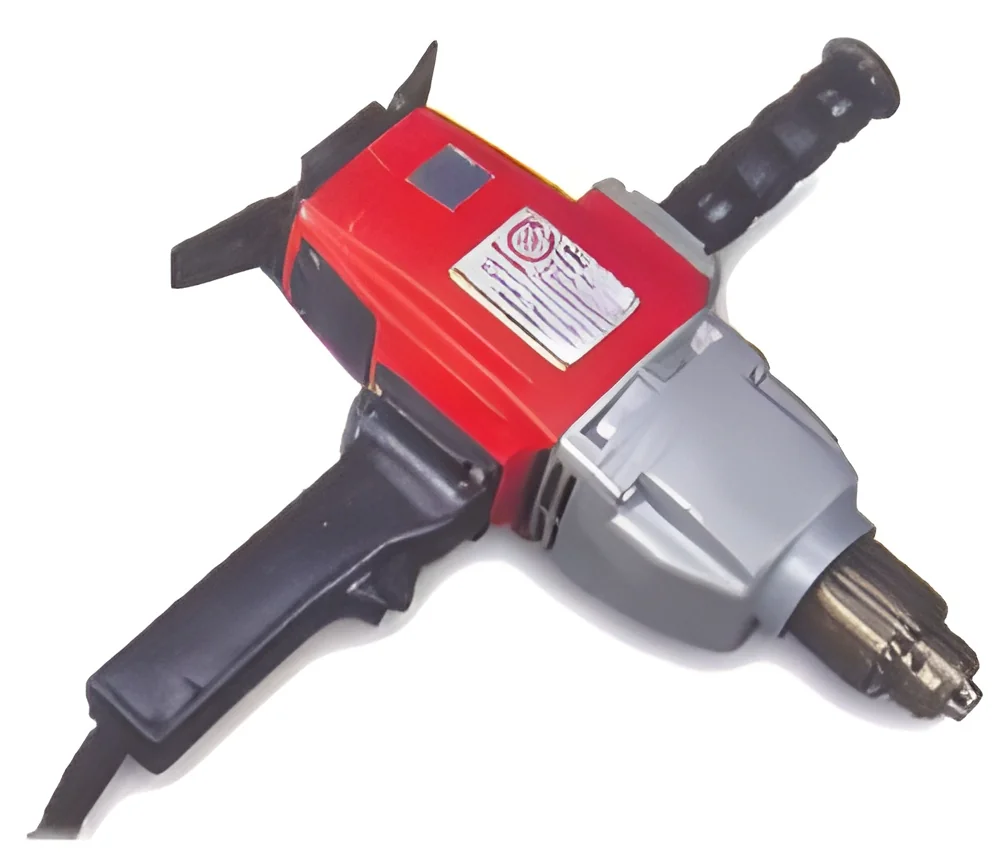
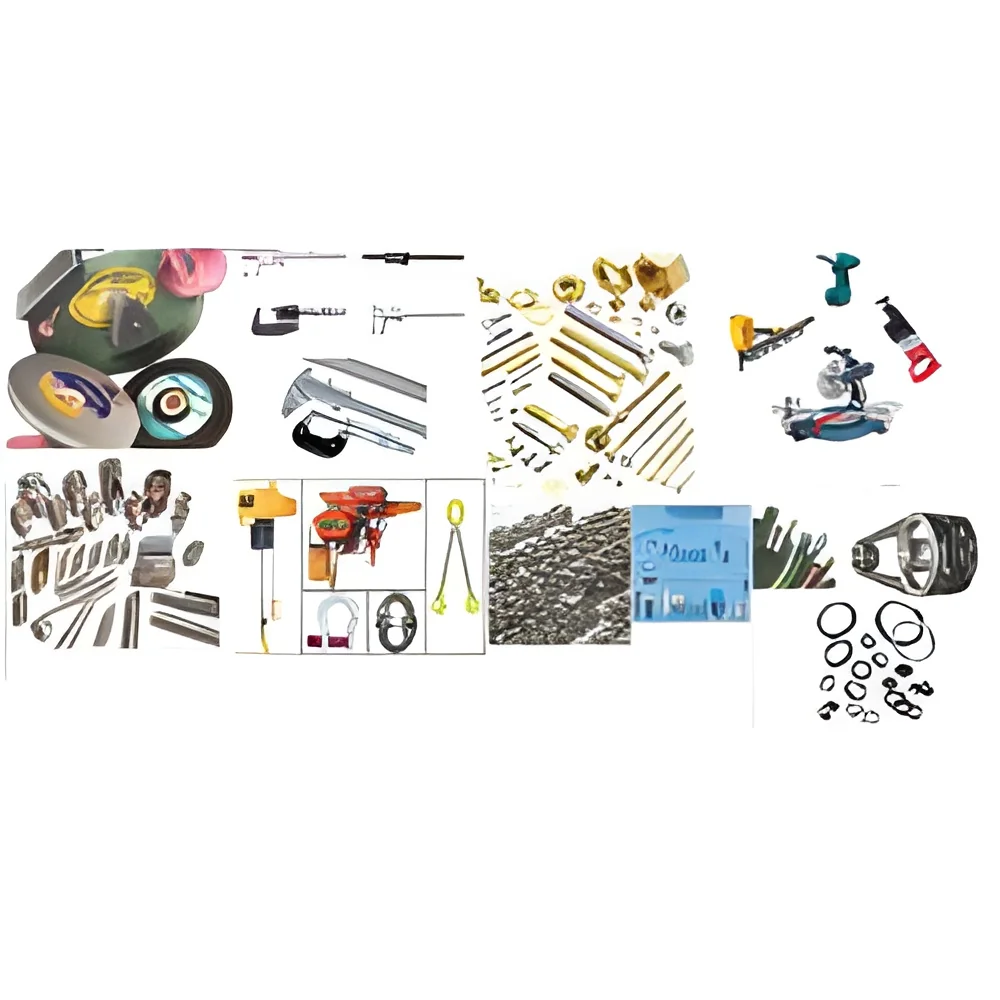
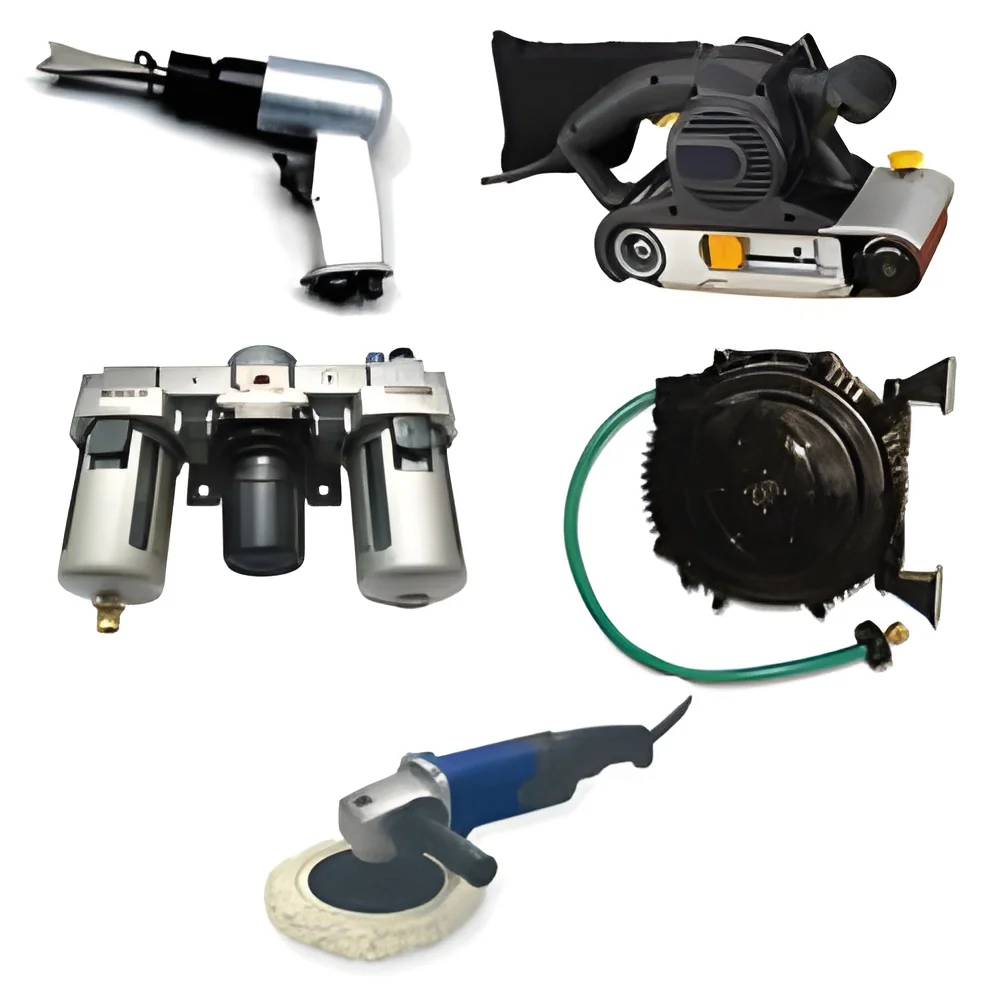
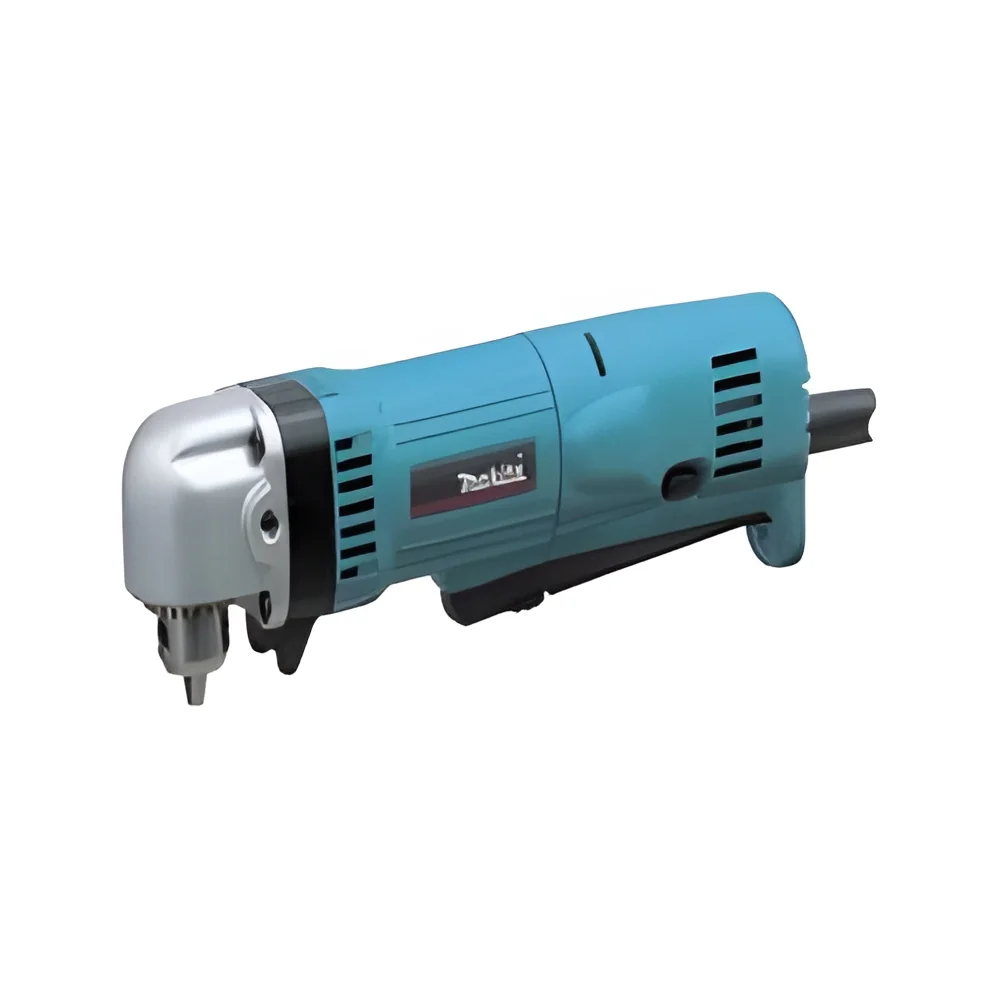
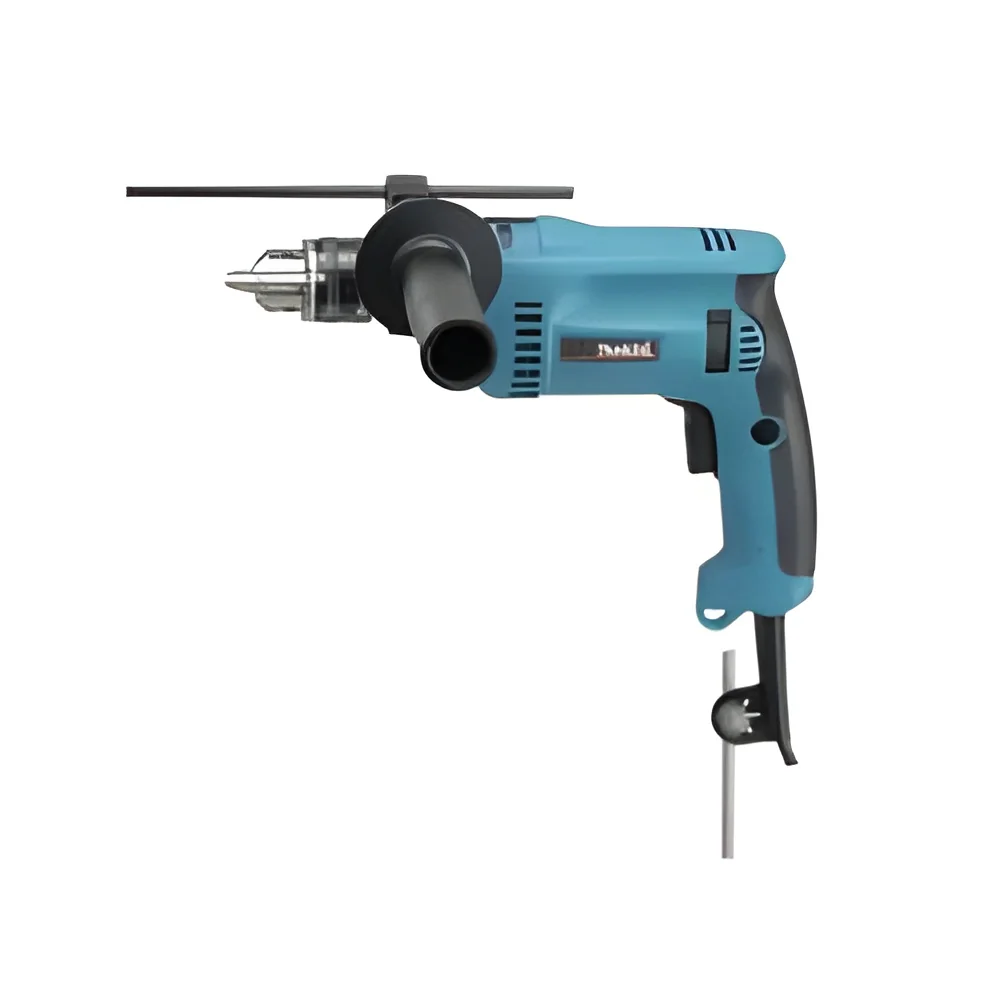
When evaluating other power tools like drills, grinders, and saws, understanding their key features and specifications is paramount. These characteristics determine the tools' performance, usability, and suitability for specific applications.
Key specifications include:
1. Power Rating
- Typically measured in watts or volts
- Determines the tool's capability and efficiency
2. Speed Settings
- Variable speed options for drills and grinders
- Allows for better control depending on the material being worked on
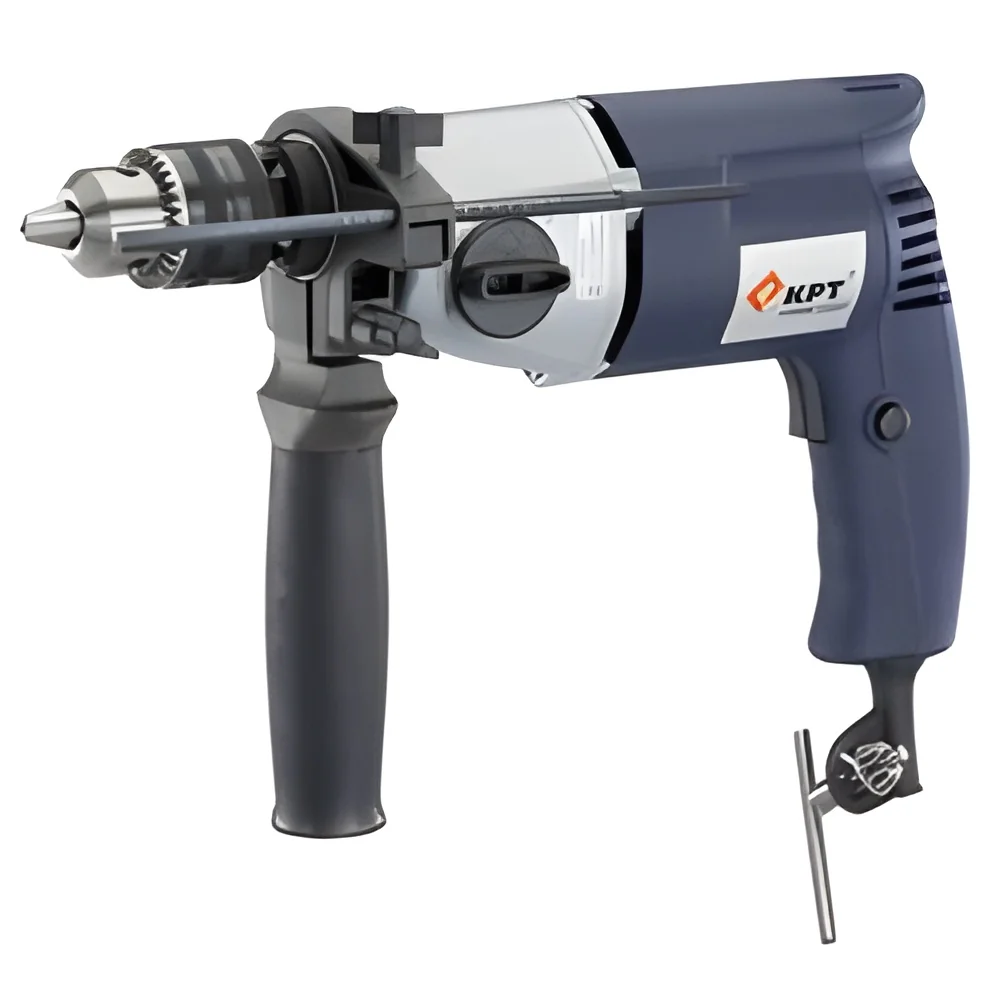
3. Chuck Size
- Relevant for drills and some saws
- Common sizes include 1/4 inch, 3/8 inch, and 1/2 inch
4. Weight
- Impacts portability and ease of use
- Lighter tools are easier to handle for extended periods
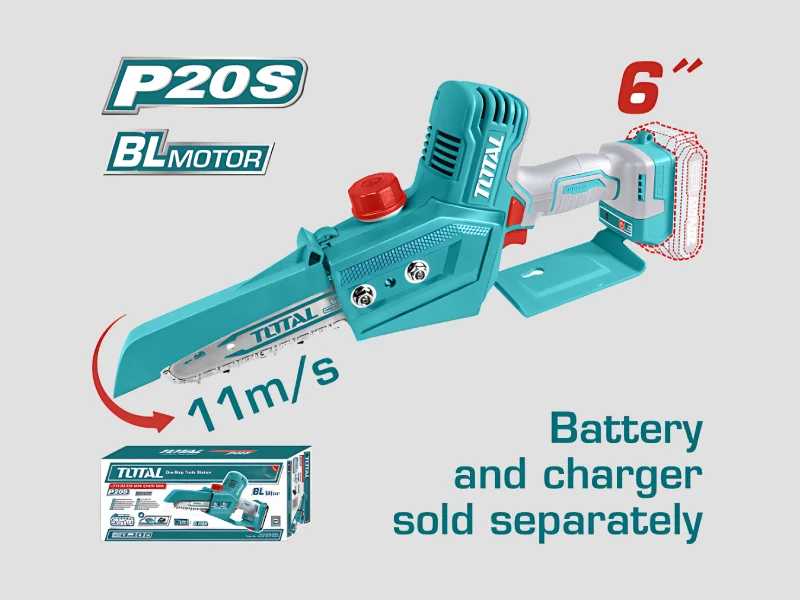
5. Cutting Depth
- Important for saws
- Specifies how deep the tool can cut through materials
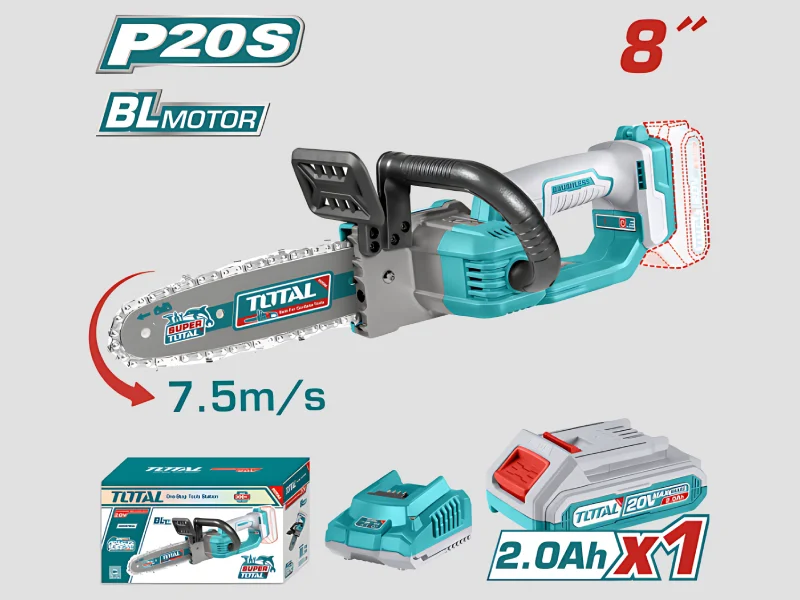
6. Battery Life (for cordless options)
- Measured in amp-hours (Ah)
- Determines how long the tool can operate before needing a recharge
7. Safety Features
- Includes guards, automatic shut-off, and anti-vibration systems
- Essential for protecting users during operation
8. Warranty and Service
- Length and coverage of warranty
- Indicates the manufacturer's confidence in the product's durability
These specifications not only guide purchasing decisions but also ensure that businesses select tools that meet their operational needs effectively.
Common Applications and Use Cases
Other power tools are versatile and used in various industries, making them indispensable for many business operations.
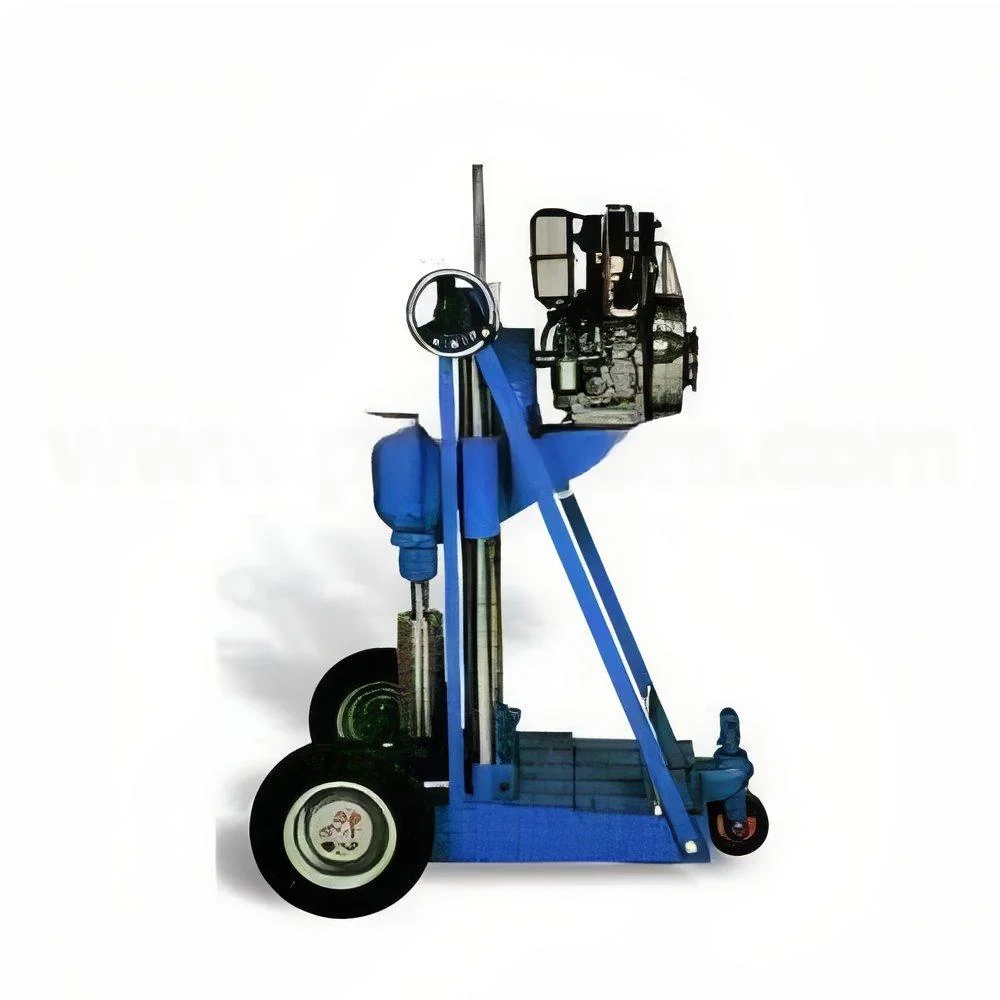
1. Construction: In construction, drills are used to fasten materials together, while saws are essential for framing and roofing. Grinders help in smoothing rough edges and preparing surfaces for finishing.
2. Manufacturing: In manufacturing, these tools are used for assembly line production, allowing for quick and efficient processing of components. Saws and grinders are often used in metal fabrication.
3. Automotive: In the automotive industry, drills and grinders are used for assembly, repair, and maintenance tasks. Precision is critical, and these tools help achieve the necessary accuracy.
4. Carpentry: Carpenters rely on drills and saws for cutting wood and assembling furniture. Grinders may also be used for finishing wooden surfaces.
5. Electrical: Electricians use drills for installing fixtures and running wires, while grinders can help in shaping and finishing electrical components.
6. Plumbing: Plumbers use drills and saws for pipe installation and cutting, ensuring that their work is precise and efficient.
7. DIY Projects: Hobbyists and DIY enthusiasts often use these tools for home improvement projects, making them accessible for personal use as well.
Product Variants and Subcategories
The range of other power tools available offers options suited to different needs and applications.
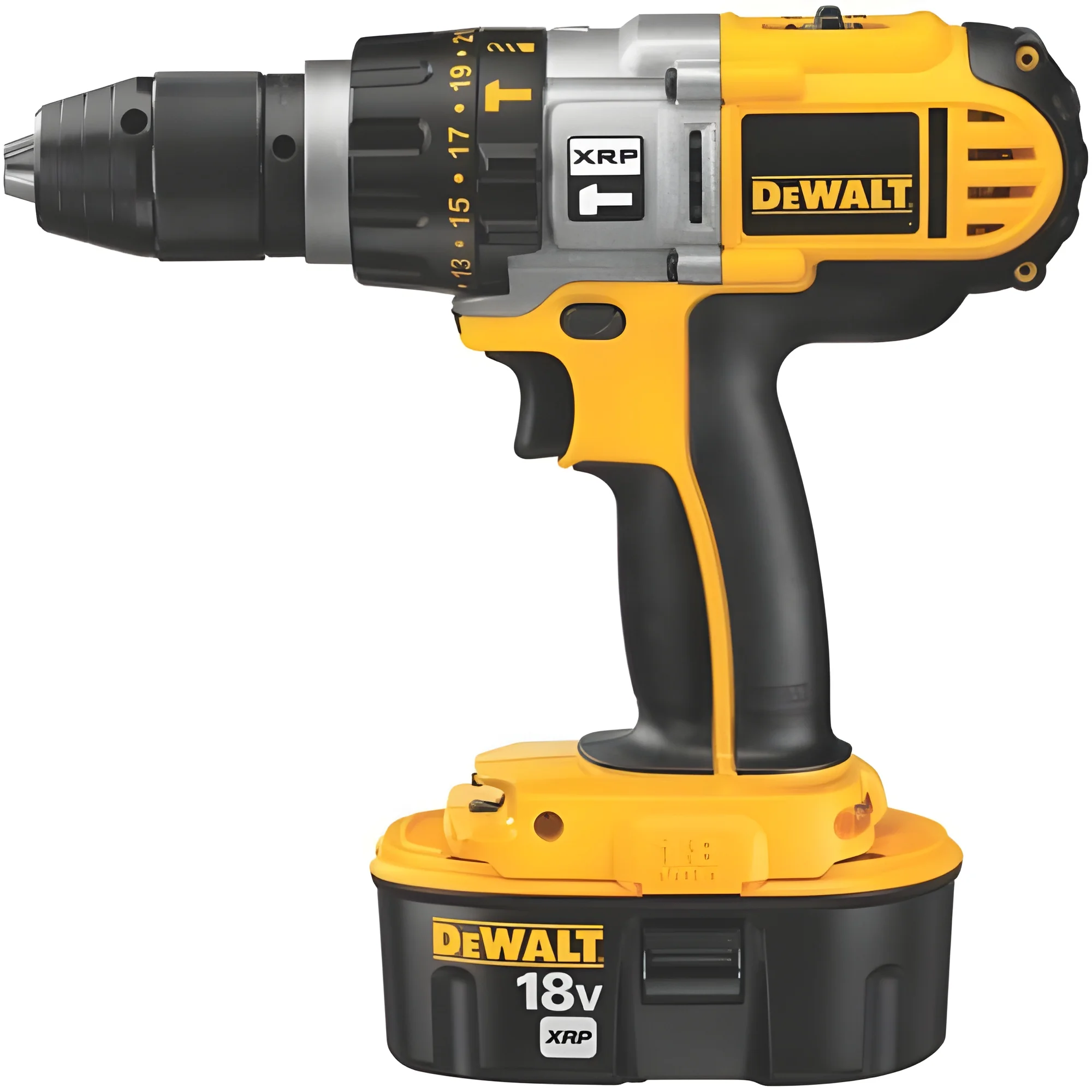
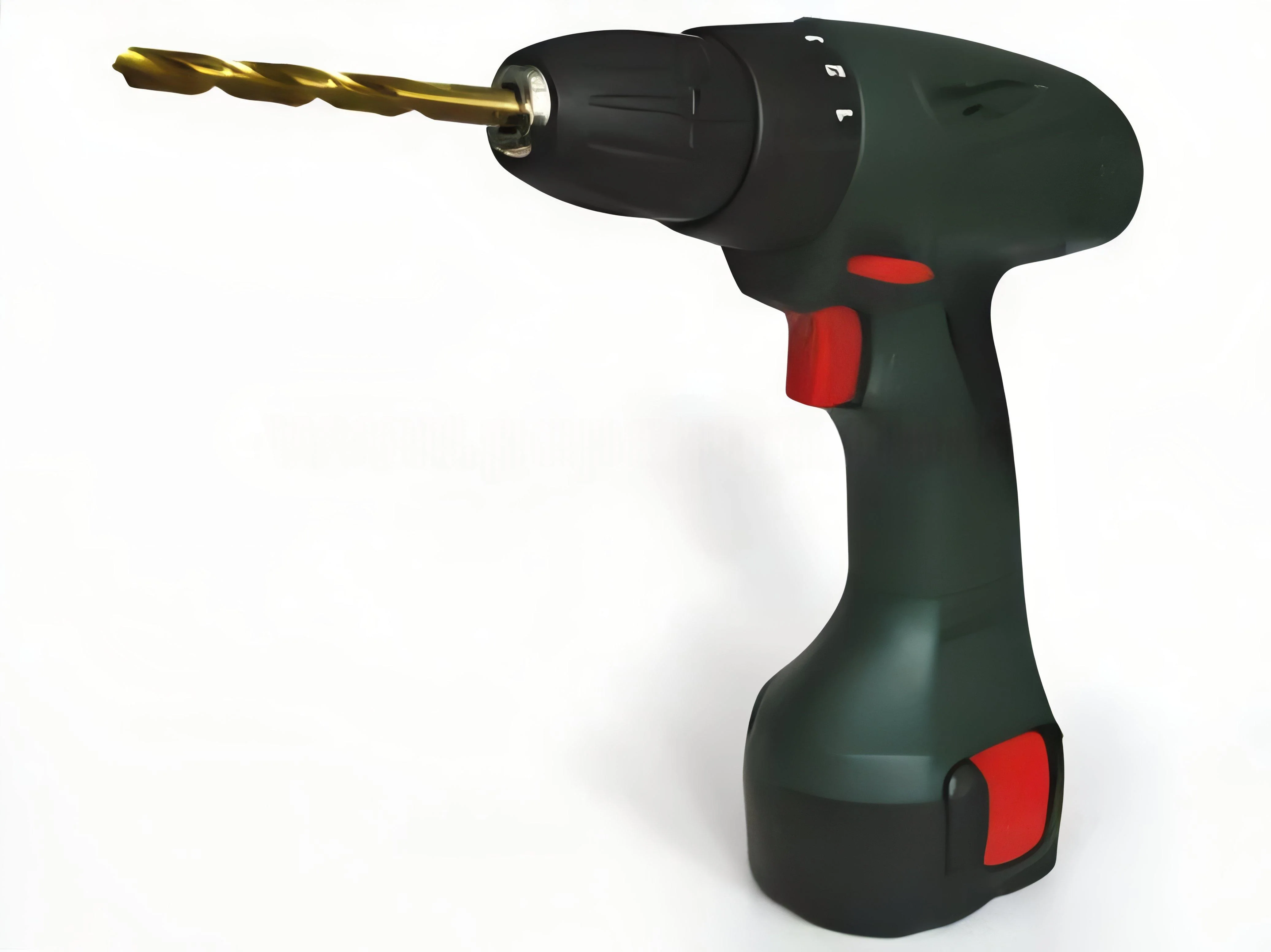
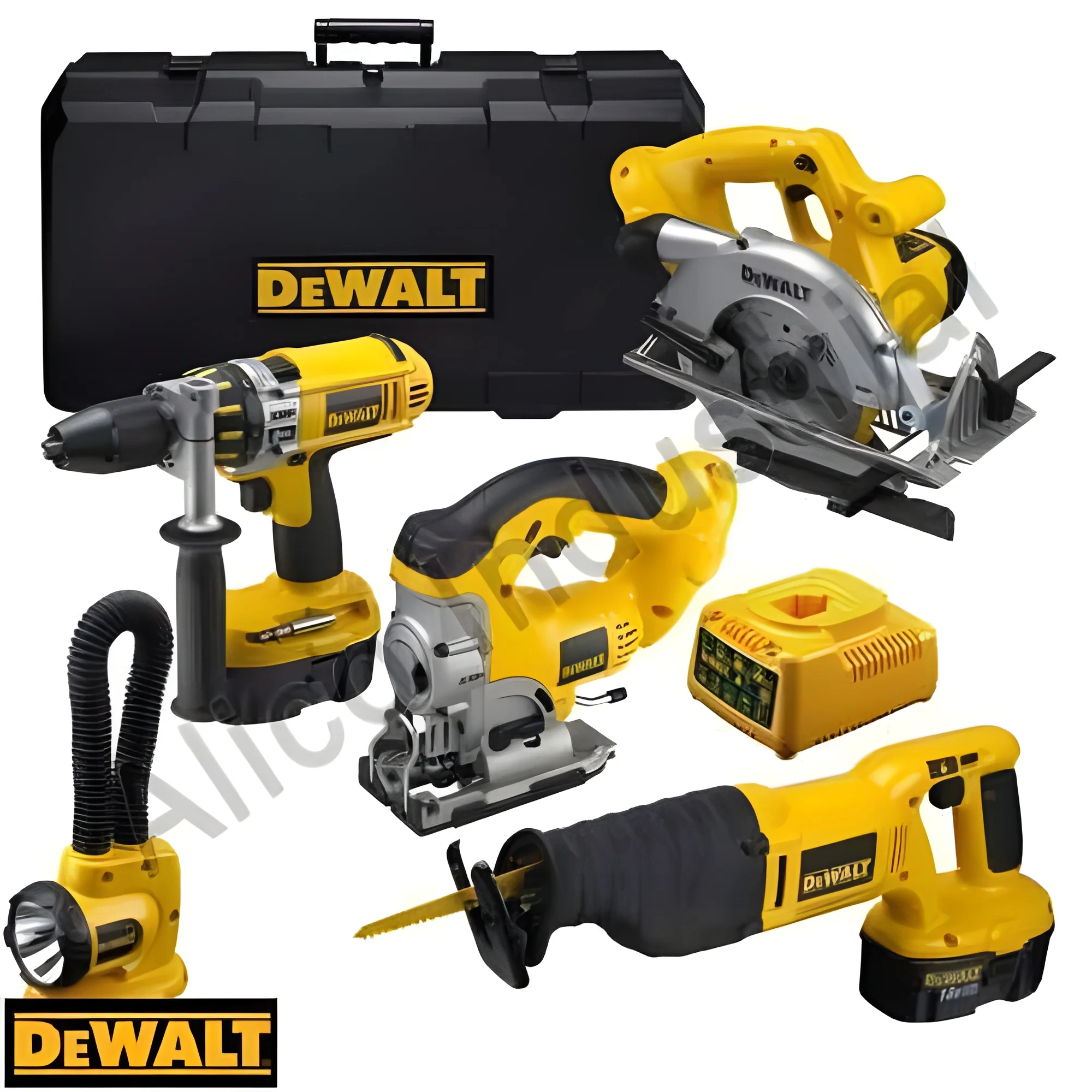
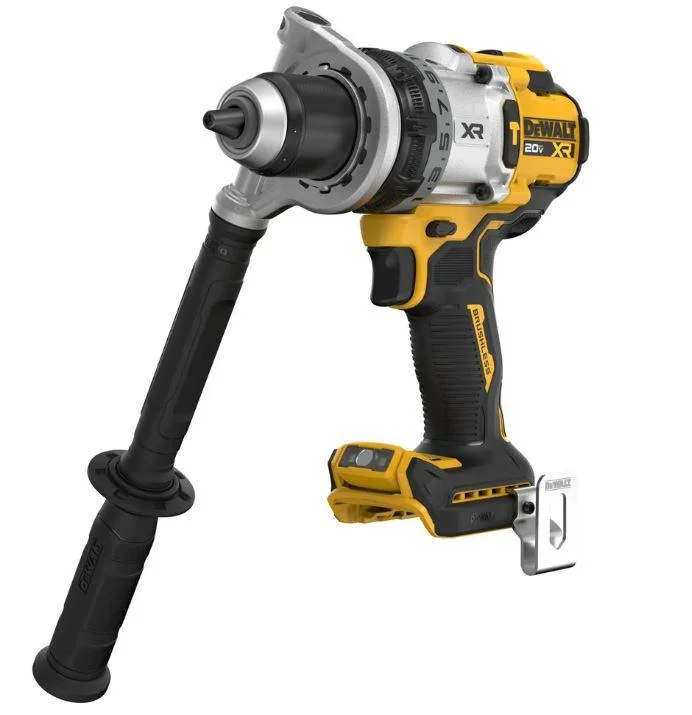
Cordless Drills: These drills provide the convenience of mobility without the hassle of cords. They are ideal for work in tight spaces and offer various torque settings for different materials.
Angle Grinders: Known for their versatility, these grinders can cut, polish, and grind different materials. They are commonly used in metalworking and masonry applications.
Reciprocating Saws: These saws are perfect for demolition and remodeling tasks. They can cut through wood and metal and are often used in construction and renovation projects.
Circular Saws: Ideal for making straight cuts, circular saws are commonly used in woodworking and construction. Their portability makes them a favorite among contractors.
Rotary Tools: These versatile tools can be used for drilling, grinding, sanding, and cutting. They are popular in various industries for their multifunctional capabilities.
Benefits and Advantages
Choosing the right other power tools provides numerous advantages that can enhance productivity and efficiency in various operations.
1. Increased Efficiency: Power tools allow for faster completion of tasks compared to manual tools, leading to improved workflow and productivity.
2. Precision and Accuracy: These tools provide greater control and accuracy, reducing the likelihood of errors in cutting or drilling.
3. Durability: High-quality power tools are built to withstand heavy use, ensuring longevity and reliability in demanding environments.
4. Versatility: Many power tools offer multiple functions, allowing businesses to handle a wide range of tasks with a single tool.
5. Safety Features: Modern power tools come equipped with various safety features that protect users during operation, reducing the risk of accidents.
6. Cost-Effectiveness: Investing in durable and efficient power tools can lead to cost savings over time due to reduced labor and maintenance costs.
Buying Guide for B2B Buyers
When sourcing other power tools like drills, grinders, and saws, several factors should be considered to ensure a successful purchase.
1. Quality Assessment: Evaluate tools based on their build quality and performance standards. Look for options that meet industry specifications and have positive reviews from other users.
2. Supplier Verification: Vet suppliers to ensure they are reliable and have a good track record. Check for certifications and customer feedback to gauge their reputation.
3. Pricing and MOQ: Understand the pricing structure and minimum order quantities (MOQ) to make informed purchasing decisions. Compare prices among suppliers to find competitive options.
4. Delivery and Lead Times: Assess the logistics of delivery and lead times to ensure tools arrive when needed. Consider suppliers with efficient distribution networks.
5. Compliance Requirements: Ensure that the tools meet relevant industry standards and regulations. This may include safety certifications and environmental considerations.
Compliance and Certifications
Compliance and certifications are crucial in ensuring that other power tools meet industry standards and safety requirements. Relevant quality standards such as ISO 9001 ensure that manufacturers adhere to consistent quality management practices. These standards help guarantee that tools are produced with effective processes and meet customer satisfaction.
Additionally, industry certifications like CE mark signify that products comply with European health, safety, and environmental protection standards. This certification is important for businesses operating in or exporting to European markets, ensuring compliance with local regulations.
Safety and testing requirements are vital to protect users during operation. Tools should undergo rigorous testing to verify their safety features and performance capabilities. Regional compliance considerations may vary, so it is essential to be aware of local regulations that apply to power tools in specific markets.
Why Source Other Power Tools (Drills, Grinders, Saws) from Pepagora?
Pepagora stands out as a trusted platform for sourcing other power tools such as drills, grinders, and saws, offering several key advantages that benefit B2B buyers.
Verified Supplier Network: Pepagora provides access to a network of verified suppliers who meet stringent quality and reliability standards. This ensures that buyers can source tools from reputable manufacturers.
Streamlined RFQ Process: The platform features a streamlined Request for Quotation (RFQ) process that simplifies the procurement of power tools. Buyers can quickly receive quotes from multiple suppliers, enabling them to compare options efficiently.
Trade Assurance and Support: Pepagora offers trade assurance and support, providing buyers with protection throughout the purchasing process. This includes assistance with order management and conflict resolution if necessary.
Regional Coverage: Pepagora’s geographic reach extends across India, the Gulf Cooperation Council (GCC), and Southeast Asia. This broad coverage allows businesses to source power tools from various regions, facilitating access to diverse products and competitive pricing.

 IN
IN