
 IN
Demolition Hammers
22 products available
What are Demolition Hammers?
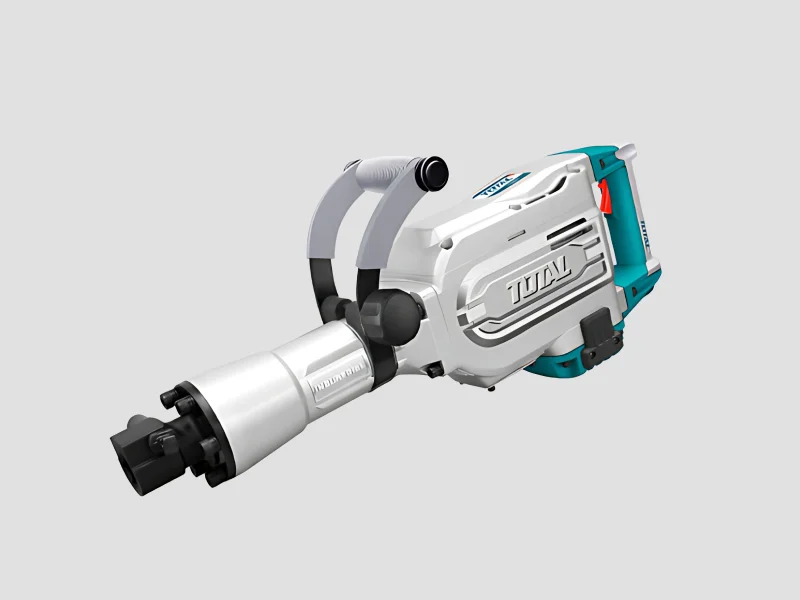
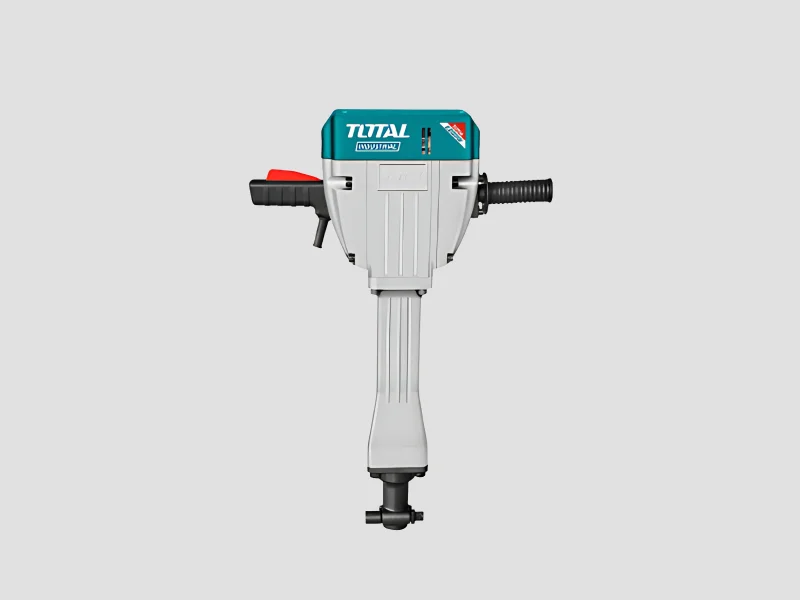
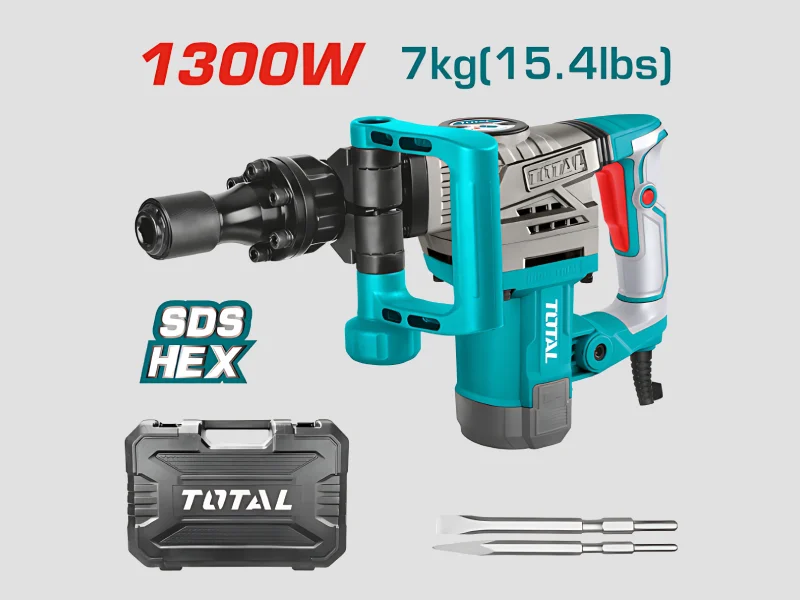
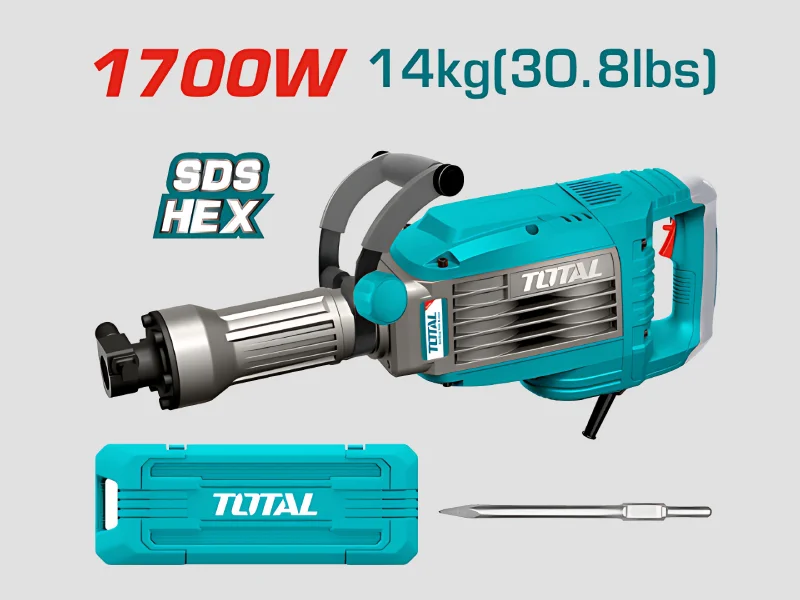
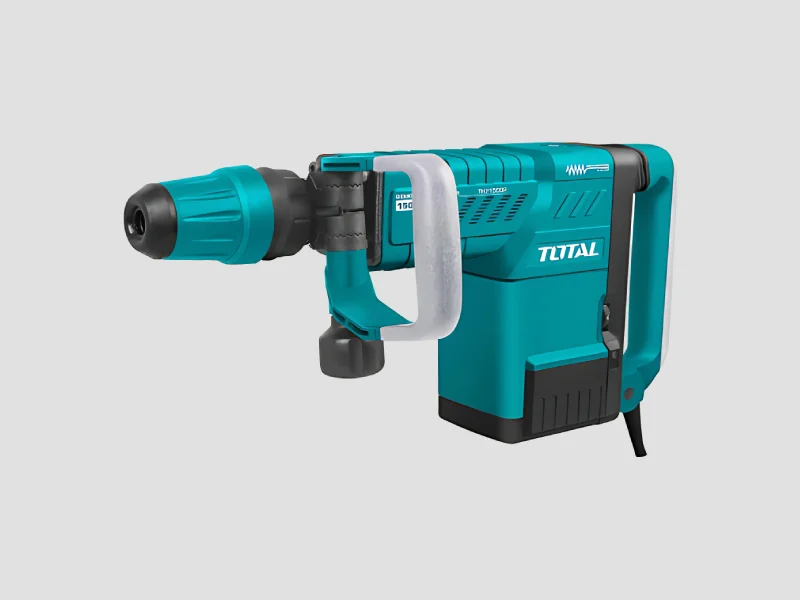
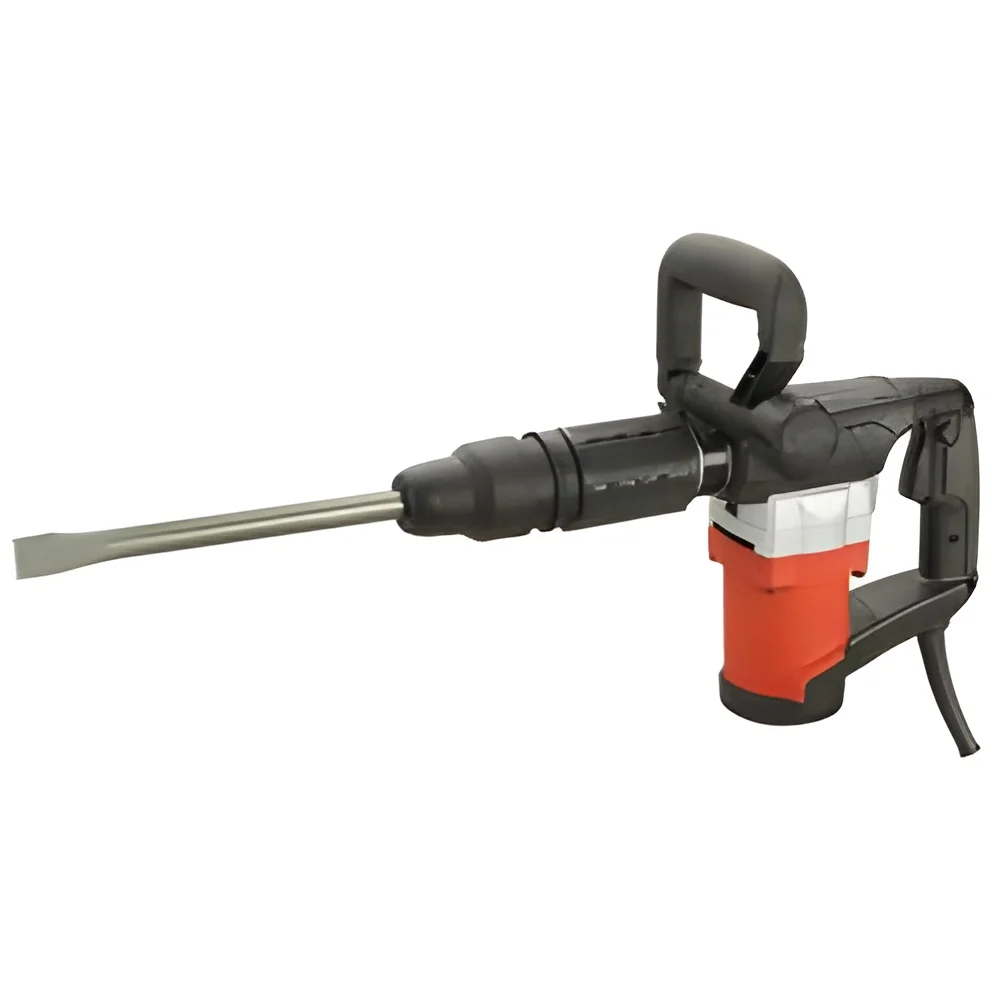
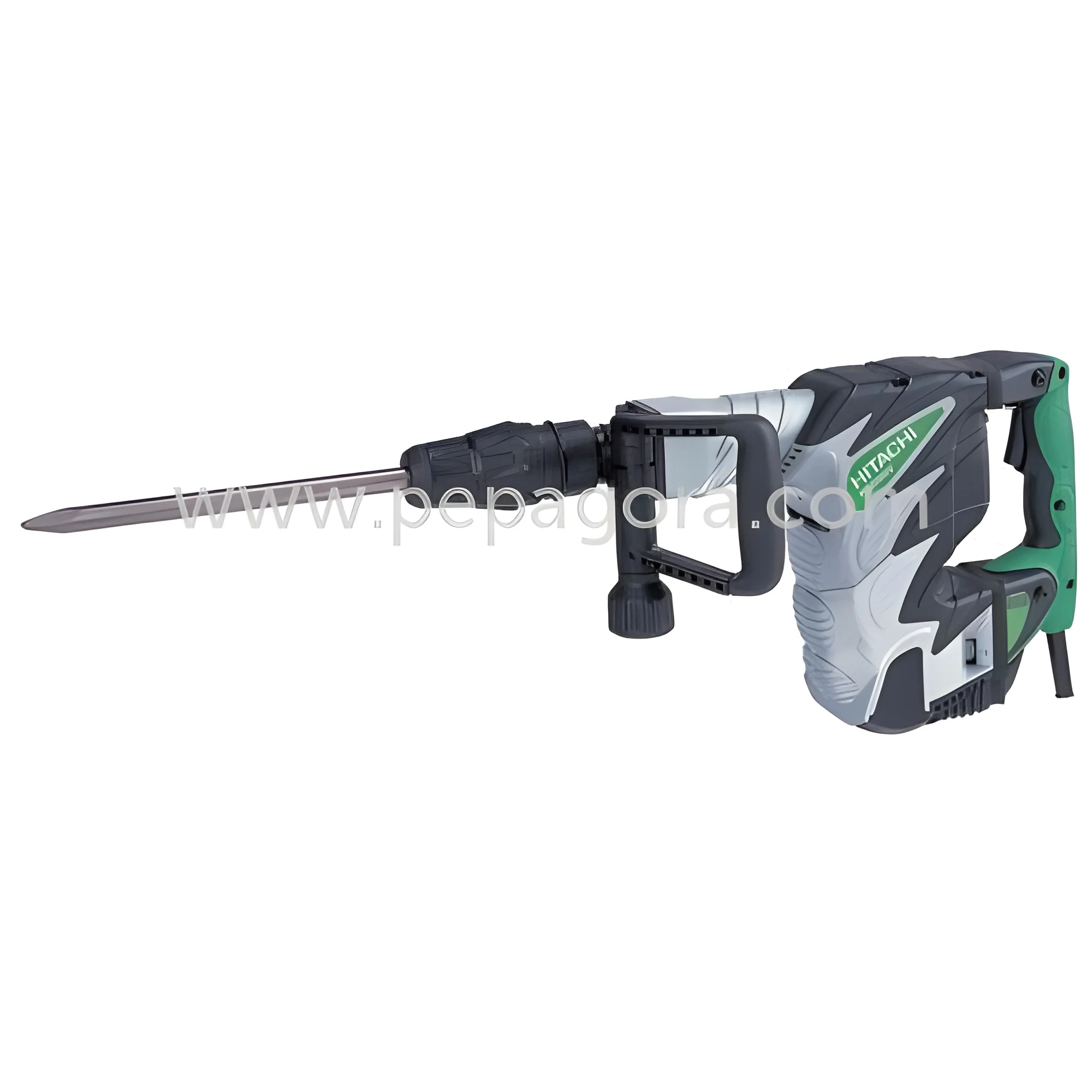
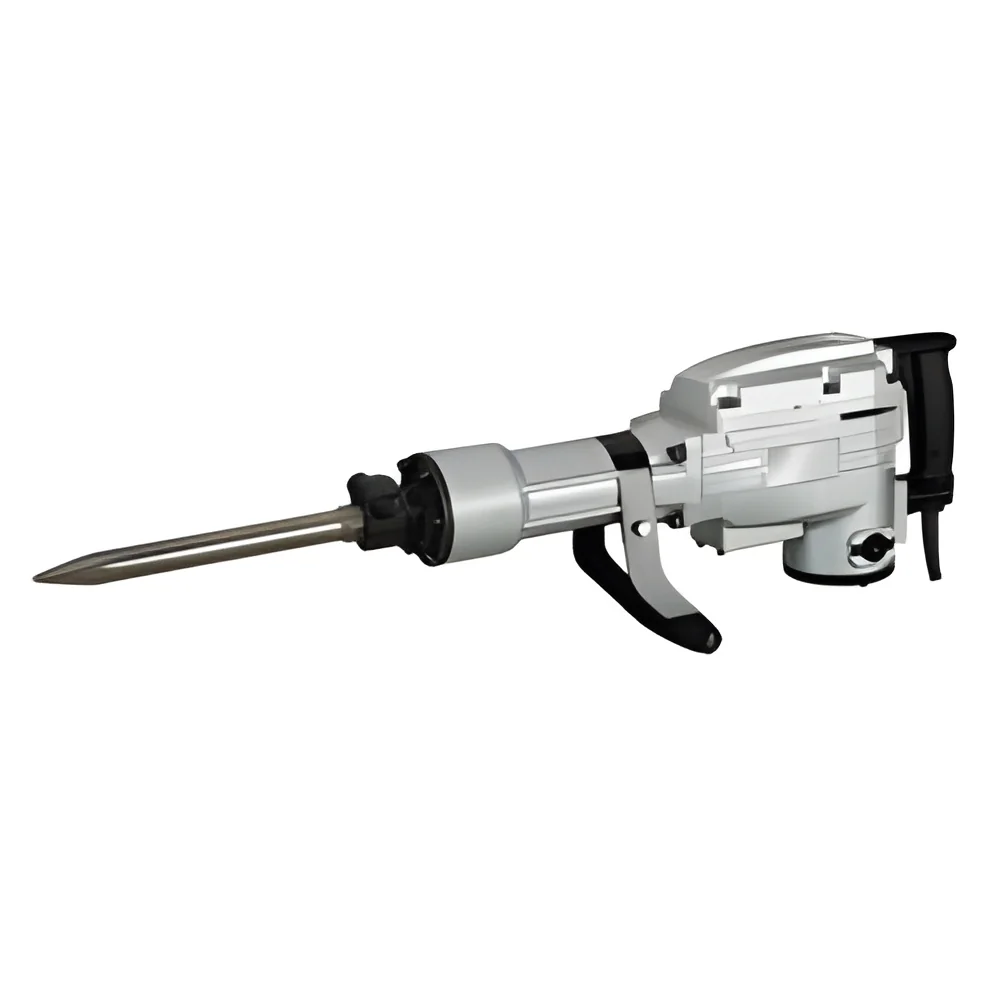
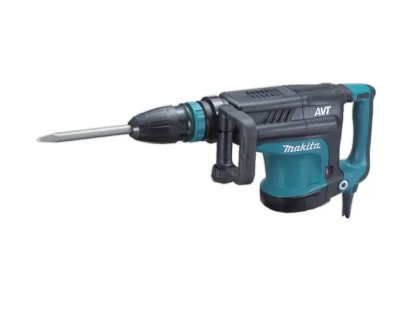
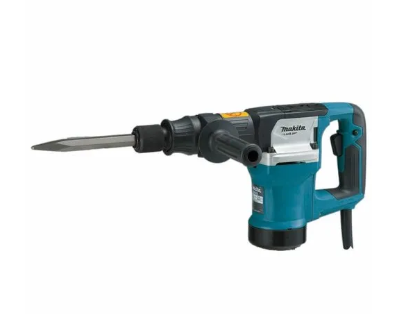
Demolition hammers are powerful electric tools designed for breaking up concrete, masonry, and other solid materials. They operate using a combination of hammering and chiseling actions, which allows them to efficiently remove large portions of material from structures. These tools are often essential in construction and renovation projects, where heavy-duty demolition work is required.
The primary uses of demolition hammers include breaking up old concrete slabs, removing tiles, and chipping away at brickwork. They are commonly found on construction sites, in renovation projects, and in industrial settings where heavy materials need to be dismantled. Their effectiveness in swiftly and efficiently removing unwanted materials makes them a vital tool for contractors and builders.
In today's competitive market, demolition hammers are increasingly relevant as construction and infrastructure projects grow in scale and complexity. As urban development accelerates, the demand for efficient demolition tools has risen, leading to innovations in design and functionality. These tools must meet rigorous industry standards to ensure safety and effectiveness, making it crucial for businesses to choose reliable products.
Key Features and Specifications
Demolition hammers come with various features and specifications that determine their performance and suitability for specific tasks. Understanding these specifications is essential for making an informed purchasing decision.
Key specifications include:
1. Power Rating
- Typically ranges from 5 to 15 amps
- Higher power ratings provide more force for tougher jobs
2. Impact Energy
- Usually expressed in joules (J)
- Ranges from 10 J to 50 J, indicating the hammer's ability to break tough materials
3. Weight
- Generally varies from 10 to 25 pounds
- Heavier models offer more power but may be less portable
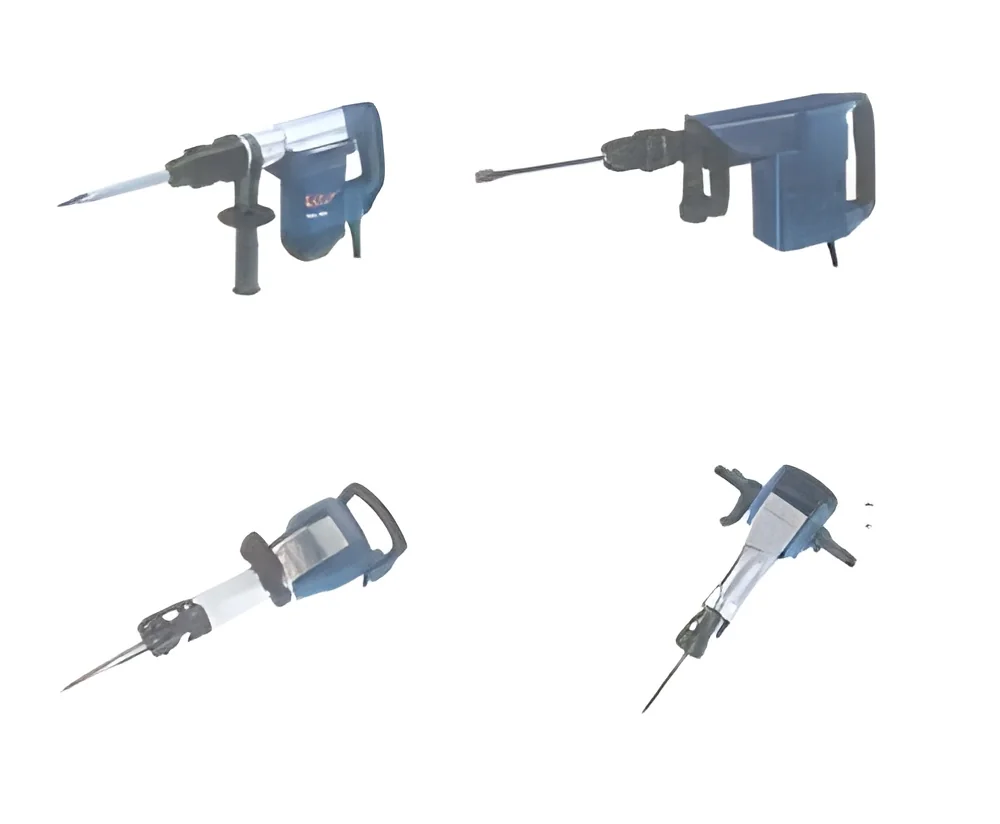
4. Chisel Type
- Various types are available, including pointed and flat chisels
- Different chisels are suited for specific applications
5. Vibration Control
- Many models include features to minimize vibration
- Reduces operator fatigue during prolonged use
6. Speed Settings
- Some demolition hammers offer variable speed options
- Allows for better control depending on the material being worked on
7. Corded or Cordless
- Corded models provide continuous power for extended use
- Cordless models offer greater mobility but may have limited battery life
8. Safety Features
- Includes overload protection and ergonomic handles
- Ensures safe operation in demanding environments
Choosing the right specifications will greatly enhance the efficiency and safety of the demolition process.
Common Applications and Use Cases
Demolition hammers find applications across a variety of industries due to their versatility and power.
1. Construction: In construction, demolition hammers are used to break up concrete foundations, remove old structures, and prepare sites for new developments.
2. Renovation: During renovation projects, these tools help in the removal of tiles, walls, and other materials, making it easier to update or remodel existing spaces.
3. Roadwork: In road construction and maintenance, demolition hammers are ideal for breaking asphalt and concrete to facilitate repairs or expansions.
4. Mining: In the mining sector, they are used for breaking rock and other hard materials, assisting in the extraction process.
5. Utilities: Utility companies use demolition hammers to break through concrete when performing repairs or installations of pipes and cables.
6. Demolition: Professional demolition contractors rely on these tools to efficiently dismantle buildings and structures as part of controlled demolition projects.
7. Landscaping: In landscaping, demolition hammers can be used to break up hard soil and remove unwanted concrete features.
Product Variants and Subcategories
Demolition hammers are available in various models tailored to meet specific user needs and applications.
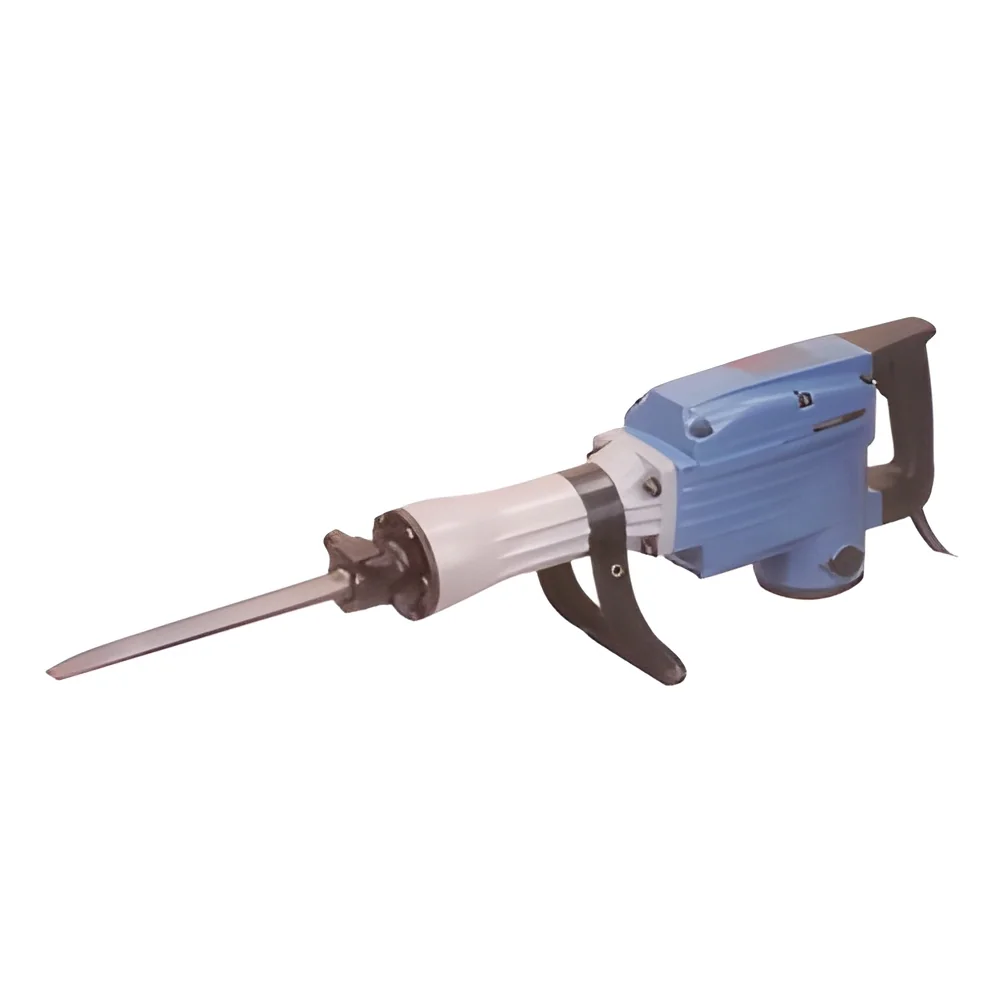
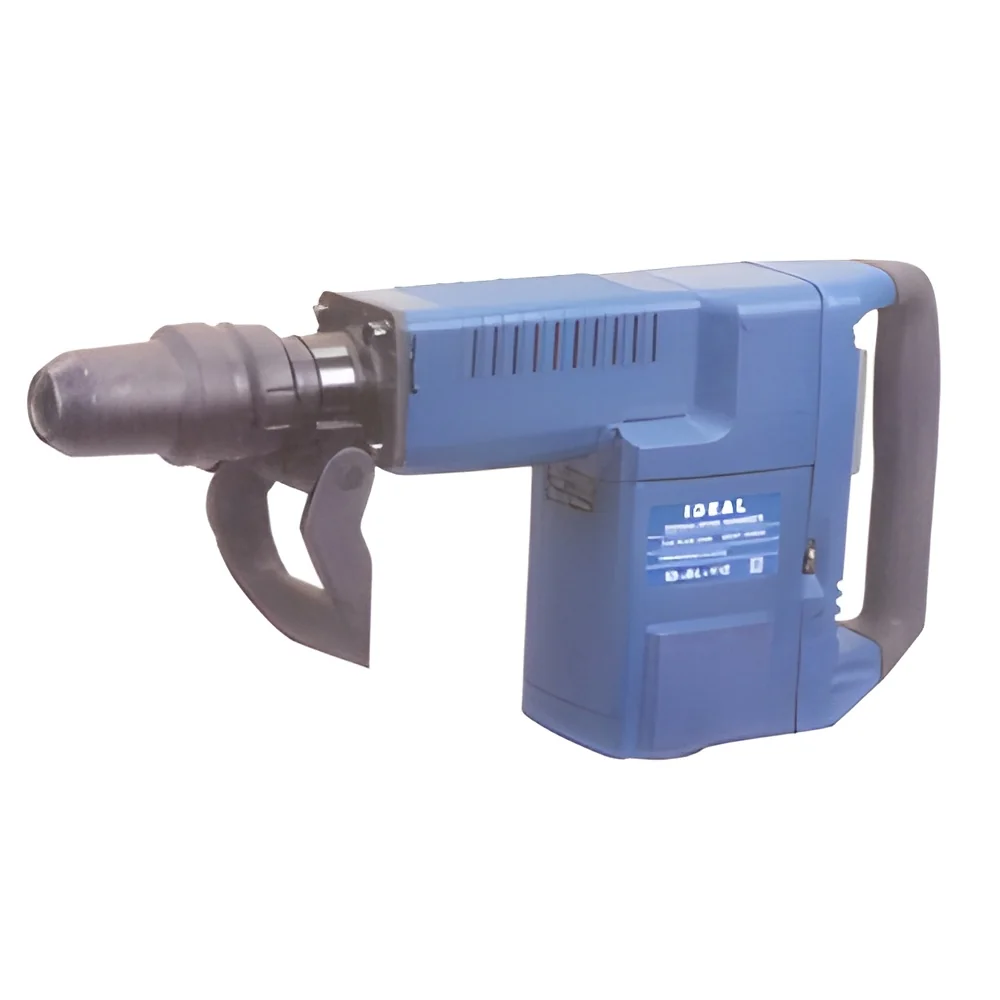
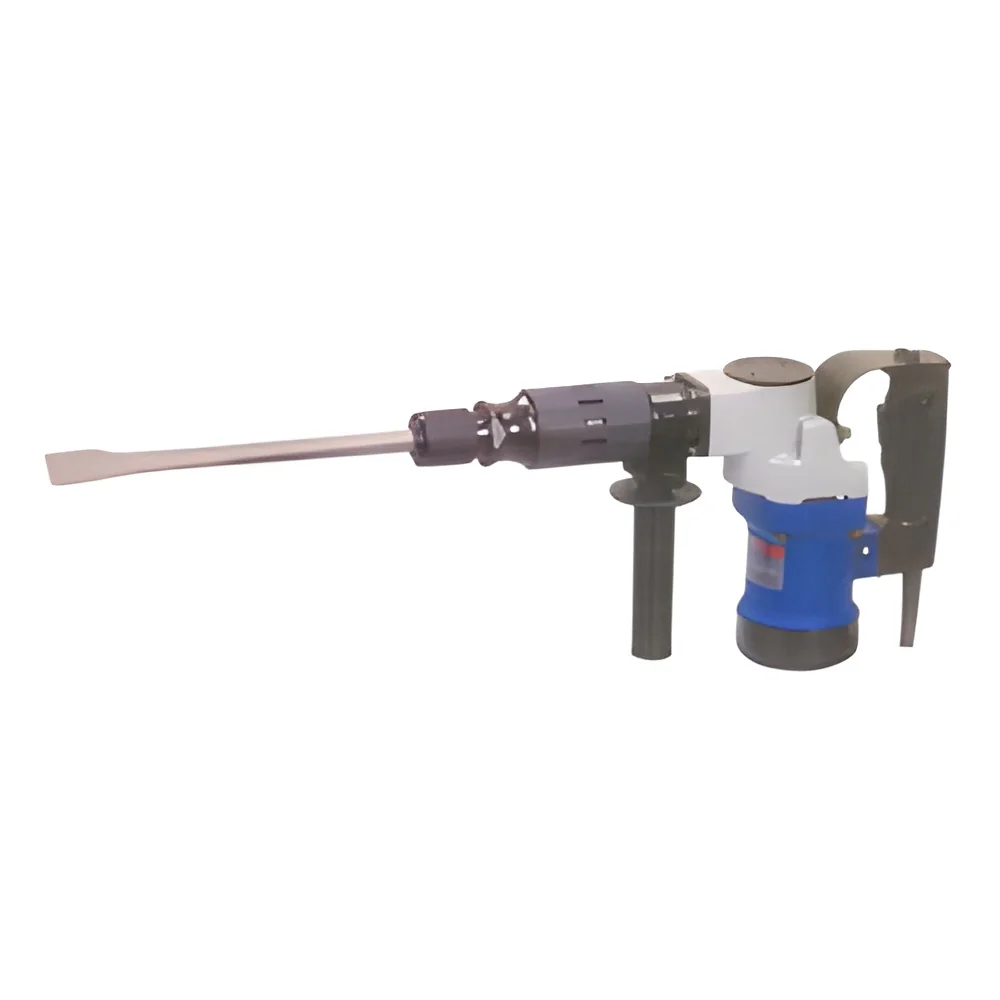
Electric Demolition Hammer
This variant is popular for its efficiency and power. It is suitable for heavy-duty tasks and is often used in construction and renovation projects.
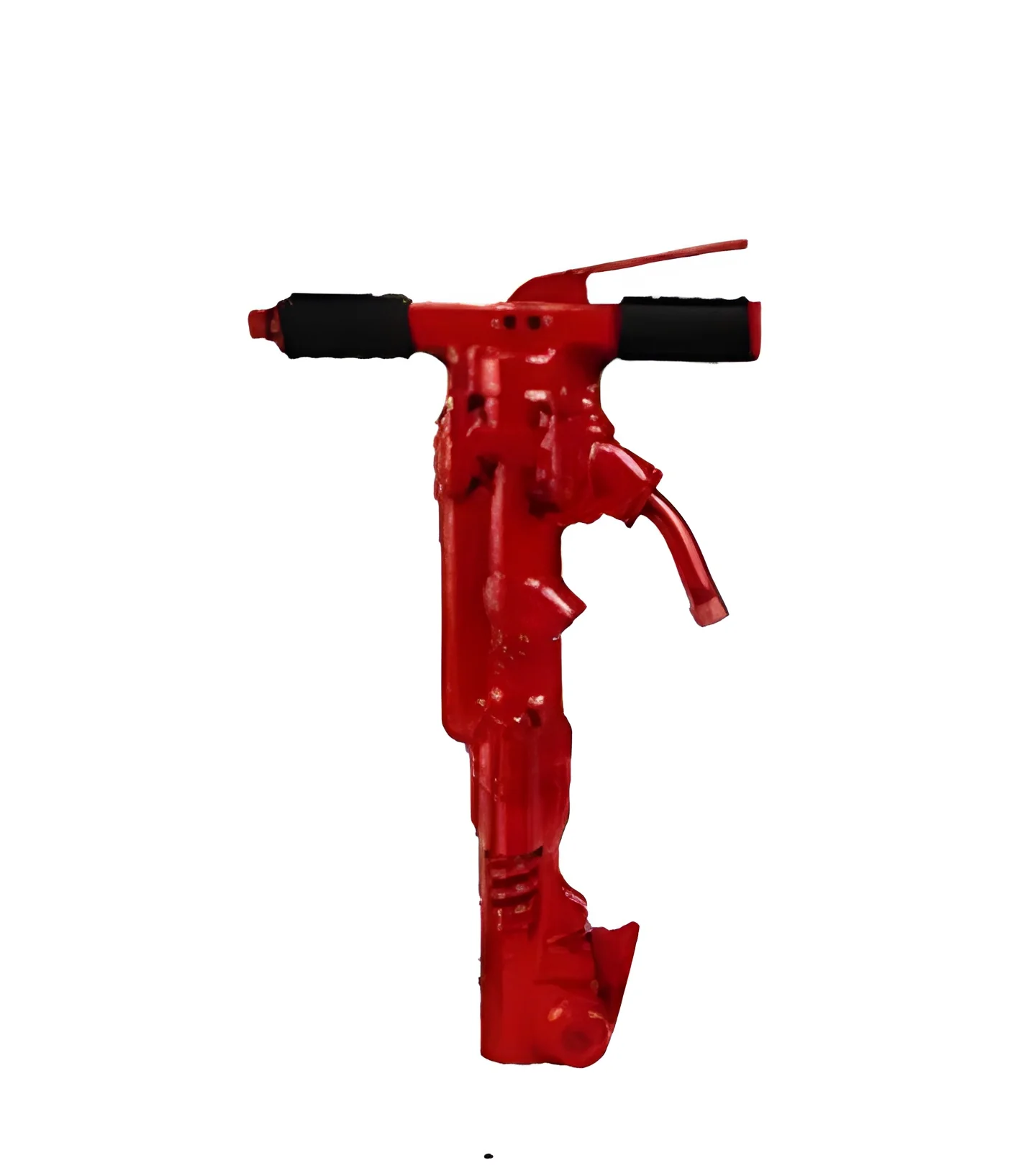
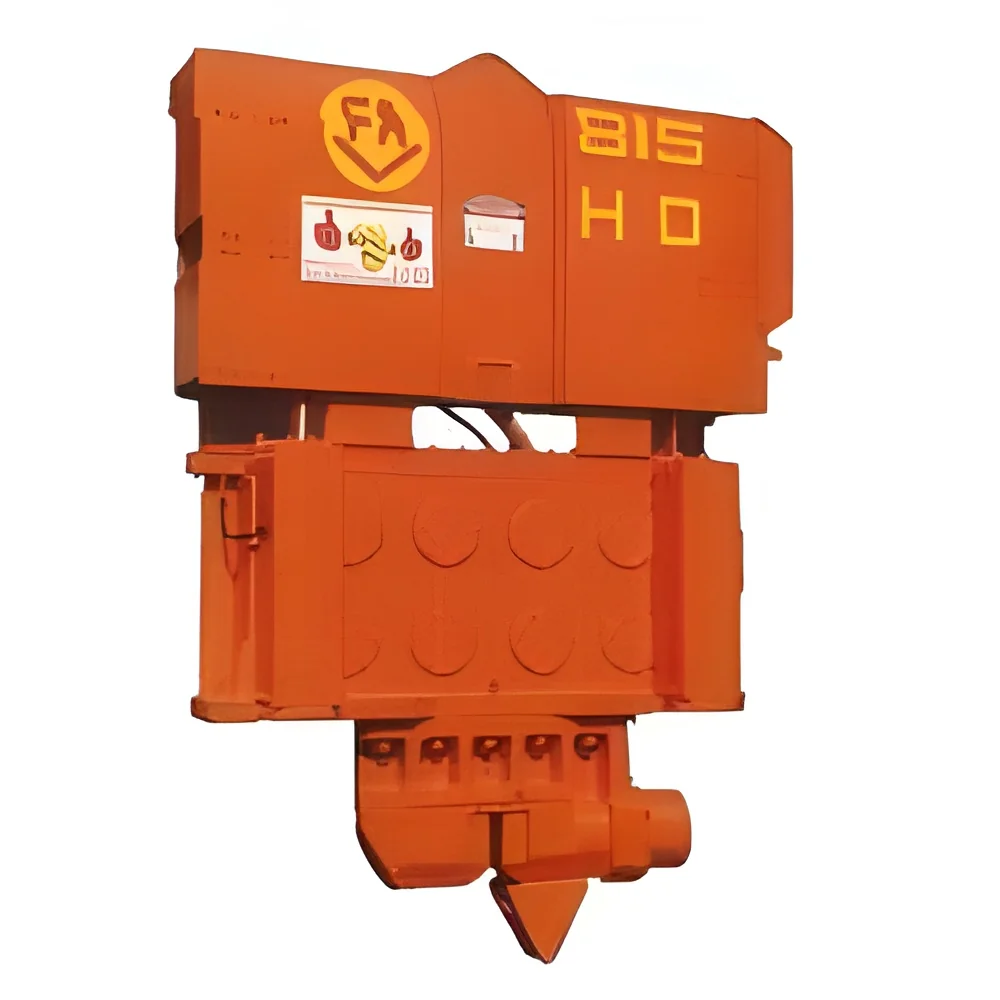
Pneumatic Demolition Hammer
Utilizing compressed air, this type is ideal for more extensive demolition work. It is widely used in industrial applications due to its high impact energy.
Cordless Demolition Hammer
This variant offers portability and convenience. It is perfect for jobs where mobility is essential, making it useful for small projects or tight spaces.
Benefits and Advantages
Demolition hammers provide numerous benefits that enhance productivity and safety on the job site.
1. Efficiency: Demolition hammers significantly speed up the process of breaking down structures compared to manual tools, saving time and labor costs.
2. Versatility: With various chisel types and power options, these tools can be used for a wide range of applications across different industries.
3. Operator Comfort: Many models come equipped with ergonomic handles and vibration control features, reducing fatigue during prolonged use.
4. Safety: Built-in safety features protect operators and prevent accidents, making these tools safer to use in demanding environments.
5. Durability: High-quality demolition hammers are built to withstand tough working conditions, ensuring longevity and reliability.
6. Cost-Effectiveness: Investing in a demolition hammer can lead to significant savings in labor and time, providing a good return on investment for businesses.
Buying Guide for B2B Buyers
When sourcing demolition hammers, it is essential for businesses to consider several key factors to ensure they make a sound investment.
1. Quality Assessment: It's vital to evaluate the quality of the demolition hammer. Look for reputable brands that adhere to industry standards and possess certifications, such as CE.
2. Supplier Verification: Vetting suppliers is crucial. Verify their credibility, experience, and customer feedback to ensure reliability and product quality.
3. Pricing and MOQ: Understand the pricing structure and minimum order quantities (MOQ) set by suppliers. This helps in budgeting and securing the best value for your investment.
4. Delivery and Lead Times: Consider the logistics involved in acquiring the demolition hammers. Ensure that suppliers can meet your timelines to avoid project delays.
5. Compliance Requirements: Familiarize yourself with any local regulations and compliance standards that apply to demolition hammers. Ensuring adherence will mitigate potential legal issues.
Compliance and Certifications
Demolition hammers must adhere to various quality standards and certifications to ensure safety and reliability in their operation.
ISO 9001 is a widely recognized quality management standard that promotes consistent quality in manufacturing processes. Compliance with this standard indicates that a manufacturer has effective quality management systems in place.
The CE marking signifies that a product meets European safety and environmental standards. This certification is essential for products sold within the European market and assures buyers of the hammer’s safety and compliance.
Safety and testing requirements are critical, as they ensure that demolition hammers perform effectively without posing risks to users. Manufacturers often conduct rigorous testing to meet these standards before releasing products to the market.
Regional compliance considerations can vary, so it is essential for buyers to be aware of specific regulations in their area. Ensuring compliance with local laws will prevent issues related to product safety and legality.
Why Source Demolition Hammers from Pepagora?
Pepagora offers a reliable platform for sourcing demolition hammers, boasting several advantages that benefit B2B buyers.
Verified Supplier Network: Pepagora's commitment to quality is evident in its thorough supplier verification process. Each supplier undergoes a rigorous evaluation to ensure they meet industry standards and provide high-quality products.
Streamlined RFQ Process: The request for quotation (RFQ) system at Pepagora is designed for efficiency. Buyers can easily obtain quotes from multiple suppliers, allowing for quick comparisons and informed decision-making.
Trade Assurance and Support: Pepagora prioritizes buyer protection through its trade assurance program. This support offers peace of mind, ensuring that transactions are secure and that buyers receive the products they expect.
Regional Coverage: With a vast network that spans India, the GCC, and Southeast Asia, Pepagora provides extensive geographic reach. This enables buyers to access a diverse range of suppliers and products tailored to their regional needs.
By choosing Pepagora, businesses can confidently source demolition hammers that meet their specific requirements while benefitting from a robust support system.


Frequently Asked Questions
What are Demolition Hammers?
Demolition hammers are powerful electric tools designed for heavy-duty demolition tasks. They utilize a piston mechanism to deliver high-impact force, making them ideal for breaking concrete, brick, and other tough materials.
What are the different types of Demolition Hammers?
Demolition hammers come in various types, including electric, pneumatic, and hydraulic models. Electric demolition hammers are the most common, offering portability and ease of use, while pneumatic and hydraulic models are typically used in industrial applications for more intense tasks.
How do I choose the right Demolition Hammers?
Choosing the right demolition hammer depends on factors such as the material you will be working with, the scale of your project, and your budget. Consider the hammer's weight, power rating, and impact energy to ensure it meets your specific demolition needs.
What are the standard specifications for Demolition Hammers?
Standard specifications for demolition hammers include power output (usually measured in watts), impact energy (measured in joules), and weight. These specifications determine the tool's efficiency and suitability for different demolition tasks.
What is the price range for Demolition Hammers?
The price range for demolition hammers can vary widely based on brand, specifications, and features. Generally, prices can range from INR 5,000 to INR 30,000 or more for high-end models.
What quality standards apply to Demolition Hammers?
Demolition hammers must comply with various quality standards, including safety regulations and performance benchmarks. Look for certifications such as ISO and compliance with local safety standards to ensure the tool's reliability and effectiveness.
Where can I find Demolition Hammers suppliers in India?
You can find demolition hammers suppliers in India through online B2B marketplaces like Pepagora, trade shows, and industry directories. Additionally, local hardware stores and specialized tool suppliers may also offer a range of options.
Can Demolition Hammers be customized?
Yes, many manufacturers offer customization options for demolition hammers, such as specific attachments or modifications to meet unique project requirements. It's advisable to discuss your needs with the supplier before placing an order.
What is the typical minimum order quantity for Demolition Hammers?
The typical minimum order quantity (MOQ) for demolition hammers can vary depending on the supplier and the specific model. Generally, MOQs range from 1 to 10 pieces, but bulk orders may offer more flexibility.
What is the typical lead time for Demolition Hammers?
The typical lead time for demolition hammers can range from a few days to several weeks, depending on the supplier's inventory and manufacturing capabilities. Always confirm lead times with your supplier to ensure timely delivery for your projects.
Why Businesses Trust Pepagora
Thousands of companies trust Pepagora to source smarter and sell faster
Expand Your Sales Globally

Source Smarter,Grow Faster
