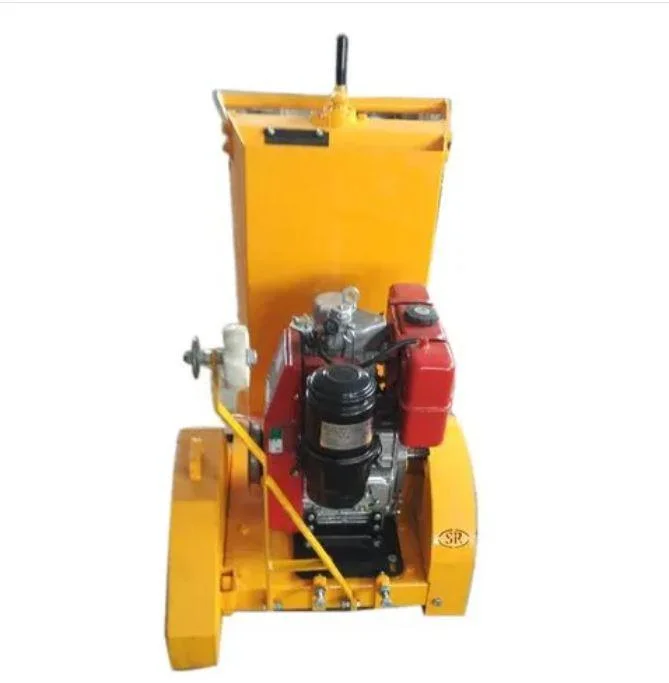
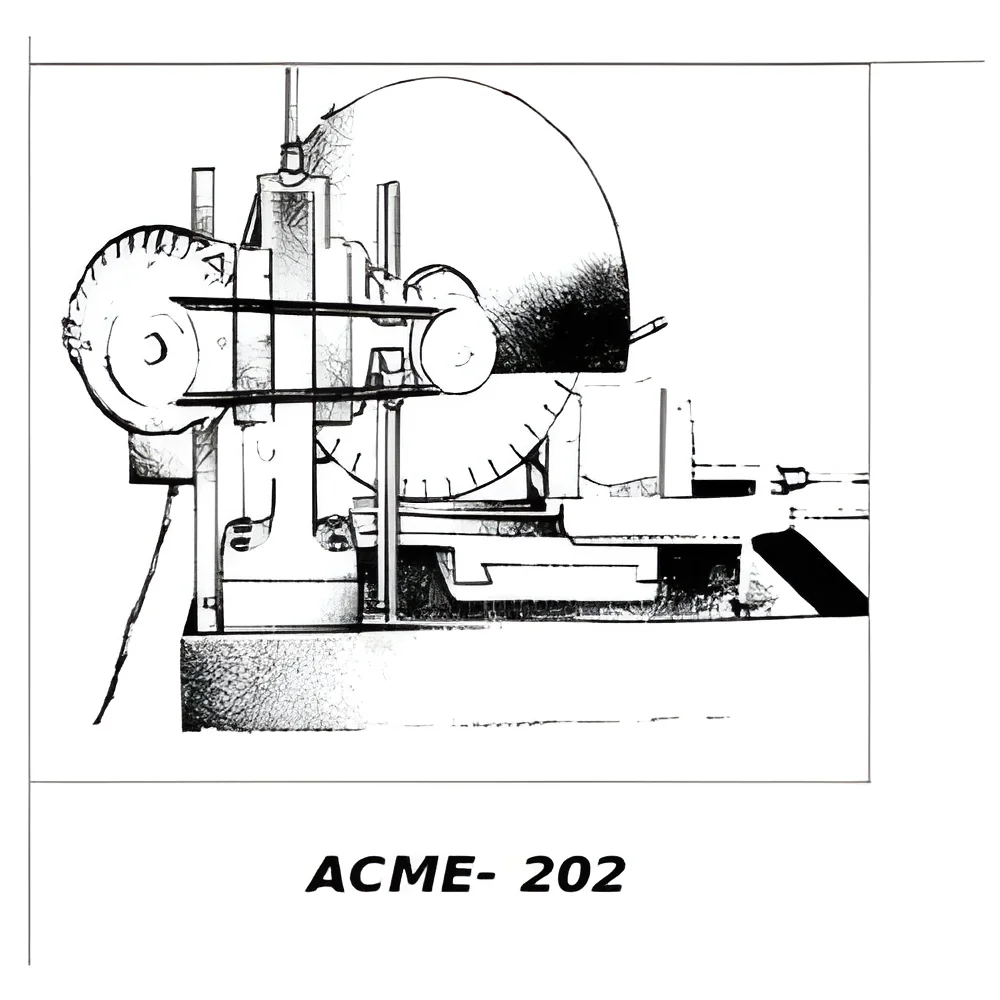
What are Concrete Cutters?
Concrete cutters are specialized tools designed for cutting through concrete and other hard materials. These machines come equipped with powerful engines and high-quality blades that can efficiently handle various cutting tasks. They are essential in construction and renovation projects, enabling precise cuts in concrete slabs, walls, and pavements. Concrete cutters can be operated manually or be mounted on tracks for enhanced stability and accuracy.
The primary applications of concrete cutters span across several industries, including construction, road maintenance, and demolition. In construction, they are used to create openings for doors, windows, and plumbing installations. In road maintenance, concrete cutters help in repairing damaged pavements and creating expansion joints. Their versatility makes them indispensable in both small-scale and large-scale projects, leading to increased productivity and efficiency on job sites.
In the current market, the relevance of concrete cutters continues to grow as infrastructure projects expand globally. The demand for precision cutting in urban development, coupled with the push for faster construction timelines, drives the need for advanced concrete cutting technologies. As a result, manufacturers are constantly innovating to meet the evolving requirements of contractors and construction firms.
Key Features and Specifications
Concrete cutters are equipped with several key features that enhance their performance and usability. Understanding these specifications helps buyers choose the right model for their needs.
Key specifications include:
1. Engine Power
- Typical ranges from 5 to 15 horsepower
- Determines cutting speed and efficiency
2. Blade Diameter
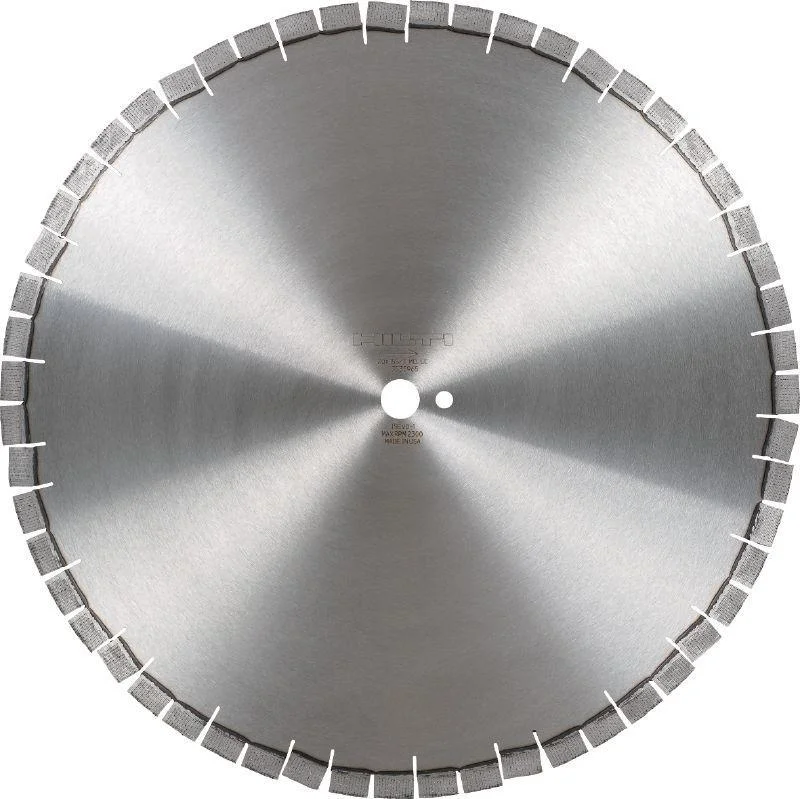
- Common sizes range from 12 to 24 inches
- Affects the depth of cuts achievable
3. Weight
- Generally between 50 to 200 pounds
- Impacts portability and ease of handling
4. Cutting Depth
- Can reach depths of up to 6 inches or more
- Essential for various applications
5. Fuel Type
- Available in gasoline, electric, and hydraulic options
- Influences operational costs and environmental impact
6. Safety Features
- Includes blade guards, emergency stops, and vibration dampening
- Ensures operator safety during use
7. Ease of Operation
- Features like adjustable handles and ergonomic design
- Enhances user comfort for prolonged use
8. Durability
- Built with robust materials to withstand tough conditions
- Ensures long life and reliability on job sites
In summary, the right specifications will depend on the intended application and frequency of use. Buyers should consider these features carefully to select a concrete cutter that meets their specific requirements.
Common Applications and Use Cases
Concrete cutters serve a wide range of industries, making them versatile tools in the construction sector.
1. Construction: In construction projects, concrete cutters are used to create openings for electrical conduits, plumbing, and framing. They allow for precision cuts that minimize waste and ensure proper fitting.
2. Road Maintenance: These machines are vital for road repair work. They are used to cut through asphalt and concrete for patching and resurfacing, helping maintain road safety and longevity.
3. Demolition: During demolition projects, concrete cutters help dismantle structures with precision. They can cut walls, ceilings, and floors to facilitate controlled demolition.
4. Landscaping: In landscaping, concrete cutters assist in creating pathways and patios. They provide clean edges and promote aesthetic appeal in outdoor spaces.
5. Utility Installation: Utility companies utilize concrete cutters for installing pipelines and cables. They ensure minimal disruption and efficient access to underground utilities.
6. Renovation: In renovation projects, concrete cutters are used to modify existing structures. They enable alterations such as creating new doorways or removing unwanted walls.
7. Manufacturing: The manufacturing sector employs concrete cutters for producing precast concrete elements. Their accuracy contributes to high-quality production standards.
Product Variants and Subcategories
Concrete cutters come in various forms to address specific cutting needs, enhancing their utility across different applications.
Walk-Behind Concrete Cutters
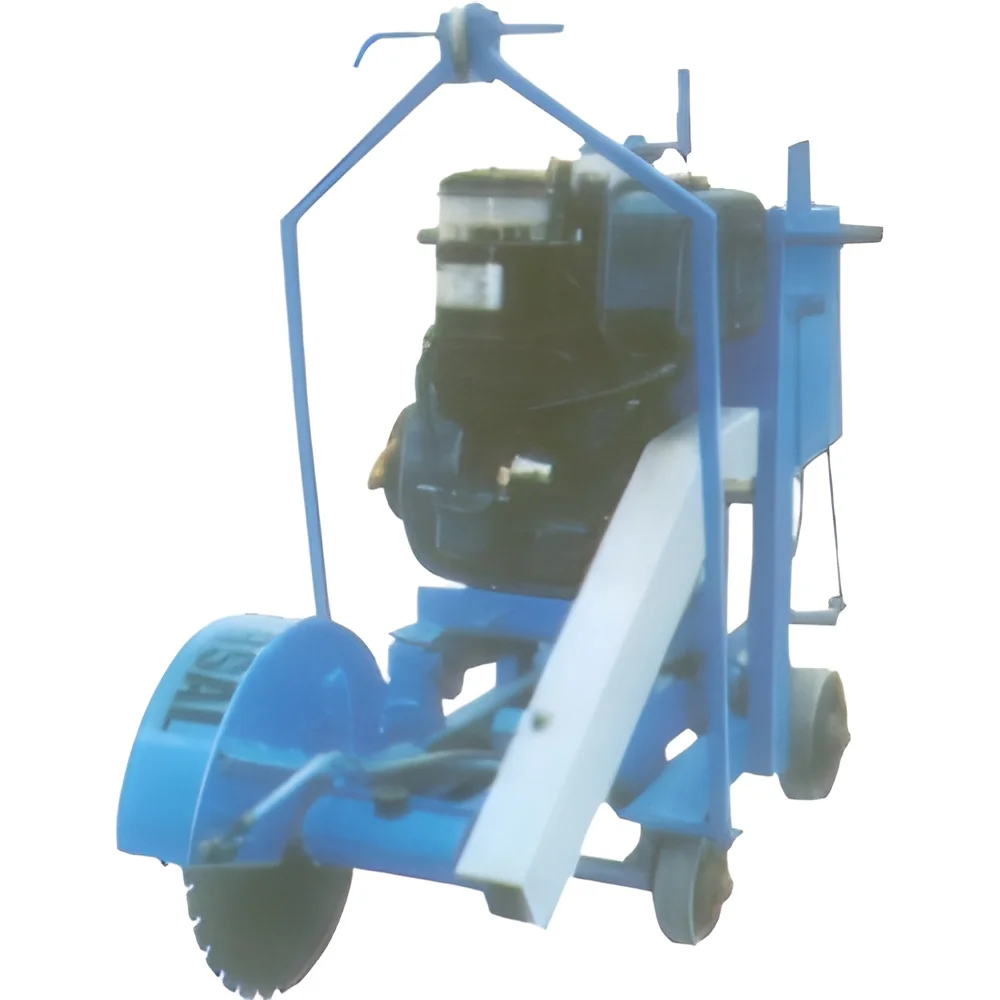
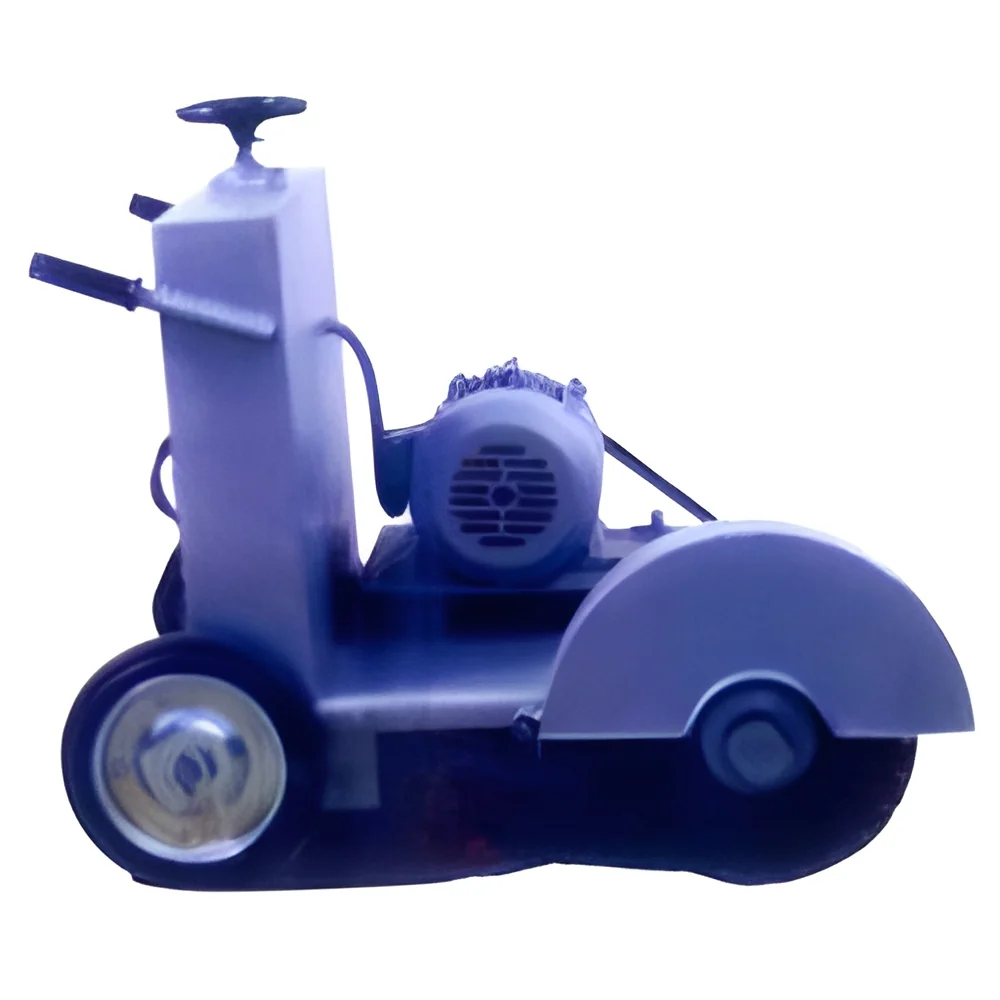
These are typically used for larger jobs where stability and control are crucial. They are equipped with larger blades and powerful engines, making them ideal for cutting thick concrete slabs and pavements.
Handheld Concrete Cutters
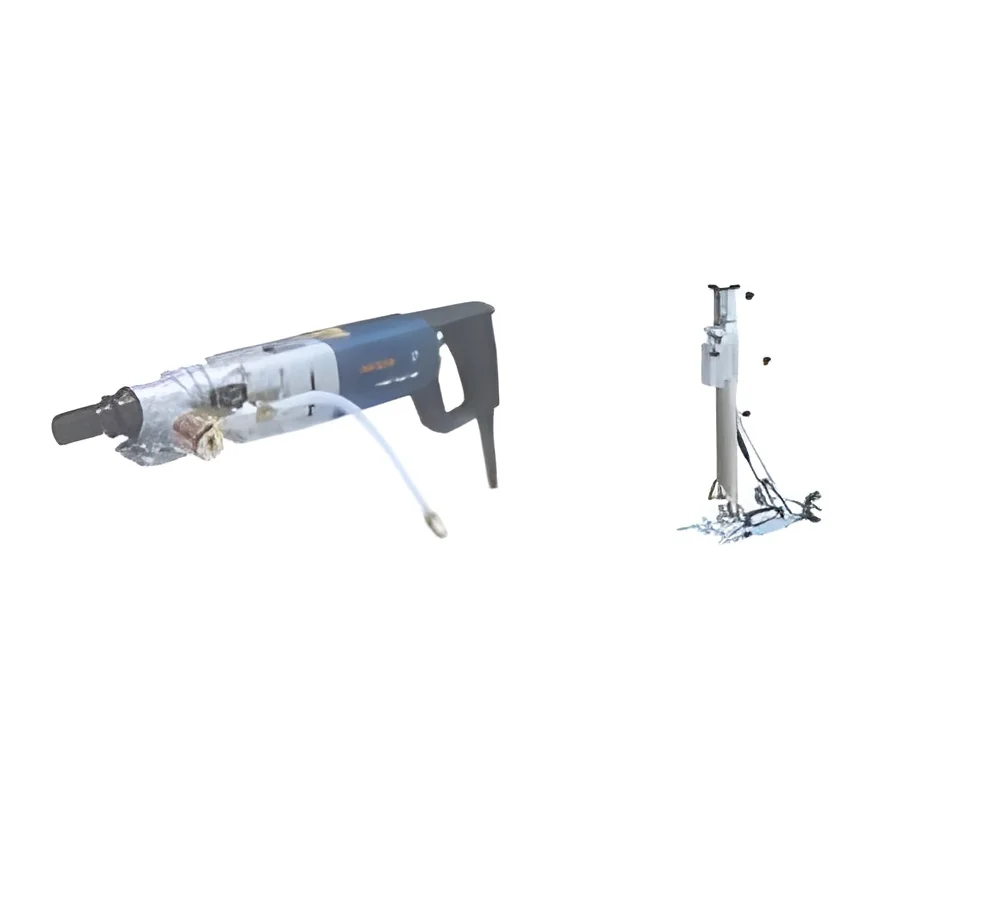
These compact tools are designed for smaller, more precise cuts. They are suitable for cutting in tight spaces and are favored for tasks like creating openings in walls or floors.
Wall Saws
Wall saws are specialized concrete cutting tools designed for cutting vertical surfaces. They are often used in demolition and renovation projects where precise cuts in walls are required.
Wire Saws
Wire saws utilize a wire loop with diamond segments for cutting concrete. They are particularly effective for large-scale projects requiring intricate cuts and are often used in quarrying and large structural applications.
Benefits and Advantages
Concrete cutters offer numerous advantages that make them essential tools in various industries.
1. Efficiency: Concrete cutters enable quick and precise cuts, increasing productivity on job sites. Their powerful engines and sharp blades allow for faster completion of cutting tasks.
2. Versatility: These machines can handle a variety of materials, including concrete, asphalt, and masonry. This versatility makes them suitable for multiple applications across different industries.
3. Safety: Modern concrete cutters come equipped with safety features that minimize the risk of accidents. Blade guards, emergency stops, and ergonomic designs contribute to safer operation.
4. Cost-Effectiveness: By enabling faster cutting and minimizing material waste, concrete cutters can lead to significant cost savings on projects over time.
5. Durability: Constructed from robust materials, concrete cutters are built to withstand harsh working conditions. Their longevity translates to a better return on investment for businesses.
6. Precision: The design of concrete cutters allows for clean, accurate cuts, which is crucial for ensuring quality in construction and renovation projects.
Buying Guide for B2B Buyers
When sourcing concrete cutters, B2B buyers should consider several critical factors to ensure they make informed purchasing decisions.
1. Quality Assessment: Buyers should evaluate the quality of the concrete cutter by examining its construction materials, durability, and performance reviews. A well-built machine will yield better long-term results.
2. Supplier Verification: It is essential to vet suppliers to ensure they are reputable and reliable. Checking references, certifications, and customer feedback can help establish trust.
3. Pricing and MOQ: Understanding the pricing structure and minimum order quantities (MOQ) is vital. Buyers should compare prices from different suppliers while considering the total cost of ownership.
4. Delivery and Lead Times: Buyers should inquire about delivery schedules and lead times to ensure timely project completion. Efficient logistics can significantly impact overall project timelines.
5. Compliance Requirements: It is crucial to ensure that the selected concrete cutters meet relevant industry standards and regulations. Buyers should verify certifications and compliance with safety standards.
Compliance and Certifications
Concrete cutters are subject to various quality standards and certifications that ensure safety and performance. ISO 9001 is a notable standard that emphasizes quality management systems, promoting consistency in manufacturing processes.
Additionally, the CE mark is a certification that indicates compliance with European safety and environmental requirements. This certification is essential for products sold in European markets, ensuring they meet established safety criteria.
Safety and testing requirements are also critical for concrete cutters. These machines should undergo rigorous testing to ensure they operate safely and effectively under various conditions. Regional compliance considerations may also dictate specific standards that manufacturers must meet based on their geographic location.
Why Source Concrete Cutters from Pepagora?
Pepagora offers a trusted platform for sourcing concrete cutters with several key advantages that benefit B2B buyers.
Verified Supplier Network: Pepagora has a comprehensive network of verified suppliers, ensuring that buyers can connect with reputable manufacturers and distributors. This verification process enhances buyer confidence in their purchasing decisions.
Streamlined RFQ Process: The platform features an efficient request for quotation (RFQ) process, allowing buyers to easily compare offers from multiple suppliers. This system saves time and simplifies the procurement process.
Trade Assurance and Support: Pepagora provides trade assurance and support to buyers, offering protection against potential issues during transactions. This support helps mitigate risks and fosters a secure buying environment.
Regional Coverage: With a strong presence in regions such as India, the GCC, and Southeast Asia, Pepagora facilitates access to a wide range of concrete cutters. This geographic reach allows buyers to find solutions that are tailored to their specific market needs.

 IN
IN