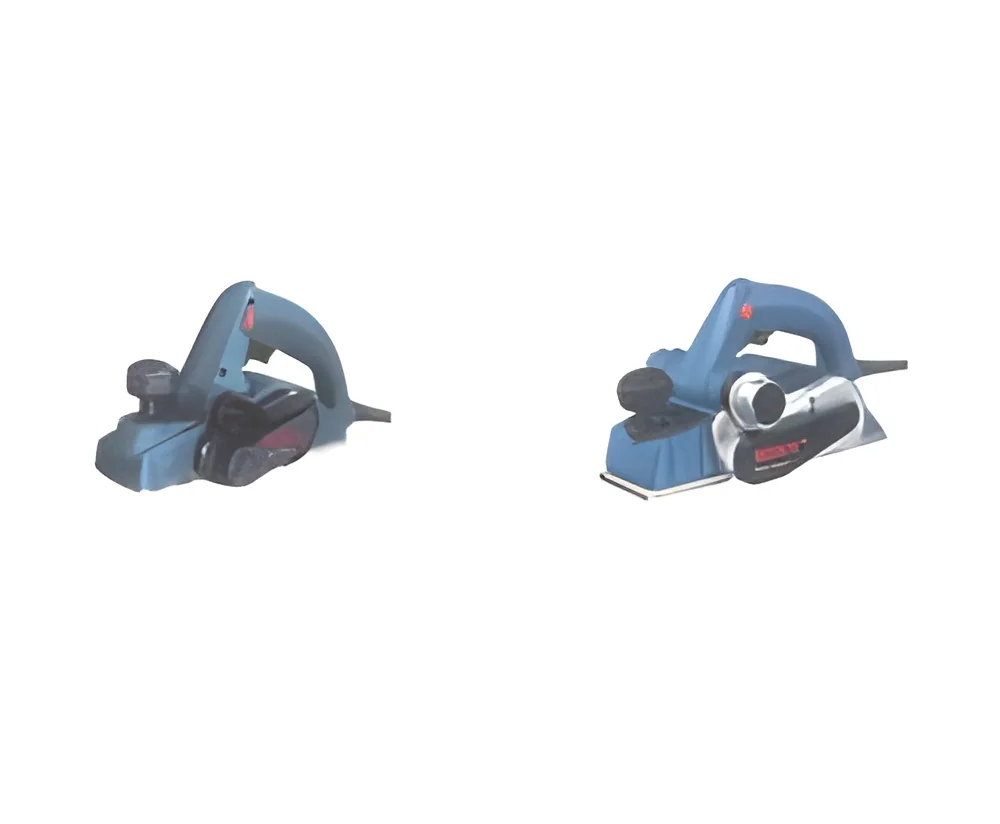
What are Electric Planers?
Electric planers are powerful tools designed for smoothing and shaping wood surfaces. They operate using electric motors, which drive the cutting blades across the surface of the wood. These tools can effectively remove material quickly and efficiently, providing a smooth finish in a fraction of the time compared to manual planing methods. Electric planers are favored for their ease of use, portability, and ability to handle various wood thicknesses.
These tools find application in numerous woodworking tasks, such as leveling uneven surfaces, reducing the thickness of lumber, and creating beveled edges. Electric planers are commonly used in construction, carpentry, and furniture manufacturing. Their efficiency allows businesses to optimize production timelines while maintaining high-quality finishes, making them a staple in many industrial operations.
In the current market, electric planers are increasingly relevant as woodworking projects become more intricate and demand for precision rises. They cater to both small-scale workshops and large manufacturing settings, reinforcing their importance in the woodworking industry. As technology advances, electric planers continue to evolve, offering features that enhance performance and user experience.
Key Features and Specifications
Electric planers come equipped with several essential features that enhance their functionality and efficiency. Understanding these specifications helps buyers choose the right tool for their needs.
Key specifications include:
1. Power Rating
- The power of electric planers typically ranges from 600 to 1600 watts.
- Higher wattage provides better performance for tougher materials.
2. Cutting Width
- The cutting width generally varies from 2 to 4 inches.
- A wider cutting width allows for faster material removal.
3. Depth Adjustment
- Planers usually offer adjustable depth settings from 0 to 1/8 inch.
- Precision depth control is crucial for achieving desired finishes.
4. Speed
- Most electric planers operate at speeds between 14,000 to 25,000 RPM.
- Higher speeds facilitate quicker planing.
5. Blade Type
- Electric planers may use high-speed steel or carbide blades.
- Carbide blades tend to last longer and provide cleaner cuts.
6. Weight
- The weight of electric planers can range from 5 to 10 pounds.
- A lightweight design enhances portability and ease of use.
7. Dust Extraction
- Many models include dust collection systems.
- Effective dust management improves visibility and work environment.
8. Safety Features
- Common safety features include blade guards and safety switches.
- These features help prevent accidents during operation.
In summary, the specifications of electric planers vary, and selecting the right model depends on the specific needs and applications within various industries.
Common Applications and Use Cases
Electric planers serve a wide range of industries, providing versatile solutions for various applications.
1. Carpentry: Electric planers are frequently used in carpentry to create smooth surfaces on furniture pieces and cabinetry. They help achieve precise thicknesses for boards, enhancing the overall quality of the finished product.
2. Construction: In construction, electric planers assist in leveling rough wood surfaces and preparing materials for installation. They are essential for ensuring that wood fits seamlessly during framing and finishing.
3. Flooring: Electric planers are employed in the flooring industry to adjust and fit wooden planks. They can help create a consistent thickness across planks, ensuring a smooth and stable floor.
4. Woodworking Shops: Hobbyist and professional woodworking shops utilize electric planers for various projects. They are ideal for crafting intricate designs and maintaining high standards of precision.
5. Cabinet Making: In cabinet making, electric planers are crucial for achieving the desired dimensions and finishes on cabinet doors and shelves. They allow for fine-tuning of pieces to fit specific layouts.
6. Joinery: Electric planers are used in joinery to create precise joints between wood pieces. They help ensure that surfaces are flat and properly aligned for secure connections.
7. Restoration: In restoration projects, electric planers assist in refurbishing old furniture by removing layers of paint or varnish. They help restore original wood finishes without damaging the underlying material.
Product Variants and Subcategories
Electric planers come in various models to cater to different user needs. Each variant offers unique features to enhance performance and usability.
Handheld Electric Planers: These compact and lightweight models are designed for portability. They are ideal for small projects and can easily be maneuvered in tight spaces. Their simple operation makes them perfect for DIY enthusiasts.
Professional Electric Planers: These models are built for heavy-duty use in industrial settings. They typically have higher power ratings and advanced features, such as variable speed controls and enhanced dust extraction systems. They are preferred by contractors and commercial woodworkers.
Corded Electric Planers: These planers provide continuous power supply, making them suitable for long-term projects. They are typically more powerful than their cordless counterparts and are ideal for use in workshops.
Cordless Electric Planers: These models offer greater mobility and convenience, allowing users to work without being tethered to a power source. They are perfect for on-site jobs where access to electricity may be limited.
Benefits and Advantages
Electric planers offer numerous advantages that make them a preferred choice for many woodworking applications.
1. Efficiency: Electric planers significantly reduce the time required for smoothing and shaping wood surfaces compared to manual methods. This efficiency enhances productivity in various industries.
2. Precision: With adjustable depth settings and high-speed operation, electric planers provide precise cuts and finishes. This precision is crucial for achieving high-quality results in woodworking projects.
3. Versatility: Electric planers can be used on a variety of wood types and thicknesses. Their adaptability makes them suitable for multiple applications across different industries.
4. Ease of Use: Most electric planers feature user-friendly designs that allow for quick setup and operation. This ease of use makes them accessible for both professionals and hobbyists.
5. Reduced Labor: By automating the planing process, electric planers minimize the physical effort required, reducing the risk of fatigue and injury for users.
6. Enhanced Finish Quality: Electric planers deliver a smoother finish compared to manual planing, which can lead to superior end products in carpentry and woodworking.
Buying Guide for B2B Buyers
When sourcing electric planers, buyers should consider several key factors to ensure they select the right tool for their needs.
1. Quality Assessment: Evaluate the construction quality and materials used in the electric planer. Look for durable designs that can withstand heavy use in industrial applications.
2. Supplier Verification: Research and verify suppliers’ credentials and reputation in the industry. Reliable suppliers should have a track record of providing quality products and excellent customer service.
3. Pricing and MOQ: Compare pricing structures among different suppliers. Be aware of minimum order quantities, as these can vary significantly and may affect overall costs.
4. Delivery and Lead Times: Discuss delivery options and lead times with suppliers to ensure timely receipt of products. Understanding logistics is crucial for maintaining project schedules.
5. Compliance Requirements: Ensure that the electric planers meet relevant safety and quality standards. Compliance with regulations is essential for legal and operational reasons.
Compliance and Certifications
Electric planers must adhere to various quality standards and certifications to ensure safety and reliability in their operation.
ISO 9001 is a widely recognized standard that emphasizes quality management systems. Manufacturers of electric planers that comply with this standard demonstrate their commitment to producing high-quality products consistently.
CE certification is essential for electric planers sold in European markets. This certification indicates that the product meets European health, safety, and environmental protection standards, ensuring that it is safe for use.
Safety requirements for electric planers typically include rigorous testing for electrical safety and blade guard effectiveness. Compliance with these safety standards is crucial for protecting users during operation.
Regional compliance considerations may vary depending on local regulations. Buyers should ensure that their chosen electric planers meet any specific requirements relevant to their operating regions.
Why Source Electric Planers from Pepagora?
Pepagora provides a trusted platform for sourcing electric planers, offering several key advantages for B2B buyers.
Verified Supplier Network: Pepagora collaborates with a network of verified suppliers who meet stringent quality and reliability standards. This network ensures buyers can trust the products they source.
Streamlined RFQ Process: The request for quotation process on Pepagora is designed for efficiency, allowing buyers to receive competitive pricing from multiple suppliers quickly. This streamlining saves time in sourcing and procurement.
Trade Assurance and Support: Pepagora offers trade assurance and support for buyers, ensuring protection during transactions. This assurance fosters confidence and satisfaction in the purchasing process.
Regional Coverage: With a strong presence in regions like India, the GCC, and Southeast Asia, Pepagora facilitates access to electric planers for businesses in these markets. This regional coverage enhances sourcing options for buyers across diverse locations.

 IN
IN