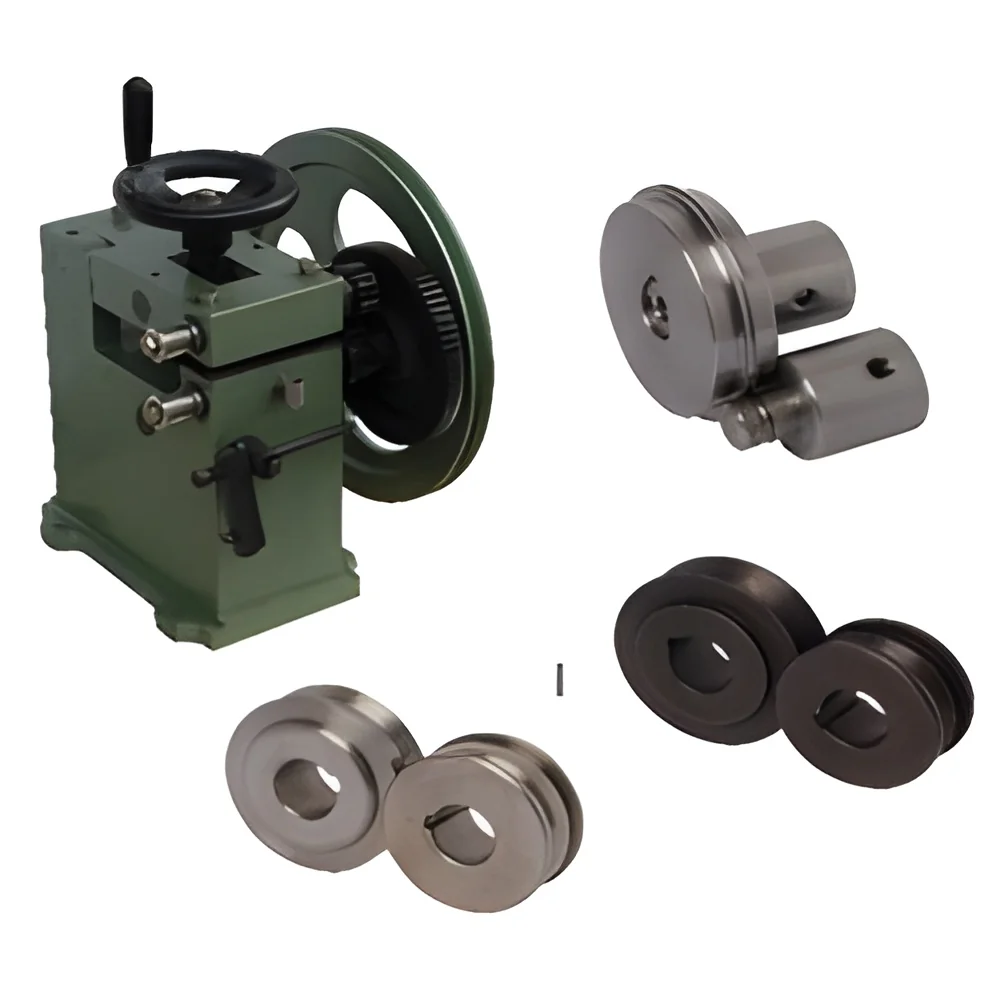
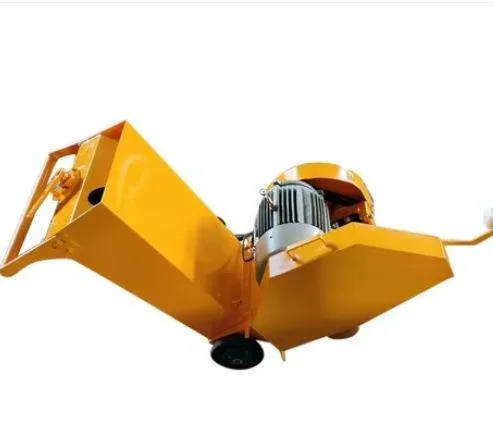
What are Grooving Machines?
Grooving machines are specialized industrial tools designed for creating grooves or channels in various materials. These machines utilize precision cutting tools to produce grooves that can be used for multiple purposes, including assembly, sealing, or enhancing the functionality of products. Grooving machines are essential in manufacturing settings where precise material removal is crucial for product performance.
These machines find their primary applications in industries such as metalworking, woodworking, and plastics. In metalworking, grooving machines are used to create grooves for welding, while in woodworking, they help in making joints for furniture assembly. In plastics manufacturing, these machines enable the production of components that require specific groove designs. The relevance of grooving machines extends across various sectors, driving efficiency and accuracy in production processes.
Key Features and Specifications
Grooving machines come equipped with various features that enhance their performance and usability in industrial applications. Understanding the specifications of these machines is vital for making informed purchasing decisions.
Key specifications include:
1. Cutting Speed
- Determines how quickly the machine can cut grooves in materials.
- Typically ranges from 100 to 3000 RPM, depending on the material type.
2. Depth of Cut
- Refers to the maximum depth the machine can achieve in a single pass.
- Commonly varies from 1 mm to 10 mm for standard applications.
3. Table Size
- Indicates the dimensions of the work surface where materials are positioned.
- Standard sizes range from 300 mm x 300 mm to 1200 mm x 800 mm.
4. Motor Power
- Specifies the power output of the machine's motor.
- Usually ranges from 1 kW to 15 kW for heavy-duty models.
5. Weight
- The overall weight of the machine, which can affect stability during operation.
- Generally varies from 100 kg to 2000 kg based on machine size.
6. Feed Rate
- Refers to the speed at which the material is fed into the cutting tool.
- Typical feed rates range from 0.1 m/min to 5 m/min.
7. Power Supply
- Indicates the voltage and phase requirements for operating the machine.
- Commonly available in single-phase or three-phase options.
8. Control System
- Describes the type of control system used, such as manual, semi-automated, or fully automated.
In summary, grooving machines are equipped with a variety of specifications that cater to different industrial needs. Selecting the right combination of features is essential for optimizing production efficiency.
Common Applications and Use Cases
Grooving machines are utilized in various industries, showcasing their versatility and critical role in manufacturing processes.
1. Metalworking: In metal fabrication, grooving machines create grooves for welding and assembly, ensuring robust connections in structures and components.
2. Woodworking: These machines are essential for producing joints and grooves in furniture and cabinetry, allowing for seamless assembly and enhanced durability.
3. Plastics Manufacturing: Grooving machines help in creating precise channels for fittings and seals in plastic components, ensuring proper functionality and fit.
4. Aerospace: In the aerospace sector, grooving machines are employed to manufacture parts that require precise material removal for weight reduction and performance.
5. Automotive: Used for producing components with specific groove designs, grooving machines contribute to the efficiency of automotive assembly lines.
6. Construction: Grooving machines enable the creation of grooves in construction materials, facilitating better integration and support in building projects.
7. Electronics: In the electronics industry, these machines help in the production of circuit boards with grooves that allow for wiring and connectivity.
Product Variants and Subcategories
Grooving machines come in various forms tailored to specific applications. This diversity allows businesses to choose machines that best fit their operational needs.
CNC Grooving Machines: These machines are equipped with computer numerical control technology, allowing for high precision and repeatability in groove creation. They are ideal for complex designs and mass production.
Manual Grooving Machines: Designed for simple operations, these machines are operated by hand and are suitable for smaller workshops or low-volume production tasks.
Portable Grooving Machines: These lightweight machines are designed for on-site applications, providing flexibility for projects that require mobility without sacrificing performance.
Benefits and Advantages
Investing in grooving machines offers numerous benefits that contribute to operational efficiency and product quality.
1. Precision Cutting: Grooving machines provide high accuracy in groove dimensions, which is critical for product performance.
2. Increased Efficiency: These machines are designed for rapid operation, reducing production time and increasing throughput.
3. Versatility: Grooving machines can handle various materials, making them suitable for diverse industrial applications.
4. Reduced Waste: The precision of grooving machines minimizes material waste, leading to cost savings in raw materials.
5. Enhanced Product Quality: The ability to create consistent and precise grooves improves the overall quality of finished products.
6. Customization Options: Many grooving machines can be adapted for specific applications, enabling businesses to meet unique production requirements.
Buying Guide for B2B Buyers
When sourcing grooving machines, several factors must be considered to ensure a successful purchase.
1. Quality Assessment: Evaluate the machine's build quality and reliability. Look for machines that meet industry standards and are known for durability.
2. Supplier Verification: It is crucial to vet suppliers for credibility. Check for customer reviews, industry reputation, and after-sales support.
3. Pricing and MOQ: Understand the pricing structure and minimum order quantities. Compare prices across suppliers to ensure competitive rates.
4. Delivery and Lead Times: Assess the supplier's ability to meet delivery schedules. Ensure that lead times align with your production plans.
5. Compliance Requirements: Confirm that the machines comply with relevant regulatory standards and safety requirements in your region.
Compliance and Certifications
Compliance with quality standards is crucial for the manufacturing process. Grooving machines must adhere to relevant quality standards such as ISO 9001, which ensures that manufacturing processes meet international quality management criteria.
Additionally, industry certifications like CE indicate that the machines comply with European safety and health standards. These certifications assure buyers of the machine's reliability and safety in operation.
Safety and testing requirements are also paramount. Machines should undergo rigorous testing to confirm their operational safety and efficiency. Regional compliance considerations may vary, so it is essential to understand local requirements when sourcing grooving machines.
Why Source Grooving Machines from Pepagora?
Pepagora offers a reliable platform for sourcing grooving machines, with several advantages that benefit B2B buyers.
Verified Supplier Network: Pepagora connects buyers with a network of verified suppliers, ensuring that you are purchasing from reputable manufacturers. This verification process minimizes the risk of acquiring subpar machines.
Streamlined RFQ Process: The request for quotation (RFQ) process is simplified on Pepagora. Buyers can efficiently obtain quotes from multiple suppliers, allowing for informed decision-making.
Trade Assurance and Support: Pepagora provides trade assurance, protecting buyers against potential transaction risks. Their dedicated support team assists with any issues, ensuring a smooth purchasing experience.
Regional Coverage: With a focus on markets in India, the GCC, and Southeast Asia, Pepagora offers extensive regional coverage. This geographic reach enables buyers to access local suppliers and manufacturers, facilitating logistics and support.

 IN
IN