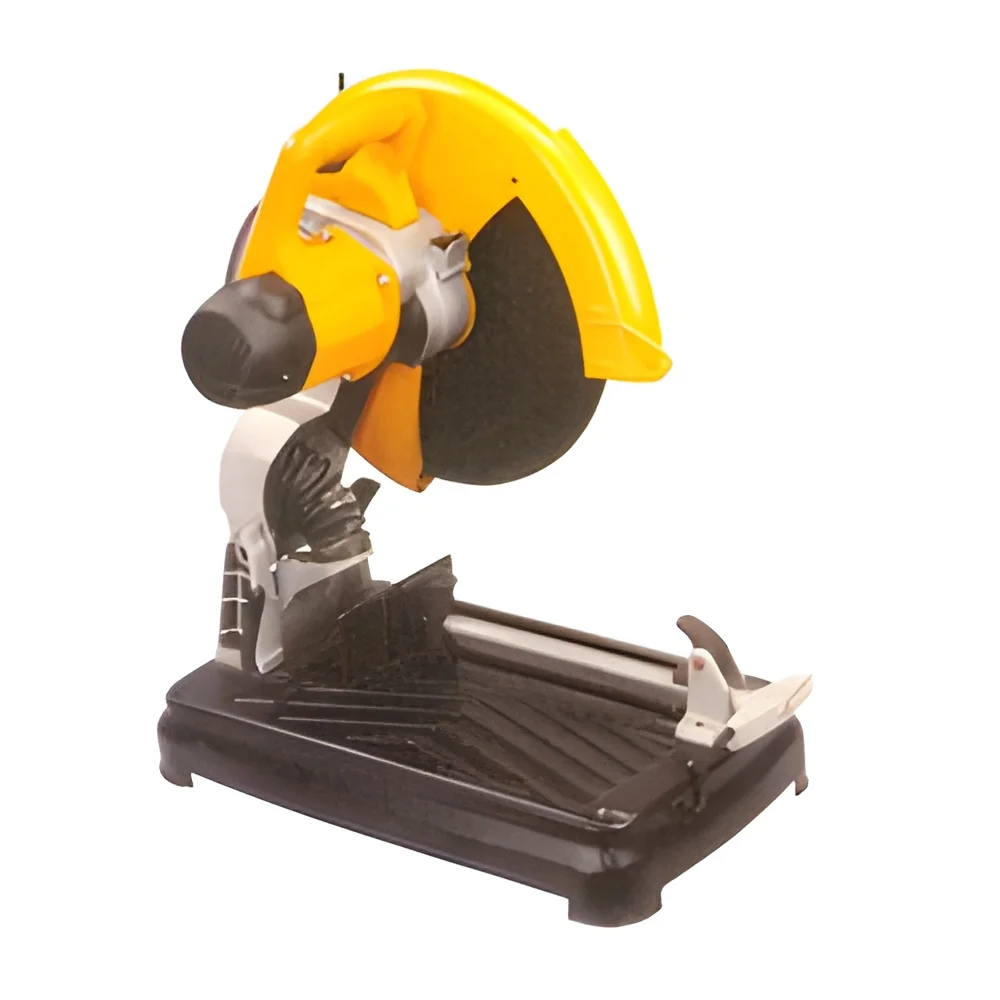
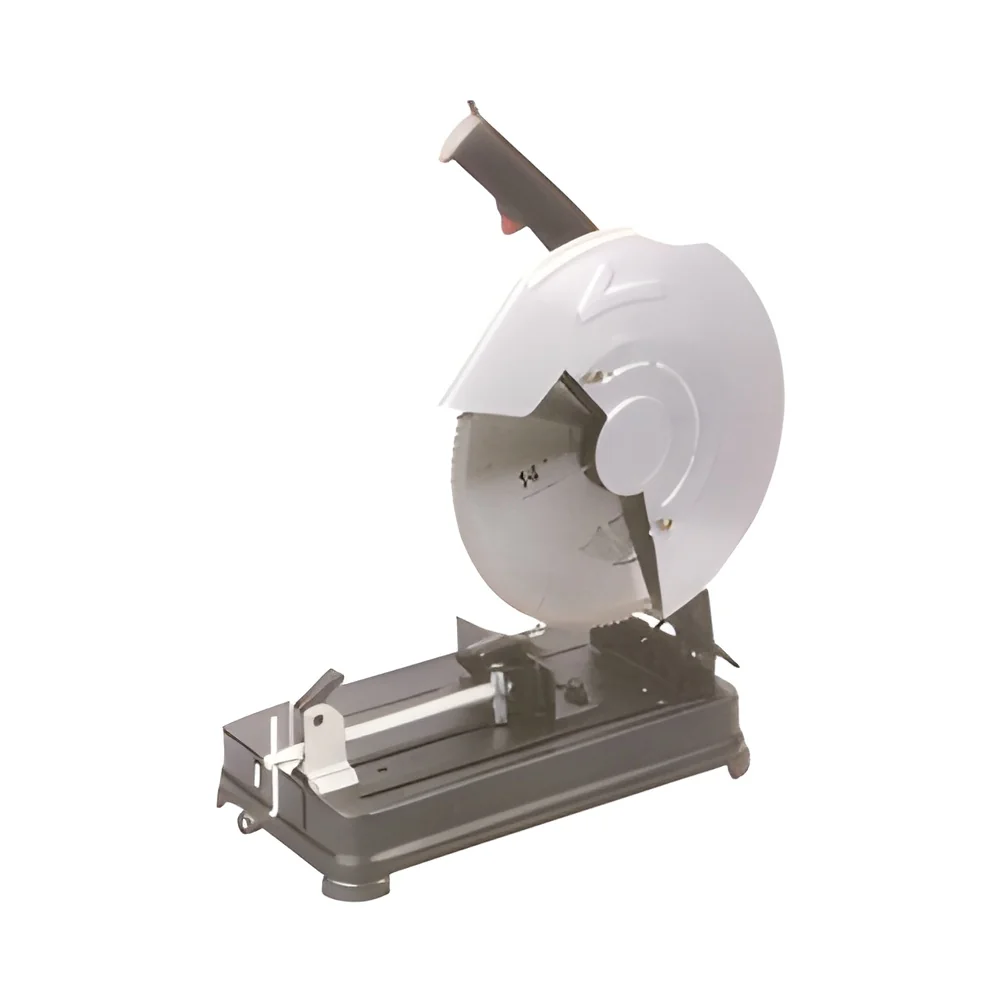
What are Miter Saws?
Miter saws are specialized power tools designed for making precise crosscuts and miter cuts in a variety of materials, primarily wood and plastic. These tools utilize a circular saw blade mounted on a swing arm, allowing for angled cuts with ease and accuracy. The blade's ability to pivot in various directions enables users to create compound angles, making it an essential tool for carpenters, builders, and DIY enthusiasts alike.
In terms of primary uses, miter saws are frequently employed in the construction and woodworking industries. They are ideal for tasks such as framing, molding, and other applications requiring intricate cuts. Miter saws can handle a range of materials, from softwoods to hardwoods, making them versatile for different projects. Their accuracy and ease of use contribute to their popularity in both professional and home settings.
The relevance of miter saws in the industrial market is significant. With the ongoing demand for custom woodworking and construction projects, miter saws play a crucial role in enhancing productivity and precision. As industries evolve, the adoption of advanced features in miter saw technology continues to grow, ensuring they remain essential tools in the toolkit of professionals across many sectors.
Key Features and Specifications
Miter saws come equipped with various features that enhance their functionality and usability. When considering miter saws, it is important to understand their key specifications, which directly impact performance and suitability for specific tasks.
Key specifications include:
1. Blade Diameter
- Common sizes range from 8 inches to 12 inches.
- Larger blades can cut through thicker materials.
2. Cutting Capacity
- Refers to the maximum width and height of material that can be cut.
- Typically ranges between 6 inches to 12 inches.
3. Bevel Range
- Indicates the angle to which the saw can tilt for bevel cuts.
- Standard bevel ranges include 0 to 45 degrees.
4. Miter Angle Range
- Represents the angle adjustments available for miter cuts.
- Common ranges are from 0 to 50 degrees on either side.
5. Motor Power
- Measured in amps, with typical ratings between 10 to 15 amps.
- Higher amperage generally provides more cutting power.
6. Weight
- Affects portability and ease of use.
- Weight can vary from 30 to 60 pounds.
7. Laser Guide
- Some models include a laser guide for improved cutting accuracy.
- Helps users align cuts more effectively.
8. Dust Collection System
- Features for managing sawdust and debris.
- Enhances cleanliness and visibility during operation.
In summary, understanding the key features and specifications of miter saws is essential for selecting the right tool for specific applications, ensuring efficiency and precision in every cut.
Common Applications and Use Cases
Miter saws are highly versatile tools used across various industries, each with specific applications that leverage their capabilities.
1. Carpentry: Miter saws are commonly used in carpentry for cutting trim, molding, and framing materials. They allow for precise angle cuts, making them ideal for creating joints and fitting pieces together.
2. Construction: In construction, miter saws are essential for framing walls and roofs. Their ability to make quick and accurate cuts increases productivity on job sites.
3. Furniture Making: Woodworkers and furniture makers utilize miter saws to create intricate designs and joints. The precision of these saws is crucial for high-quality finishes.
4. Flooring Installation: Miter saws are frequently used in flooring projects to cut planks at specific angles, ensuring a perfect fit around corners and edges.
5. Cabinetry: Miter saws are important in cabinetry for cutting shelves, doors, and other components to size, allowing for tailored designs.
6. DIY Projects: Home improvement enthusiasts often rely on miter saws for various DIY projects, including building furniture, installing trim, or creating decorative elements.
7. Picture Framing: Miter saws are perfect for cutting frames at precise angles, ensuring that corners meet perfectly for a professional look.
Product Variants and Subcategories
Miter saws come in various types and configurations, catering to different user needs and applications. Their diversity allows for specific features suited to unique tasks.
Compound Miter Saw
This variant allows for bevel cuts in addition to miter cuts, making it versatile for complex angles. It is ideal for crown molding and other intricate woodwork.
Sliding Miter Saw
A sliding miter saw features a sliding mechanism that extends the cutting capacity. This variant is beneficial for larger boards and provides greater versatility in cutting.
Single Bevel Miter Saw
This type can tilt in one direction for bevel cuts. It is simpler and often more affordable, making it a good choice for beginners or for specific tasks that do not require dual bevel capability.
Dual Bevel Miter Saw
Offering the ability to tilt in both directions for bevel cuts, this variant provides maximum flexibility for various angles, making it suitable for more advanced carpentry tasks.
Benefits and Advantages
Miter saws provide numerous benefits that enhance their utility in various applications.
1. Precision Cutting: Miter saws deliver accurate cuts, ensuring high-quality finishes in woodworking and construction projects.
2. Efficiency: The ability to make quick cuts saves time on the job site, allowing for increased productivity.
3. Versatility: Miter saws can handle a wide range of materials and cutting angles, making them suitable for various applications.
4. Ease of Use: Many models are designed with user-friendly features, allowing even beginners to achieve professional results.
5. Safety Features: Modern miter saws often include safety guards and automatic shut-off features, enhancing user safety during operation.
6. Portability: Many miter saws are lightweight and compact, making them easy to transport between job sites.
Buying Guide for B2B Buyers
When sourcing miter saws for industrial applications, several factors should be considered to ensure the best choice for your needs.
1. Quality Assessment: Buyers should evaluate the quality of miter saws by looking for reputable brands and checking user reviews. A well-built saw will last longer and perform better.
2. Supplier Verification: It is crucial to vet suppliers to ensure they provide reliable products. This includes checking certifications, warranties, and customer service records.
3. Pricing and MOQ: Understanding the price range and minimum order quantities (MOQ) helps in budgeting and planning purchases. It is advisable to compare prices from multiple suppliers.
4. Delivery and Lead Times: Buyers should inquire about delivery options and lead times to ensure they can meet project timelines. Efficient logistics can save time and reduce costs.
5. Compliance Requirements: It is essential to ensure that miter saws meet industry standards and regulations. This may include safety certifications and environmental compliance.
Compliance and Certifications
Miter saws must adhere to various quality standards and certifications that ensure their safety and reliability in industrial applications.
ISO 9001 is a widely recognized standard that defines quality management principles. Manufacturers of miter saws often seek this certification to demonstrate their commitment to quality and customer satisfaction.
The CE mark indicates compliance with European safety standards. Miter saws that carry this certification meet essential health and safety requirements, making them safer for users.
Safety and testing requirements for miter saws include rigorous evaluations to ensure they function correctly and do not pose risks to operators. This can include testing for electrical safety, mechanical integrity, and noise levels.
Regionally, compliance considerations may vary. Buyers should be aware of local regulations that may affect the use and sale of miter saws, ensuring they meet all necessary legal requirements.
Why Source Miter Saws from Pepagora?
Pepagora offers a trusted platform for sourcing miter saws, providing several key advantages for B2B buyers.
Verified Supplier Network: Pepagora maintains a network of verified suppliers, ensuring that buyers can find high-quality miter saws from reputable manufacturers. This verification process helps prevent issues related to product quality and reliability.
Streamlined RFQ Process: The request for quotation (RFQ) system simplifies the procurement process. Buyers can easily submit their requirements and receive competitive quotes from multiple suppliers, allowing for informed decision-making.
Trade Assurance and Support: Pepagora provides trade assurance, which protects buyers by ensuring that their orders are fulfilled as promised. This support gives buyers peace of mind when making purchases.
Regional Coverage: Pepagora caters to a wide geographic reach, including markets in India, the GCC, and Southeast Asia. This extensive coverage allows buyers to access a diverse range of miter saws suited to their local market needs.

 IN
IN