
 IN
Step Up & Step Down Transformers
11 products available
What are Step Up & Step Down Transformers?
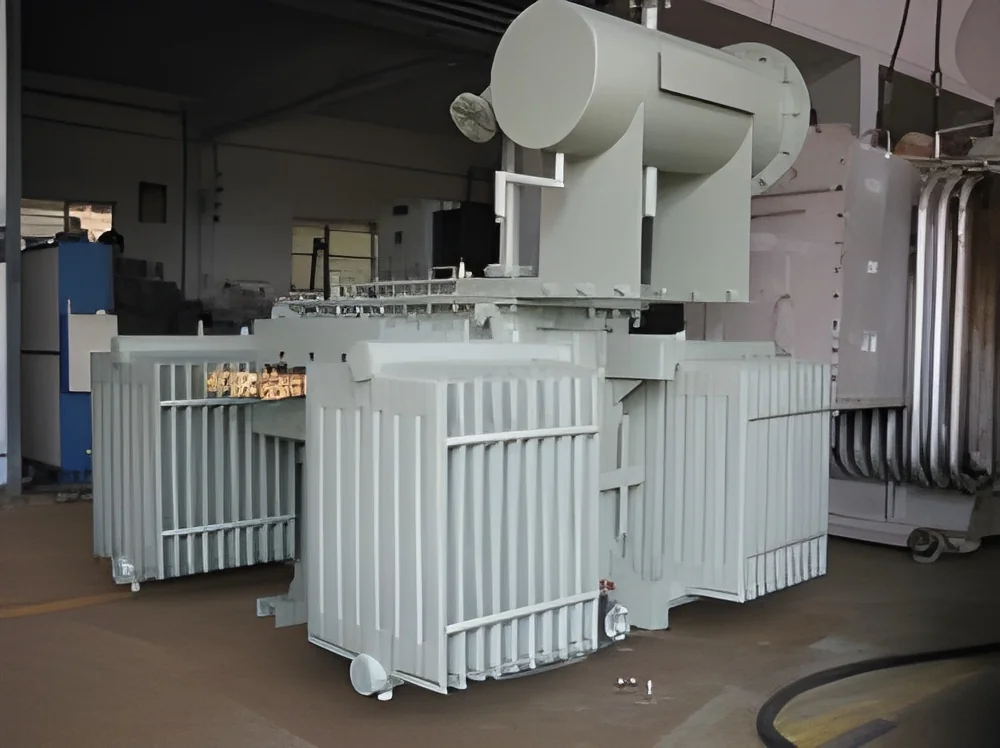
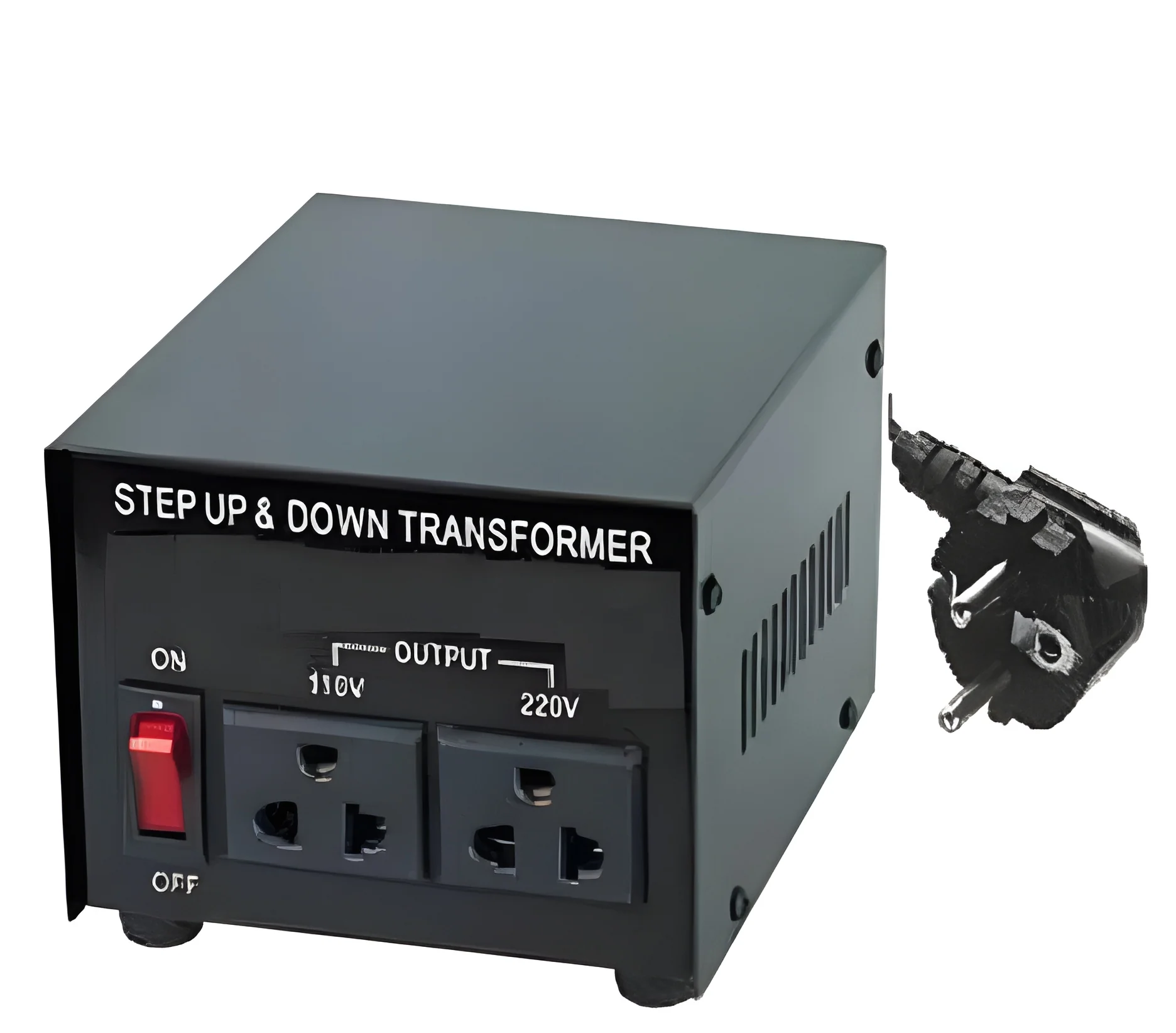
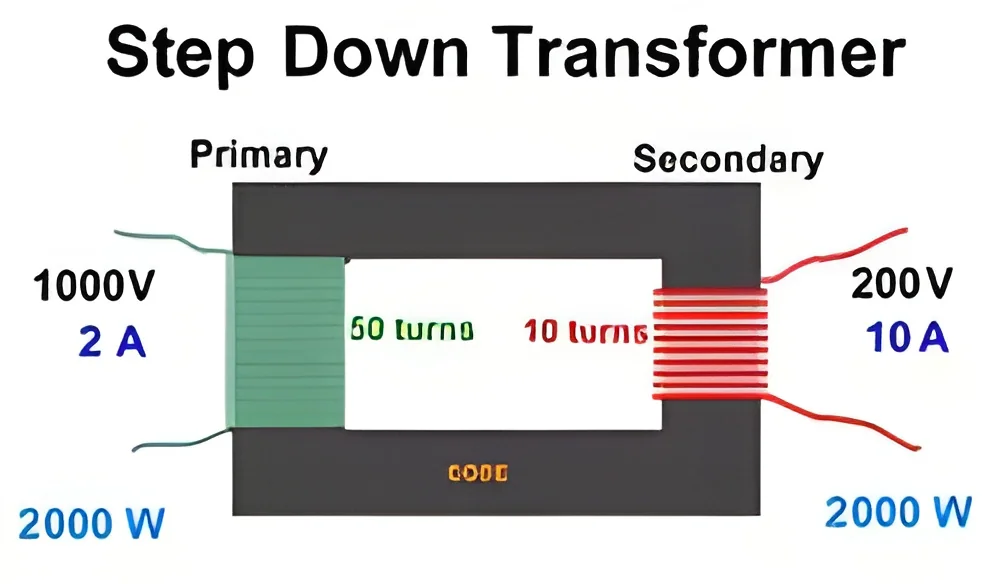
Step Up and Step Down Transformers are essential electrical devices that modify voltage levels in electrical circuits. A Step Up Transformer increases the voltage from a lower level to a higher level, while a Step Down Transformer reduces voltage from a higher level to a lower level. These transformers function on the principle of electromagnetic induction, allowing for efficient energy transfer while minimizing losses.
These transformers are widely used in various industries to ensure that electrical equipment operates at the correct voltage levels. They play a crucial role in power distribution networks, allowing for the safe transmission of electricity over long distances. In industrial settings, Step Up and Step Down Transformers are frequently employed in applications such as manufacturing, construction, and energy generation, where voltage adjustments are necessary for equipment compatibility.
In today's market, the relevance of Step Up and Step Down Transformers is significant due to the growing demand for efficient energy management solutions. With an increasing focus on renewable energy sources and the need for reliable power supply systems, these transformers are vital in adapting to different voltage requirements across various applications.
Key Features and Specifications
Step Up and Step Down Transformers come equipped with a variety of features and specifications that enhance their performance and adaptability. Understanding these specifications is essential for businesses looking to select the right transformer for their needs.
Key specifications include:
1. Voltage Rating
- Indicates the maximum input and output voltage levels.
- Common ranges include 110V, 220V, 440V, and more.
2. Power Capacity
- Refers to the transformer's ability to handle load without overheating.
- Measured in kilovolt-amperes (kVA), with typical ratings ranging from 1 kVA to several hundred kVA.
3. Efficiency
- Measures how effectively the transformer converts input power to output power.
- Efficiency ratings typically range between 95% to 99%.
4. Frequency
- Specifies the operating frequency of the transformer.
- Common frequencies are 50Hz and 60Hz, depending on regional standards.
5. Insulation Class
- Indicates the temperature rating of the insulation material used.
- Classes range from A to H, with varying temperature limits.
6. Cooling Method
- Describes how the transformer dissipates heat.
- Options include air-cooled and oil-cooled designs.
7. Phase Configuration
- Refers to the number of phases the transformer supports.
- Common configurations include single-phase and three-phase.
8. Safety Features
- Includes built-in protection mechanisms such as overload and short-circuit protection.
In summary, understanding these specifications allows businesses to select transformers that meet their operational requirements while ensuring reliability and efficiency.
Common Applications and Use Cases
Step Up and Step Down Transformers are utilized across various industries for different applications.
1. Manufacturing: These transformers are commonly used to power machinery and equipment that require specific voltage levels to operate efficiently.
2. Construction: In construction sites, they ensure that power tools and heavy machinery have the correct voltage supply, preventing damage and ensuring safety.
3. Energy Generation: Utilities utilize these transformers to adapt voltage levels for transmission and distribution, facilitating the delivery of electricity to residential and commercial users.
4. Telecommunications: Transformers are essential in ensuring that network equipment receives stable and suitable voltage levels for optimal performance.
5. HVAC Systems: In heating, ventilation, and air conditioning systems, transformers help regulate voltage to ensure efficient operation of electrical components.
6. Data Centers: They are used to manage power supply to servers and other critical infrastructure, maintaining reliable operation.
7. Commercial Buildings: Step Up and Step Down Transformers are vital in powering lighting, HVAC systems, and other essential services in office buildings.
Product Variants and Subcategories
Step Up and Step Down Transformers come in various configurations to meet specific needs.
Single-Phase Transformers
These transformers are designed for residential and light commercial applications. They provide a simple solution for converting voltage levels in smaller systems, making them ideal for home appliances and small tools.
Three-Phase Transformers
These are used in industrial applications where larger power capacities are required. They are suitable for heavy machinery and large electrical systems, providing efficient and reliable voltage transformation.
Benefits and Advantages
Step Up and Step Down Transformers offer several key benefits that enhance operational efficiency.
1. Voltage Regulation: They ensure that electrical devices receive the appropriate voltage, preventing damage and extending equipment life.
2. Energy Efficiency: High-efficiency transformers minimize energy losses during voltage conversion, leading to reduced operational costs.
3. Versatility: These transformers are adaptable to various applications, making them suitable for diverse industrial and commercial environments.
4. Safety Assurance: Built-in safety features protect against overloads and short circuits, enhancing overall operational safety.
5. Cost-Effective: Investing in the right transformer can lead to significant savings in energy costs and equipment maintenance.
6. Improved Performance: By ensuring optimal voltage levels, these transformers contribute to enhanced performance of electrical systems and machinery.
Buying Guide for B2B Buyers
When sourcing Step Up and Step Down Transformers, it is essential for B2B buyers to consider several factors to make informed decisions.
1. Quality Assessment: Look for transformers that meet industry standards for quality and performance. Check for certifications that indicate reliability.
2. Supplier Verification: Conduct thorough research on potential suppliers to ensure they have a good reputation and track record in providing quality transformers.
3. Pricing and MOQ: Understand the pricing structures and minimum order quantities to align purchases with budget constraints.
4. Delivery and Lead Times: Evaluate delivery options and lead times to ensure that transformers are received when needed for projects.
5. Compliance Requirements: Ensure that the transformers meet all relevant compliance and regulatory requirements for your industry and region.
Compliance and Certifications
Step Up and Step Down Transformers must adhere to various compliance and certification standards to ensure safety and quality.
ISO 9001 is a widely recognized standard that ensures quality management systems are in place. Manufacturers should be certified to this standard to guarantee consistent quality in their products.
The CE mark signifies compliance with European safety, health, and environmental protection standards. Transformers with this certification are generally accepted in European markets.
Safety and testing requirements are critical to ensure that transformers operate safely under various conditions. Manufacturers should conduct rigorous testing to meet these requirements before market release.
Regional compliance considerations may vary, so buyers should ensure that transformers conform to local regulations in their specific markets.
Why Source Step Up & Step Down Transformers from Pepagora?
Pepagora provides a trusted platform for sourcing Step Up and Step Down Transformers with several key advantages.
Verified Supplier Network: Pepagora has established a robust network of verified suppliers, ensuring that buyers have access to high-quality products from reputable manufacturers.
Streamlined RFQ Process: The platform offers an efficient Request for Quotation (RFQ) process, allowing buyers to easily compare prices and specifications from multiple suppliers.
Trade Assurance and Support: Pepagora provides trade assurance to protect buyers' interests, ensuring secure transactions and support throughout the purchasing process.
Regional Coverage: With a strong presence in India, the GCC, and Southeast Asia, Pepagora connects buyers with suppliers across these regions, facilitating smooth procurement processes and timely delivery.

 India
 India
 India
 India
 India

 India
 India
 India
 India
Frequently Asked Questions
What are Step Up & Step Down Transformers?
Step Up & Step Down Transformers are electrical devices that either increase (step up) or decrease (step down) voltage levels in an electrical circuit. They play a crucial role in power distribution, ensuring that electrical devices receive the appropriate voltage for optimal operation.
What are the different types of Step Up & Step Down Transformers?
The main types of Step Up & Step Down Transformers include single-phase transformers and three-phase transformers. Single-phase transformers are commonly used in residential applications, while three-phase transformers are used in industrial settings for higher power requirements.
How do I choose the right Step Up & Step Down Transformers?
Choosing the right Step Up & Step Down Transformers involves considering factors such as the voltage requirements of your application, the power rating needed, and the type of load connected. Additionally, you should assess the efficiency, size, and cooling requirements of the transformer.
What are the standard specifications for Step Up & Step Down Transformers?
Standard specifications for Step Up & Step Down Transformers include voltage rating, power rating (measured in kVA), frequency, phase type (single or three-phase), and efficiency. It's essential to ensure that the specifications match the requirements of your electrical system.
What is the price range for Step Up & Step Down Transformers?
The price range for Step Up & Step Down Transformers can vary significantly based on factors such as type, power rating, and manufacturer. Generally, prices can start from a few thousand rupees for smaller units and can go up to several lakhs for industrial-grade transformers.
What quality standards apply to Step Up & Step Down Transformers?
Step Up & Step Down Transformers must comply with various quality standards, including IS (Indian Standards), IEC (International Electrotechnical Commission), and ISO certification. These standards ensure reliability, safety, and performance of transformers in different applications.
Where can I find Step Up & Step Down Transformers suppliers in India?
You can find Step Up & Step Down Transformers suppliers in India through online B2B marketplaces, trade directories, and industry-specific exhibitions. Websites like Pepagora.com offer a comprehensive list of manufacturers and suppliers for easy sourcing.
Can Step Up & Step Down Transformers be customized?
Yes, many manufacturers offer customization options for Step Up & Step Down Transformers to meet specific requirements. Customization may include adjustments to voltage ratings, power capacity, and physical dimensions based on the application.
What is the typical minimum order quantity for Step Up & Step Down Transformers?
The typical minimum order quantity (MOQ) for Step Up & Step Down Transformers varies by supplier and product specifications. Generally, MOQs can range from one unit for standard models to larger quantities for custom designs or bulk orders.
What is the typical lead time for Step Up & Step Down Transformers?
The typical lead time for Step Up & Step Down Transformers can range from a few weeks to several months, depending on the complexity of the order, customization, and supplier capabilities. It's advisable to confirm the lead time with the supplier before placing an order.
Why Businesses Trust Pepagora
Thousands of companies trust Pepagora to source smarter and sell faster
Expand Your Sales Globally

Source Smarter,Grow Faster
