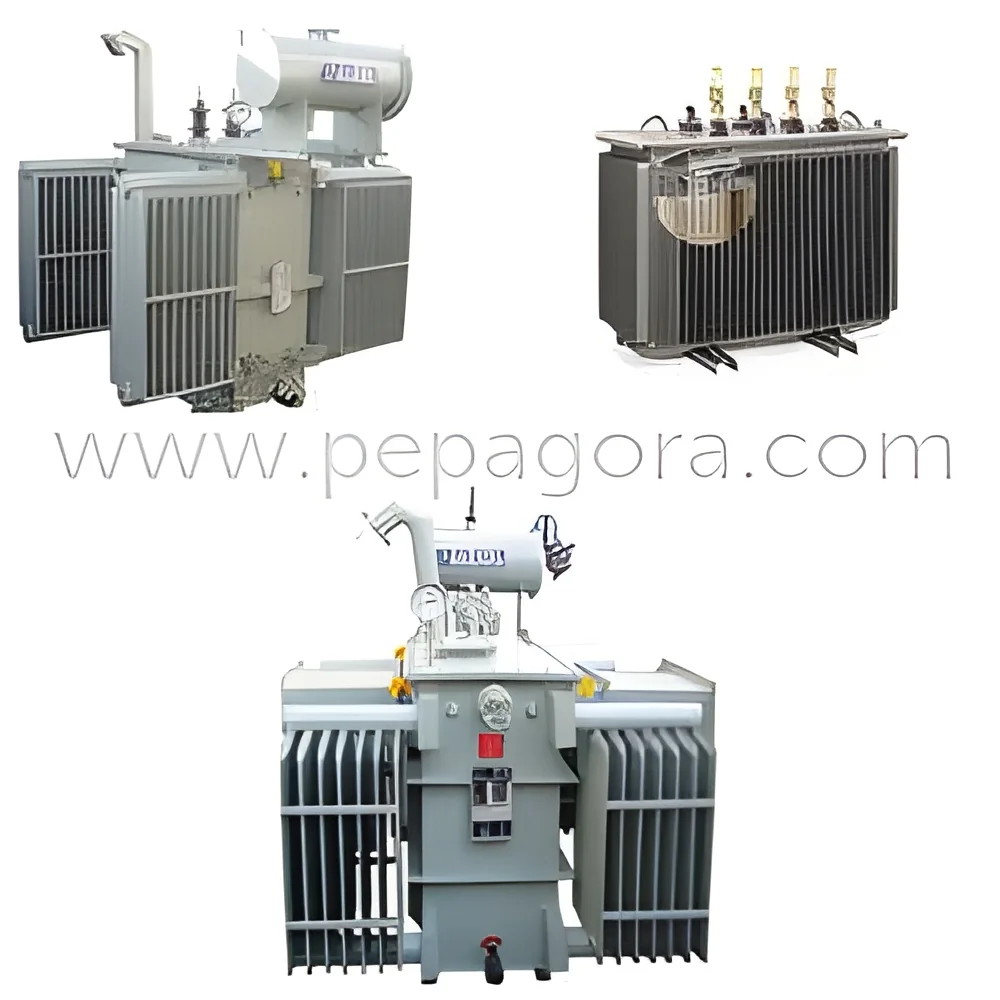
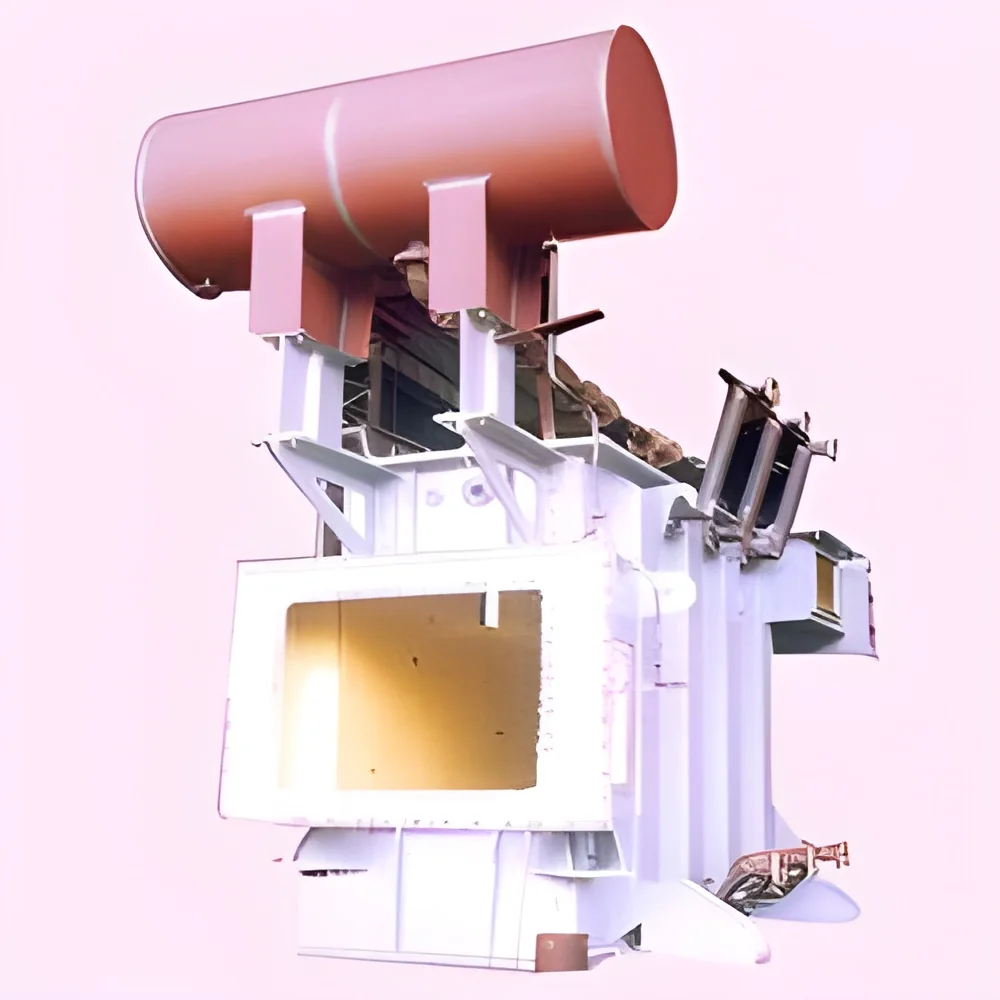
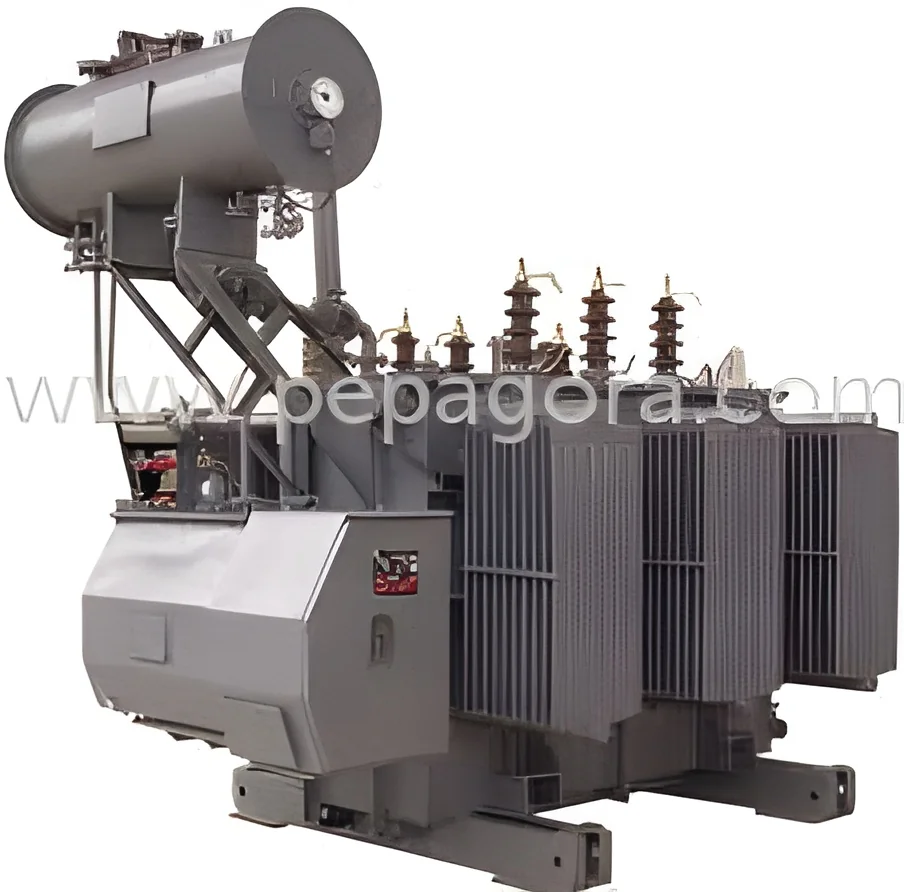
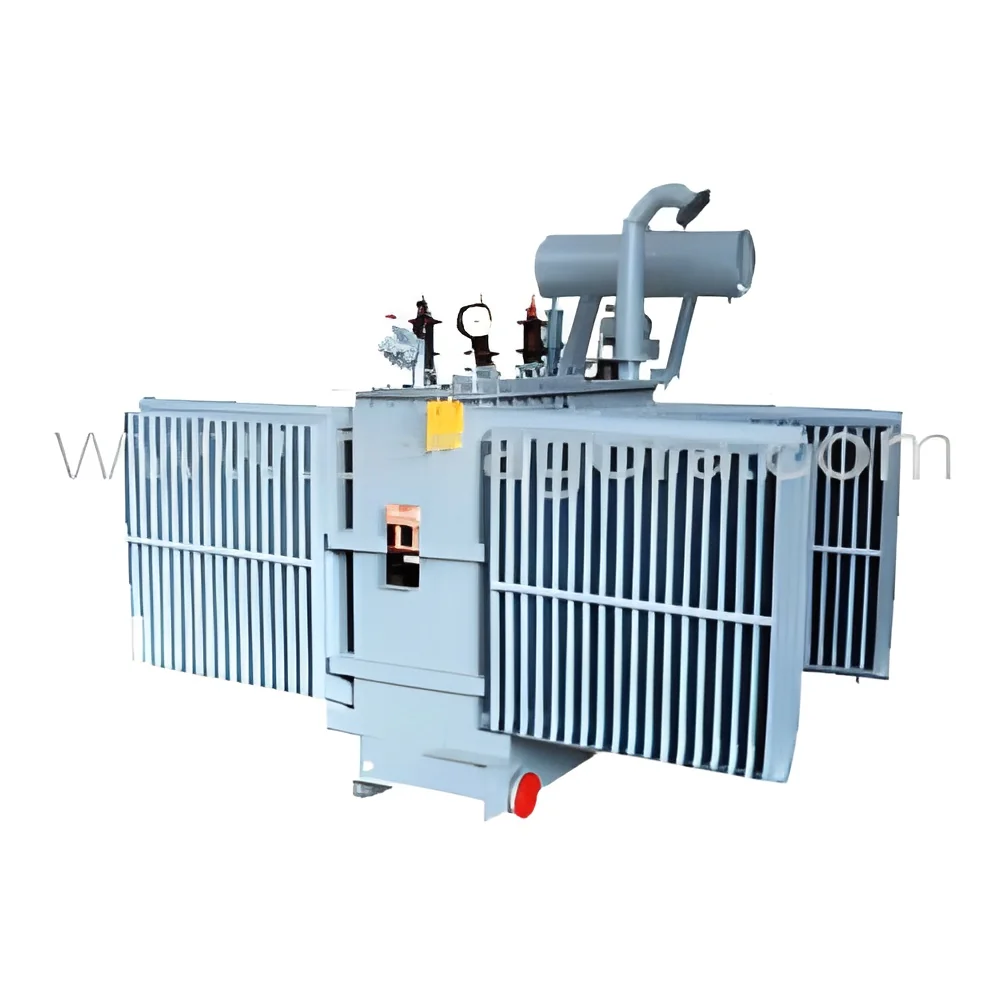
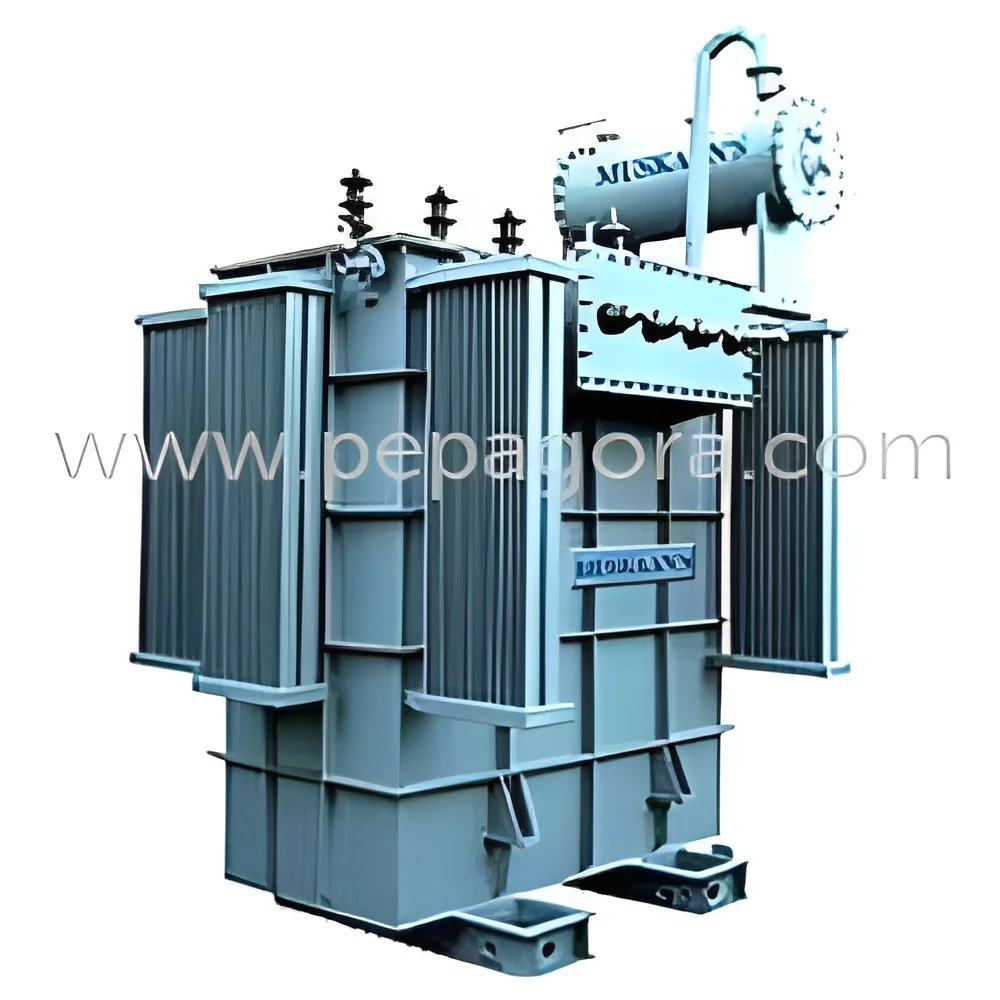
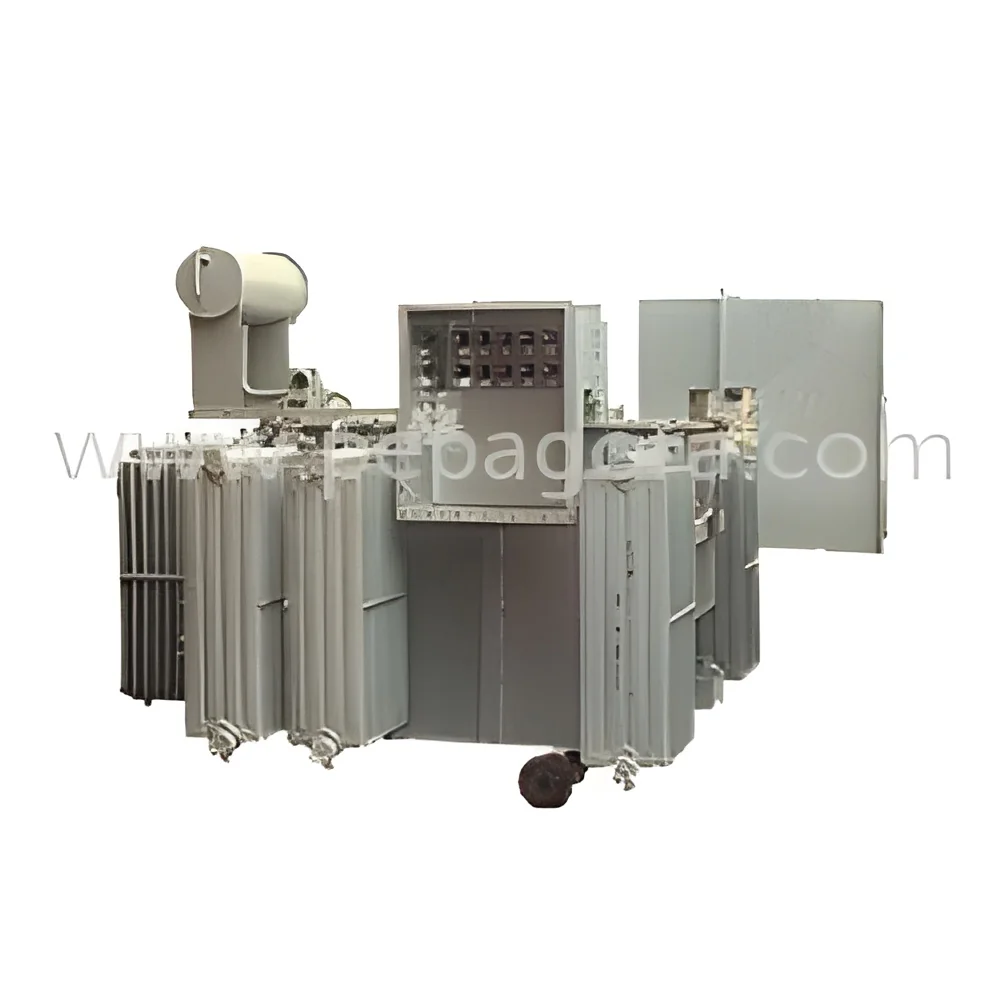
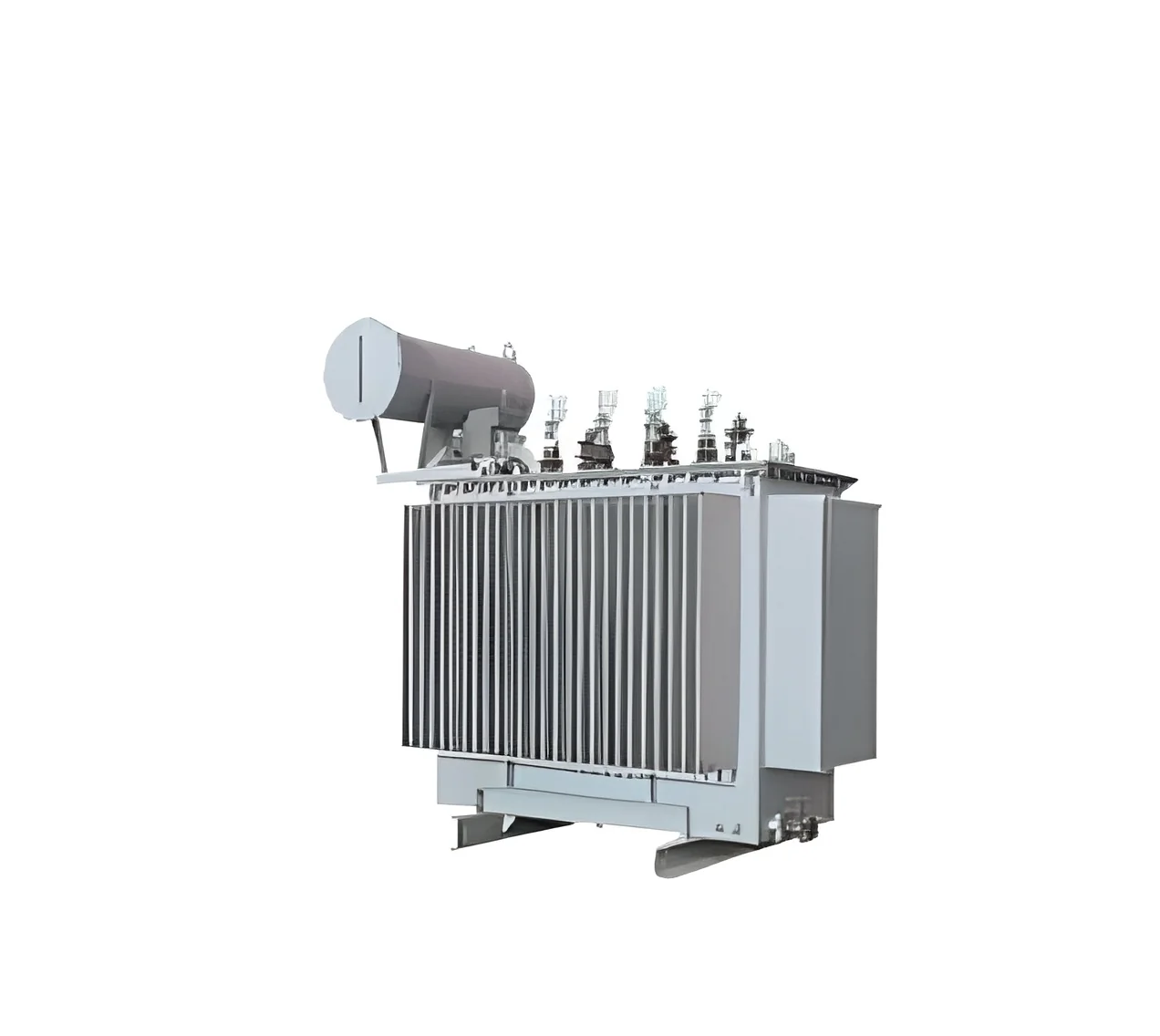
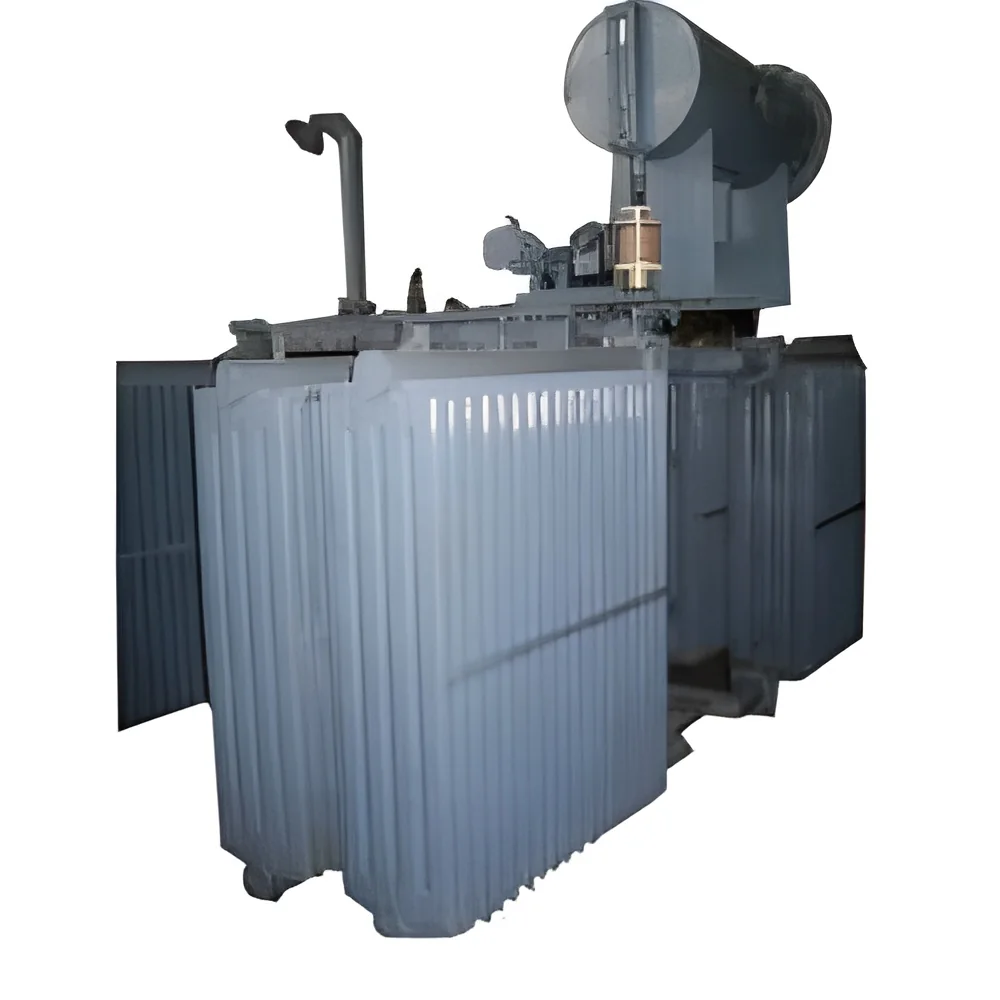
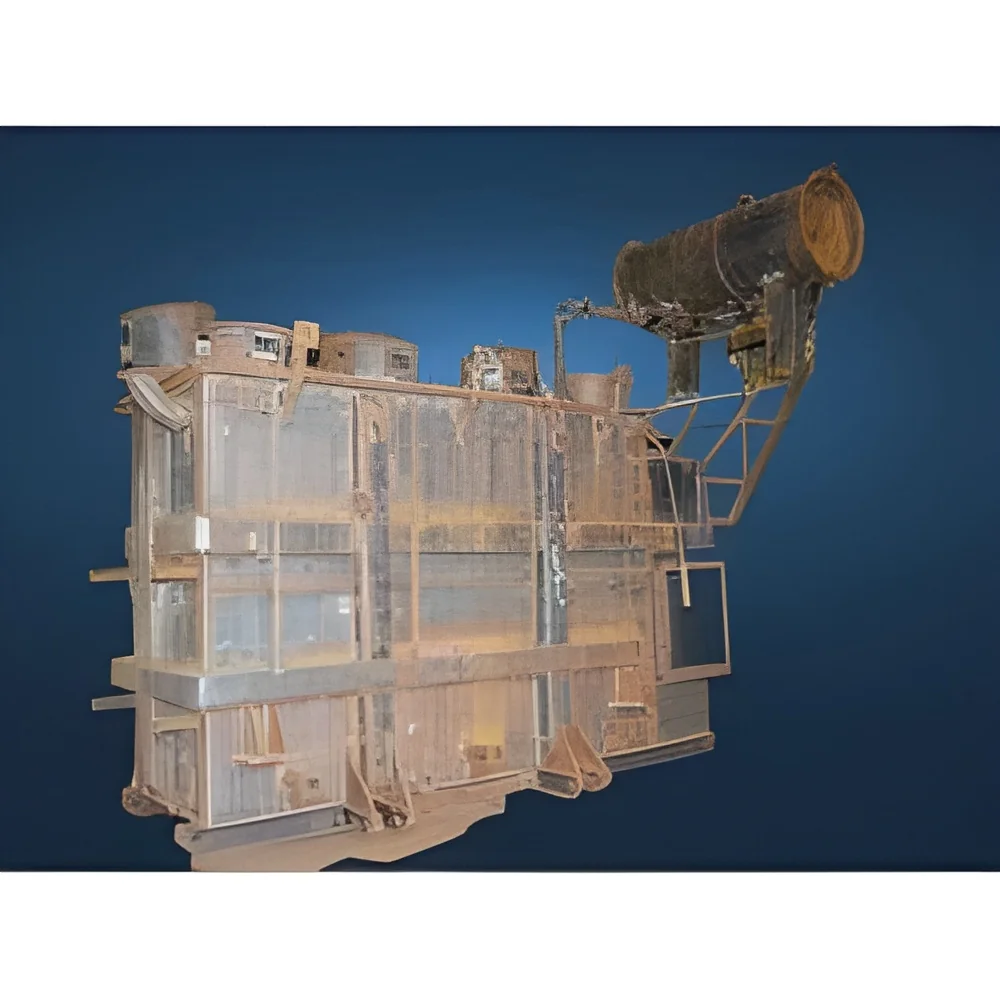
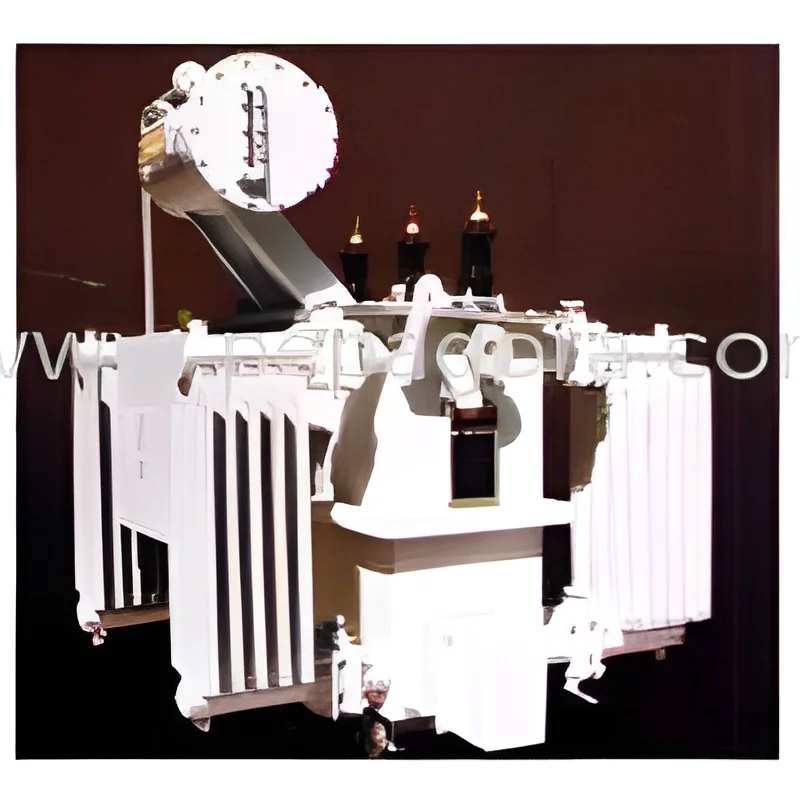
What are Distribution Transformers?
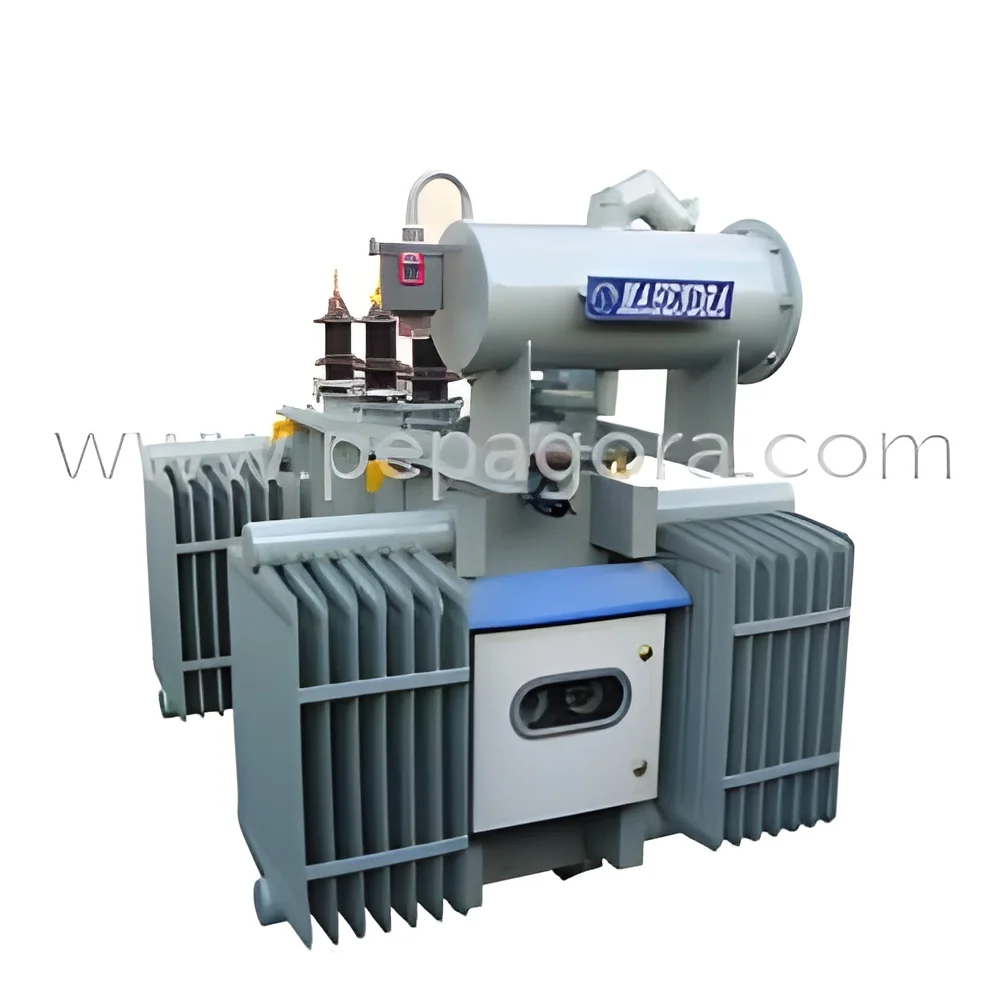
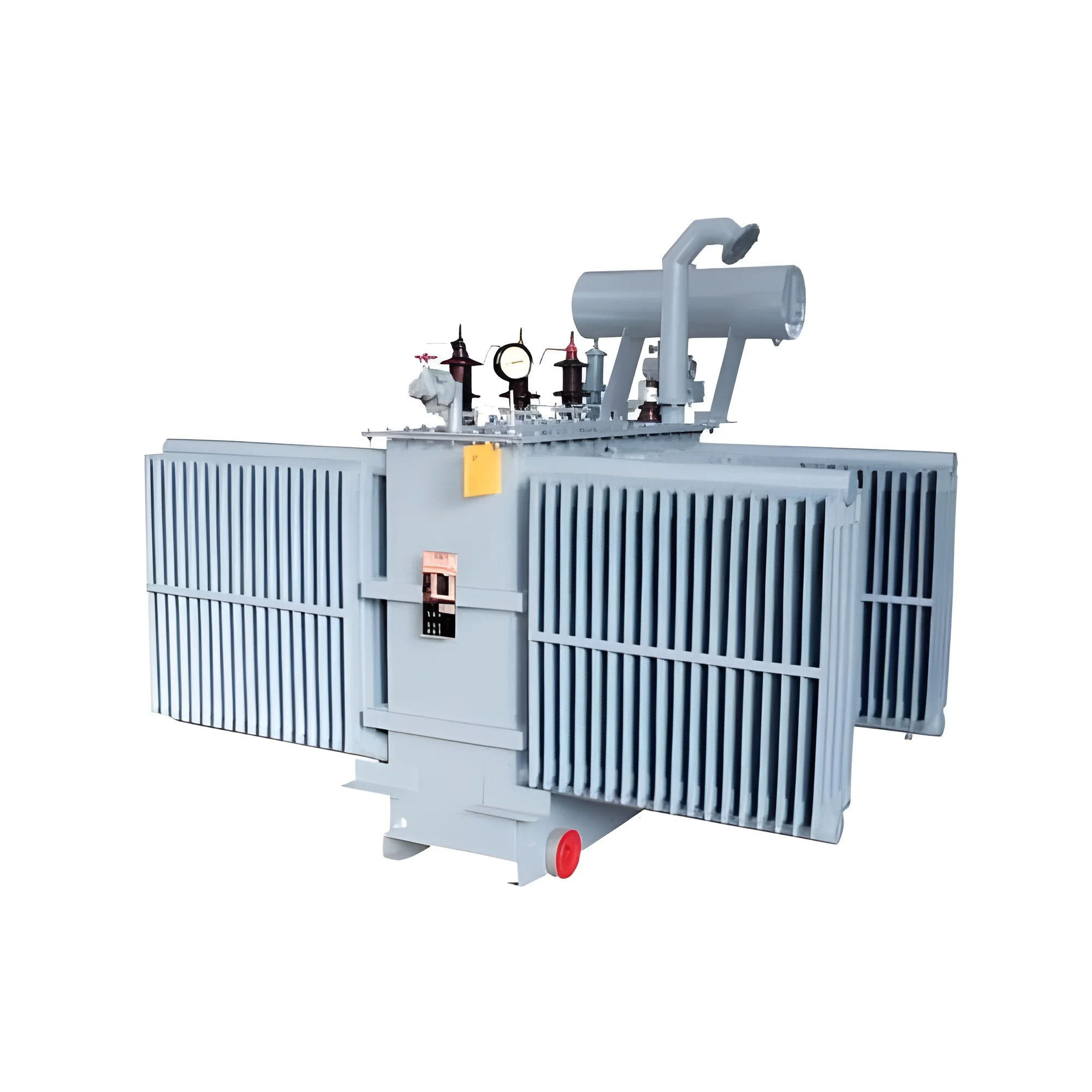
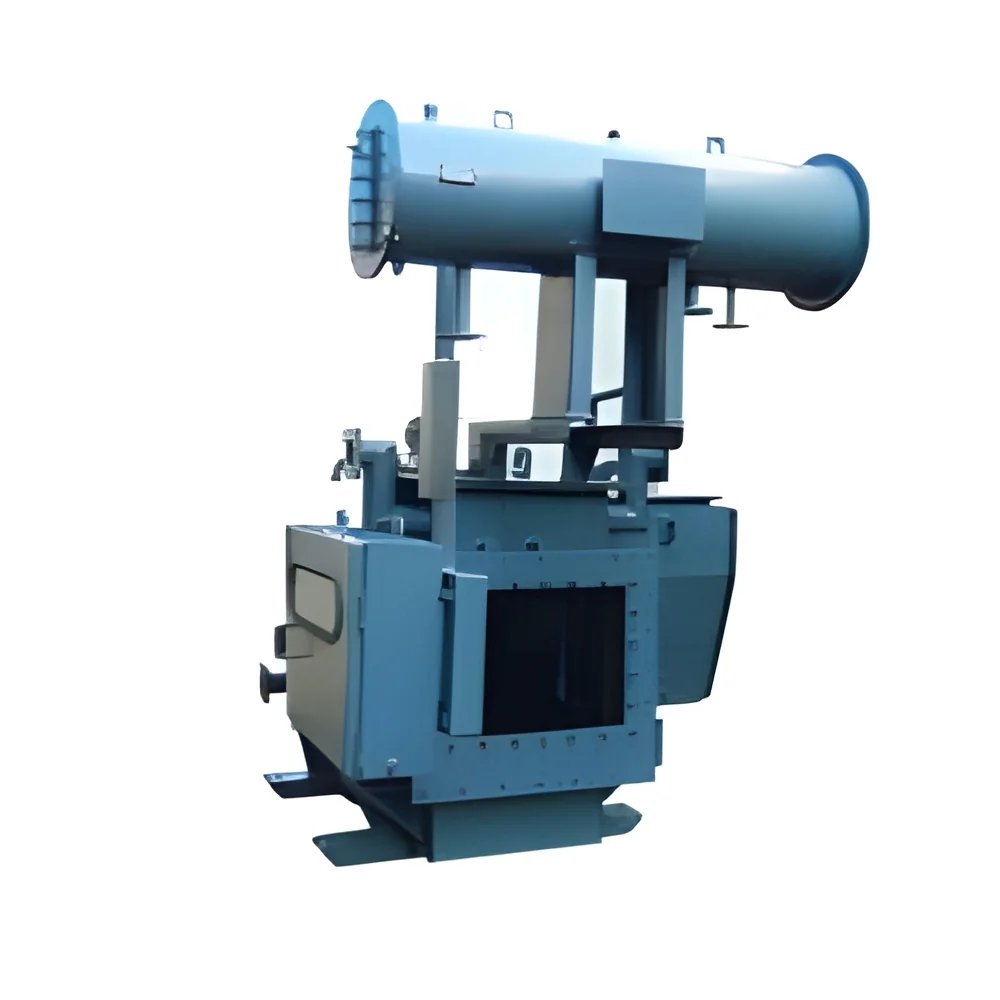
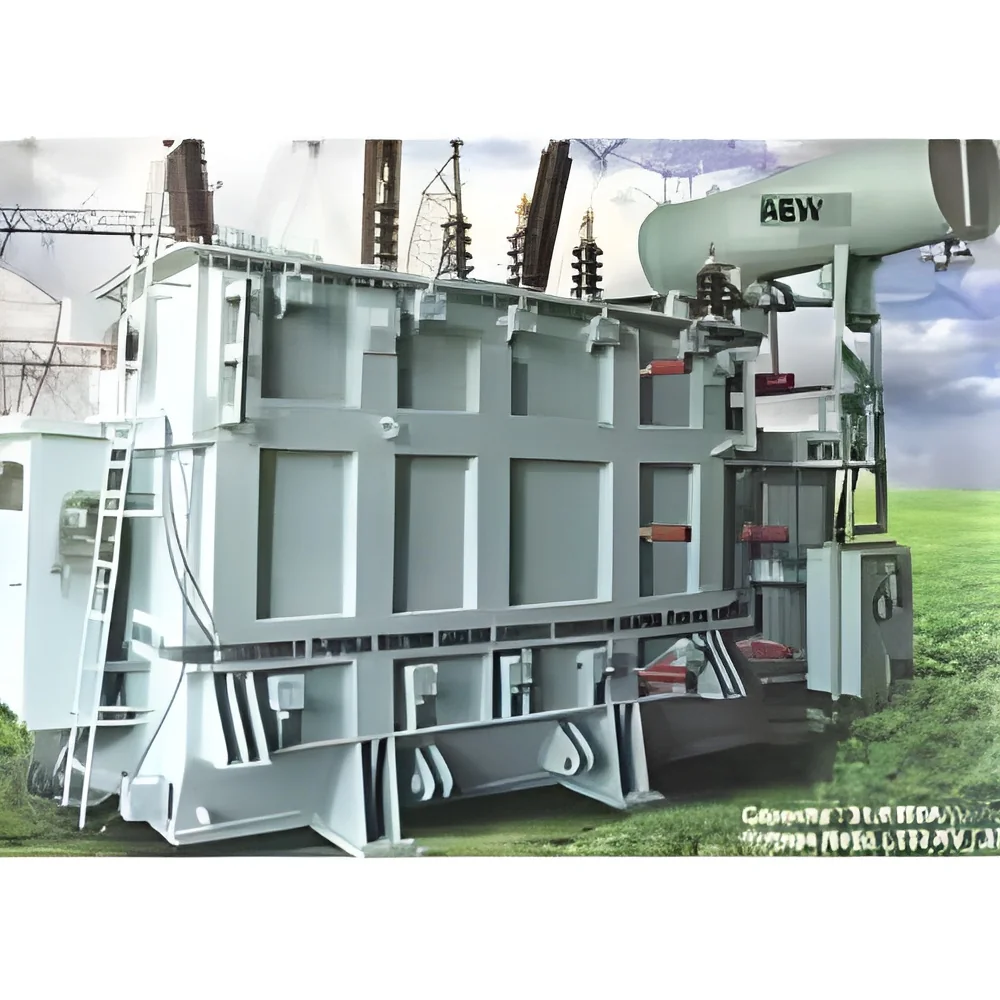
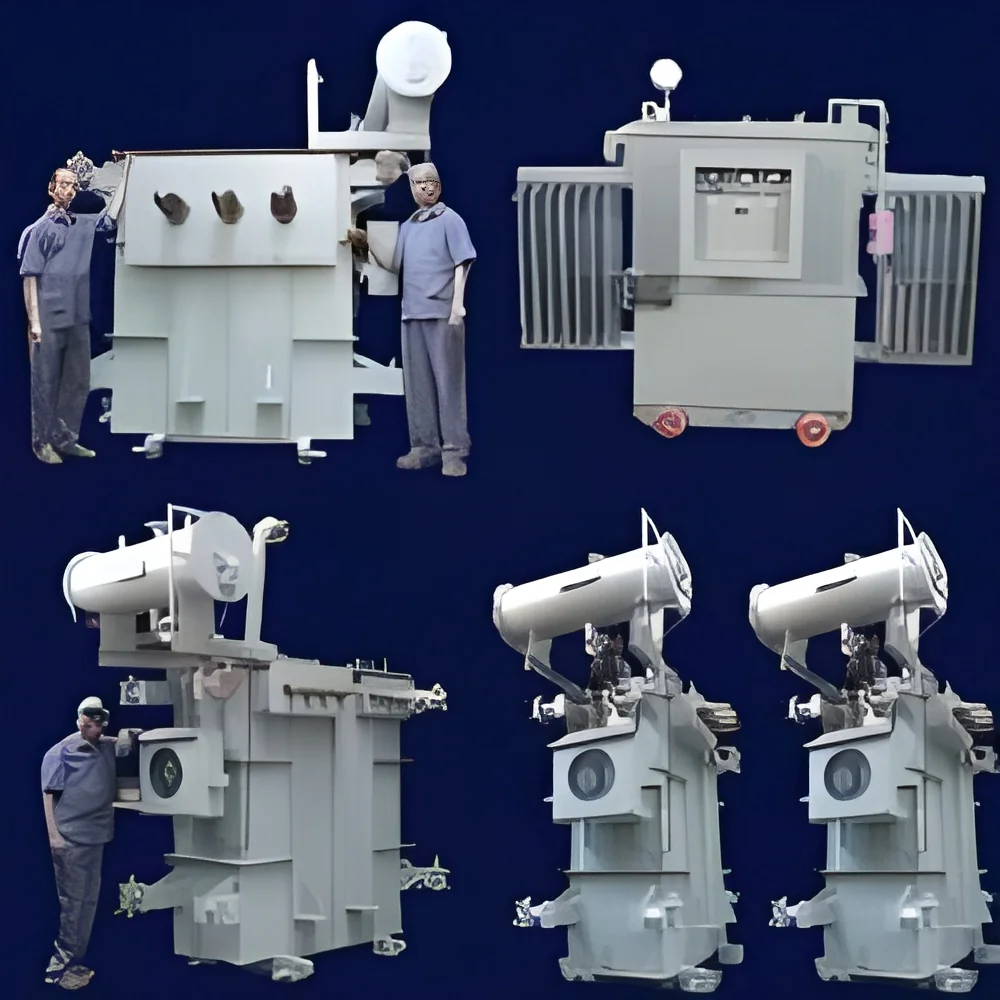
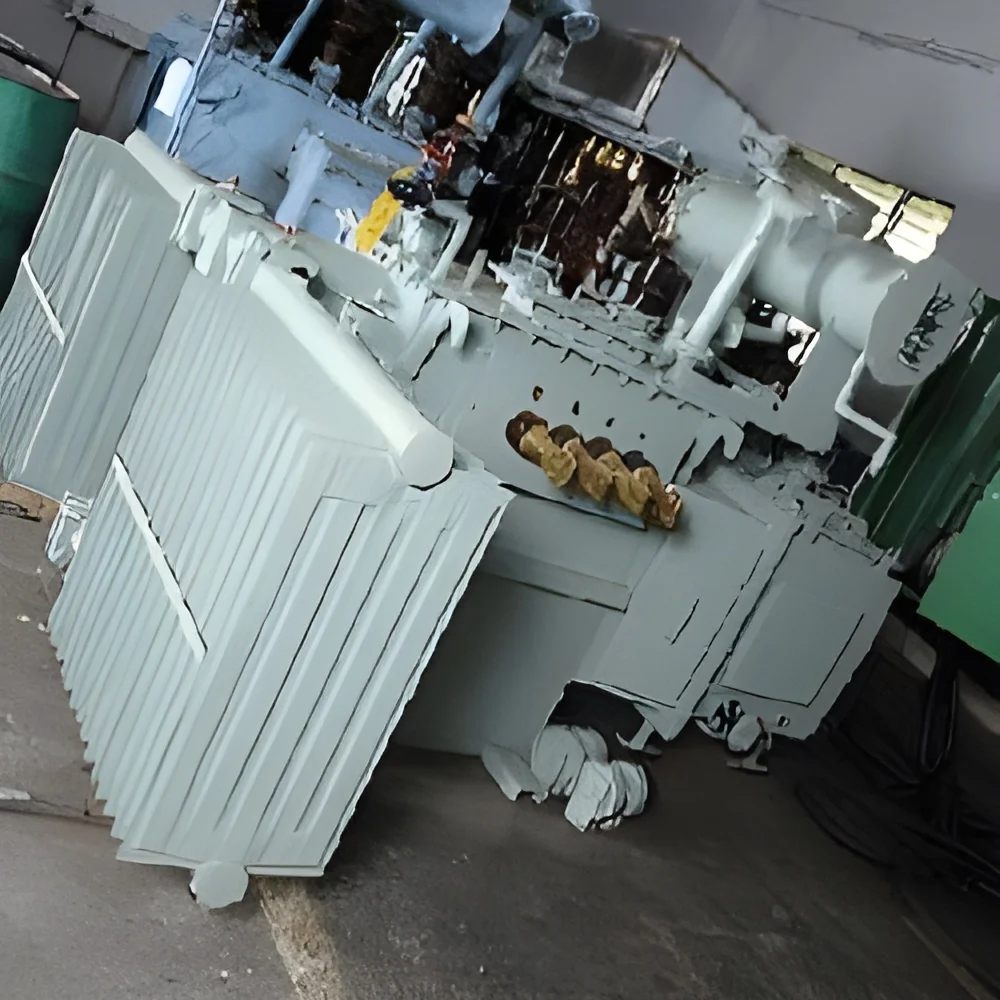
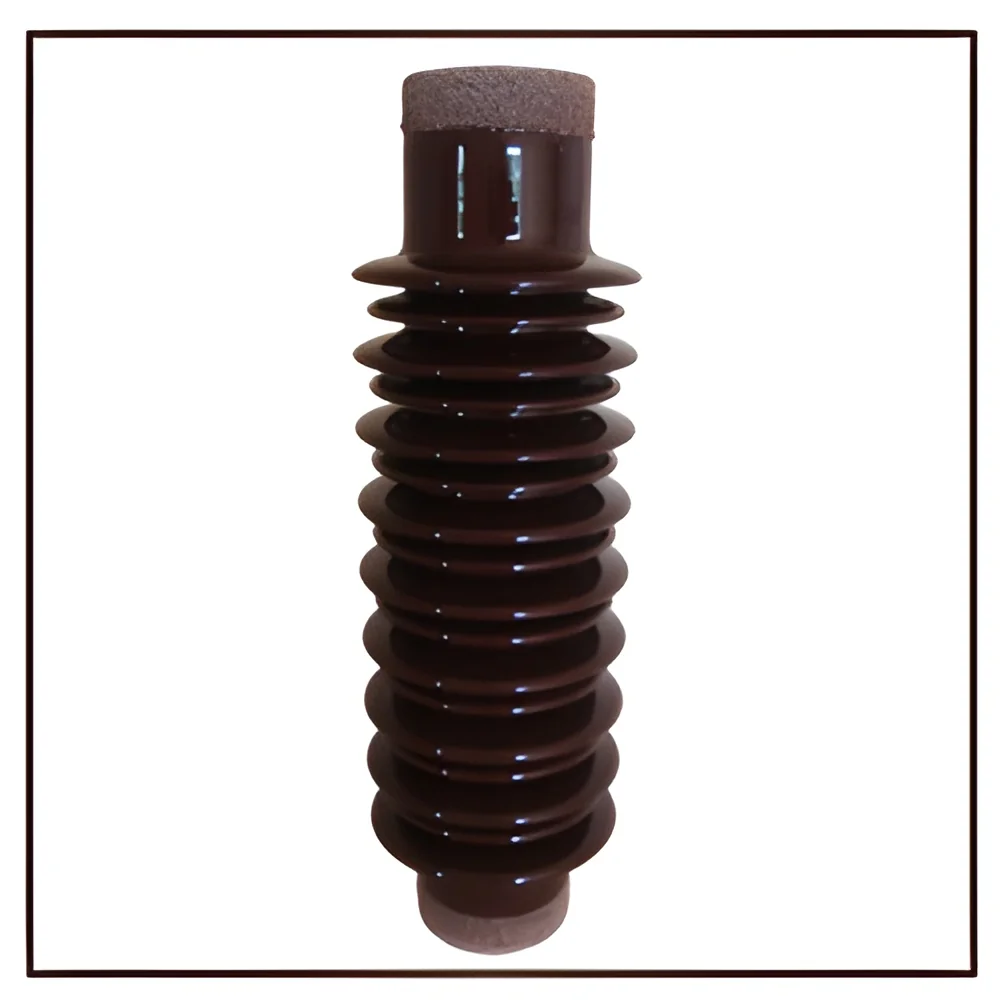
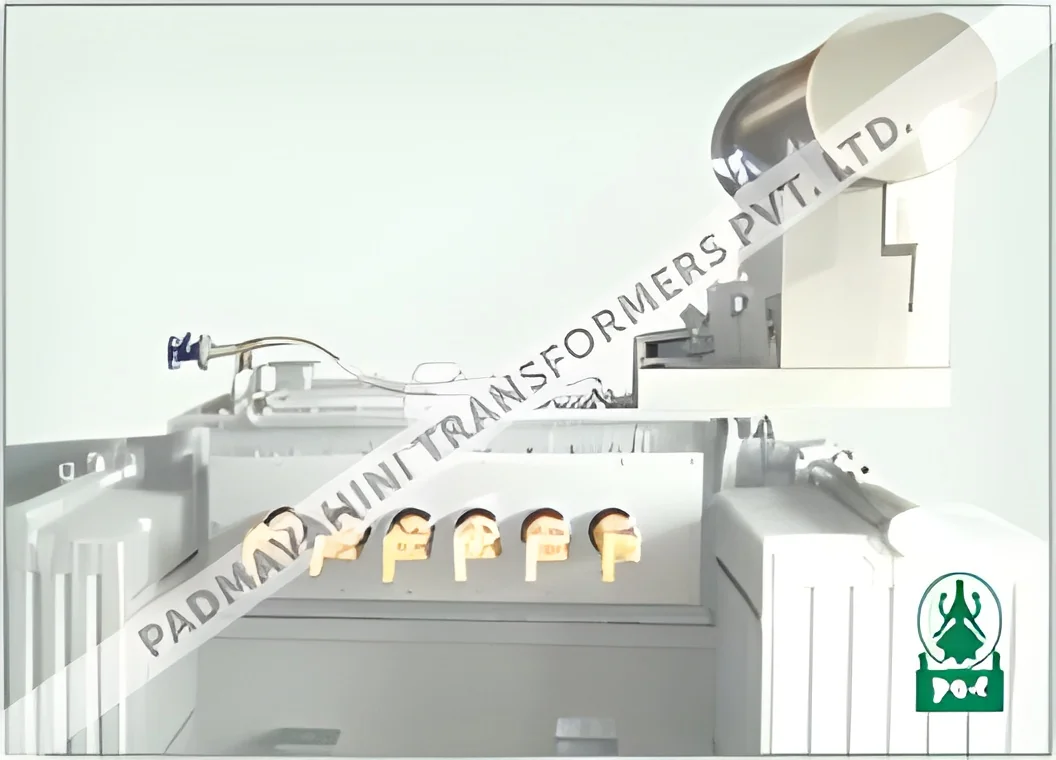
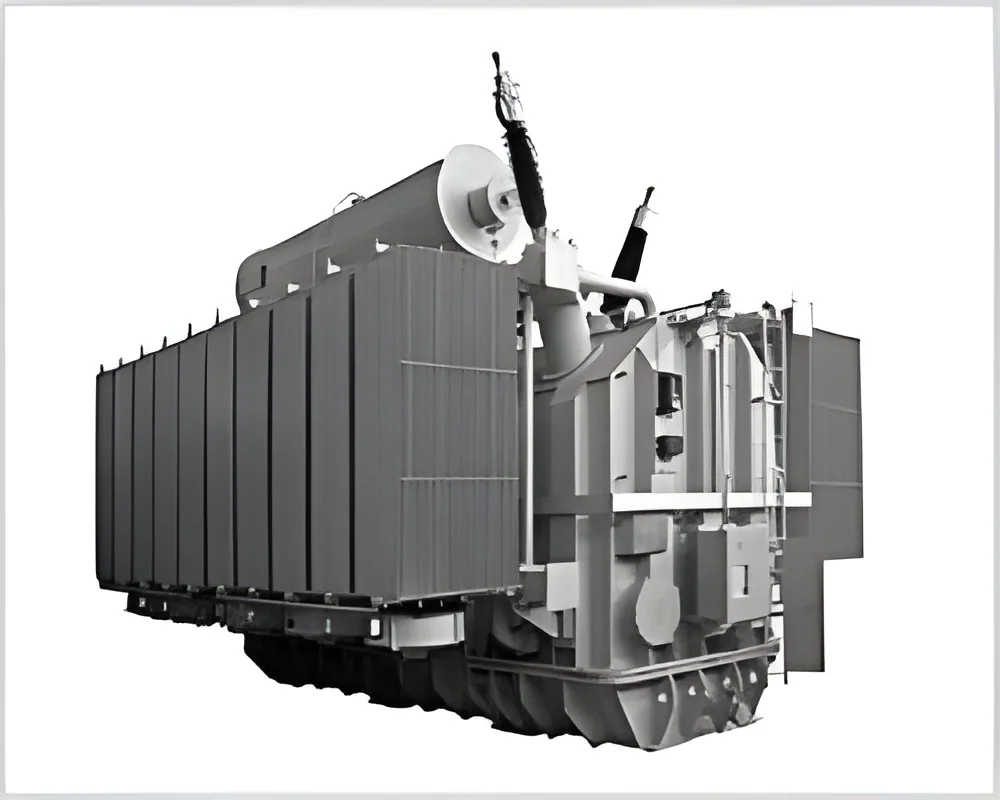
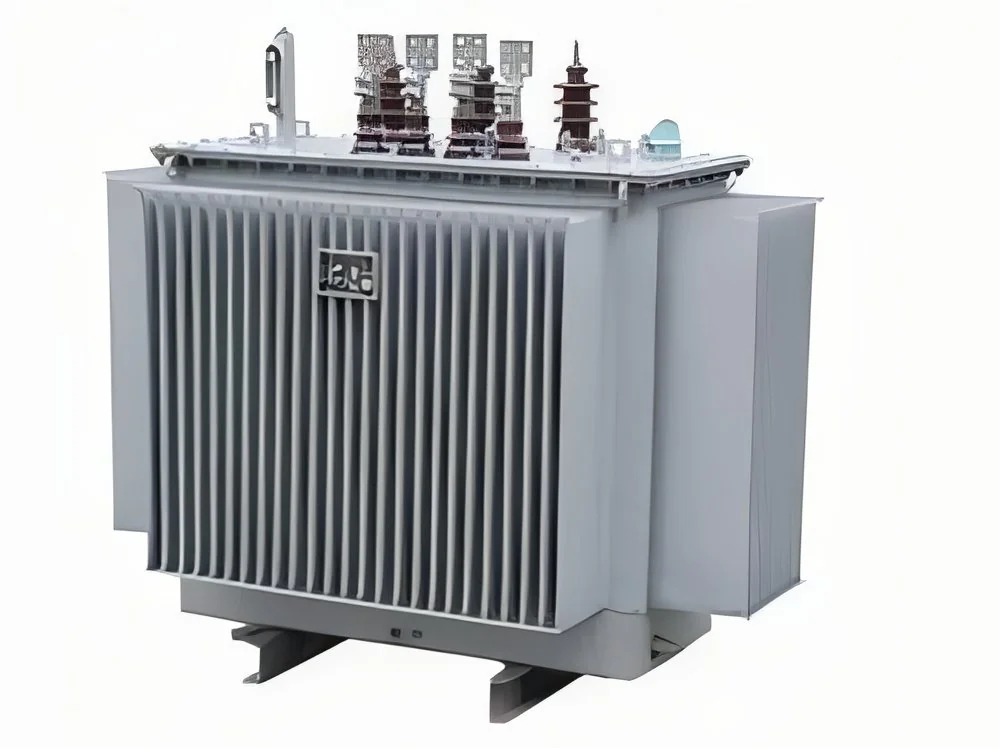
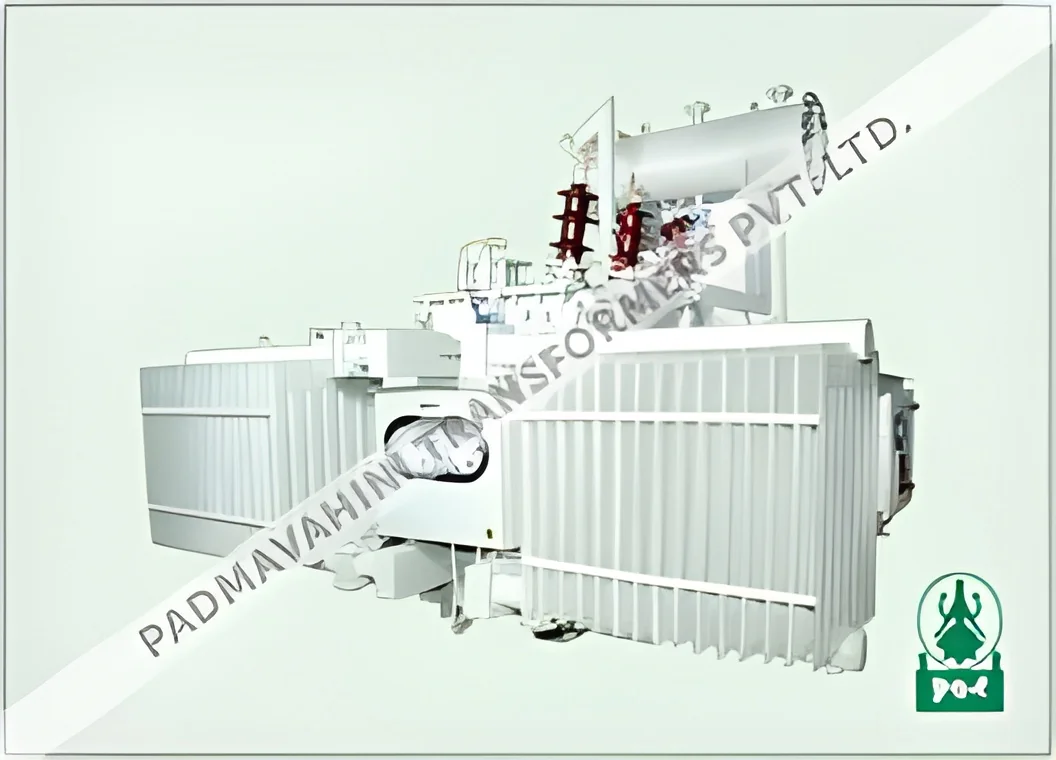
Distribution transformers are essential electrical equipment used to step down high voltage electricity from the transmission network to a lower voltage suitable for commercial and residential use. They play a critical role in ensuring that electricity is delivered safely and efficiently to end-users. These transformers are designed to operate at various voltage levels, typically ranging from 2.4 kV to 33 kV, making them vital components of the power distribution system.
The primary applications of distribution transformers include their use in electrical substations, commercial buildings, industrial facilities, and residential areas. They help manage the distribution of electricity, ensuring that power is accessible to consumers while maintaining voltage levels within safe limits. As the demand for electricity increases globally, the relevance of distribution transformers in energy management and distribution becomes more pronounced, leading to advancements in their design and technology.
Key Features and Specifications
Distribution transformers come equipped with several features that enhance their performance and reliability. Understanding these specifications is crucial for selecting the right transformer for specific applications.
Key specifications include:
1. Voltage Rating
- Standard voltage ratings vary from low voltage (415 V) to medium voltage (up to 33 kV).
- This rating determines the applicable voltage levels for different installations.
2. Power Rating
- Power ratings typically range from 10 kVA to several MVA.
- This specification indicates the capacity of the transformer to handle electrical loads.
3. Efficiency
- High efficiency is essential to minimize energy losses during operation.
- Typical efficiency ratings can exceed 98%.
4. Insulation Class
- Insulation classes are critical for ensuring safety and durability.
- Common classes include A, B, F, and H, each suitable for different operating temperatures.
5. Cooling Method
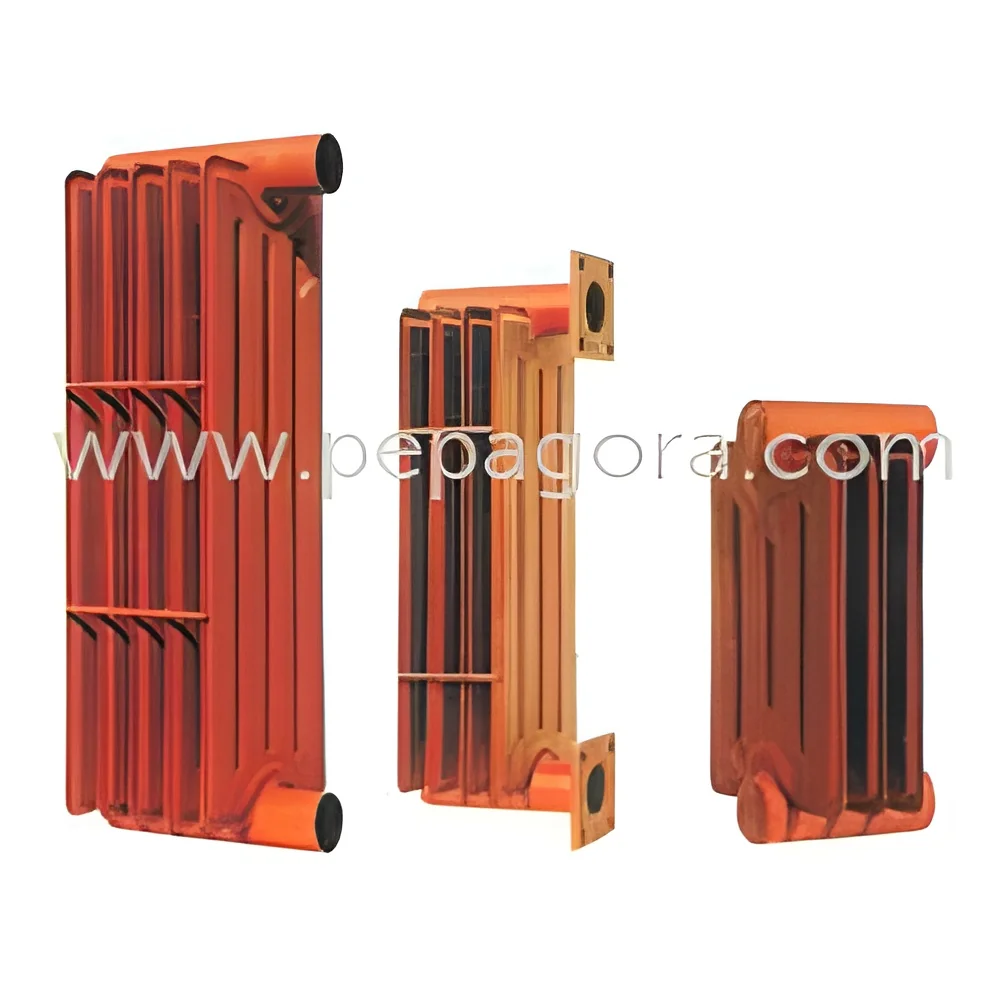
- Common cooling methods include air, oil, or forced air.
- The cooling method impacts the transformer's performance and lifespan.
6. Impedance
- Impedance affects the voltage drop and short-circuit performance.
- Typical impedance values range from 4% to 6%.
7. Noise Level
- Noise levels are important for installations in residential areas.
- Sound levels are usually measured in decibels (dB).
8. Dimensions and Weight
- Size and weight can vary significantly based on power rating and design.
- This information is essential for installation considerations.
In summary, distribution transformers are characterized by their specific voltage and power ratings, efficiency, cooling methods, and other features that affect their performance in various applications.
Common Applications and Use Cases
Distribution transformers are versatile and serve a wide range of industries. Their ability to provide safe and efficient voltage reduction makes them a staple in many applications.
1. Power Utilities: Distribution transformers are integral to power distribution networks, ensuring stable voltage levels for residential and commercial customers.
2. Manufacturing: In industrial settings, these transformers supply power to machinery and equipment, supporting manufacturing processes.
3. Telecommunications: They provide power for communication systems, ensuring reliable operation of telecom infrastructures.
4. Railways: Used in railway systems, distribution transformers help power signals and station facilities.
5. Renewable Energy: In solar and wind energy systems, they adapt generated power for grid integration and local consumption.
6. Commercial Buildings: These transformers ensure that office buildings receive adequate power levels for lighting and equipment.
7. Data Centers: In high-demand environments, distribution transformers support critical IT infrastructure and data management systems.
Product Variants and Subcategories
Distribution transformers come in various configurations to meet specific needs. The diversity allows businesses to choose models that fit their operational requirements.
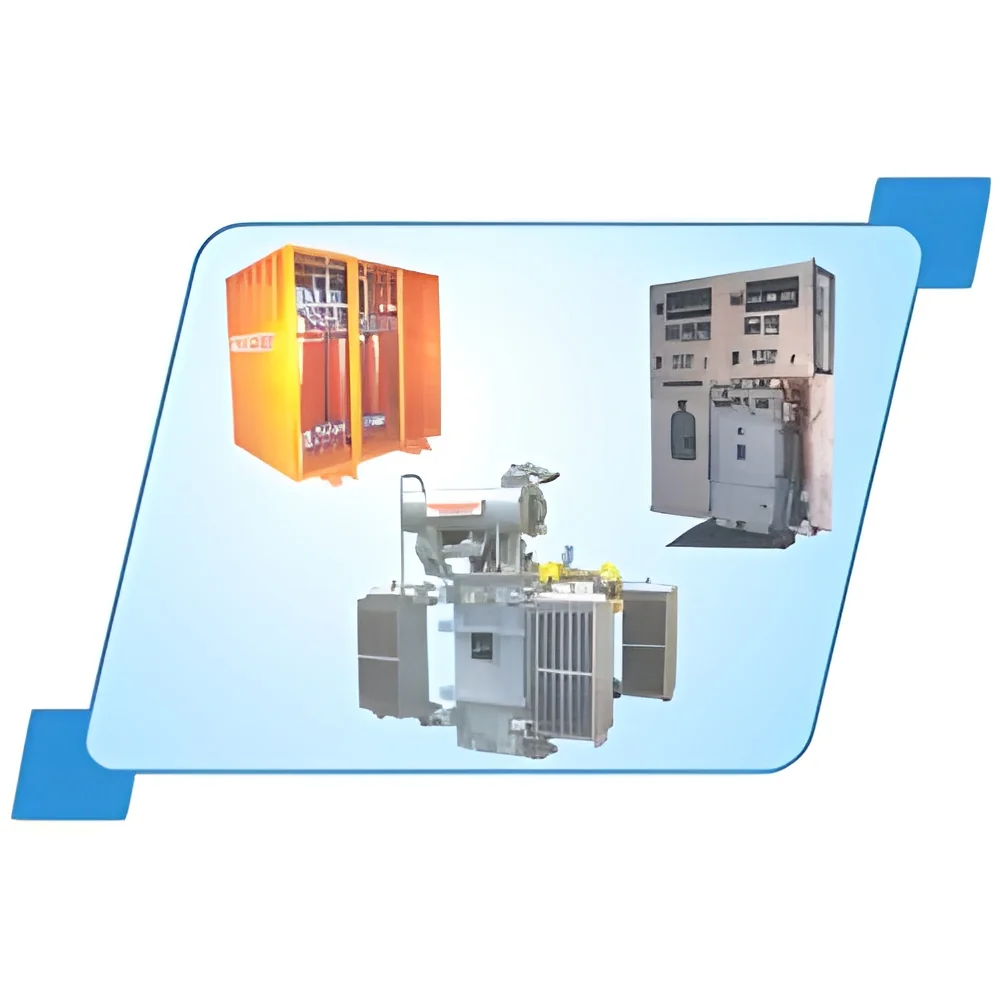
Pole-Mounted Transformers
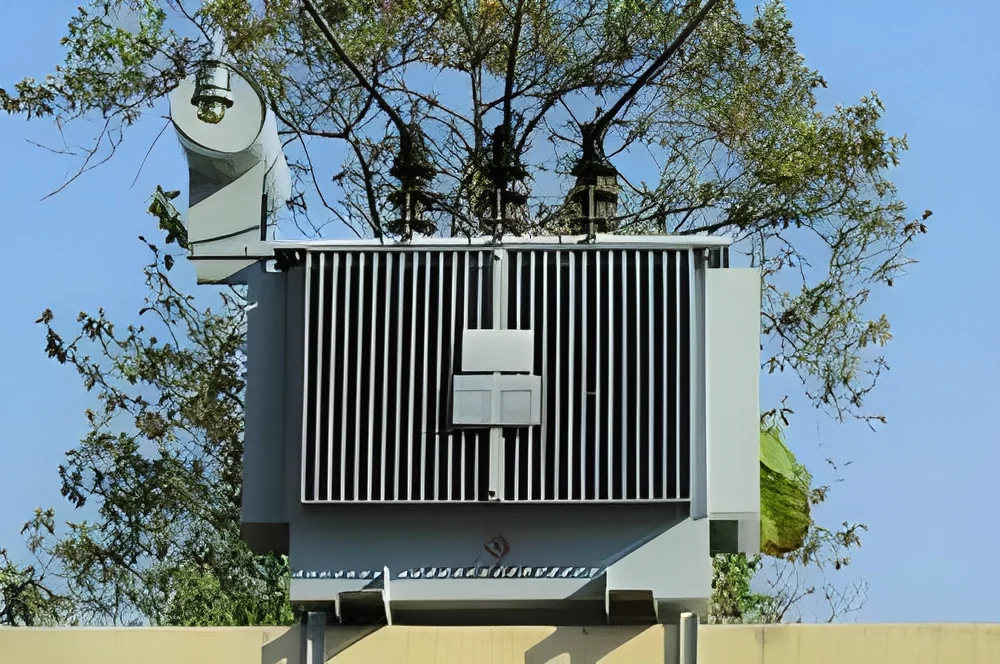
These transformers are typically installed on utility poles and are designed for outdoor environments. They are compact and ideal for rural electrification, providing reliable service to remote areas.
Pad-Mounted Transformers
Installed at ground level, pad-mounted transformers serve commercial and industrial applications. They are enclosed in a protective housing, making them suitable for urban environments.
Substation Transformers
These larger transformers are used within substations to step down high transmission voltages. They play a critical role in the overall power distribution system.
Benefits and Advantages
Choosing the right distribution transformer offers numerous advantages that can impact operational efficiency and cost savings.
1. Energy Efficiency: High-efficiency models reduce energy losses, leading to lower electricity costs over time.
2. Reliability: Quality transformers provide consistent performance, minimizing downtime and maintenance needs.
3. Safety: Properly designed transformers comply with safety standards, reducing risks associated with electrical distribution.
4. Versatility: With various models available, businesses can find transformers suited to their specific operational needs.
5. Scalability: Distribution transformers can be scaled up or down based on changing energy demands, offering flexibility for future growth.
6. Environmental Compliance: Many models meet regulatory standards for emissions and environmental safety, supporting sustainability initiatives.
Buying Guide for B2B Buyers
When sourcing distribution transformers, several factors should be taken into account to ensure a suitable purchase.
1. Quality Assessment: Evaluate the quality of the transformers by reviewing technical specifications and performance ratings. Look for certifications that ensure compliance with industry standards.
2. Supplier Verification: Vet potential suppliers to confirm their reliability and track record. Check references and customer reviews to gauge their reputation.
3. Pricing and MOQ: Understand the pricing structure and minimum order quantities required by suppliers. Ensure that pricing aligns with your budget and project timelines.
4. Delivery and Lead Times: Inquire about delivery schedules and lead times. Timely delivery is crucial for maintaining project deadlines.
5. Compliance Requirements: Familiarize yourself with regulatory compliance requirements relevant to your industry and region. Ensure that the transformers meet all necessary standards.
Compliance and Certifications
Compliance and certification are vital aspects of distribution transformers, ensuring they meet industry standards for quality and safety. ISO 9001 is a widely recognized quality management standard that guides manufacturers in maintaining high production standards. Adherence to ISO standards assures buyers of reliability and quality.
In addition to ISO certifications, CE marking indicates compliance with European health, safety, and environmental protection standards. This certification is crucial for products sold in European markets, ensuring they meet stringent regulatory requirements.
Safety and testing requirements must be met to ensure the safe operation of distribution transformers. This includes electrical testing, thermal performance evaluations, and insulation assessments. Regional compliance considerations may vary, so it is essential to be aware of local regulations that may apply based on the installation site.
Why Source Distribution Transformers from Pepagora?
Pepagora provides a trusted platform for sourcing distribution transformers, offering several key advantages to businesses.
Verified Supplier Network: Pepagora ensures that all suppliers are thoroughly vetted, providing buyers with confidence in the quality and reliability of the products offered. This verification process helps mitigate risks associated with sourcing from unfamiliar suppliers.
Streamlined RFQ Process: The platform features an efficient Request for Quotation (RFQ) system that simplifies the procurement process. Buyers can easily submit requests and receive competitive quotes from verified suppliers.
Trade Assurance and Support: Pepagora offers trade assurance, providing an added layer of protection for buyers. This support ensures that transactions are secure and that buyers have recourse in case of disputes.
Regional Coverage: With a strong presence in India, the GCC, and Southeast Asia, Pepagora facilitates access to a wide range of distribution transformers tailored to different market needs. This geographic reach allows businesses to find suitable solutions regardless of their location.

 IN
IN