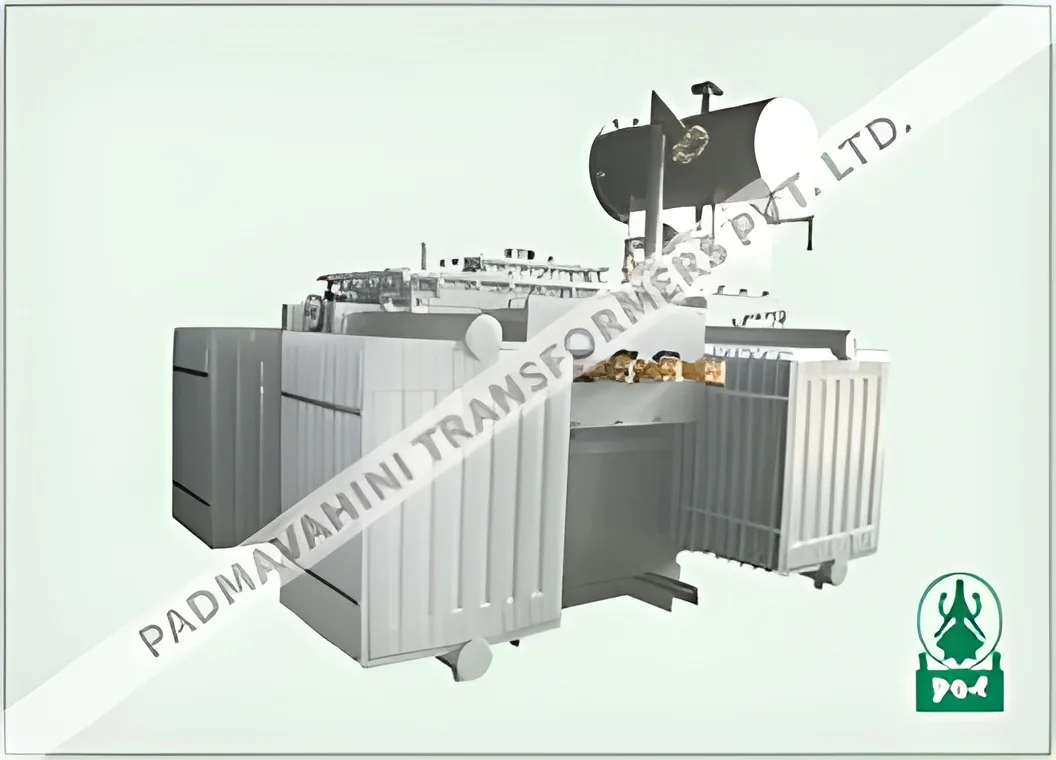
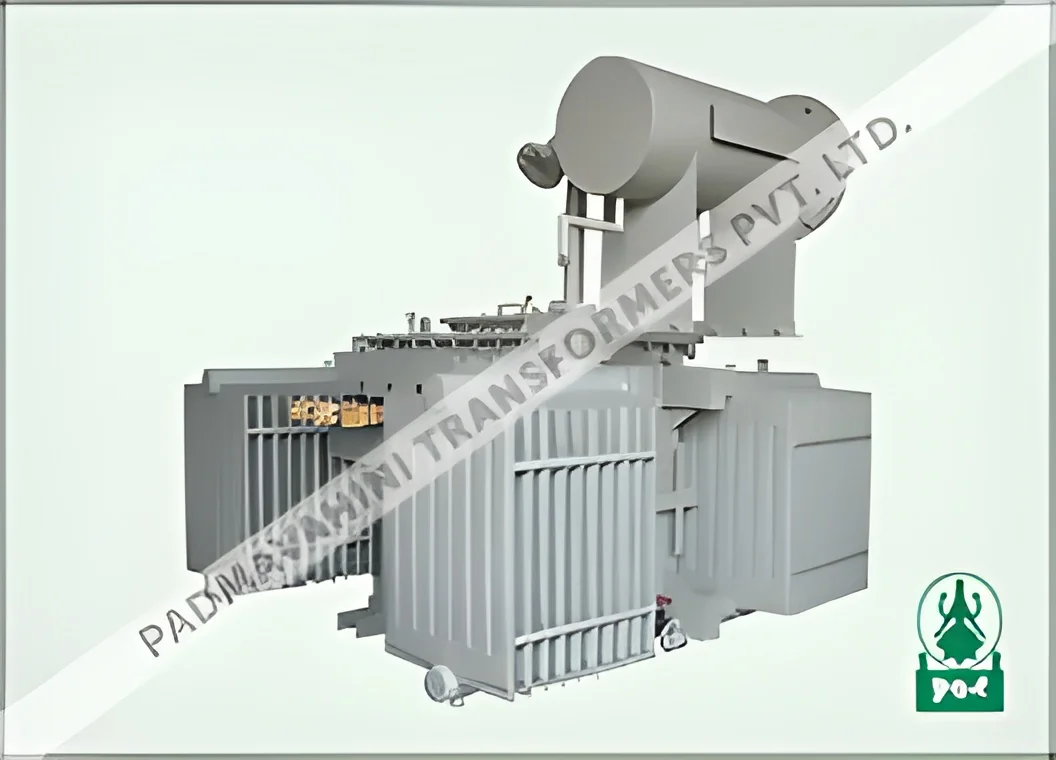
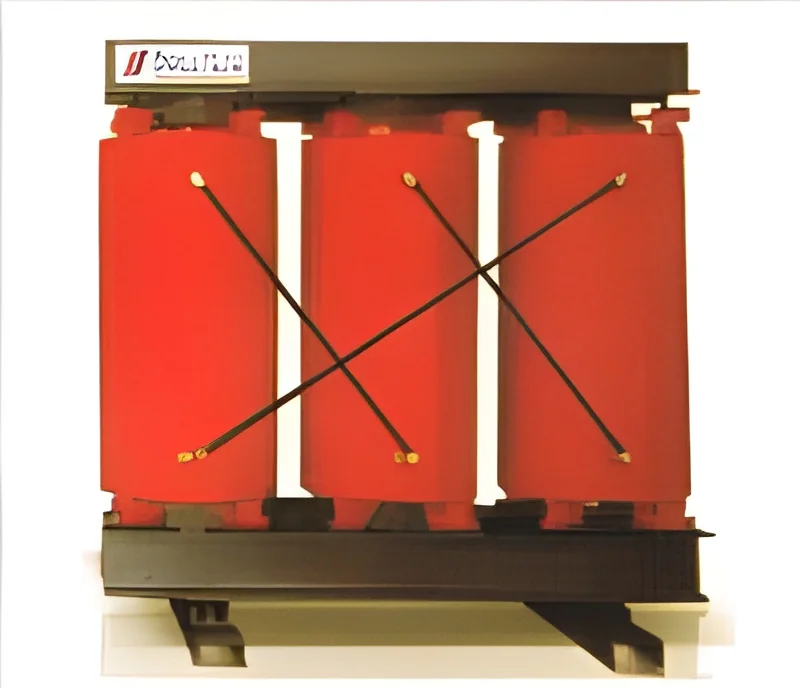
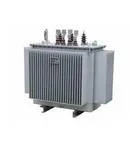
What are Dry Type Transformers?
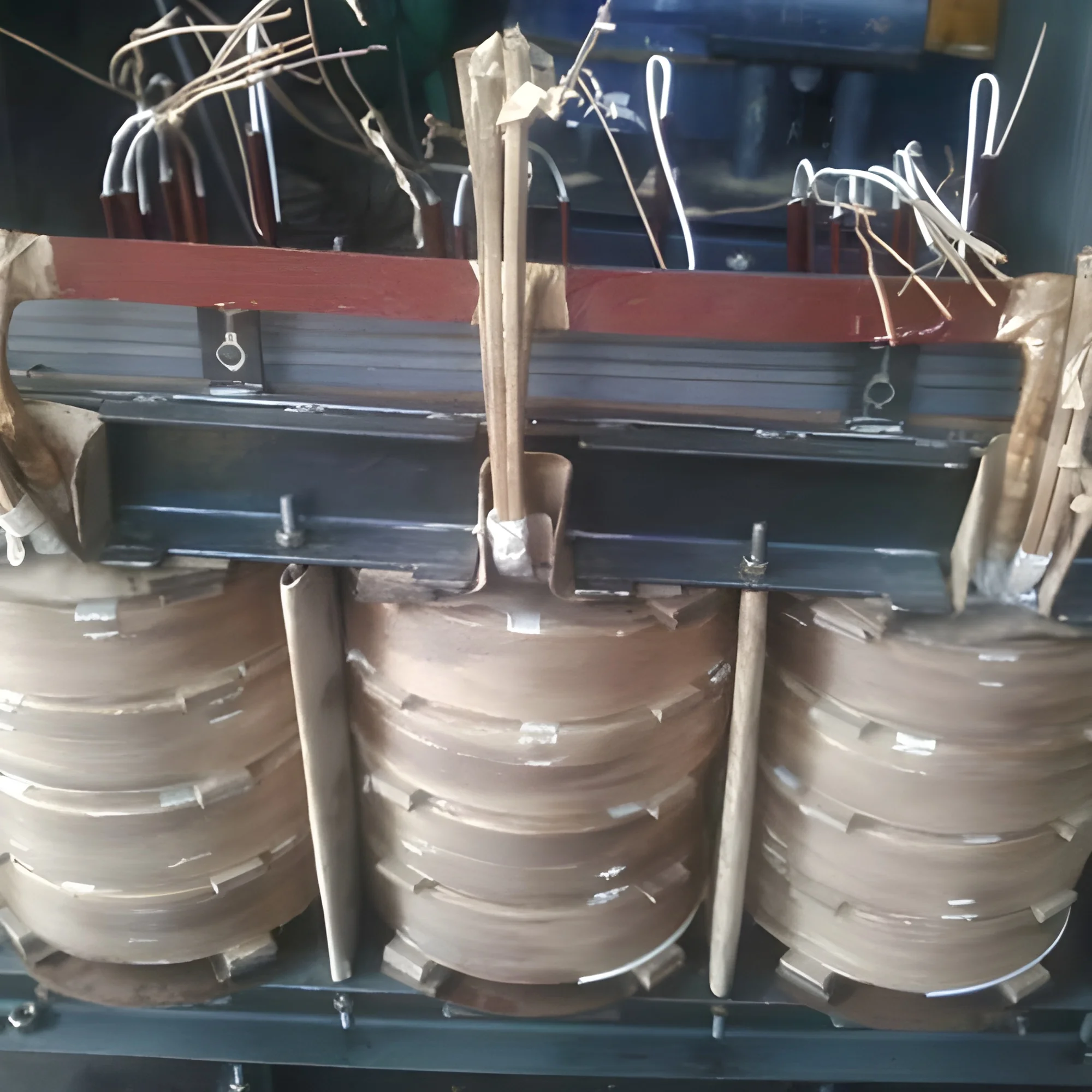
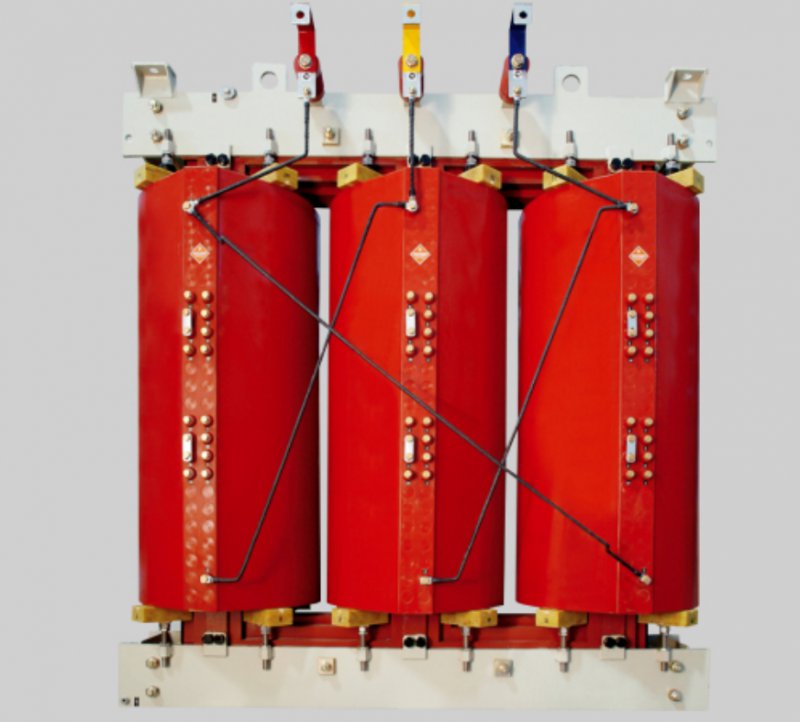
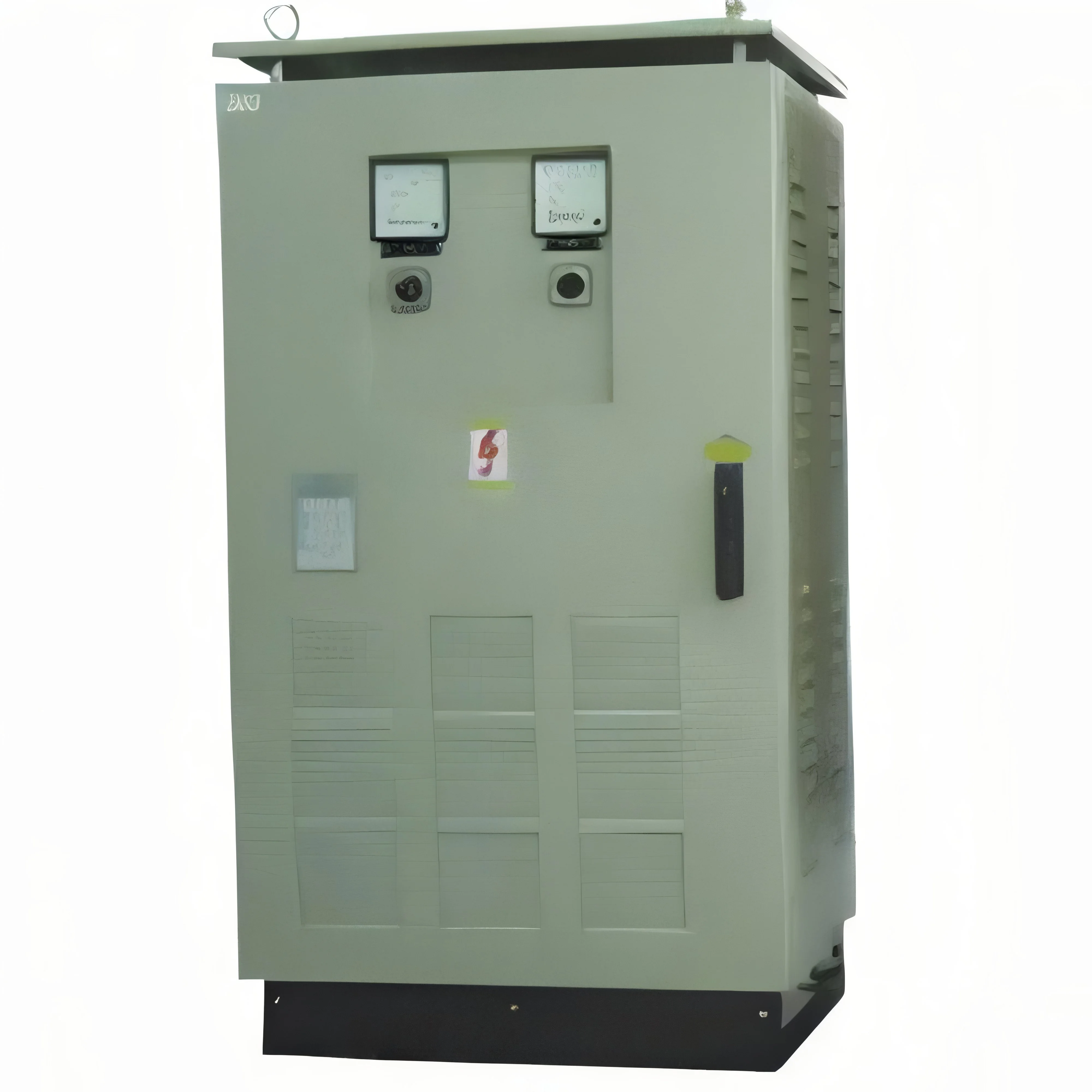
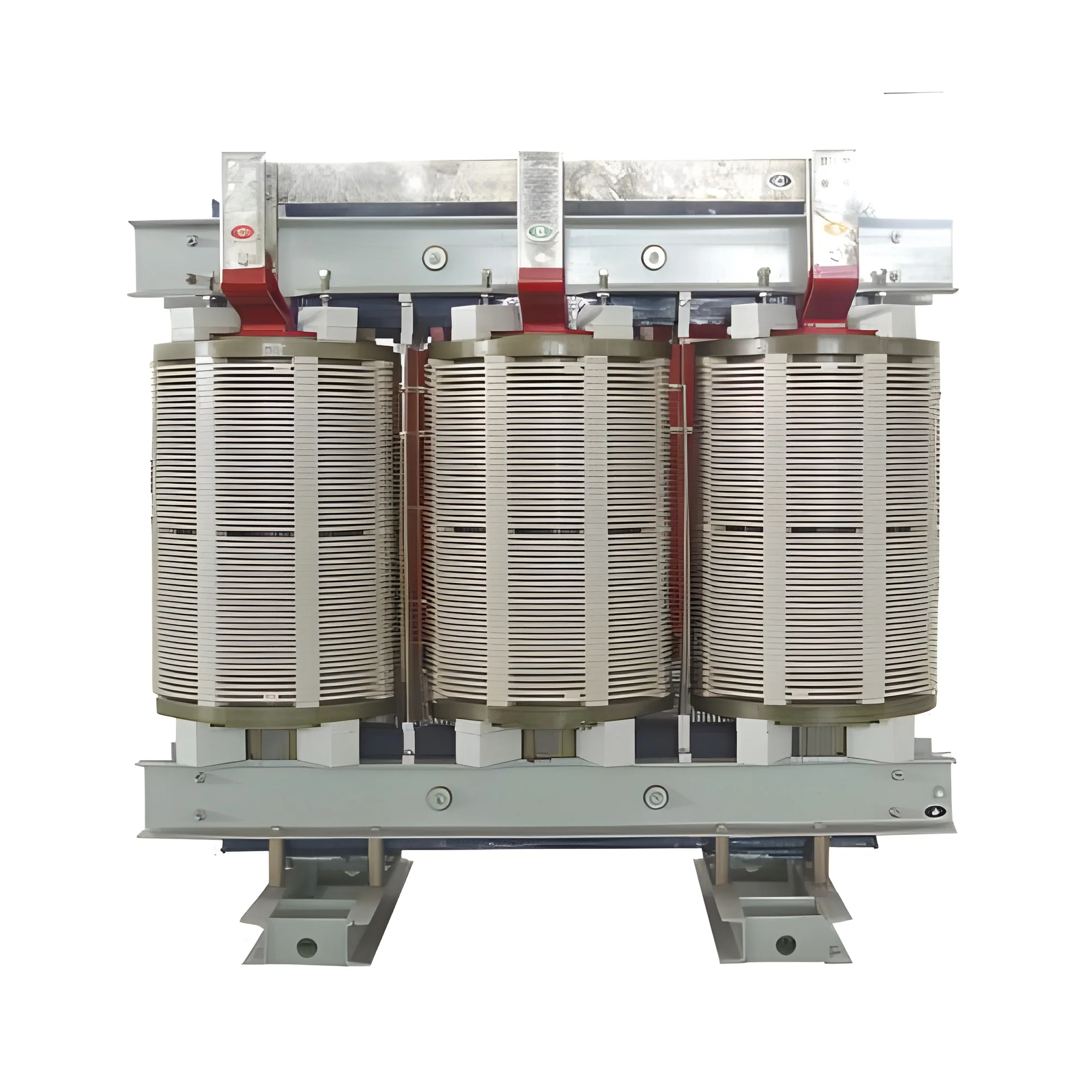
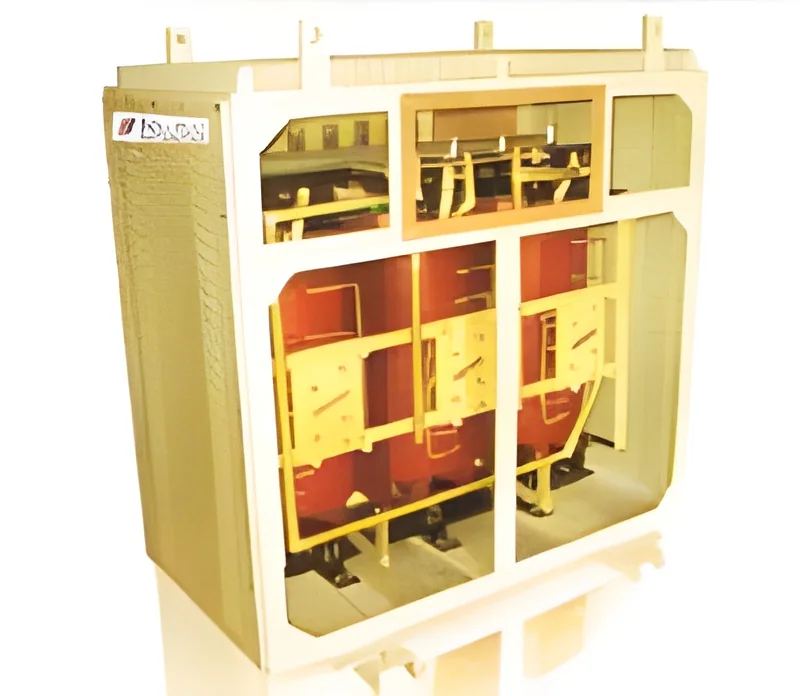
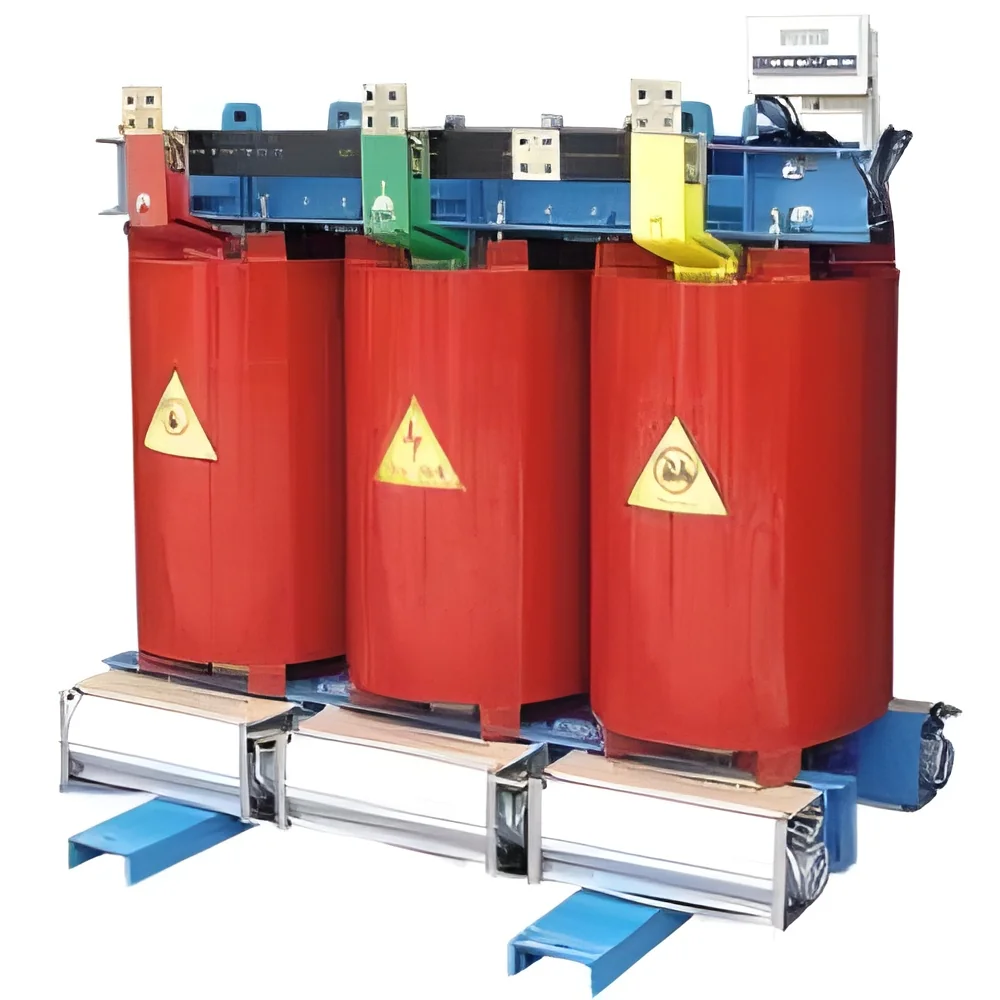
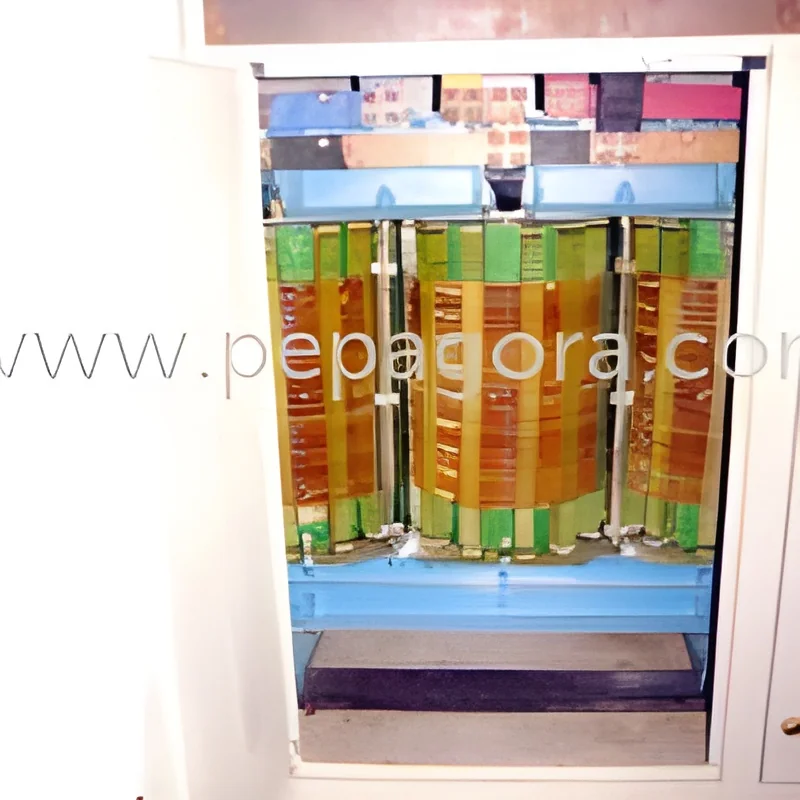
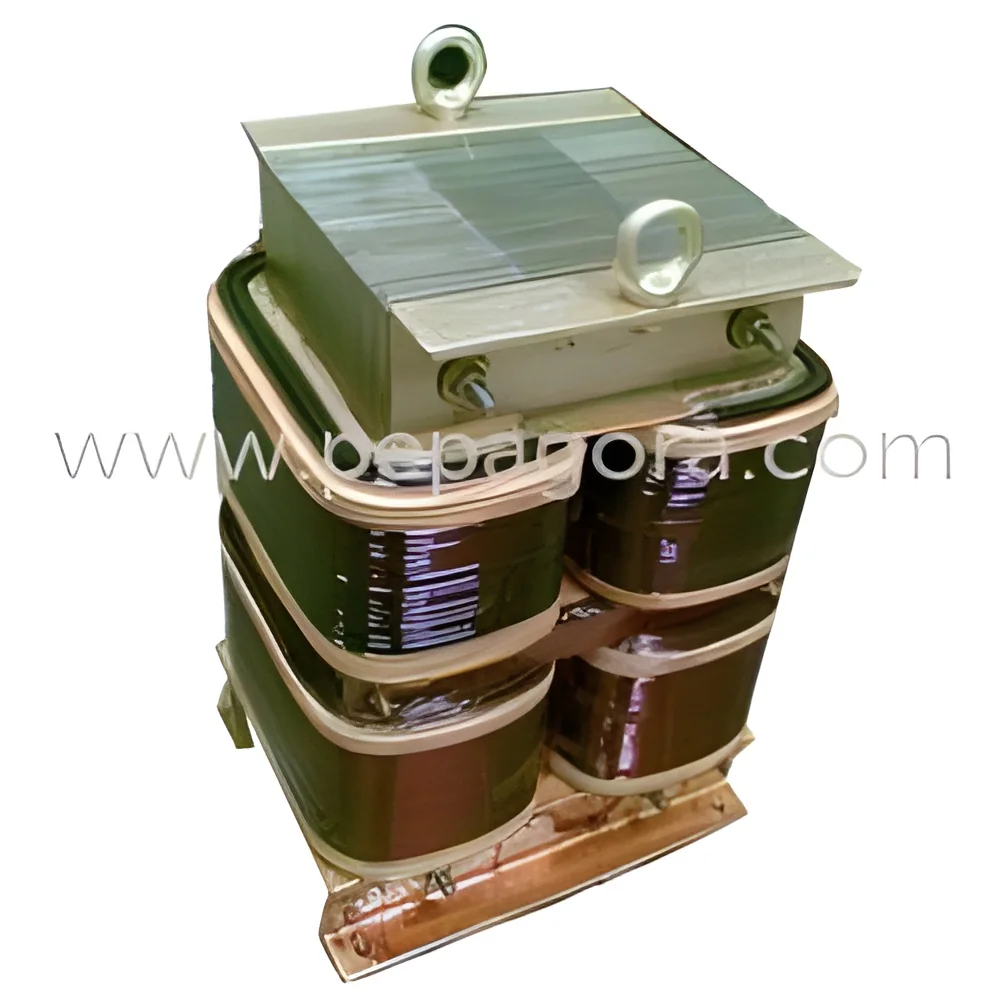
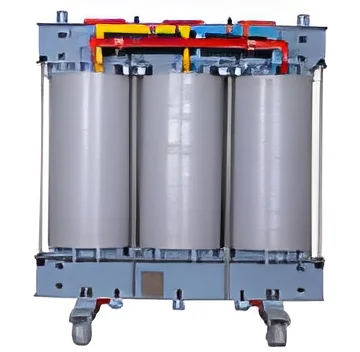
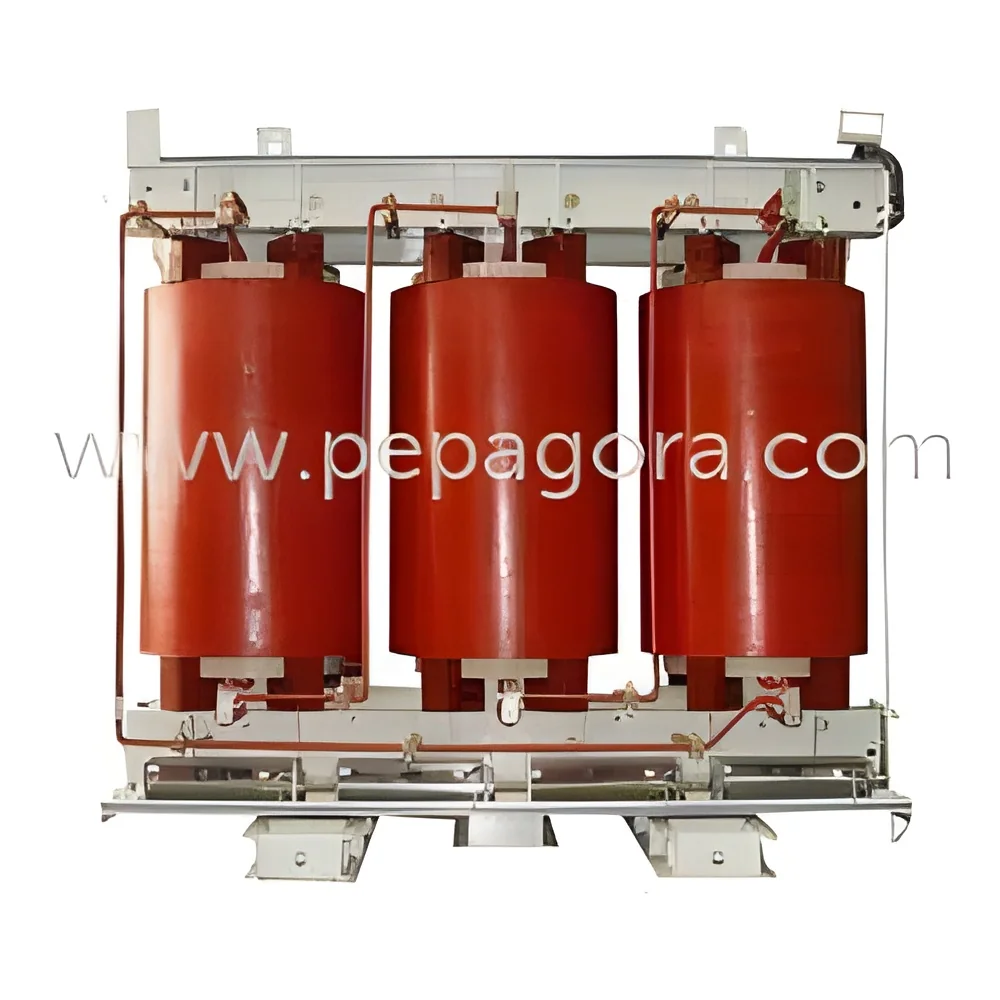
Dry type transformers are electrical devices that transfer electrical energy between two or more circuits through electromagnetic induction. Unlike oil-filled transformers, dry type transformers use air as a cooling medium, making them safer and more environmentally friendly. They are designed for indoor use and are typically housed in a ventilated enclosure to dissipate heat efficiently.
These transformers are widely used in applications where safety and reliability are critical. They find a place in commercial buildings, industrial facilities, and renewable energy installations, among others. Their design minimizes the risk of fire hazards associated with liquid-filled transformers, making them suitable for urban areas and sensitive environments. As industries continue to prioritize safety and efficiency, dry type transformers have become increasingly relevant in various markets.
Key Features and Specifications
Dry type transformers offer several features that enhance their performance and usability. Their specifications are crucial for determining their suitability for specific applications and industries.
Key specifications include:
1. Voltage Rating
- Available in various voltage levels.
- Common ranges include 480V, 600V, and up to 35kV.
2. Power Rating
- Measured in kilovolt-amperes (kVA).
- Typical power ratings range from 15 kVA to 5000 kVA.
3. Phase Configuration
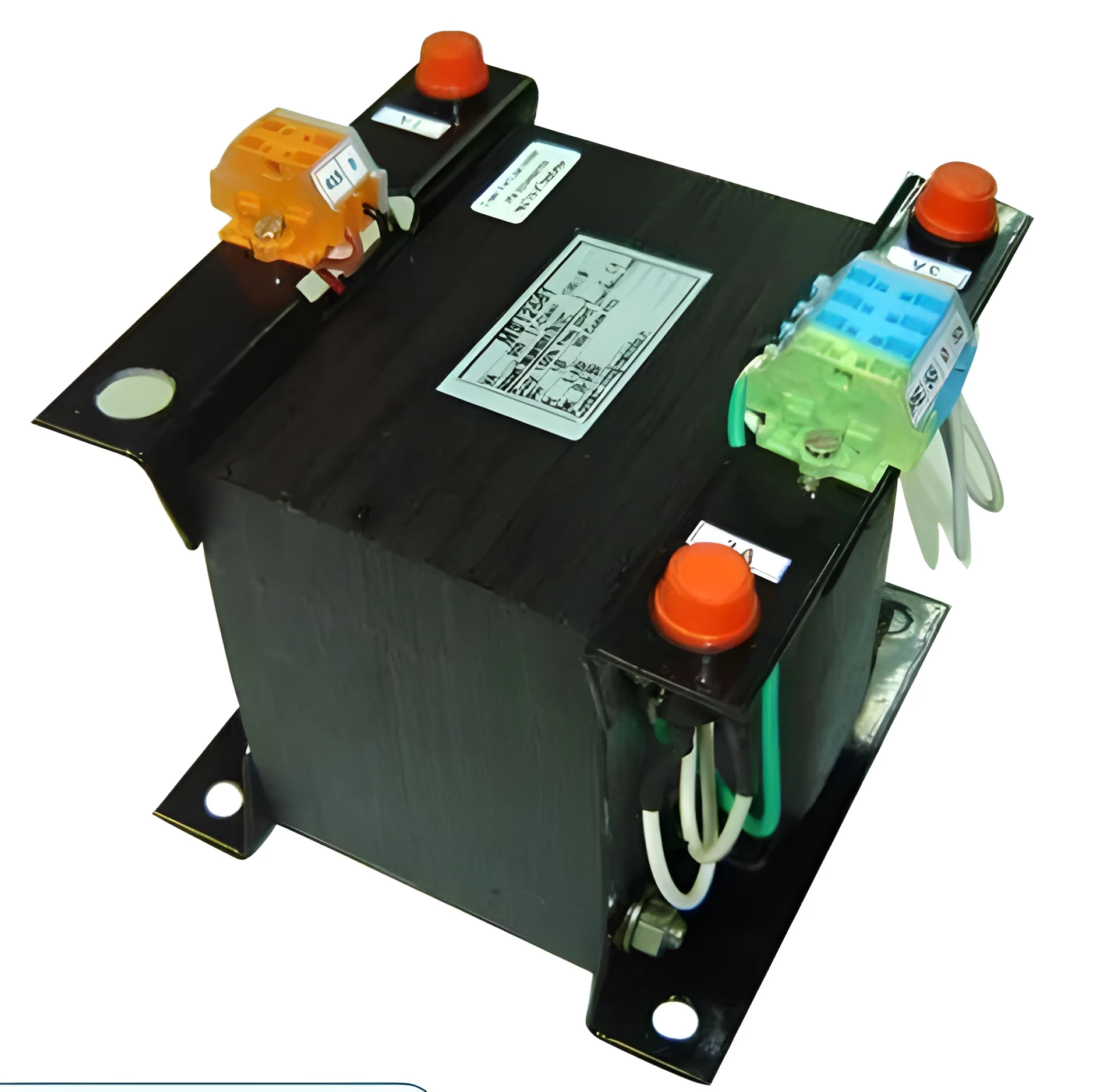
- Available in single-phase and three-phase configurations.
- Three-phase models are often used for industrial applications.
4. Temperature Rise
- Generally rated for a temperature rise of 55°C or 65°C.
- Ensures operational efficiency and longevity.
5. Insulation Class
- Common classes include Class A, B, F, and H.
- Determines the thermal limits and durability of the transformer.
6. Efficiency Rating
- High efficiency levels, often exceeding 98%.
- Reduces energy loss during operation.
7. Noise Level
- Designed to operate quietly, with noise levels typically below 60 dB.
- Important for installations in noise-sensitive environments.
8. Cooling Method
- Air-cooled, requiring no additional cooling systems.
- Reduces maintenance needs compared to liquid-cooled transformers.
Dry type transformers are engineered to meet specific industry needs, ensuring reliable performance in diverse applications.
Common Applications and Use Cases
Dry type transformers are versatile and find applications across multiple sectors.
1. Commercial Buildings: They are commonly used in office complexes and shopping malls to distribute electrical power efficiently and safely.
2. Industrial Facilities: Factories utilize dry type transformers for machine operations, ensuring stable voltage supply while minimizing fire risks.
3. Renewable Energy: Solar power installations often employ dry type transformers to convert and distribute power effectively.
4. Data Centers: These transformers are crucial for providing a reliable power supply to critical IT infrastructure.
5. Transportation: Airports and train stations use dry type transformers to power lighting and other essential systems.
6. Healthcare: Hospitals rely on these transformers for uninterrupted power supply to life-support systems and medical equipment.
7. Educational Institutions: Schools and universities use dry type transformers for building power distribution and laboratory equipment.
Product Variants and Subcategories
The diversity of dry type transformers allows for tailored solutions to meet specific application needs.
Standard Dry Type Transformers
These are the most common variants, suitable for general applications. They offer reliable performance and are often used in commercial and industrial settings.
High-Voltage Dry Type Transformers
Designed for applications requiring high voltage, these transformers provide efficient power distribution in utility and industrial environments.
Compact Dry Type Transformers
These variants are designed for limited space applications. They provide the same reliability and efficiency but in a smaller footprint, ideal for urban installations.
Benefits and Advantages
Dry type transformers offer several benefits that make them an attractive choice for businesses.
1. Safety: Their non-flammable design significantly reduces the risk of fire hazards, making them ideal for urban and sensitive environments.
2. Environmental Friendliness: With no oil used in their operation, dry type transformers are more environmentally friendly and comply with stricter environmental regulations.
3. Low Maintenance: The air-cooling system requires less maintenance compared to oil-filled transformers, resulting in lower operational costs.
4. Reliability: Designed for durability, these transformers can operate effectively in harsh conditions, providing a stable power supply.
5. Energy Efficiency: High efficiency ratings ensure minimal energy loss, contributing to lower utility bills.
6. Versatility: Their adaptability makes them suitable for various applications across different industries, ensuring broad market appeal.
Buying Guide for B2B Buyers
When sourcing dry type transformers, it is essential to consider several factors to ensure optimal selection.
1. Quality Assessment: Evaluate the quality standards and materials used in the construction of the transformers. Look for certifications that indicate compliance with industry standards.
2. Supplier Verification: Vet potential suppliers by checking their reputation, experience, and customer reviews. Ensure they have a track record of reliability and support.
3. Pricing and MOQ: Understand the pricing structure and minimum order quantities. Compare quotes from different suppliers to ensure competitive pricing.
4. Delivery and Lead Times: Inquire about the expected delivery times and logistics involved in the shipping process. Timely delivery is crucial for project planning.
5. Compliance Requirements: Ensure that the transformers meet local and international regulatory compliance standards. This includes safety certifications and operational approvals.
Compliance and Certifications
Compliance and certification are vital aspects of dry type transformers to ensure safety and reliability.
Relevant quality standards such as ISO 9001 are critical in ensuring that manufacturers maintain high-quality production processes. Such standards help guarantee that the transformers meet both performance and safety requirements.
Industry certifications, including CE marking, indicate that the transformers comply with European safety standards. This certification is essential for products sold in European markets and assures buyers of their safety and efficiency.
Safety and testing requirements are stringent in the manufacturing of dry type transformers. They undergo rigorous testing to ensure they can withstand operational stresses and environmental conditions.
Regional compliance considerations must also be taken into account. Different countries have specific regulations governing electrical products, and manufacturers must ensure their products meet these local requirements.
Why Source Dry Type Transformers from Pepagora?
Pepagora serves as a trusted platform for sourcing dry type transformers, offering several key advantages to buyers.
Verified Supplier Network: Pepagora connects buyers with a network of verified suppliers, ensuring that all listed products meet high-quality standards. This reduces the risk of sourcing from unreliable manufacturers.
Streamlined RFQ Process: The request for quotation (RFQ) system simplifies the procurement process. Buyers can quickly receive and compare quotes, making it easier to find the best options.
Trade Assurance and Support: Pepagora provides trade assurance to protect buyers during the purchasing process. This includes support for resolving disputes and ensuring satisfaction with the products received.
Regional Coverage: With a strong presence in India, the Gulf Cooperation Council (GCC), and Southeast Asia, Pepagora offers buyers comprehensive access to high-quality dry type transformers across a wide geographic area. This regional reach is advantageous for businesses looking to expand their operations.

 IN
IN