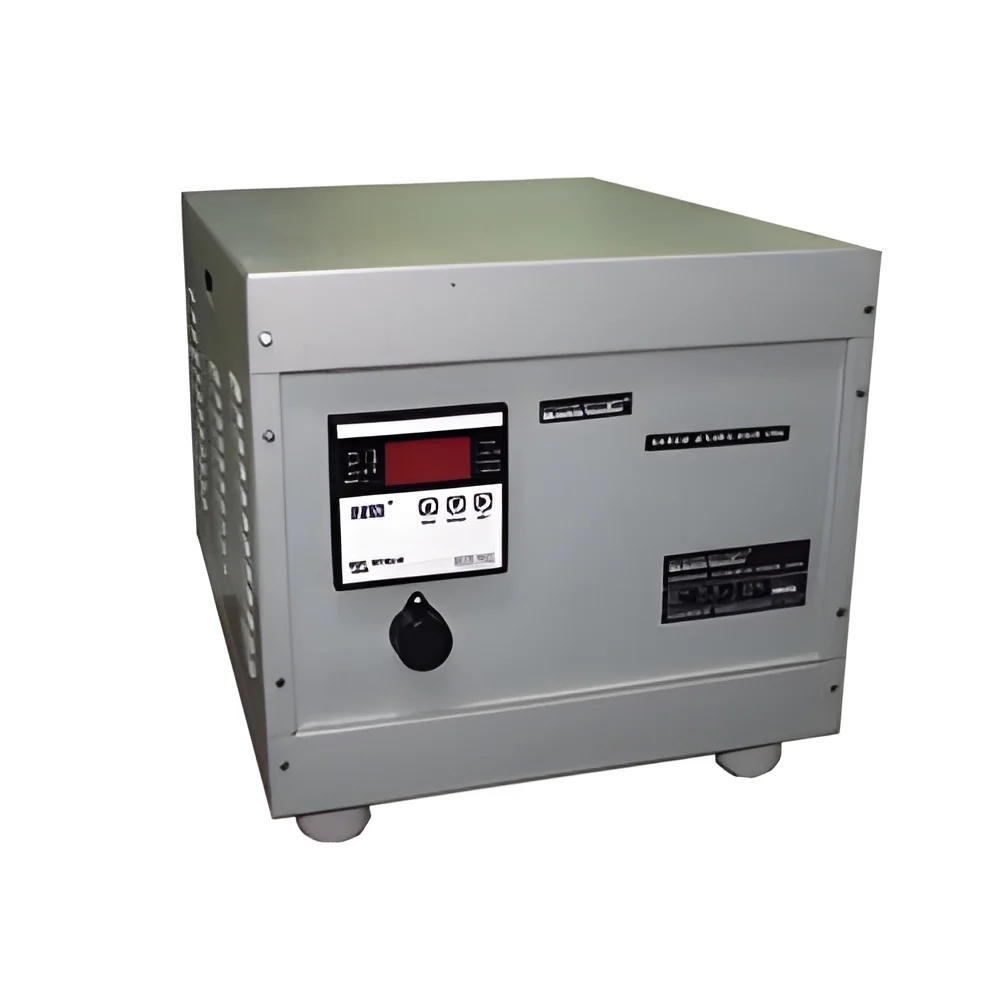
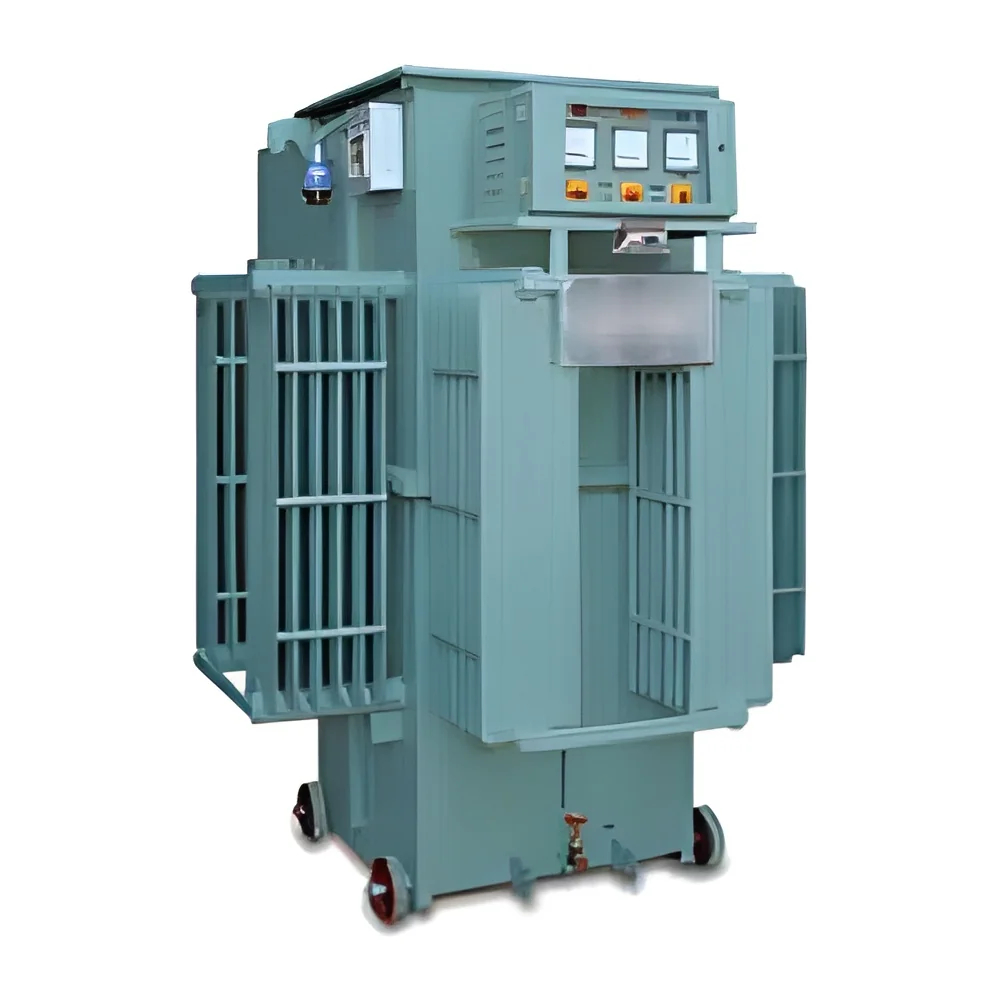
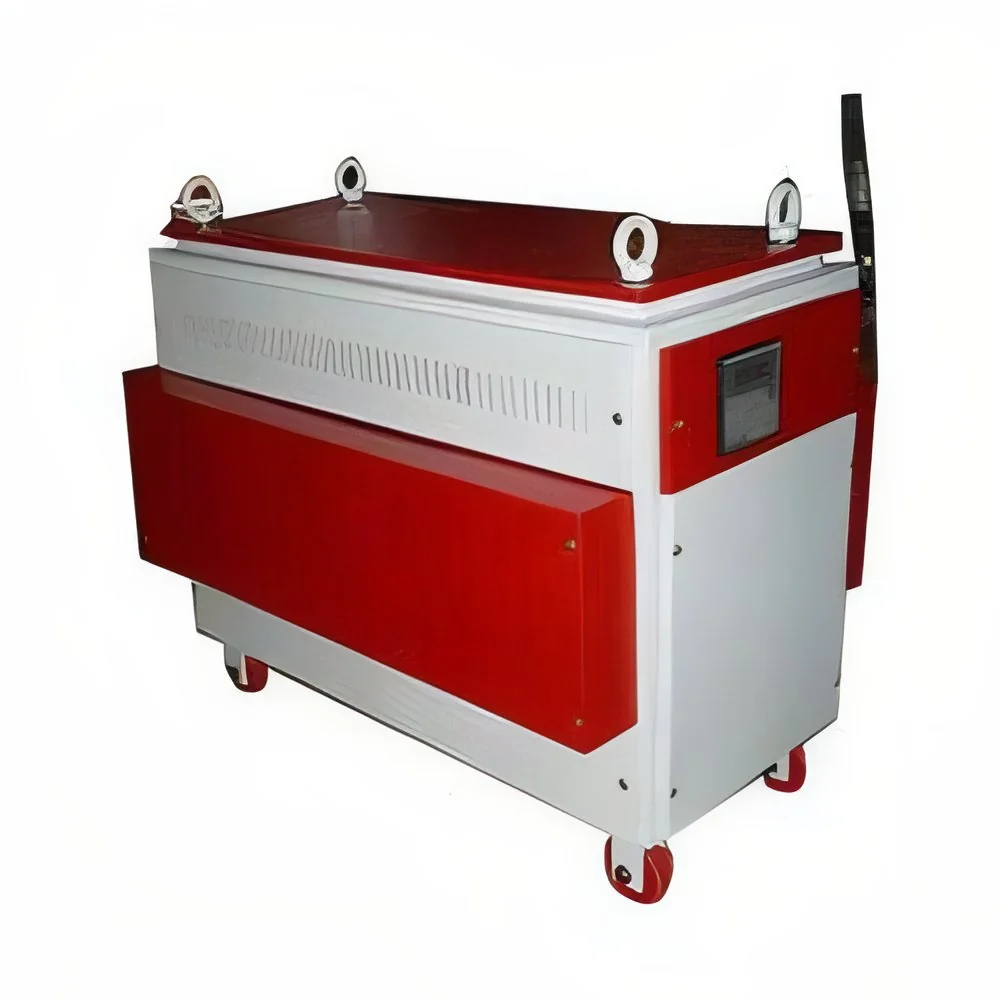
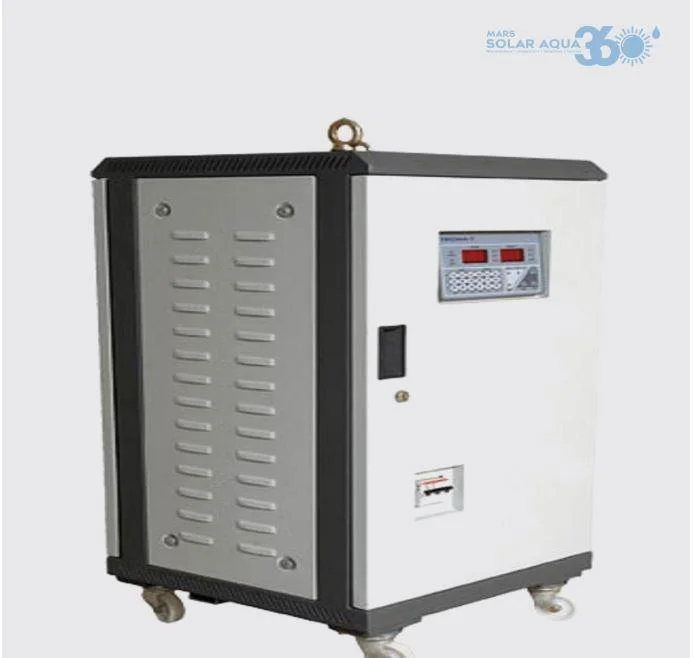
What are Industrial Stabilizers?
Industrial stabilizers are chemical additives used to maintain the stability of products and materials during manufacturing and storage processes. They serve to prevent degradation, separation, or other undesirable changes that can occur over time. By enhancing the physical and chemical properties of various substances, these stabilizers contribute to the overall quality and reliability of the final product.
These stabilizers find primary applications in industries such as food and beverage, pharmaceuticals, and polymers. In the food sector, they help preserve texture and flavor, while in pharmaceuticals, they ensure the efficacy and safety of drugs. In the polymer industry, stabilizers prevent degradation due to environmental factors, thus extending the longevity of materials. The relevance of industrial stabilizers continues to grow, driven by increasing quality standards and consumer demand for durable and safe products.
Key Features and Specifications
Industrial stabilizers come with a range of features and specifications that ensure their effectiveness across various applications. Understanding these specifications is crucial for businesses looking to select the right product.
Key specifications include:
1. Composition
- This specification outlines the chemical makeup of the stabilizer.
- Common compositions may include natural or synthetic polymers, emulsifiers, or other compounds.
2. Functionality
- Refers to the specific role the stabilizer plays in the formulation.
- Functions can include emulsification, anti-oxidation, or viscosity enhancement.
3. Thermal Stability
- Indicates the stabilizer's ability to maintain its properties under heat.
- Often evaluated in terms of temperature resistance ranges.
4. Compatibility
- Describes the stabilizer's ability to mix well with other ingredients.
- Important for ensuring that the stabilizer does not negatively affect the overall formulation.
5. Shelf Life
- The period during which the stabilizer remains effective.
- Typically measured in months or years, depending on storage conditions.
6. Regulatory Compliance
- Ensures the stabilizer meets industry and safety regulations.
- Certification may include compliance with FDA or other relevant standards.
7. Packaging Options
- Available in various forms, including powders, liquids, and granules.
- Packaging options can affect handling and storage.
8. Environmental Impact
- Assessment of the stabilizer's eco-friendliness.
- Increasingly important for companies focused on sustainability.
In summary, understanding the key features and specifications of industrial stabilizers is essential for making informed purchasing decisions.
Common Applications and Use Cases
Industrial stabilizers play a vital role in numerous sectors, enhancing product quality and safety.
1. Food and Beverage: Stabilizers are used to maintain texture and prevent separation in sauces, dressings, and dairy products. They ensure products remain appealing to consumers throughout their shelf life.
2. Pharmaceuticals: In the pharmaceutical industry, stabilizers are critical for maintaining the efficacy of active ingredients in medications. They help to prevent degradation and ensure consistent dosing over time.
3. Plastics and Polymers: Stabilizers are added to plastics to enhance durability and resistance to environmental stressors. This improves the longevity and performance of plastic products in various applications.
4. Cosmetics: In the cosmetics industry, stabilizers help maintain the consistency and aesthetic qualities of creams, lotions, and other formulations. They prevent separation and enhance the product's overall stability.
5. Paints and Coatings: Stabilizers in paints prevent settling and ensure uniform application. They enhance the durability and finish of the product, making it more appealing to consumers.
6. Agriculture: Stabilizers can be used in fertilizers and pesticides to improve their effectiveness and ensure uniform distribution. This leads to better crop yields and resource efficiency.
7. Construction: In construction materials, stabilizers contribute to the performance and longevity of products like concrete and asphalt. They help to maintain integrity under varying environmental conditions.
Product Variants and Subcategories
Industrial stabilizers come in various forms to cater to specific needs and applications.
Liquid Stabilizers: These are easy to incorporate into formulations and provide uniform distribution in mixtures. They are suitable for applications in food and beverages, cosmetics, and pharmaceuticals.
Powdered Stabilizers: Powdered forms offer versatility in handling and storage. They are commonly used in dry mixes, such as powdered food products and coatings.
Granulated Stabilizers: Granulated options provide ease of use in bulk applications. They are often used in agricultural products and industrial formulations.
Benefits and Advantages
Industrial stabilizers offer numerous benefits that enhance product performance and safety.
1. Improved Product Stability: Stabilizers help maintain the integrity of products over time, reducing the risk of spoilage or degradation.
2. Enhanced Quality: By preventing unwanted changes in texture, appearance, or efficacy, stabilizers contribute to a higher quality end product.
3. Cost Efficiency: The use of stabilizers can reduce waste and extend the shelf life of products, leading to cost savings in production and distribution.
4. Regulatory Compliance: Many stabilizers are designed to meet stringent industry regulations, ensuring that products are safe for consumer use.
5. Versatility: Industrial stabilizers can be used across various industries, making them a valuable component in many formulations.
6. Consumer Satisfaction: By ensuring the quality and safety of products, stabilizers help companies meet consumer expectations, leading to increased loyalty and sales.
Buying Guide for B2B Buyers
When sourcing industrial stabilizers, businesses should consider several key factors to ensure they select the right product for their needs.
1. Quality Assessment: Evaluate the quality of the stabilizers by reviewing specifications, certifications, and any third-party testing results. This ensures the product meets industry standards.
2. Supplier Verification: Conduct thorough research on potential suppliers. Look for established companies with a track record of reliability and quality assurance.
3. Pricing and MOQ: Understand the pricing structures and minimum order quantities associated with different suppliers. This will help in budgeting and inventory planning.
4. Delivery and Lead Times: Consider logistics and the expected delivery times for orders. Timely delivery is crucial for maintaining production schedules.
5. Compliance Requirements: Ensure that the stabilizers comply with relevant regulatory standards in your industry. This includes checking for certifications such as CE and adherence to safety guidelines.
Compliance and Certifications
Industrial stabilizers must meet various compliance and certification standards to ensure safety and quality. Relevant quality standards include ISO 9001, which focuses on quality management systems, and HACCP, which addresses food safety.
Certifications such as CE signify that the product meets European safety, health, and environmental protection standards. Compliance with these standards is essential for businesses looking to operate in regulated markets.
Safety and testing requirements are also critical. Companies need to ensure that stabilizers undergo rigorous testing for efficacy and safety before being used in products. This may involve assessing the stabilizer's performance under various environmental conditions.
Additionally, regional compliance considerations are important, as different regions may have unique regulations governing the use of chemicals in industrial applications. Businesses must stay informed about these regulations to avoid compliance issues.
Why Source Industrial Stabilizers from Pepagora?
Pepagora offers a trusted platform for sourcing industrial stabilizers, providing several key advantages to buyers.
Verified Supplier Network: Pepagora ensures all suppliers are thoroughly vetted, guaranteeing that buyers have access to reputable manufacturers. This reduces the risk of sourcing subpar products.
Streamlined RFQ Process: The request for quotation (RFQ) process on Pepagora is designed to be straightforward, allowing buyers to quickly gather quotes from multiple suppliers. This efficiency saves time and helps in making informed purchasing decisions.
Trade Assurance and Support: Pepagora offers trade assurance, providing buyers with protection in transactions. This includes support for resolving disputes, ensuring a safe purchasing experience.
Regional Coverage: Pepagora operates across regions including India, GCC, and Southeast Asia. This geographic reach allows buyers to connect with local suppliers, facilitating easier communication and logistics management.
In conclusion, sourcing industrial stabilizers from Pepagora offers businesses a reliable and efficient solution for their needs, enhancing product quality and compliance in various industries.

 IN
IN