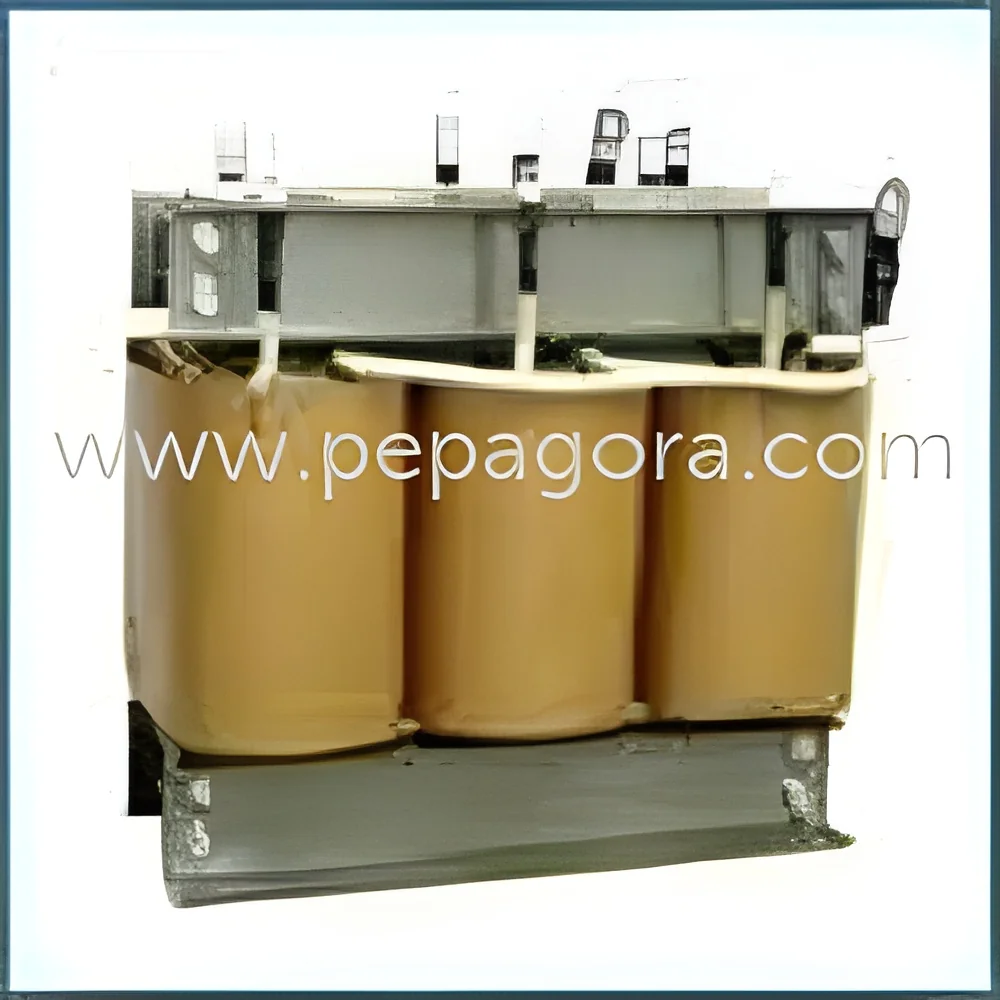
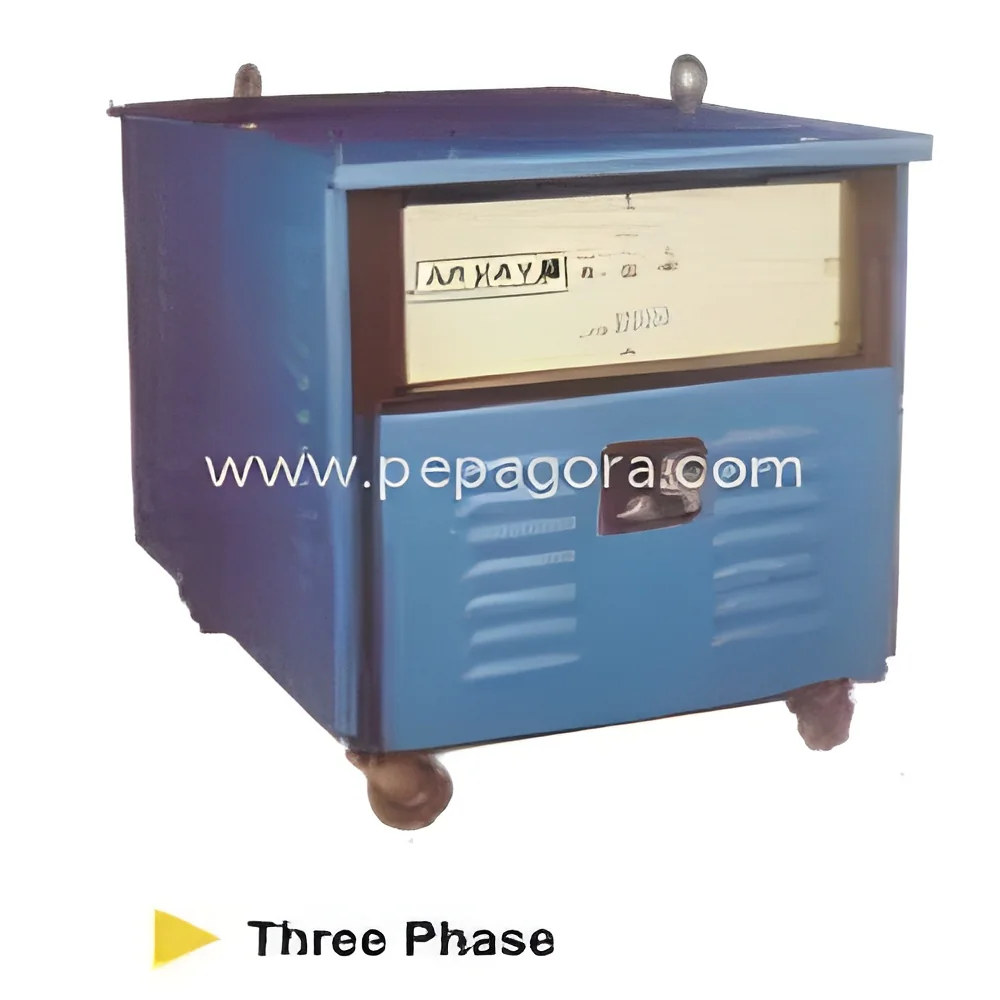
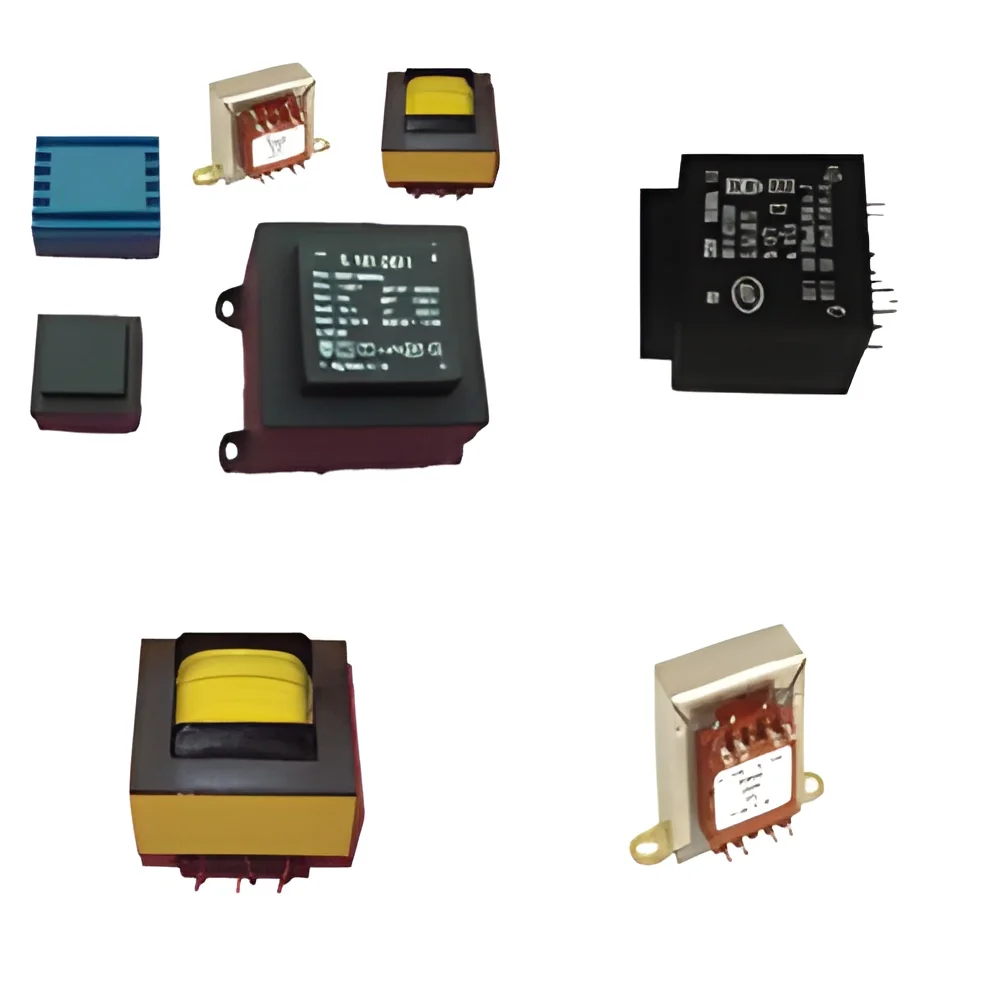
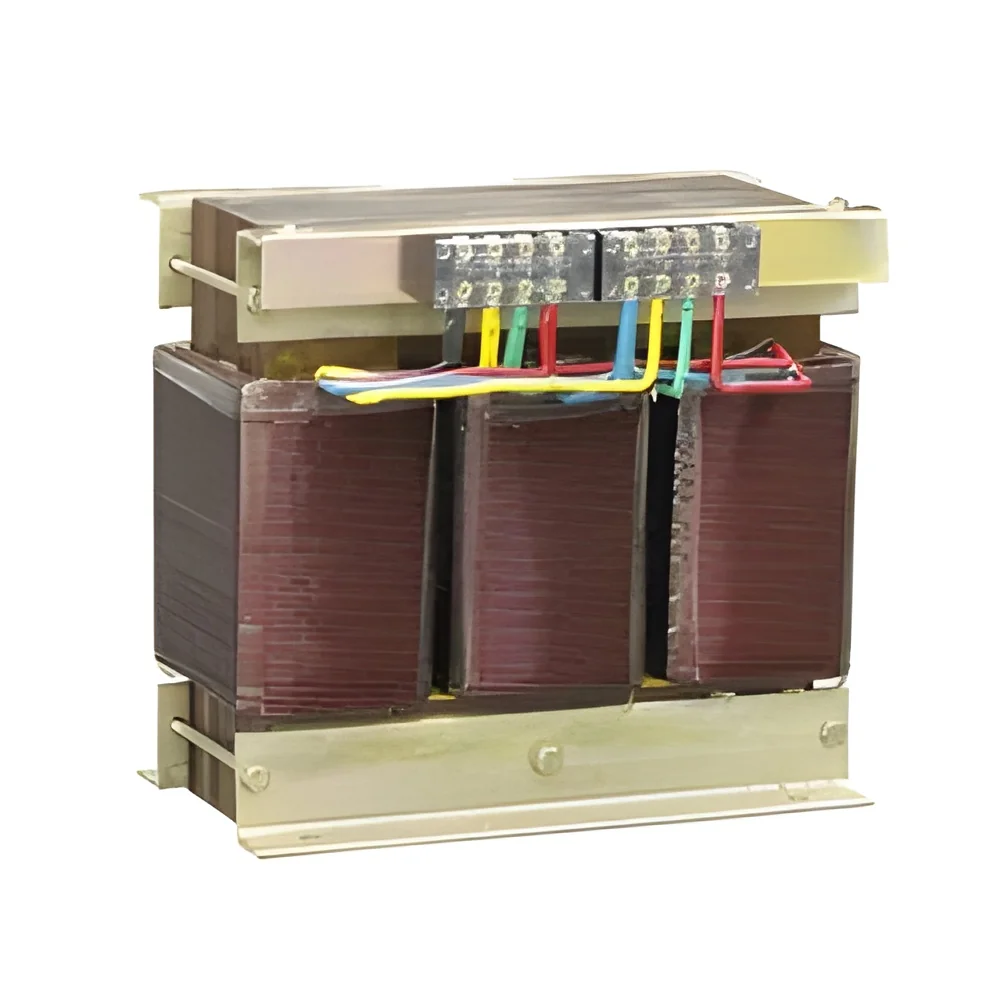
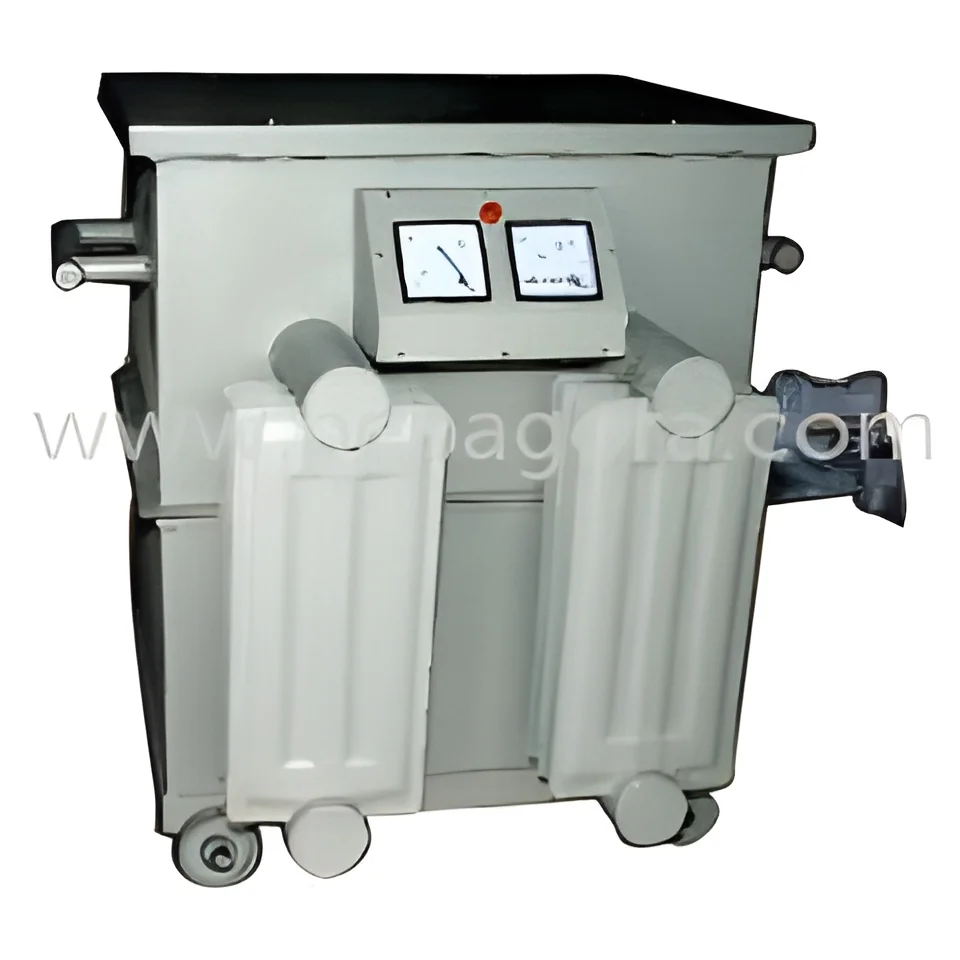
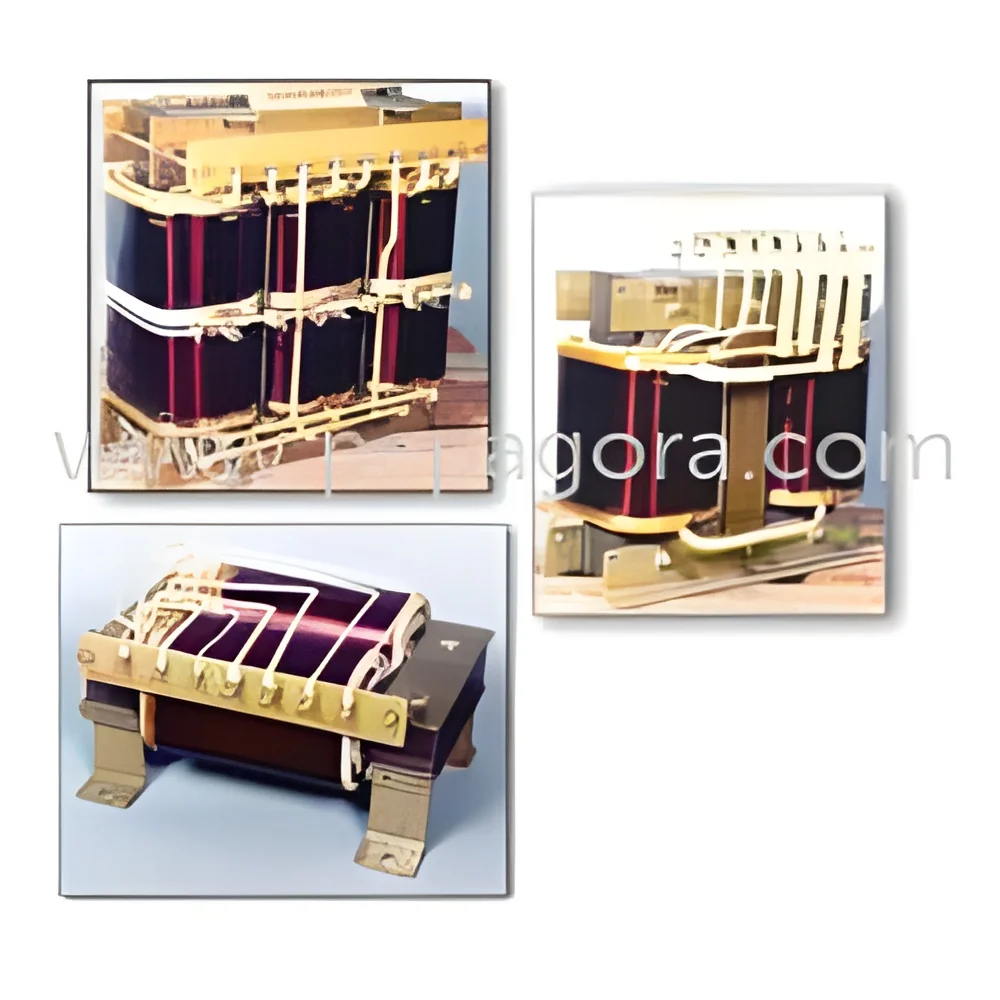
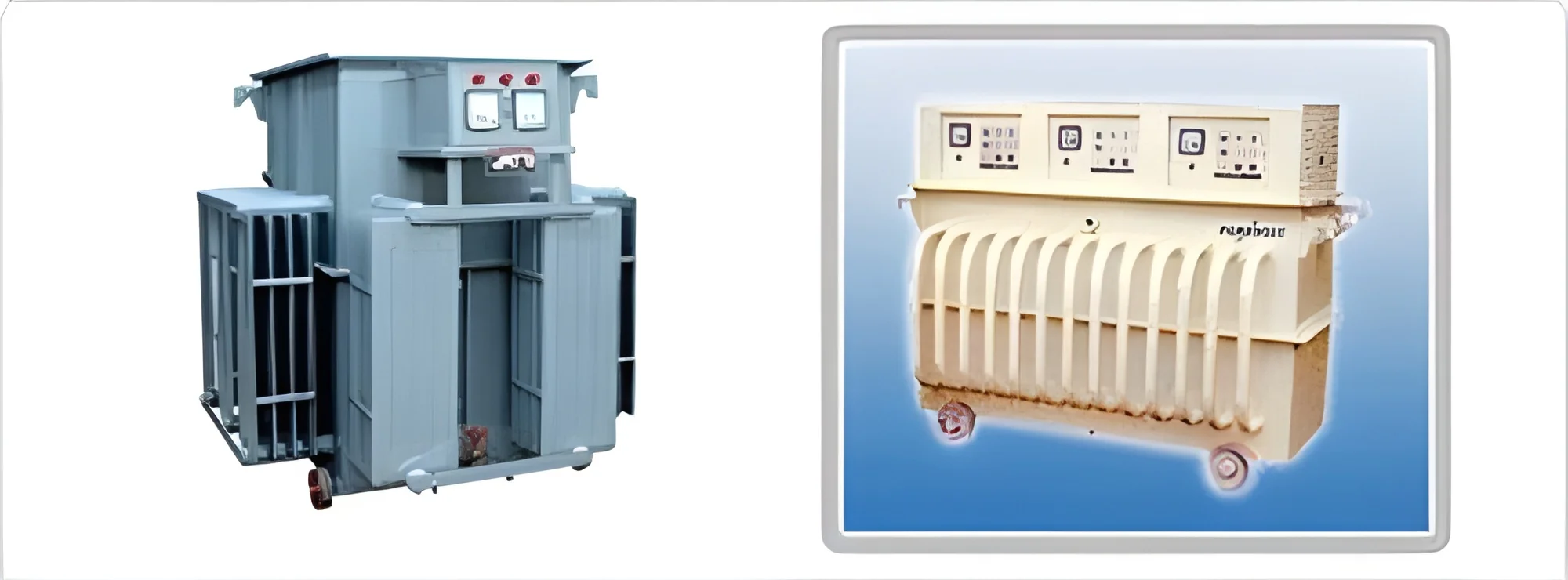
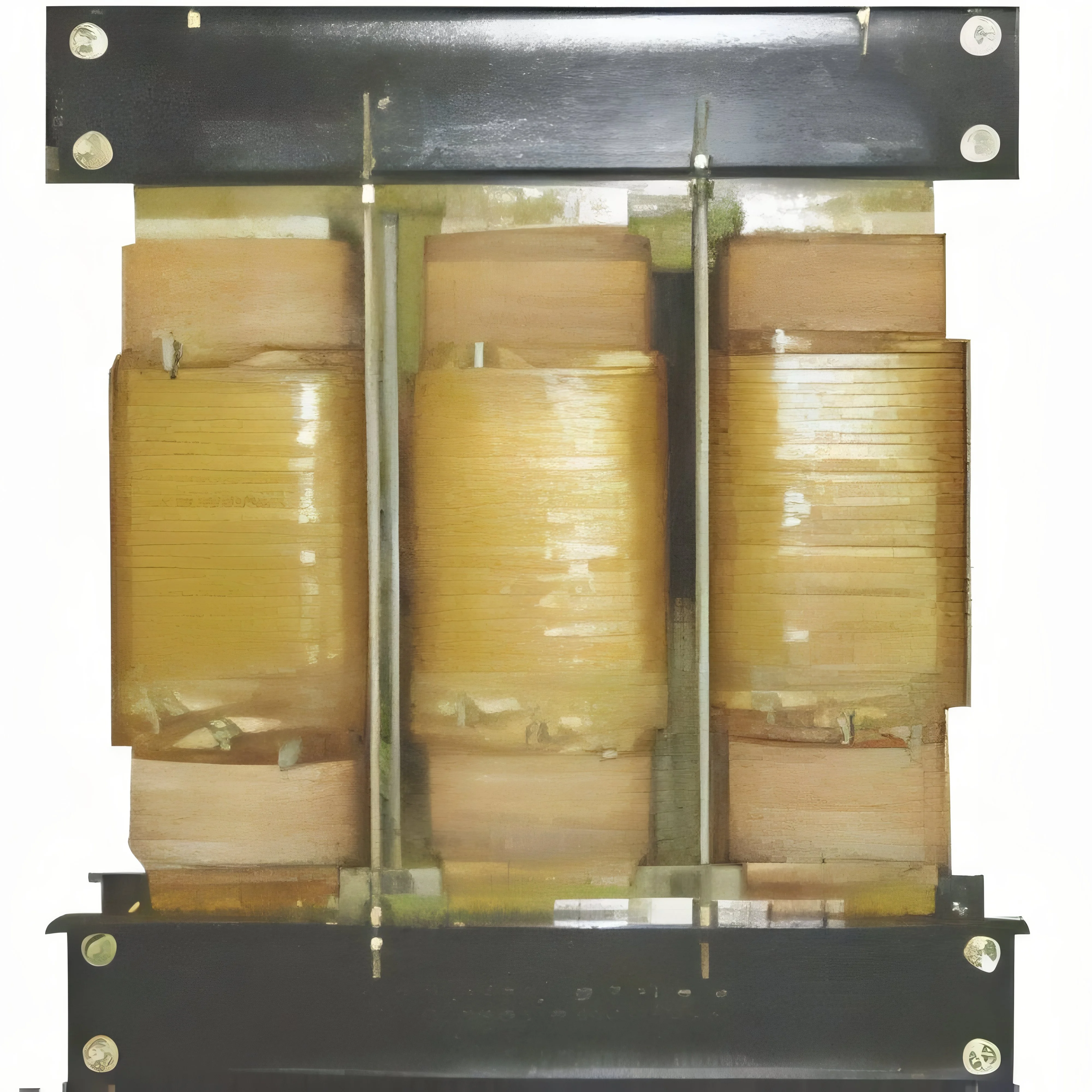
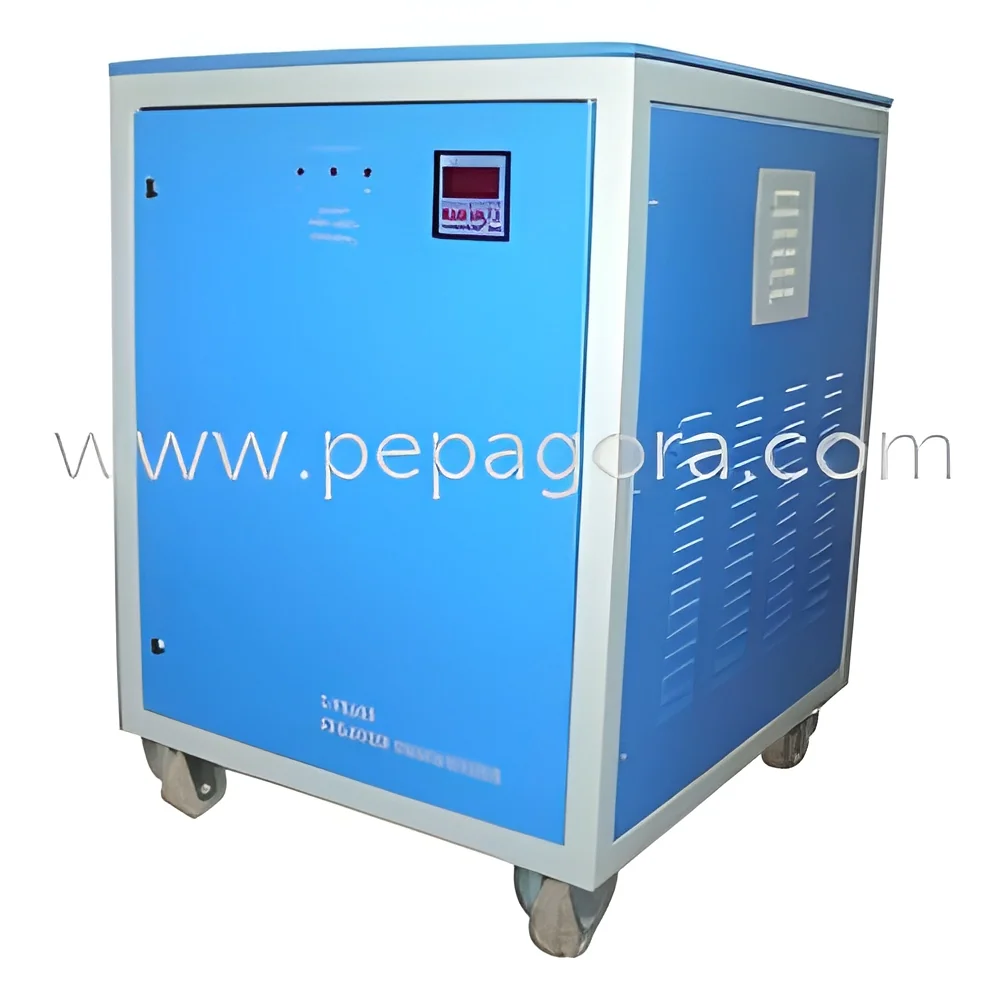
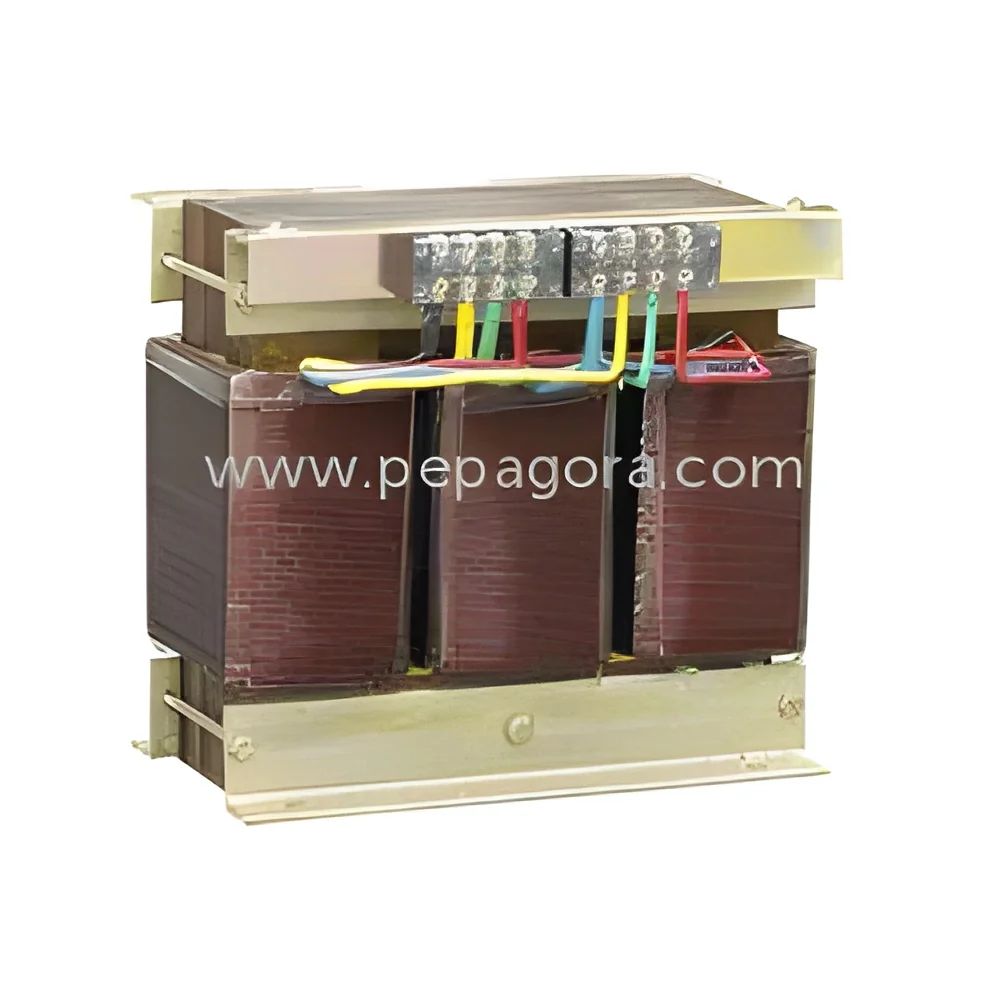
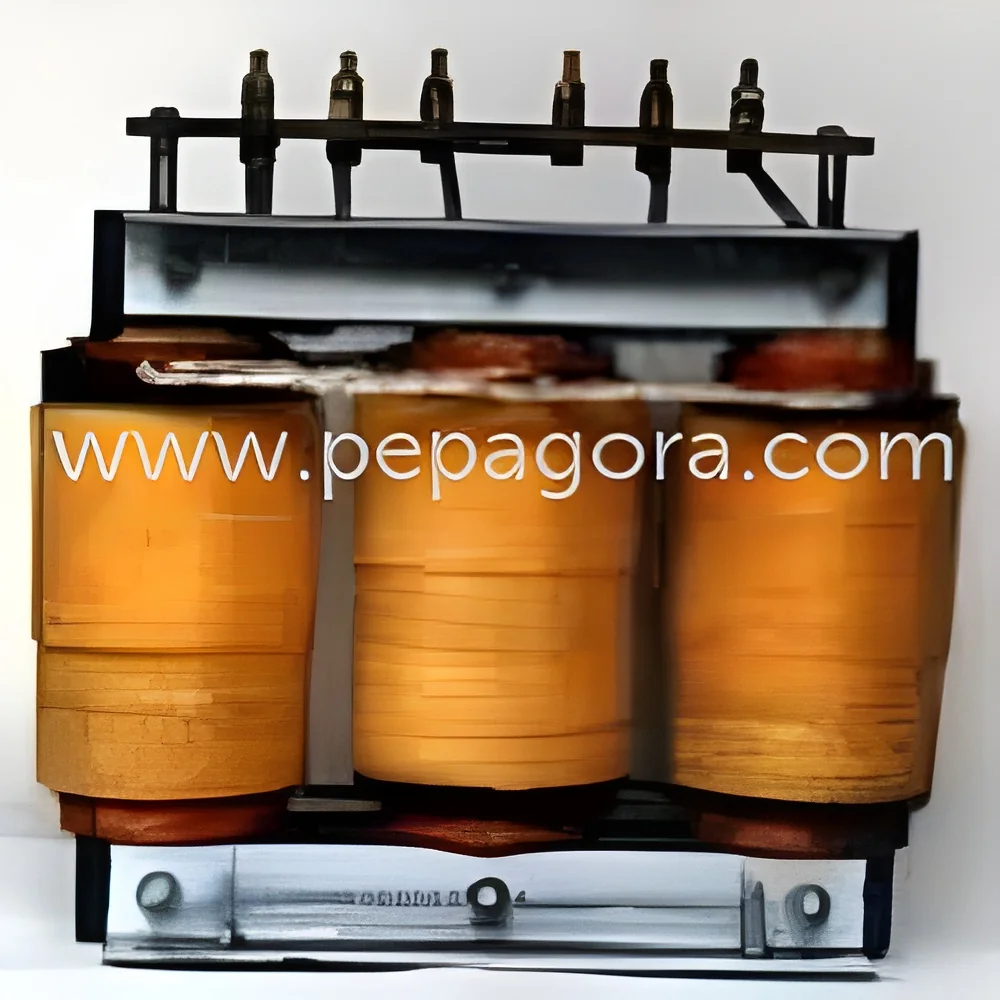
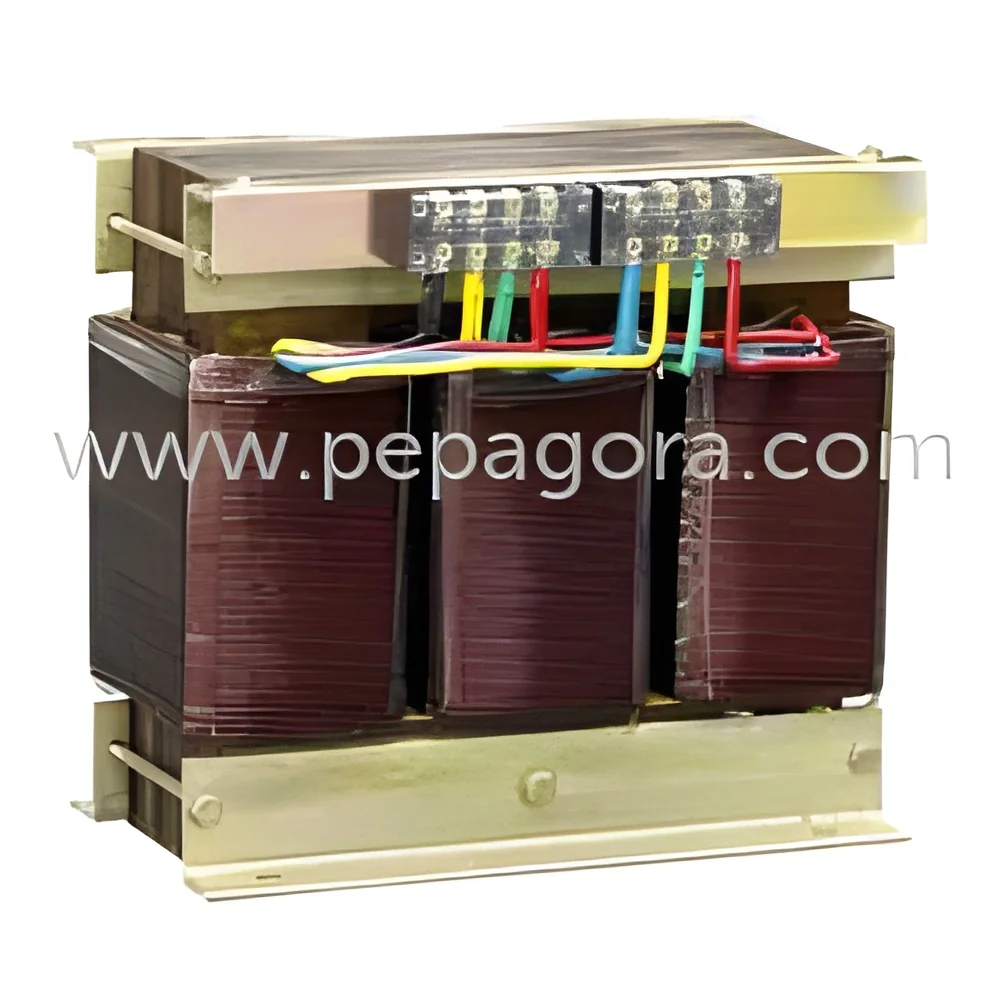
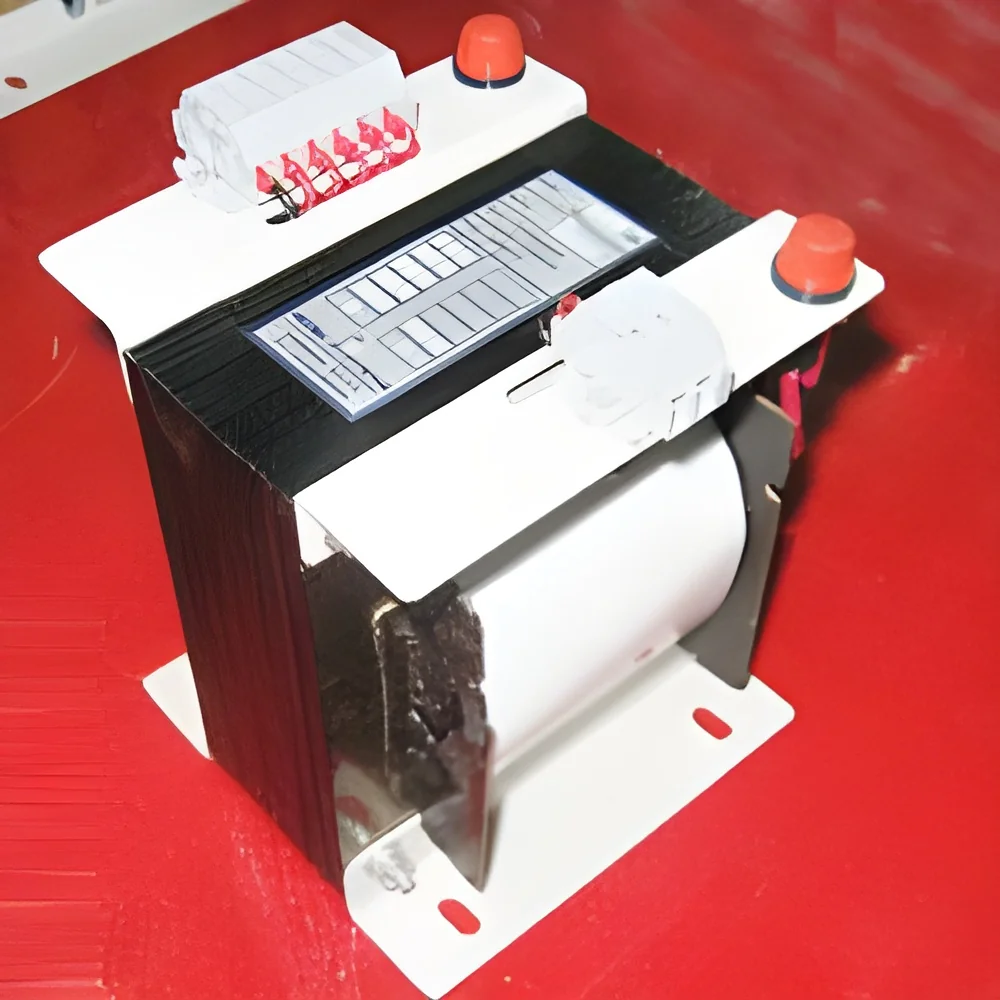
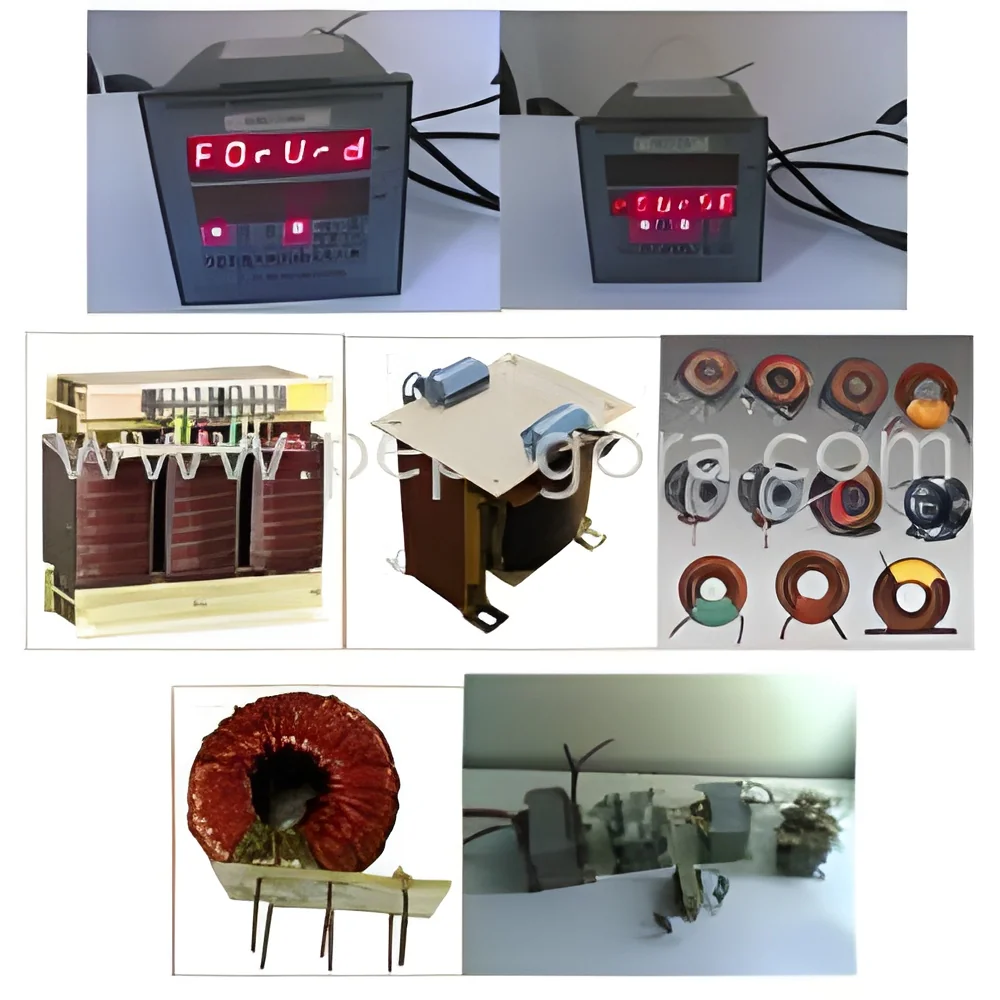
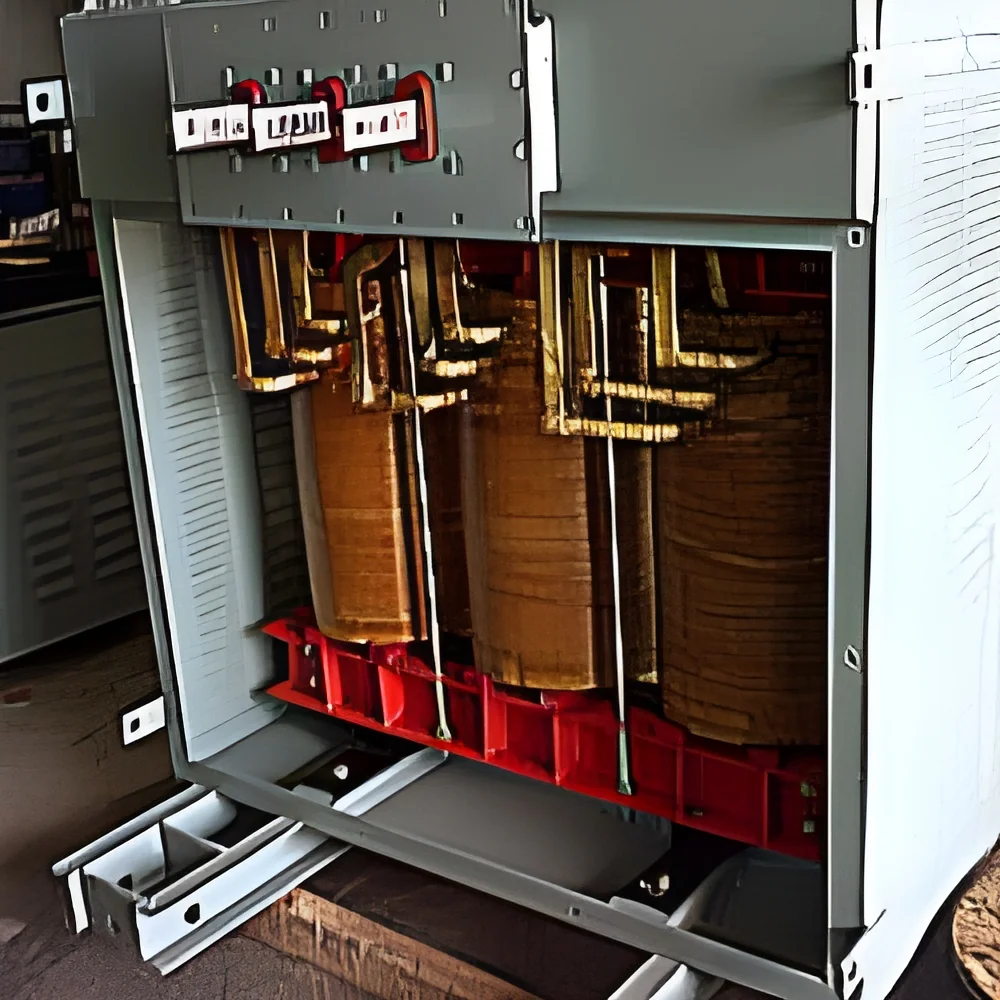
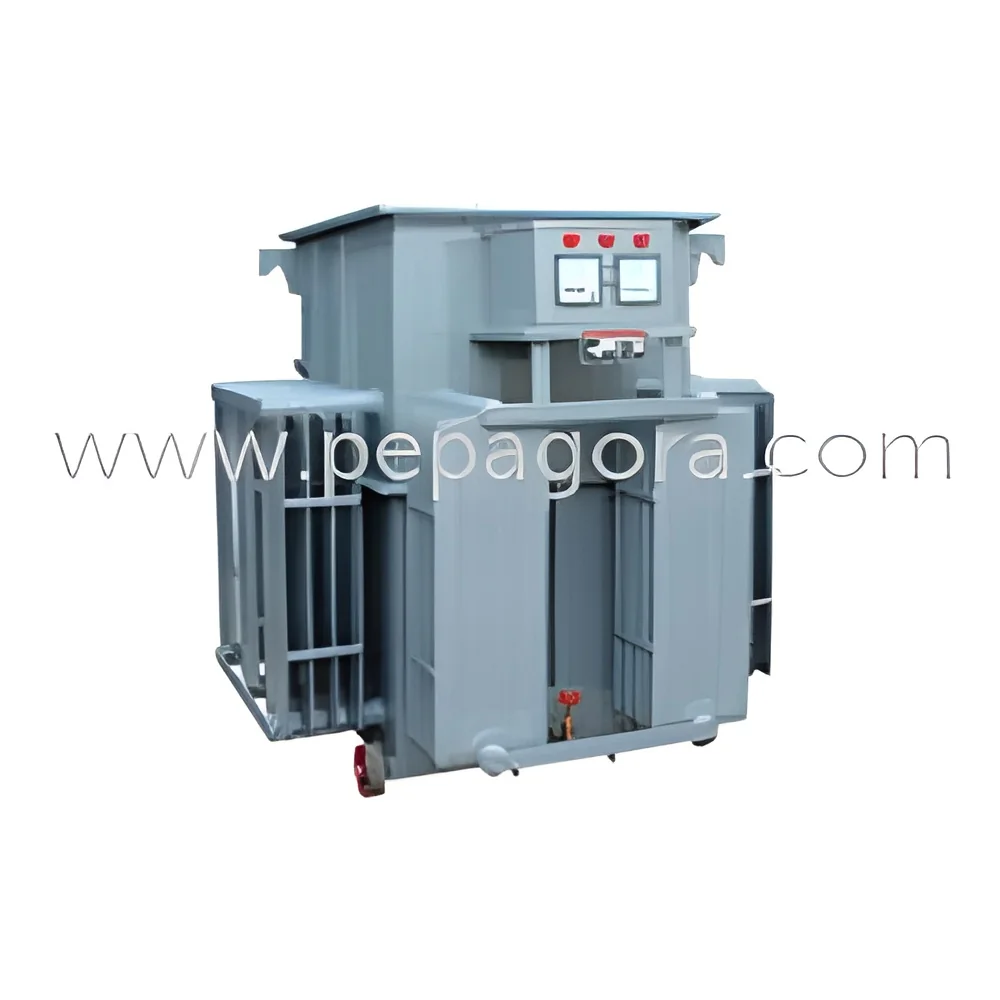
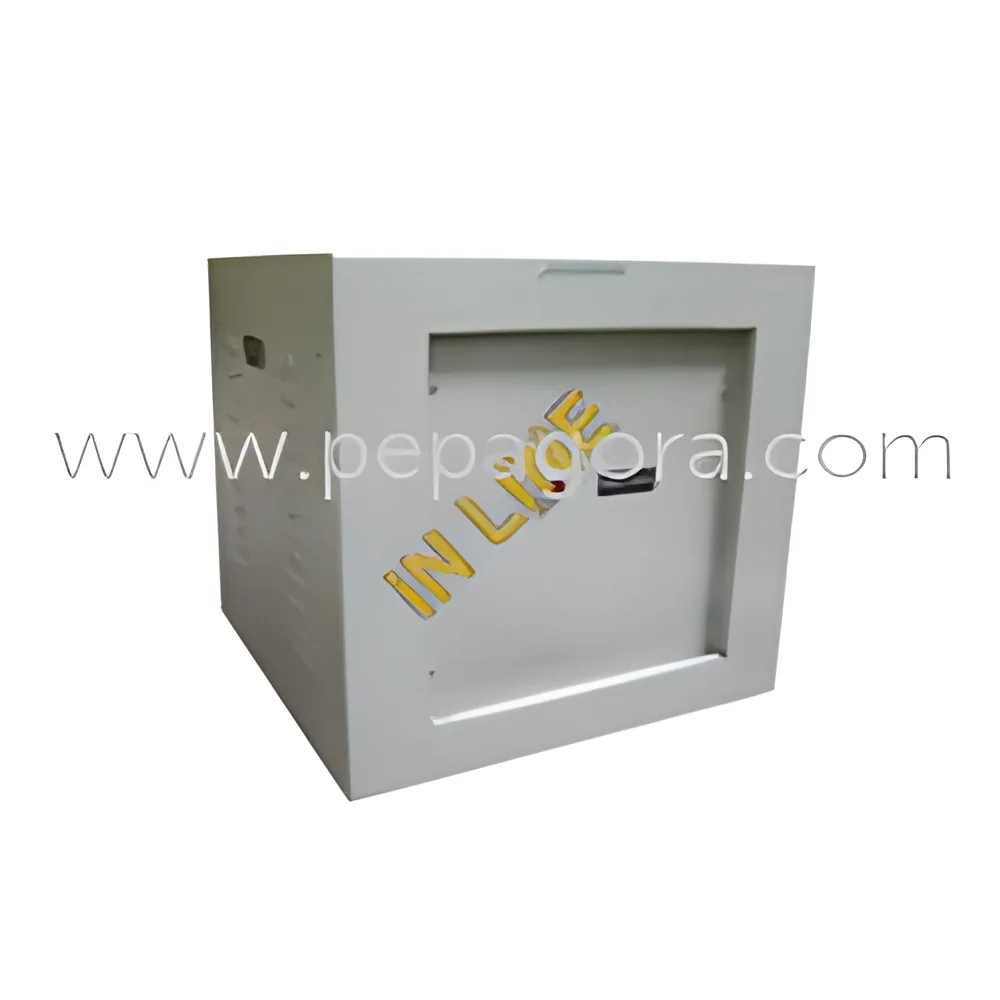
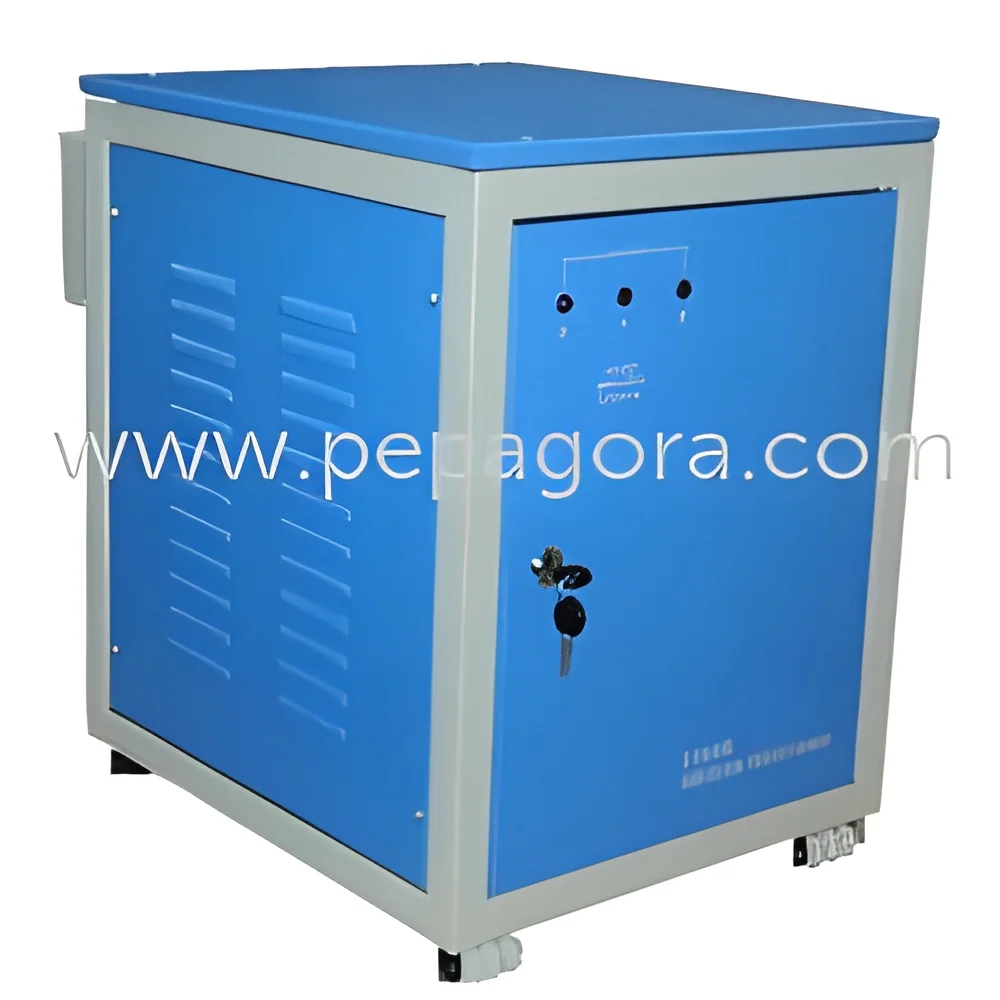
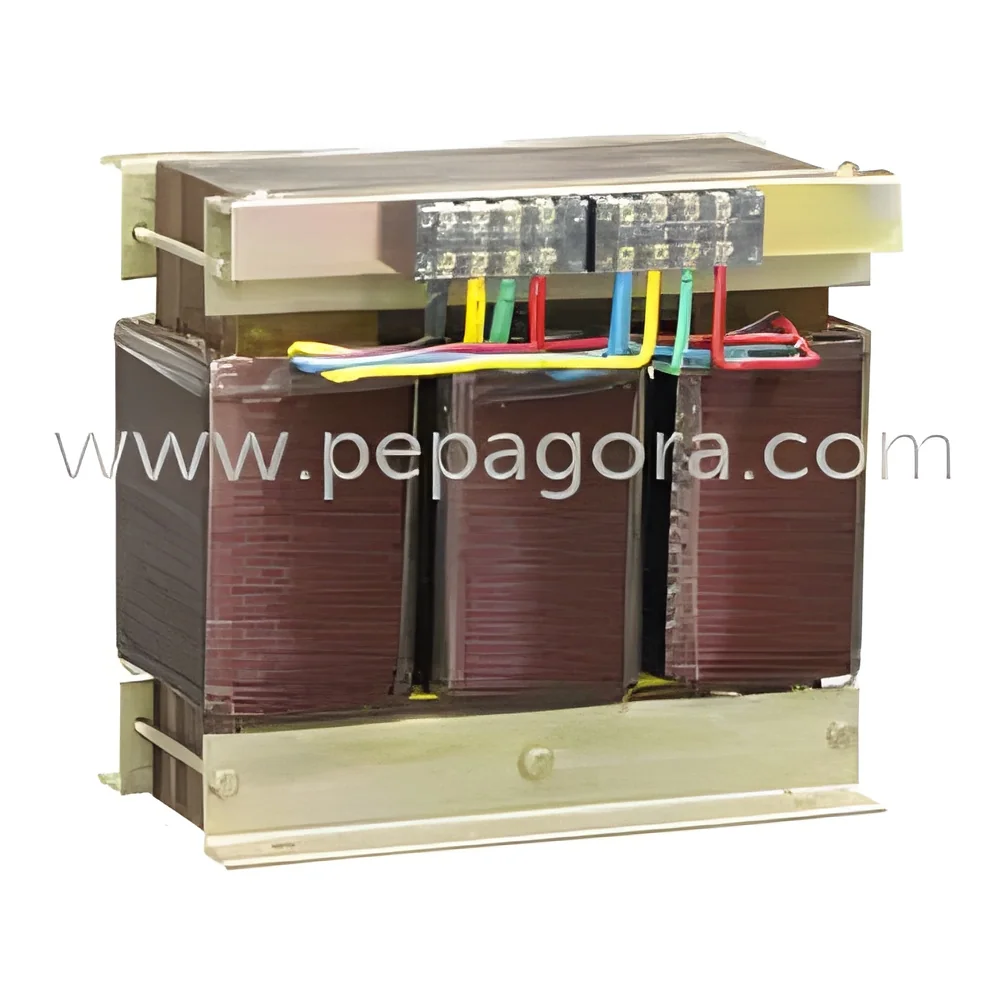
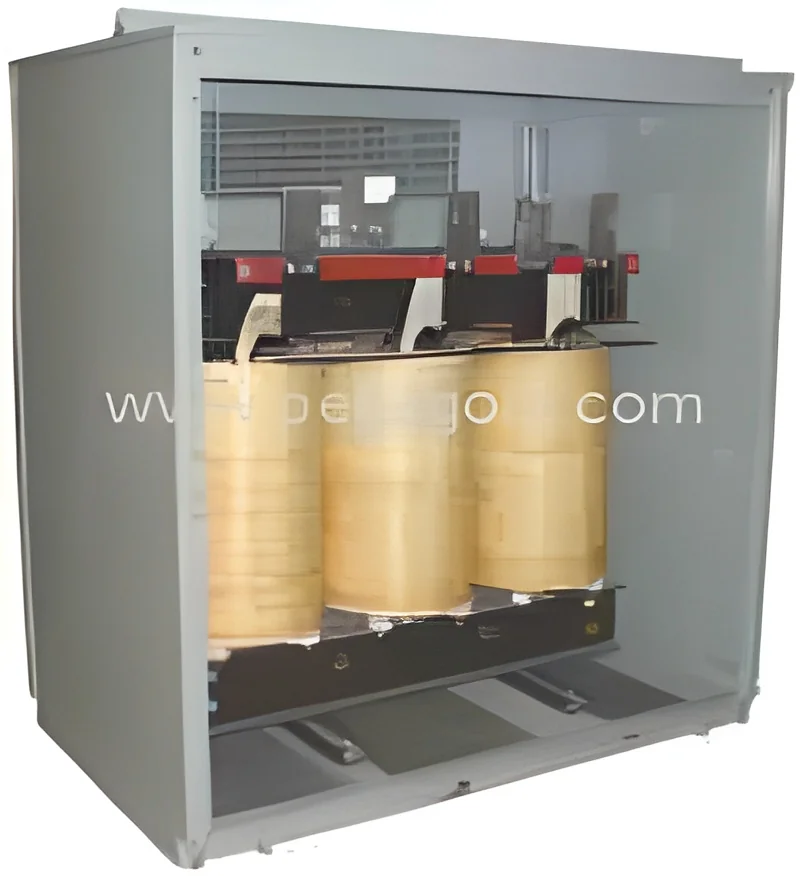
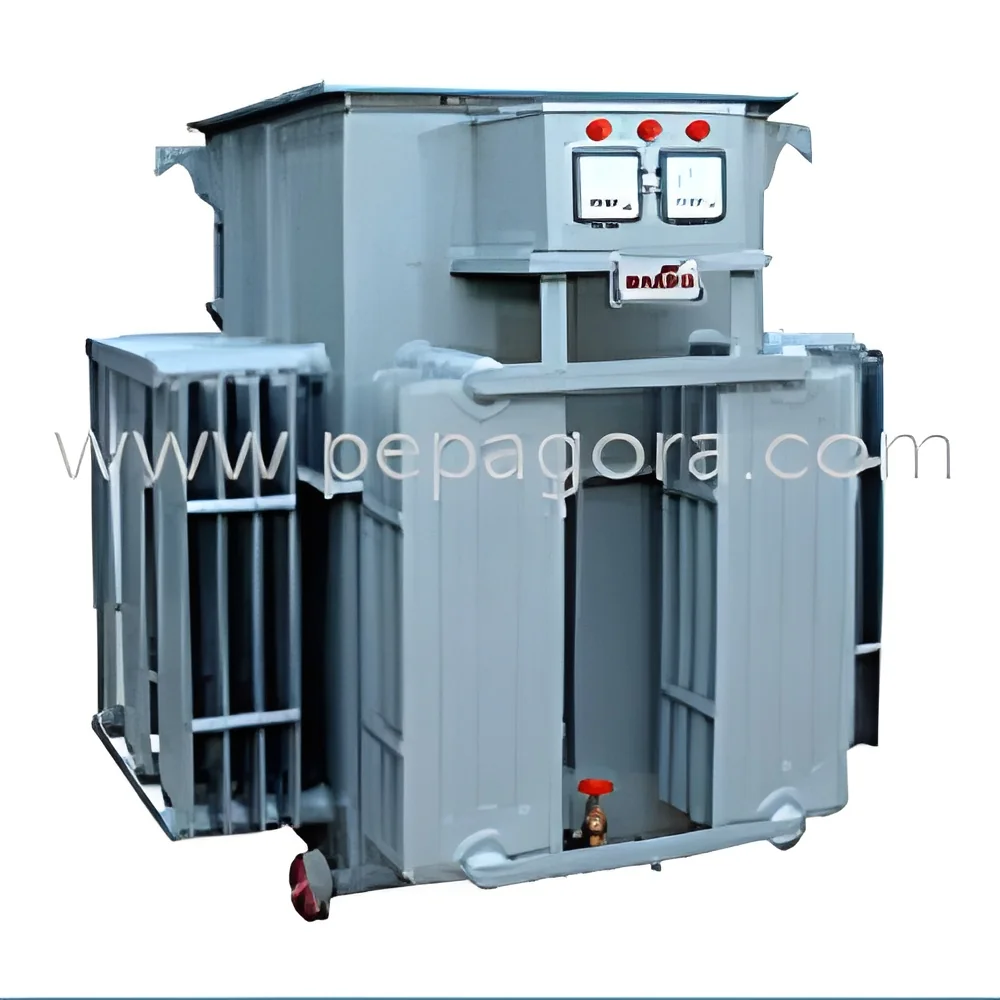
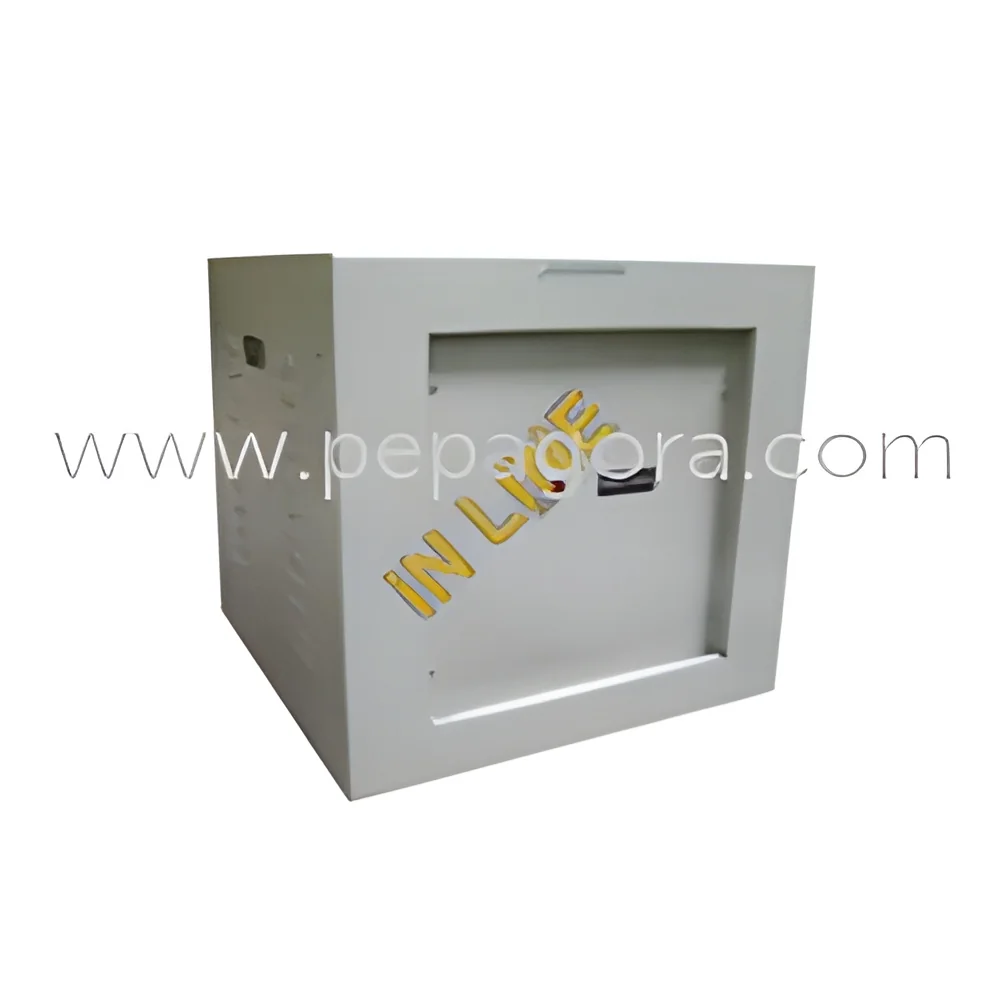
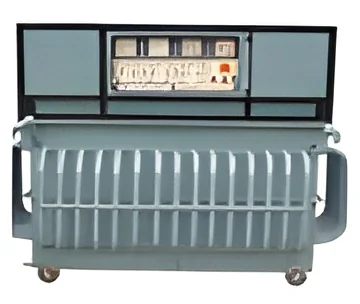
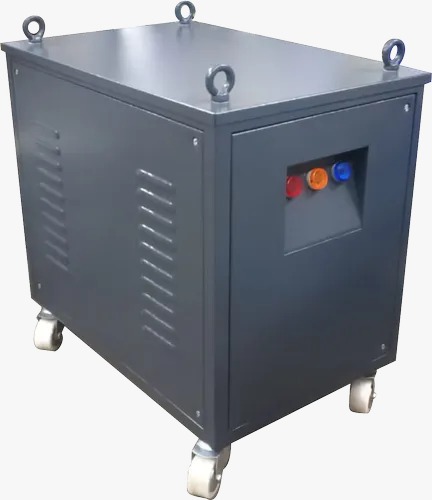
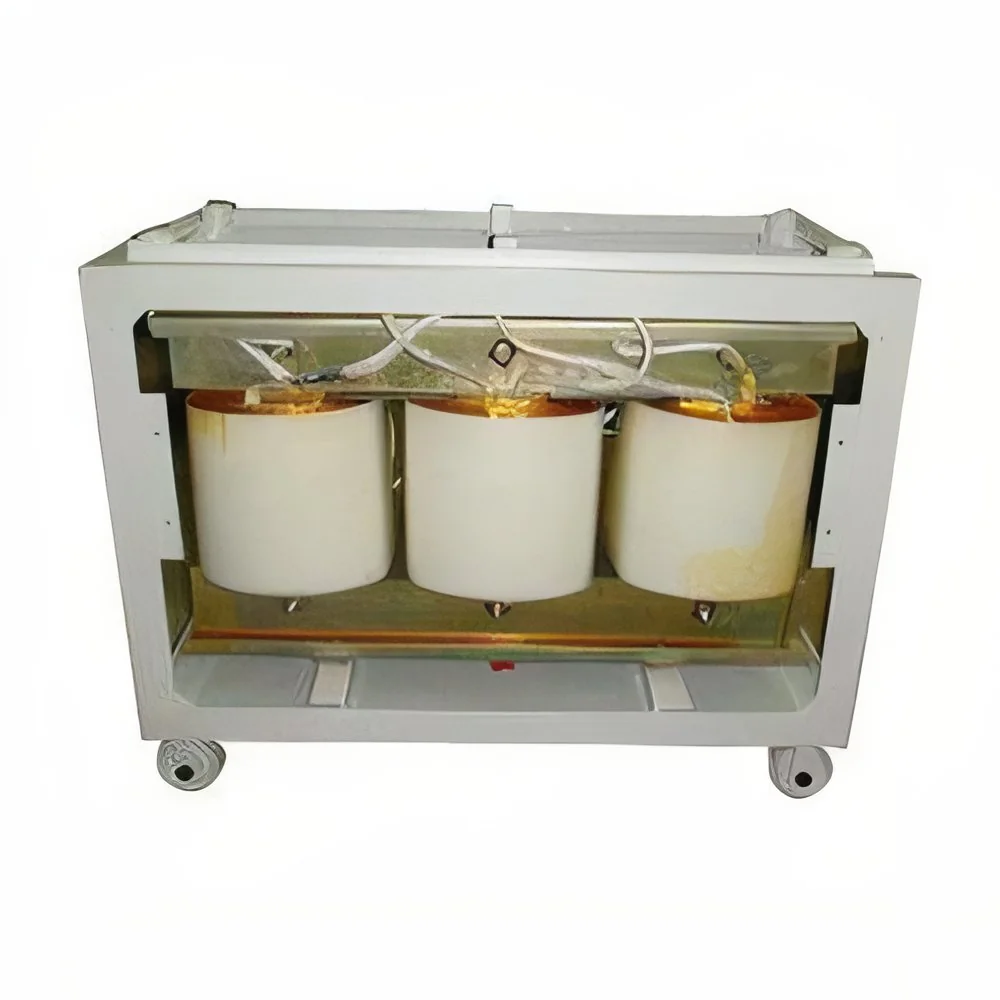
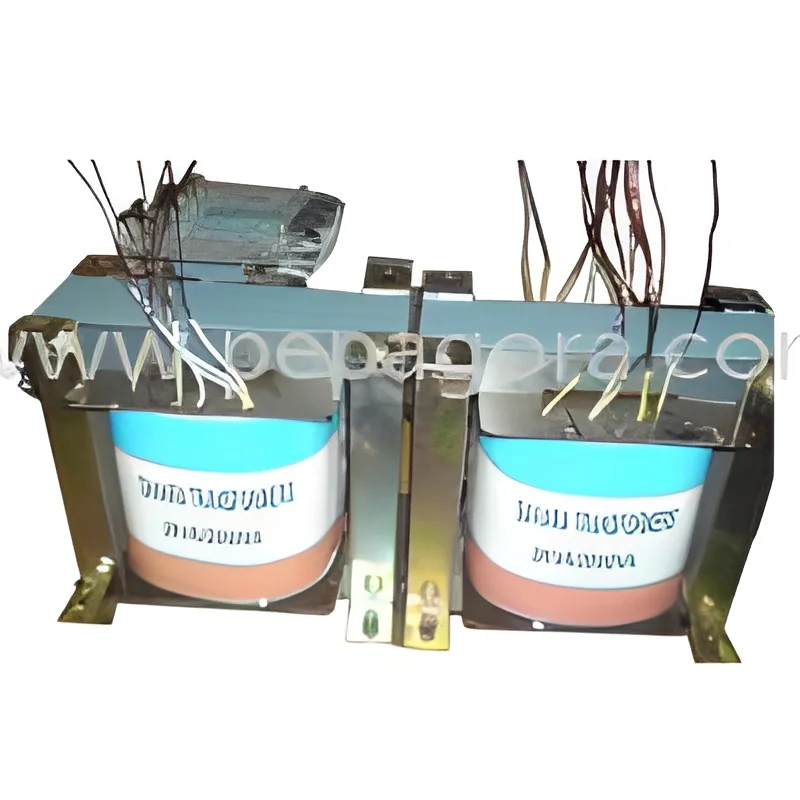
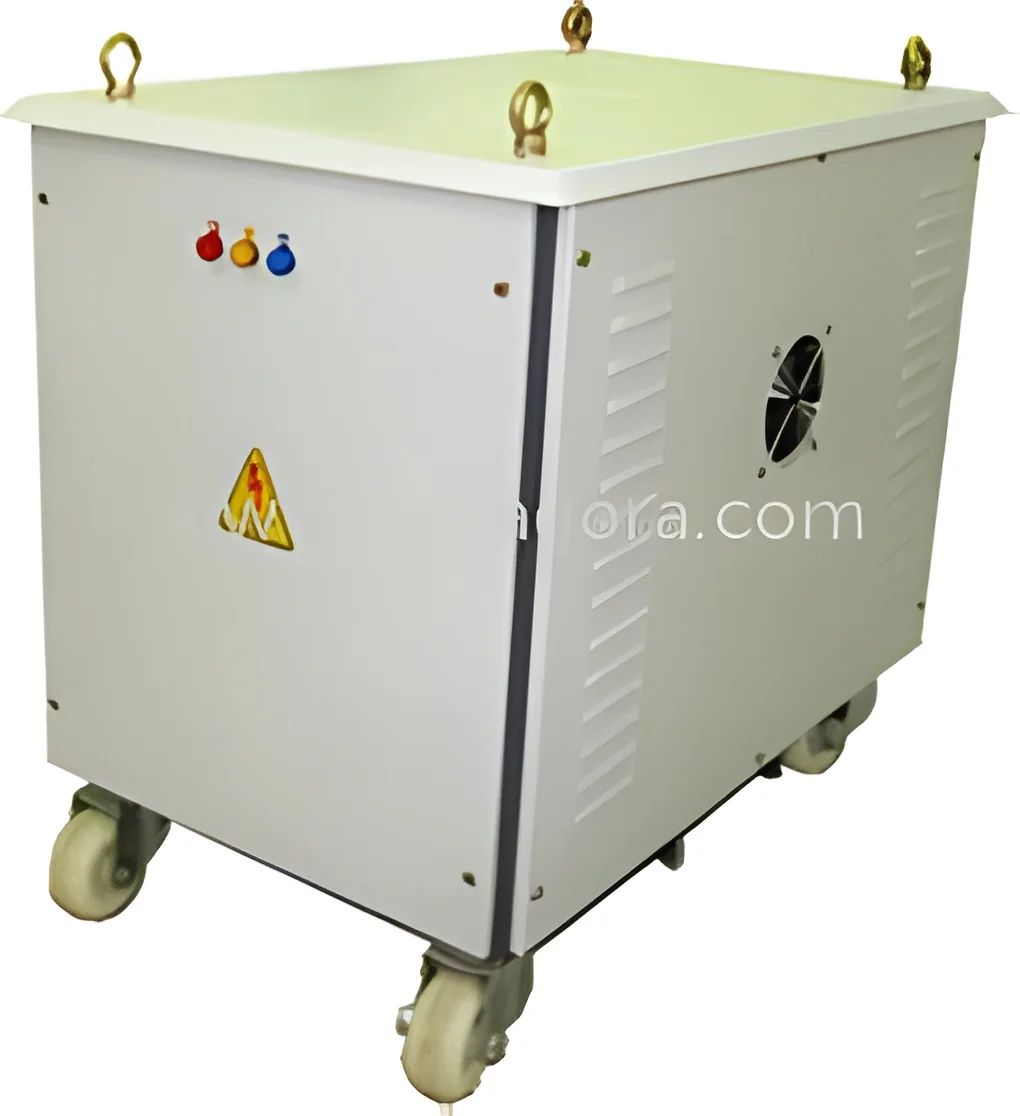
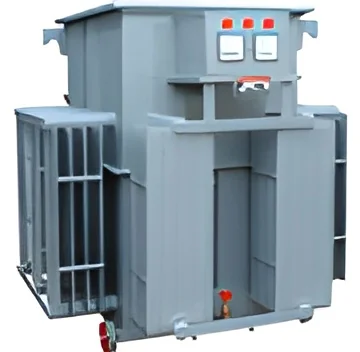
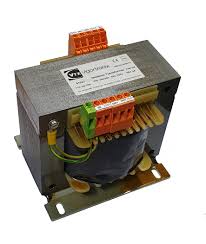
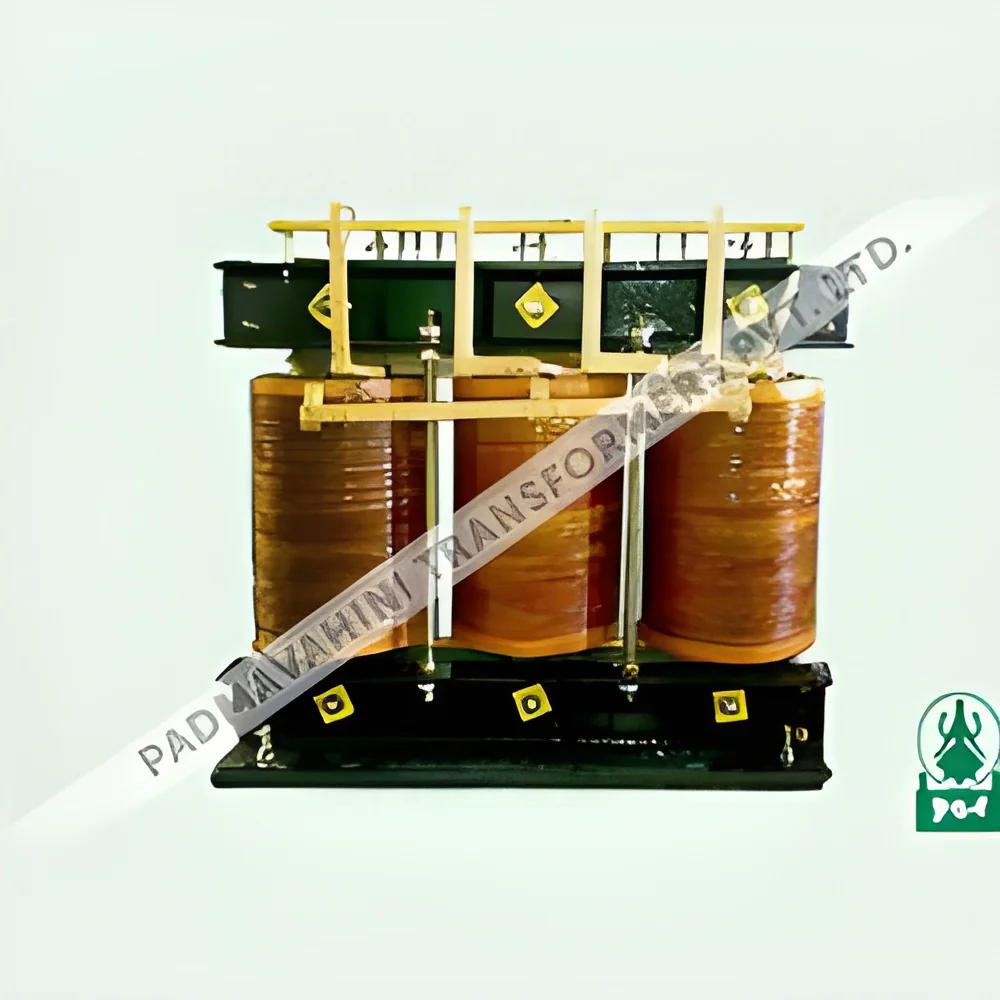
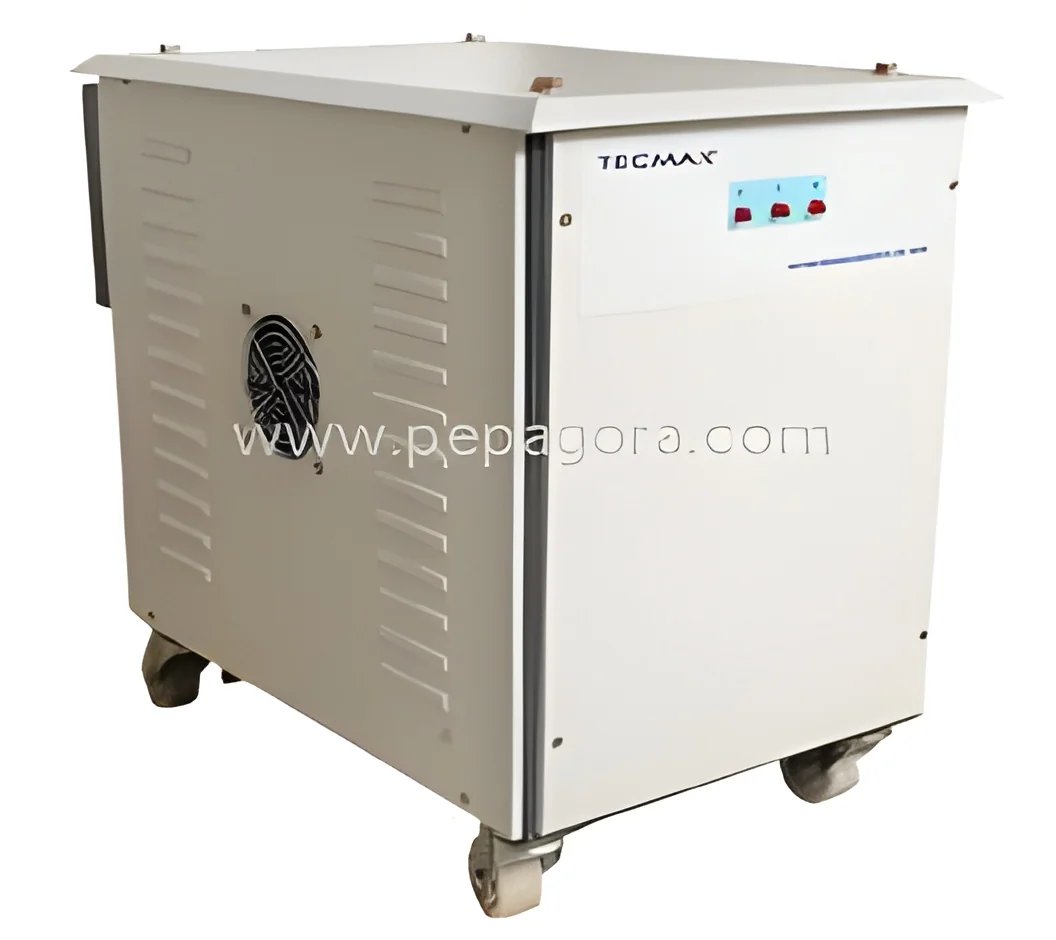
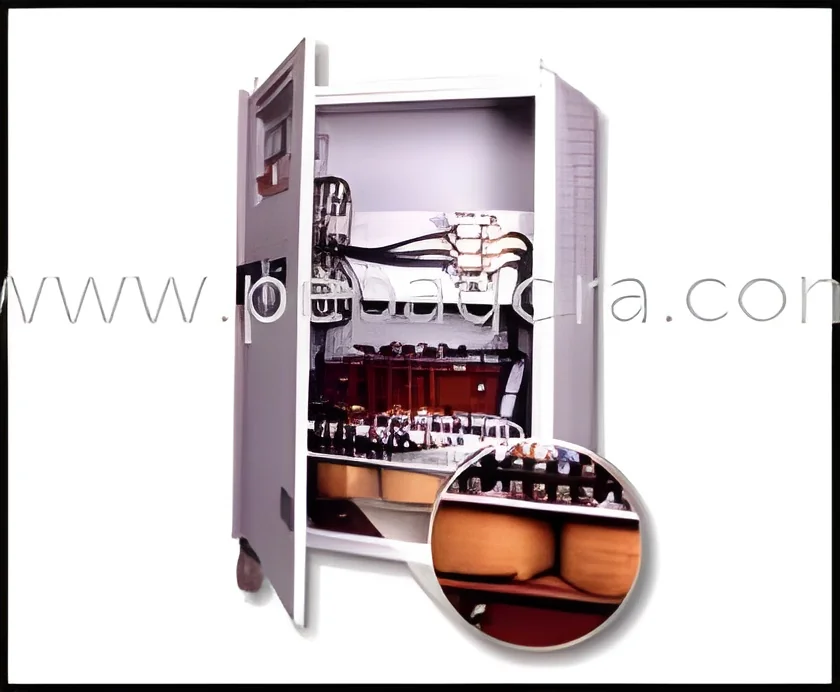
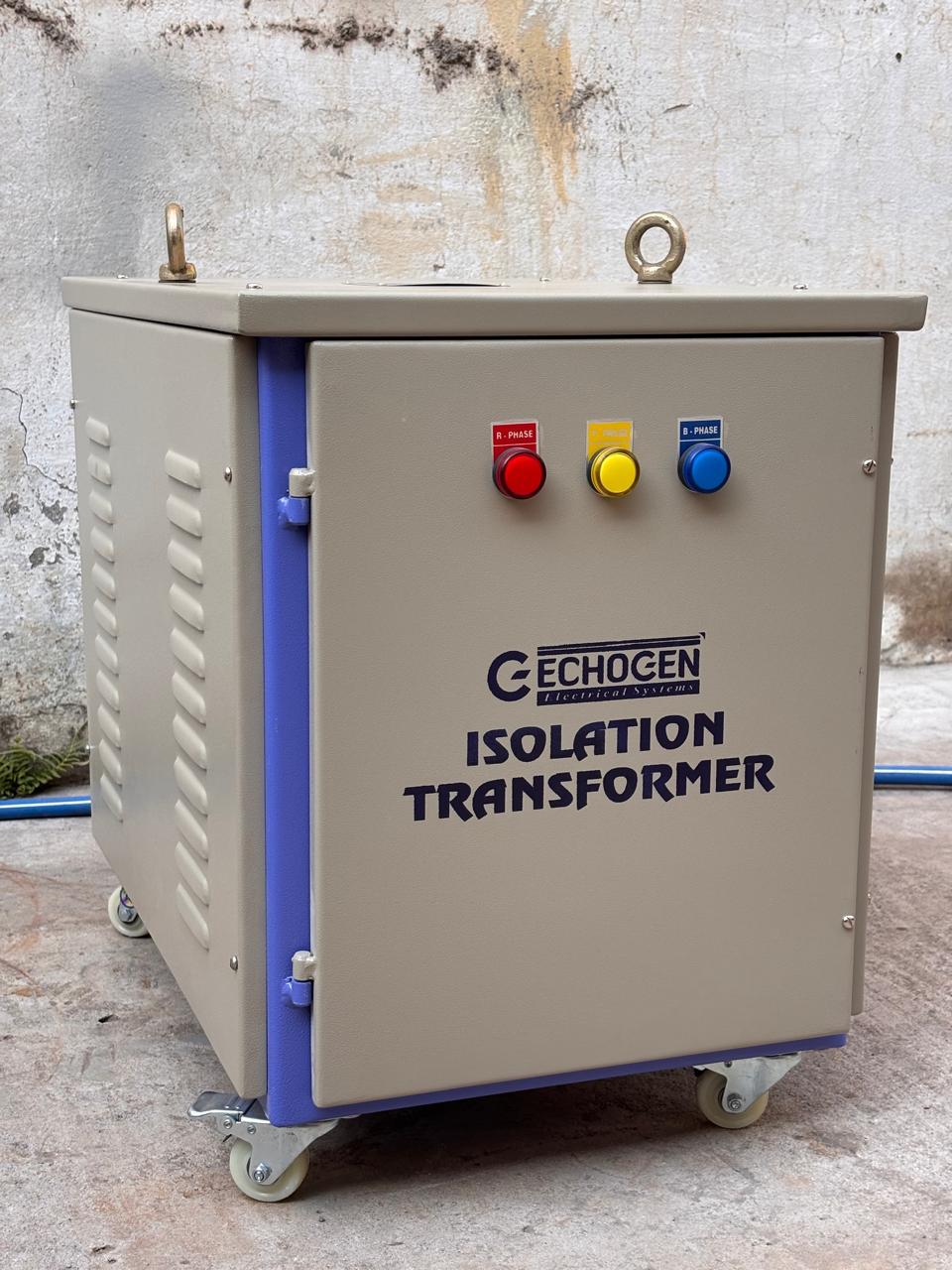
What are Isolation Transformers?
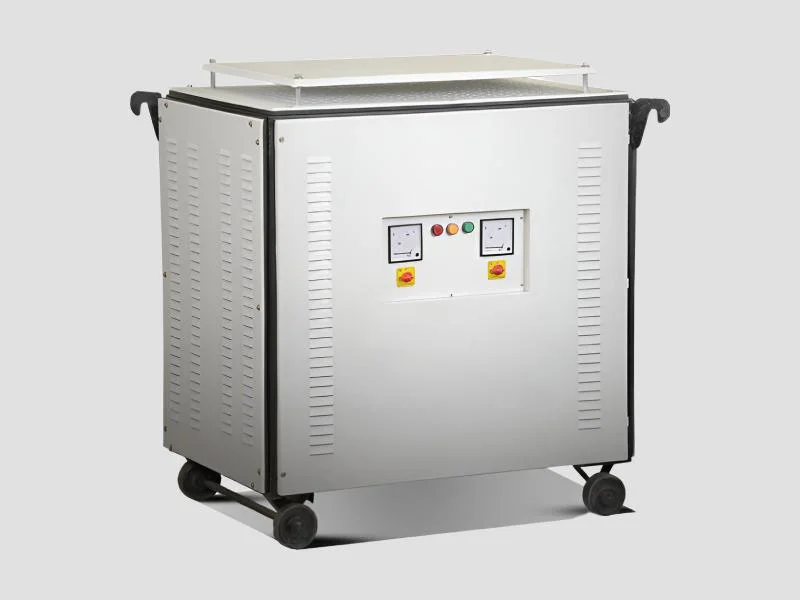
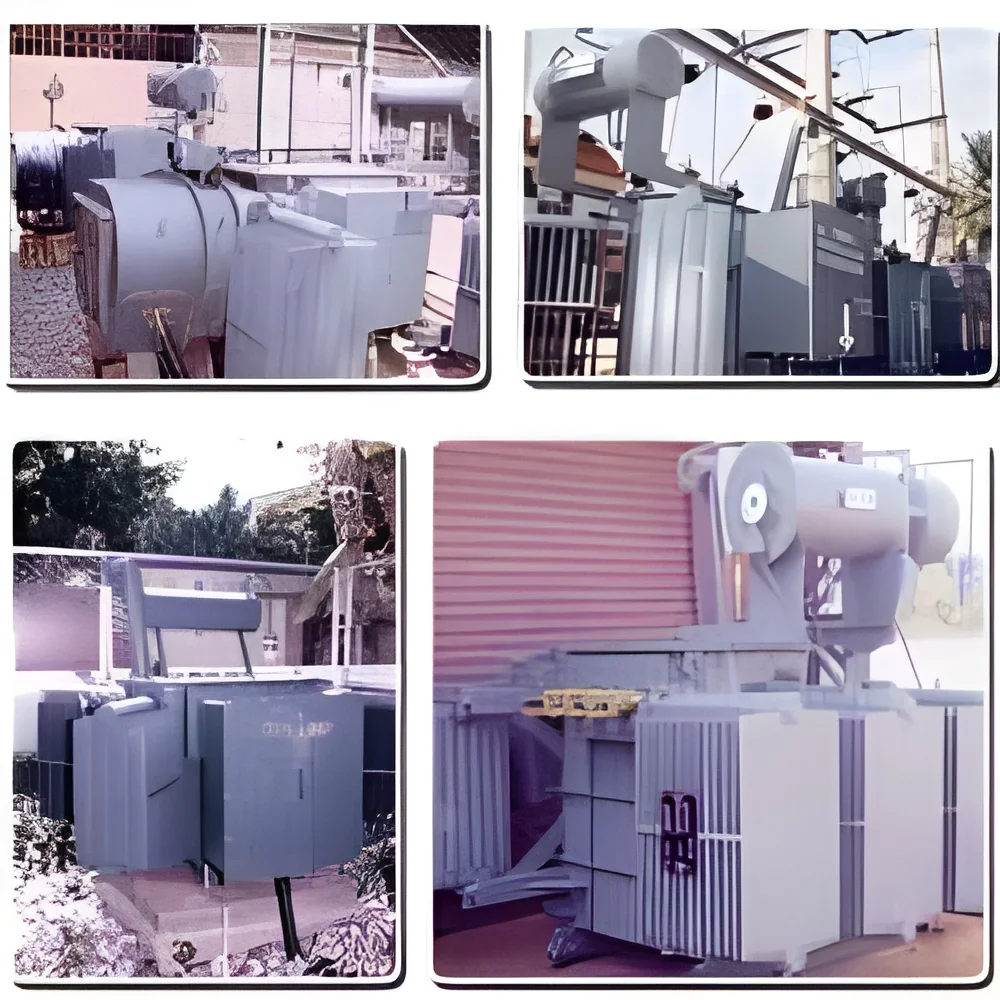
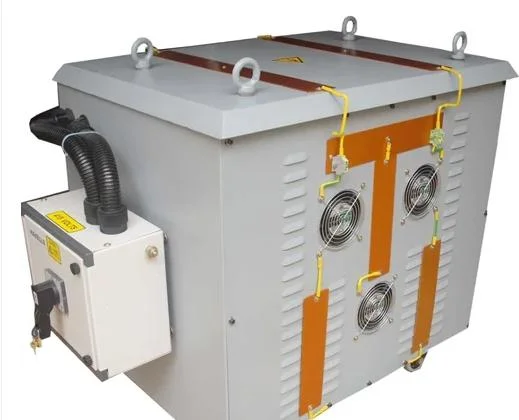
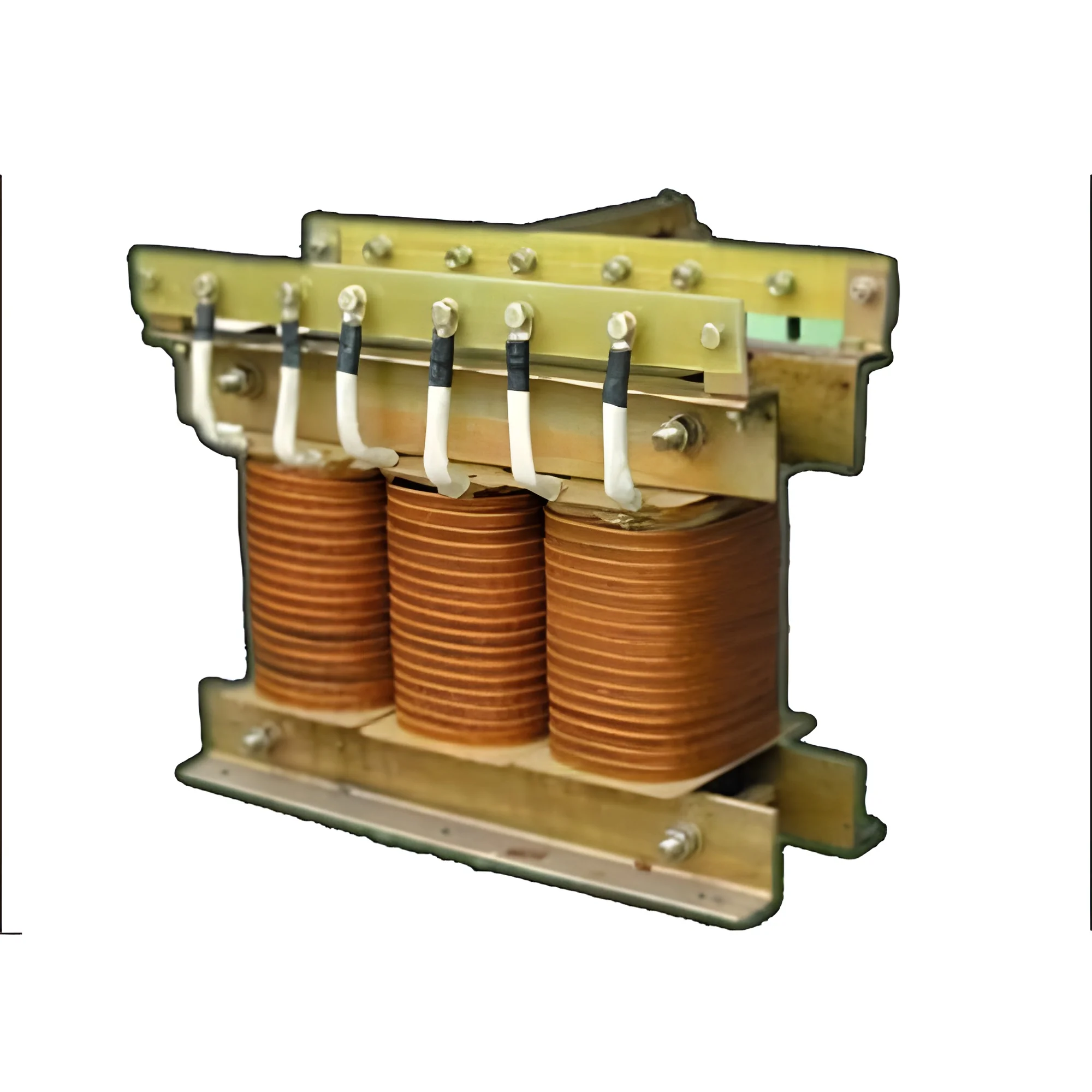
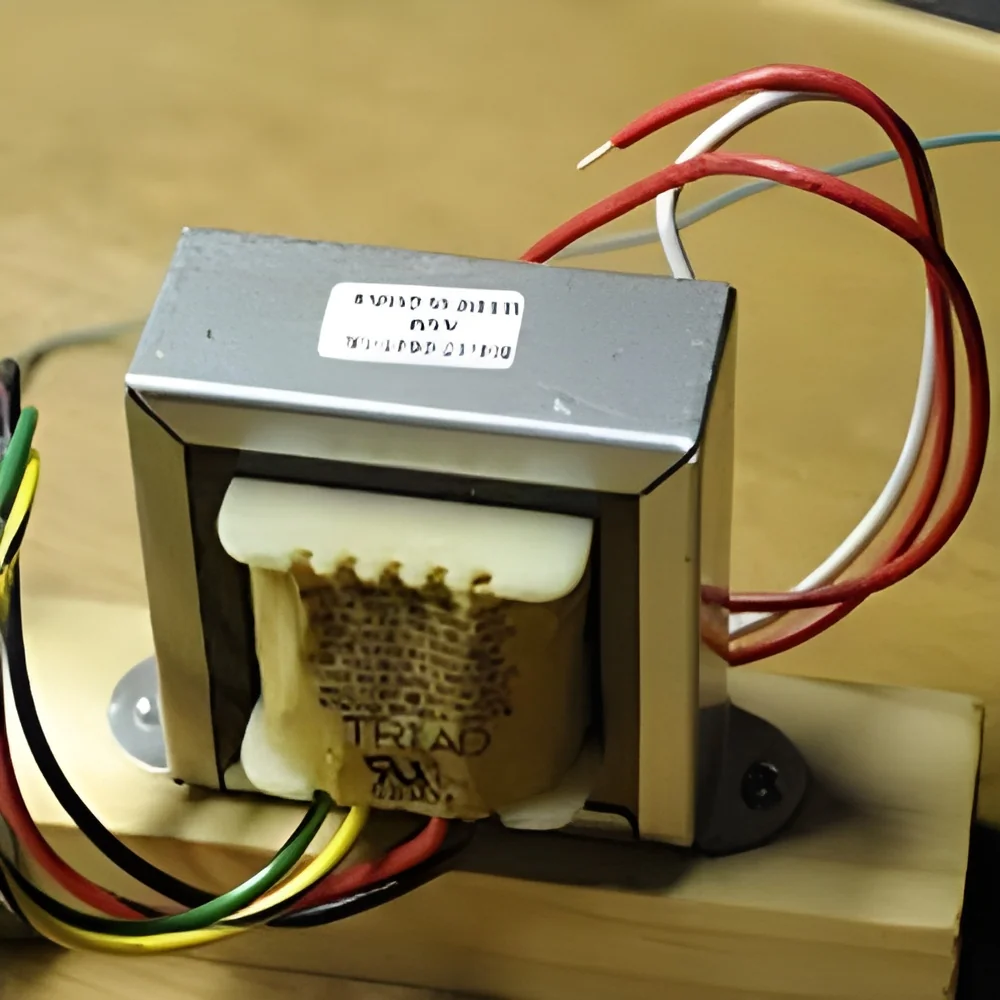
Isolation transformers are electrical devices designed to transfer electrical energy between two or more circuits while providing electrical isolation. This isolation helps to protect sensitive equipment from surges and electrical noise, which can lead to damage or malfunction. By decoupling the input and output, these transformers also enhance safety by reducing the risk of electric shock.
Isolation transformers find extensive use in various sectors, including industrial plants, laboratories, and medical facilities. They are commonly employed to protect sensitive electronic equipment, such as computers and testing instruments, from fluctuations in voltage and current. Additionally, these transformers play a crucial role in power distribution systems, ensuring that high-voltage equipment operates safely and efficiently.
In the current market, the relevance of isolation transformers continues to grow as industries increasingly focus on enhancing the reliability and safety of electrical systems. With the rise of sensitive electronic devices and stringent safety regulations, the demand for isolation transformers is expected to remain strong across various sectors.
Key Features and Specifications
Isolation transformers come equipped with several features that enhance their performance and functionality in industrial applications. Understanding these specifications is essential for selecting the right transformer for specific needs.
Key specifications include:
1. Power Rating
- Defines the maximum load the transformer can handle.
- Typically ranges from small units (100 VA) to large transformers (several MVA).
2. Voltage Ratio
- Indicates the ratio of primary voltage to secondary voltage.
- Commonly available voltage ratios include 1:1, 2:1, and 4:1.
3. Frequency Rating
- Specifies the frequency at which the transformer operates.
- Most isolation transformers are designed for 50 Hz or 60 Hz applications.
4. Insulation Class
- Refers to the thermal endurance of the insulation materials used.
- Classes include A, B, F, and H, with varying temperature limits.
5. Construction Type
- Indicates whether the transformer is encapsulated, open, or enclosed.
- Enclosed types are preferred for hostile environments.
6. Certification
- Ensures compliance with industry safety and quality standards.
- Common certifications include CE.
7. Efficiency Rating
- Represents the efficiency of the transformer in converting input power to output power.
- Higher efficiency ratings lead to lower operational costs.
Isolation transformers are designed to meet specific operational requirements. Understanding these key specifications will aid in making informed purchasing decisions.
Common Applications and Use Cases
Isolation transformers are utilized in a variety of industries, each with unique applications.
1. Healthcare: Isolation transformers are essential in medical facilities to protect sensitive diagnostic equipment from electrical disturbances, ensuring accurate results and patient safety.
2. Telecommunications: These transformers are used to safeguard communication systems from electrical noise and surges, maintaining signal integrity and reliability.
3. Manufacturing: In industrial settings, isolation transformers help protect machinery and control systems from voltage spikes, enhancing operational efficiency.
4. Research Laboratories: Laboratories use isolation transformers to ensure the stability of sensitive instruments, reducing the risk of error in experiments.
5. Data Centers: Isolation transformers protect servers and networking equipment from electrical interference, helping to maintain uptime and data integrity.
6. Commercial Buildings: In commercial settings, these transformers help to protect lighting and HVAC systems from electrical surges, improving overall building safety.
7. Educational Institutions: Schools and universities utilize isolation transformers in laboratories and technical workshops to ensure the safety of students and equipment.
Product Variants and Subcategories
Isolation transformers come in various designs to cater to different needs within industries.
Standard Isolation Transformer
This variant is designed for general applications, providing reliable isolation for electrical circuits in both industrial and commercial settings. They are commonly used to protect sensitive electronic equipment.
Medical Isolation Transformer
Specially designed for healthcare applications, these transformers ensure that medical devices operate safely and effectively. They provide enhanced safety measures to protect patients and healthcare professionals.
Industrial Isolation Transformer
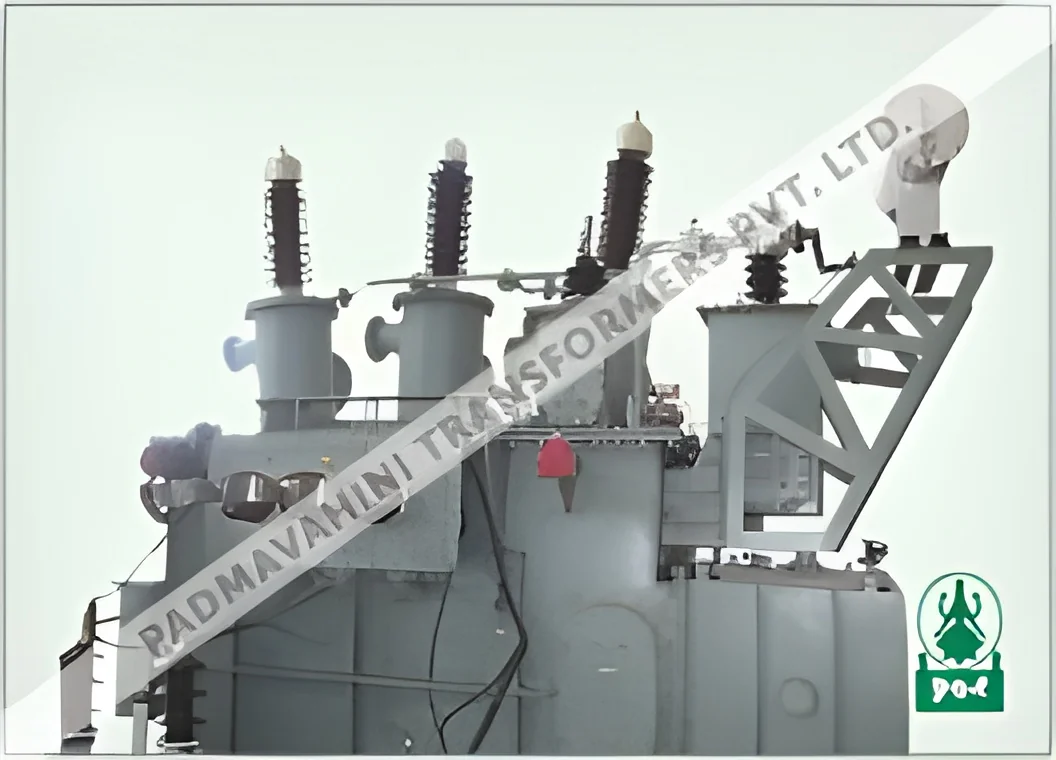
Built for heavy-duty applications, these transformers are used in manufacturing and production facilities. They can handle higher power ratings and are designed to withstand harsh environments.
Benefits and Advantages
Isolation transformers offer several advantages that make them essential for various applications.
1. Safety Enhancement: By providing electrical isolation, these transformers significantly reduce the risk of electric shock, ensuring safer operations.
2. Equipment Protection: Isolation transformers protect sensitive equipment from voltage spikes and electrical noise, extending the lifespan of devices.
3. Noise Reduction: These transformers help minimize electrical interference, improving the performance of sensitive electronic circuits.
4. Improved Operational Efficiency: By stabilizing voltage and current, isolation transformers enhance the efficiency of electrical systems, leading to energy savings.
5. Compliance with Standards: Using isolation transformers helps businesses adhere to safety and operational standards, reducing liability and risk.
6. Versatile Applications: Isolation transformers can be used across a wide range of industries, making them a flexible solution for various electrical challenges.
Buying Guide for B2B Buyers
When sourcing isolation transformers, it is essential to consider several factors to ensure the right purchase.
1. Quality Assessment: Evaluate the quality of the transformers by reviewing specifications, certifications, and manufacturer reputation. High-quality transformers are crucial for reliable performance.
2. Supplier Verification: Vet potential suppliers to ensure they have a proven track record. Look for manufacturers with experience in producing isolation transformers and positive customer reviews.
3. Pricing and MOQ: Understand the pricing structure and minimum order quantities. Compare quotes from multiple suppliers to ensure competitive pricing while considering total cost of ownership.
4. Delivery and Lead Times: Confirm the expected delivery times and logistics capabilities of the supplier. Timely delivery is essential for project schedules.
5. Compliance Requirements: Ensure that the transformers meet relevant industry standards and regulations. Compliance with safety and quality standards is crucial for operational integrity.
Compliance and Certifications
Compliance with quality standards is vital for isolation transformers. Many manufacturers adhere to ISO 9001, which ensures a consistent quality management system. This standard helps organizations maintain high-quality products and services.
In addition to ISO 9001, compliance with industry certifications such as CE is important. CE certification indicates that the product meets European health and safety requirements, thus ensuring safety and reliability.
Safety and testing requirements are also critical. Isolation transformers must undergo rigorous testing to verify their performance and safety under various conditions. This includes testing for electrical insulation, temperature stability, and operational efficiency.
Regional compliance considerations are essential as well. Depending on the market, different regions may have specific standards and regulations that manufacturers must follow to ensure their products are acceptable for use.
Why Source Isolation Transformers from Pepagora?
Pepagora provides a trusted platform for sourcing isolation transformers, offering several key advantages to B2B buyers.
Verified Supplier Network: Pepagora has established a robust network of verified suppliers, ensuring that buyers have access to high-quality products from reputable manufacturers. This verification process helps mitigate risks associated with sourcing.
Streamlined RFQ Process: The platform simplifies the request for quotation (RFQ) process, allowing buyers to easily compare quotes and specifications from multiple suppliers. This efficiency saves time and helps in making informed purchasing decisions.
Trade Assurance and Support: Pepagora offers trade assurance, providing buyers with protection throughout the purchasing process. This includes support for resolving disputes, ensuring a secure transaction environment.
Regional Coverage: With a strong presence in key markets such as India, the Gulf Cooperation Council (GCC), and Southeast Asia, Pepagora can facilitate sourcing for businesses in these regions. This geographic reach helps buyers find suitable isolation transformers tailored to their specific needs.

 IN
IN