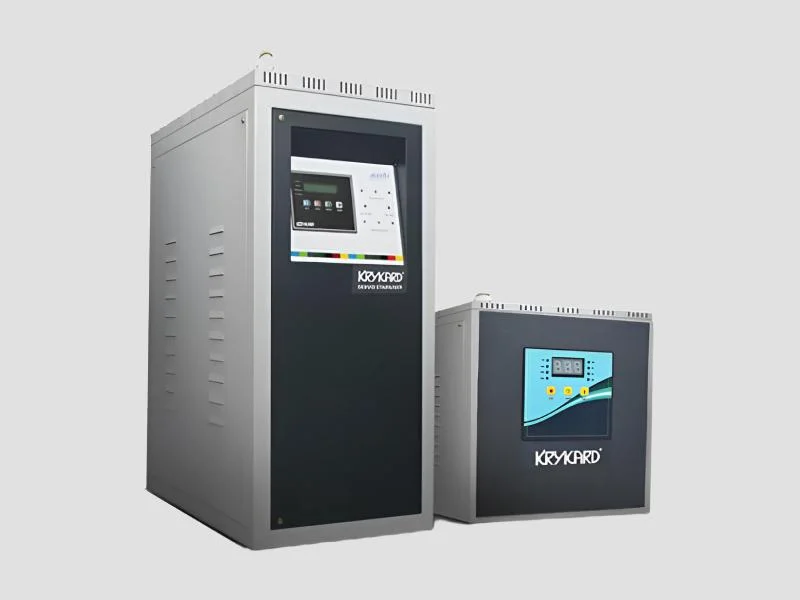
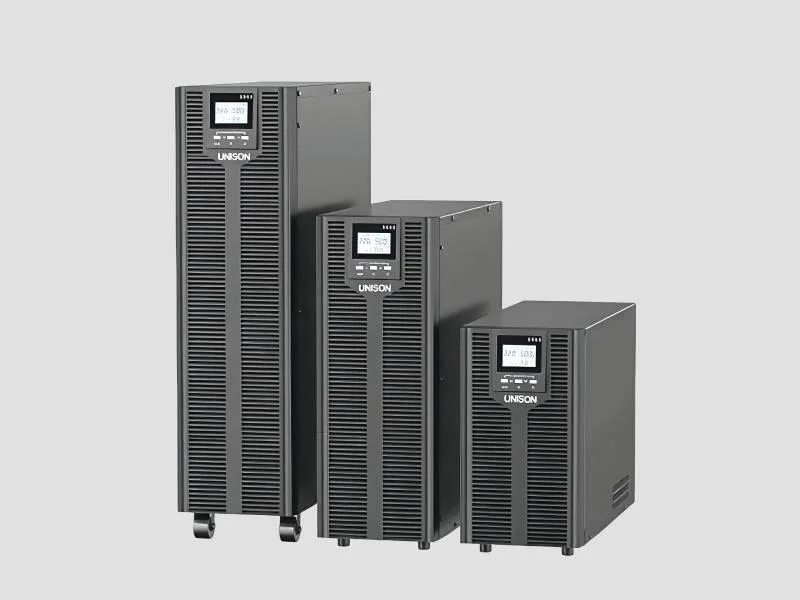
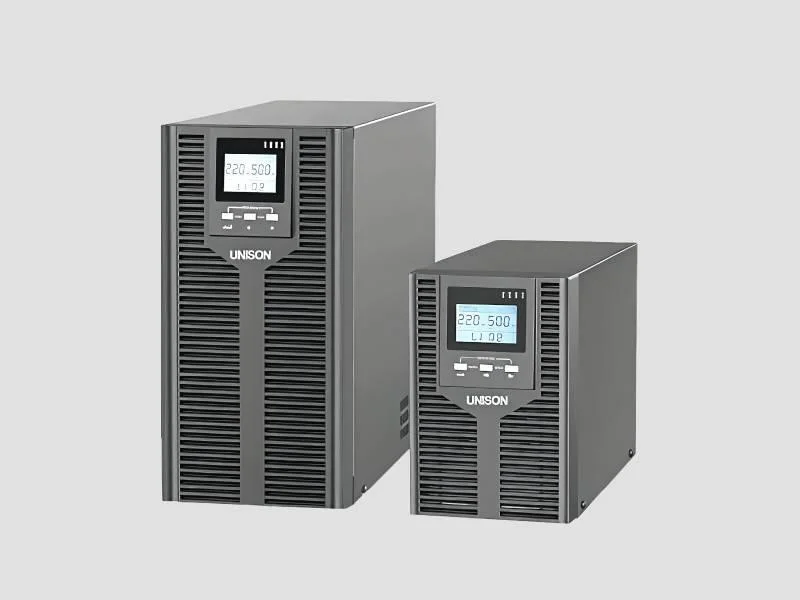
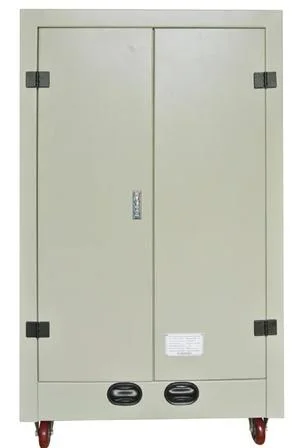
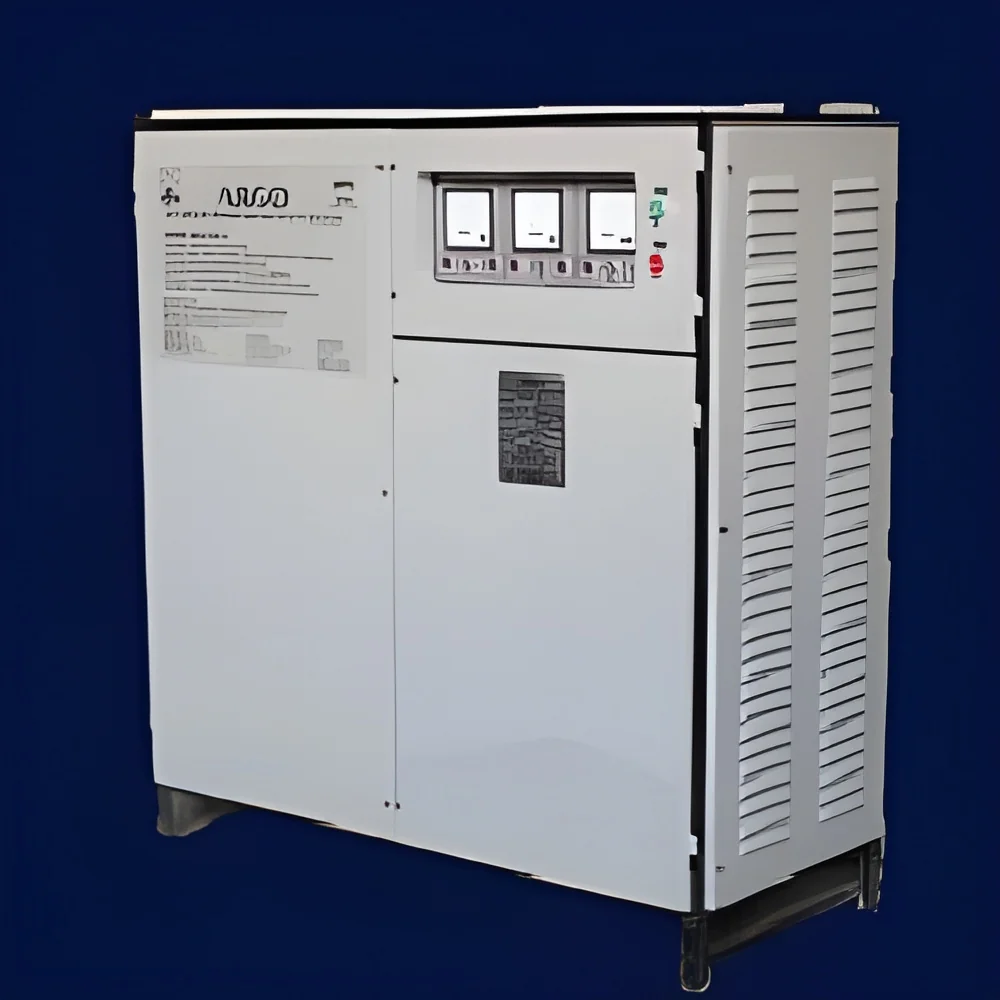
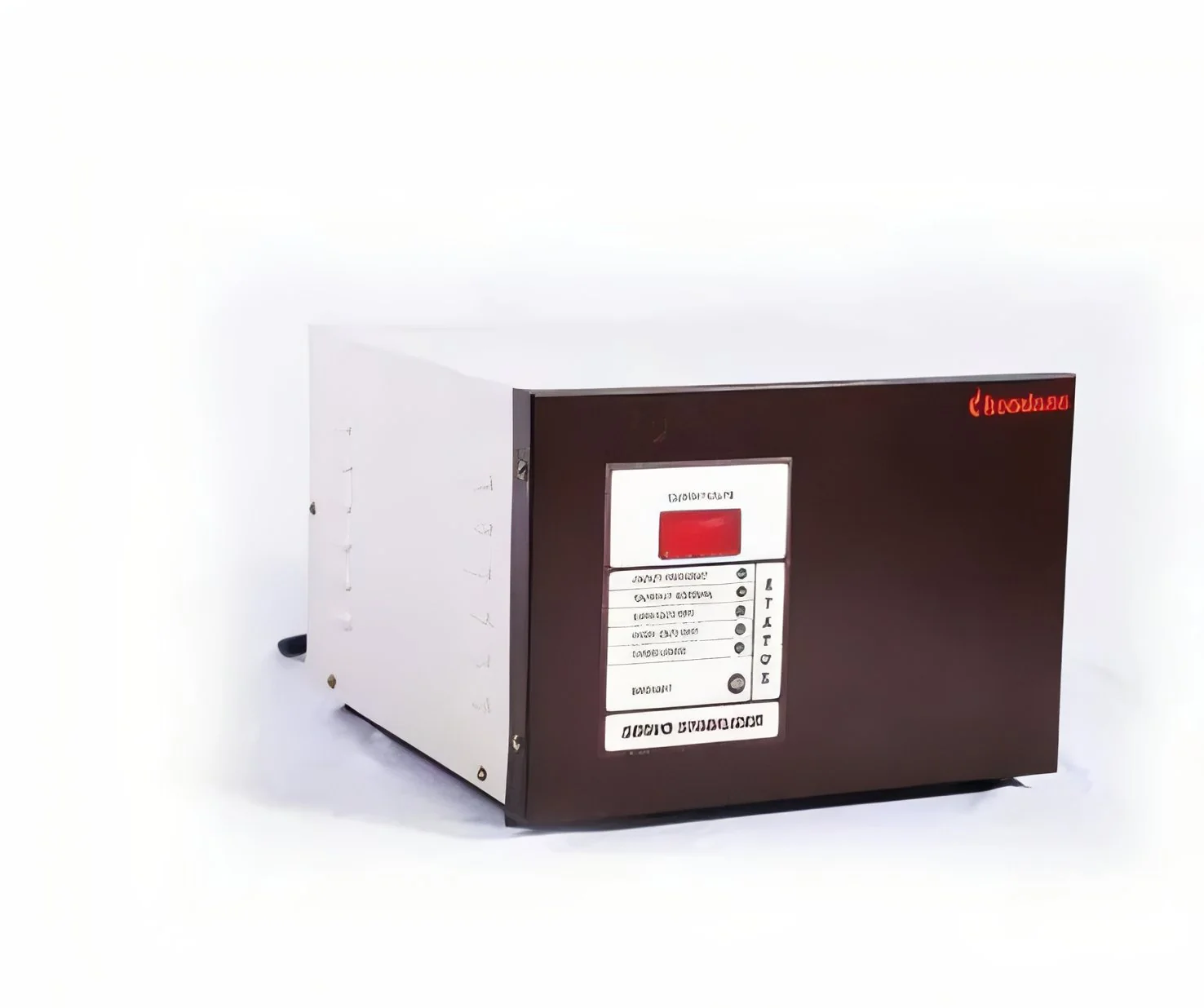
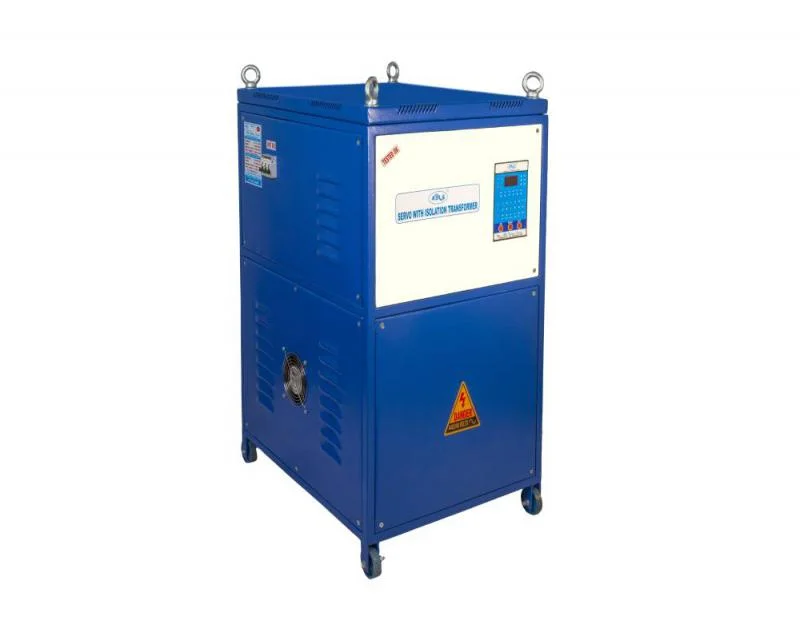
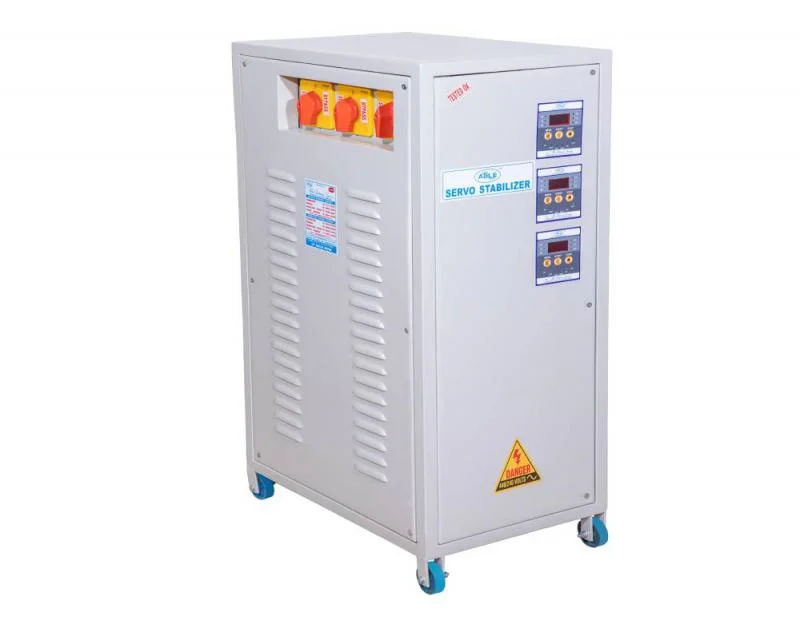
What are Servo Voltage Stabilizers?
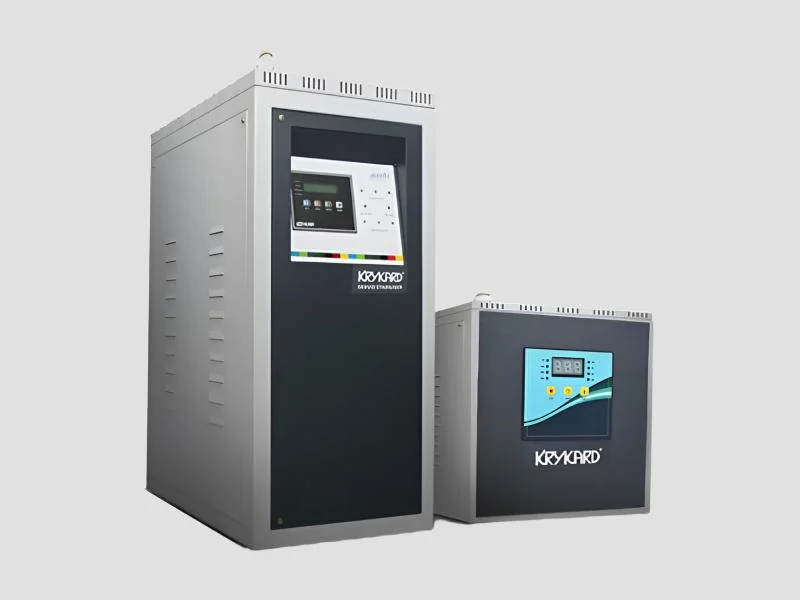
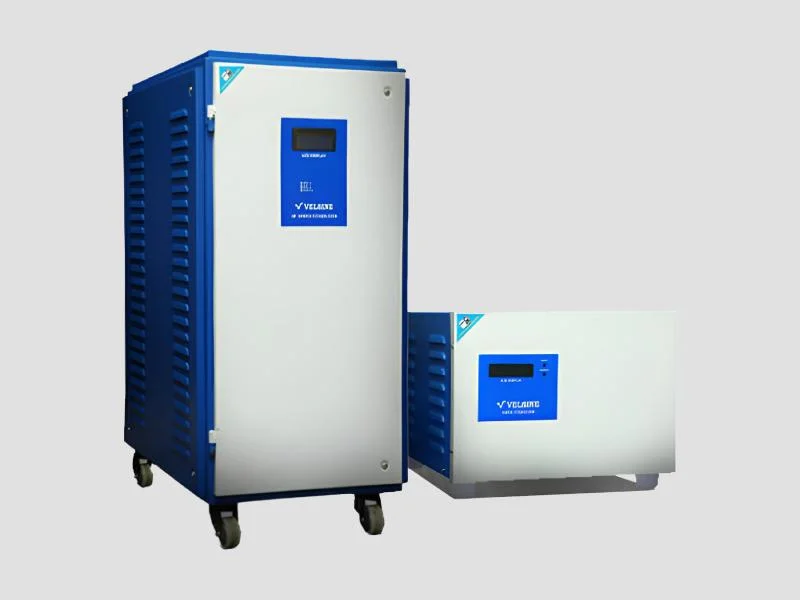
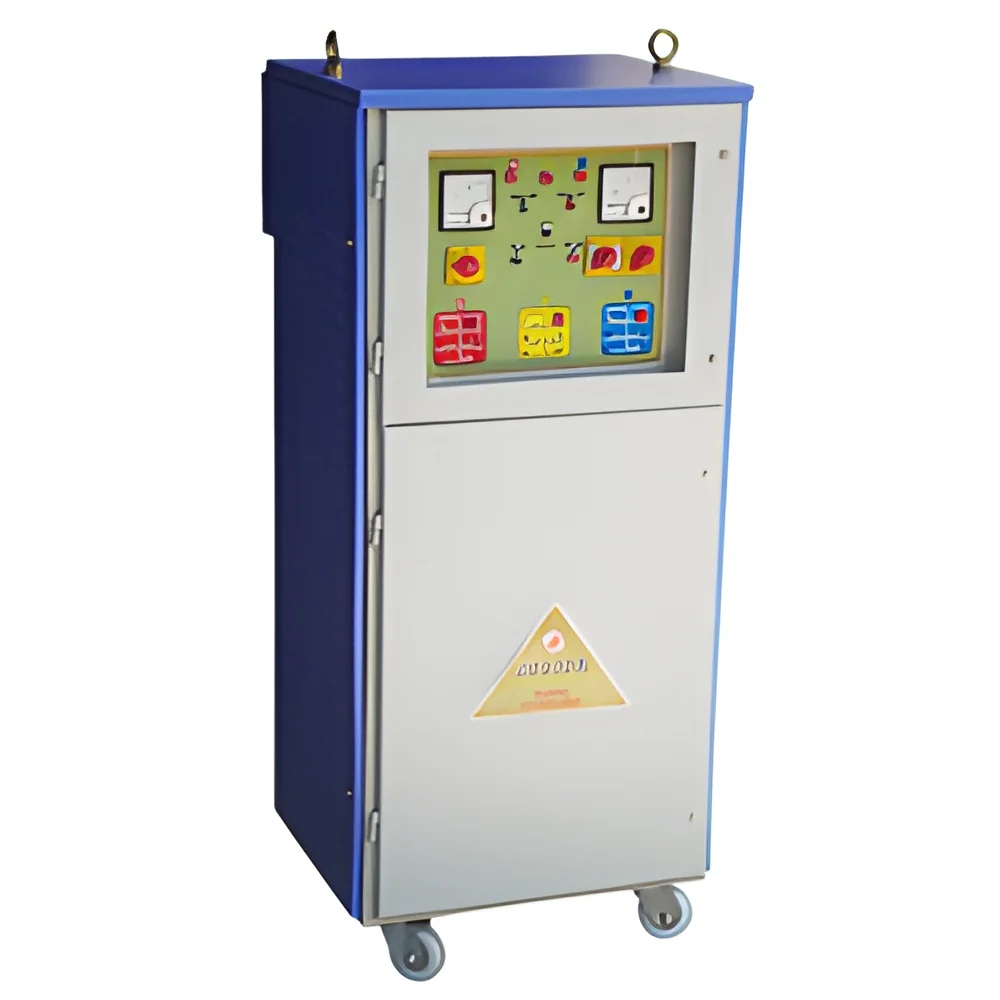
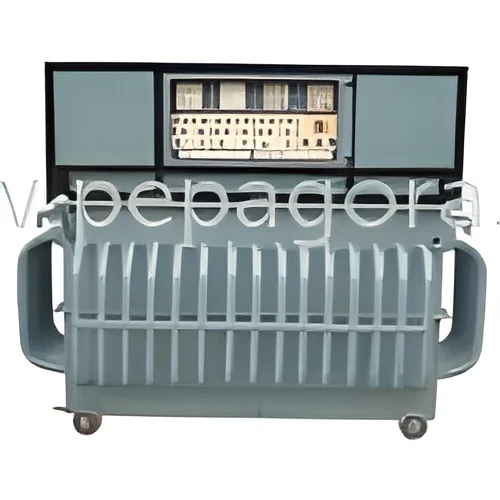
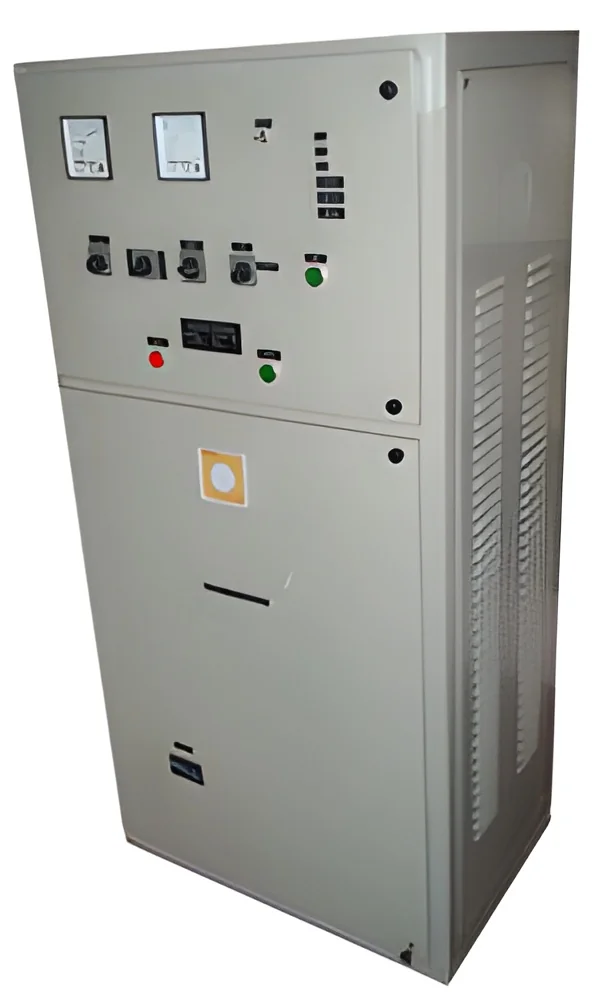
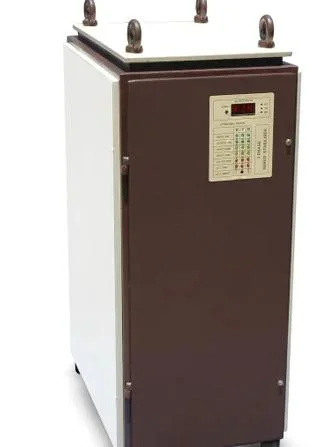
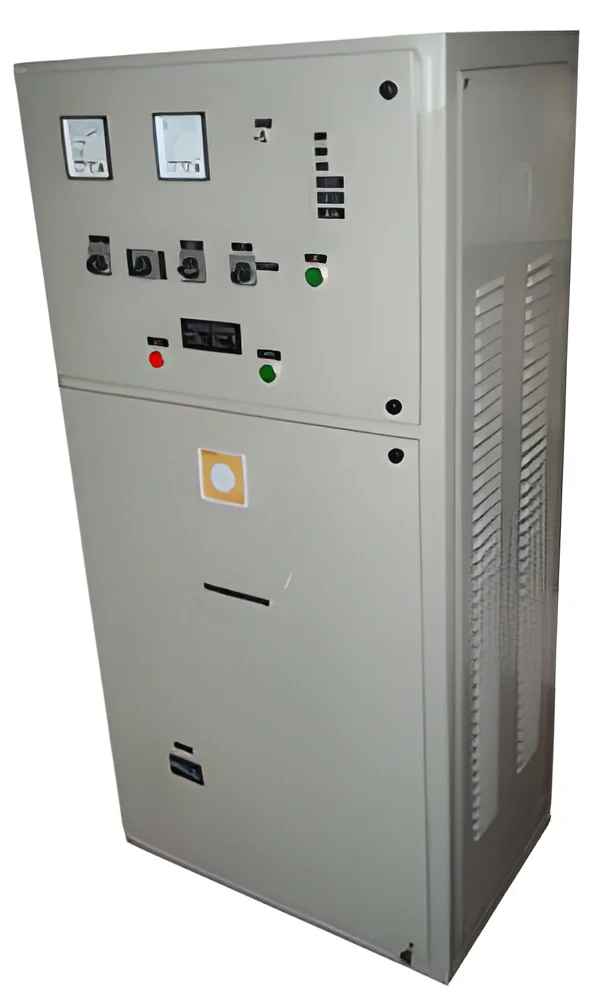
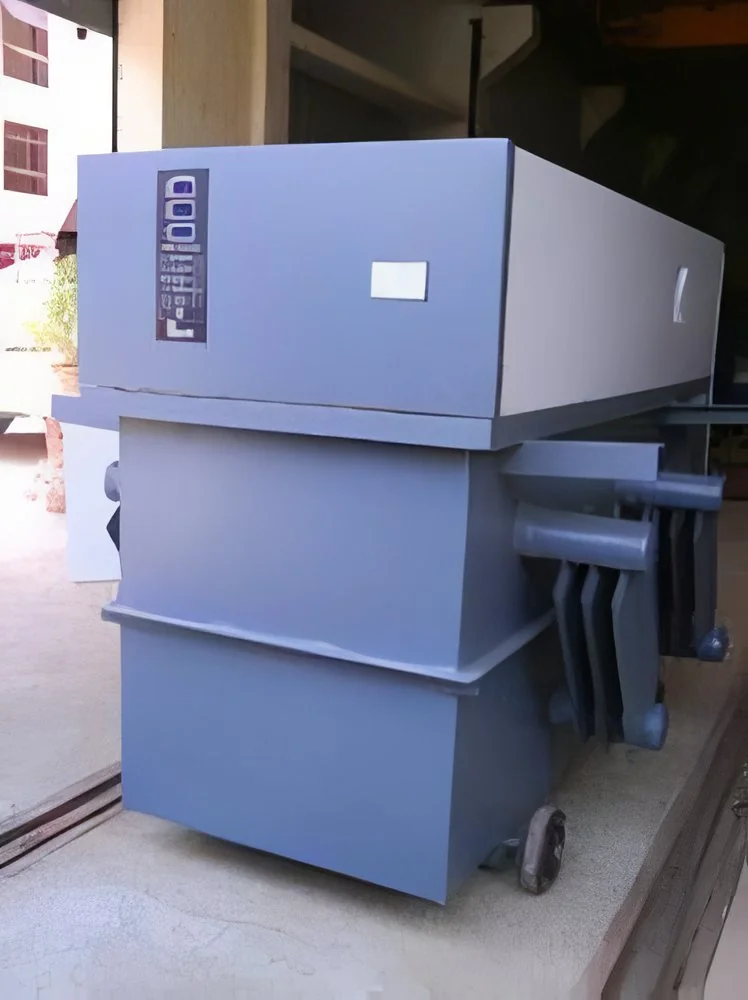
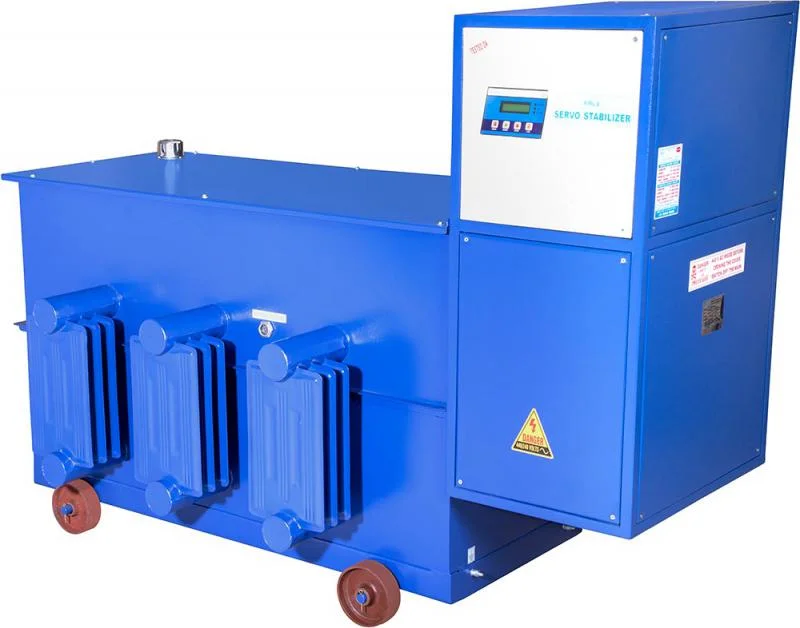
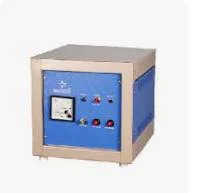
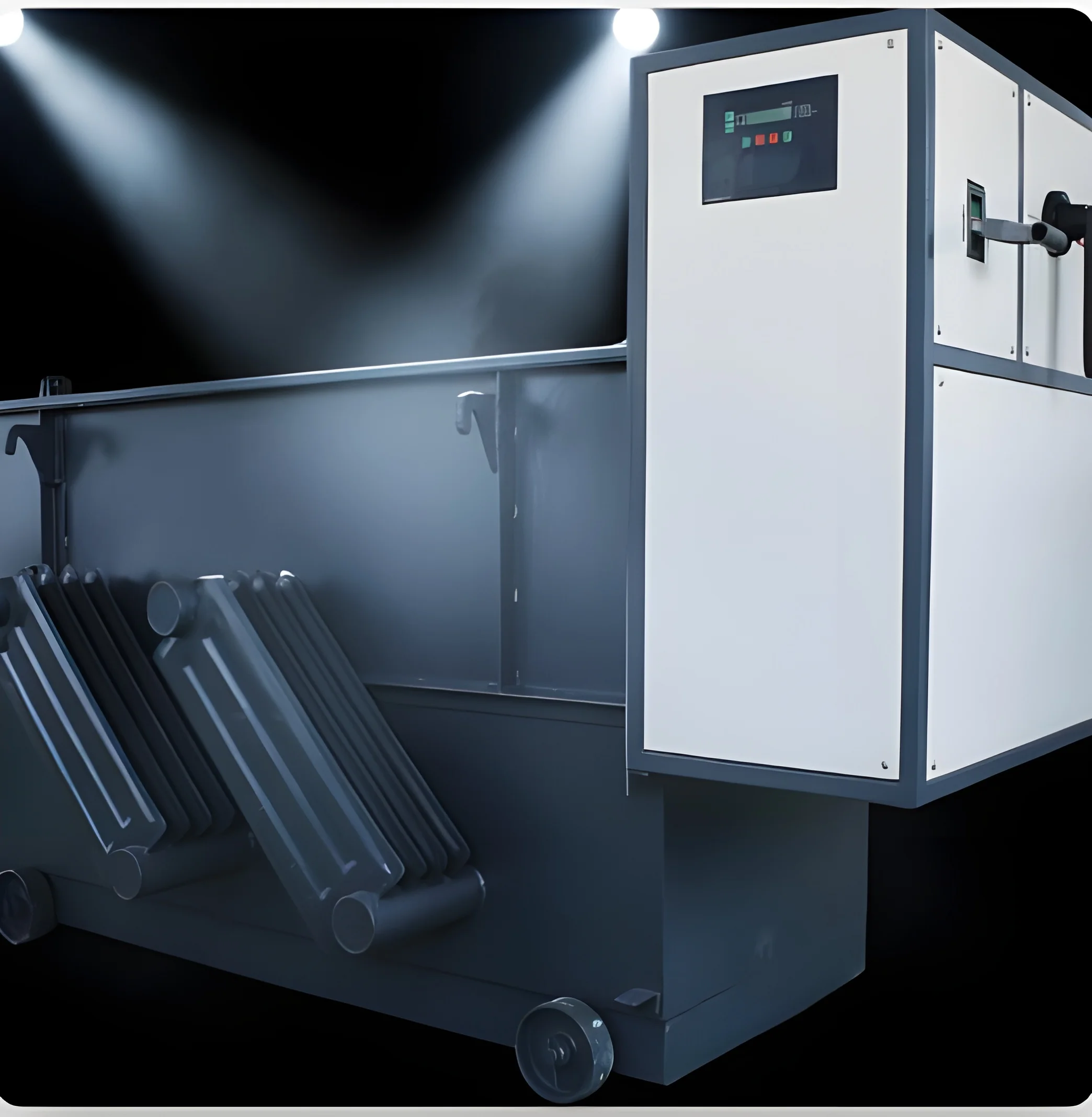
Servo Voltage Stabilizers are electrical devices designed to maintain a constant voltage level in electrical systems. They work by regulating voltage fluctuations in the supply line, ensuring that equipment receives a steady voltage. This stabilization is crucial for the efficient operation of sensitive electronic devices and machinery, particularly in industrial settings where power quality can vary significantly.
These stabilizers are widely used across various sectors, including manufacturing, information technology, and telecommunications. They protect equipment from voltage spikes and drops, which can lead to equipment failure and operational downtime. In today's market, the demand for reliable power supply solutions has increased, making servo voltage stabilizers essential for industries that rely heavily on uninterrupted power for their operations.
The relevance of servo voltage stabilizers in the industrial landscape cannot be overstated. As industries continue to advance technologically, the need for stable and clean power sources grows. This has led to an increased focus on power quality solutions, positioning servo voltage stabilizers as critical components in modern electrical systems.
Key Features and Specifications
Servo Voltage Stabilizers come with a range of features designed to enhance performance and efficiency. These devices are equipped with advanced technology for real-time monitoring and adjustment of voltage levels. Important specifications to consider when evaluating these stabilizers include:
1. Voltage Regulation Range
- Maintains output voltage within a specified range
- Commonly between 180V to 240V
2. Power Capacity
- Rated for specific power levels
- Typically ranges from 1 kVA to several hundred kVA
3. Efficiency Rating
- Indicates the efficiency of power usage
- Usually above 95% for optimal performance
4. Response Time
- Time taken to adjust output voltage after a fluctuation
- Typically within milliseconds
5. Input Voltage Range
- Acceptable range of input voltages
- Can vary significantly based on model
6. Operating Temperature
- Range of temperatures within which the stabilizer operates effectively
- Standard range is often from 0°C to 50°C
7. Protection Features
- Includes overload, short circuit, and thermal protection
- Essential for safeguarding connected equipment
8. Control Mechanism
- Type of control used for voltage regulation
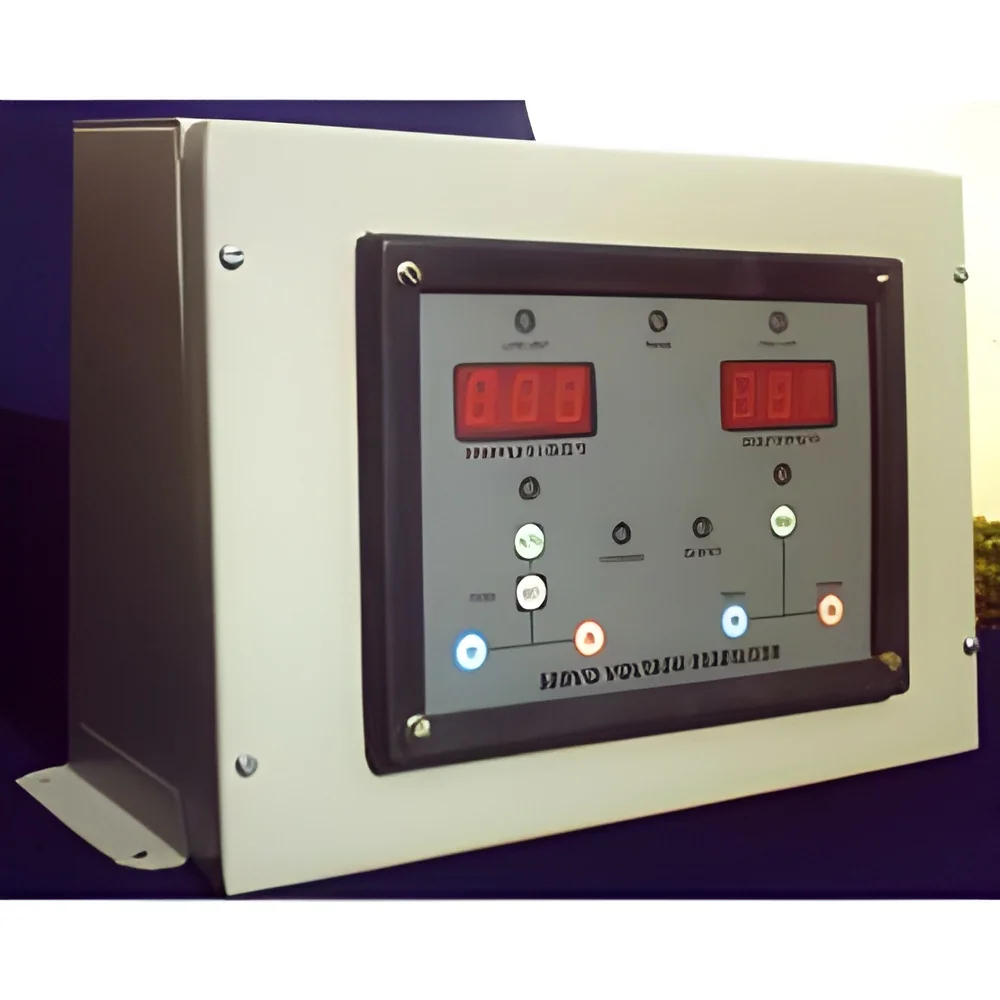
- Commonly microprocessor-based for precision control
In summary, understanding the features and specifications of servo voltage stabilizers is essential for selecting the right model for specific industrial applications.
Common Applications and Use Cases
Servo Voltage Stabilizers are employed across various industries, each with unique requirements for voltage stability.
1. Manufacturing: In manufacturing plants, these stabilizers protect machinery from voltage fluctuations that can disrupt production processes and cause equipment damage.
2. IT and Data Centers: In information technology environments, stable voltage is critical for servers and network equipment to prevent data loss and service interruptions.
3. Telecommunications: Telecommunication facilities use servo voltage stabilizers to ensure reliable operation of communication systems and prevent downtime.
4. Hospitals: Medical equipment in hospitals relies on stable power supply, making these stabilizers vital for patient care and operational efficiency.
5. Agriculture: In agricultural operations, voltage stabilizers are used to protect irrigation systems and other electrically powered equipment from power surges.
6. Laboratories: Research laboratories depend on precise voltage control to ensure the accuracy of experiments and the safety of sensitive equipment.
7. Construction: Construction sites often face fluctuating power supplies, and stabilizers help ensure that tools and machinery operate effectively.
Product Variants and Subcategories
Servo Voltage Stabilizers come in various configurations to meet different industrial needs. While specific subcategories may not be available, common variants include:
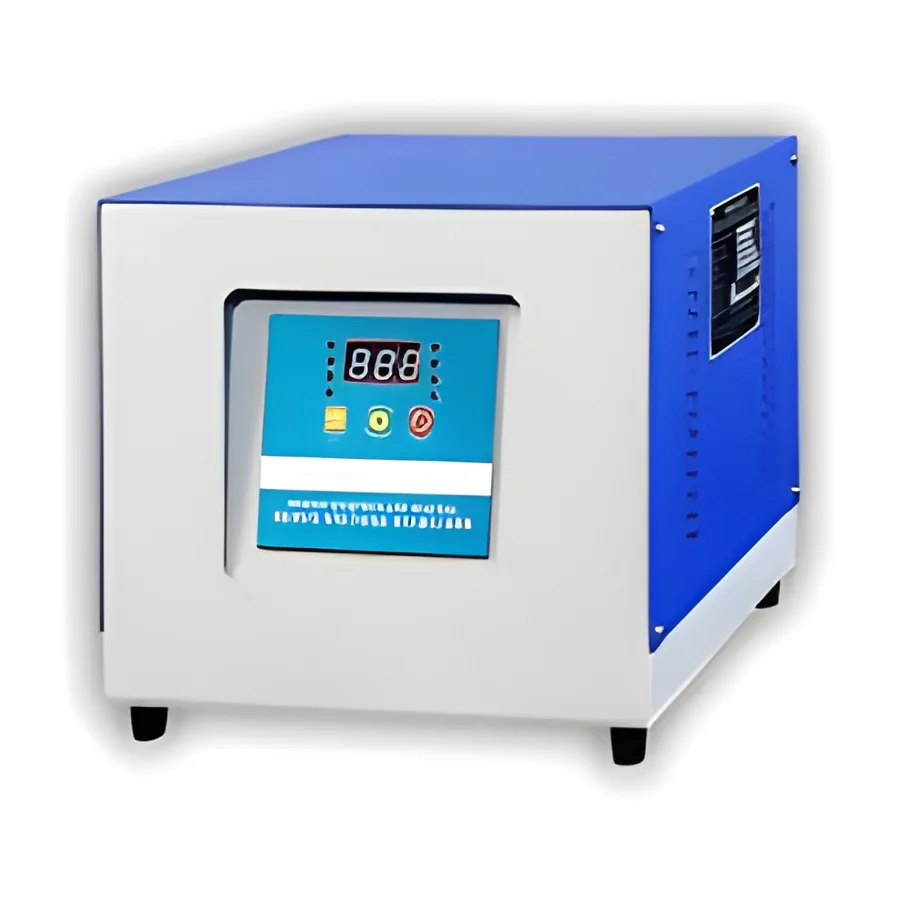
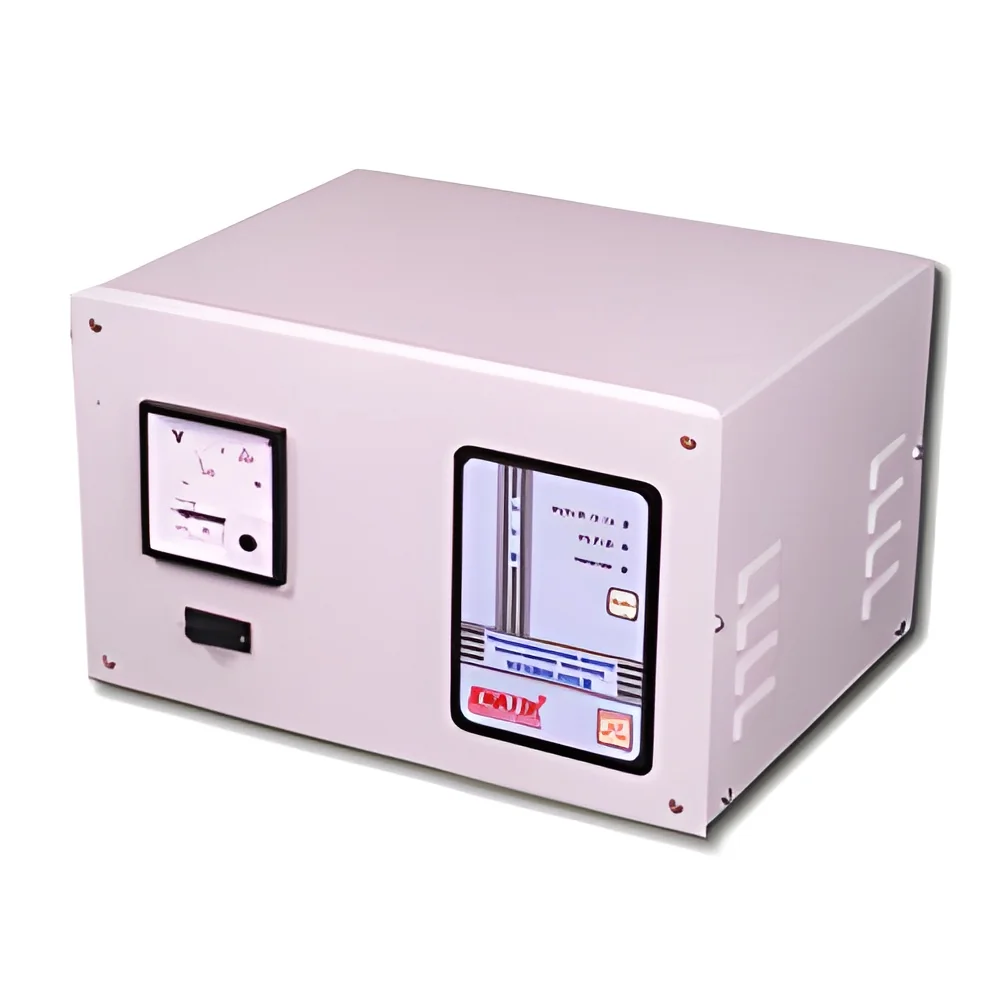
Single Phase Servo Voltage Stabilizers: These are designed for smaller applications, typically used in residential or small commercial settings. They provide efficient voltage regulation and are easy to install.
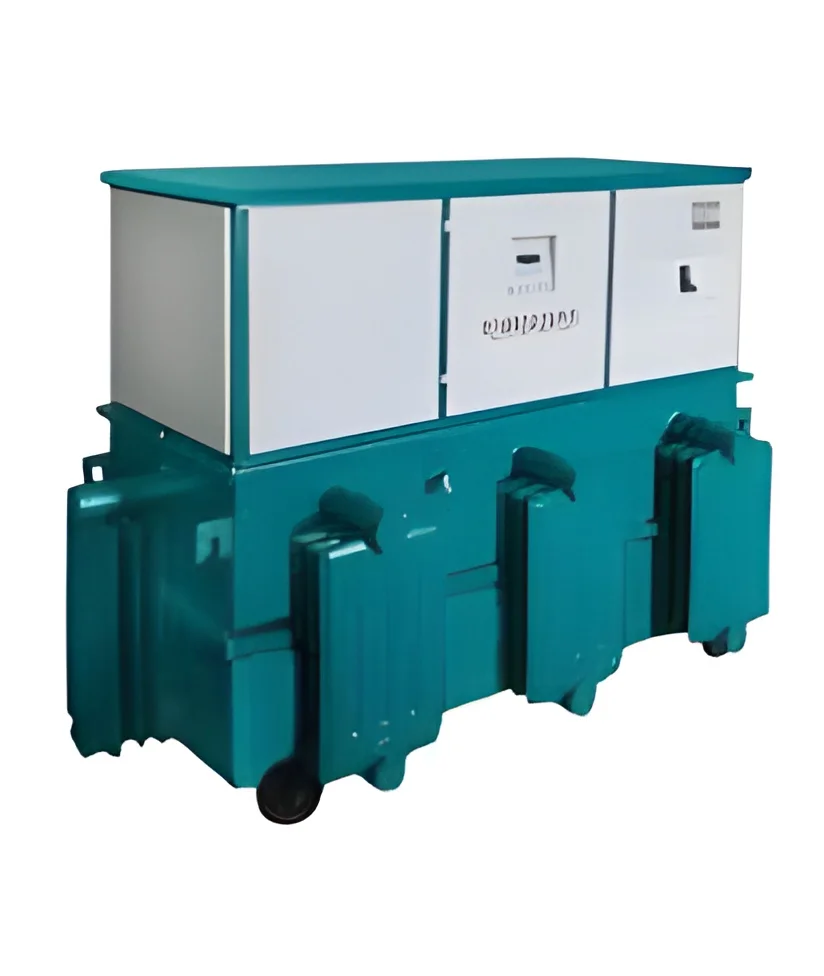
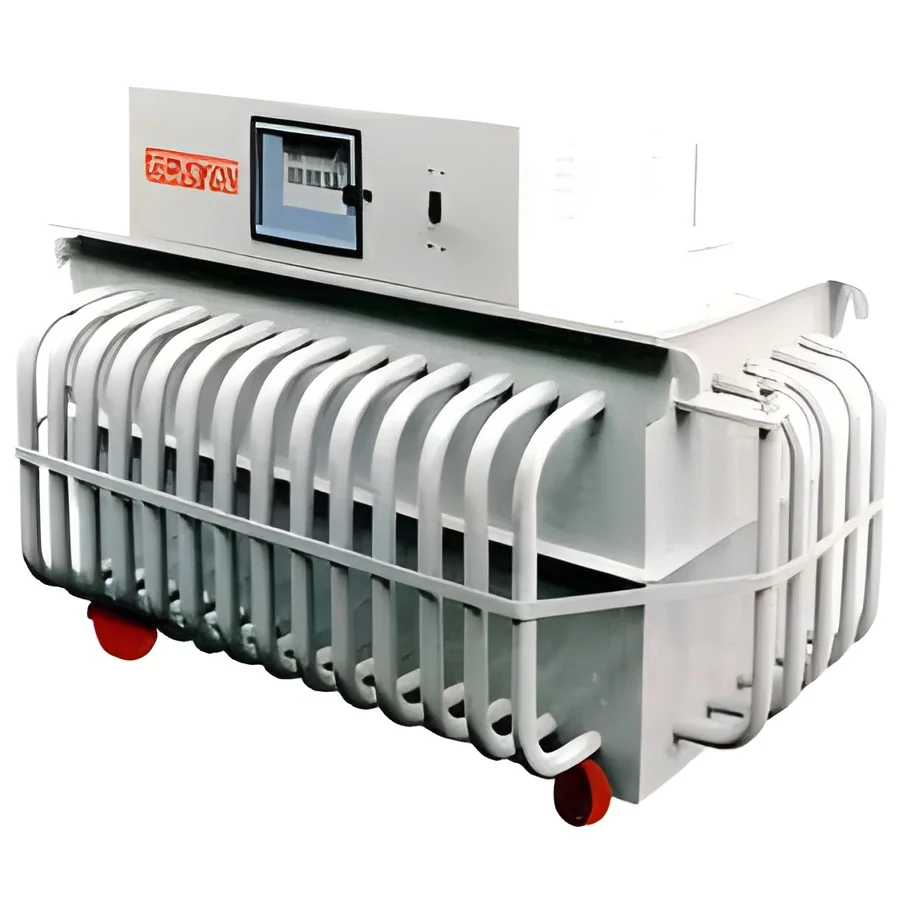
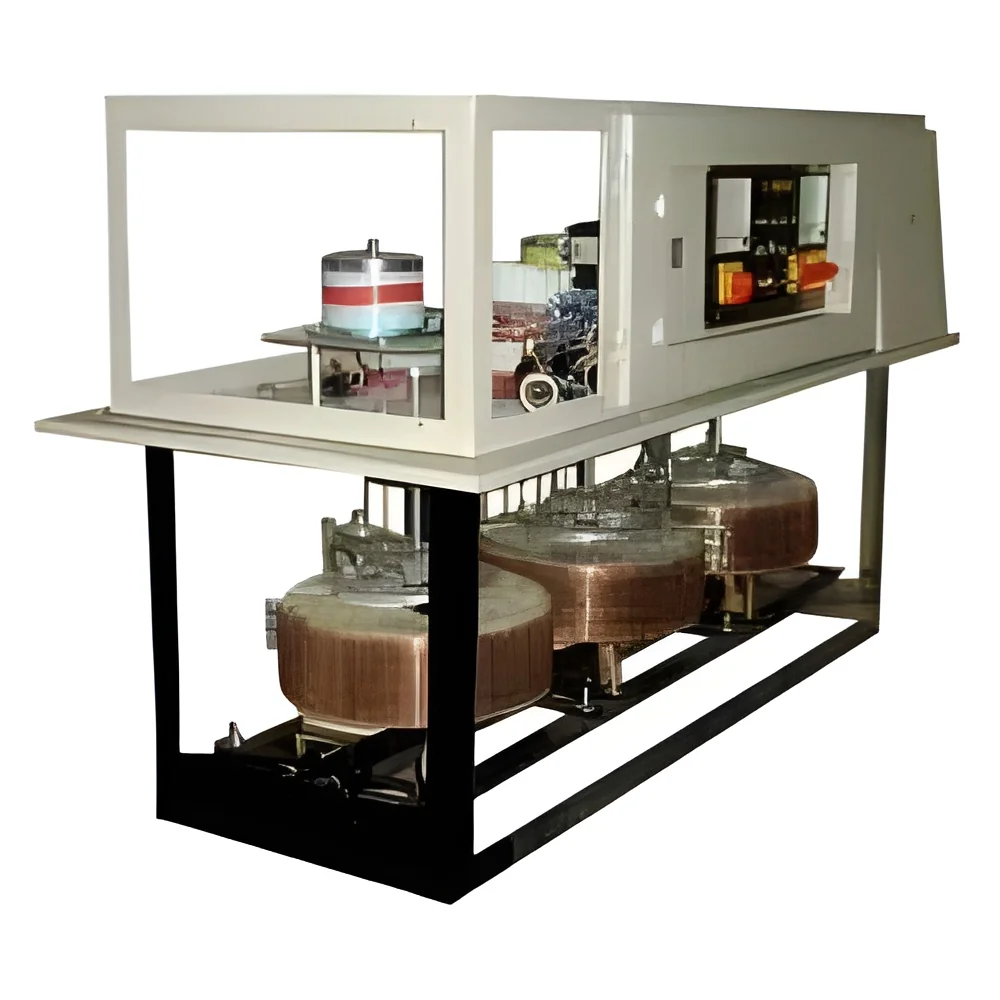
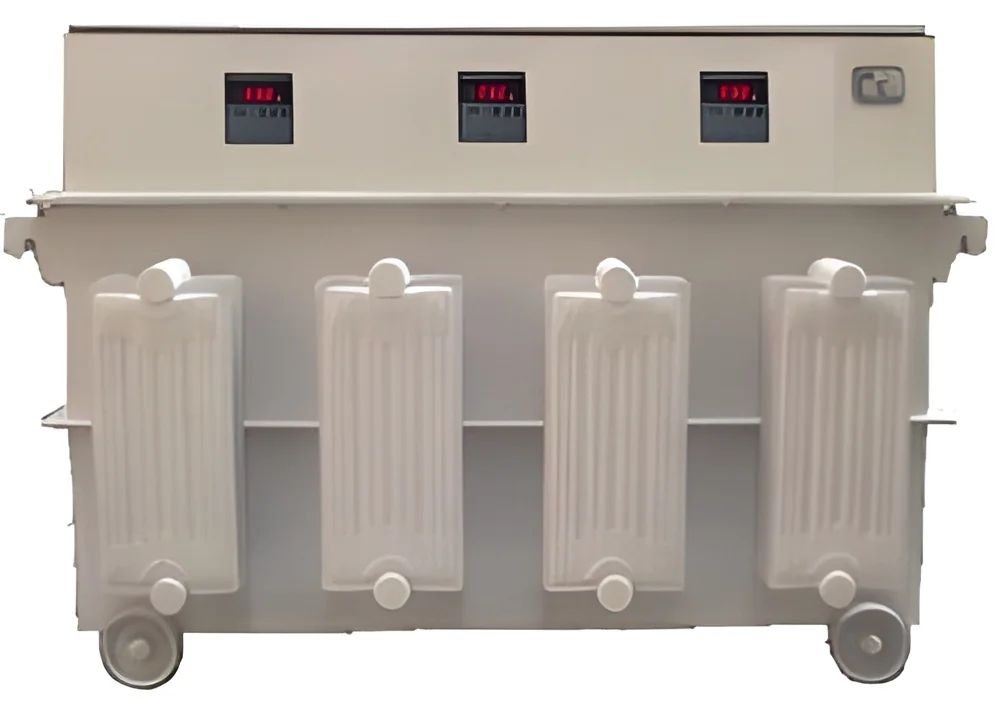
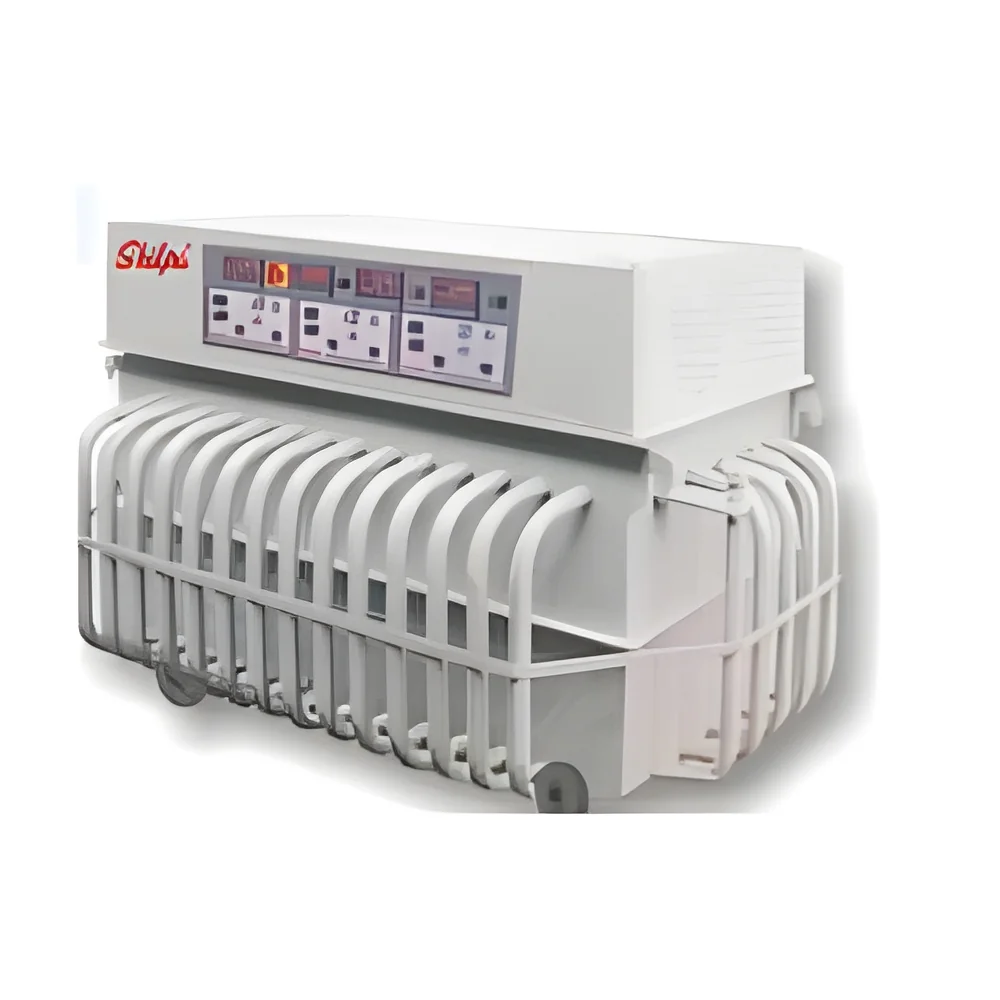
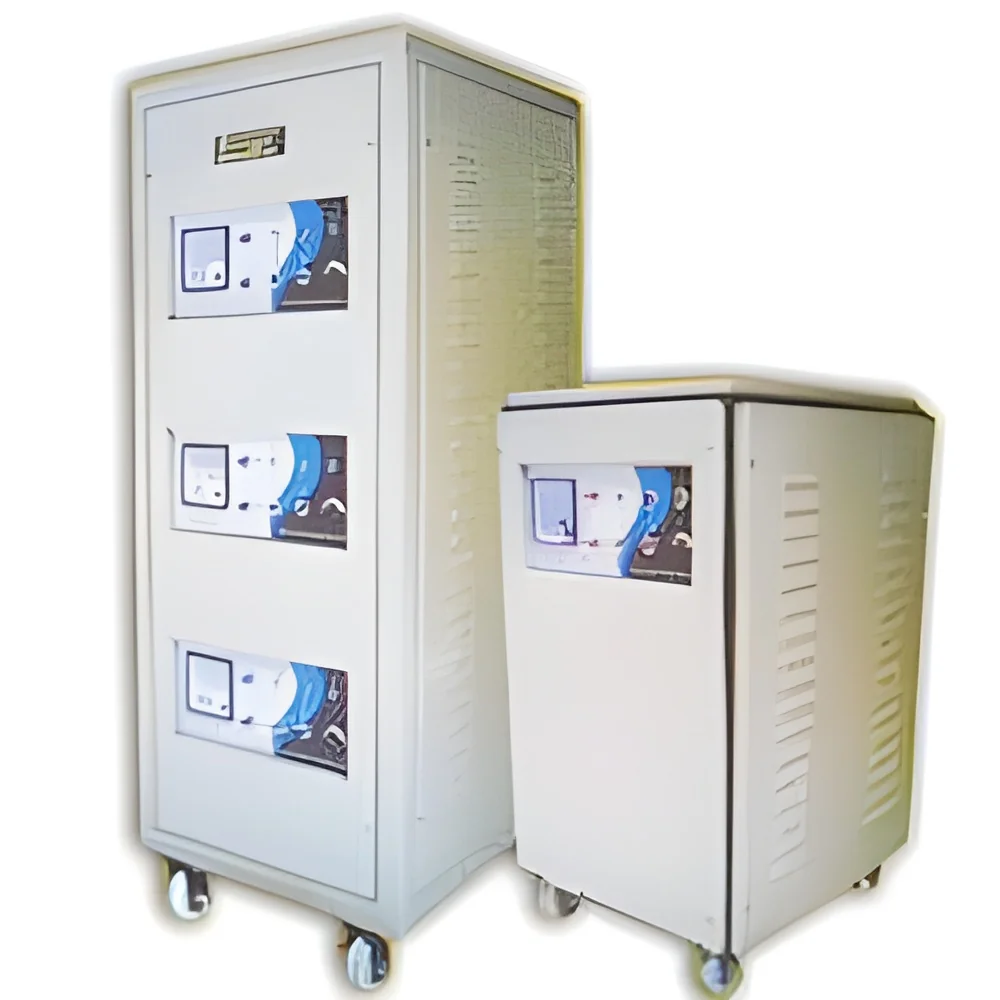
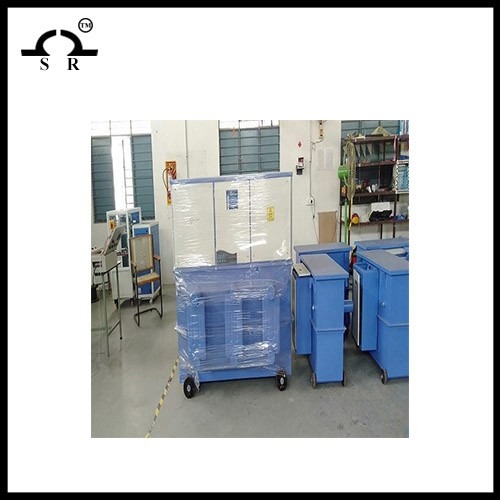
Three Phase Servo Voltage Stabilizers: Suitable for larger industrial applications, these stabilizers manage higher loads and are essential for manufacturing plants and large facilities with three-phase power supply.
Portable Servo Voltage Stabilizers: These are compact and designed for mobile applications, allowing for easy transport and use in various locations.
Wall-Mounted Servo Voltage Stabilizers: Ideal for fixed installations, these units save space and provide reliable voltage stabilization for dedicated equipment.
Benefits and Advantages
Servo Voltage Stabilizers offer numerous advantages that enhance operational efficiency across industries.
1. Equipment Protection: They safeguard sensitive electronic devices from voltage fluctuations, extending the lifespan of equipment.
2. Improved Performance: Stable voltage levels lead to better performance of machinery and electronic systems, reducing the risk of malfunction.
3. Energy Efficiency: High-efficiency ratings minimize energy waste, leading to cost savings on electricity bills.
4. Reduced Downtime: By preventing voltage-related issues, these stabilizers decrease operational disruptions and increase productivity.
5. Enhanced Safety: With built-in protection features, they help prevent electrical fires and other hazards associated with voltage spikes.
6. Versatility: Available in various configurations, these stabilizers can be tailored to meet the specific needs of different industries and applications.
Buying Guide for B2B Buyers
When sourcing Servo Voltage Stabilizers, several considerations can help ensure you make the right choice for your organization.
1. Quality Assessment: Evaluate the quality of the stabilizers by checking for certifications and customer reviews. Ensure the manufacturer adheres to recognized industry standards.
2. Supplier Verification: Research potential suppliers thoroughly. Look for established companies with a track record of reliability and customer satisfaction.
3. Pricing and MOQ: Compare pricing among different suppliers, considering the minimum order quantity. Ensure that the costs align with your budget without compromising quality.
4. Delivery and Lead Times: Inquire about delivery schedules and lead times. Timely delivery is crucial for maintaining operations and avoiding delays.
5. Compliance Requirements: Verify that the stabilizers meet any necessary regulatory standards for your industry. This includes safety certifications and environmental considerations.
Compliance and Certifications
Compliance with industry standards is crucial for Servo Voltage Stabilizers to ensure safety and reliability. Key quality standards include ISO 9001, which denotes a commitment to quality management systems.
Additionally, industry certifications such as CE mark indicate that the product meets European safety and environmental requirements.
Safety and testing requirements involve rigorous evaluations to ensure that stabilizers operate effectively without posing risks to users or equipment.
Regional compliance considerations may vary, so it is essential to understand local regulations regarding electrical equipment to ensure full compliance.
Why Source Servo Voltage Stabilizers from Pepagora?
Pepagora provides a trusted platform for sourcing Servo Voltage Stabilizers, offering several key advantages to B2B buyers.
The verified supplier network ensures that all vendors meet stringent quality and reliability standards, giving buyers confidence in their purchases.
The streamlined RFQ process simplifies sourcing by allowing buyers to request quotes from multiple suppliers quickly, facilitating comparisons and informed decision-making.
Moreover, trade assurance and support mechanisms protect buyers against potential risks, ensuring a secure purchasing experience.
With broad regional coverage extending across India, the GCC, and Southeast Asia, Pepagora connects buyers with suppliers in their vicinity, enhancing logistical efficiency and reducing lead times.

 IN
IN