
 IN
INConstant Voltage Transformers (CVTs)
54 products available
Key Features and Specifications
Common Applications and Use Cases
Product Variants and Subcategories
Benefits and Advantages
Buying Guide for B2B Buyers
Compliance and Certifications












Frequently Asked Questions
What are Constant Voltage Transformers (CVTs)?
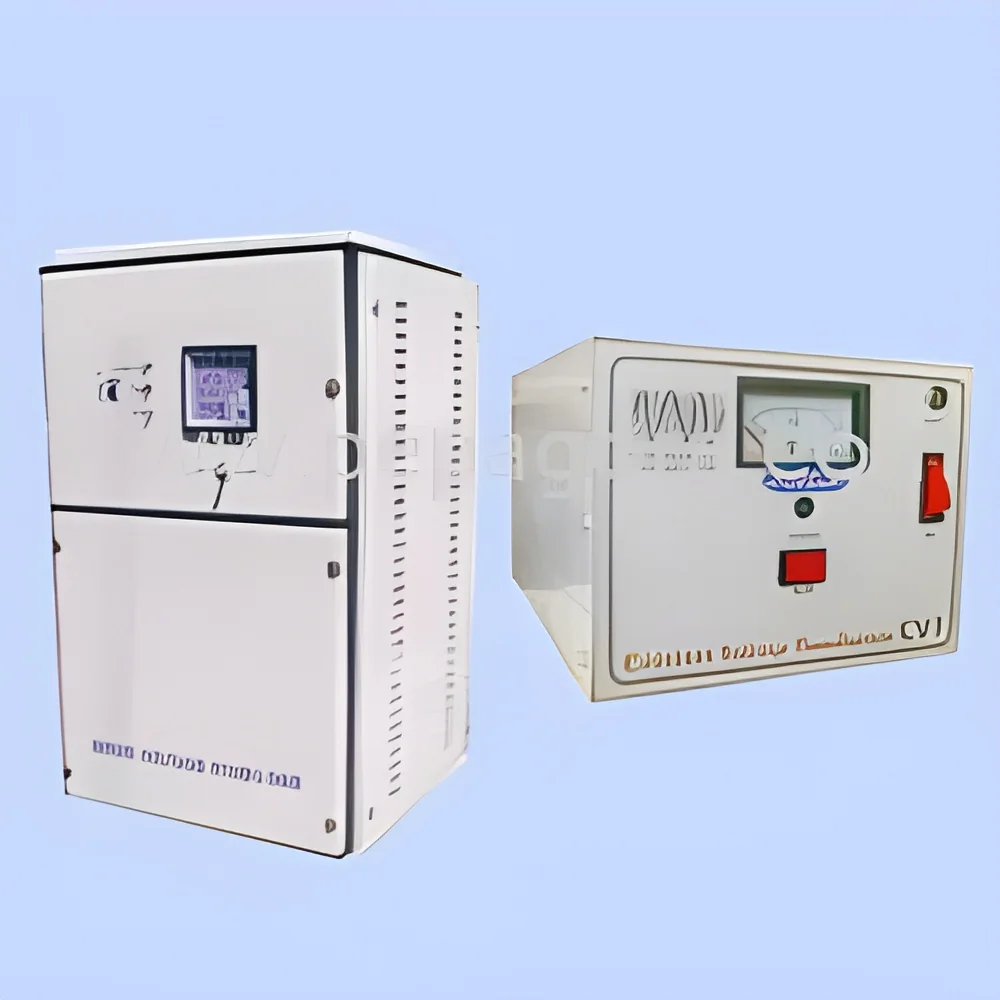
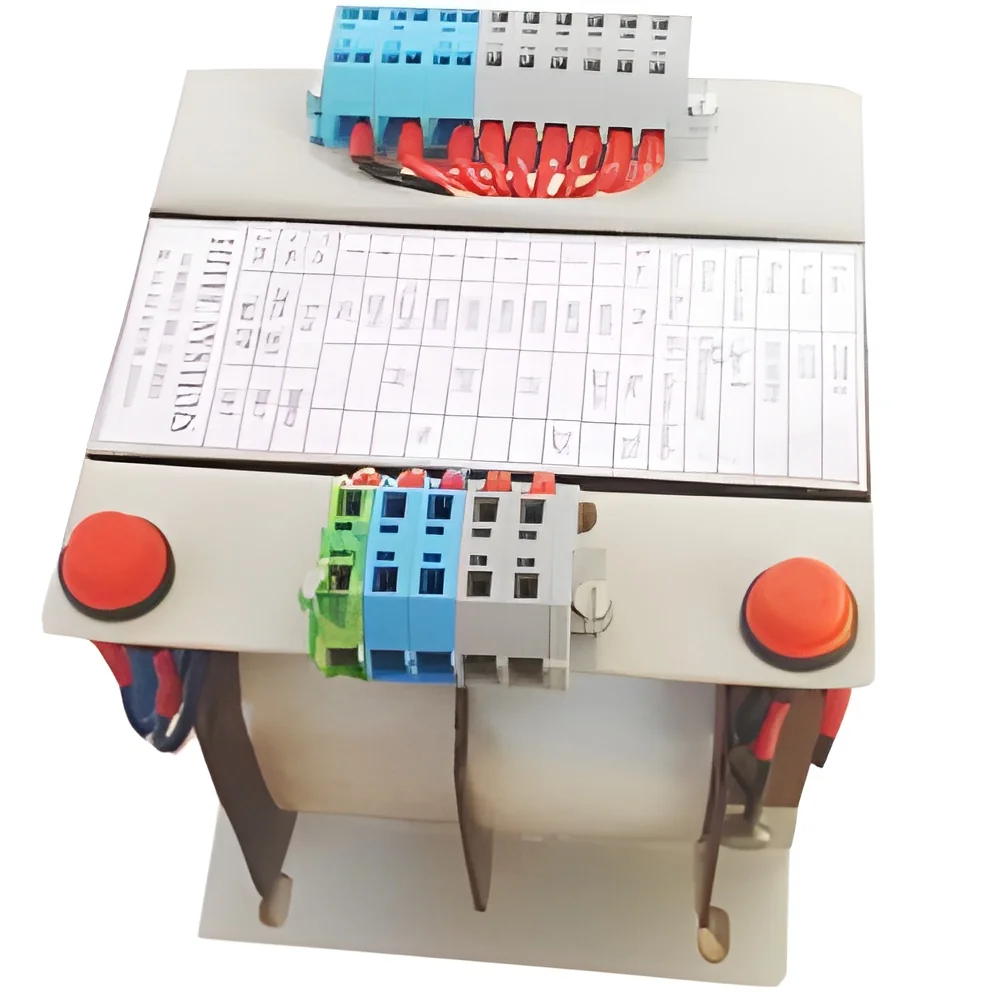
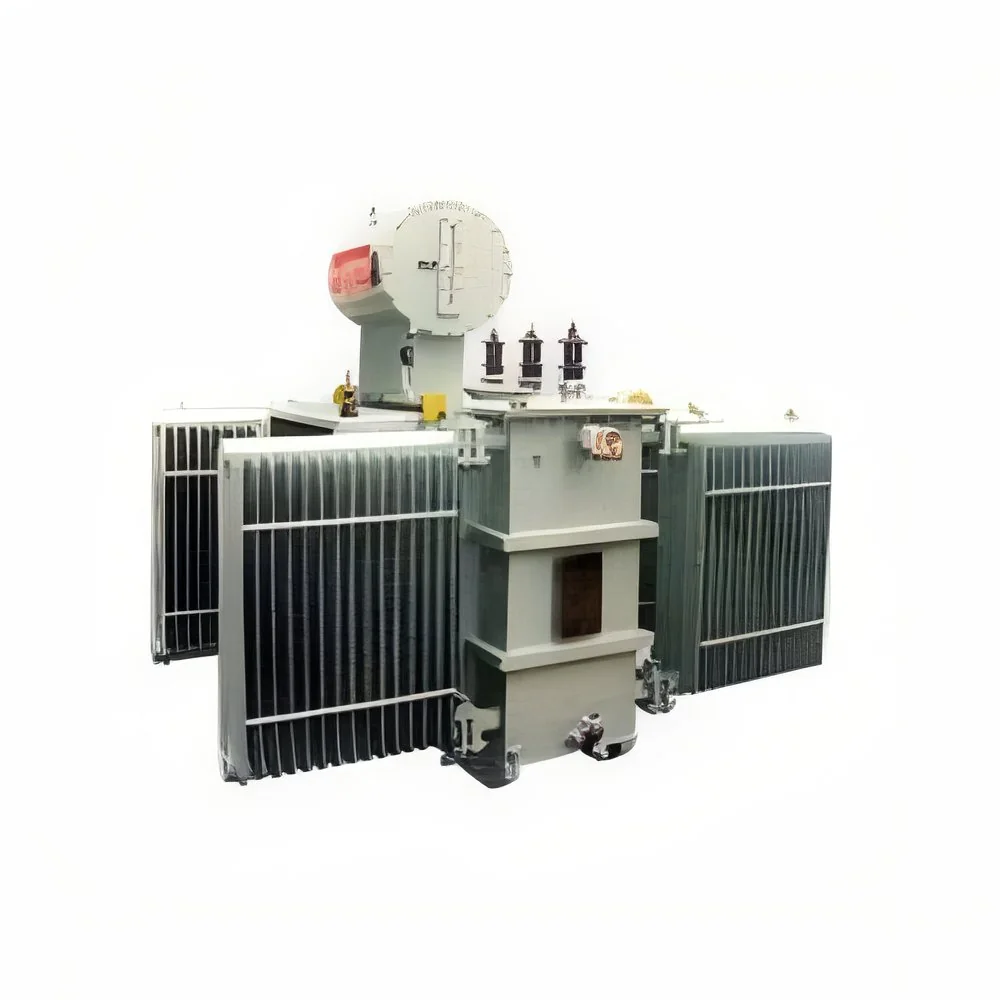
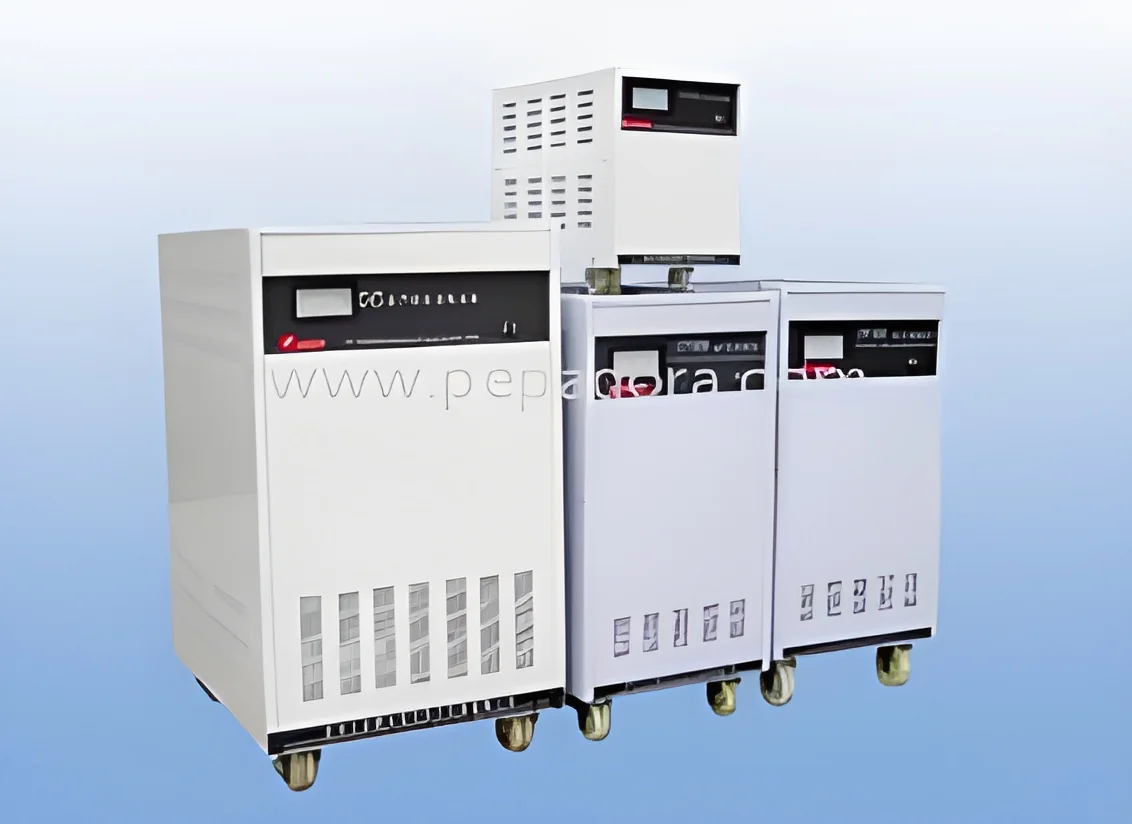
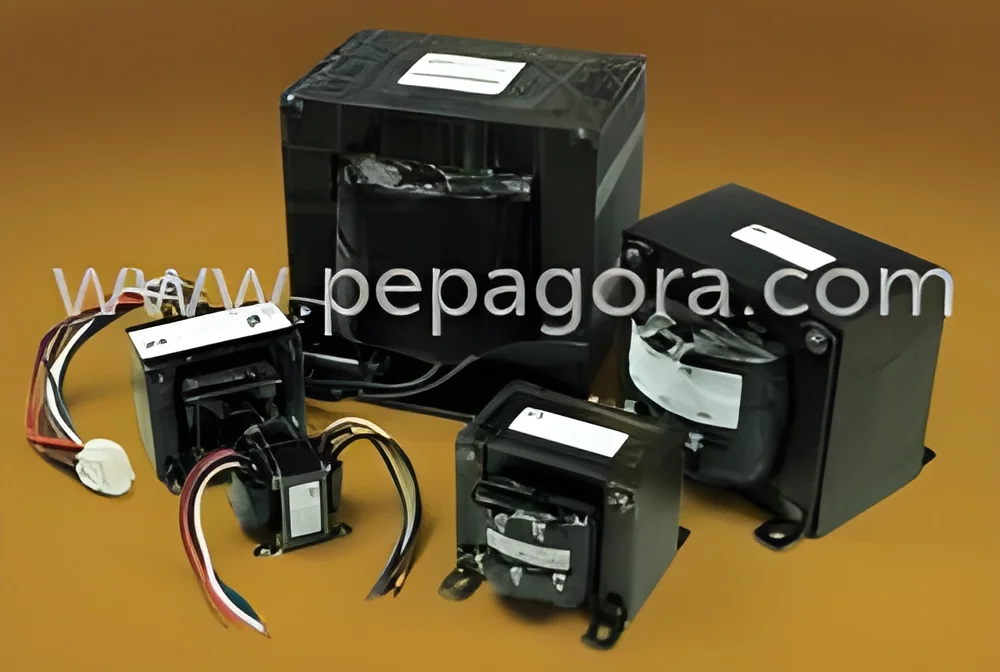
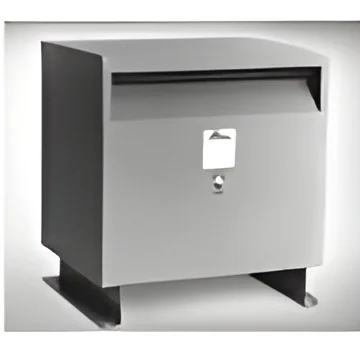
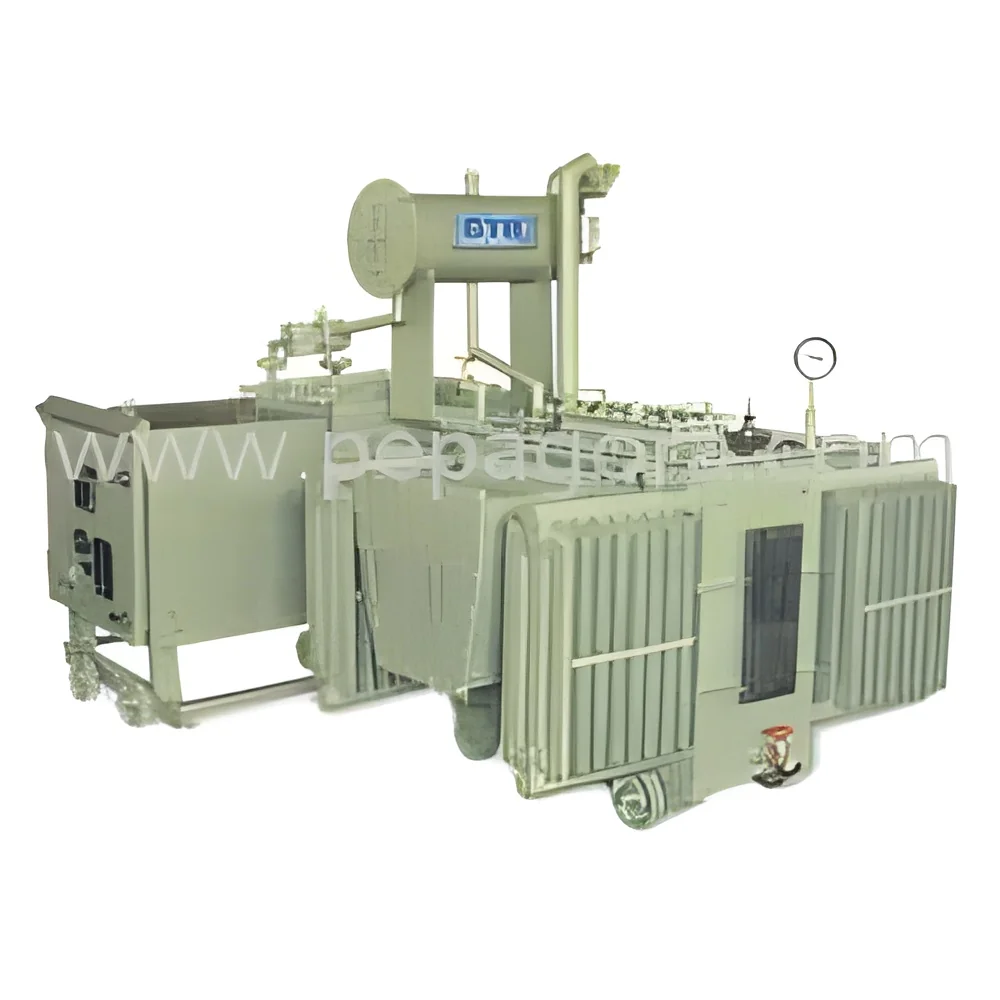
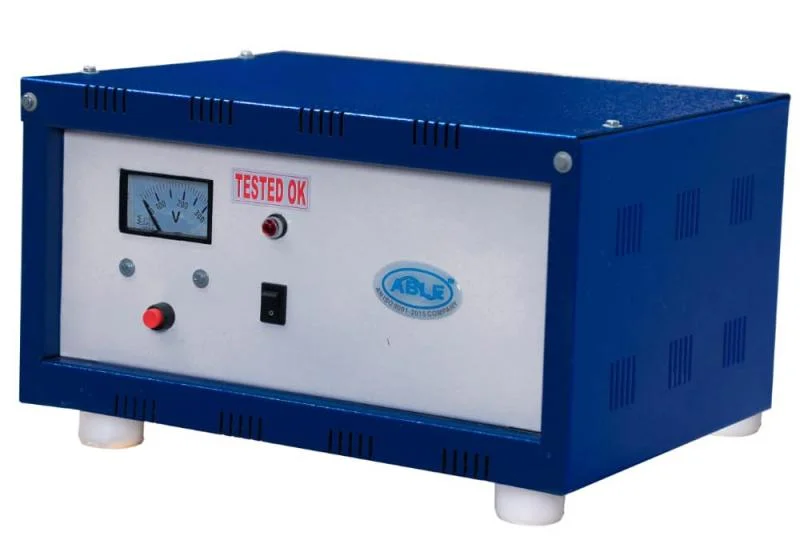
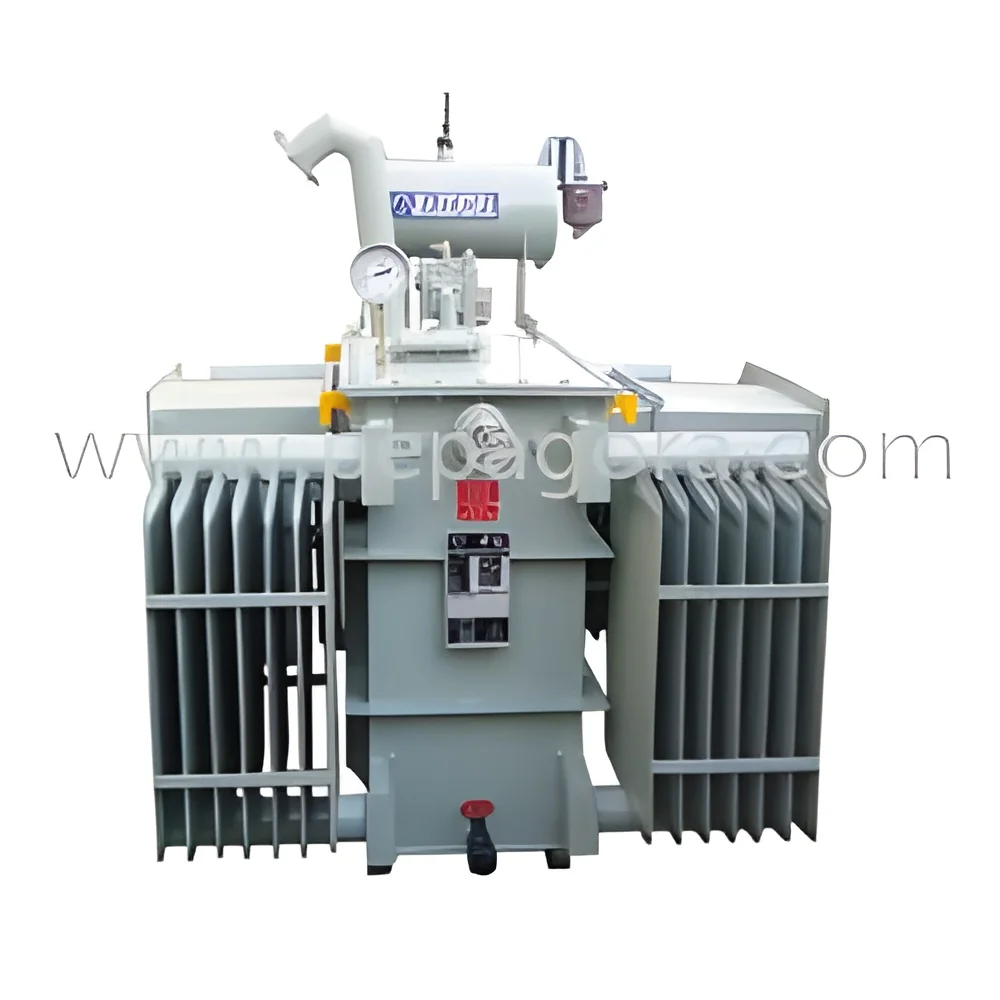
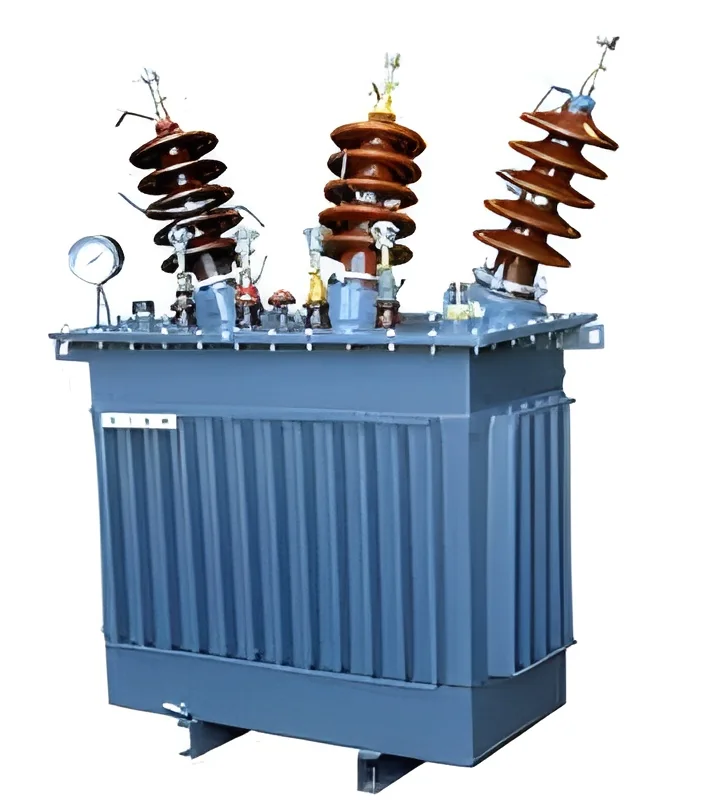
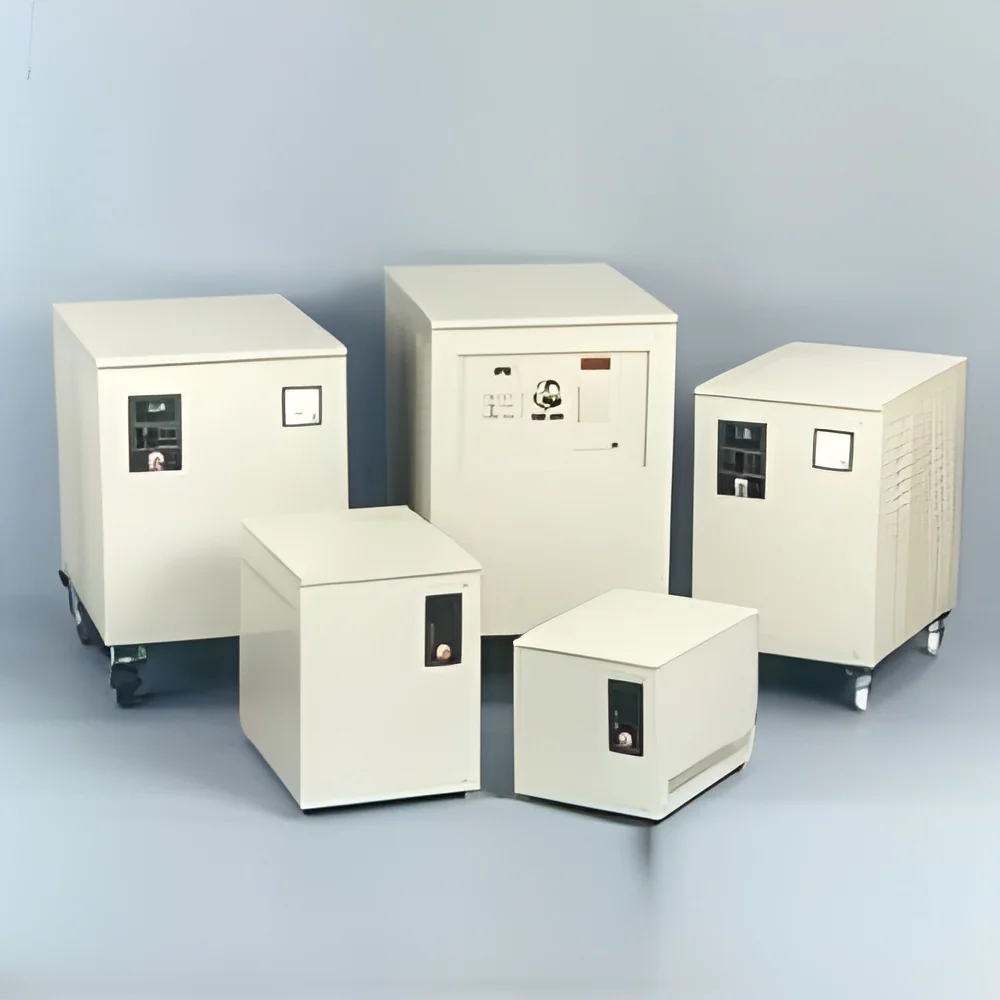
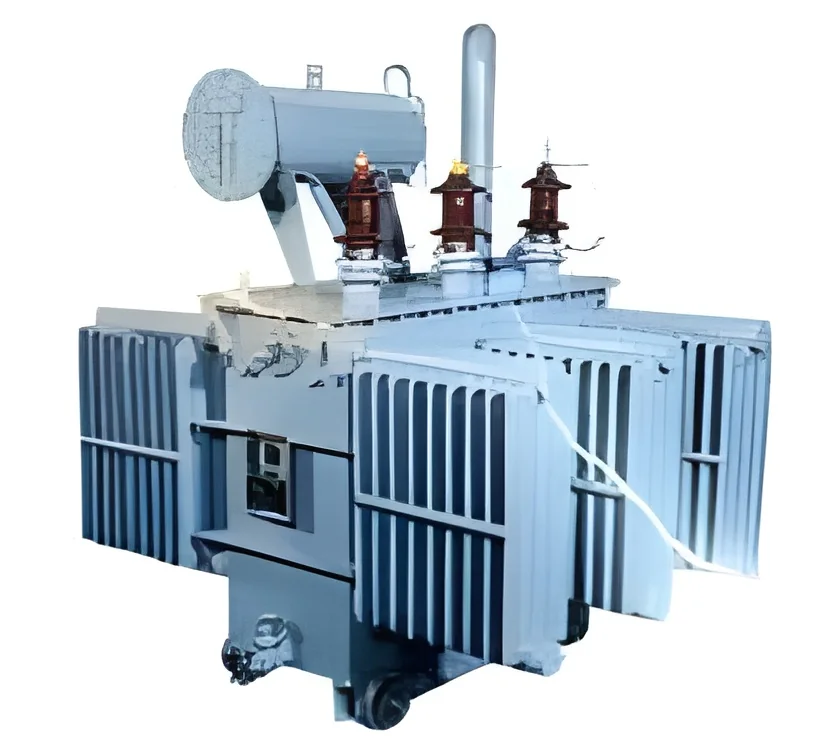
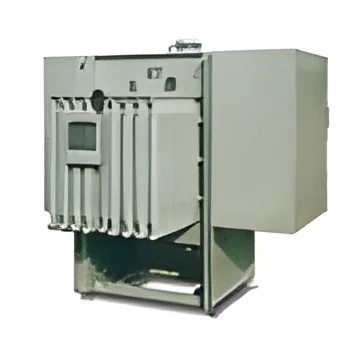
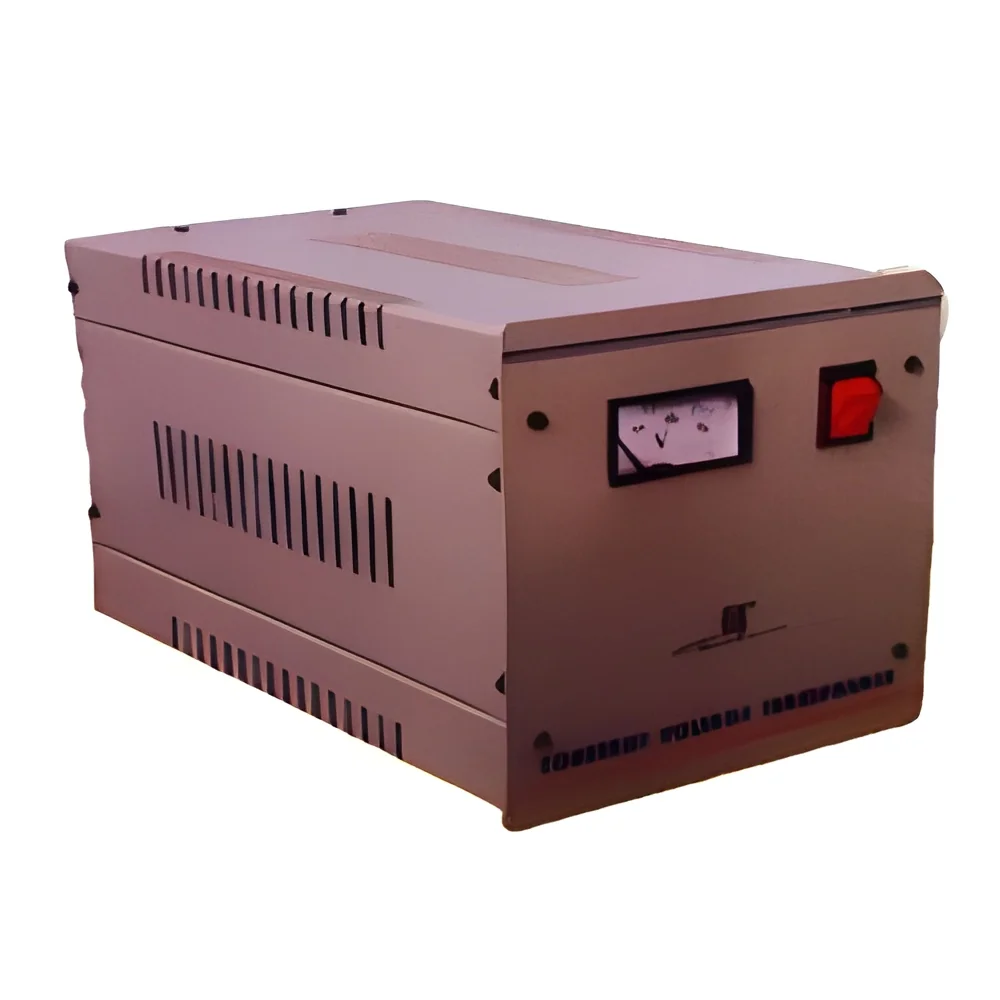
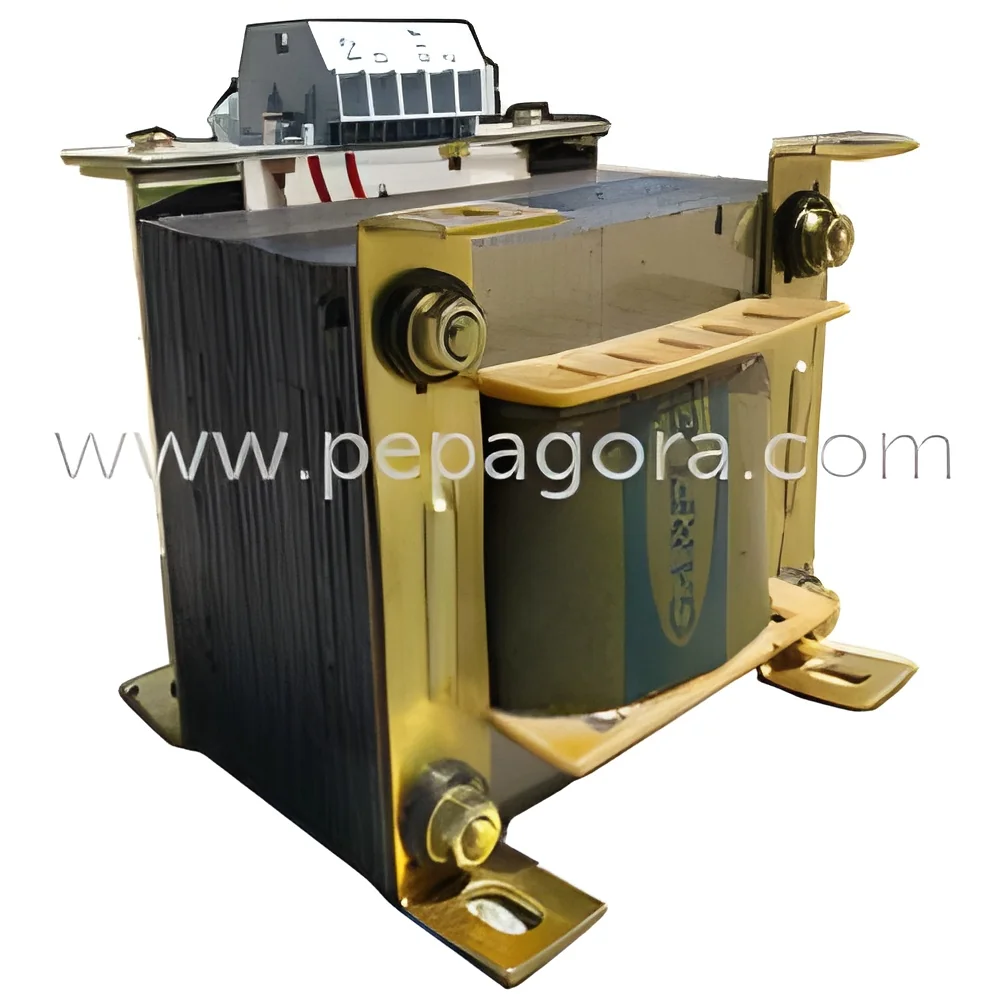
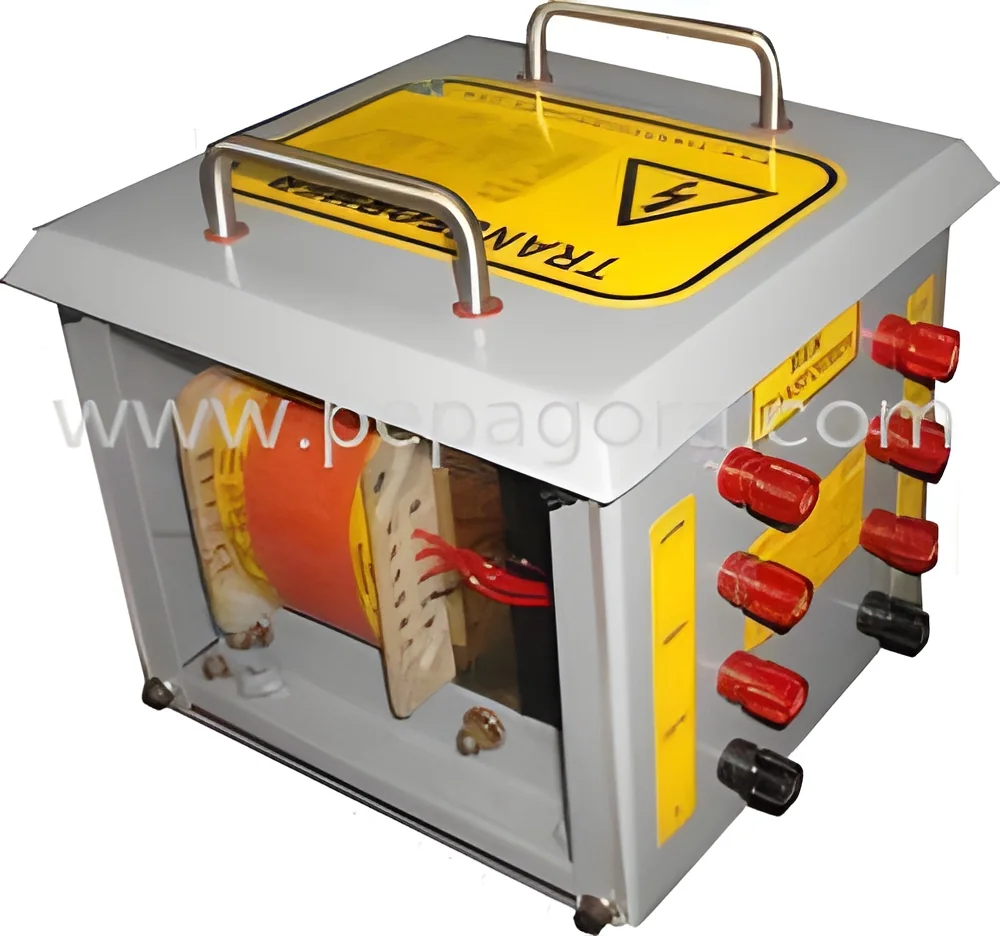
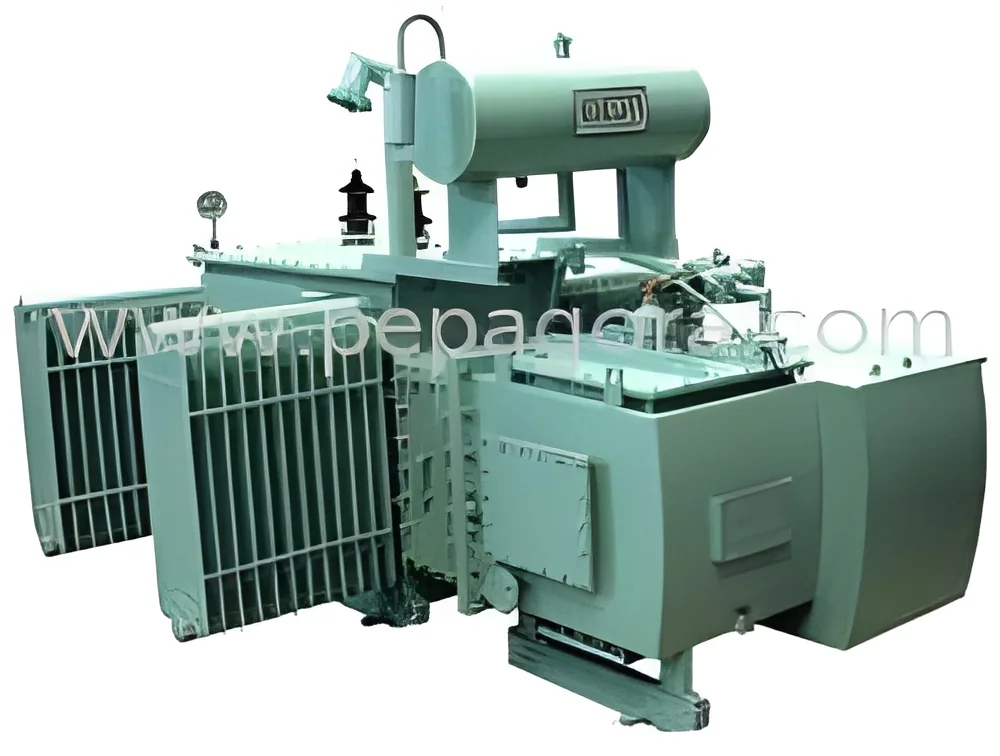
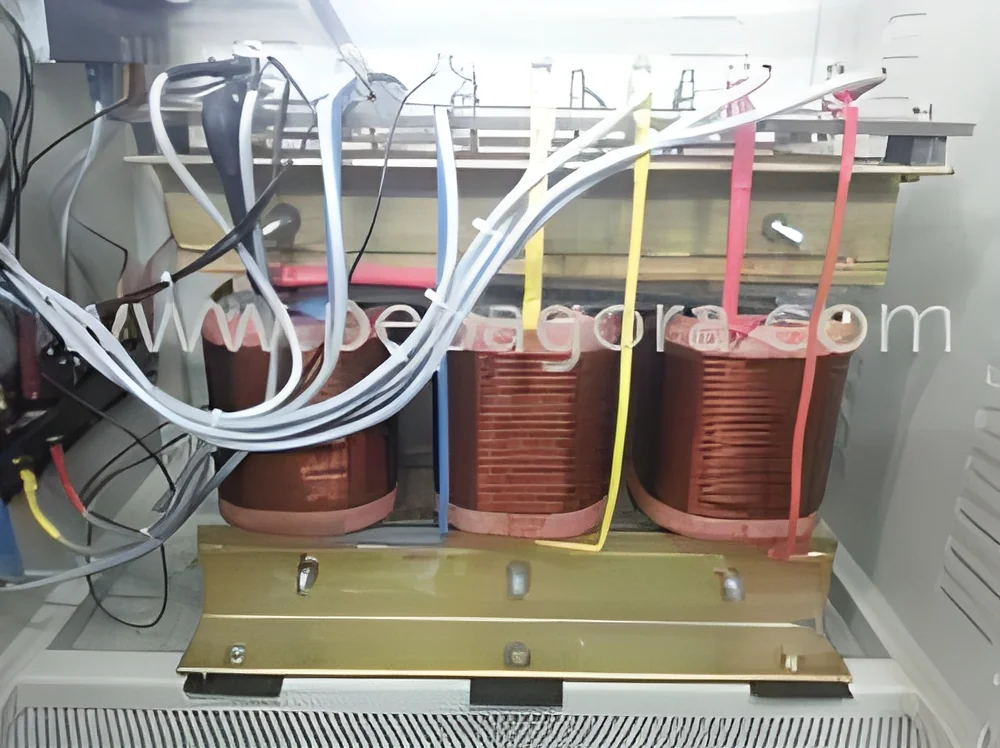
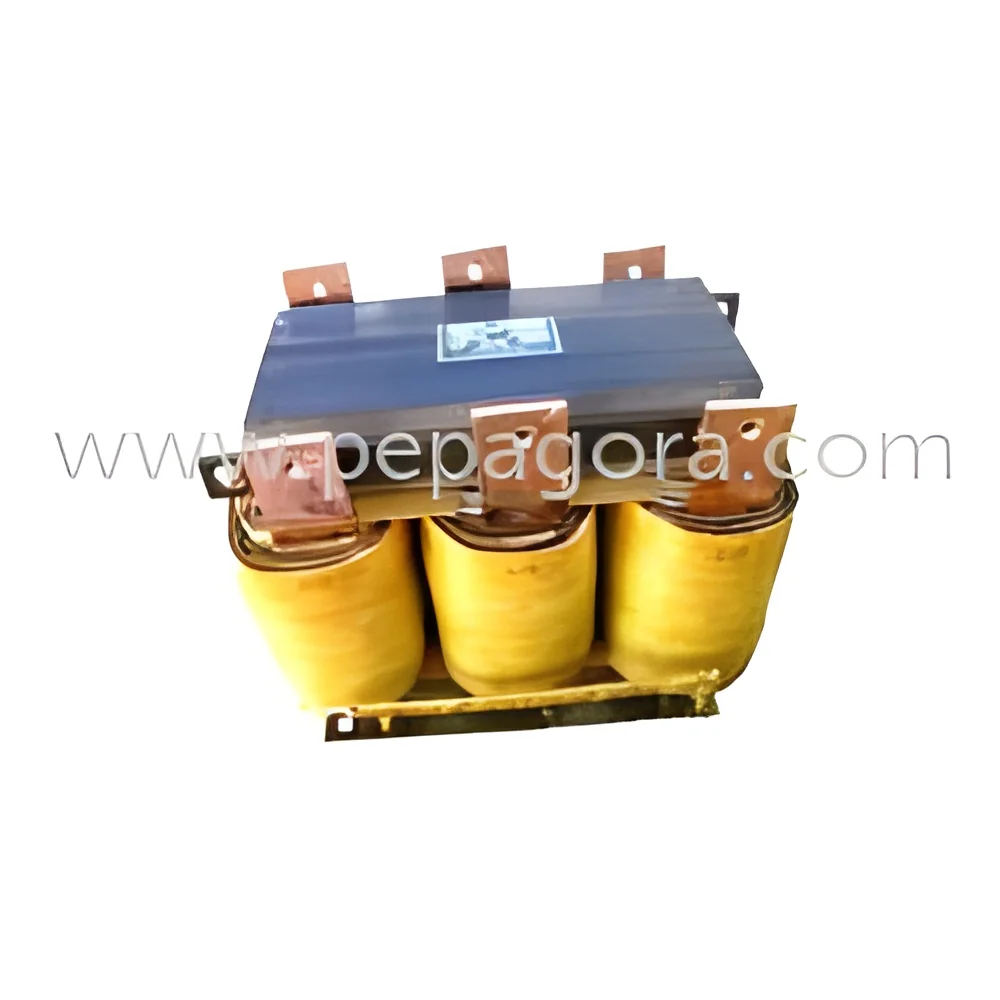
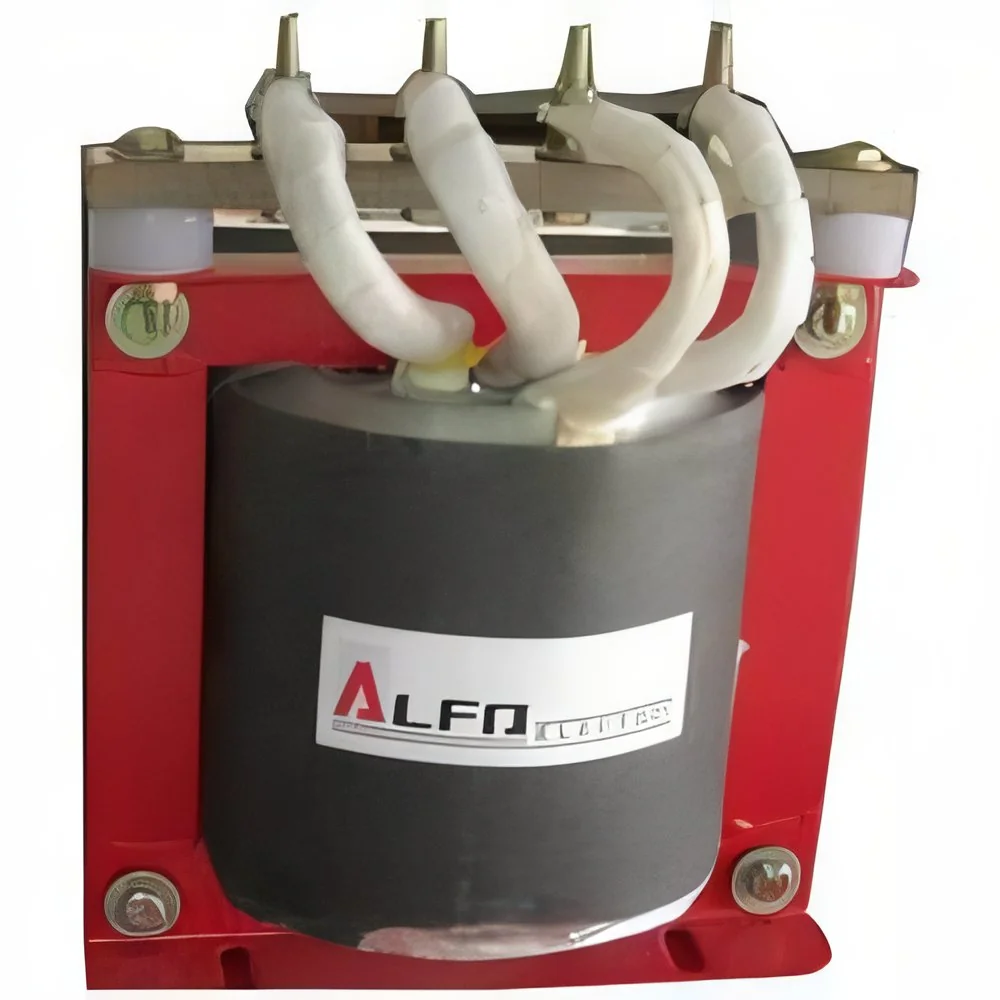
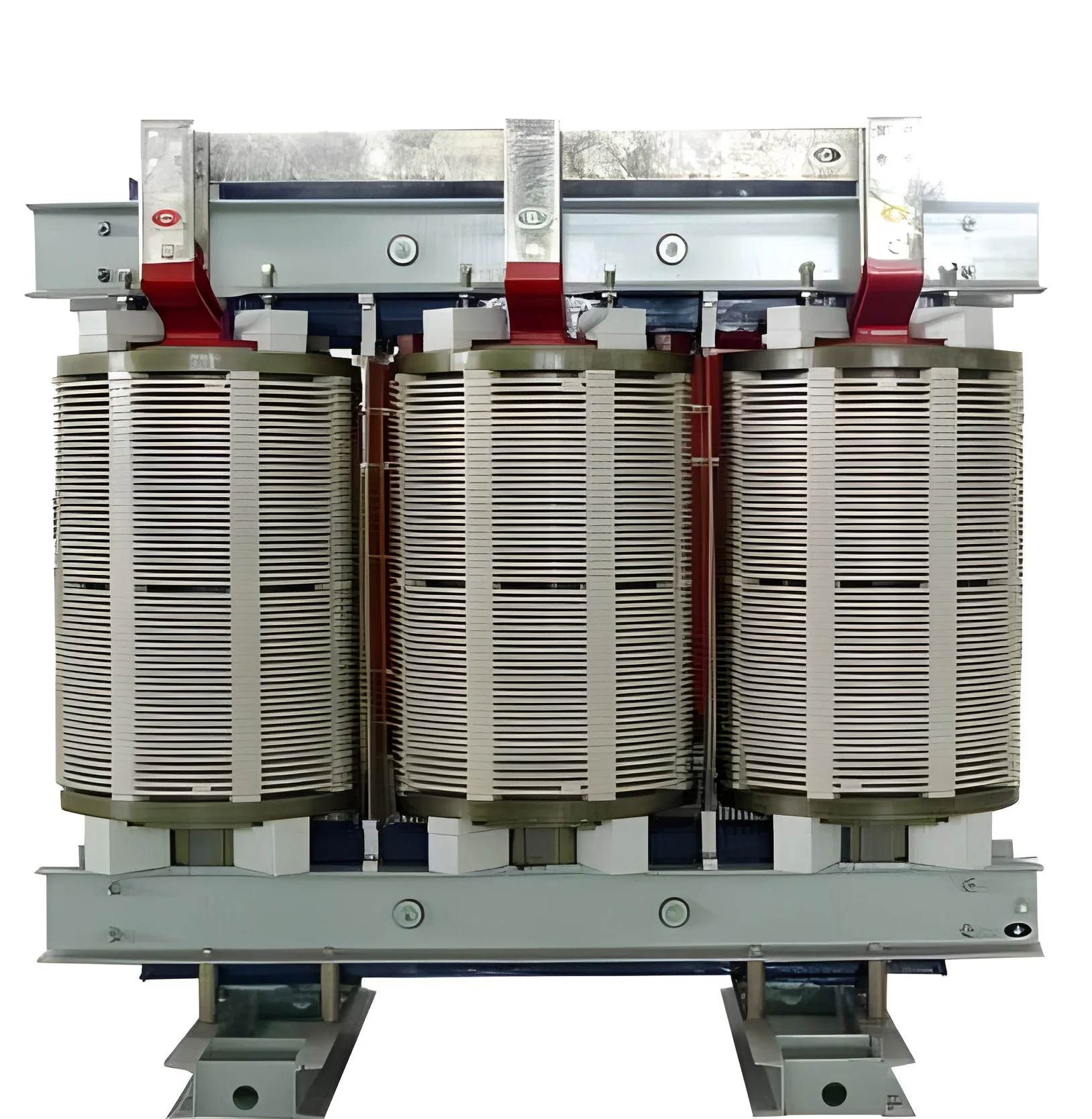
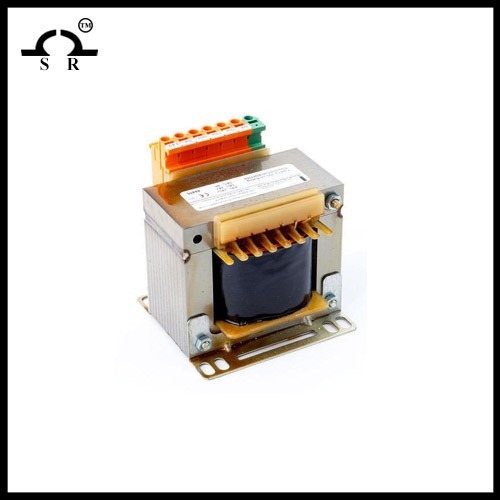
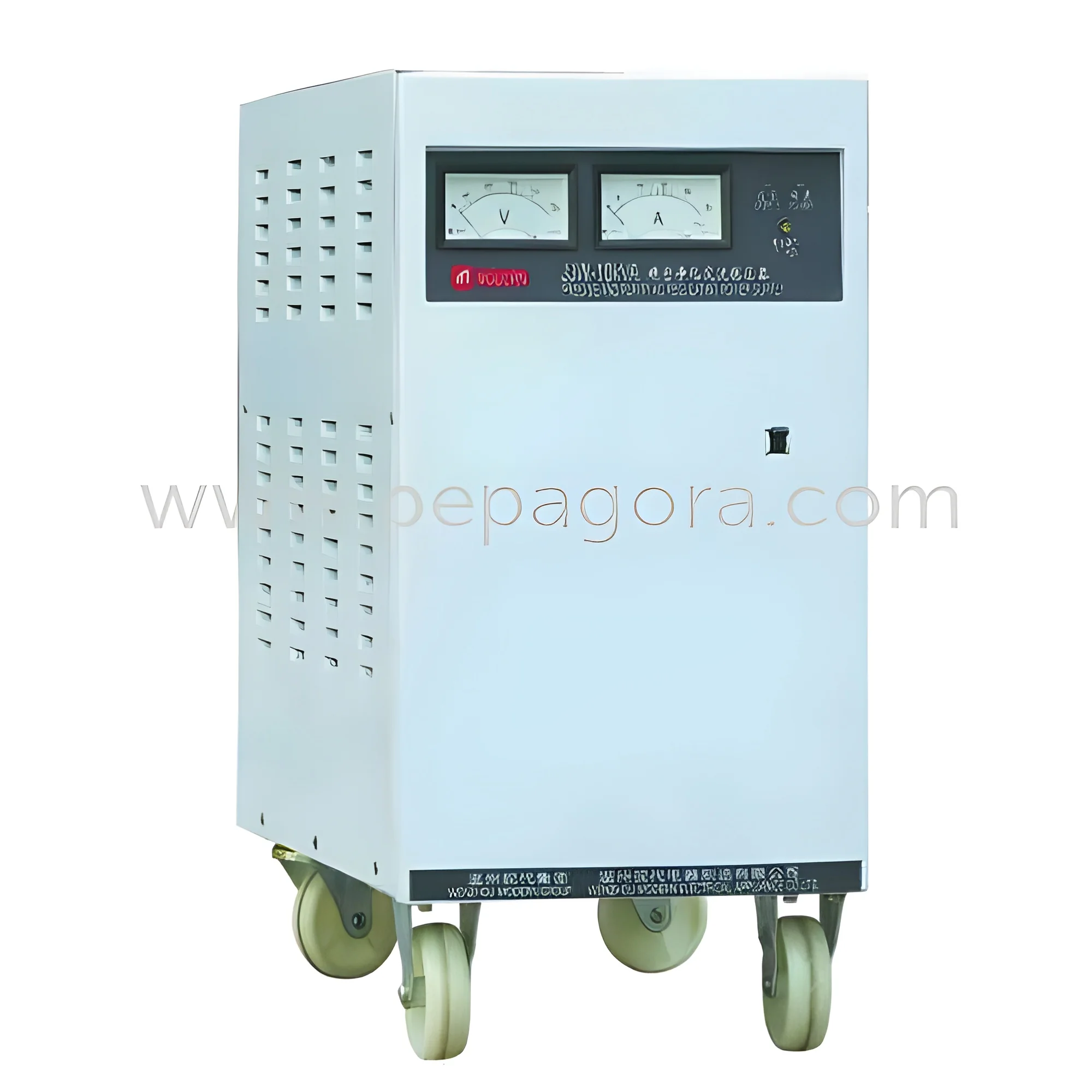
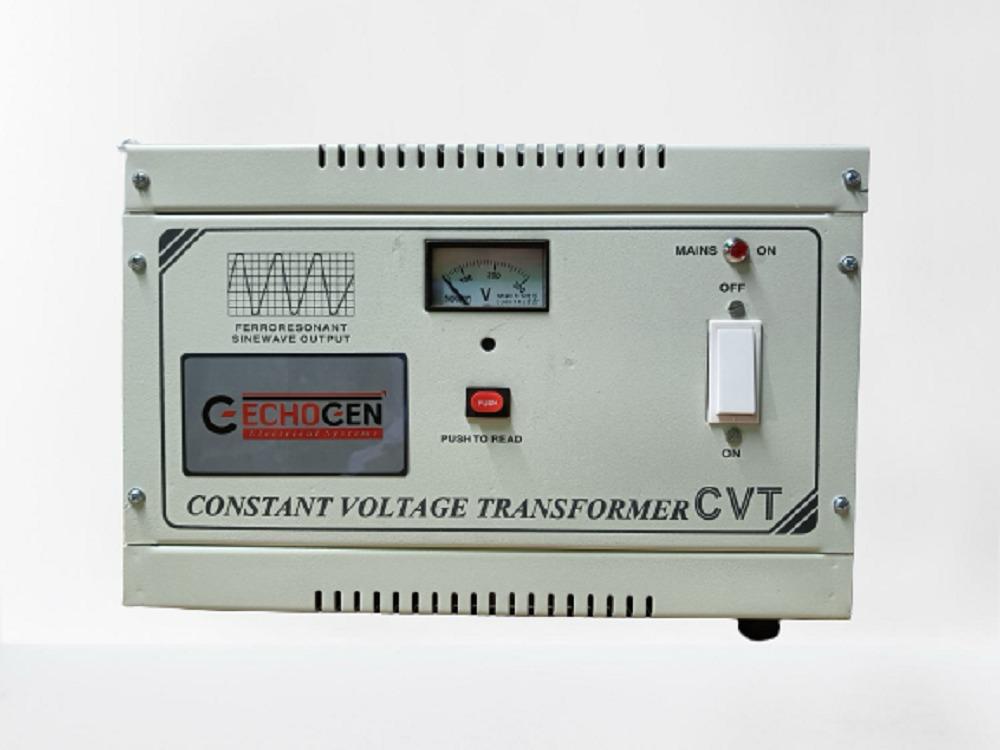
Constant Voltage Transformers (CVTs) are electrical devices designed to maintain a constant output voltage regardless of variations in input voltage or load conditions. They are commonly used in power distribution systems to ensure stable voltage levels for sensitive equipment.
What are the different types of Constant Voltage Transformers (CVTs)?
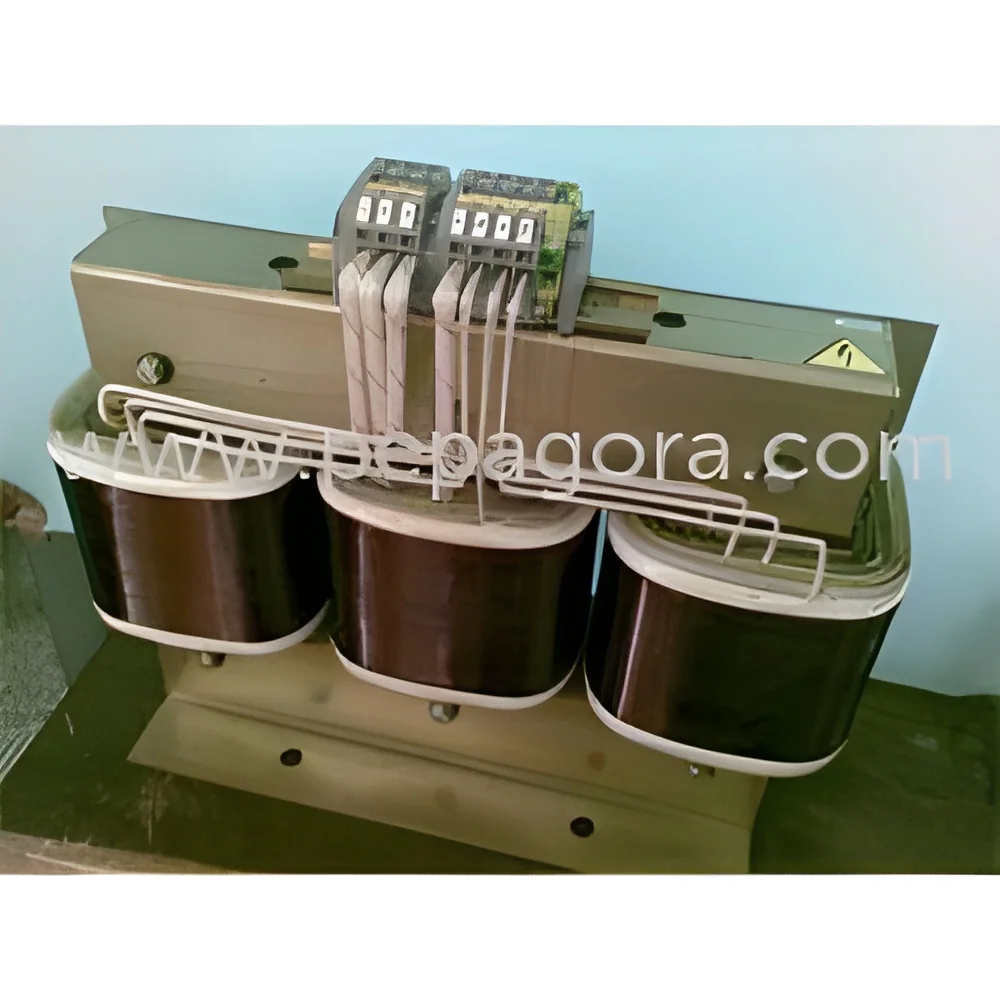
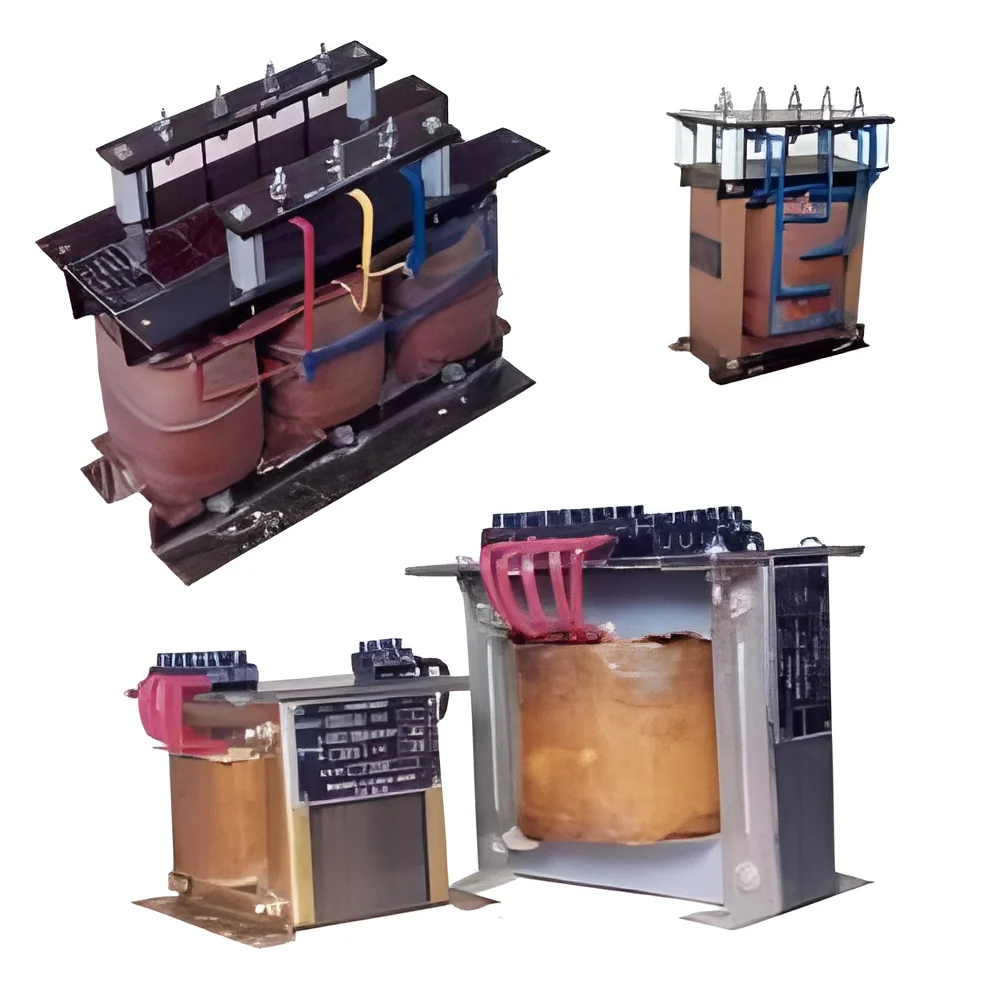
There are several types of Constant Voltage Transformers (CVTs), including electromagnetic CVTs, electronic CVTs, and auto-transformers. Each type operates on different principles and is suitable for various applications, depending on the required voltage stabilization and load conditions.
How do I choose the right Constant Voltage Transformers (CVTs)?
When selecting Constant Voltage Transformers (CVTs), consider factors such as the input voltage range, output voltage requirements, load capacity, and the type of equipment being powered. Additionally, evaluate the efficiency and reliability of the manufacturer to ensure optimal performance.
What are the standard specifications for Constant Voltage Transformers (CVTs)?
Standard specifications for Constant Voltage Transformers (CVTs) typically include output voltage rating, frequency, power rating, efficiency, and thermal performance. It's important to refer to the manufacturer's datasheet for detailed specifications tailored to specific applications.
What is the price range for Constant Voltage Transformers (CVTs)?
The price range for Constant Voltage Transformers (CVTs) can vary significantly based on factors such as capacity, features, and manufacturer. Generally, prices can start from a few thousand Indian Rupees for low-capacity units and go up to several lakhs for high-capacity or specialized models.
What quality standards apply to Constant Voltage Transformers (CVTs)?
Constant Voltage Transformers (CVTs) are subject to various quality standards, including ISO certifications and compliance with international electrical standards like IEC and ANSI. These standards ensure that CVTs meet safety, performance, and reliability criteria.
Where can I find Constant Voltage Transformers (CVTs) suppliers in India?
You can find suppliers of Constant Voltage Transformers (CVTs) in India through online B2B marketplaces like Pepagora, industry trade shows, and manufacturer directories. It's advisable to compare multiple suppliers to assess their product offerings and customer reviews.
Can Constant Voltage Transformers (CVTs) be customized?
Yes, many manufacturers offer customization options for Constant Voltage Transformers (CVTs) to meet specific requirements. Customizations may include adjustments to voltage ratings, power capacity, and enclosure types based on the intended application.
What is the typical minimum order quantity for Constant Voltage Transformers (CVTs)?
The typical minimum order quantity (MOQ) for Constant Voltage Transformers (CVTs) can vary among manufacturers. Generally, MOQs may range from 1 unit for standard models to larger quantities for customized or bulk orders.
What is the typical lead time for Constant Voltage Transformers (CVTs)?
The typical lead time for Constant Voltage Transformers (CVTs) varies based on factors such as product availability, customization, and supplier location. Generally, lead times can range from a few weeks for standard models to several months for custom-built units.
Why Businesses Trust Pepagora
Thousands of companies trust Pepagora to source smarter and sell faster
Expand Your Sales Globally

Source Smarter,Grow Faster
