What are Power Transformers?
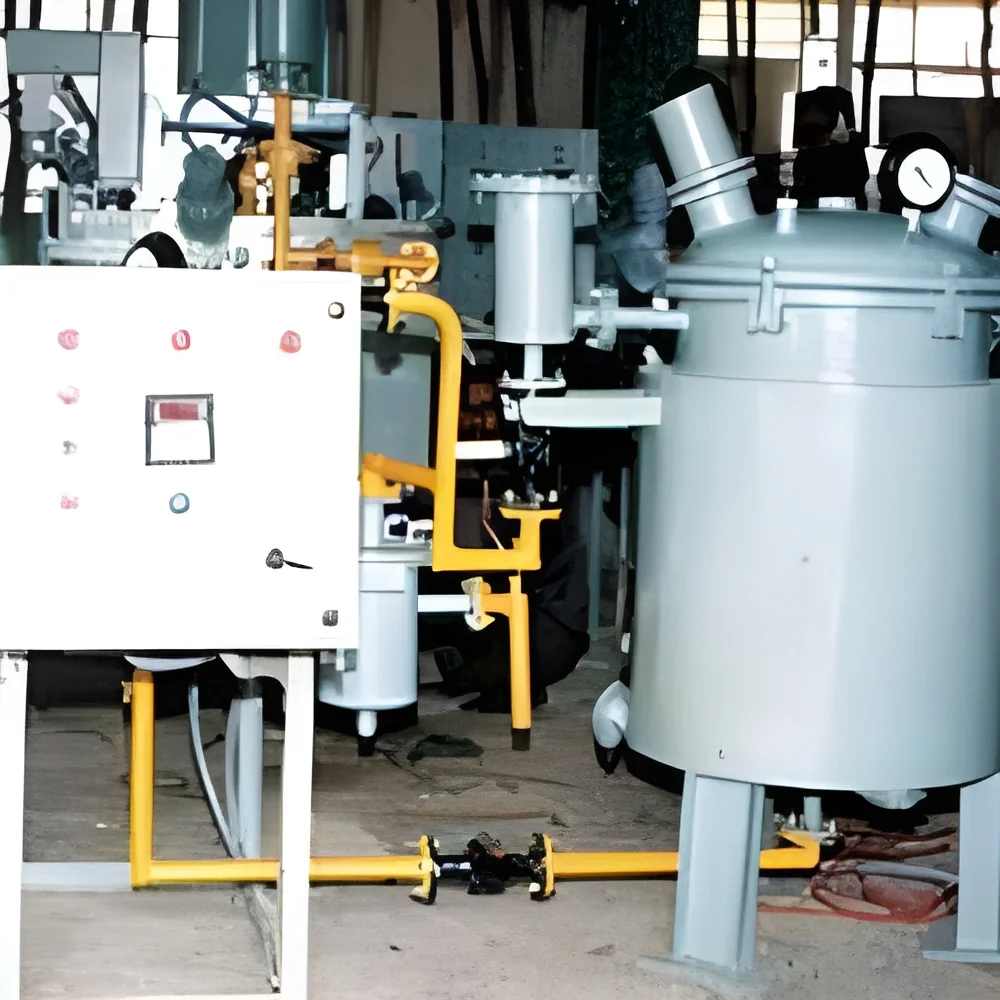
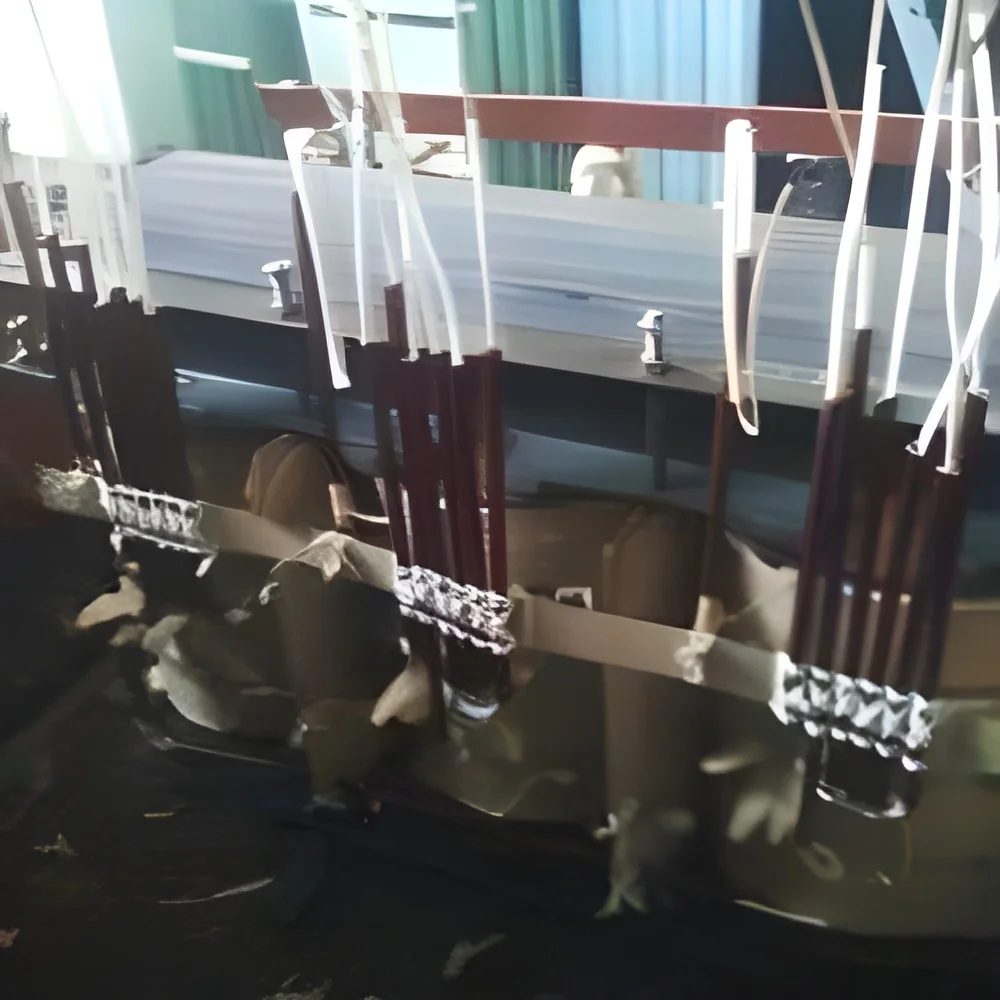
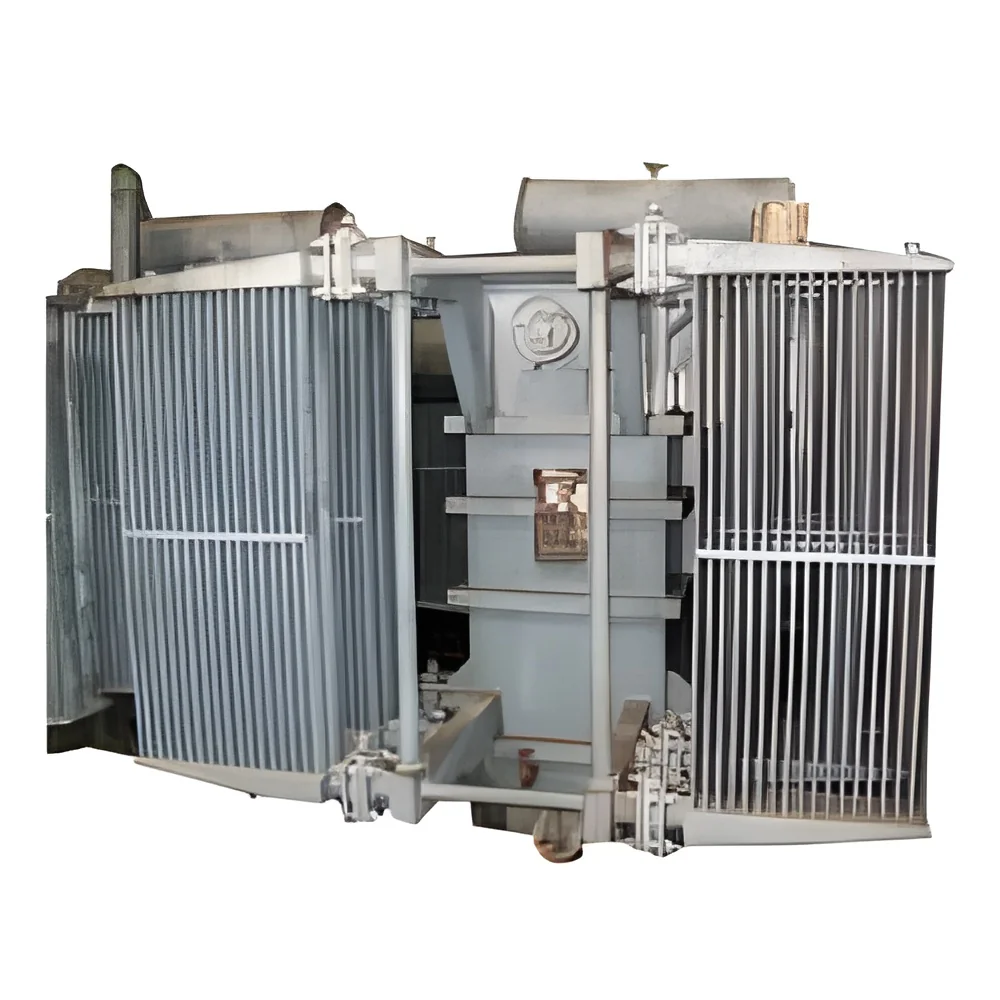
Power transformers are critical electrical devices that transfer electrical energy between two or more circuits through electromagnetic induction. They are designed to either step up or step down voltage levels, allowing for efficient transmission and distribution of electrical power across long distances. By altering voltage levels, power transformers ensure that electricity can be delivered safely and effectively, minimizing losses that can occur during transmission.
These transformers play a vital role in various sectors, including power generation, transmission, and distribution. They are commonly used in substations to connect high-voltage transmission lines to lower-voltage distribution networks. Businesses rely on power transformers to ensure the stability and reliability of their electrical systems, making them essential for industrial operations, commercial buildings, and utility infrastructures. The growing demand for energy, coupled with the need for modernization in electrical grid systems, has increased the significance of power transformers in the market.
Key Features and Specifications
Power transformers come equipped with several essential features that enhance their performance and reliability. These features ensure that they meet the demands of various industrial applications while adhering to safety and efficiency standards.
Key specifications include:
1. Voltage Rating
- Determines the maximum voltage the transformer can handle.
- Typically ranges from a few kilovolts to several hundred kilovolts.
2. Power Rating
- Refers to the transformer's capacity to transfer power, measured in megavolt-amperes (MVA).
- Common ratings vary widely based on application needs.
3. Efficiency
- Indicates the ratio of output power to input power, essential for minimizing energy loss.
- Generally above 95% for high-quality transformers.
4. Insulation Class
- Specifies the type of insulation materials used, ensuring safe operation under different environmental conditions.
- Common classes include A, B, F, and H.
5. Cooling Method
- Describes how heat is dissipated, with common methods including oil-immersed and air-cooled.
- Affects operational efficiency and longevity.
6. Impedance Voltage
- Represents the voltage drop across the transformer when full load current flows.
- Usually expressed as a percentage.
7. Short-Circuit Withstand Strength
- Indicates the transformer's ability to withstand short-circuit conditions without sustaining damage.
- Critical for ensuring reliability in power systems.
8. Regulatory Compliance
- Ensures that the transformer meets necessary safety and performance standards, such as CE certification.
These specifications play a crucial role in determining the suitability of power transformers for various applications, ensuring they meet industry demands.
Common Applications and Use Cases
Power transformers are utilized across a broad spectrum of industries, each requiring specific functionalities to meet their operational needs.
1. Utility Sector: Power transformers are essential for electricity generation and distribution, connecting power plants to the grid and facilitating the step-up and step-down of voltage levels.
2. Industrial Manufacturing: Factories and manufacturing plants rely on power transformers to provide the necessary voltage levels for machinery and equipment, ensuring efficient production processes.
3. Renewable Energy: In wind and solar power installations, transformers are used to manage the voltage generated and integrate renewable sources into the existing grid.
4. Commercial Buildings: Large commercial properties utilize power transformers to distribute electrical power effectively while maintaining safety and operational efficiency.
5. Data Centers: These facilities depend on power transformers to ensure a stable and reliable power supply, crucial for maintaining the operation of servers and networking equipment.
6. Rail and Transportation: Power transformers are employed in rail systems to manage the electrification of rail networks, ensuring safe and efficient transport services.
7. Mining Operations: In mining, power transformers facilitate the distribution of electricity needed for heavy machinery and processing operations.
Product Variants and Subcategories
Power transformers come in various configurations and variants to address specific industry requirements. Each variant is designed with unique features to optimize performance for different applications.
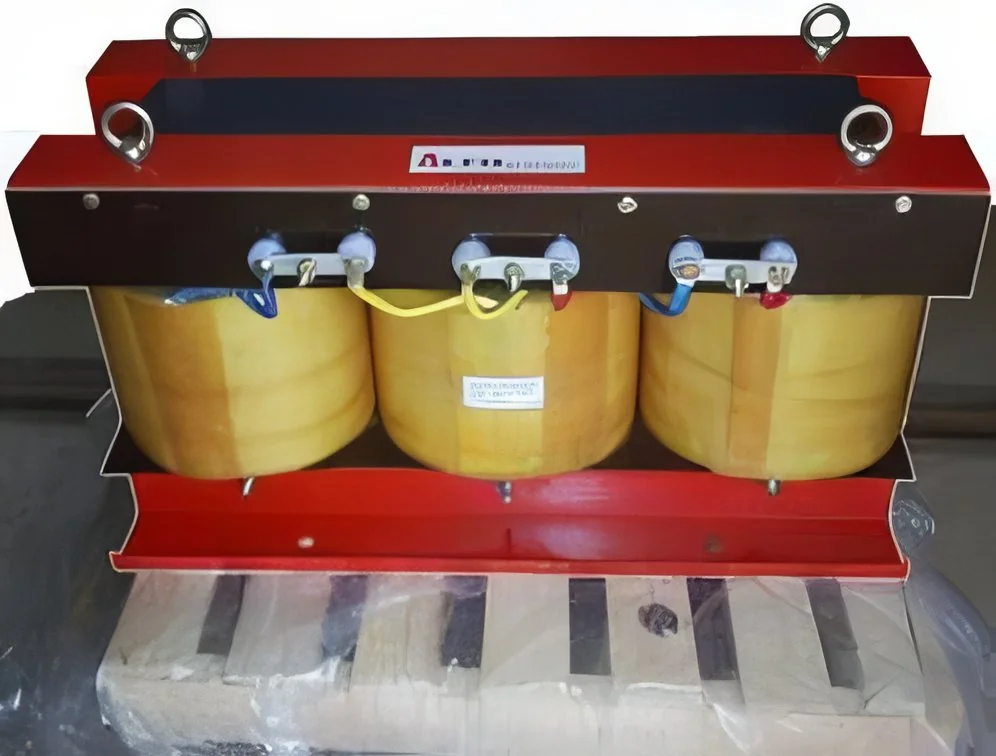
Dry-Type Transformers: These transformers use air as a cooling medium and are suitable for indoor applications where fire safety is a concern. They are commonly used in commercial and industrial settings.
Oil-Immersed Transformers: Utilizing oil for cooling and insulation, these transformers are designed for outdoor applications and can handle higher power ratings. They are typically used in substations and large industrial facilities.
Phase-Shifting Transformers: These specialized transformers are designed to control power flow and improve system stability in complex electrical networks. They are often used in utility applications.
Step-Up Transformers: These transformers increase voltage levels for efficient long-distance transmission. They are commonly found in power generation facilities.
Step-Down Transformers: Used to decrease voltage levels for safer distribution, these transformers are essential in commercial and residential applications.
Benefits and Advantages
Power transformers offer several advantages that make them indispensable in electrical systems.
1. Efficiency: High-efficiency ratings reduce energy losses during transmission, leading to lower operational costs.
2. Reliability: Power transformers are designed to operate under various conditions, providing consistent performance and minimizing downtime.
3. Versatility: With different configurations and specifications, power transformers can be tailored for a wide range of applications across various industries.
4. Safety: Compliance with industry standards ensures that transformers operate safely, protecting both equipment and personnel.
5. Scalability: Power transformers can be easily integrated into existing systems, allowing for future expansion as energy demands increase.
6. Long Lifespan: With proper maintenance, power transformers can have a long operational life, providing a good return on investment.
Buying Guide for B2B Buyers
When sourcing power transformers, it is crucial for businesses to consider several key factors to ensure they select the right product for their needs.
1. Quality Assessment: Buyers should evaluate the quality of transformers based on materials, manufacturing processes, and adherence to industry standards. High-quality transformers offer better reliability and longevity.
2. Supplier Verification: Vetting suppliers is essential to ensure that they are reputable and can deliver products that meet specifications. This can include checking certifications and customer reviews.
3. Pricing and MOQ: Understanding the pricing structure and minimum order quantities (MOQ) is vital for budgeting. Buyers should compare prices across different suppliers to find the best value.
4. Delivery and Lead Times: Timely delivery is critical for project planning. Buyers should discuss lead times with suppliers to ensure that transformers can be delivered when needed.
5. Compliance Requirements: It is essential to verify that the transformers meet all regulatory compliance requirements relevant to the buyer's region or industry. This includes safety certifications and performance standards.
Compliance and Certifications
Power transformers must adhere to various quality standards and certifications to ensure safety and performance in their applications. Commonly recognized standards include ISO 9001, which denotes a commitment to quality management systems.
Industry certifications such as CE mark indicate compliance with European safety and environmental regulations. These certifications assure buyers that the products meet stringent performance criteria.
Safety and testing requirements are critical in the production of power transformers. Manufacturers typically conduct rigorous testing to ensure that transformers can withstand operational stresses and comply with safety regulations.
Regional compliance considerations are also essential, as different regions may have specific standards or requirements. Buyers should ensure that the transformers they procure meet local regulations relevant to their operational area.
Why Source Power Transformers from Pepagora?
Pepagora offers a reliable platform for sourcing power transformers, providing numerous advantages for businesses.
Verified Supplier Network: Pepagora connects buyers with a network of verified suppliers, ensuring that they can source high-quality power transformers from trusted manufacturers.
Streamlined RFQ Process: The platform provides a simplified request-for-quotation (RFQ) process, enabling buyers to easily compare quotes from multiple suppliers and make informed purchasing decisions.
Trade Assurance and Support: Pepagora offers trade assurance, providing buyers with protection and support throughout the sourcing process. This ensures a smoother transaction experience.
Regional Coverage: With a focus on regions such as India, the GCC, and Southeast Asia, Pepagora enables businesses to find power transformers suited to their local markets while facilitating international trade.

 IN
IN