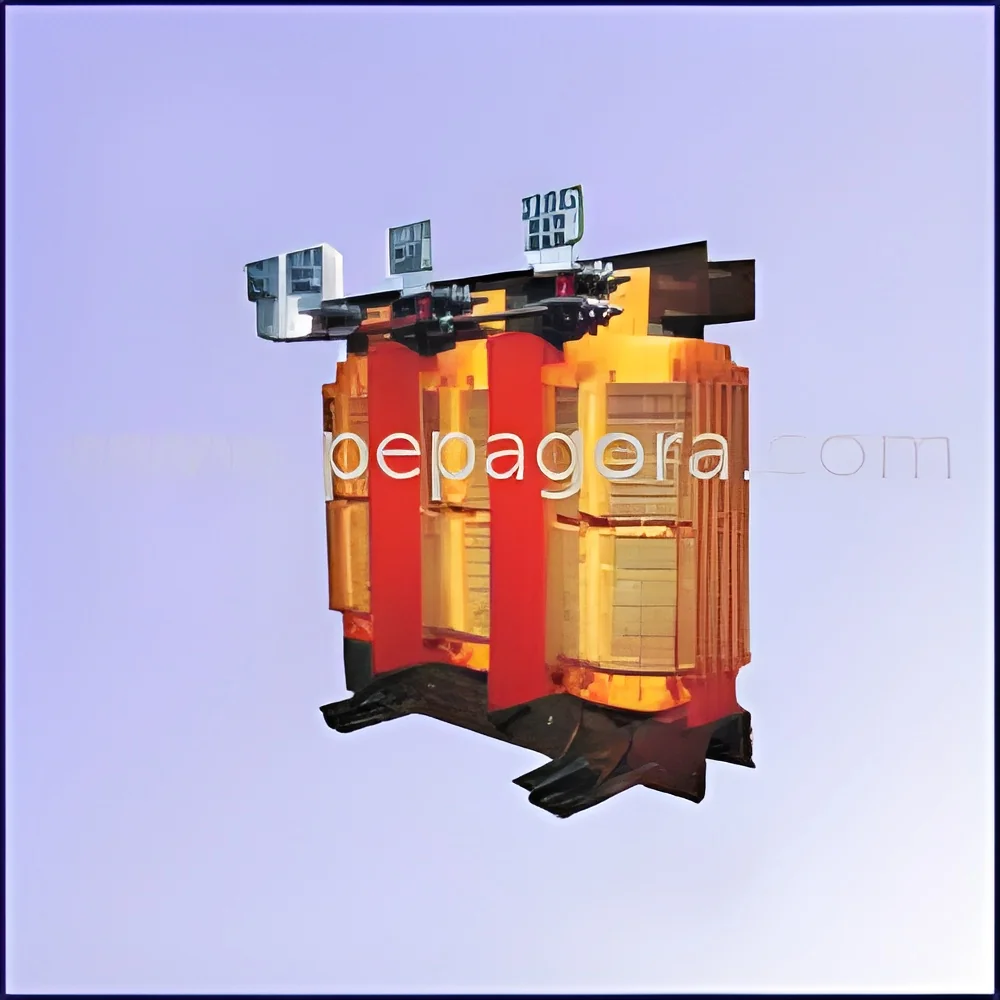
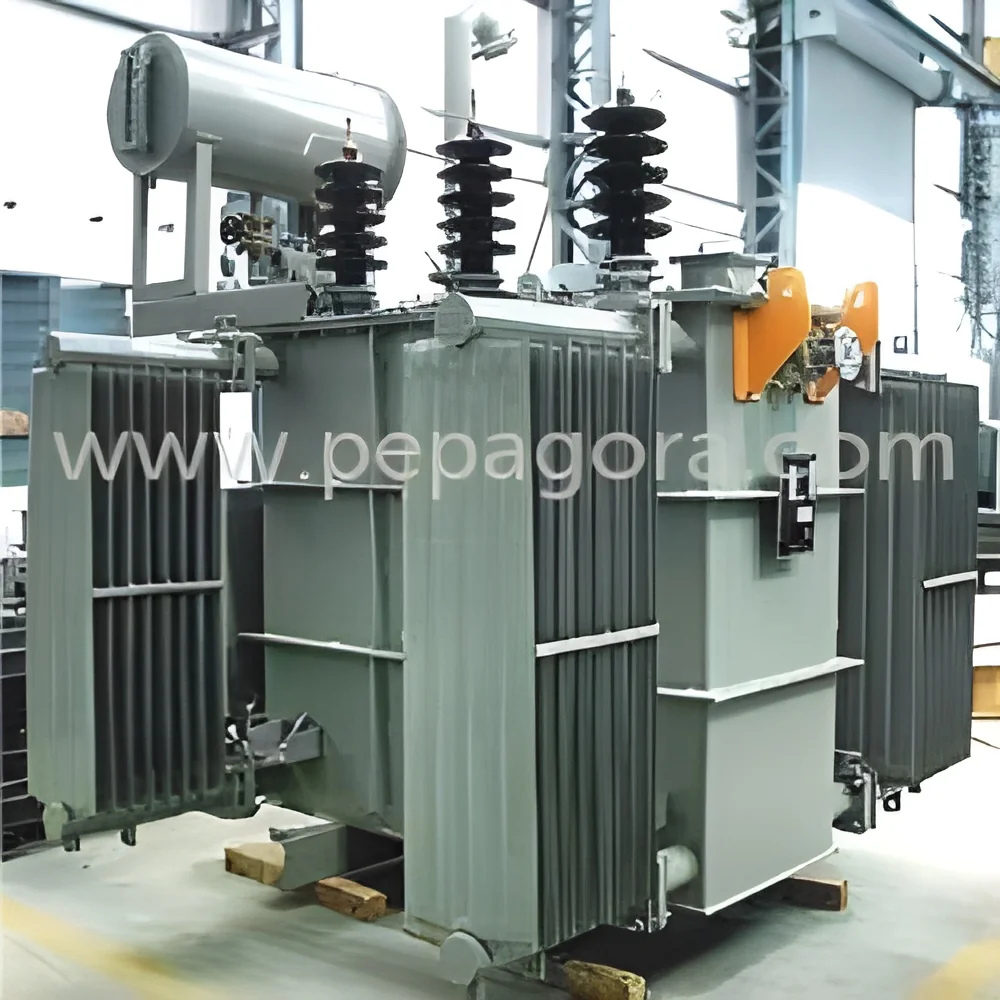
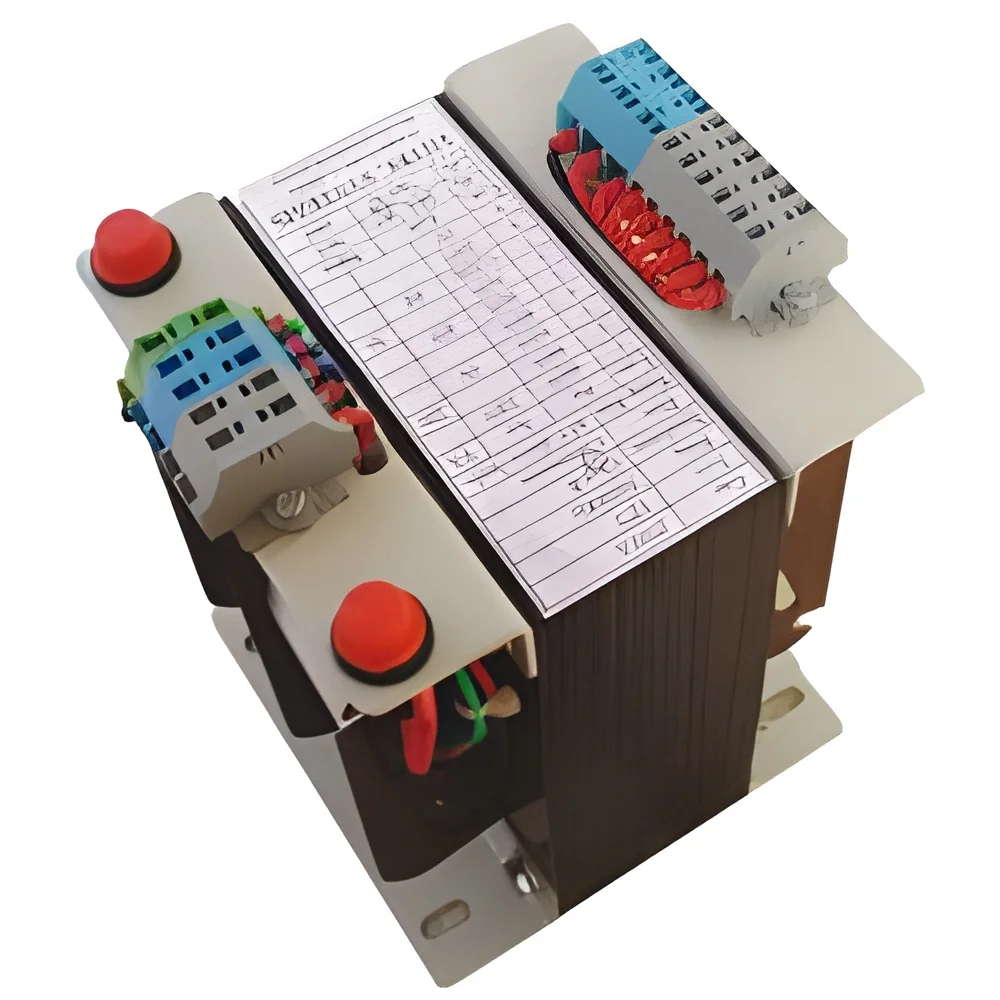
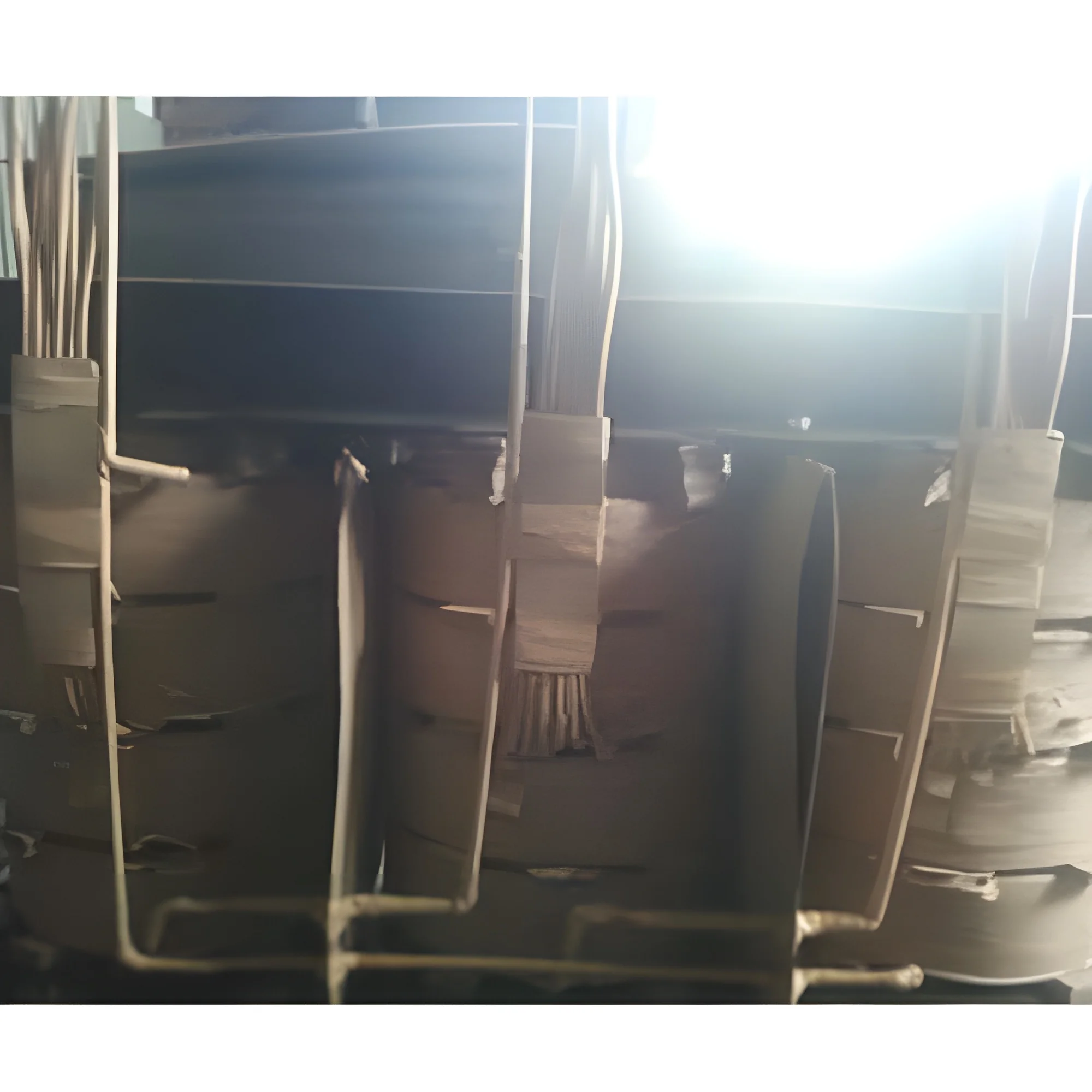
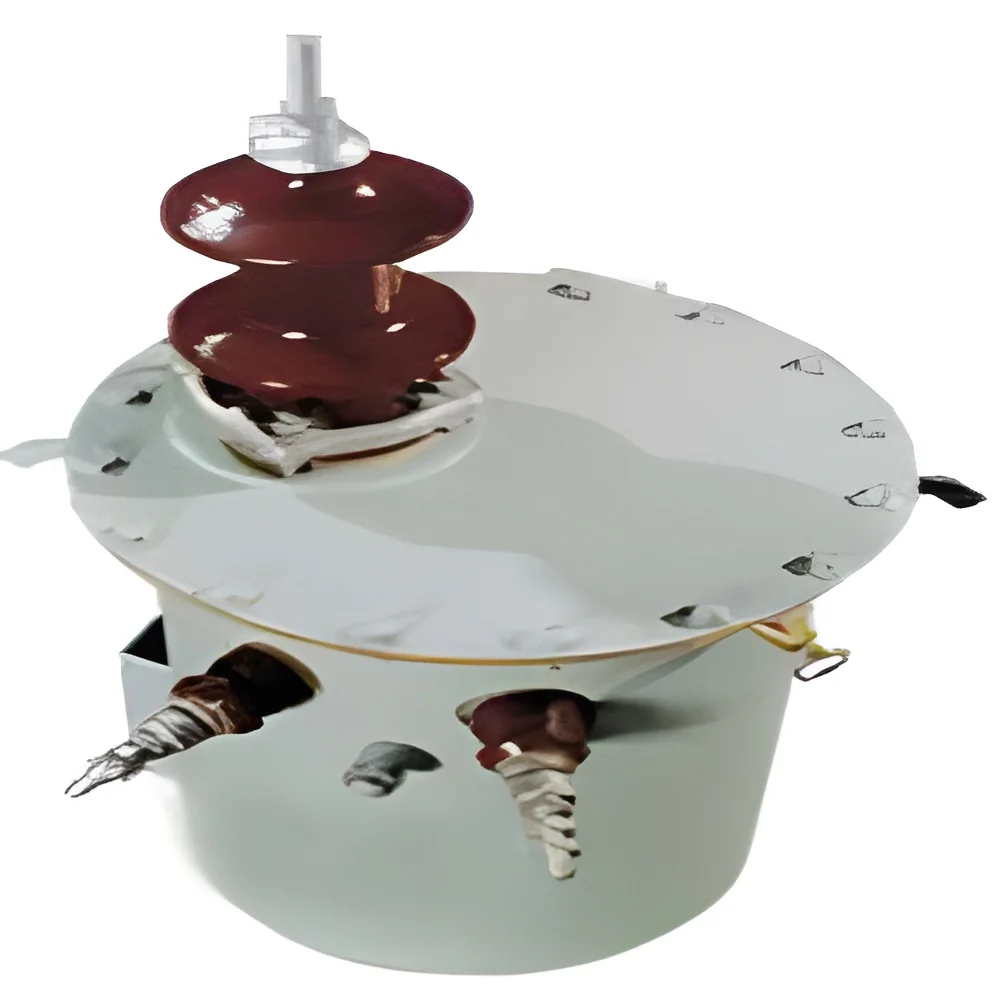
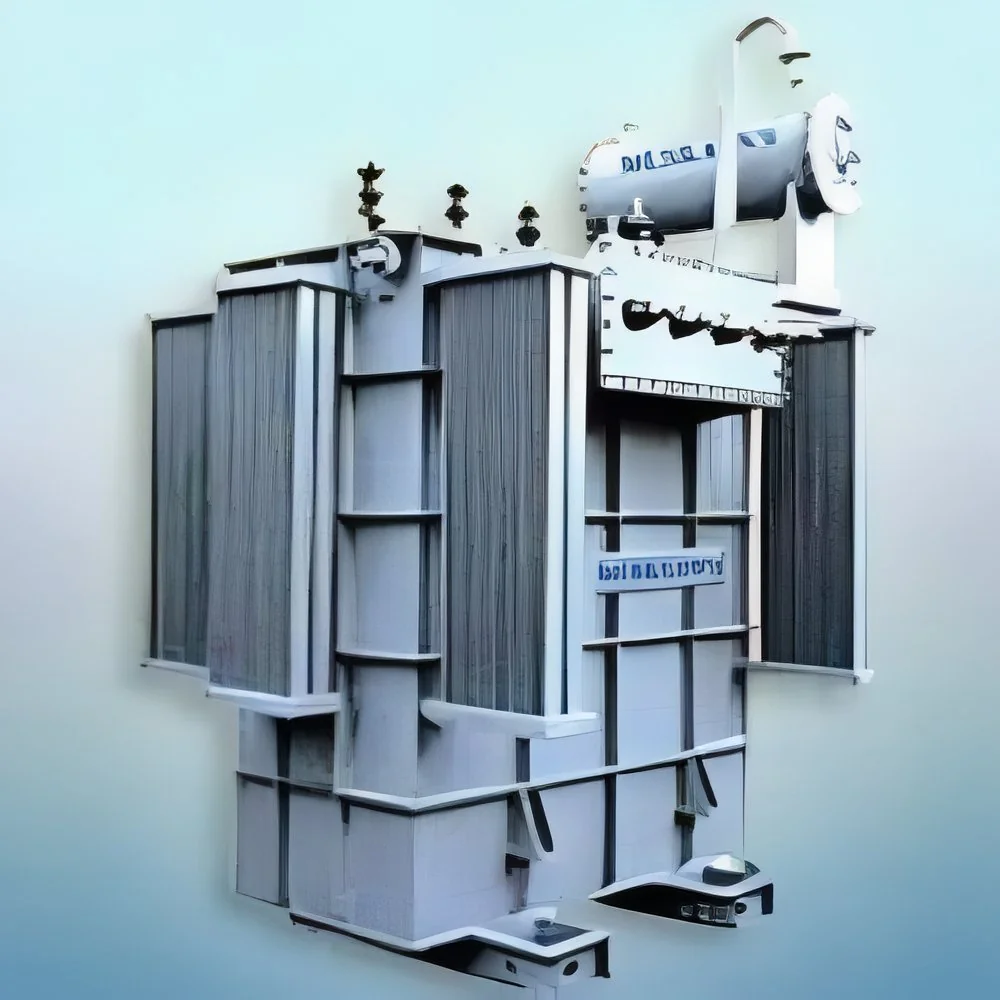
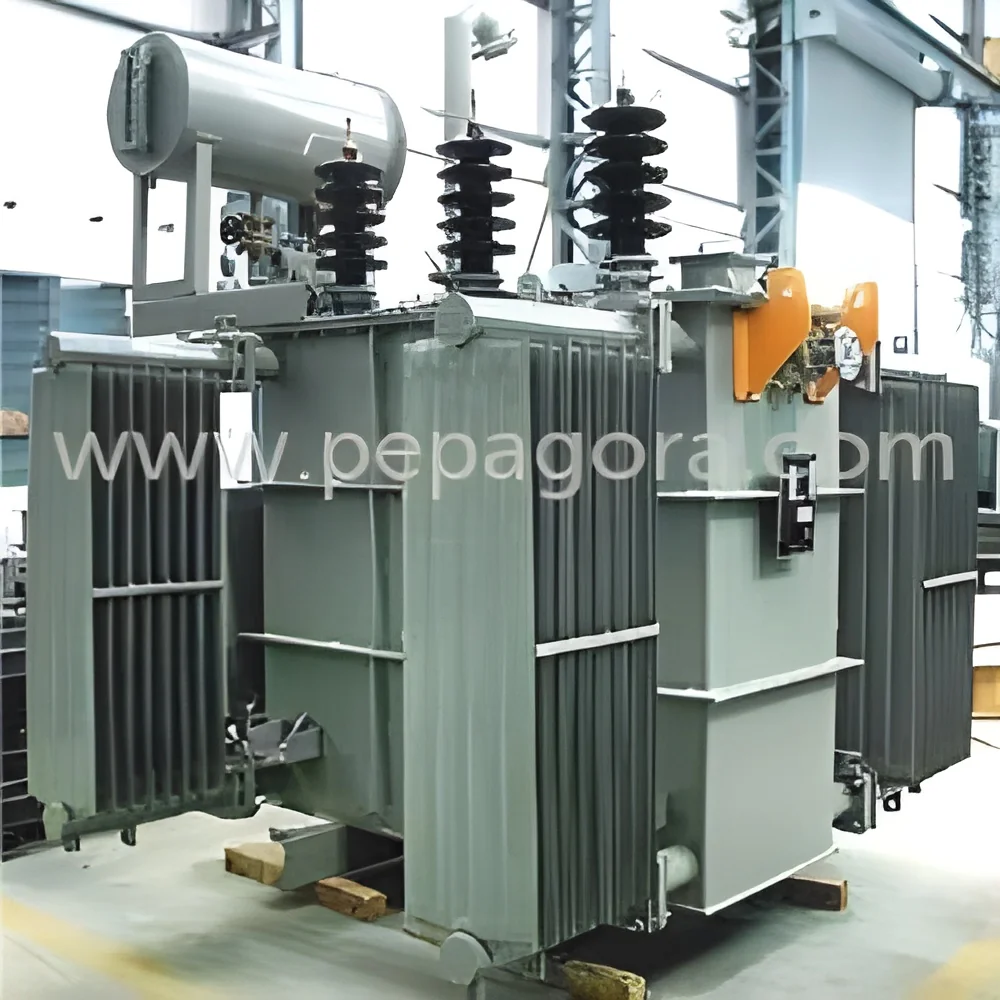
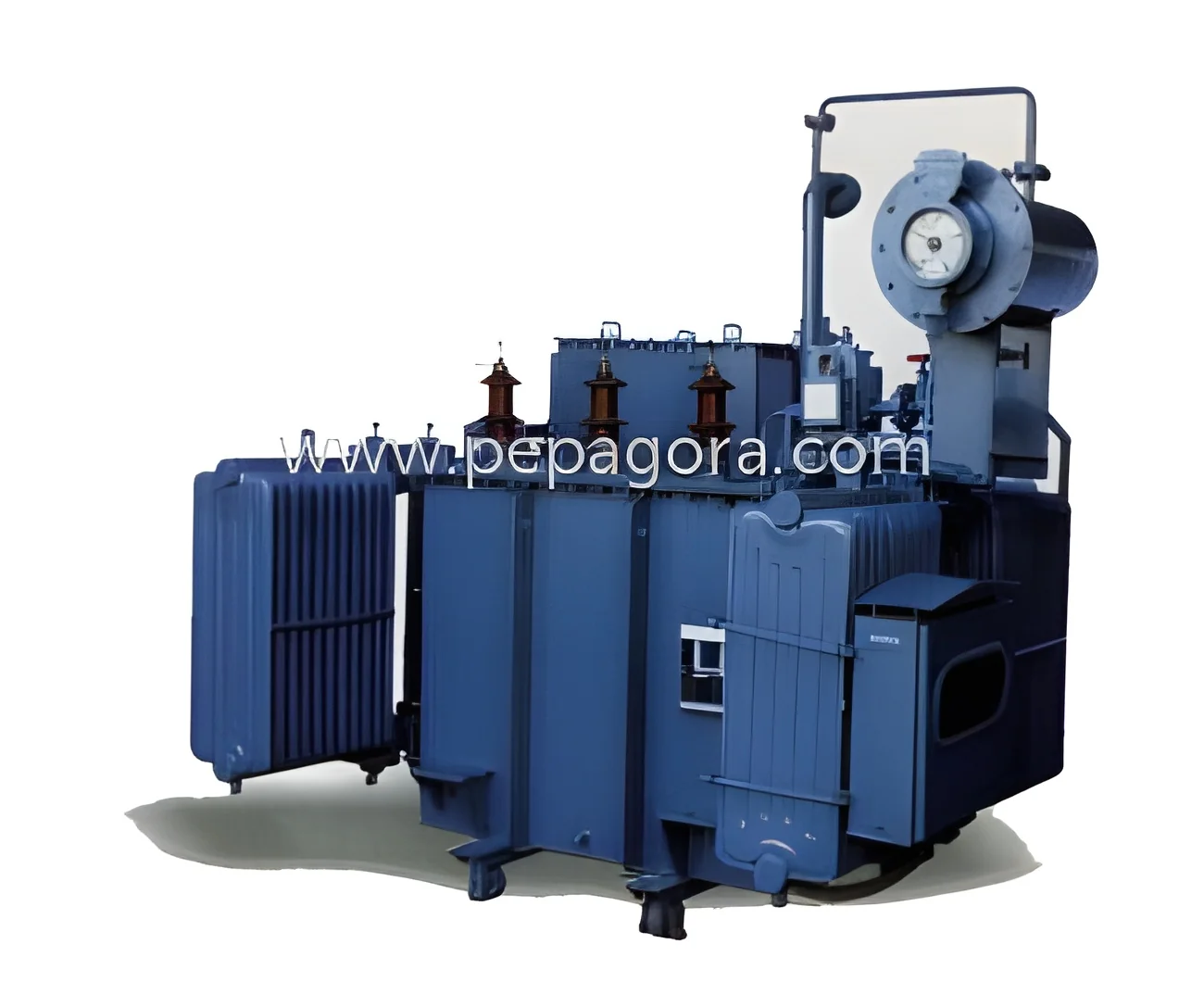
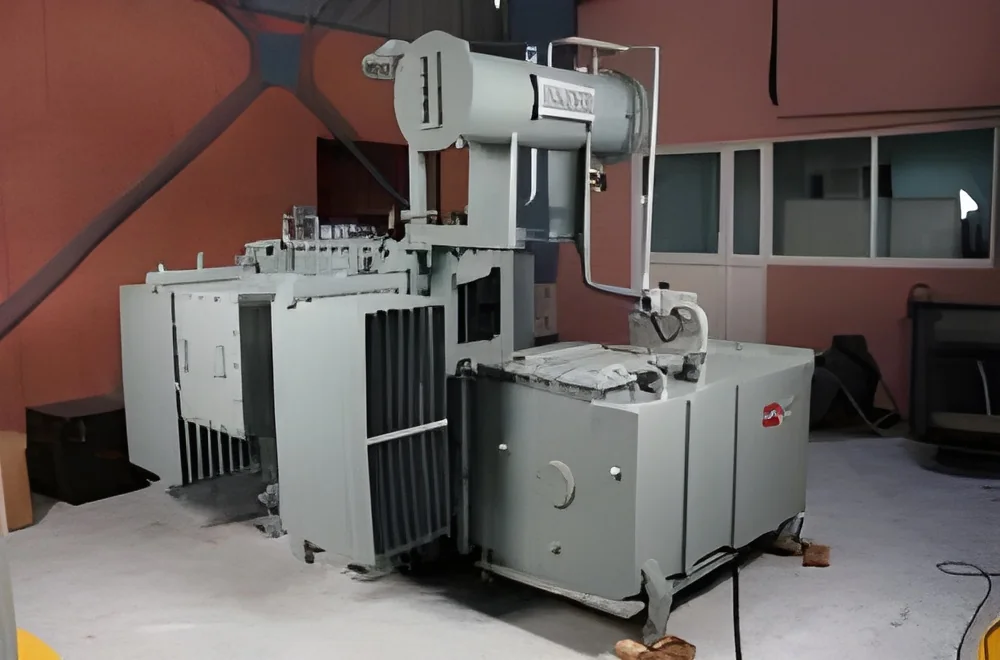
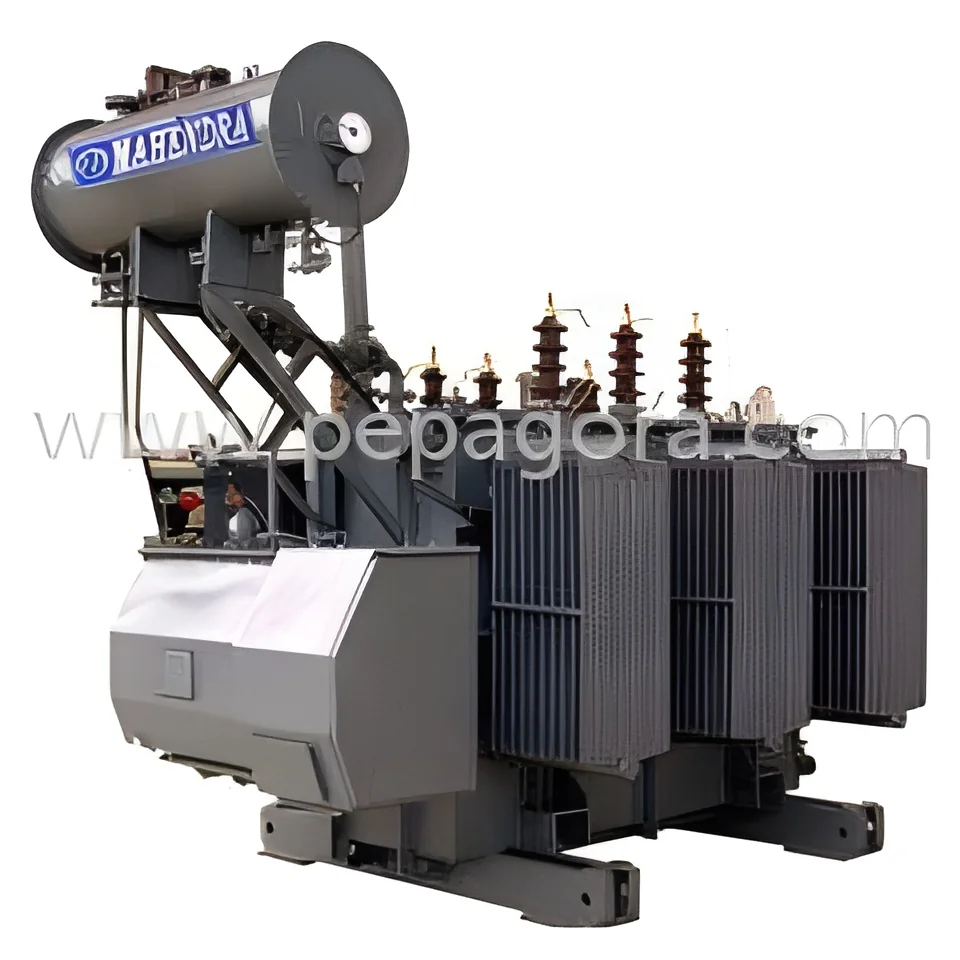
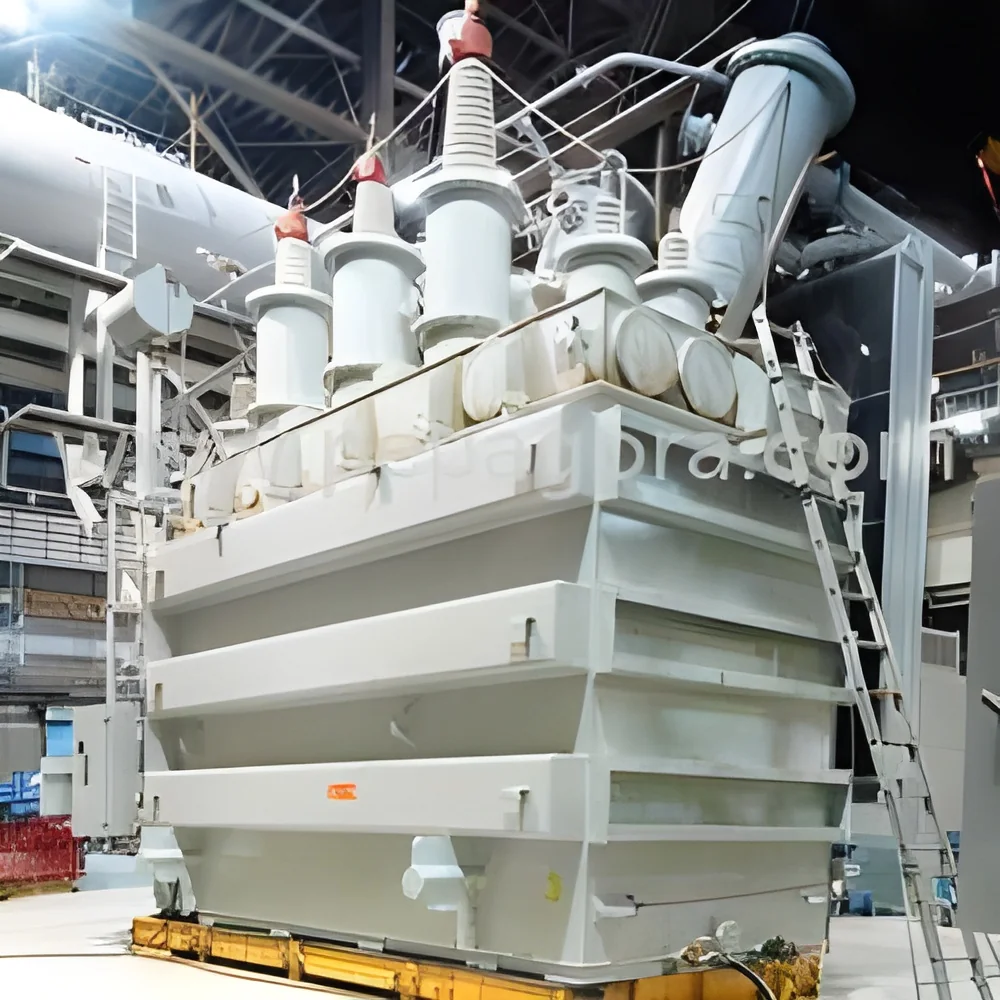
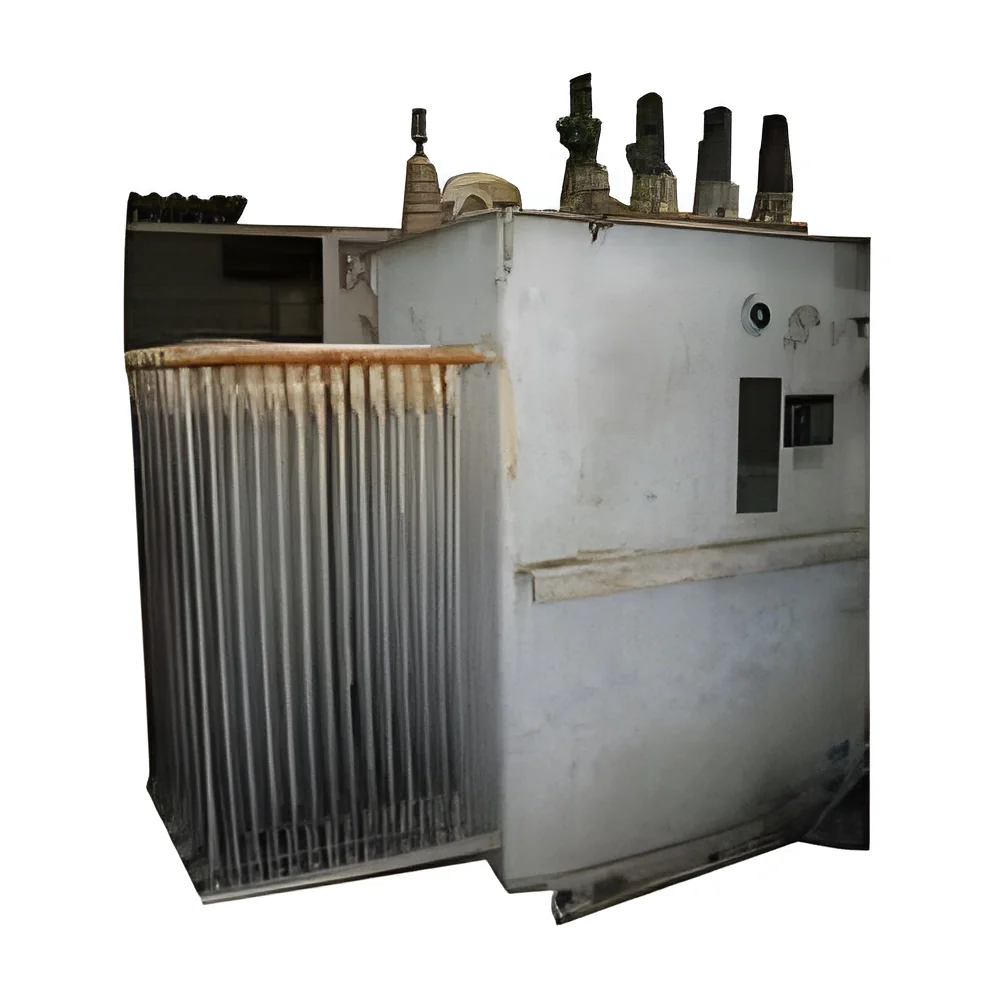
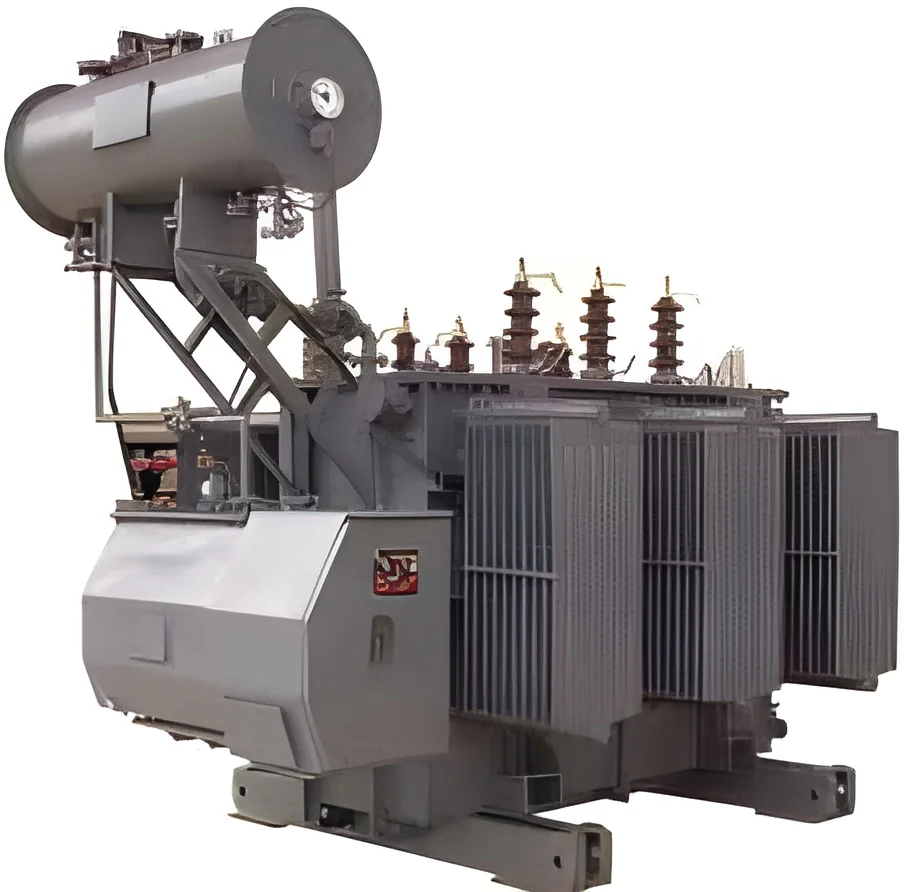
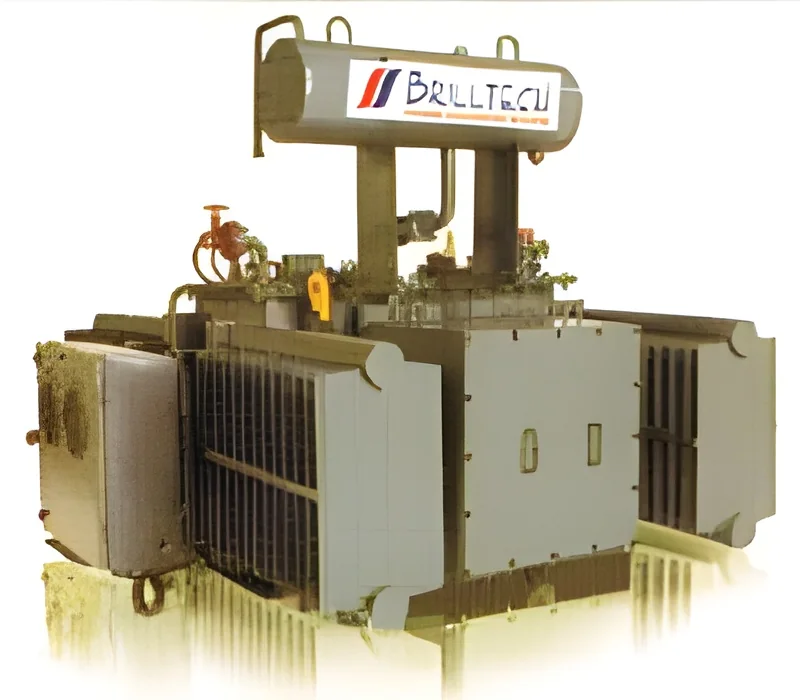
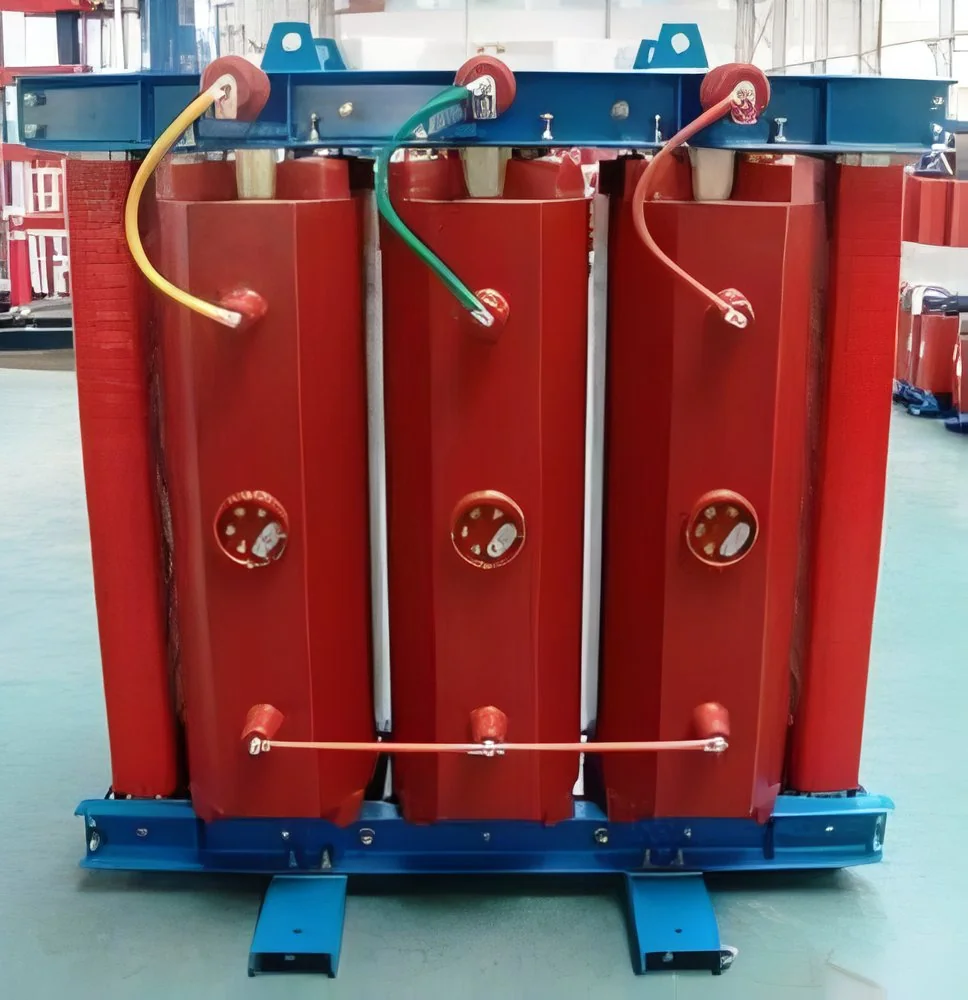
What are Oil Cooled Transformers?
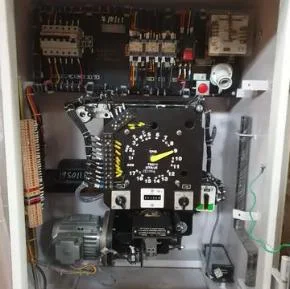
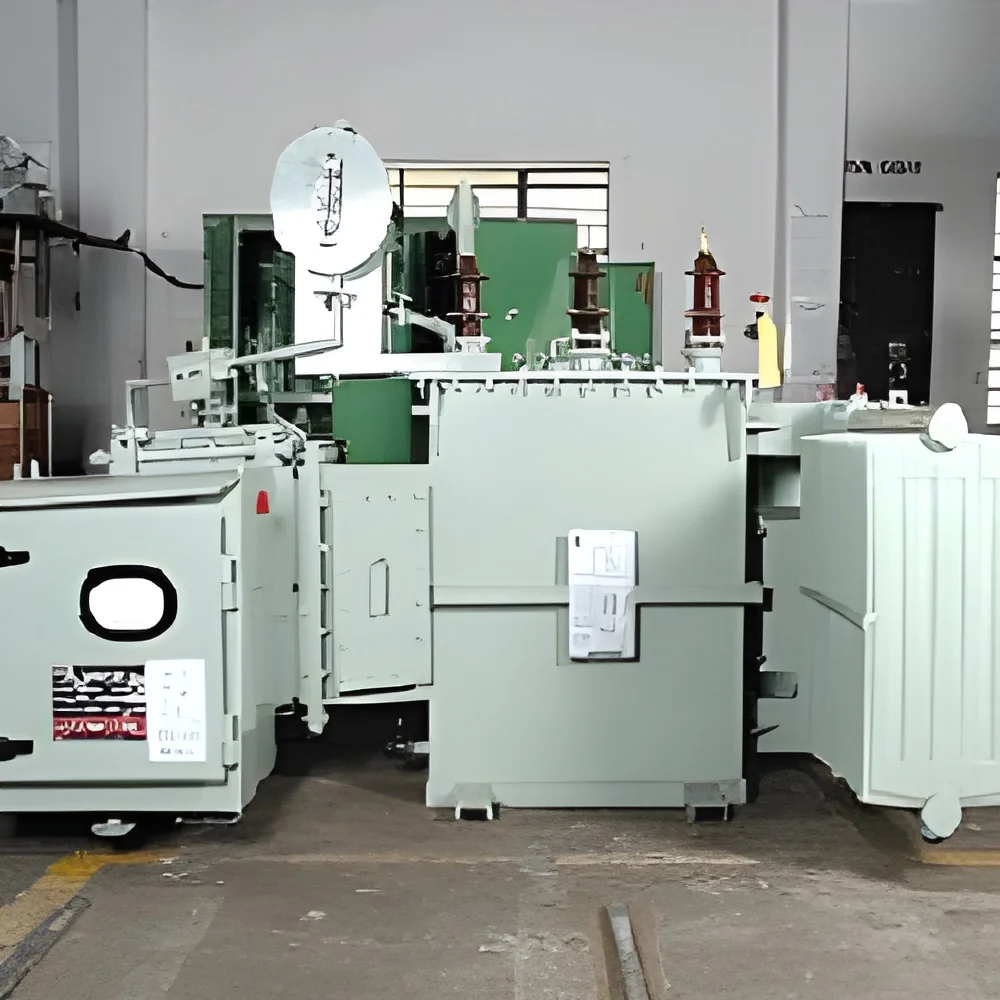
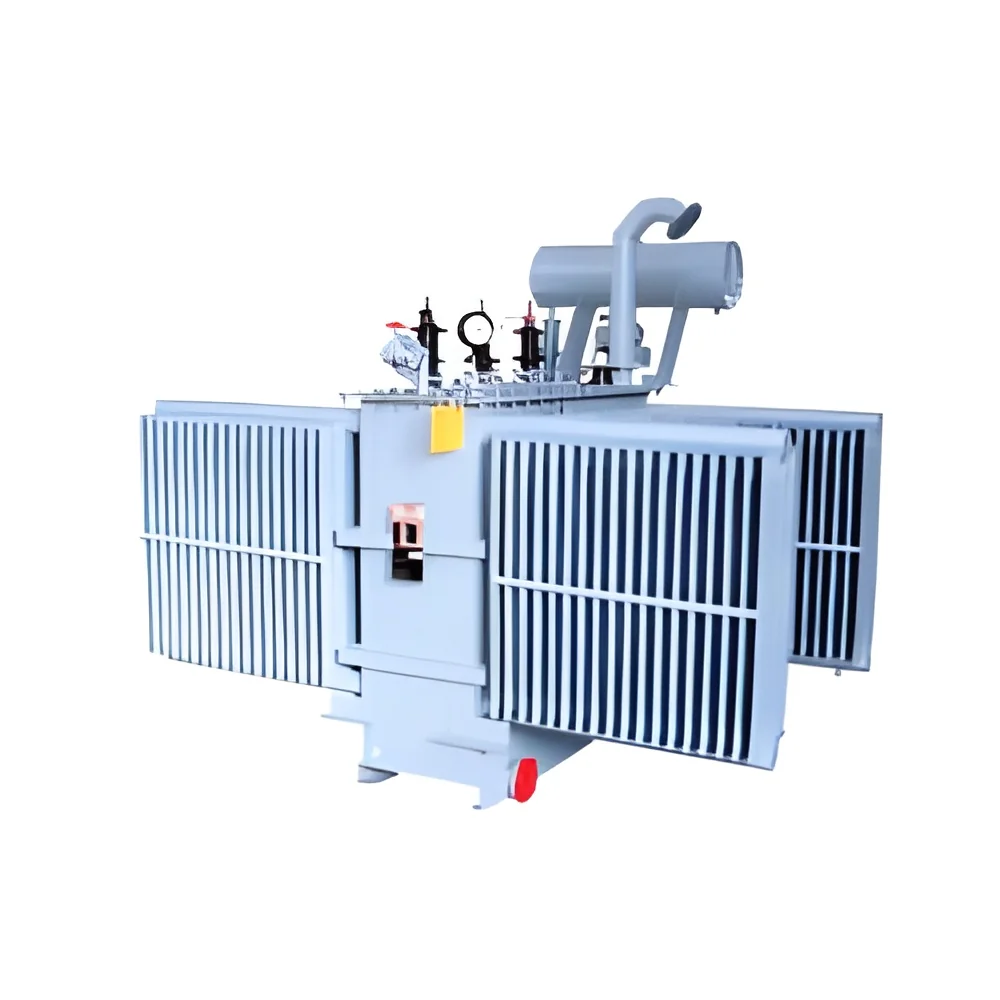
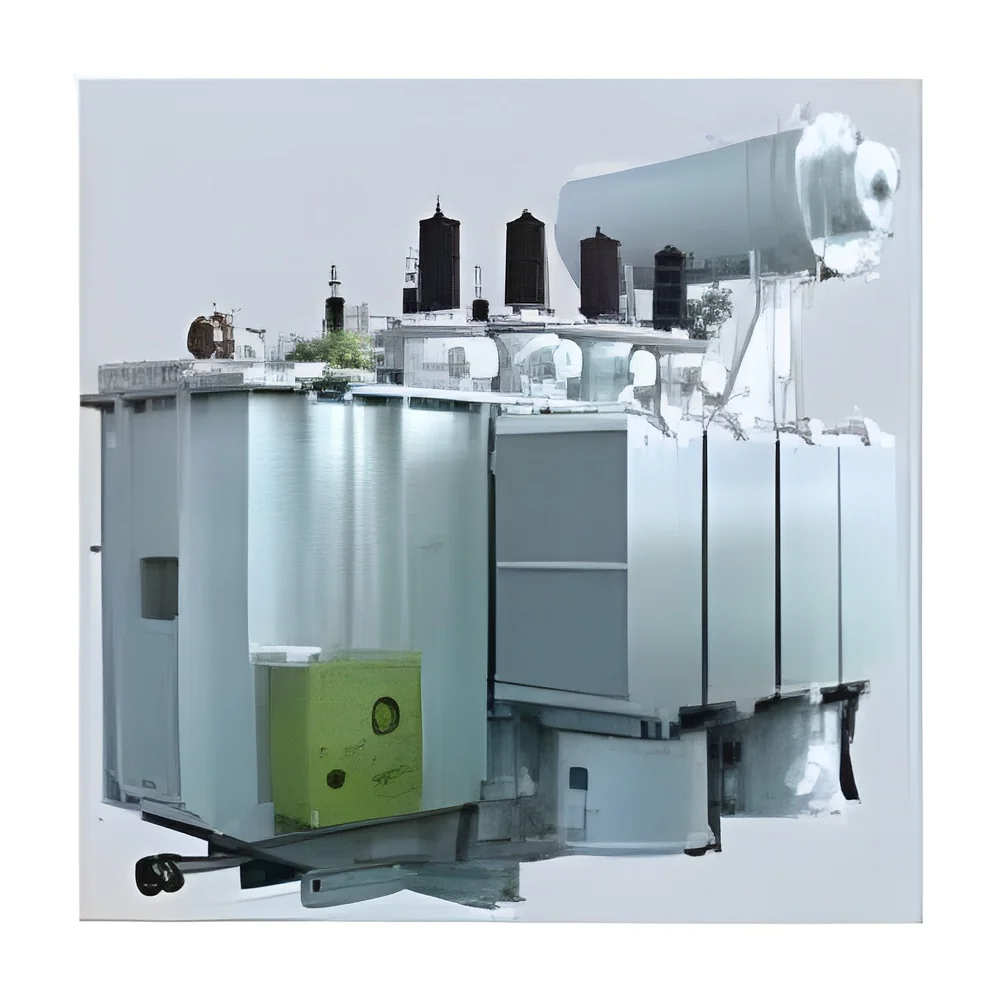
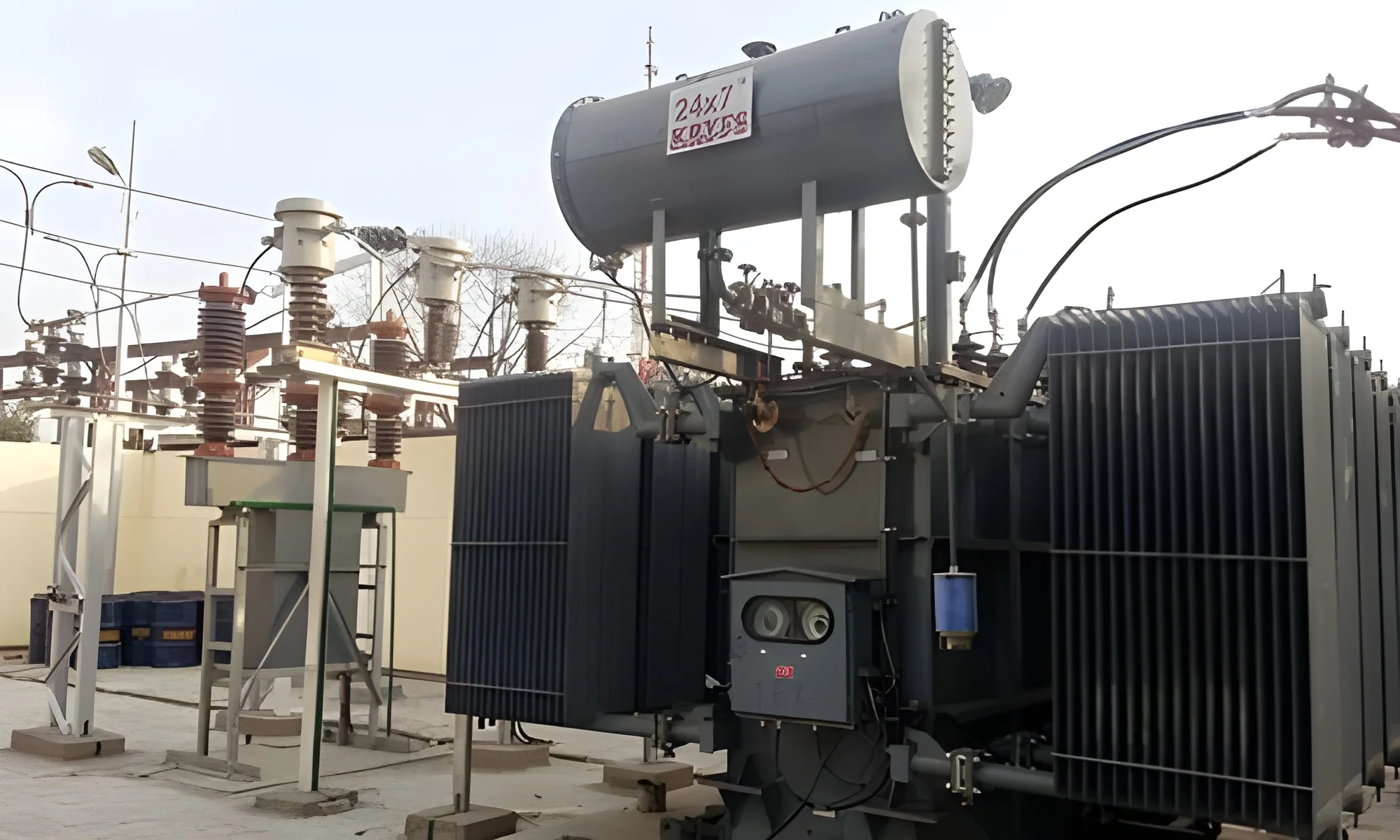
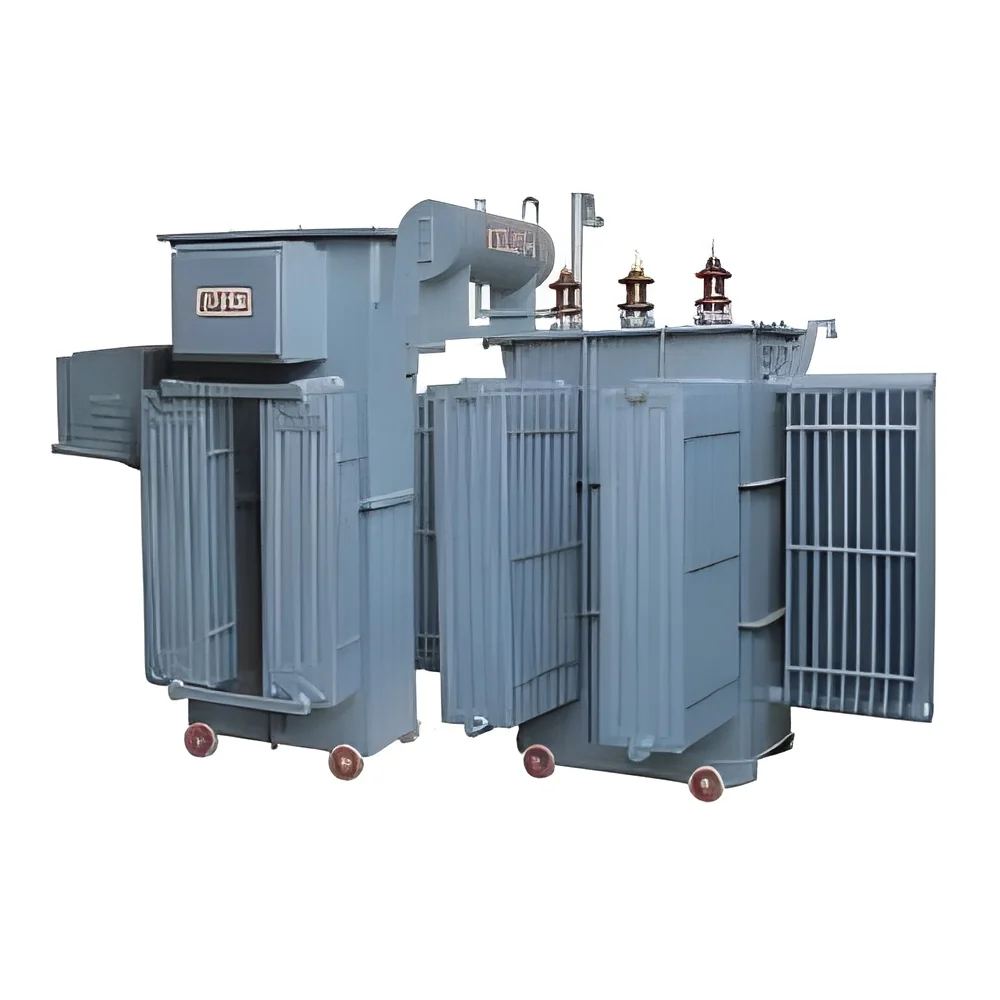
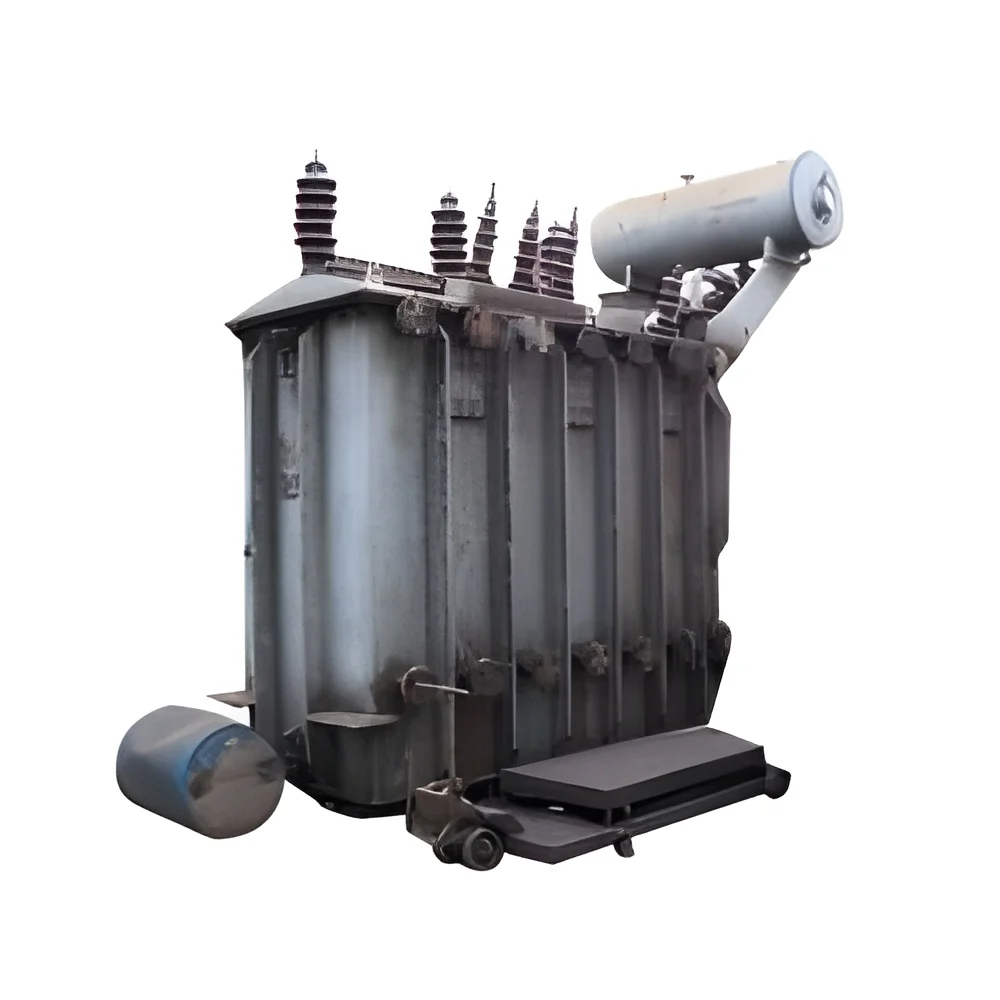
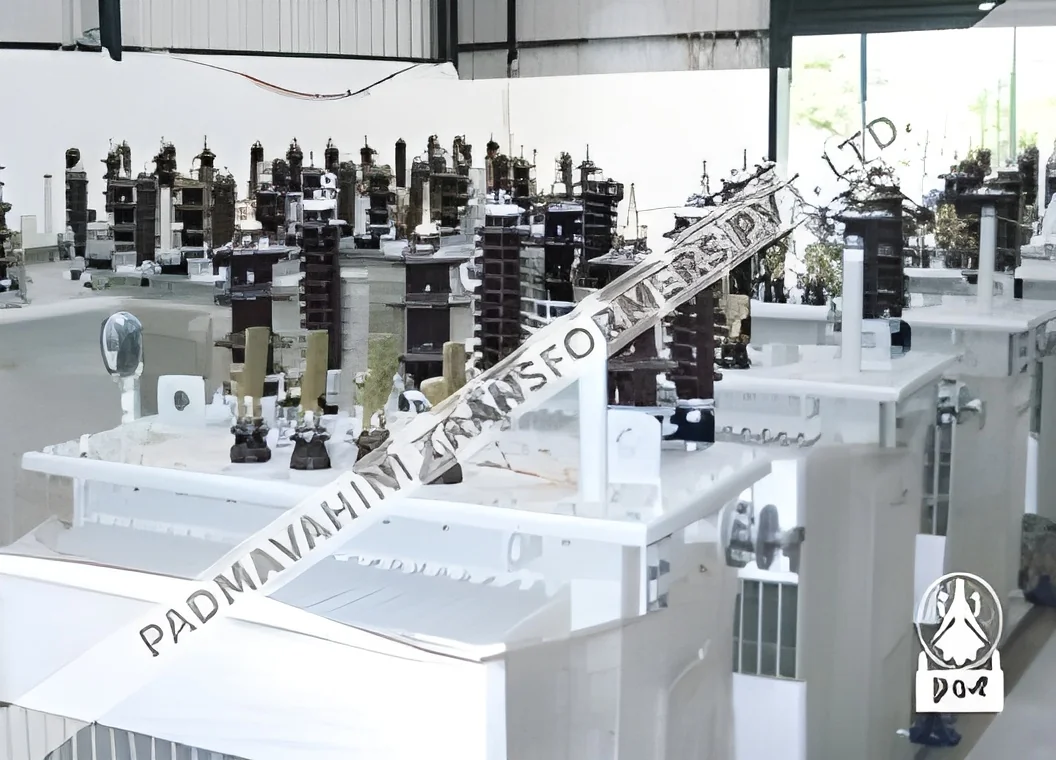
Oil cooled transformers are electrical devices used to transfer electrical energy between circuits while managing voltage levels. These transformers utilize oil as a cooling medium to help dissipate heat generated during operation. The oil serves both as an insulator and a coolant, ensuring the transformer operates efficiently and safely under various load conditions.
These transformers are primarily used in industrial settings, power generation plants, and substations. They play a crucial role in the distribution of electrical power, maintaining voltage levels across long distances, and minimizing energy losses. Their reliability and efficiency make them essential components in electrical infrastructure, powering a wide range of applications from manufacturing facilities to commercial buildings.
In today's energy market, the demand for oil cooled transformers continues to grow due to the increasing need for reliable electrical distribution systems and the integration of renewable energy sources. Their robust design and ability to handle high power loads reinforce their importance across diverse industries.
Key Features and Specifications
Oil cooled transformers offer several distinctive features that enhance their performance and reliability. Understanding these specifications can help buyers select the right transformer for their needs.
Key specifications include:
1. Cooling Method
- Utilizes mineral oil for effective heat dissipation
- Helps maintain optimal operating temperatures
2. Insulation Class
- Typically rated between A to F
- Determines the maximum temperature the transformer can withstand
3. Power Rating
- Available in various ratings, commonly from 10 kVA to 500 MVA
- Suitable for different application scales
4. Voltage Class
- Designed for high voltage applications, usually ranging from 11 kV to 132 kV
- Ensures compatibility with grid standards
5. Frequency
- Operates at standard frequencies of 50 Hz or 60 Hz
- Adapts to regional power supply specifications
6. Noise Level
- Generally low noise operation
- Ideal for urban and densely populated areas
7. Safety Features
- Equipped with protective devices such as fuses and circuit breakers
- Ensures safe operation under fault conditions
8. Maintenance Needs
- Requires regular inspections and oil testing
- Ensures longevity and performance reliability
In summary, these specifications highlight the essential attributes of oil cooled transformers that contribute to their efficiency and suitability for a range of applications.
Common Applications and Use Cases
Oil cooled transformers are versatile and can be utilized across numerous industries.
1. Power Generation: Used in power plants to step up or step down voltage levels for efficient energy distribution.
2. Manufacturing: Essential in factories to supply power for heavy machinery and production lines, ensuring operational continuity.
3. Renewable Energy: Employed in solar and wind farms to manage and distribute generated power effectively.
4. Mining: Used to supply power to mining operations, where reliable and high-capacity transformers are needed.
5. Transportation: Installed in rail and metro systems to ensure consistent power supply for operations.
6. Oil and Gas: Critical in upstream and downstream processes, providing power to drilling and refining operations.
7. Data Centers: Used to support the vast electrical needs of data processing facilities, ensuring stable power delivery.
Product Variants and Subcategories
Oil cooled transformers come in various configurations to meet specific operational requirements. Each variant is designed for distinct applications and settings.
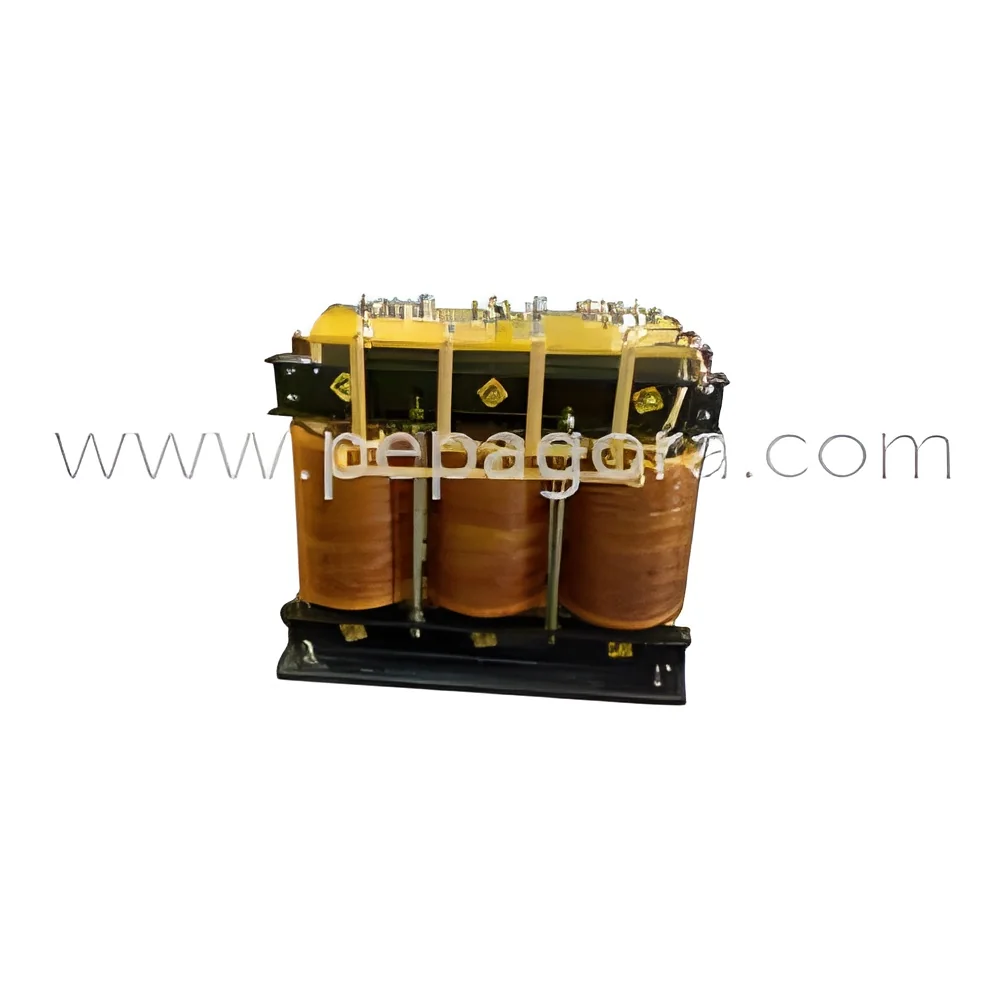
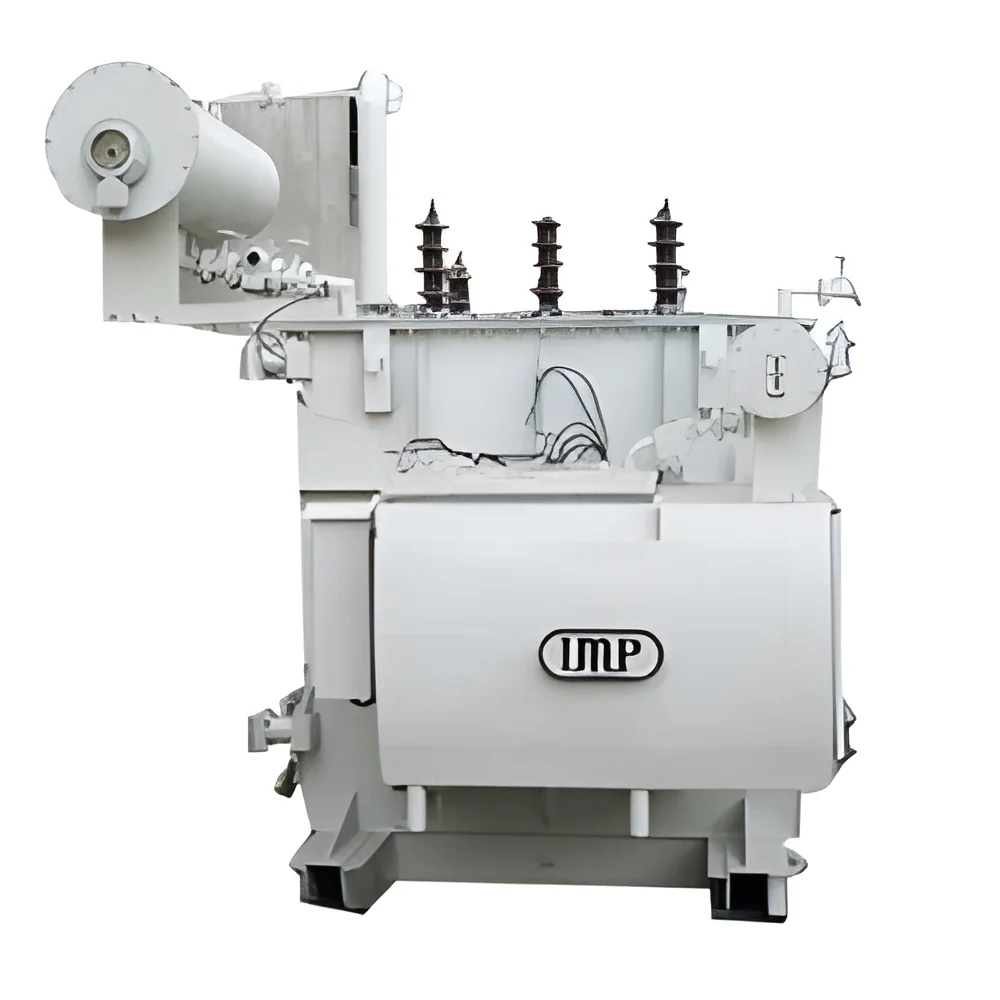
Standard Oil Cooled Transformer
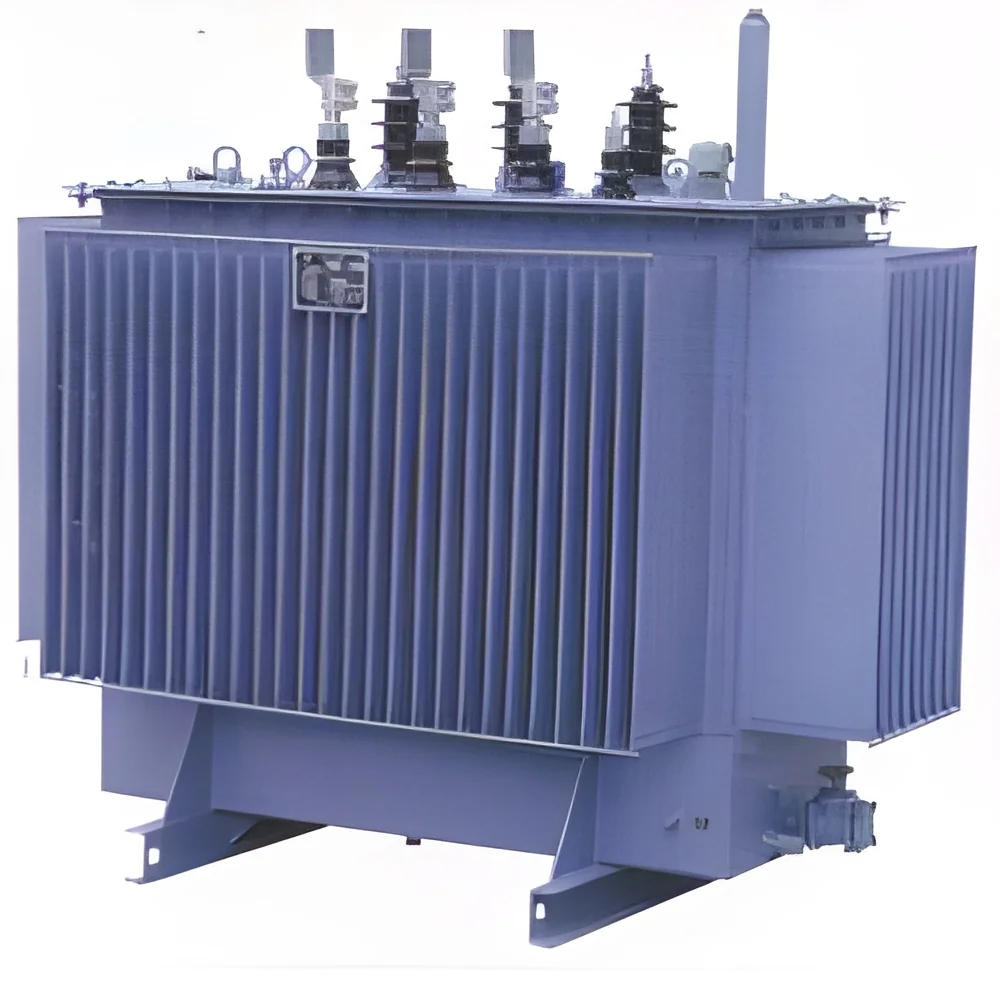
This variant is commonly used in industrial applications. It features robust construction and is designed to handle various power ratings, ensuring reliability in demanding environments.
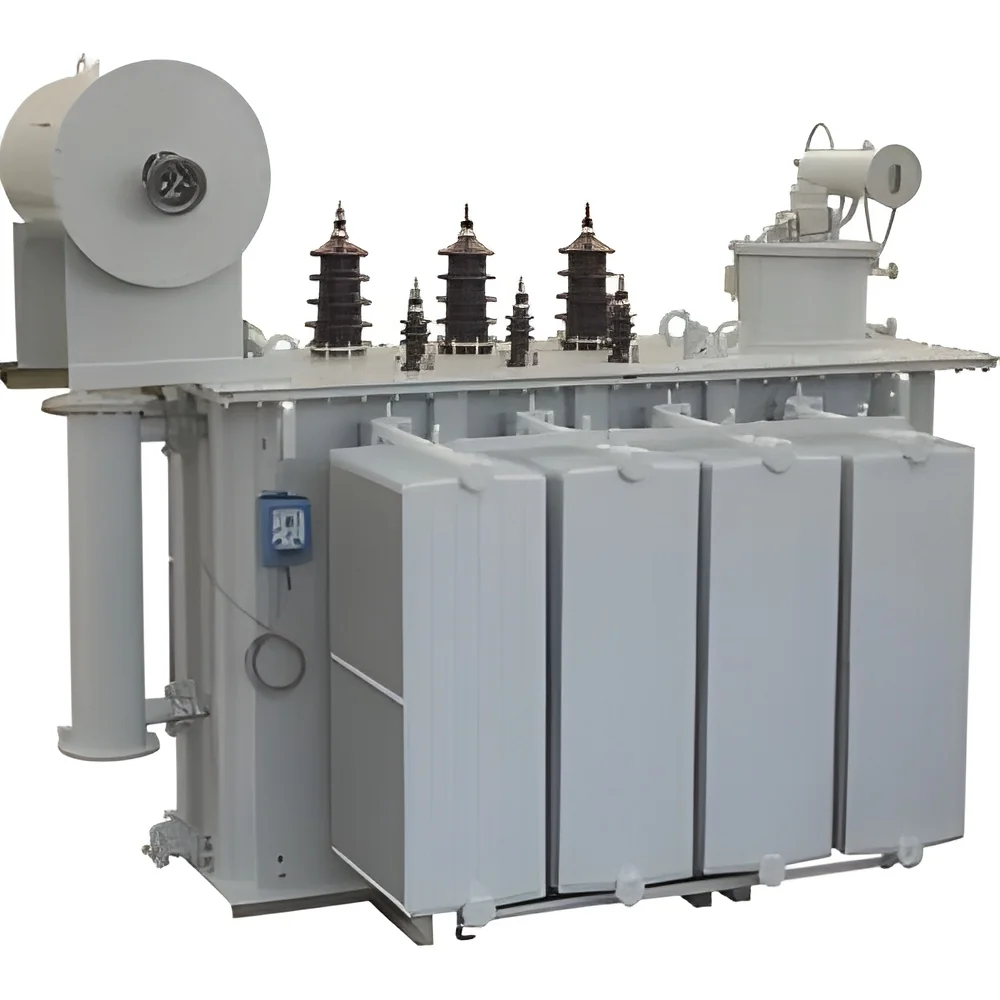
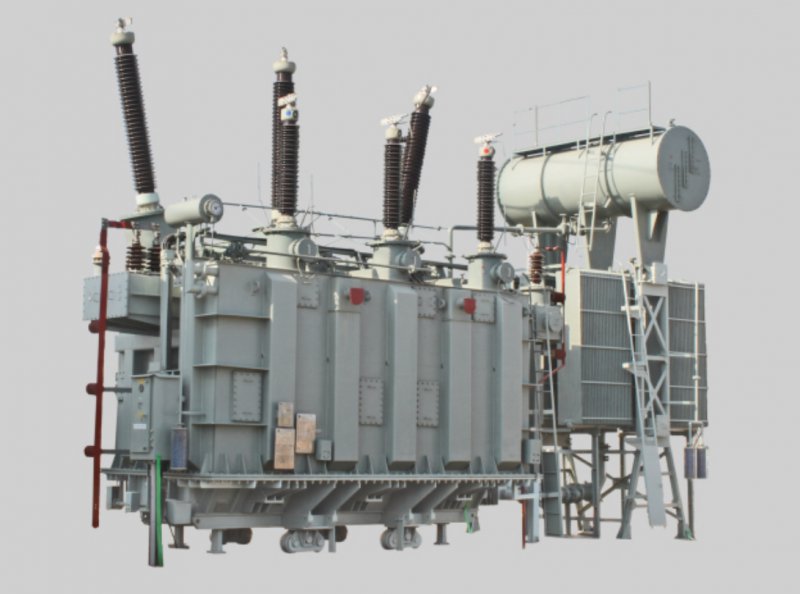
High Voltage Oil Cooled Transformer
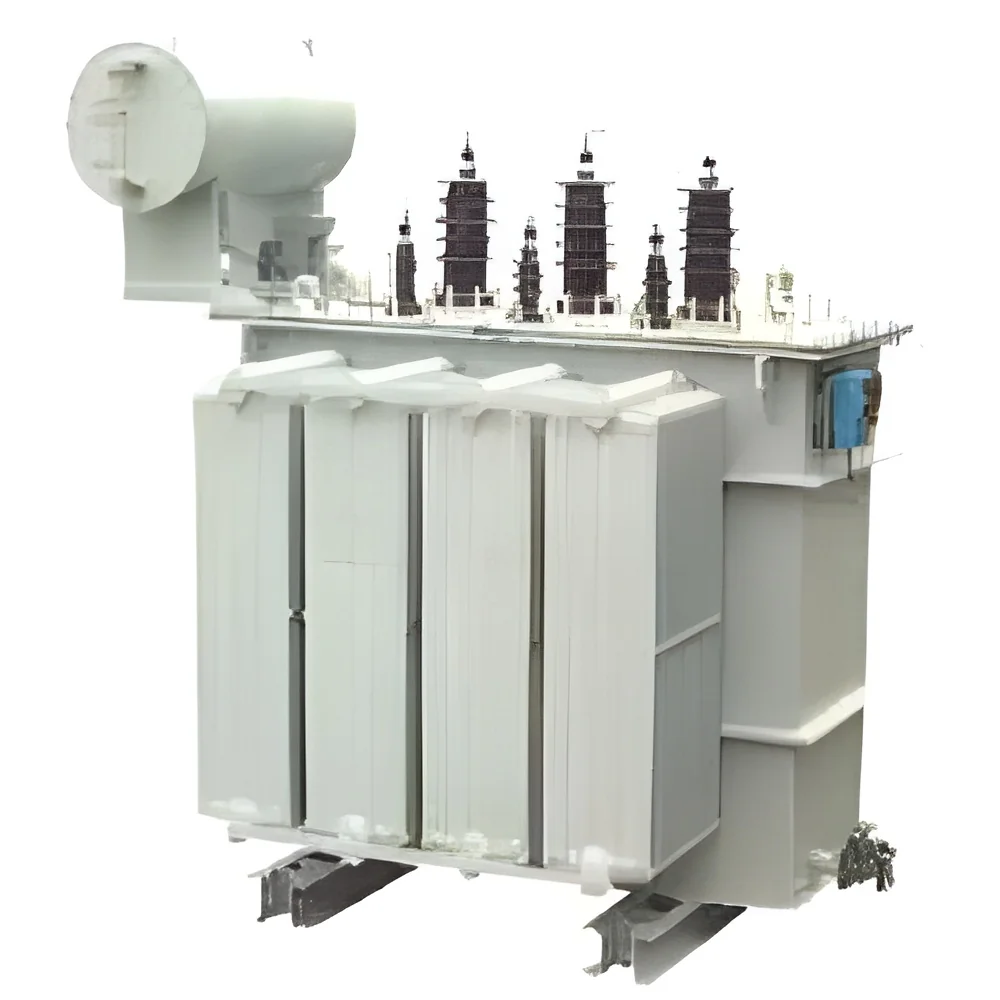
This transformer is tailored for high voltage applications, providing enhanced insulation and safety features. It is often used in substations and large industrial facilities.
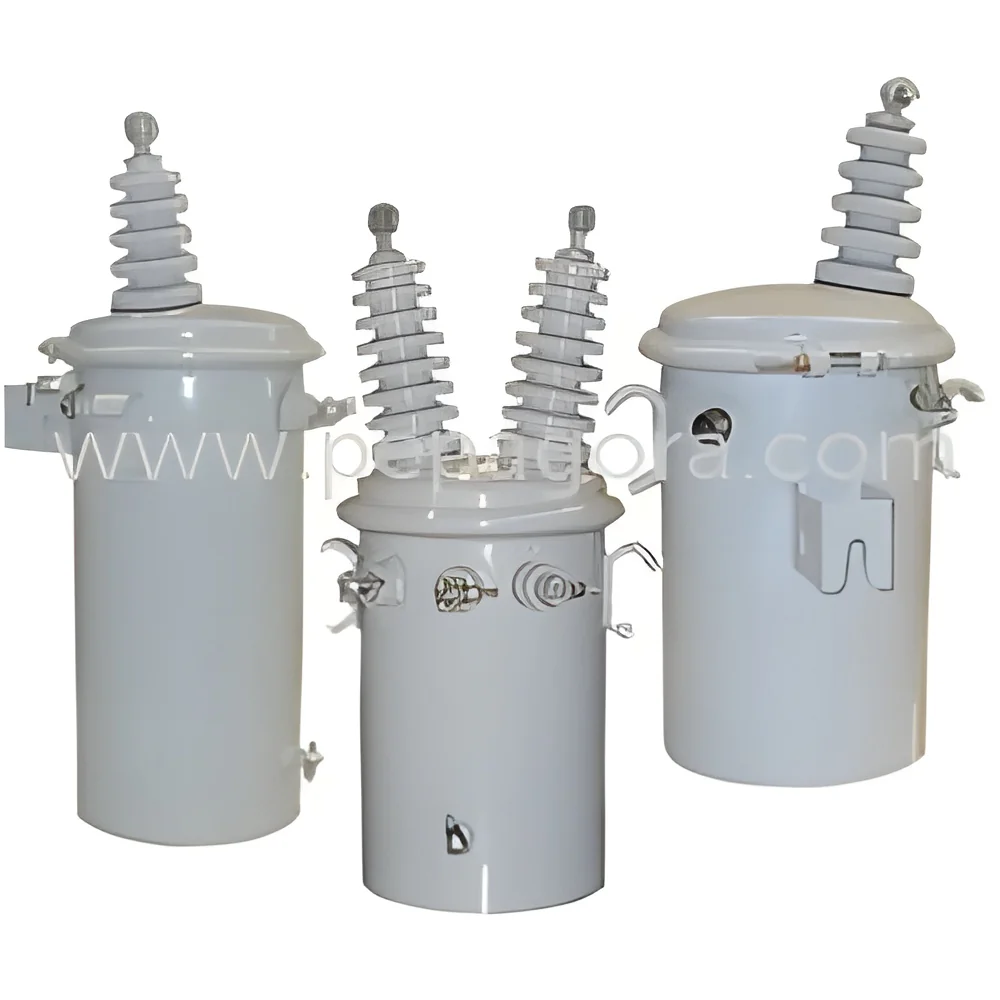
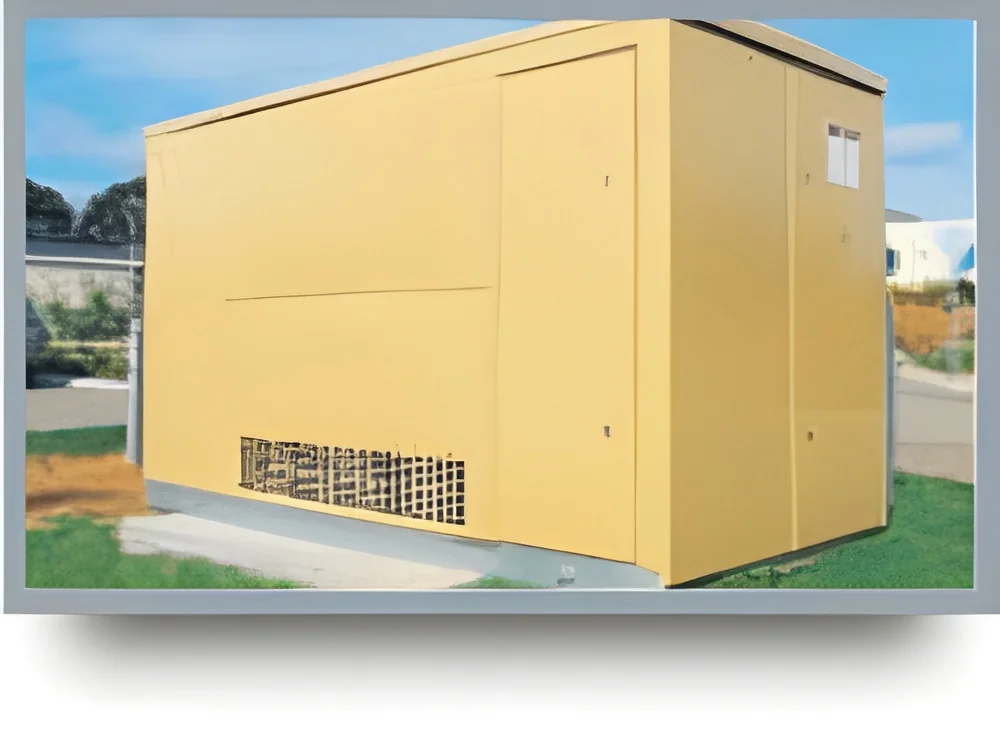
Outdoor Oil Cooled Transformer
Designed for outdoor installation, this variant is built to withstand environmental challenges. It usually features weather-resistant materials and additional protective measures.
Benefits and Advantages
Oil cooled transformers offer numerous benefits that make them an ideal choice for various applications.
Key benefits include:
1. Enhanced Cooling: The oil cooling system allows for better heat dissipation, prolonging the life of the transformer.
2. High Efficiency: These transformers operate efficiently even under high loads, minimizing energy losses.
3. Reliability: Their robust design ensures consistent performance, even in harsh industrial environments.
4. Lower Maintenance: With proper care, oil cooled transformers require less frequent maintenance compared to air-cooled alternatives.
5. Versatile Applications: Suitable for a wide range of industries, making them a flexible choice for power distribution needs.
6. Safety Features: Equipped with protective measures to prevent failures and ensure safe operation.
Buying Guide for B2B Buyers
When sourcing oil cooled transformers, it is essential for buyers to consider several factors to ensure they make informed decisions.
1. Quality Assessment: Look for transformers that meet industry standards and have undergone rigorous testing to ensure reliability and performance.
2. Supplier Verification: Vet suppliers thoroughly by checking their credentials, certifications, and customer reviews to ensure they are reputable.
3. Pricing and MOQ: Evaluate the pricing structure and minimum order quantities to align with your budget and project needs.
4. Delivery and Lead Times: Confirm estimated delivery schedules and lead times to avoid disruptions in your supply chain.
5. Compliance Requirements: Ensure that the transformers comply with relevant regulations and safety standards in your region to avoid legal issues.
Compliance and Certifications
Compliance with quality standards and certifications is crucial for oil cooled transformers to ensure safety and performance.
Transformers should adhere to relevant quality standards such as ISO 9001, which focuses on maintaining quality management systems. This certification ensures manufacturers follow best practices in production and customer service.
Additionally, many oil cooled transformers carry CE certification, indicating compliance with European safety and environmental standards. This certification is vital for products sold within the European market.
Safety and testing requirements involve rigorous assessments to verify the durability and reliability of transformers under various operating conditions. Manufacturers must also consider regional compliance, as different areas may have specific regulations governing electrical equipment.
Why Source Oil Cooled Transformers from Pepagora?
Pepagora offers a reliable platform for sourcing oil cooled transformers with several key advantages that cater to B2B buyers.
Verified Supplier Network: Pepagora connects buyers with a network of verified suppliers who meet quality standards. This reduces the risk of dealing with unverified manufacturers.
Streamlined RFQ Process: The platform features an efficient request for quotation system, allowing buyers to receive competitive pricing from multiple suppliers quickly.
Trade Assurance and Support: Pepagora provides trade assurance to protect buyers throughout the purchasing process, ensuring a secure transaction environment.
Regional Coverage: With a wide reach across India, the GCC, and Southeast Asia, Pepagora facilitates seamless sourcing of oil cooled transformers, catering to a diverse range of industrial needs.

 IN
IN