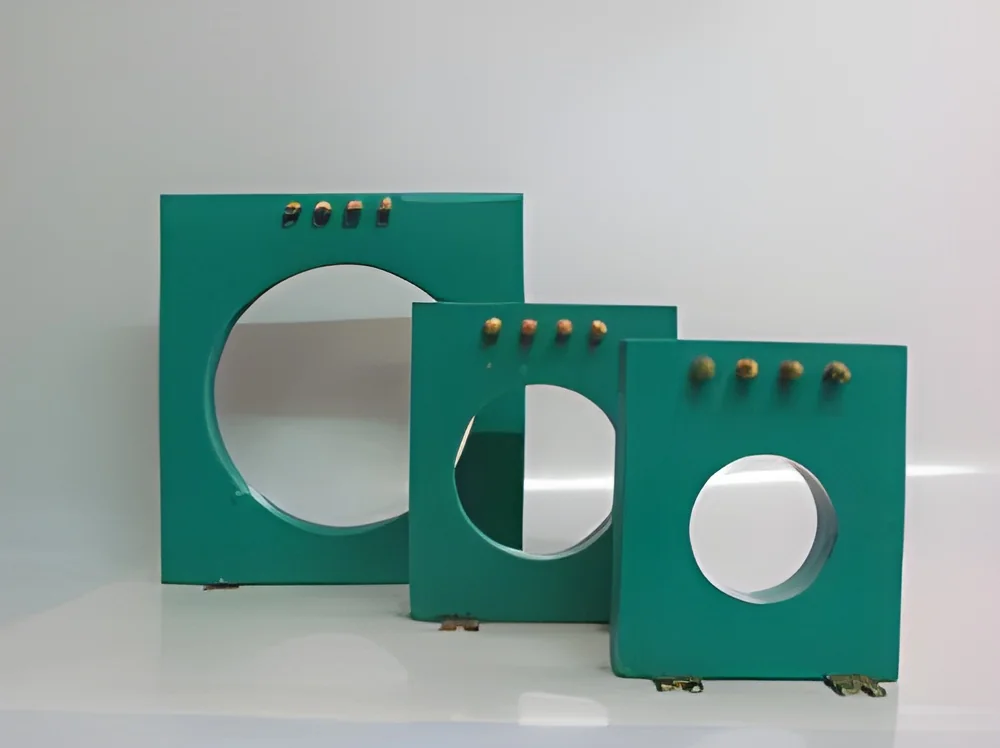
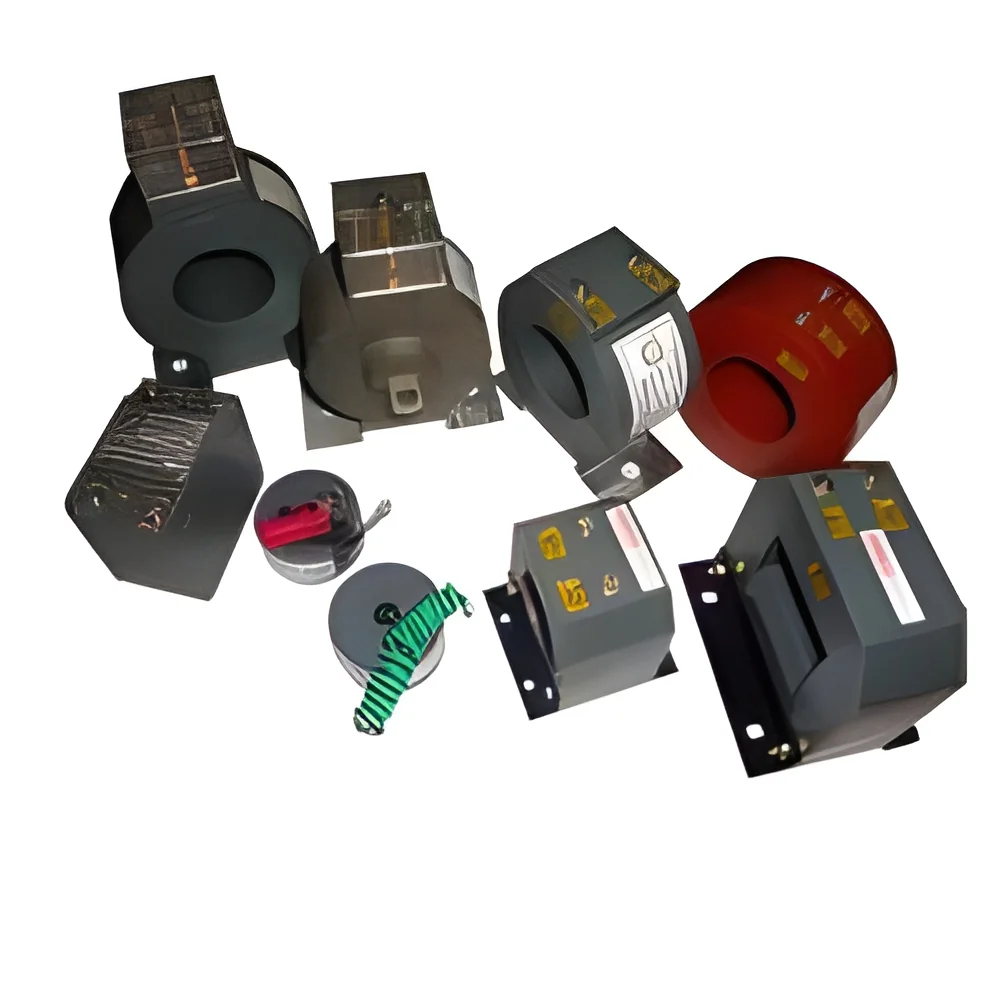
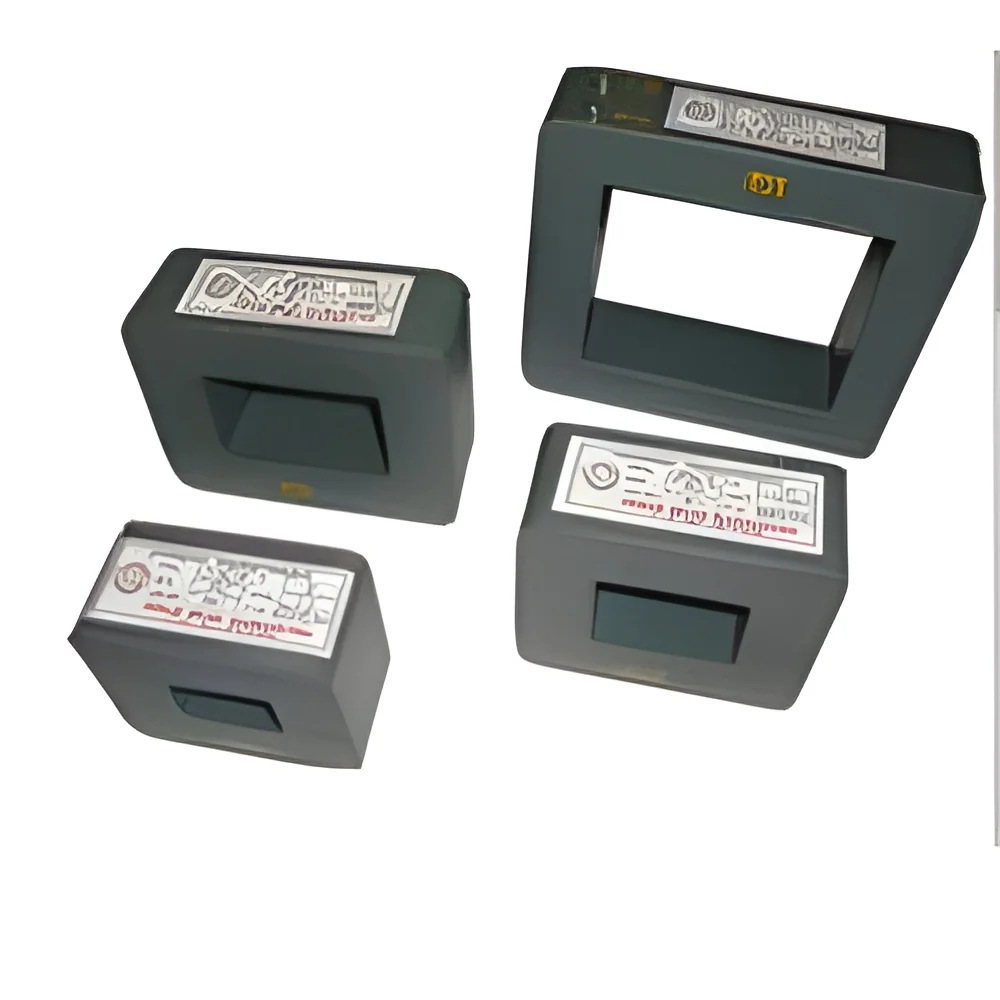
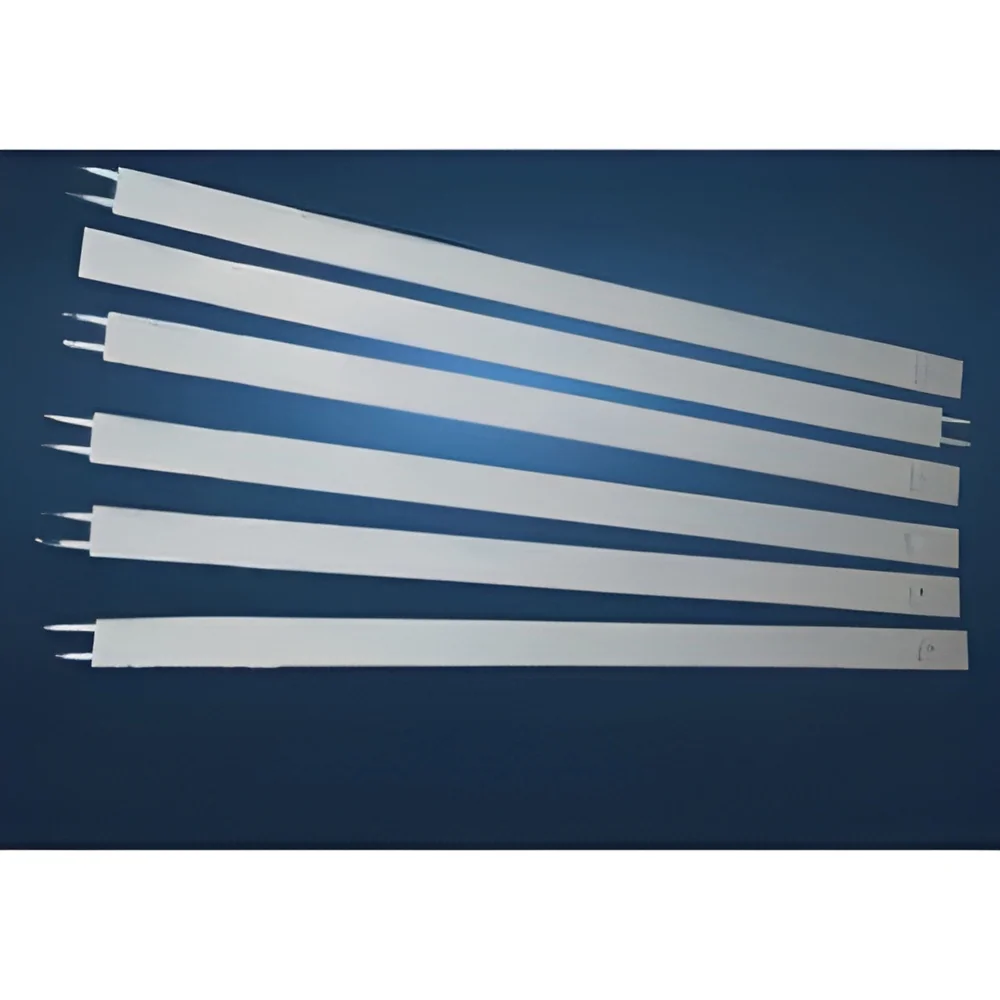
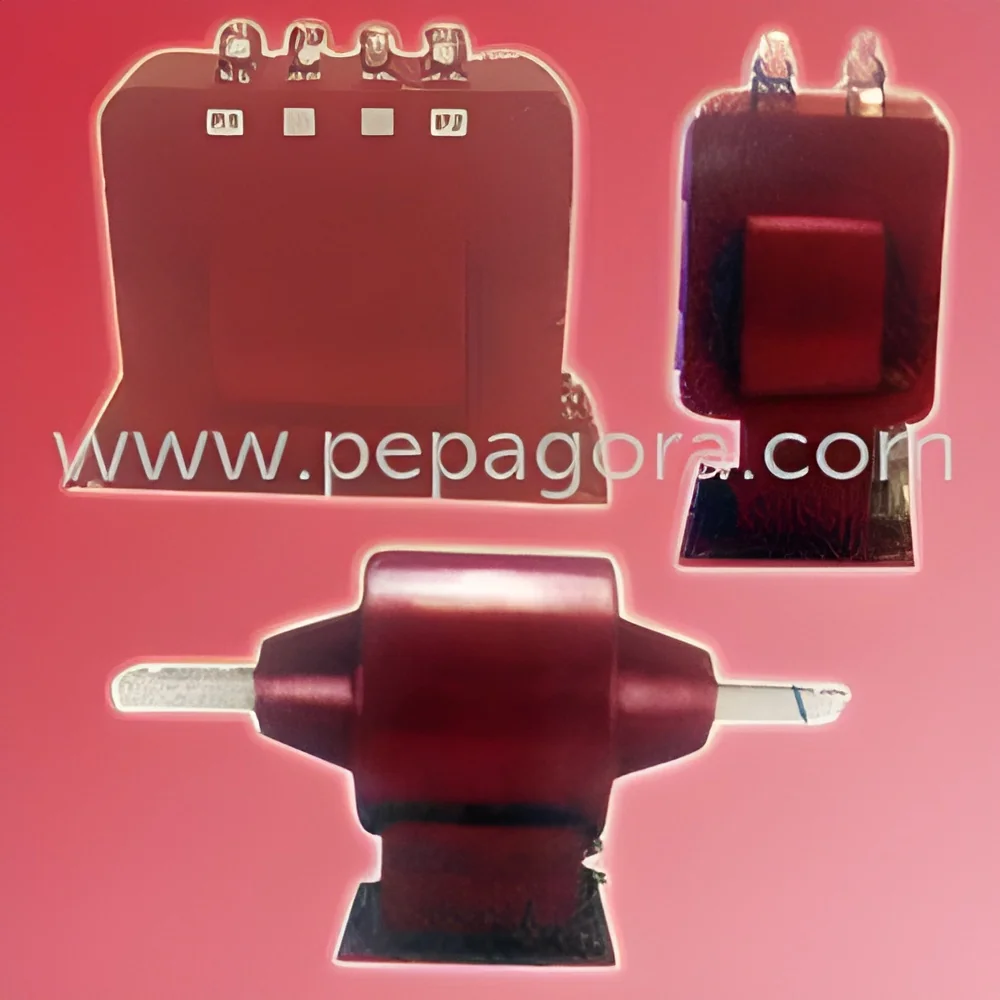
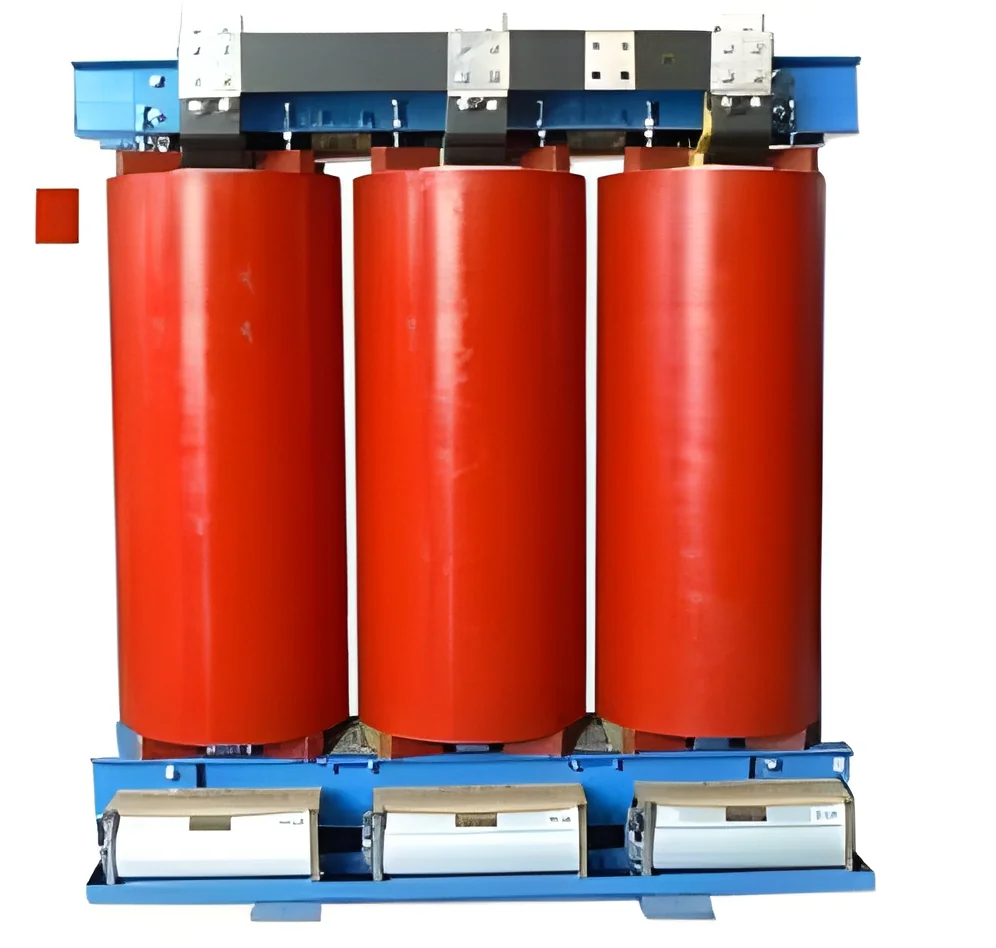
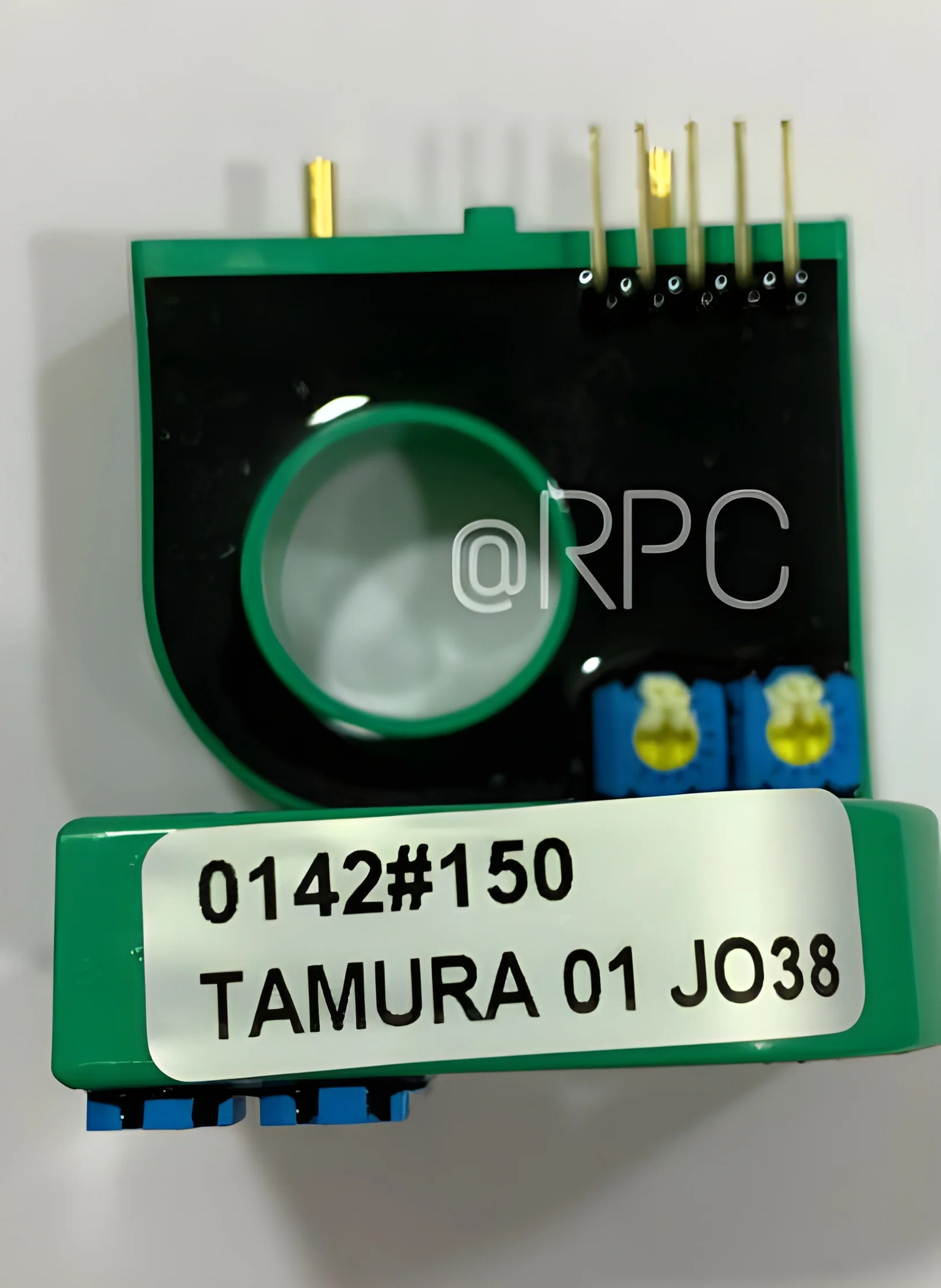
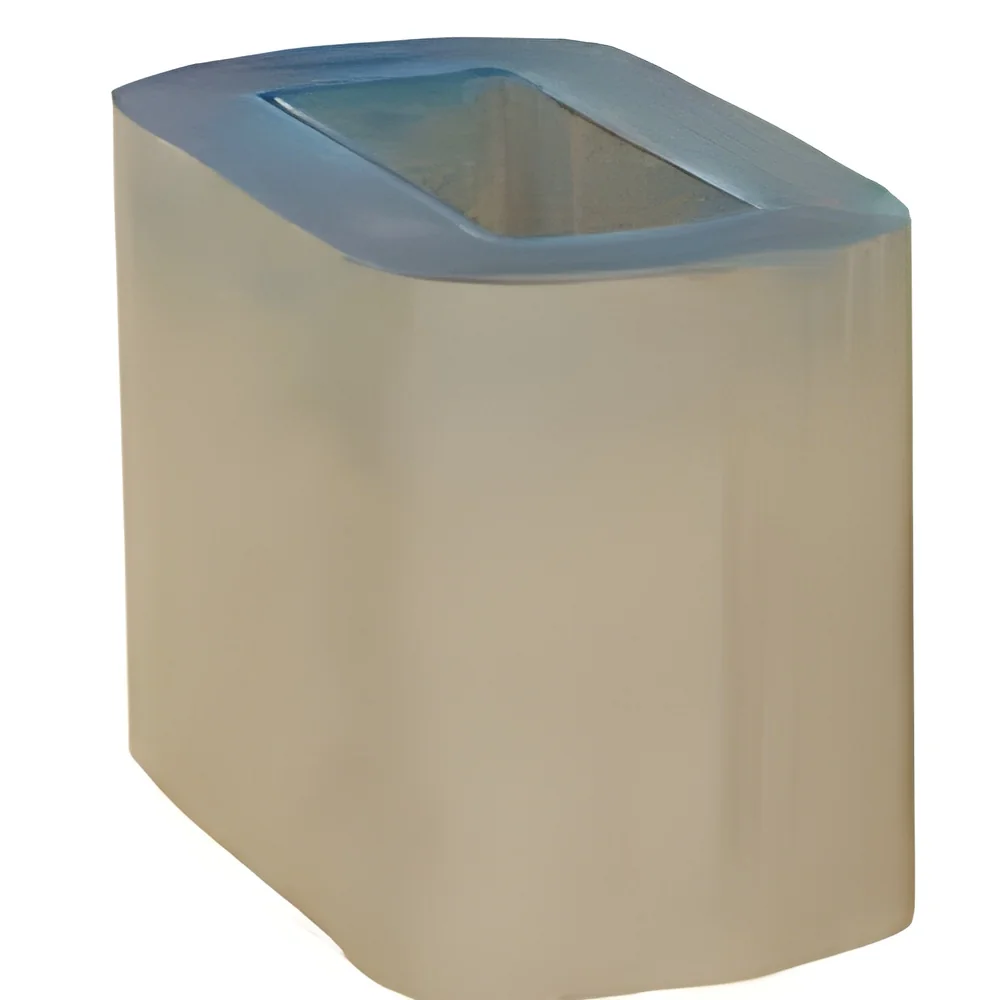
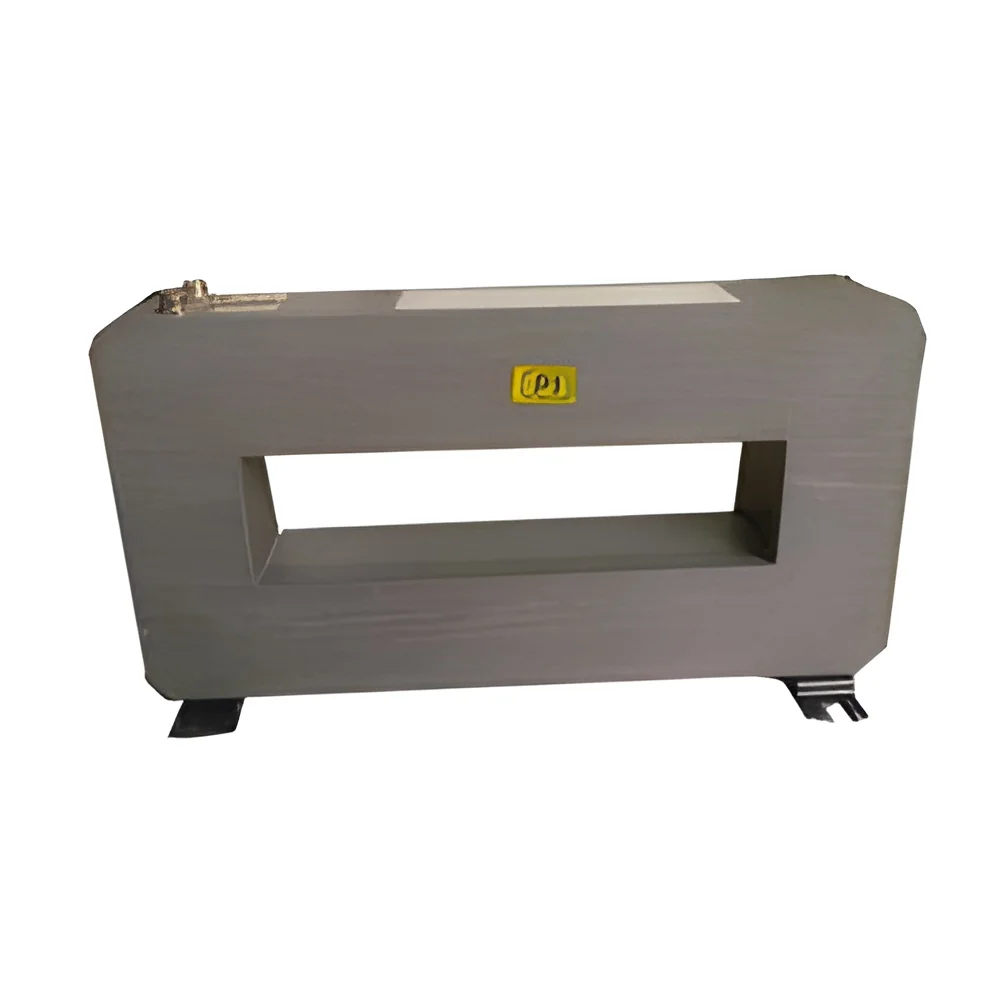
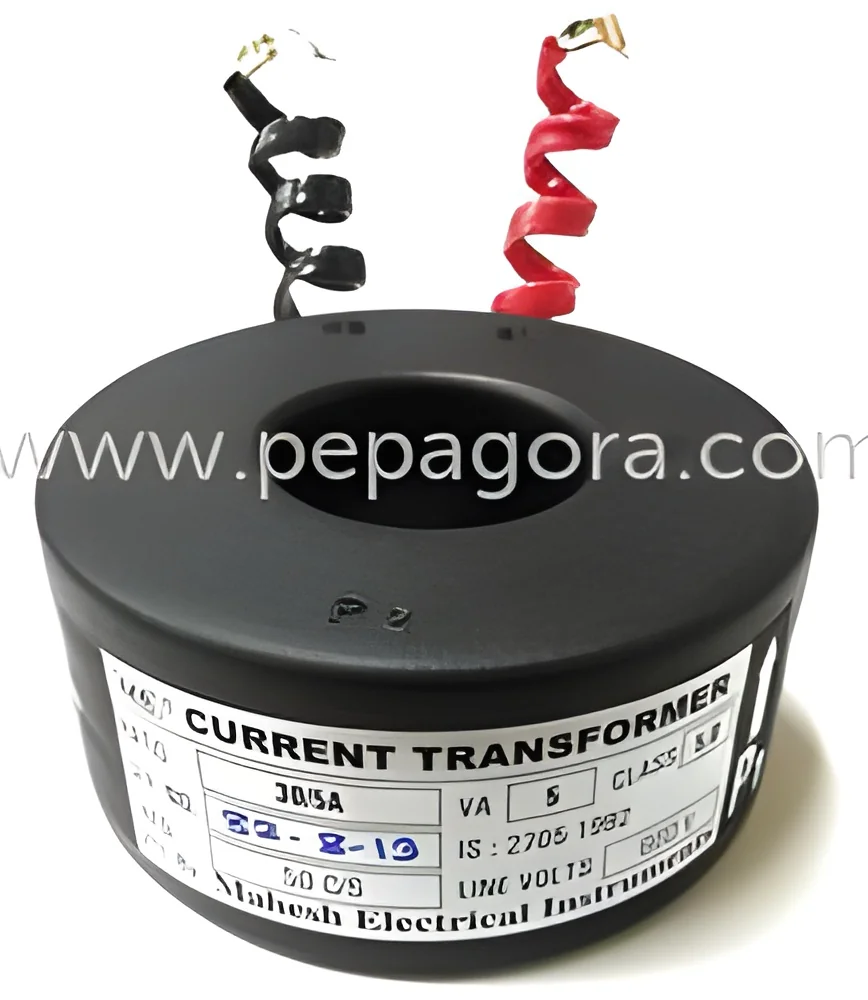
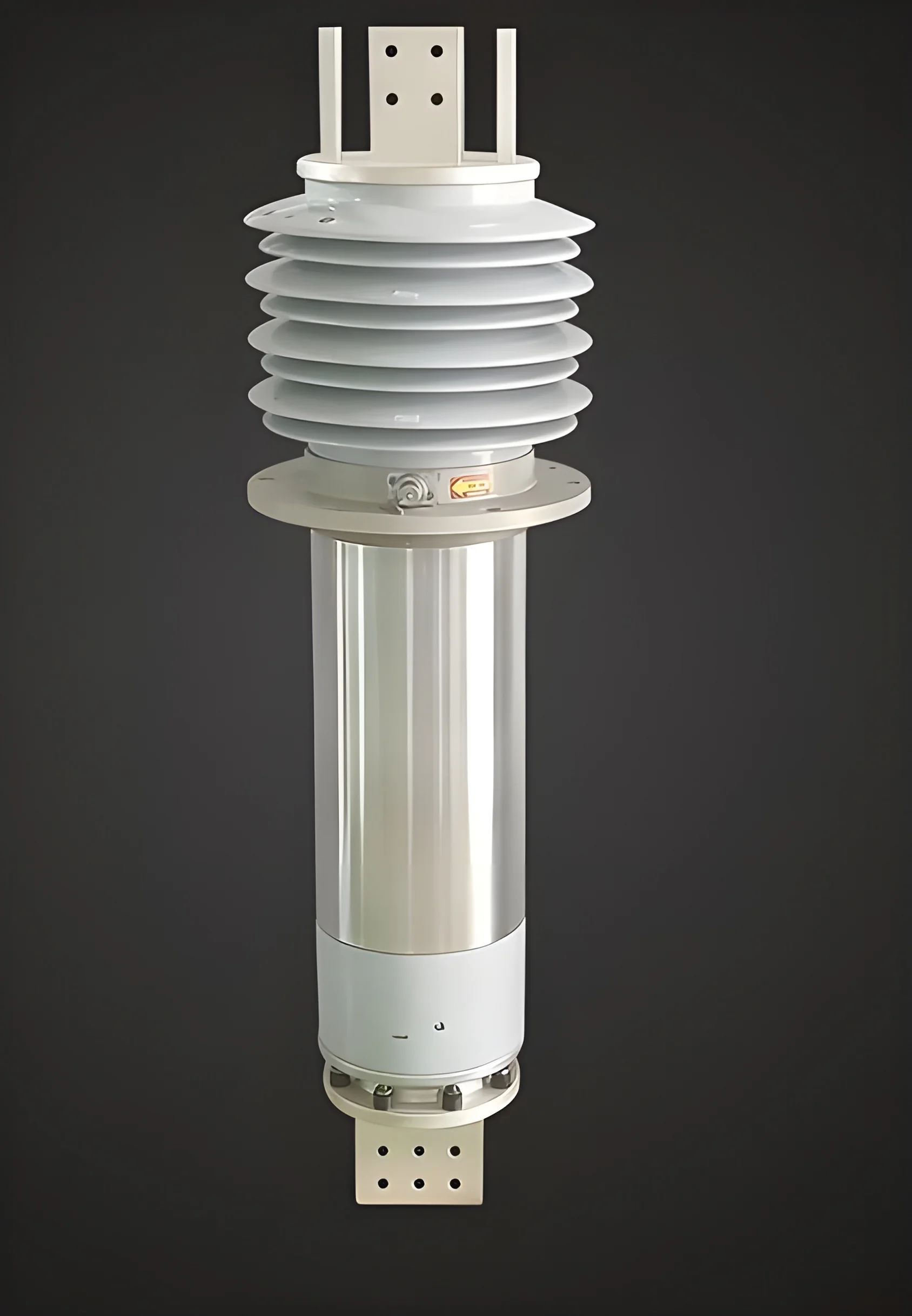
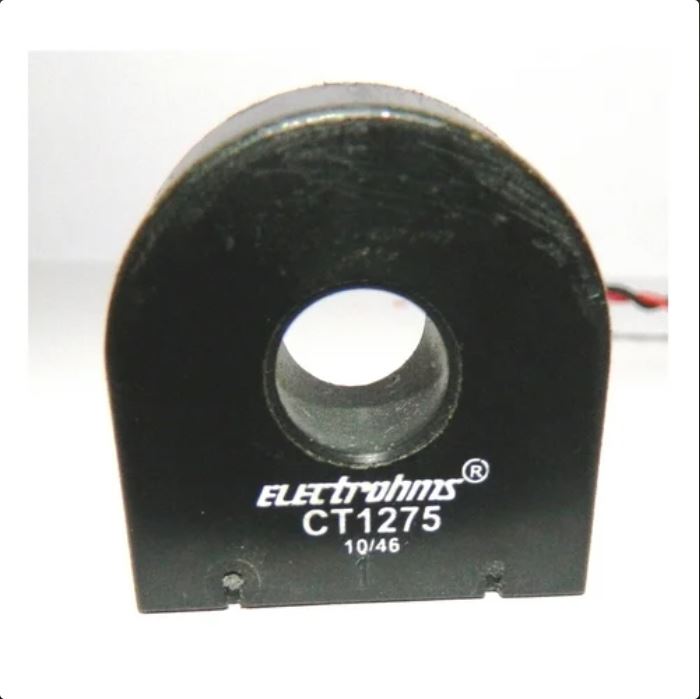
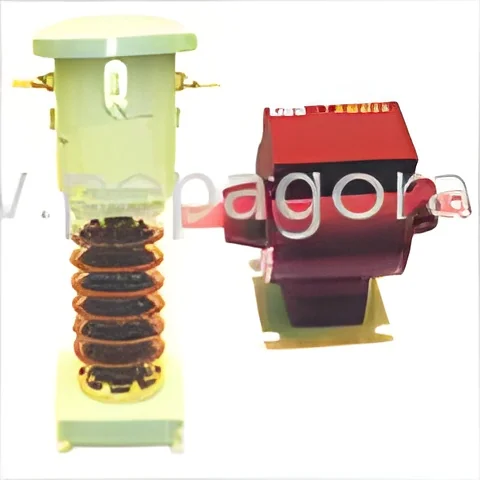
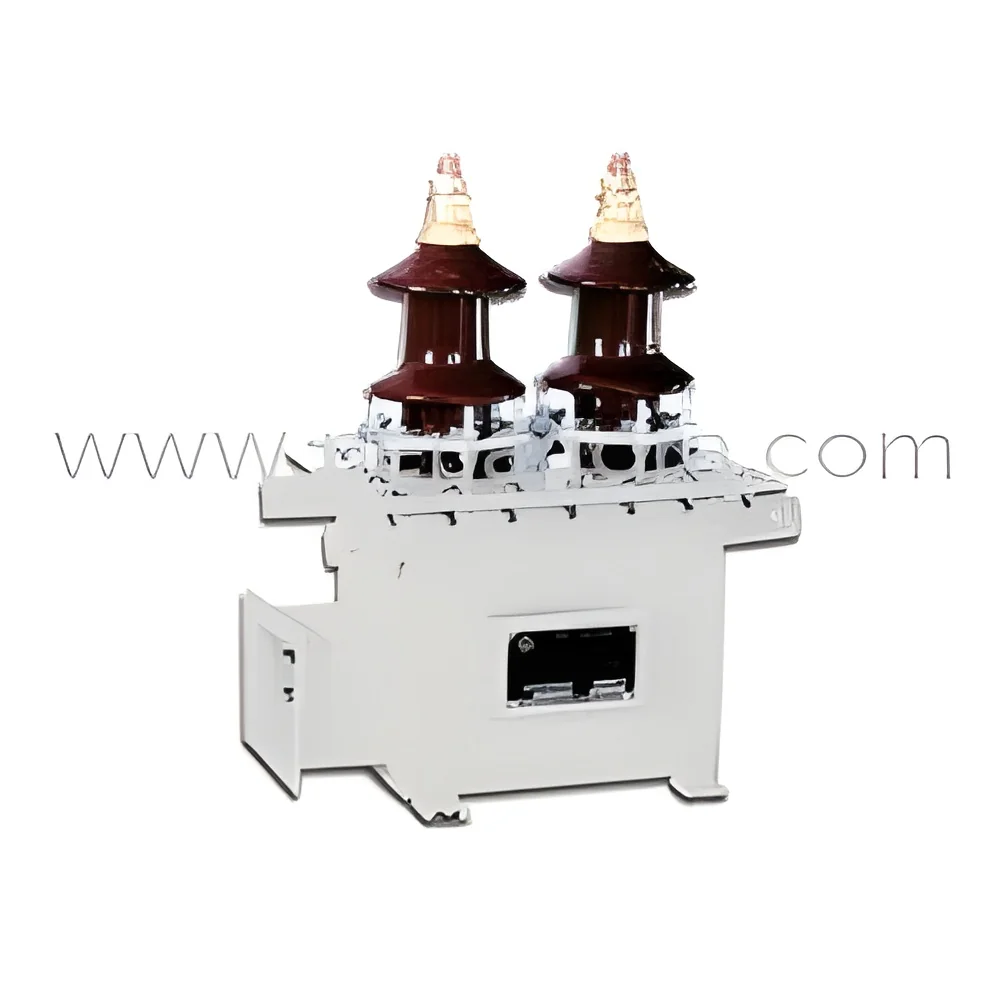
Key Features and Specifications
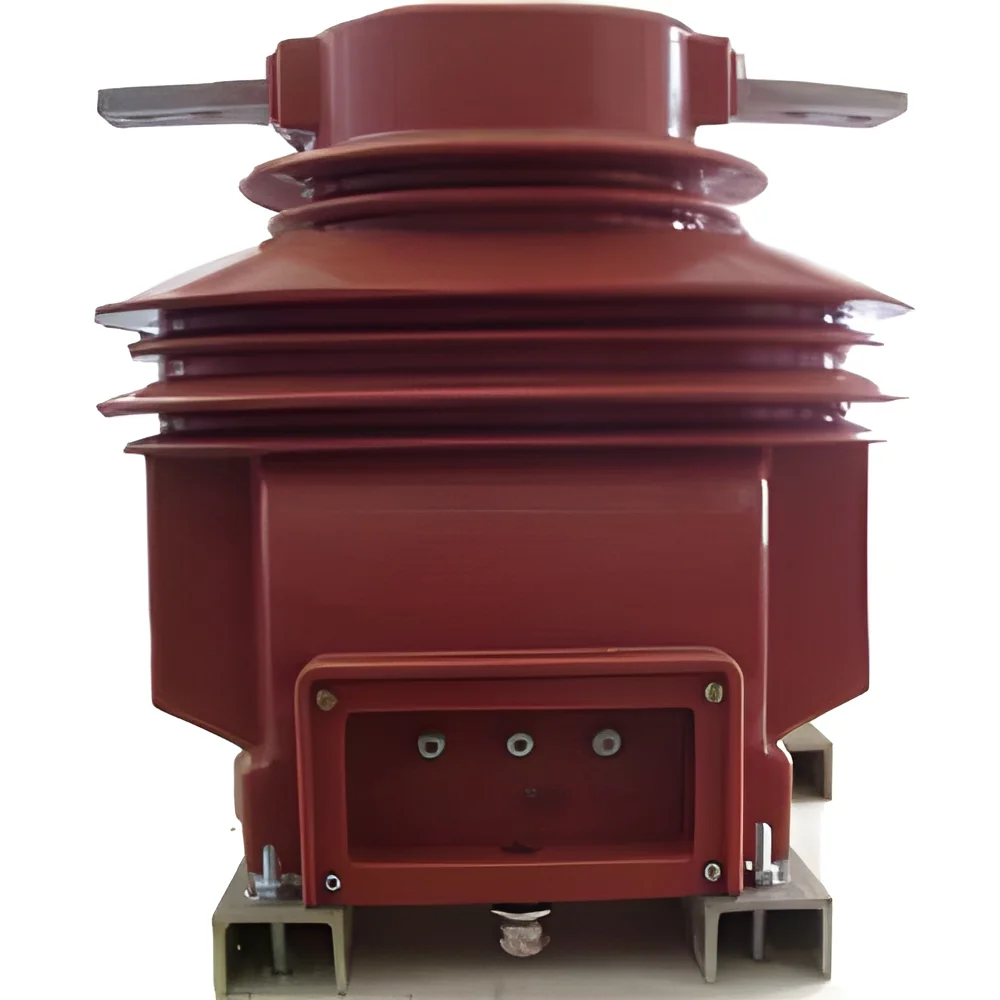
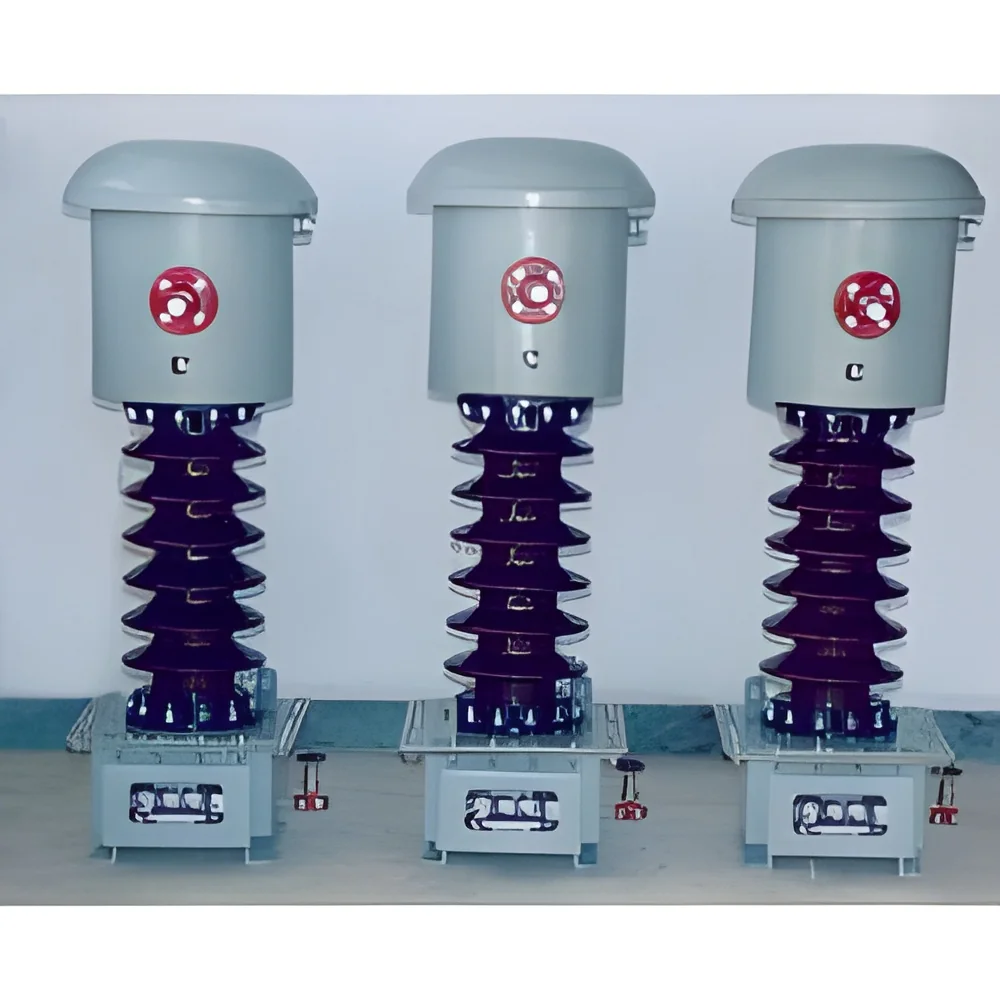
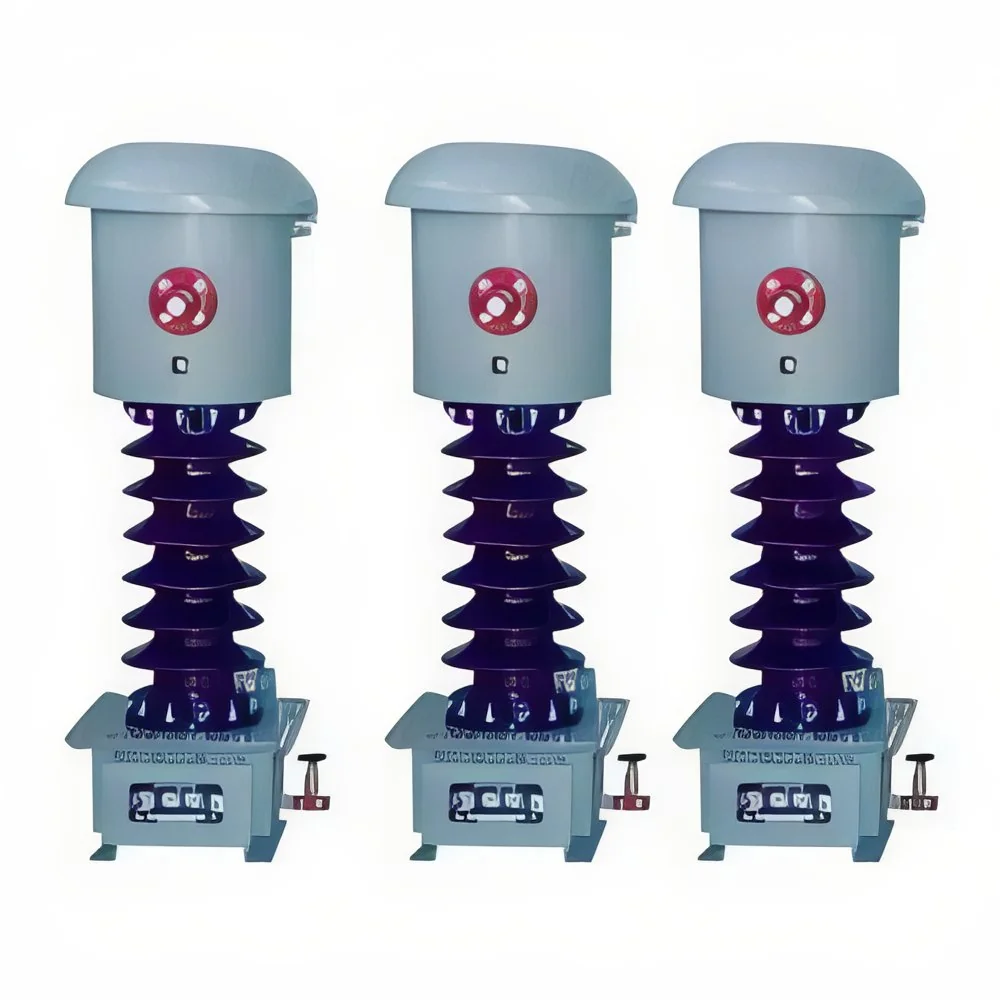
Current Transformers come with several key features that enhance their functionality and reliability. Understanding these specifications is crucial for selecting the right CT for specific applications.
Key specifications include:
1. Current Ratio
- Defines the ratio of primary current to secondary current.
- Common ratios include 100:5, 200:5, and custom configurations.
2. Accuracy Class
- Indicates the precision of the CT in measuring current.
- Typical accuracy classes are 0.2, 0.5, and 1.0.
3. Burden Rating
- Refers to the maximum load that can be connected to the secondary winding.
- Rated in VA (volt-amperes) and typically ranges from 2 to 15 VA.
4. Insulation Class
- Specifies the level of insulation and temperature rating.
- Common classes are A, B, and F, corresponding to different temperature thresholds.
5. Frequency
- The operational frequency range for the CT.
- Standard frequency is 50/60 Hz.
6. Phase Shift
- Indicates the phase difference between primary and secondary currents.
- Important for accurate power measurement.
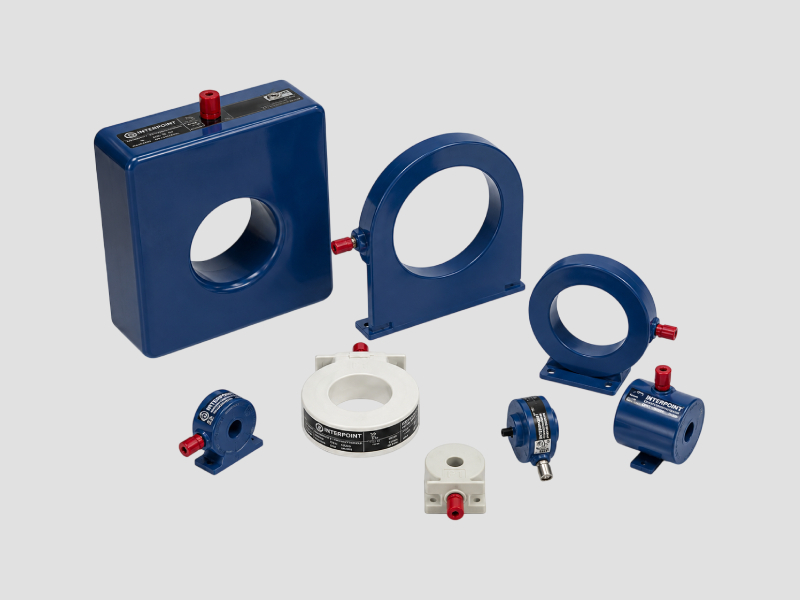
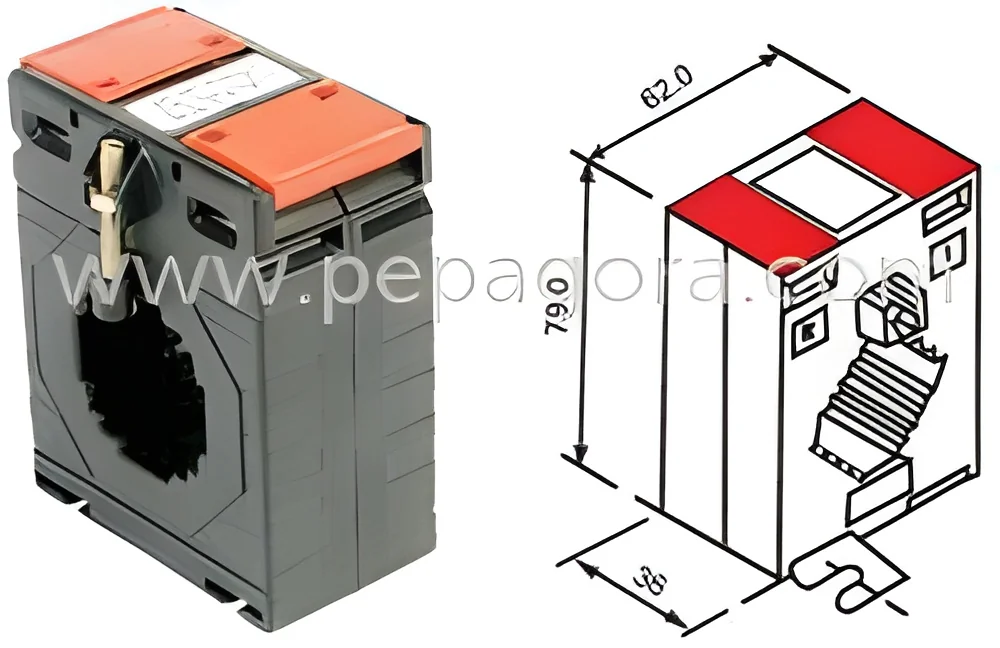
7. Size and Weight
- Dimensions and weight of the transformer, which can affect installation.
- Varies depending on the design and application.
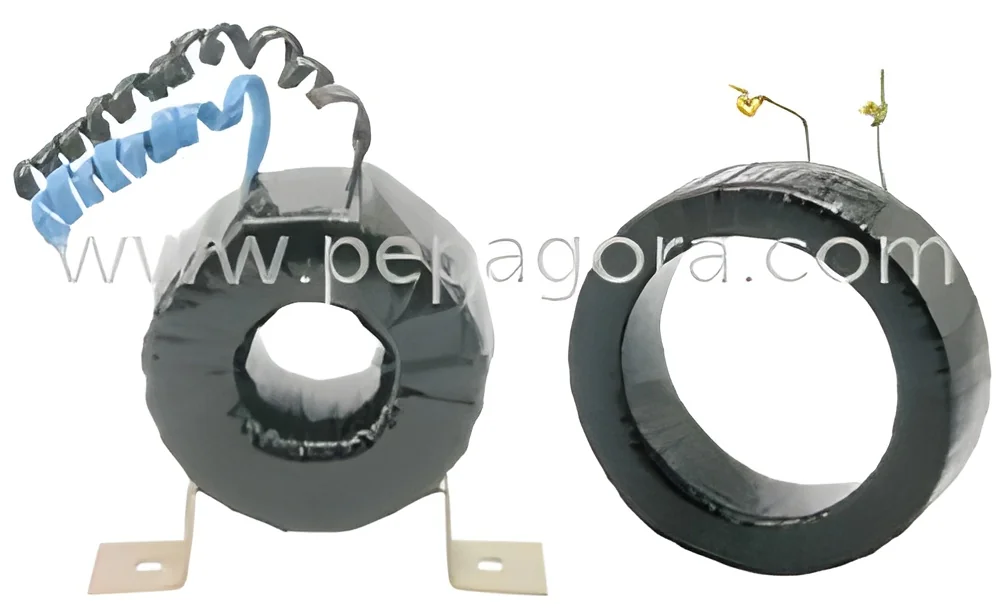
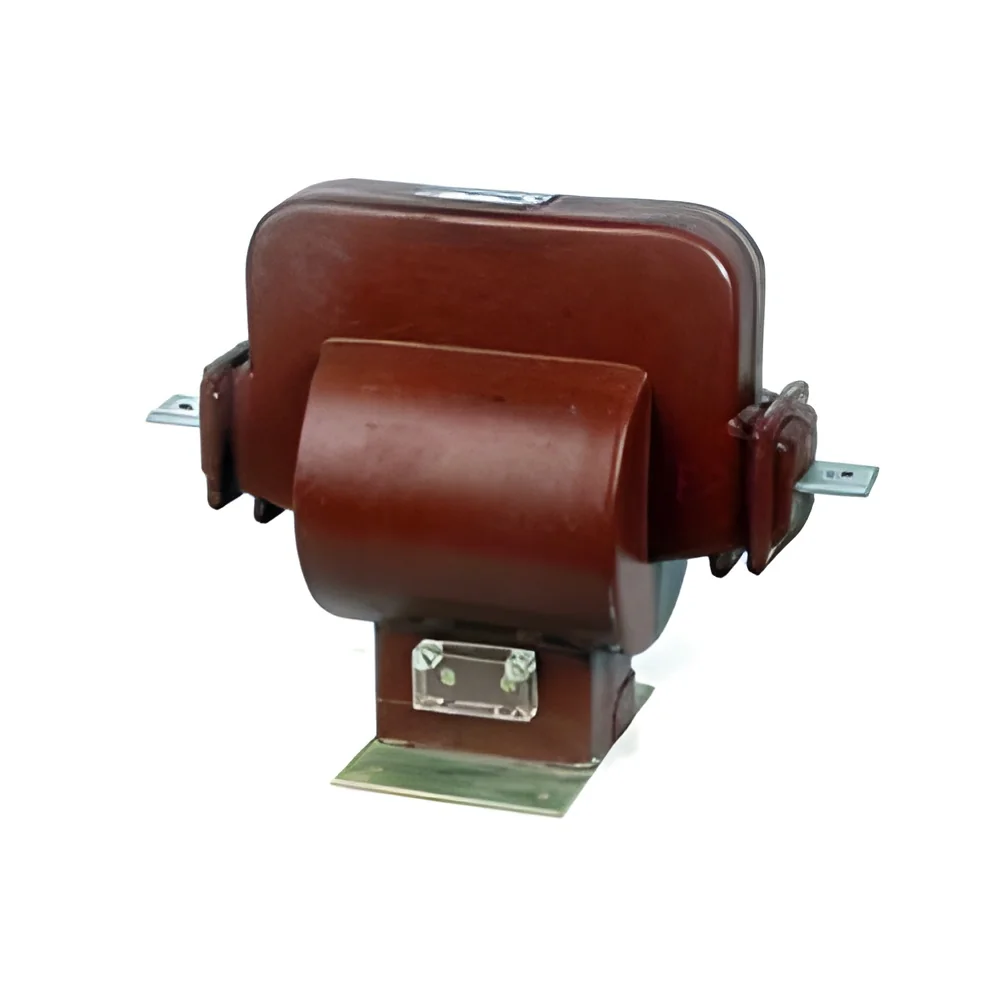
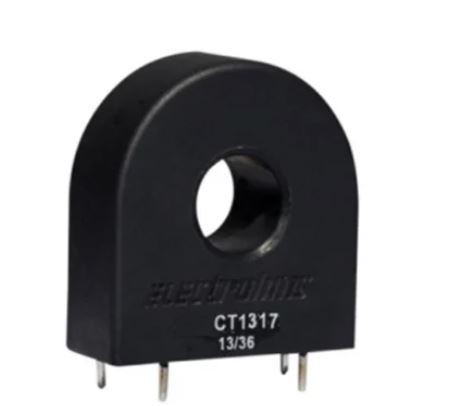
8. Mounting Type
- Describes how the CT is installed, whether through-hole, clamp-on, or other methods.
In summary, selecting the right Current Transformer involves understanding these specifications to ensure compatibility with the intended application.
Common Applications and Use Cases
Current Transformers are utilized across a variety of industries, reflecting their versatility and importance in electrical systems.
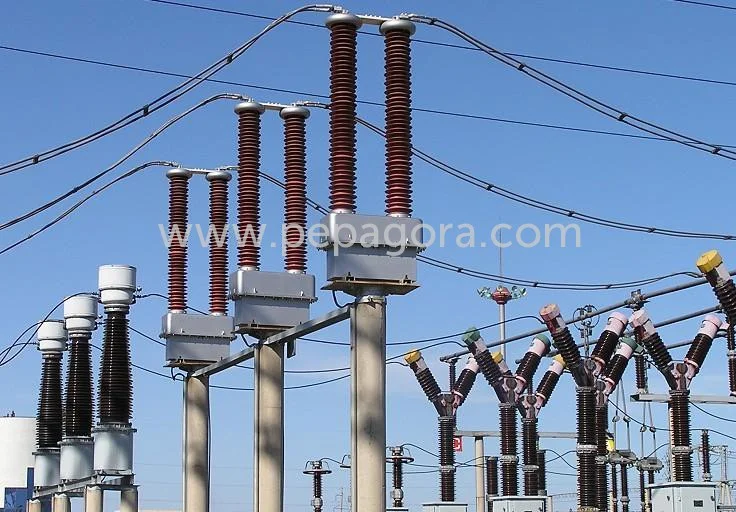
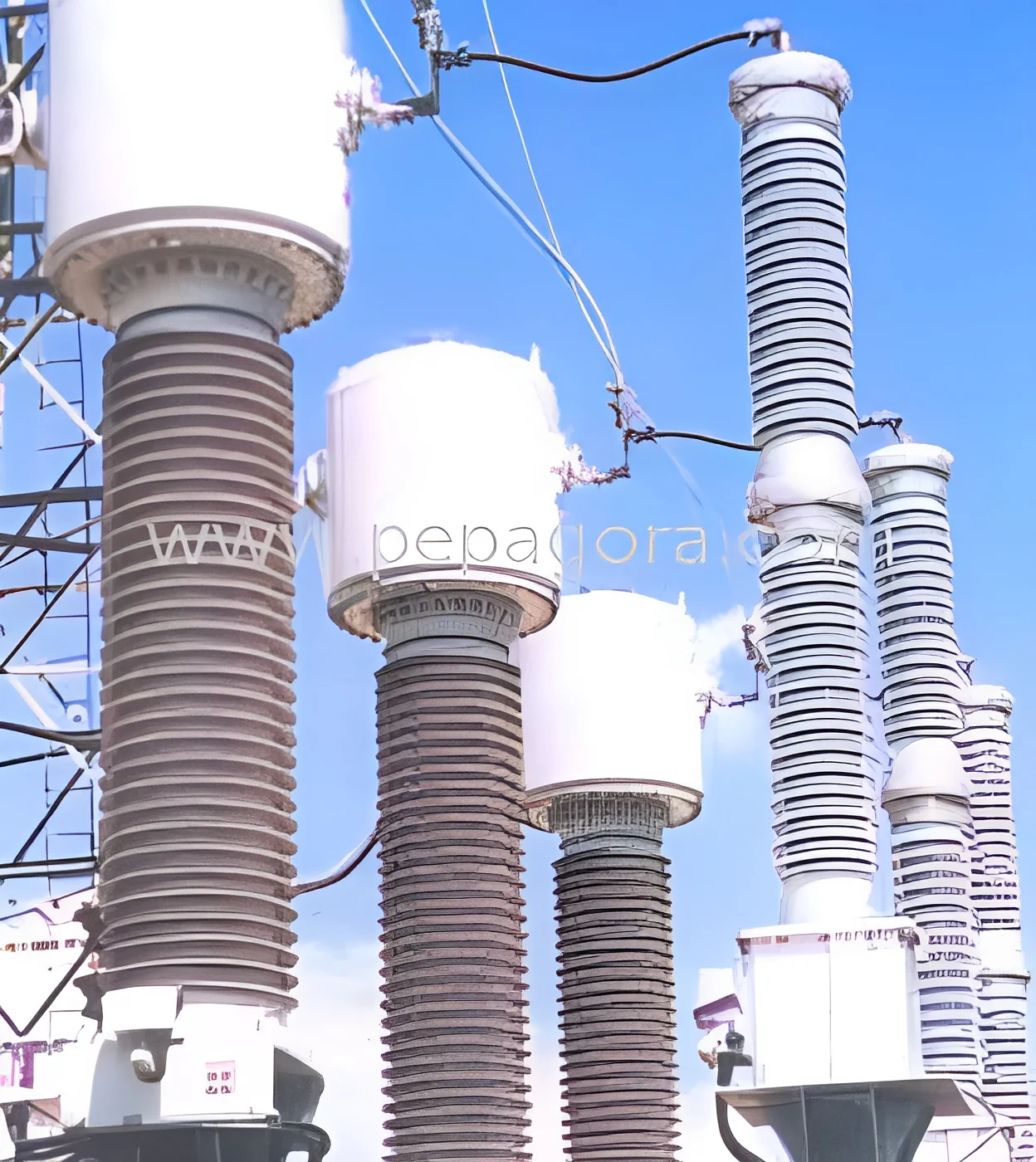
1. Energy Utilities: CTs are essential in substations for measuring and monitoring electrical power transmission, ensuring operational efficiency.
2. Industrial Manufacturing: In manufacturing facilities, CTs help manage electrical loads, monitor equipment performance, and enhance safety protocols.
3. Commercial Buildings: CTs are used in commercial settings for energy management, allowing businesses to track consumption and optimize usage.
4. Renewable Energy: In solar and wind energy applications, CTs measure the output of energy systems, ensuring correct integration with the power grid.
5. Data Centers: CTs facilitate monitoring of power usage in data centers, helping to achieve efficiency and manage costs effectively.
6. Transportation: CTs are employed in rail and transit systems for monitoring power consumption and ensuring safety.
7. Marine and Offshore: In marine applications, CTs are vital for monitoring electrical systems under challenging environmental conditions.
Product Variants and Subcategories
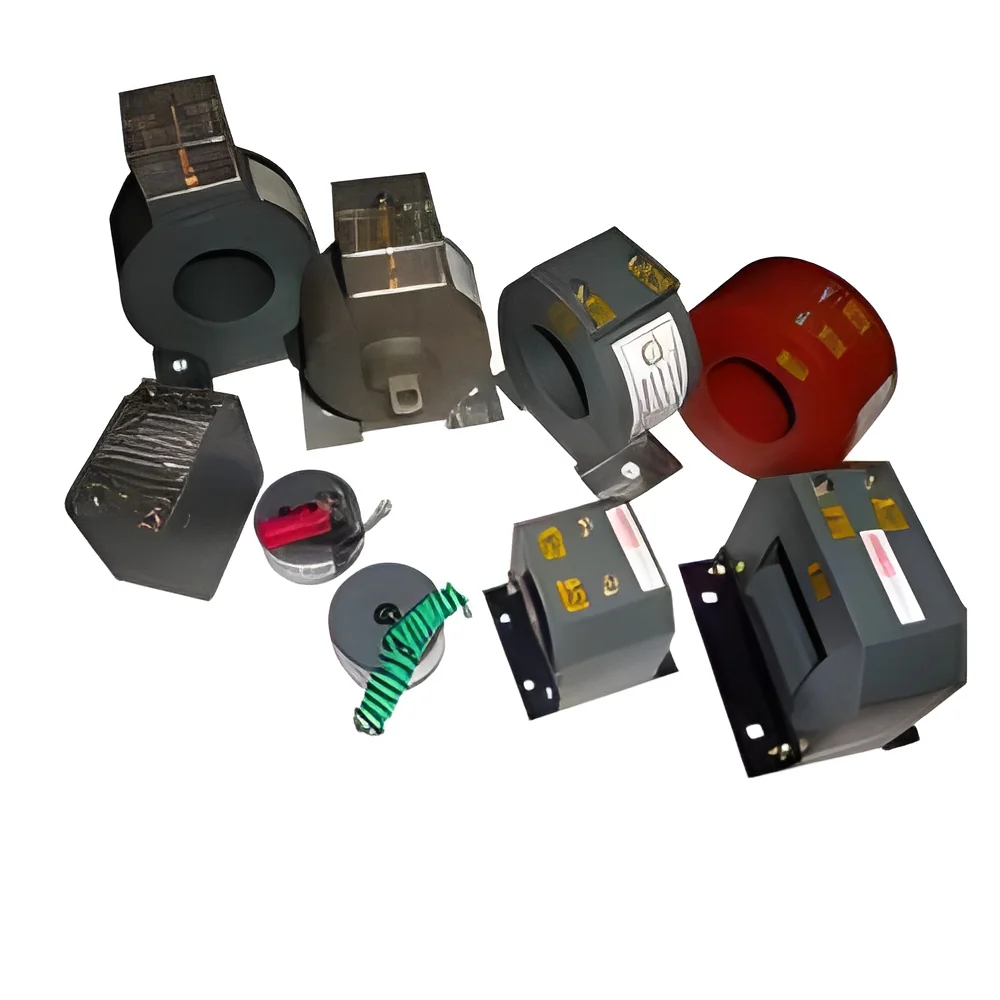
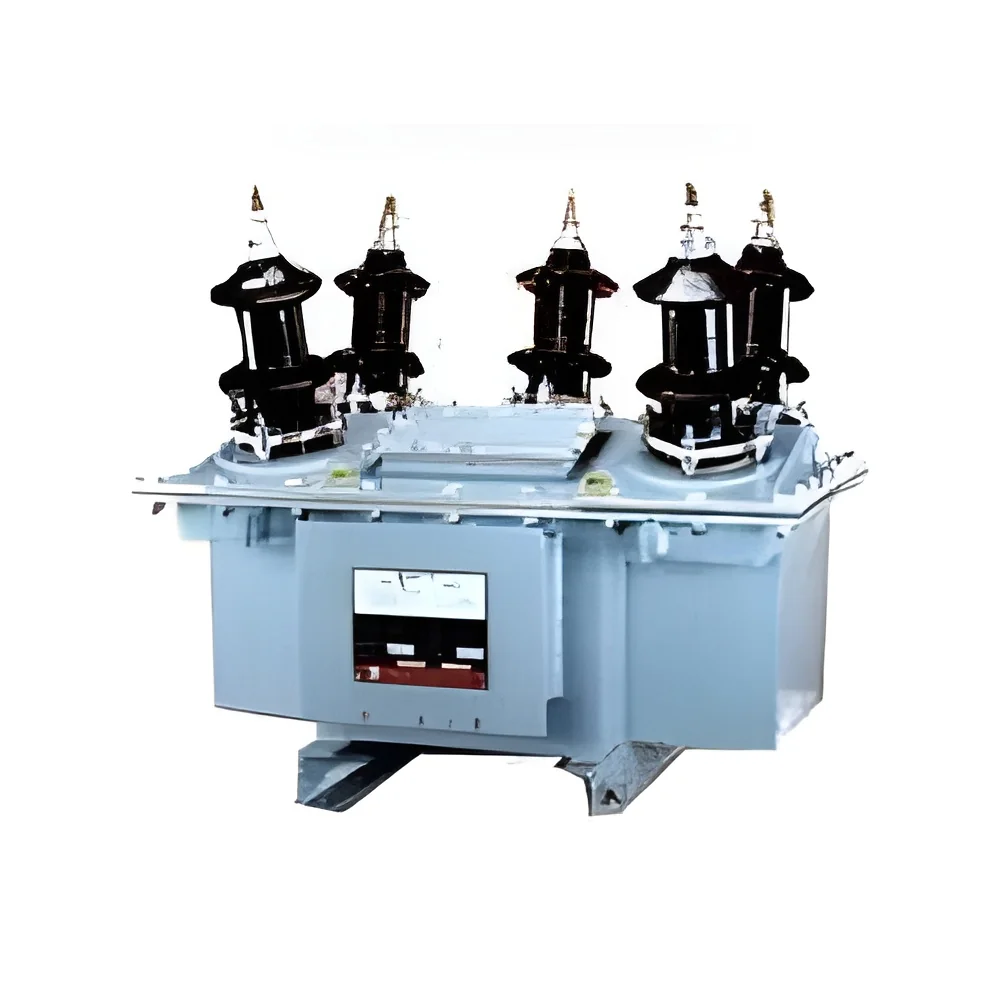
Current Transformers are available in various designs to suit different applications, providing flexibility for users.
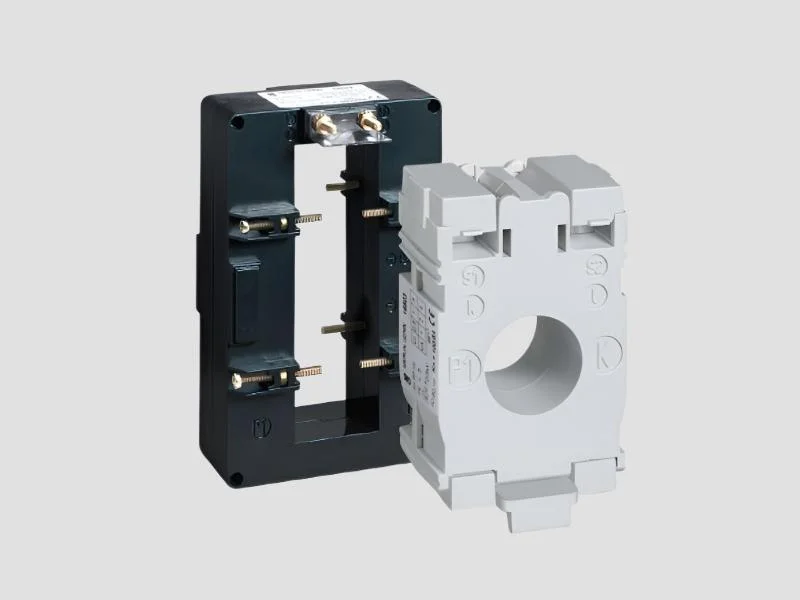
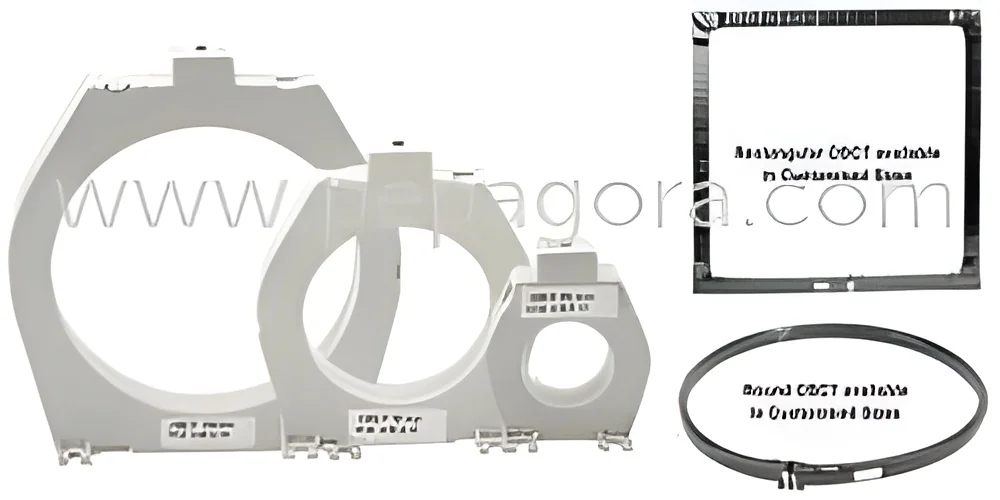
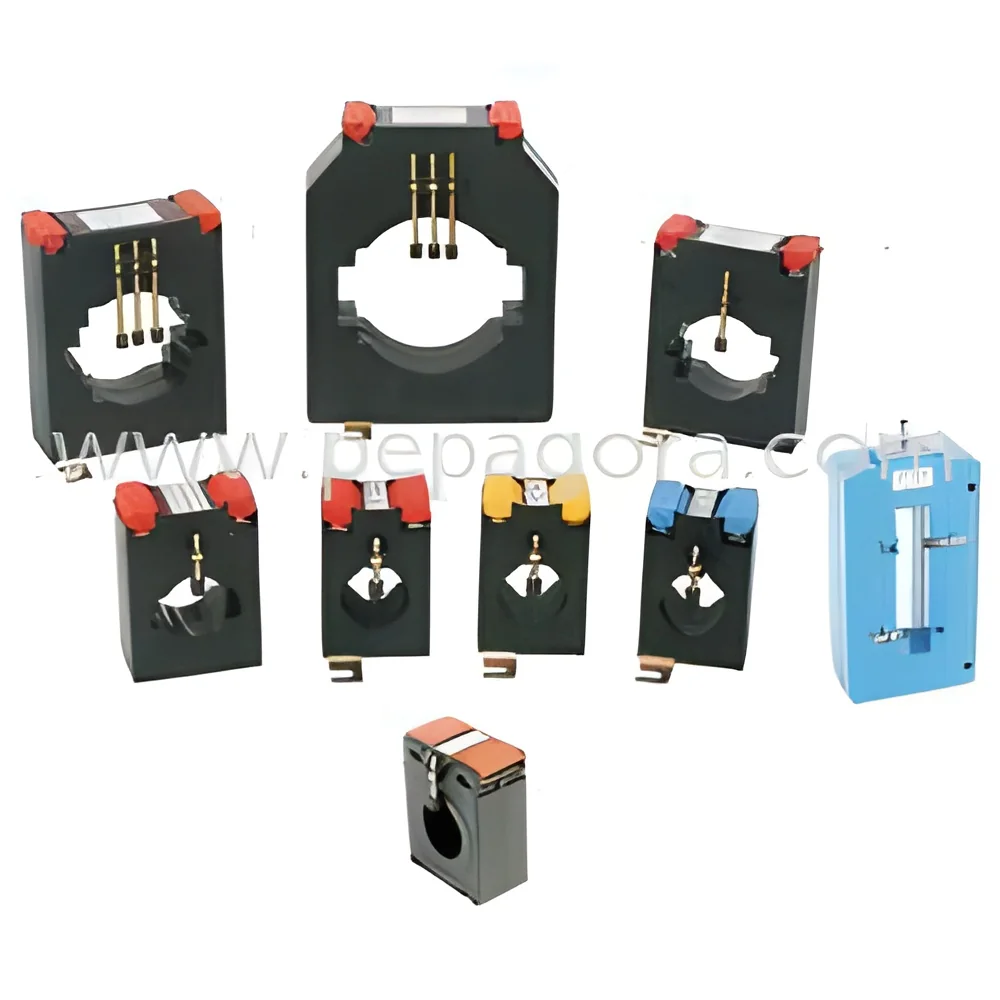
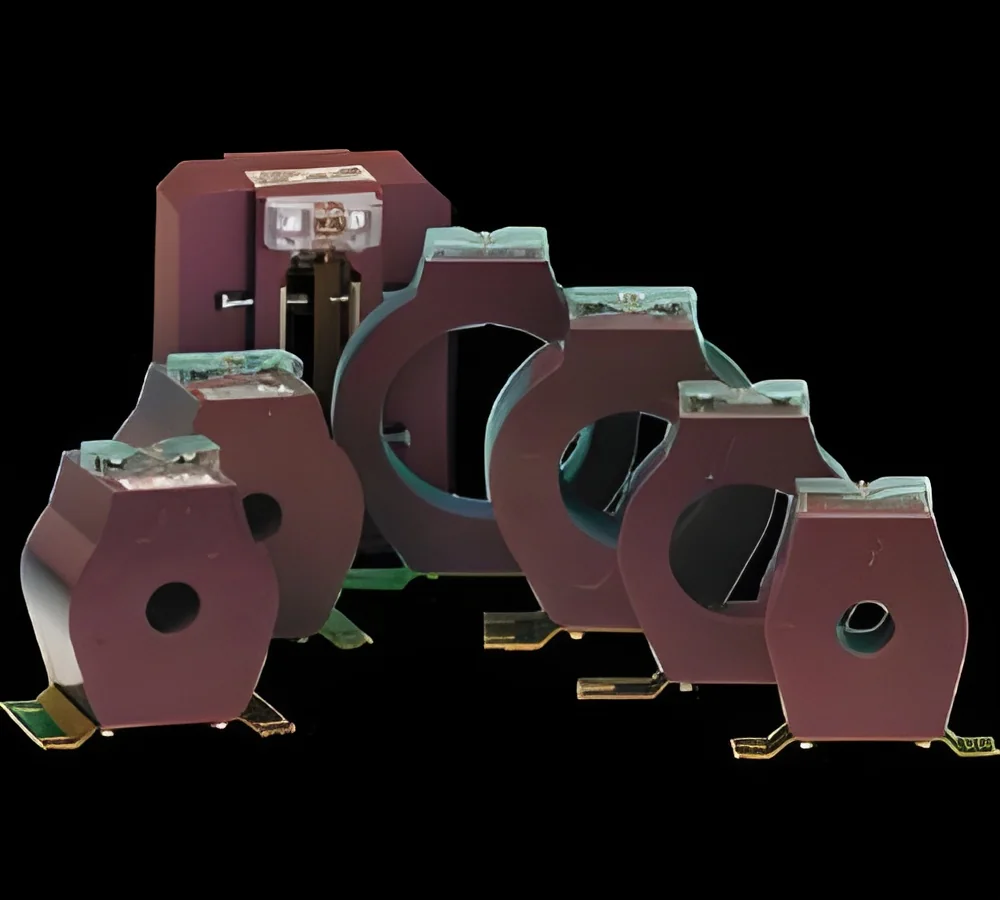
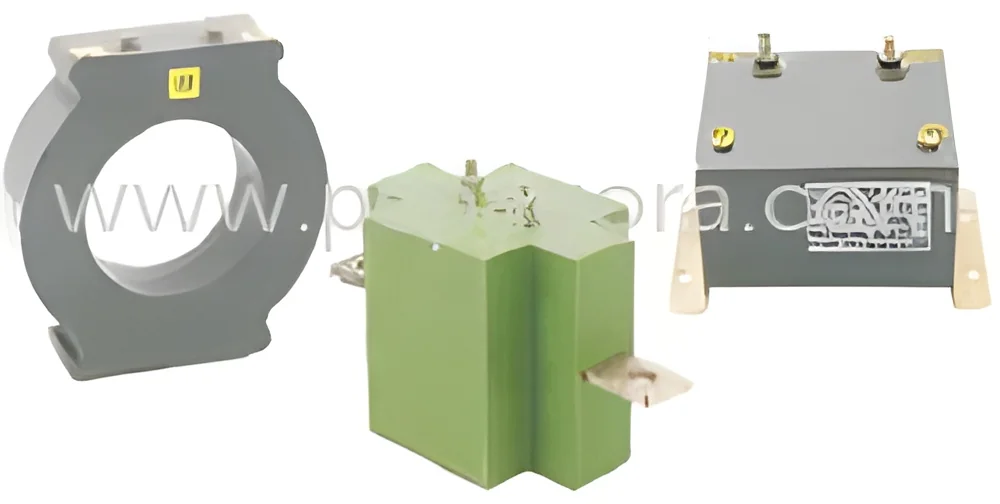
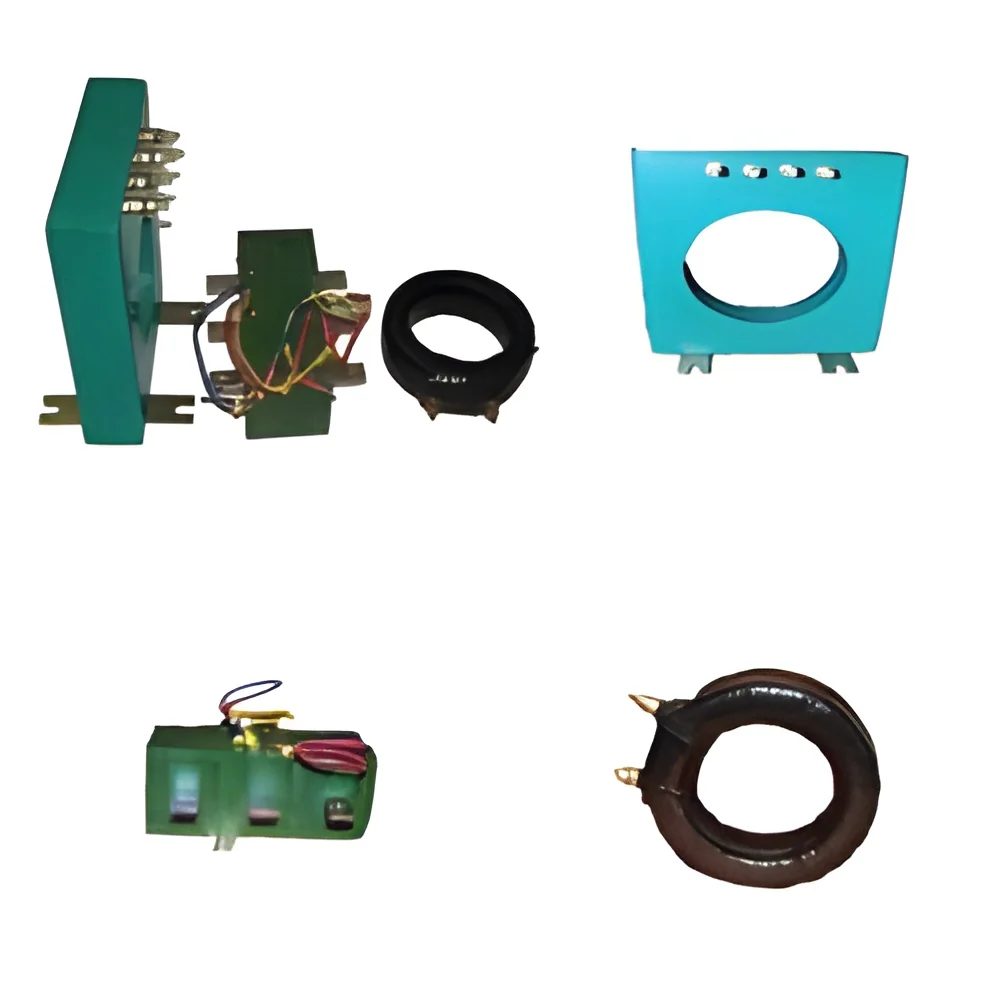
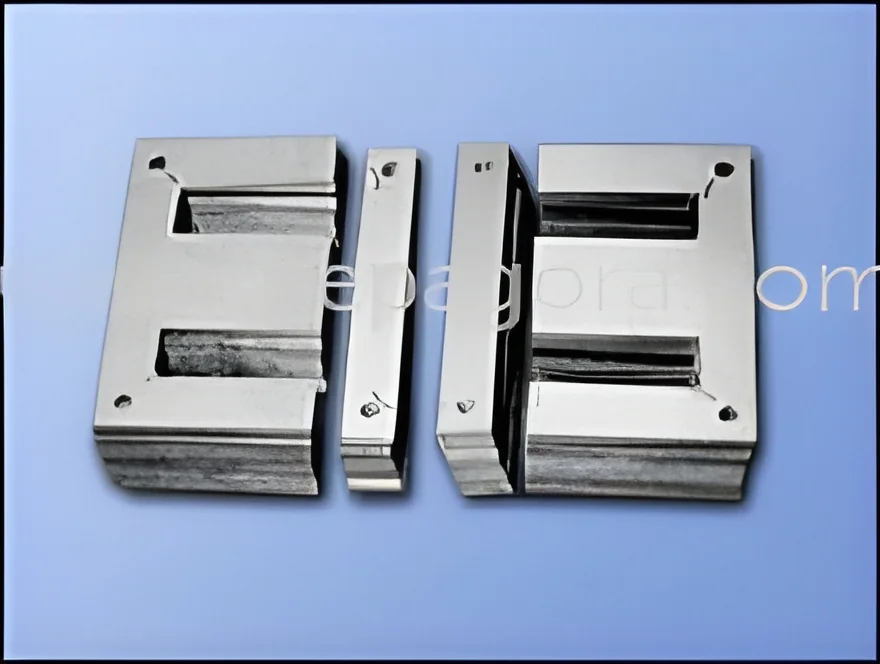
Screw-type Current Transformers: These variants are designed for easy installation in electrical panels and switchgear. They are reliable for energy metering and protection applications.
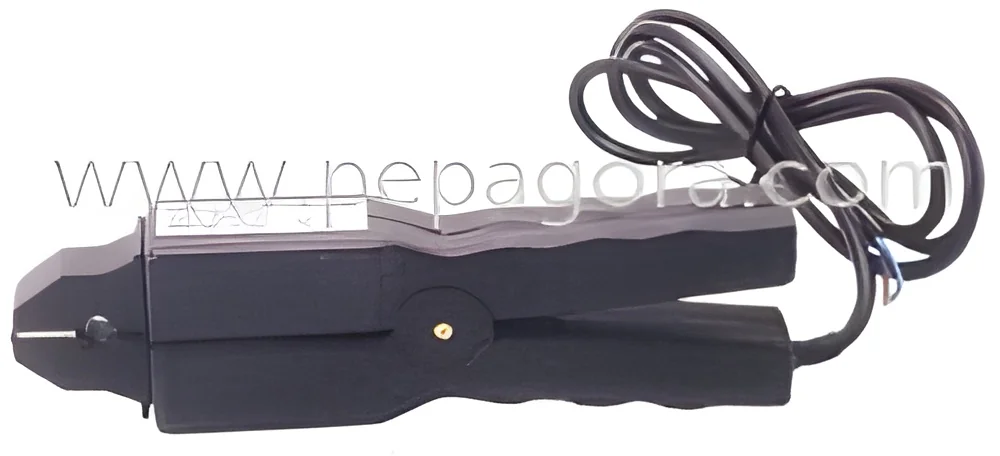
Clamp-on Current Transformers: These are portable CTs that can be easily attached to existing cables without the need for disconnection. They are ideal for temporary measurements and troubleshooting.
Split-core Current Transformers: These variants can be opened and closed around existing conductors, making them suitable for retrofitting without disrupting electrical systems.
Benefits and Advantages
Current Transformers offer numerous advantages that enhance operational efficiency and safety in electrical applications.
1. Enhanced Safety: By providing isolation between high voltage circuits and measurement devices, CTs help protect personnel and equipment.
2. Accurate Measurement: Current Transformers ensure precise monitoring of electrical currents, aiding in effective energy management.
3. Reduced Equipment Damage: By allowing for early detection of overloads and faults, CTs help prevent damage to electrical equipment.
4. Cost Efficiency: Accurate current measurements facilitate better energy management, leading to potential cost savings in utility bills.
5. Versatile Applications: With various designs and specifications, CTs can be used effectively across multiple industries.
6. Easy Installation: Many CTs, especially clamp-on variants, are designed for quick and straightforward installation, minimizing downtime.
Buying Guide for B2B Buyers
When sourcing Current Transformers (CT), it is essential to consider several key factors to ensure you select the best product for your needs.
1. Quality Assessment: Evaluate the quality of the CT by reviewing manufacturer specifications and industry standards. Look for products that meet relevant certifications.
2. Supplier Verification: Vet suppliers by checking their reputation, customer reviews, and history in the industry. Reliable suppliers can provide quality products and after-sales support.
3. Pricing and MOQ: Understand the pricing structure and minimum order quantities (MOQ) offered by suppliers. Compare costs to ensure you are getting a competitive rate.
4. Delivery and Lead Times: Inquire about the delivery schedules and lead times for orders. Timely delivery is vital for project planning and execution.
5. Compliance Requirements: Ensure that the Current Transformers comply with local and international regulations, including safety and quality standards.
Compliance and Certifications
Current Transformers must adhere to various quality standards and certifications to ensure safety and reliability in their applications.
Relevant quality standards such as ISO 9001 ensure that manufacturers maintain high-quality production processes. Compliance with these standards indicates that the products have undergone rigorous quality control measures.
Industry certifications like CE mark signify that the Current Transformers meet European safety, health, and environmental protection standards. This certification is crucial for products sold in the European market.
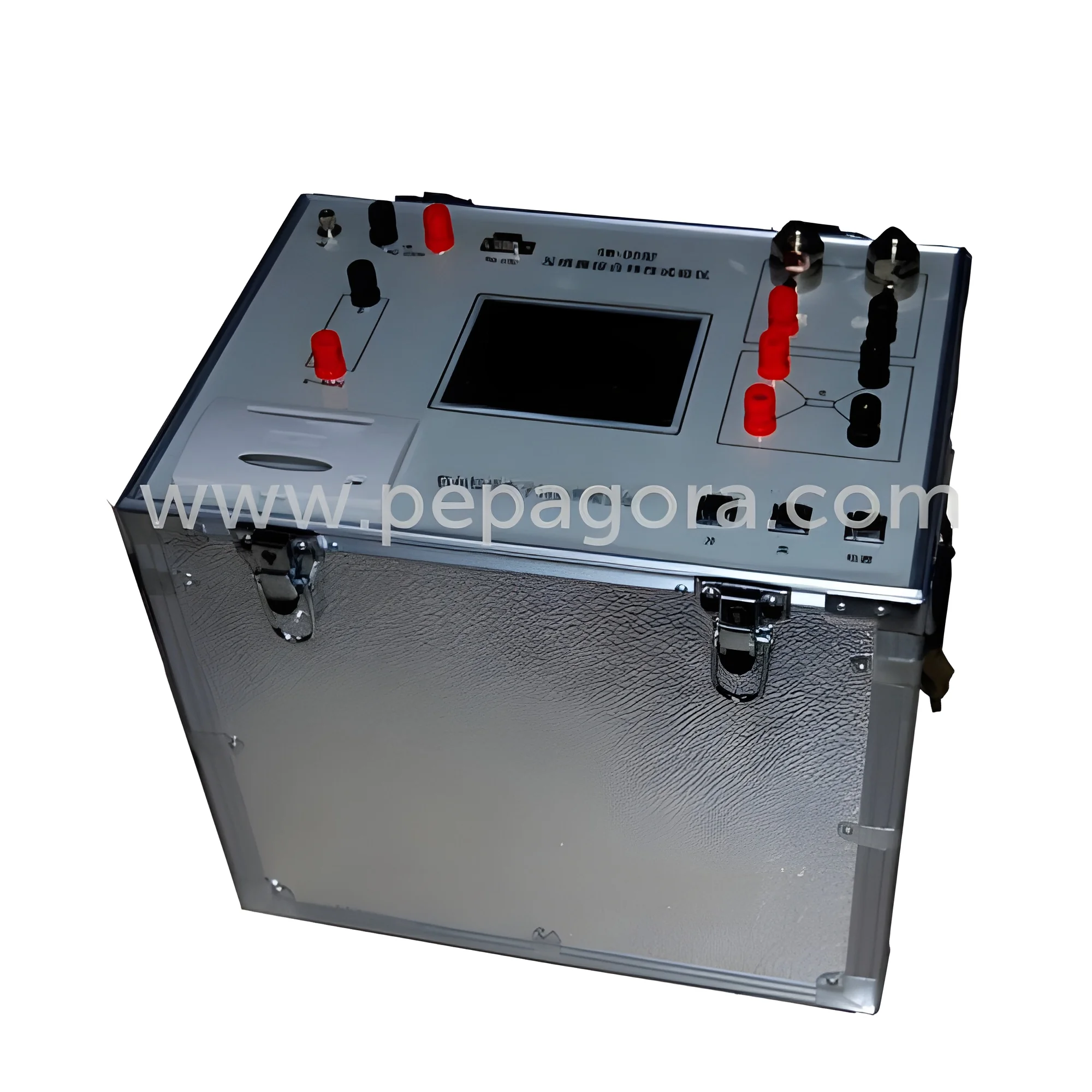
Safety and testing requirements are critical for ensuring that CTs operate reliably under specified conditions. Regular testing can help identify any potential issues before they affect performance.
Regional compliance considerations may also apply, depending on the market. Understanding local regulations is essential for ensuring that the CTs meet the necessary legal requirements.
Why Source Current Transformers (CT) from Pepagora?
Pepagora offers a trusted platform for sourcing Current Transformers (CT), providing several key advantages to B2B buyers.
Verified Supplier Network: Pepagora connects buyers with a network of verified suppliers, ensuring that all products meet high standards of quality and reliability. This reduces the risk of purchasing subpar items.
Streamlined RFQ Process: The request for quotation (RFQ) process on Pepagora is designed for efficiency. Buyers can easily submit their requirements and receive competitive quotes from multiple suppliers.
Trade Assurance and Support: Pepagora provides trade assurance, offering buyers protection during the purchasing process. This support includes assistance with disputes and guarantees on product quality.
Regional Coverage: Pepagora’s geographic reach extends across India, the GCC region, and Southeast Asia. This ensures that buyers can source CTs locally, reducing shipping times and costs.

 IN
IN