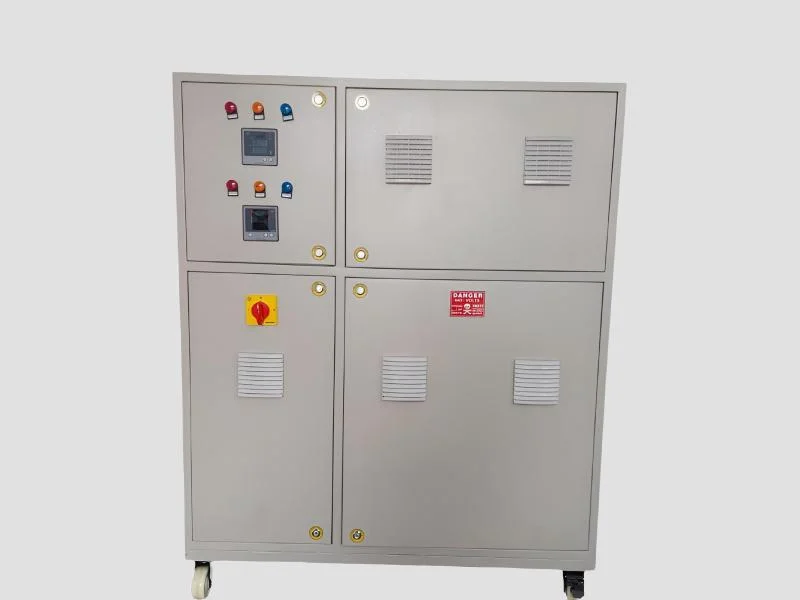
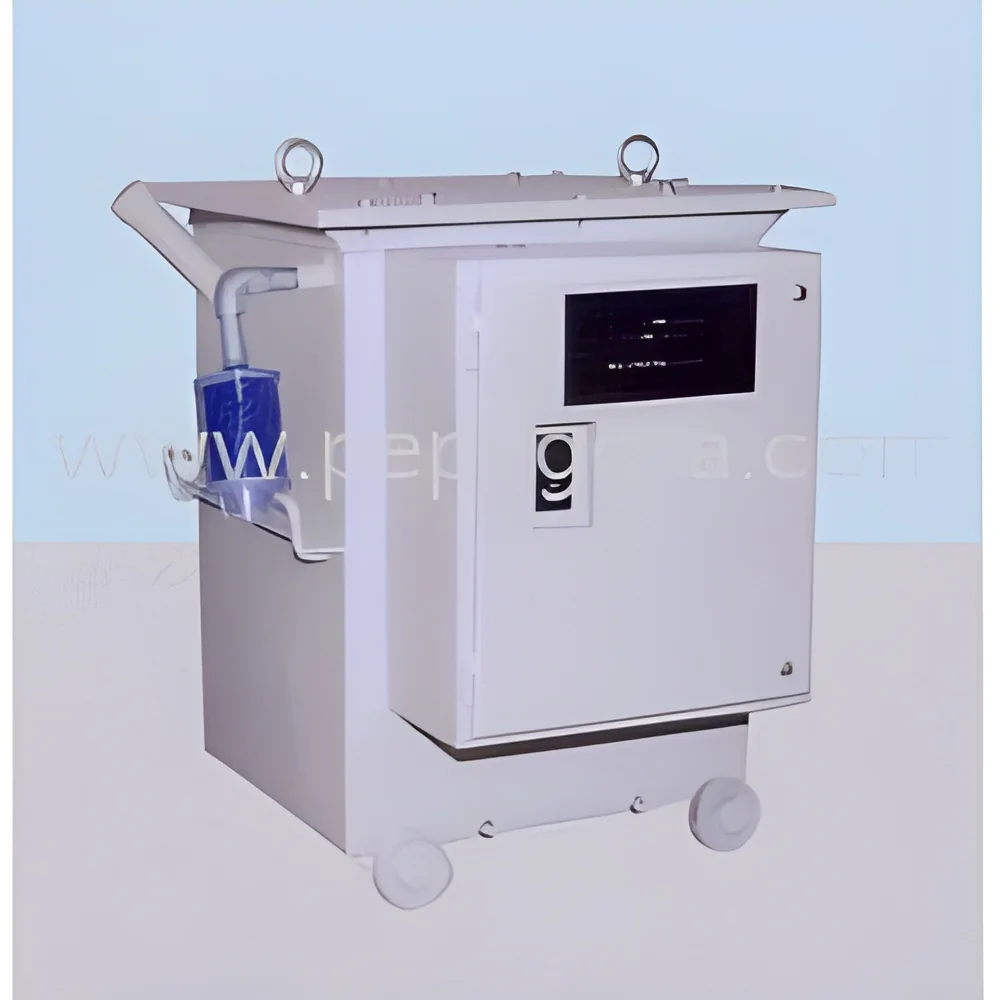
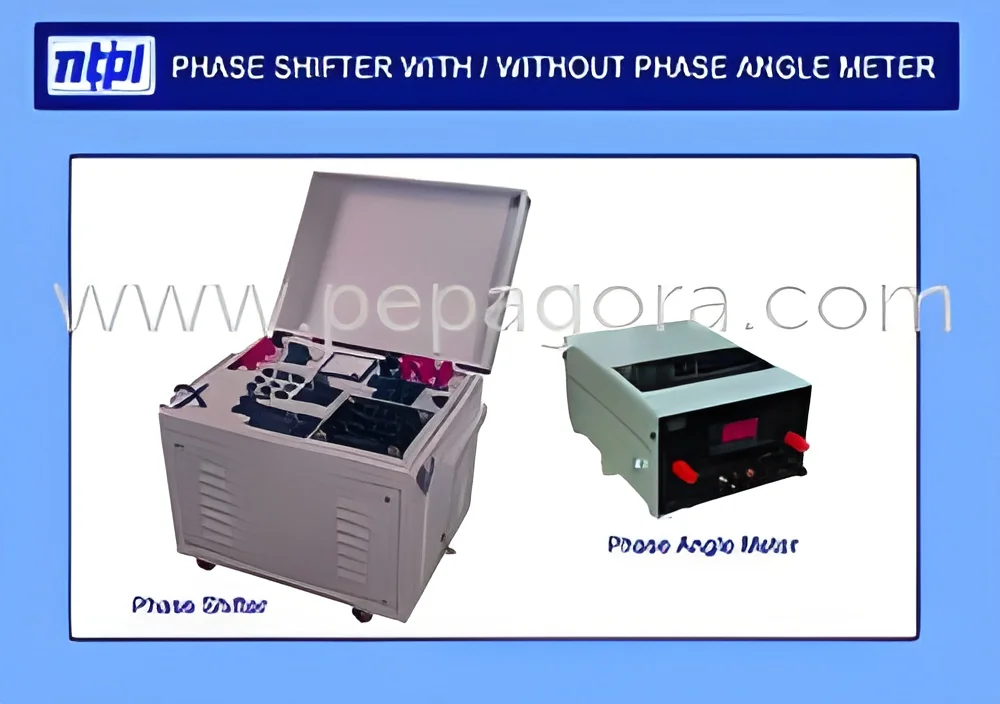
What are Three Phase Stabilizers?
Three Phase Stabilizers are specialized devices designed to regulate and stabilize voltage levels in three-phase electrical systems. They play a critical role in ensuring that electrical equipment operates efficiently and safely by maintaining consistent voltage output. These stabilizers protect machinery from voltage fluctuations that can lead to damage or operational inefficiencies. By managing electrical loads and compensating for voltage drops or surges, three phase stabilizers enhance the reliability of power supply in industrial environments.
Primarily, Three Phase Stabilizers are utilized in industries that rely heavily on electrical equipment, such as manufacturing, telecommunications, and data centers. They are essential for protecting sensitive electronic devices and machinery from the detrimental effects of unstable voltage. Businesses leverage these stabilizers to minimize downtime, reduce repair costs, and ensure seamless operations. In the current market, where energy efficiency and operational reliability are paramount, the demand for high-quality Three Phase Stabilizers continues to grow, highlighting their importance in modern industrial applications.
Key Features and Specifications
Three Phase Stabilizers come equipped with various features that enhance their functionality and reliability. When selecting a stabilizer, it is important to understand the specifications that define their performance.
Key specifications include:
1. Voltage Regulation Range
- Provides details on the range of voltage that the stabilizer can effectively regulate.
- Typical ranges may vary based on the model and application.
2. Phase Balancing Capability
- Describes the stabilizer's ability to balance load across all three phases.
- Ensures optimal performance and reduces wear on equipment.
3. Surge Protection
- Details the stabilizer's capacity to protect against voltage spikes.
- Essential for safeguarding sensitive electronic devices.
4. Response Time
- Refers to how quickly the stabilizer can react to voltage fluctuations.
- Faster response times lead to better protection for connected equipment.
5. Efficiency Rating
- Indicates the operational efficiency of the stabilizer.
- Higher ratings suggest lower energy losses during operation.
6. Operating Temperature Range
- Specifies the temperature conditions under which the stabilizer can function.
- Important for environments with extreme temperatures.
7. Dimensions and Weight
- Provides the physical size and weight of the stabilizer.
- Critical for installation considerations.
8. Compliance Certifications
- Lists certifications such as CE that validate quality and safety standards.
- Ensures the stabilizer meets regulatory requirements.
In summary, understanding these features and specifications is crucial for selecting the right Three Phase Stabilizer that meets specific operational needs.
Common Applications and Use Cases
Three Phase Stabilizers are utilized across a diverse range of industries, ensuring stable voltage supply for various applications.
1. Manufacturing: In manufacturing facilities, these stabilizers protect heavy machinery and automated systems from voltage fluctuations, enhancing overall production efficiency.
2. Telecommunications: Telecommunication companies rely on Three Phase Stabilizers to maintain consistent power supply for network operations, preventing service interruptions and equipment damage.
3. Data Centers: Data centers utilize stabilizers to ensure uninterrupted power for servers and sensitive equipment, safeguarding critical data and operations.
4. Oil and Gas: In the oil and gas industry, stabilizers protect drilling and extraction equipment from power surges, ensuring safe and efficient operations.
5. Pharmaceuticals: Pharmaceutical manufacturers use these stabilizers to maintain strict voltage levels for sensitive production processes, ensuring product quality and compliance.
6. Construction: In construction sites, stabilizers provide reliable power for various tools and equipment, minimizing downtime and enhancing productivity.
7. HVAC Systems: Stabilizers ensure that HVAC systems operate efficiently by providing stable voltage, which is crucial for maintaining temperature control in large facilities.
Product Variants and Subcategories
Three Phase Stabilizers come in various models and configurations to meet different operational requirements.
Standard Model
This model is designed for general industrial applications, offering reliable voltage regulation and surge protection. It is suitable for a wide range of electrical equipment, making it a versatile choice for many businesses.
Advanced Model
The advanced model includes additional features such as remote monitoring and phase balancing capabilities. It is ideal for industries with high demands for energy efficiency and operational reliability.
Compact Model
This variant is designed for space-constrained environments. Despite its smaller size, it provides robust voltage stabilization and is perfect for smaller equipment or limited installation spaces.
Heavy-Duty Model
This model is built to withstand harsh industrial conditions. It is suitable for heavy machinery and equipment that require enhanced protection from voltage fluctuations.
Benefits and Advantages
Investing in Three Phase Stabilizers offers numerous advantages for businesses seeking to enhance their operational efficiency.
Key benefits include:
1. Equipment Protection: Stabilizers safeguard machinery from voltage fluctuations that can cause damage and costly repairs.
2. Increased Efficiency: By maintaining stable voltage levels, these devices enhance the performance and efficiency of electrical equipment.
3. Reduced Downtime: With reliable voltage regulation, businesses experience fewer interruptions, leading to increased productivity.
4. Cost Savings: Protecting equipment from damage reduces repair costs and extends the lifespan of machinery.
5. Improved Safety: Stabilizers minimize the risk of electrical hazards caused by voltage surges, ensuring a safer working environment.
6. Enhanced Reliability: Consistent voltage supply improves the overall reliability of equipment and systems, leading to smooth operations.
Buying Guide for B2B Buyers
When sourcing Three Phase Stabilizers, it is essential to consider several key factors to make an informed decision.
1. Quality Assessment: Evaluate the quality of the stabilizers by reviewing manufacturer specifications, customer reviews, and third-party certifications. High-quality products typically adhere to international standards.
2. Supplier Verification: Conduct thorough research to verify the credibility of suppliers. Look for established companies with a proven track record in providing reliable electrical products.
3. Pricing and MOQ: Analyze pricing structures and minimum order quantities (MOQ) to ensure they fit within your budget and operational needs. Compare different suppliers to find competitive pricing.
4. Delivery and Lead Times: Understand the supplier's delivery capabilities and lead times for product availability. Timely delivery is crucial for maintaining operations.
5. Compliance Requirements: Ensure that the stabilizers meet relevant regulatory and compliance standards. This may include safety certifications and industry-specific requirements.
Compliance and Certifications
Compliance and certifications are vital for ensuring that Three Phase Stabilizers meet industry standards and safety regulations. Many stabilizers adhere to quality standards such as ISO 9001, which outlines requirements for a quality management system. This ensures consistent quality in manufacturing processes.
Additionally, certification from recognized bodies such as CE indicates that the product complies with safety and performance standards relevant to the European market. It is essential for buyers to verify these certifications when selecting a stabilizer.
Safety and testing requirements vary by region and application, making it important for manufacturers to conduct thorough testing to ensure reliability. Compliance with local and international regulations not only enhances product safety but also builds trust with customers.
Regional compliance considerations may include specific electrical and safety standards that vary from one country or region to another. Buyers should be aware of these requirements to ensure that the stabilizers they procure meet all necessary regulations.
Why Source Three Phase Stabilizers from Pepagora?
Pepagora offers a trusted platform for sourcing Three Phase Stabilizers, providing several key advantages for B2B buyers.
Verified Supplier Network: Pepagora connects buyers with a network of verified suppliers, ensuring that businesses can access high-quality products from reputable manufacturers. This minimizes the risk of sourcing substandard equipment.
Streamlined RFQ Process: The platform simplifies the request for quotation (RFQ) process, allowing buyers to easily compare prices and specifications from multiple suppliers. This efficiency saves time and enhances decision-making.
Trade Assurance and Support: Pepagora provides trade assurance and support for buyers, offering protection against potential issues during the procurement process. Buyers can proceed with confidence, knowing they are backed by a reliable platform.
Regional Coverage: With a focus on diverse markets such as India, the GCC, and Southeast Asia, Pepagora ensures that buyers have access to a wide range of suppliers and products tailored to their specific regional needs. This broad coverage enhances sourcing flexibility and options.
In summary, Pepagora stands out as a valuable resource for businesses seeking Three Phase Stabilizers, combining a robust supplier network, efficient processes, and comprehensive support.

 IN
IN