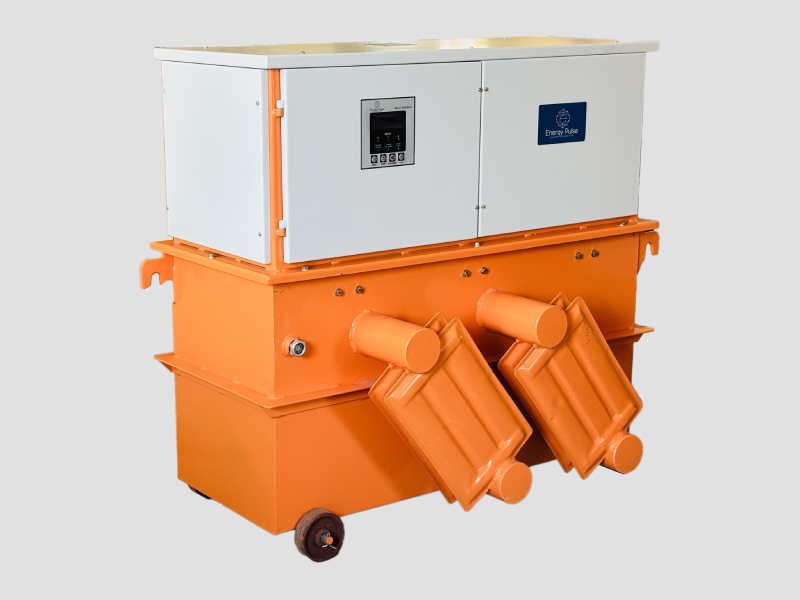
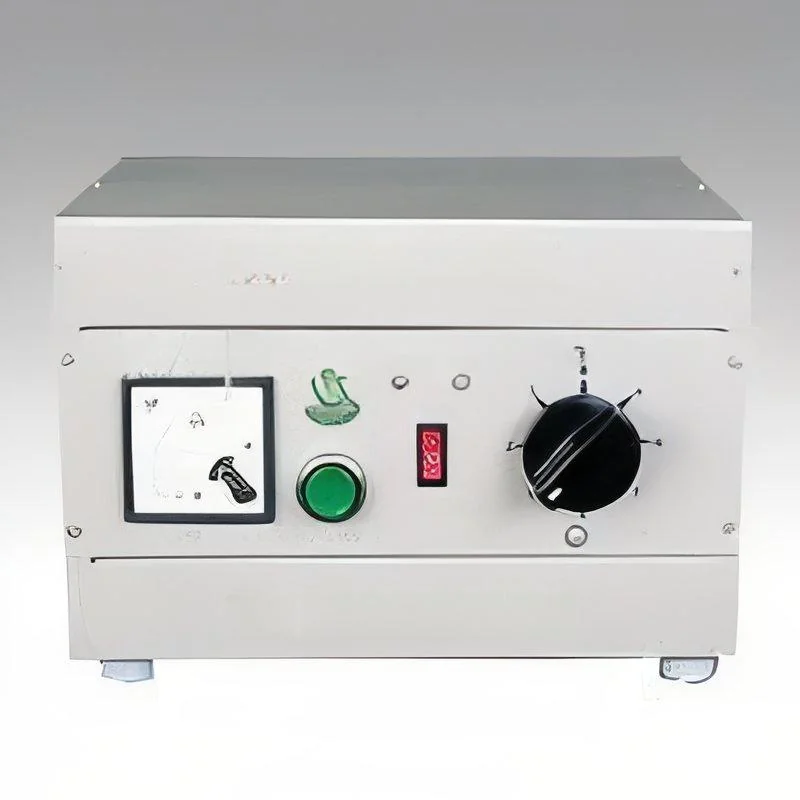
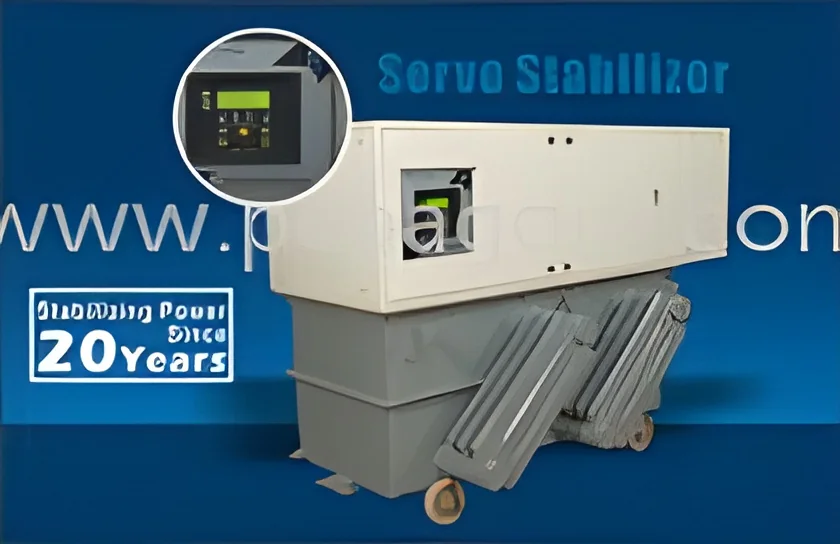
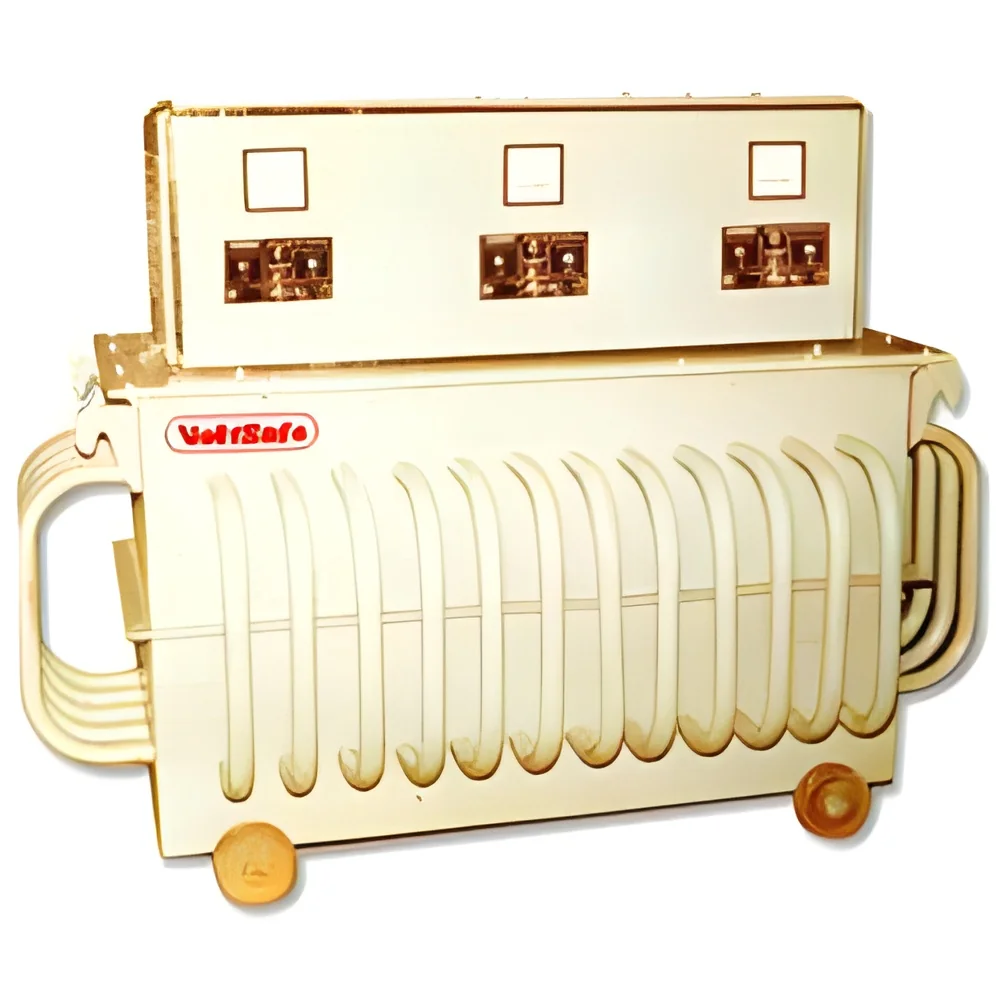
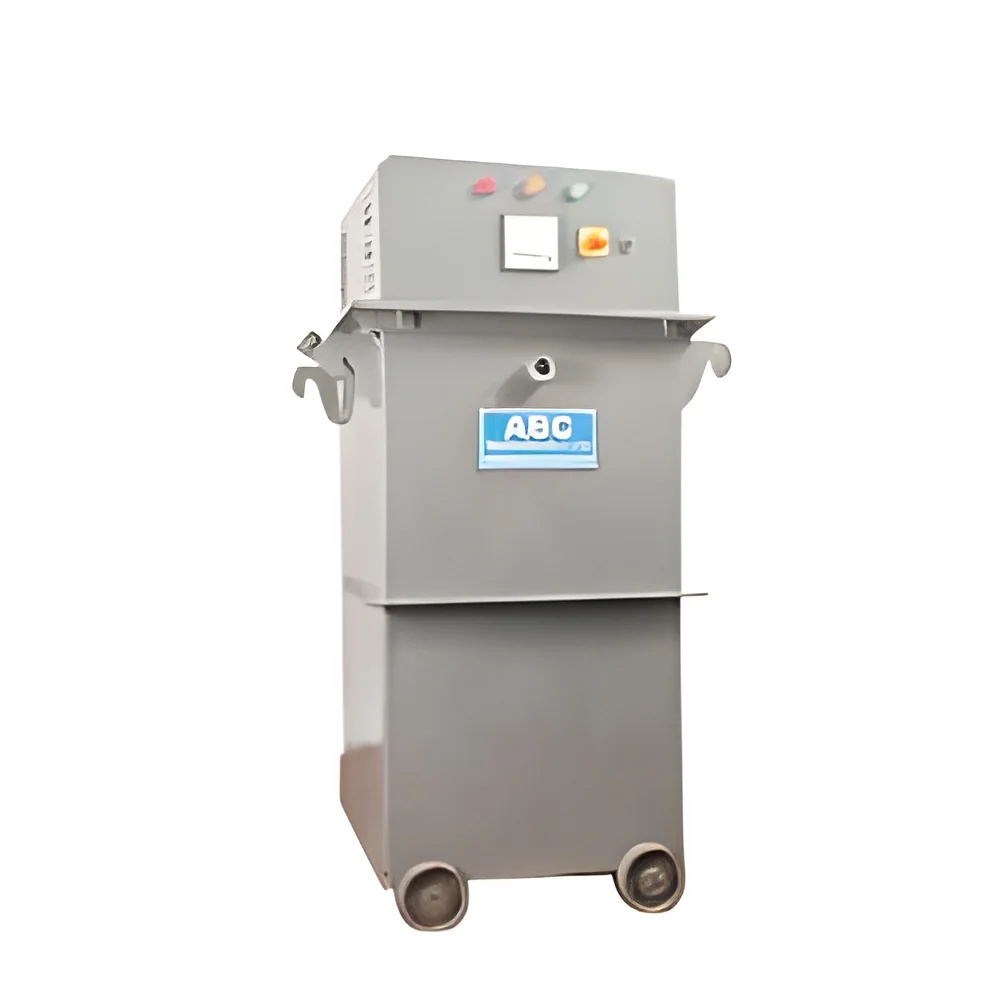
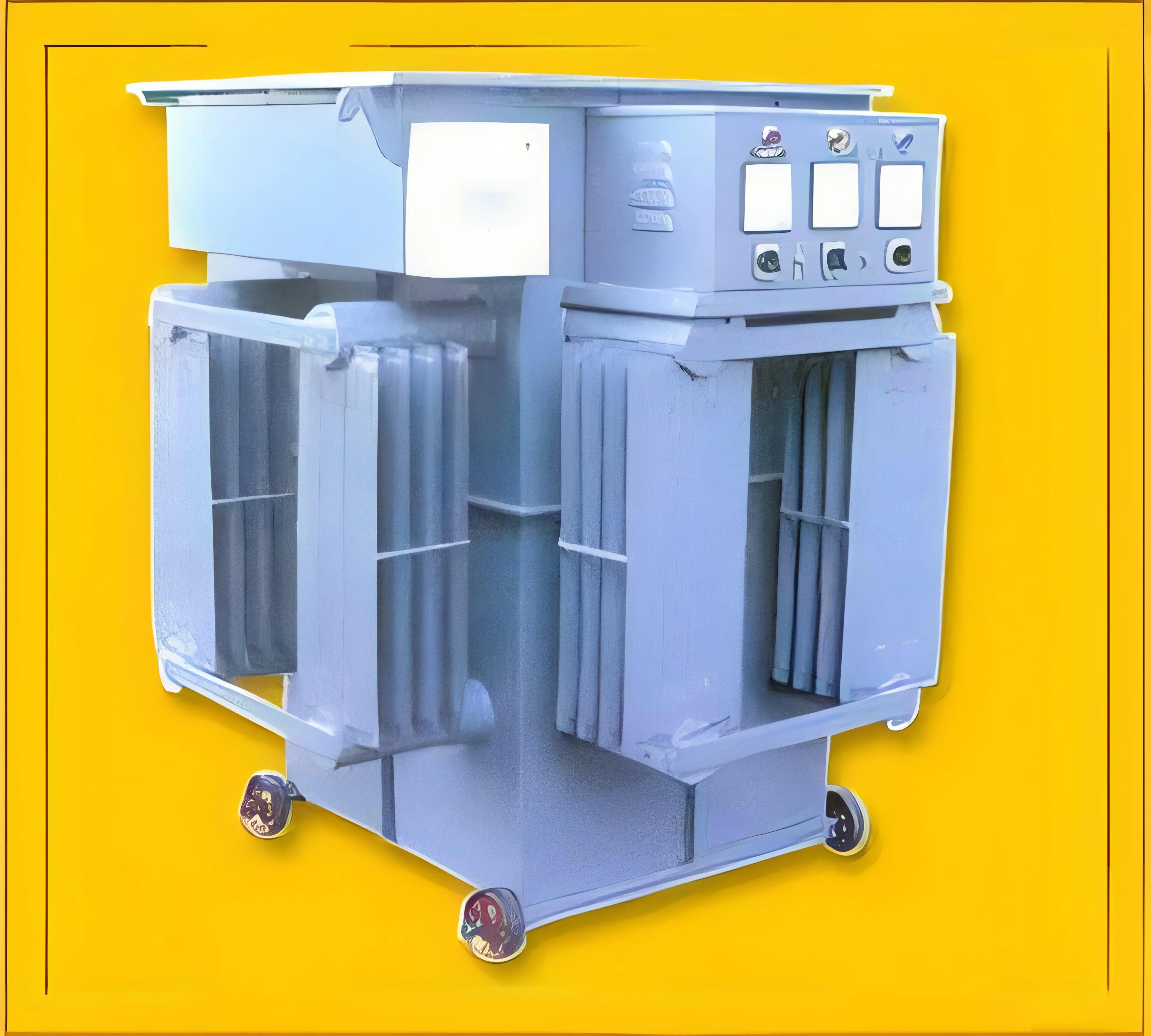
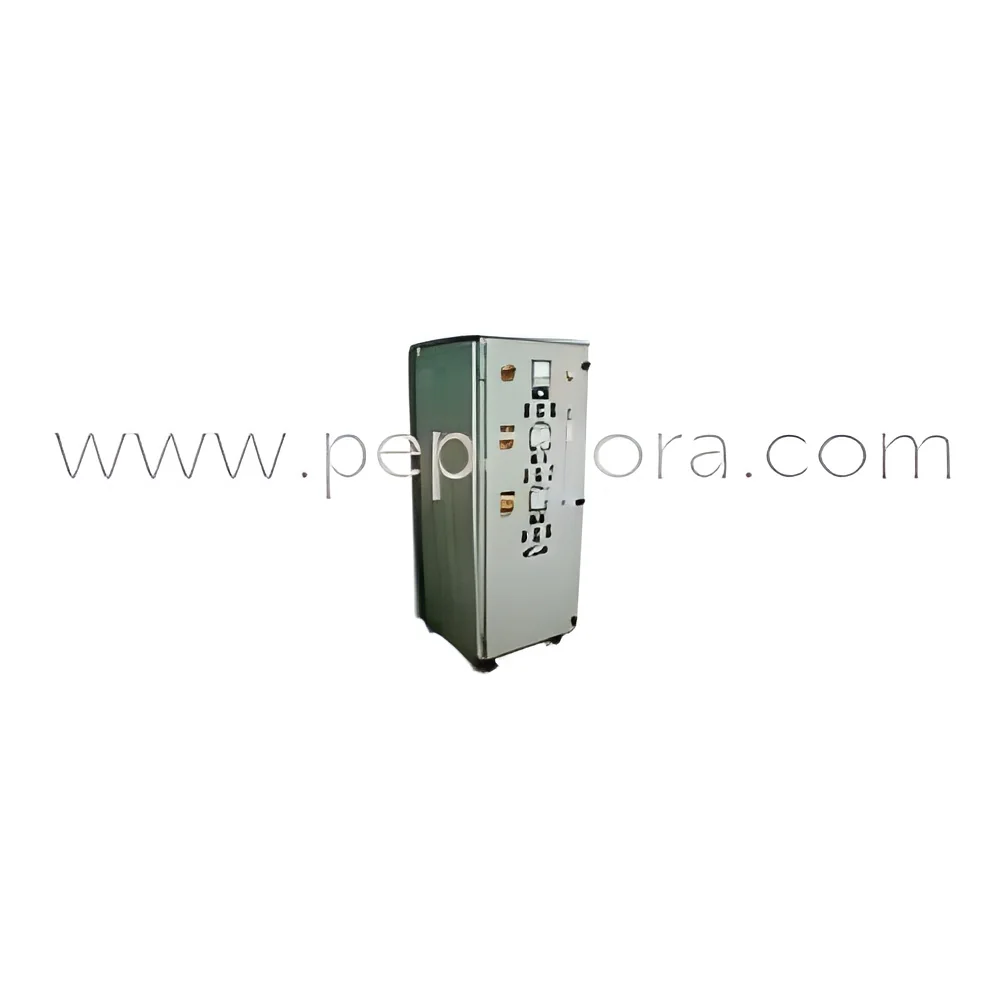
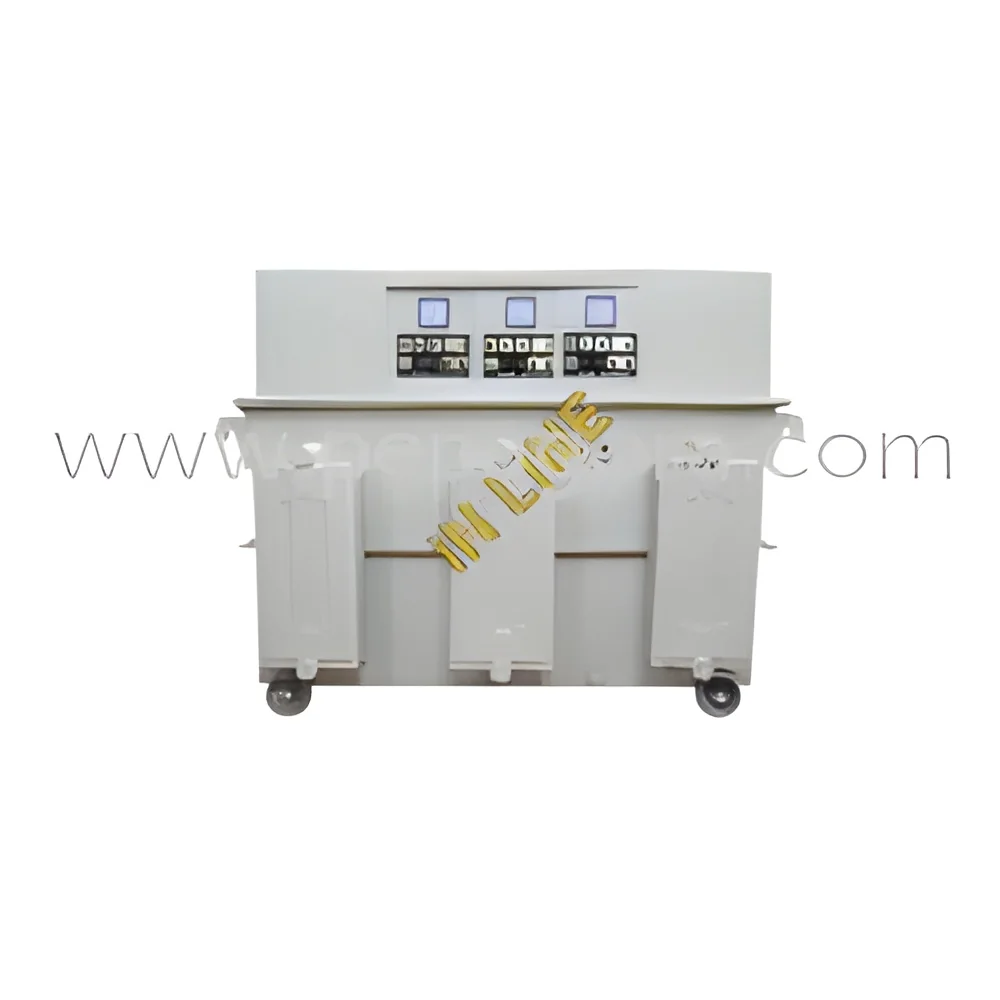
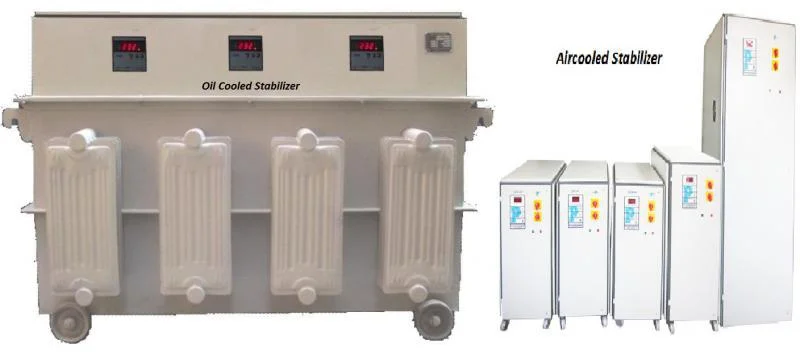
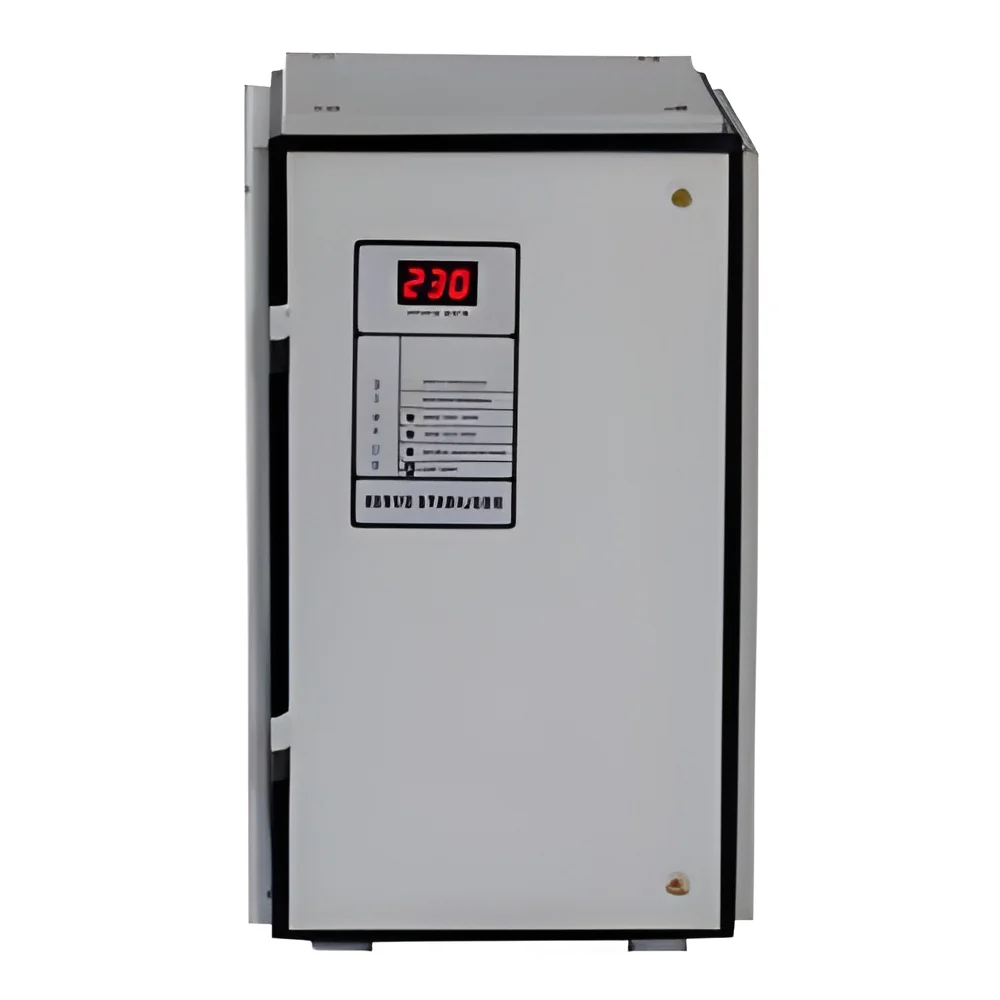
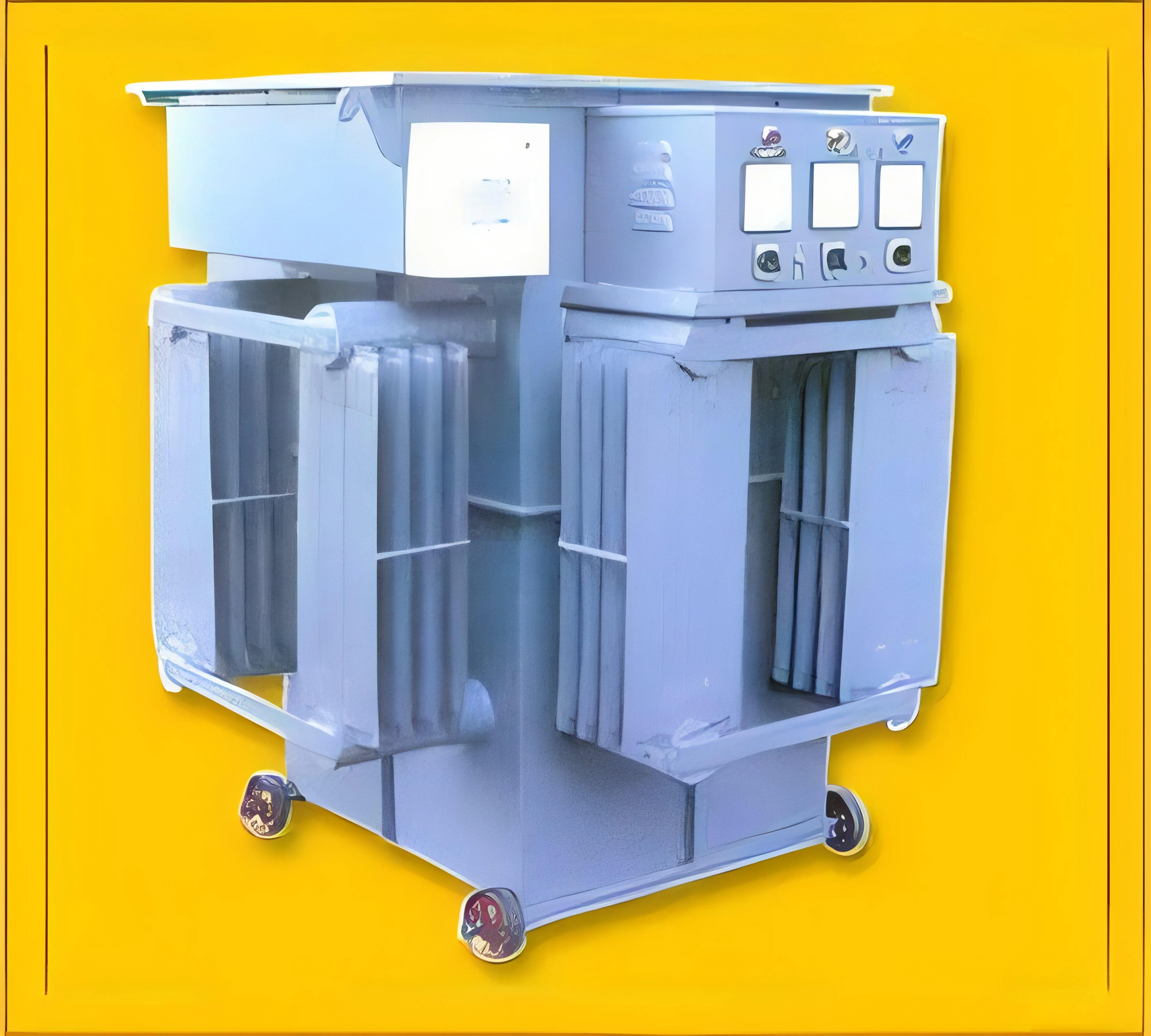
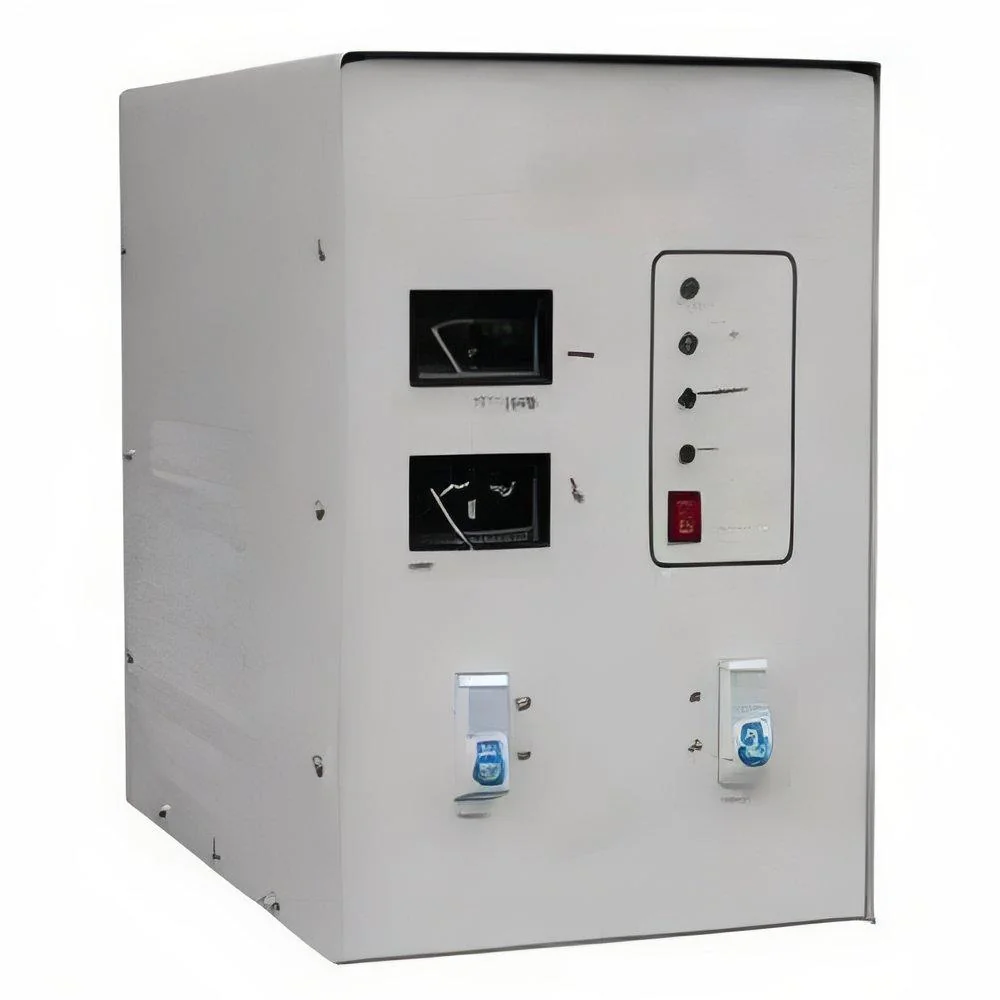
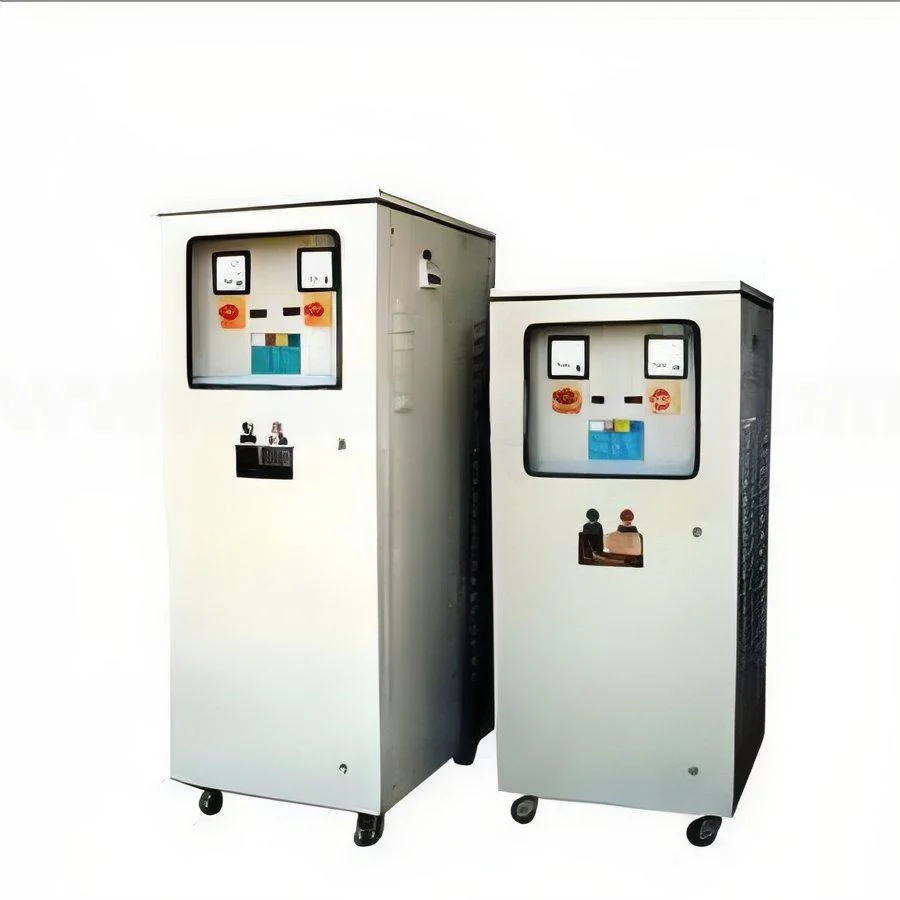
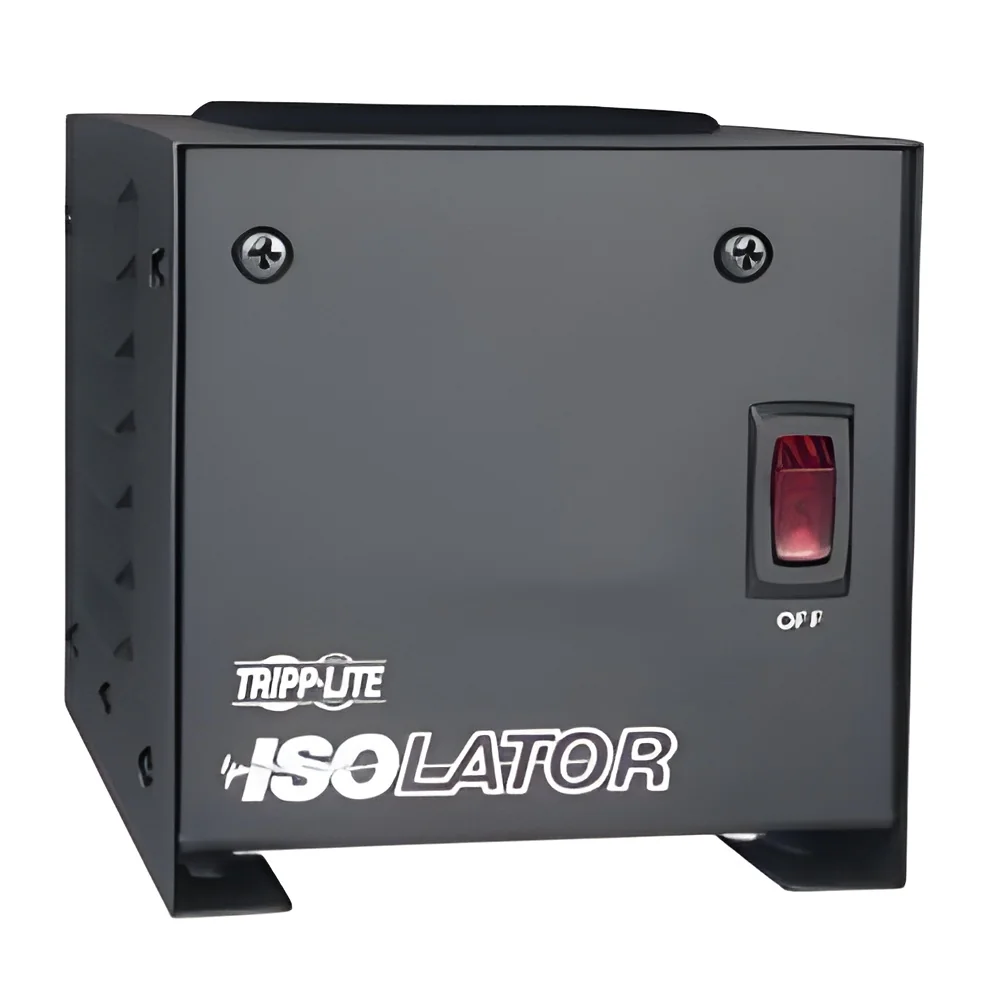
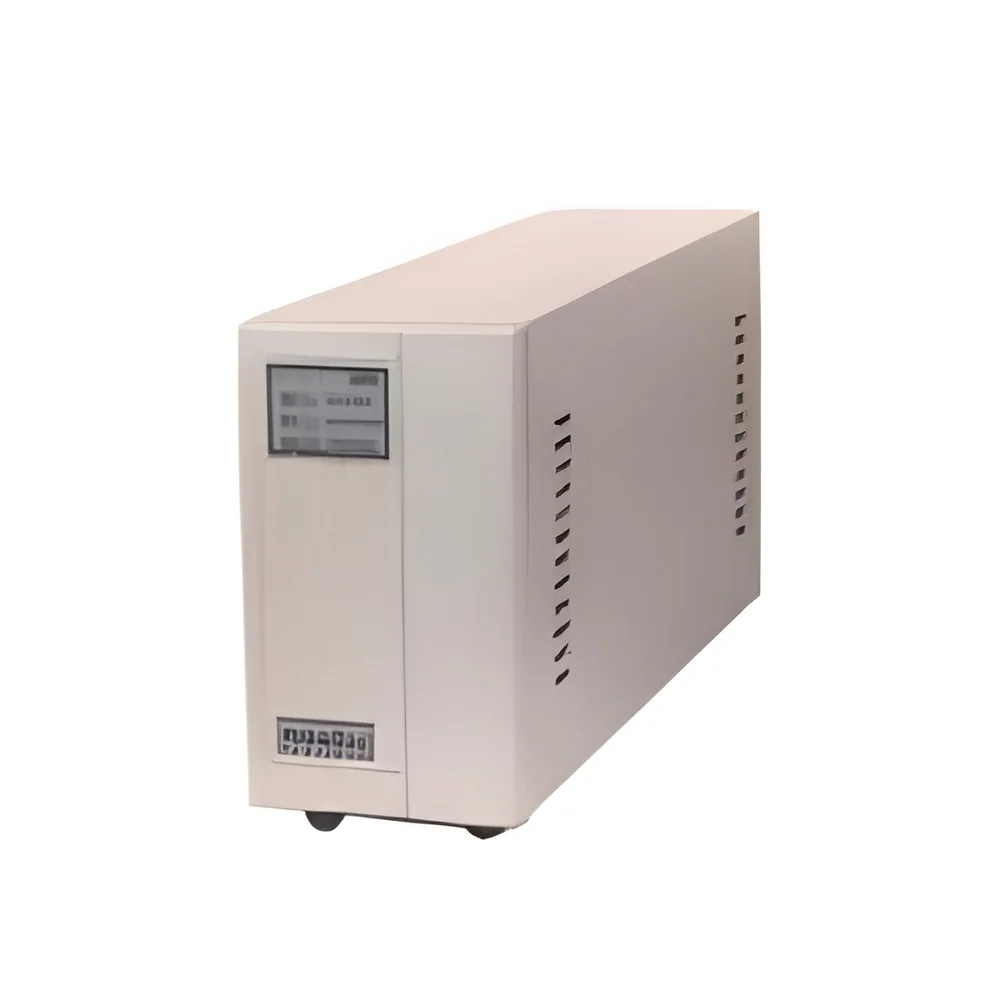
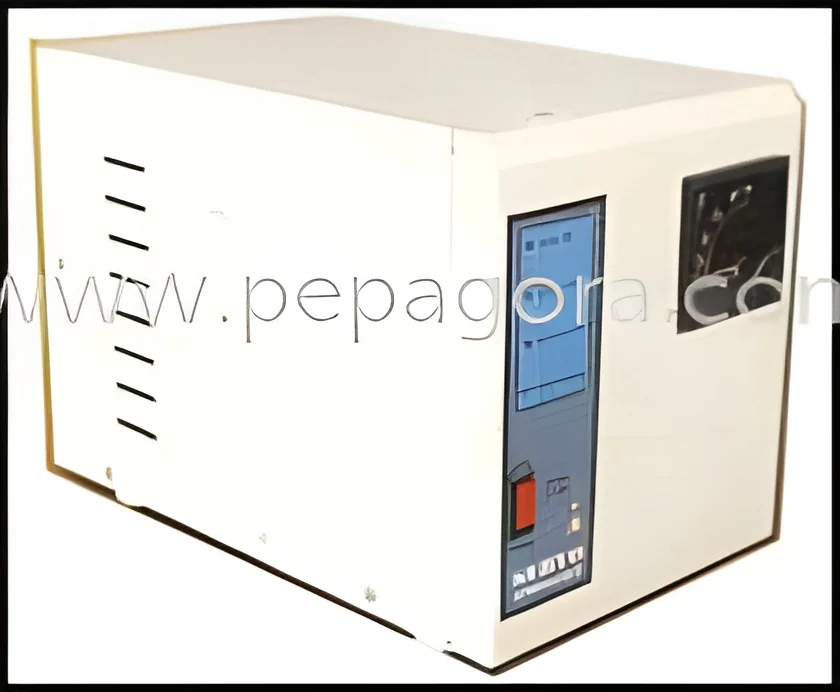
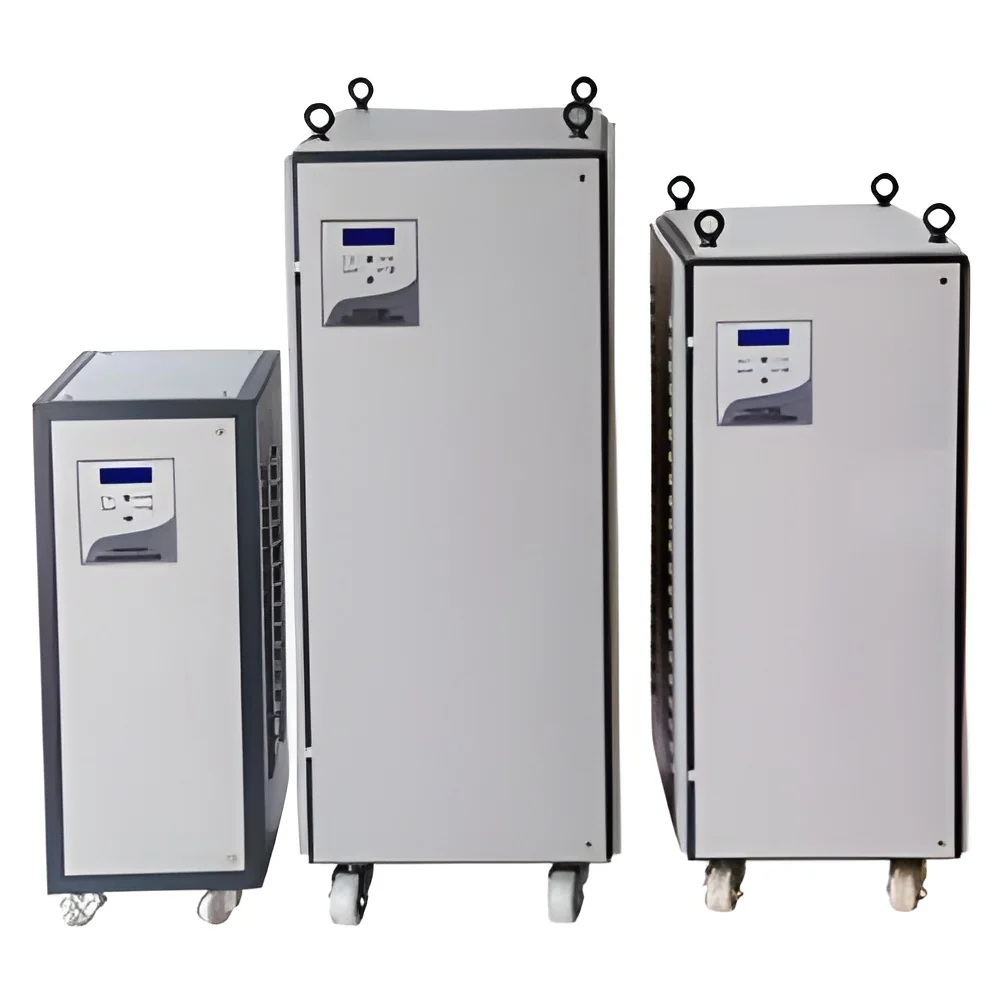
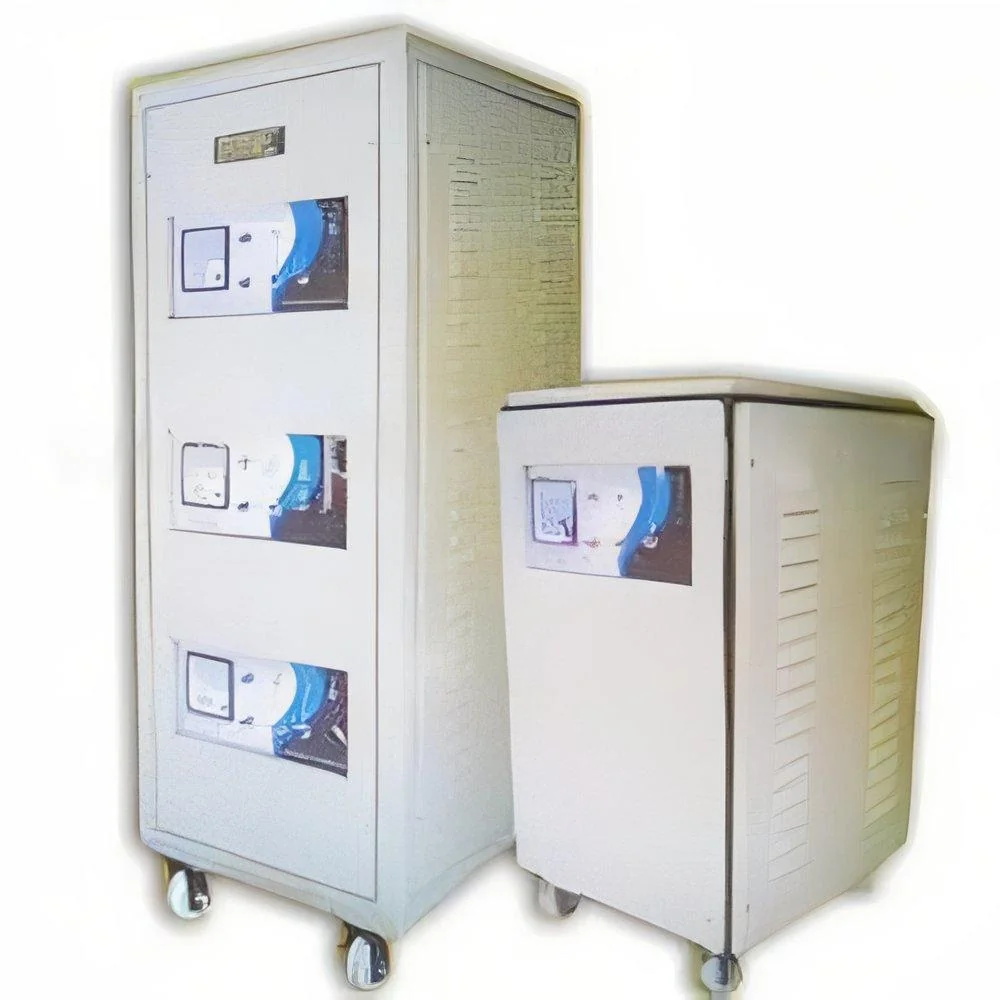
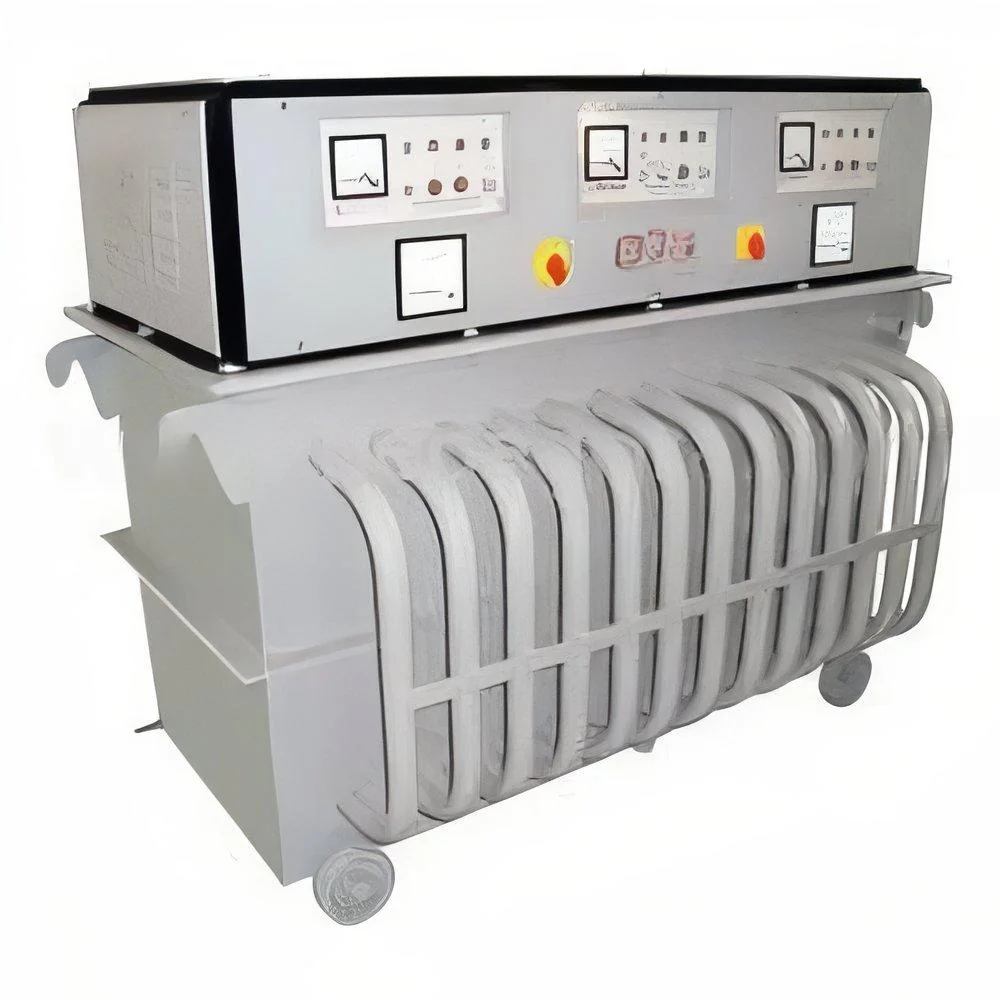
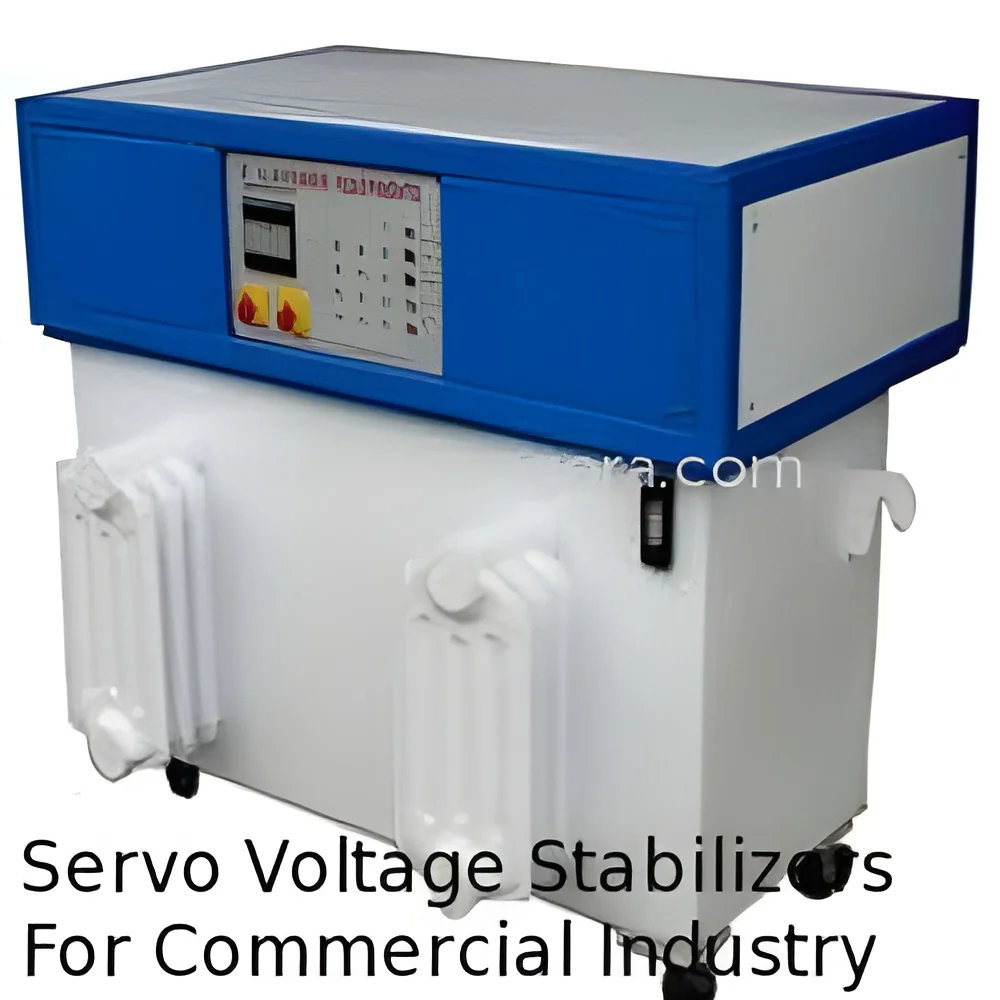
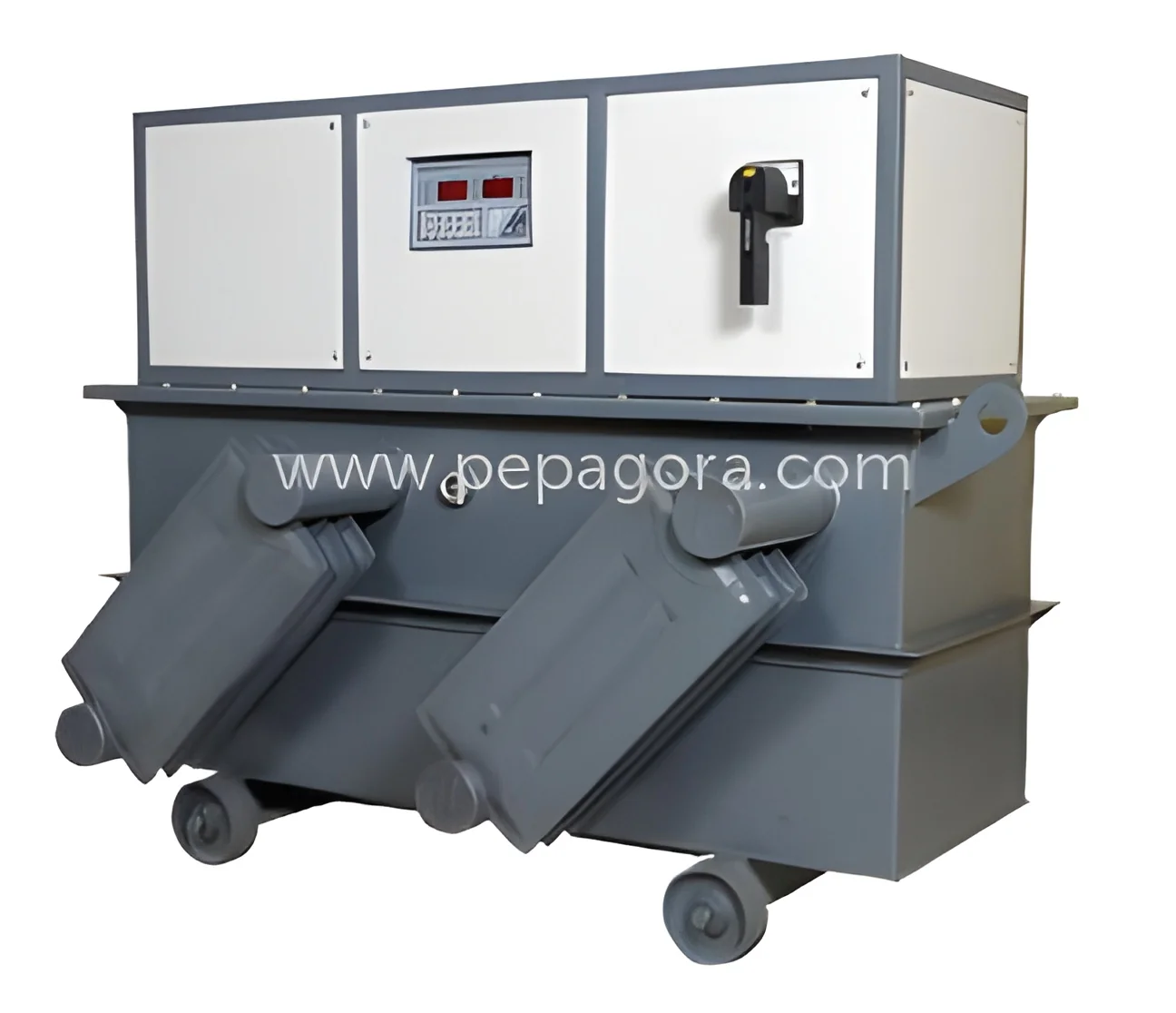
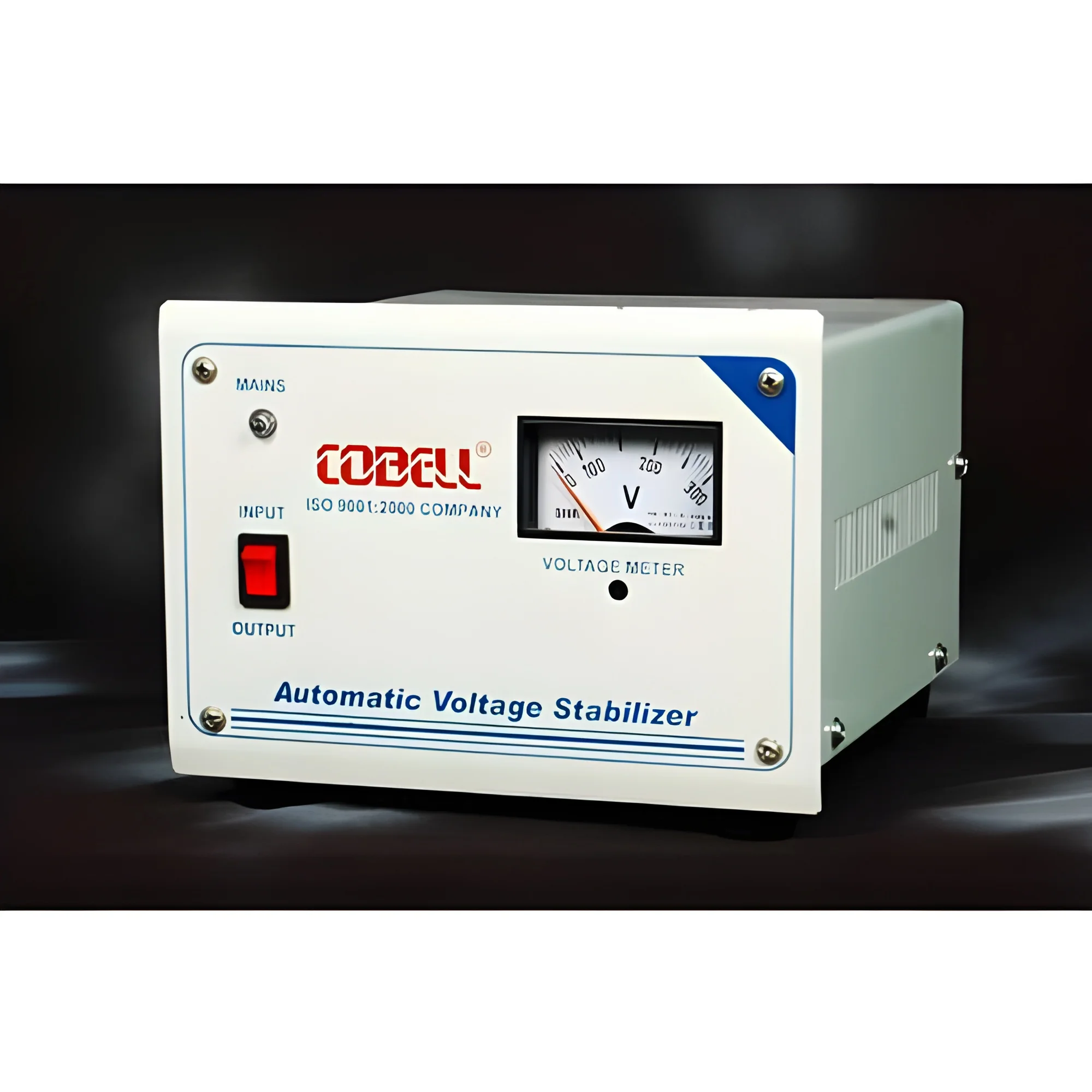
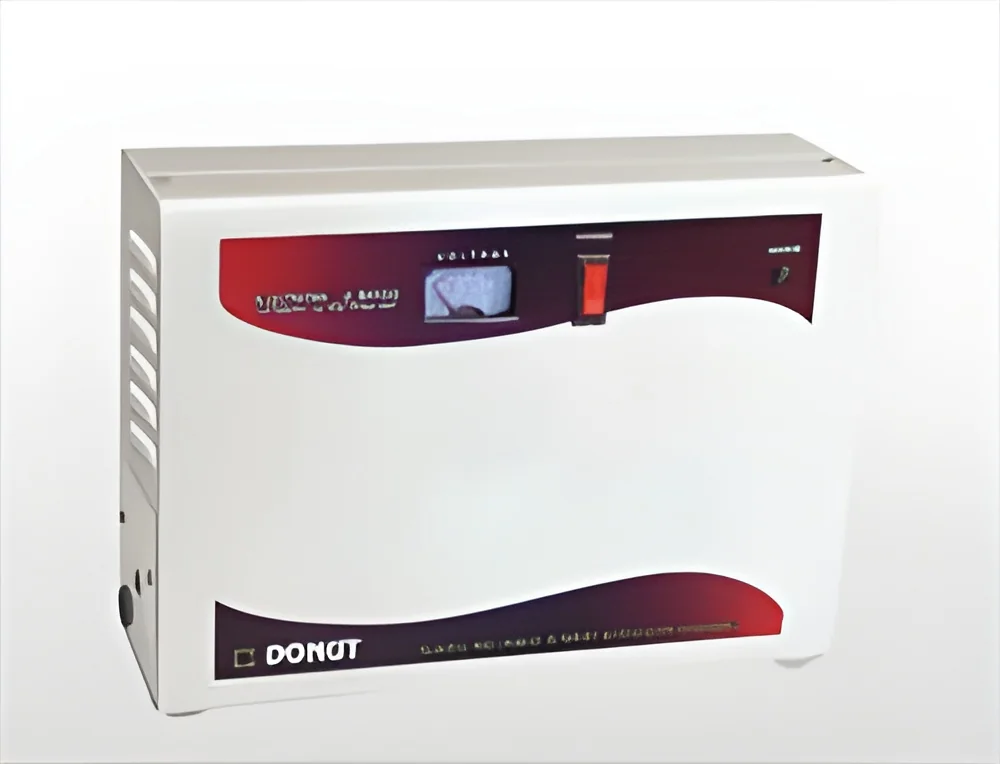
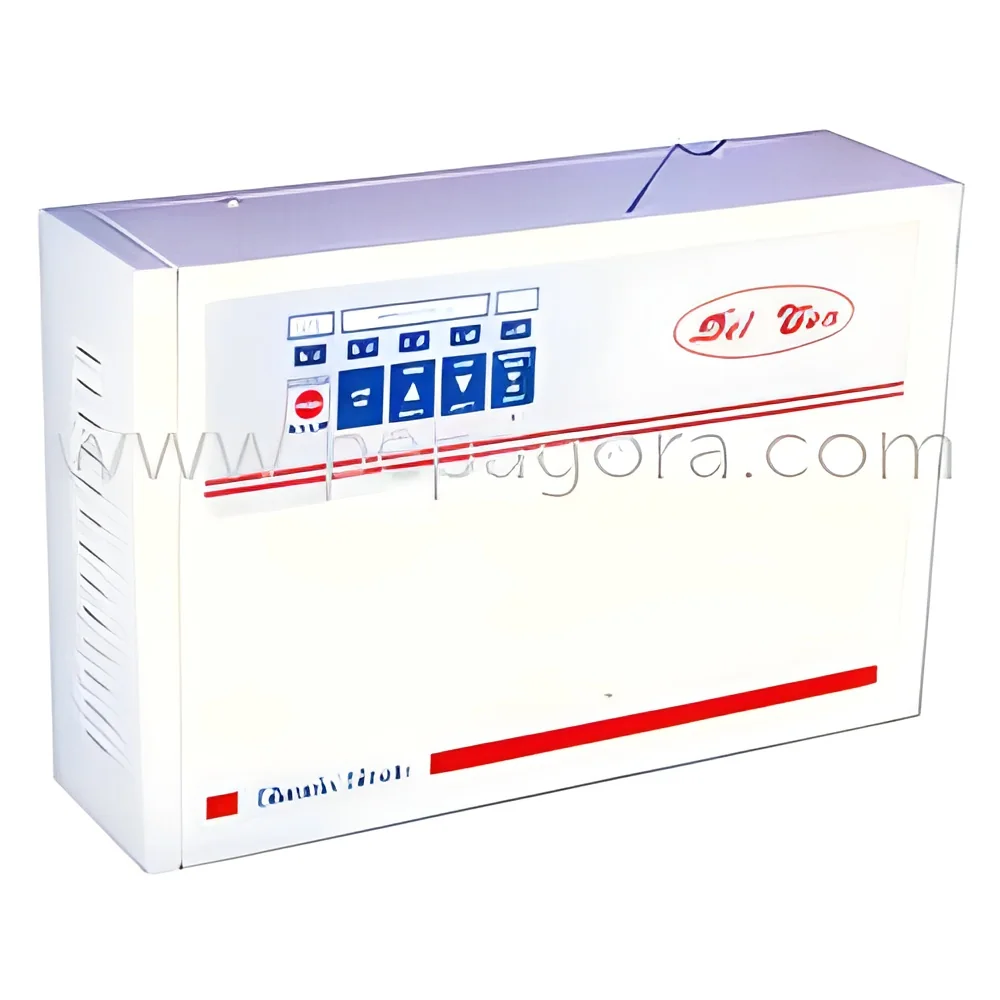
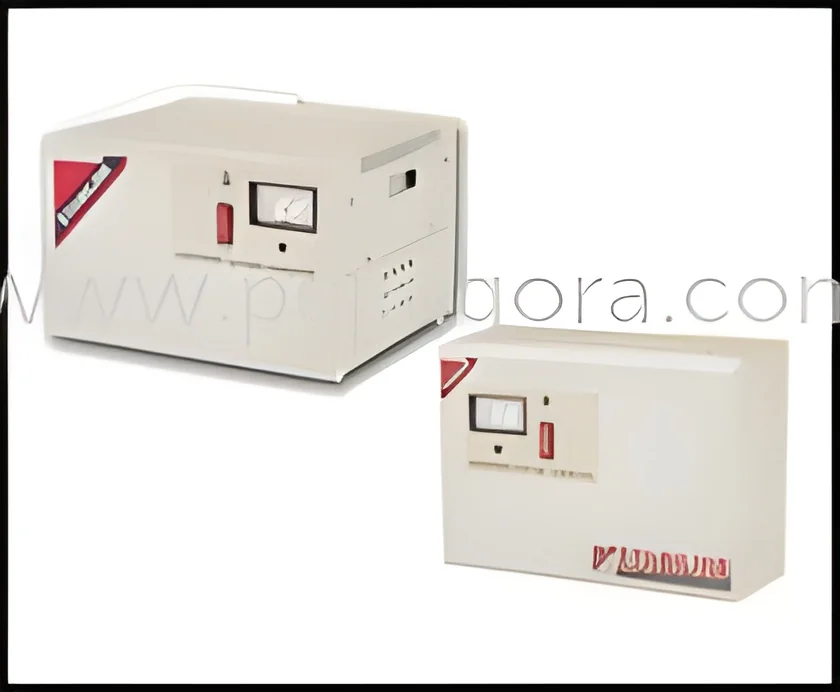
What are Digital Voltage Stabilizers?
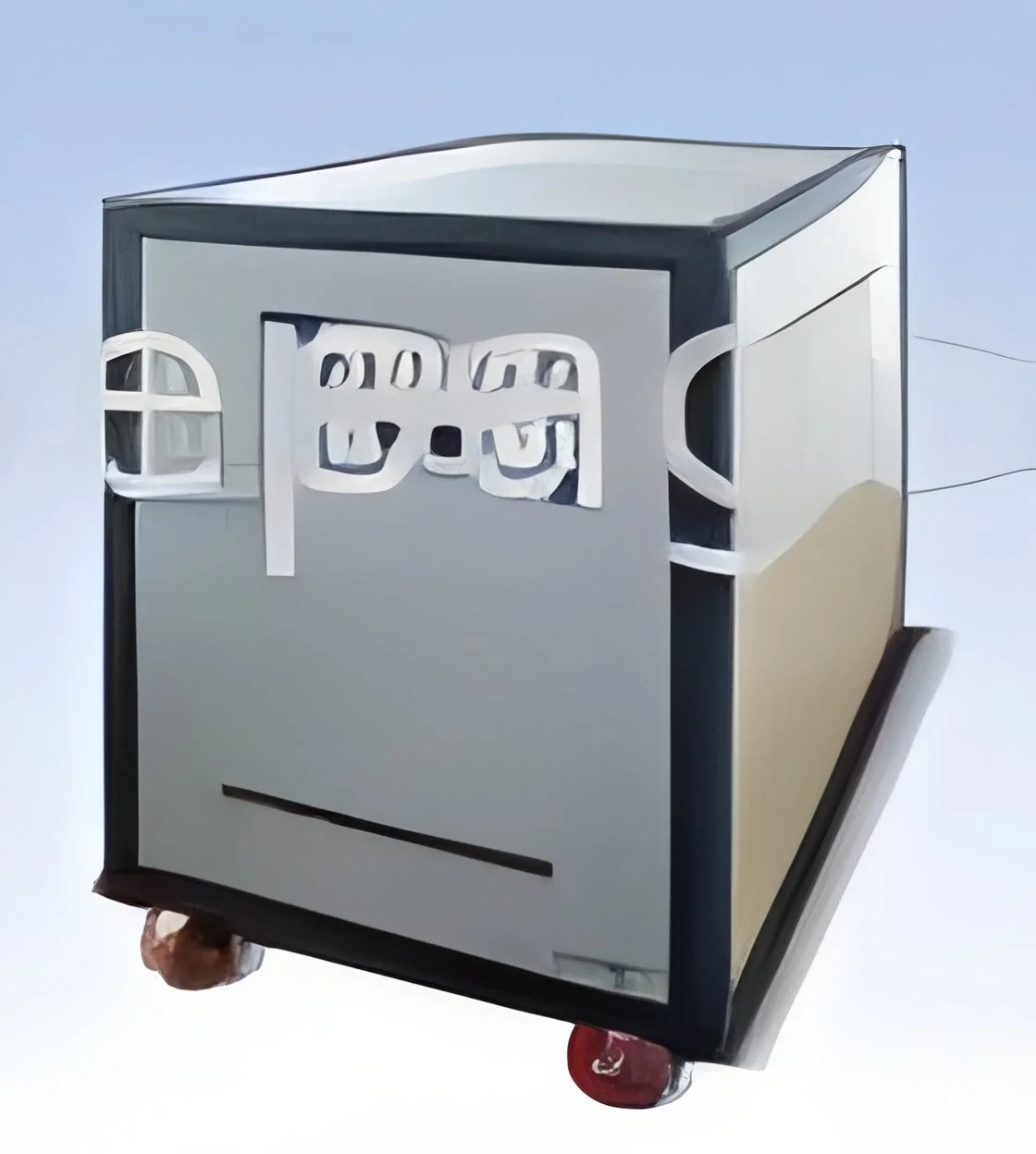
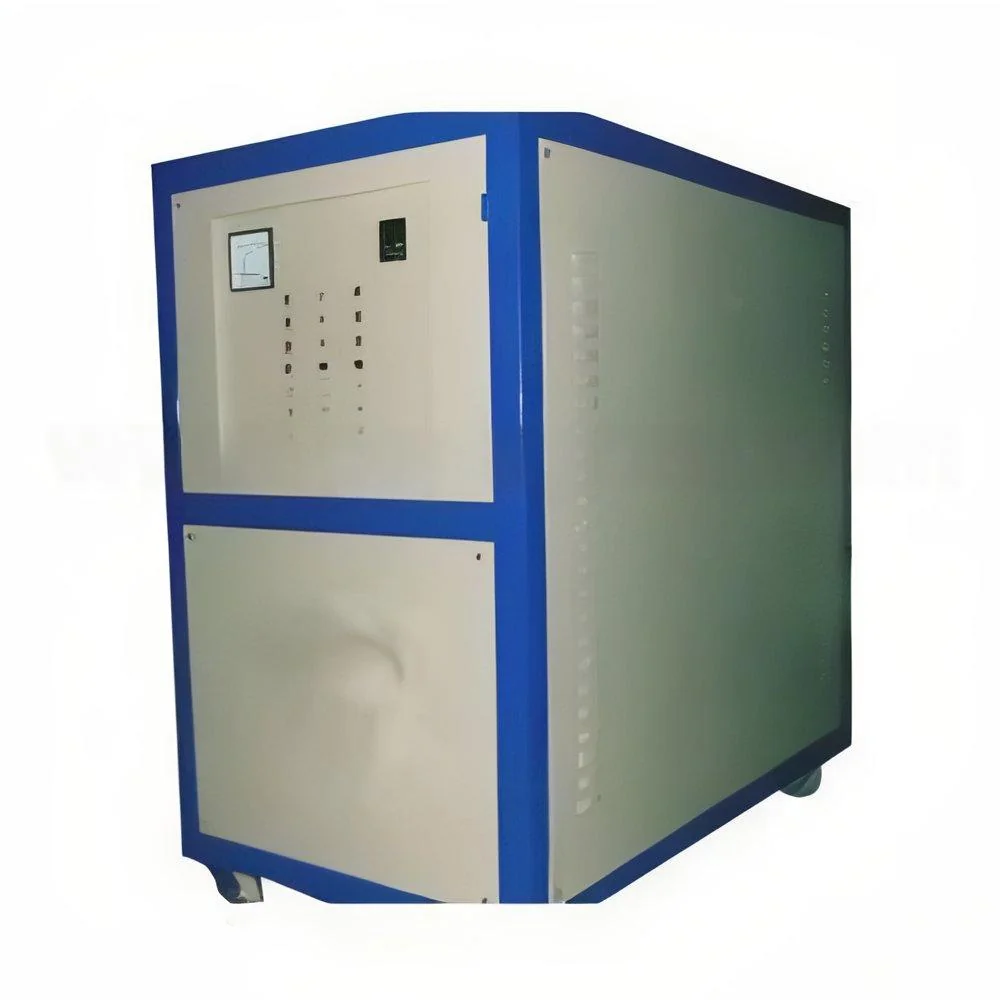
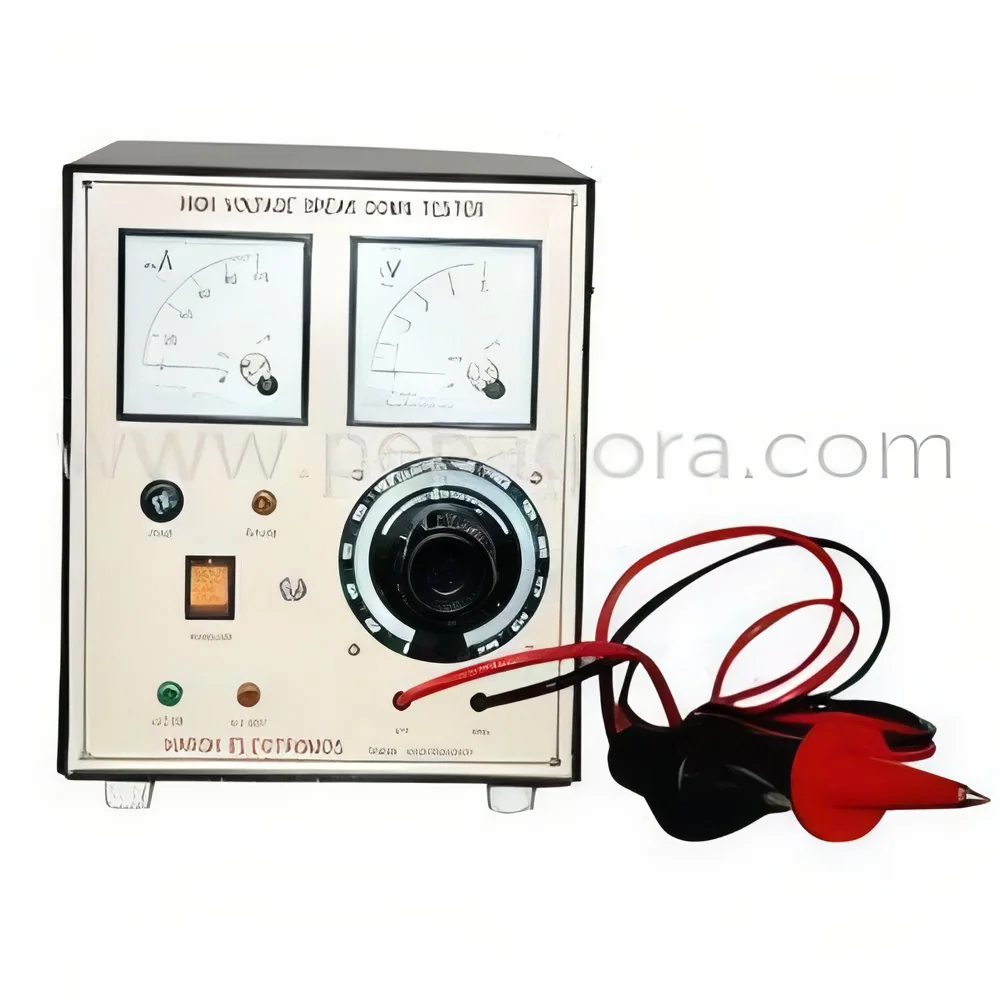
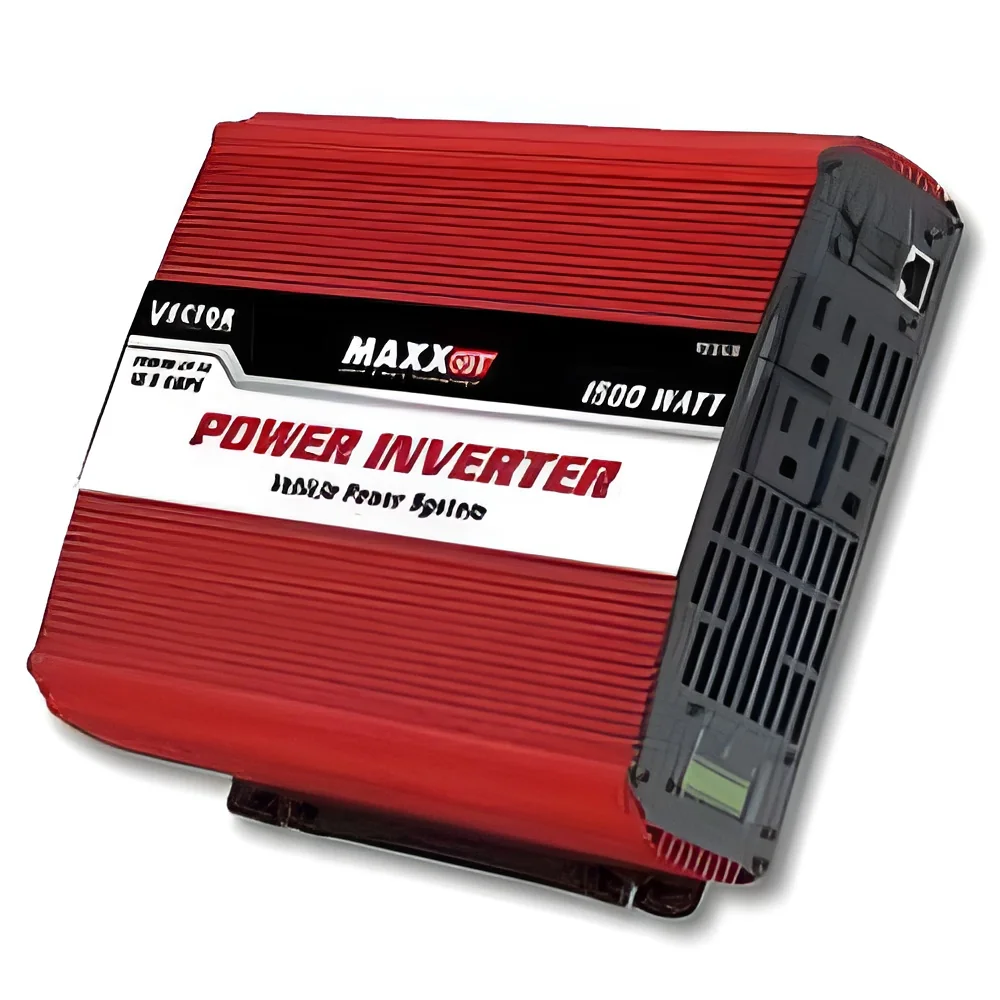
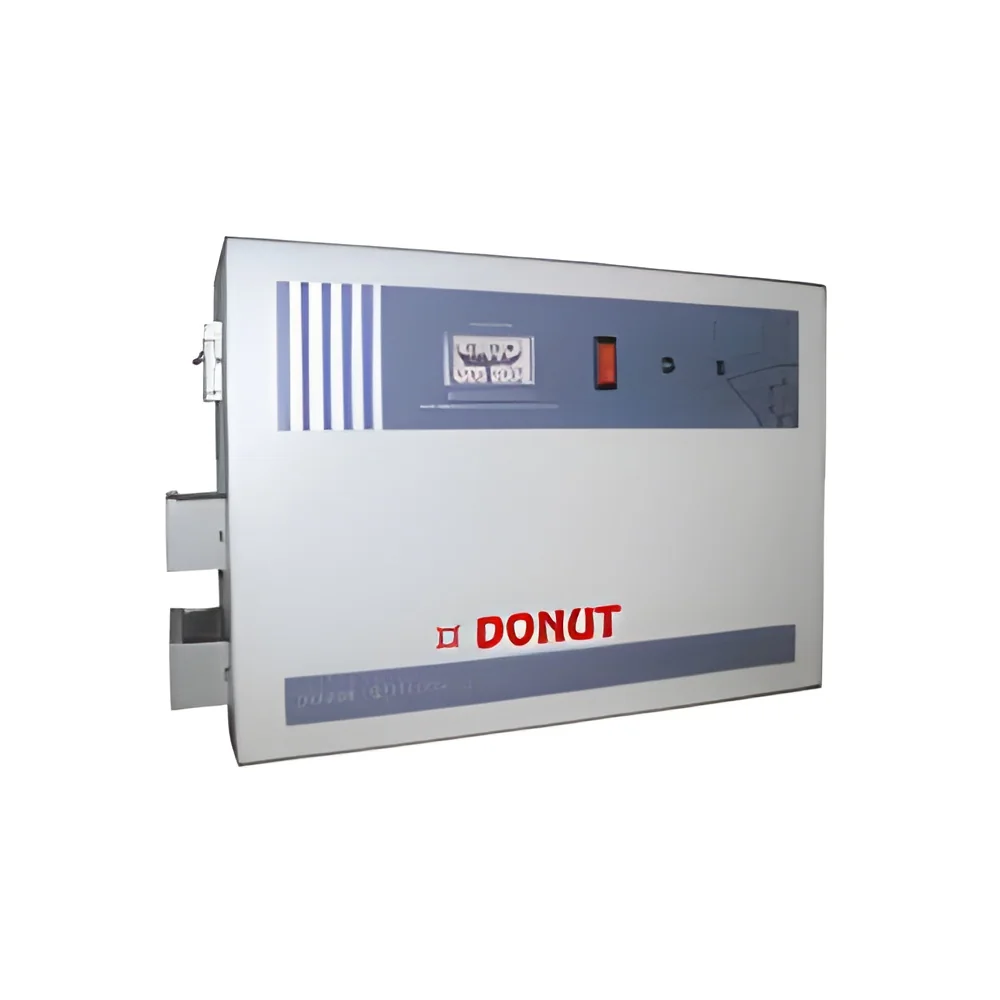
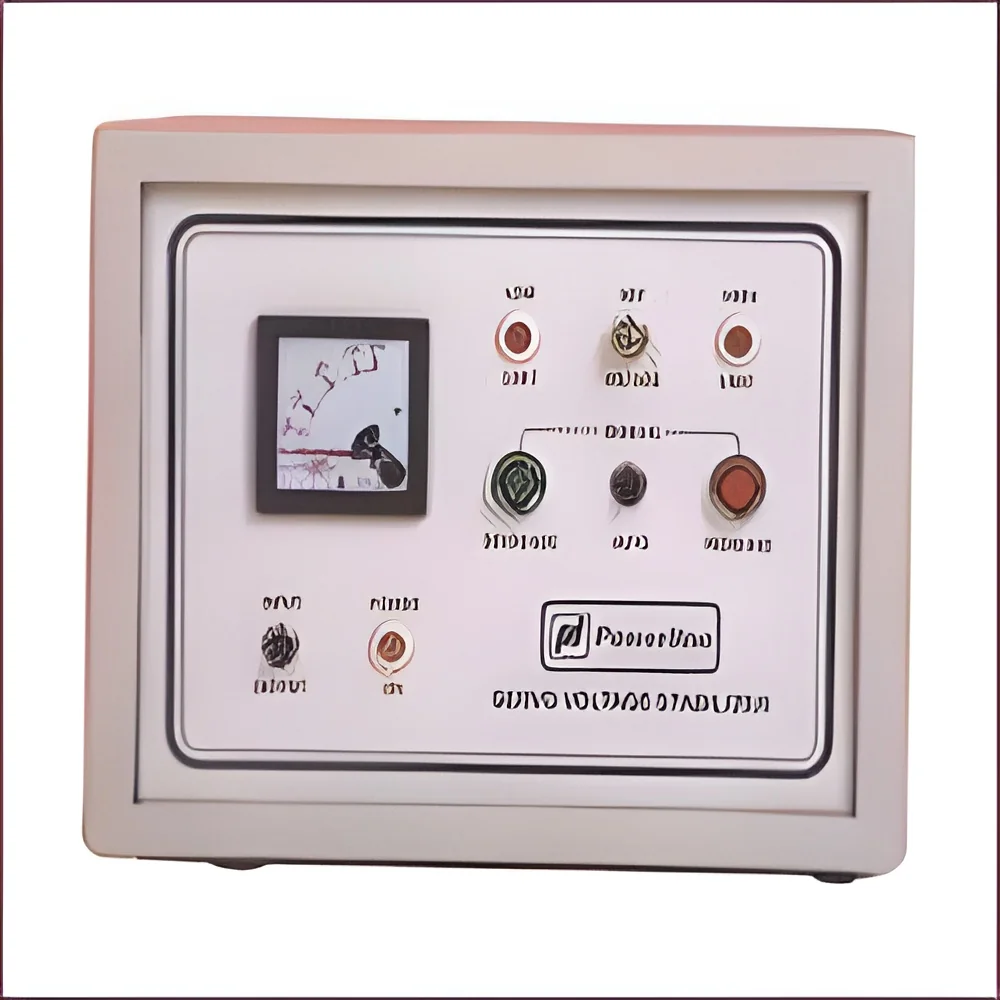
Digital Voltage Stabilizers are electronic devices designed to maintain a consistent voltage level to electrical equipment. By regulating voltage fluctuations, these stabilizers protect sensitive devices from damage caused by over-voltage, under-voltage, and electrical surges. They employ advanced digital technology to monitor and adjust the voltage output in real-time, ensuring optimal performance and reliability.
These stabilizers are widely used across various industries, including manufacturing, healthcare, telecommunications, and information technology. Businesses rely on Digital Voltage Stabilizers to enhance the longevity and performance of their electrical equipment. This is particularly crucial in environments where voltage fluctuations are frequent, as they can lead to equipment failure and unexpected downtime. The growing demand for uninterrupted power supply systems further highlights the relevance of Digital Voltage Stabilizers in today's market.
As industries increasingly become dependent on electronic devices, the market for Digital Voltage Stabilizers continues to expand. This growth is driven by the need for reliable power solutions in both developed and developing regions. The technology behind these stabilizers is continually evolving, making them more efficient and suitable for a broader range of applications.
Key Features and Specifications
Digital Voltage Stabilizers come equipped with a variety of features that enhance their functionality and reliability. Understanding these specifications is essential for businesses looking to invest in such devices.
Key specifications include:
1. Input Voltage Range
- This specification defines the range of input voltages the stabilizer can accept.
- Common ranges vary from 140V to 300V.
2. Output Voltage Stability
- This specification indicates the stabilizer's ability to maintain a constant output voltage.
- Typically, this is within ±1% of the set voltage.
3. Frequency Range
- This refers to the frequency at which the stabilizer operates effectively.
- Standard frequencies are usually 50Hz or 60Hz.
4. Maximum Load Capacity
- This indicates the maximum load the stabilizer can handle without performance degradation.
- Capacities can range from 1kVA to 200kVA or more.
5. Response Time
- This specification measures how quickly the stabilizer can react to voltage fluctuations.
- Typical response times are within milliseconds.
6. Efficiency Rating
- This indicates the energy efficiency of the stabilizer during operation.
- High-quality models often achieve efficiencies above 95%.
7. Protection Features
- Many stabilizers include built-in protection against voltage spikes, overloading, and short circuits.
- Features such as surge protection and thermal overload protection are common.
8. Display and Monitoring
- Some models offer digital displays for monitoring voltage levels and operational status.
- Advanced options may include remote monitoring capabilities.
In summary, understanding these key features and specifications allows businesses to select the right Digital Voltage Stabilizer to meet their unique operational needs.
Common Applications and Use Cases
Digital Voltage Stabilizers are versatile devices with applications across various sectors.
1. Manufacturing: In manufacturing plants, these stabilizers protect machinery from voltage fluctuations that could disrupt production processes and lead to costly downtime.
2. Healthcare: Hospitals and clinics rely on Digital Voltage Stabilizers to ensure the continuous operation of critical medical equipment, thus safeguarding patient safety.
3. Telecommunications: Telecom companies use these stabilizers to maintain stable power supply to communication equipment, which is essential for network reliability.
4. Information Technology: Data centers depend on Digital Voltage Stabilizers to prevent equipment damage and data loss caused by unstable power supply.
5. Retail: Retail businesses utilize these devices to protect point-of-sale systems and other electronic devices that are crucial for operations.
6. Construction: In construction sites, Digital Voltage Stabilizers help in providing stable power to heavy machinery and tools, ensuring efficient operations.
7. Agriculture: Agricultural equipment, including irrigation systems, benefits from stable voltage to operate efficiently, particularly in remote areas.
Product Variants and Subcategories
Digital Voltage Stabilizers come in various types to suit different needs and applications.
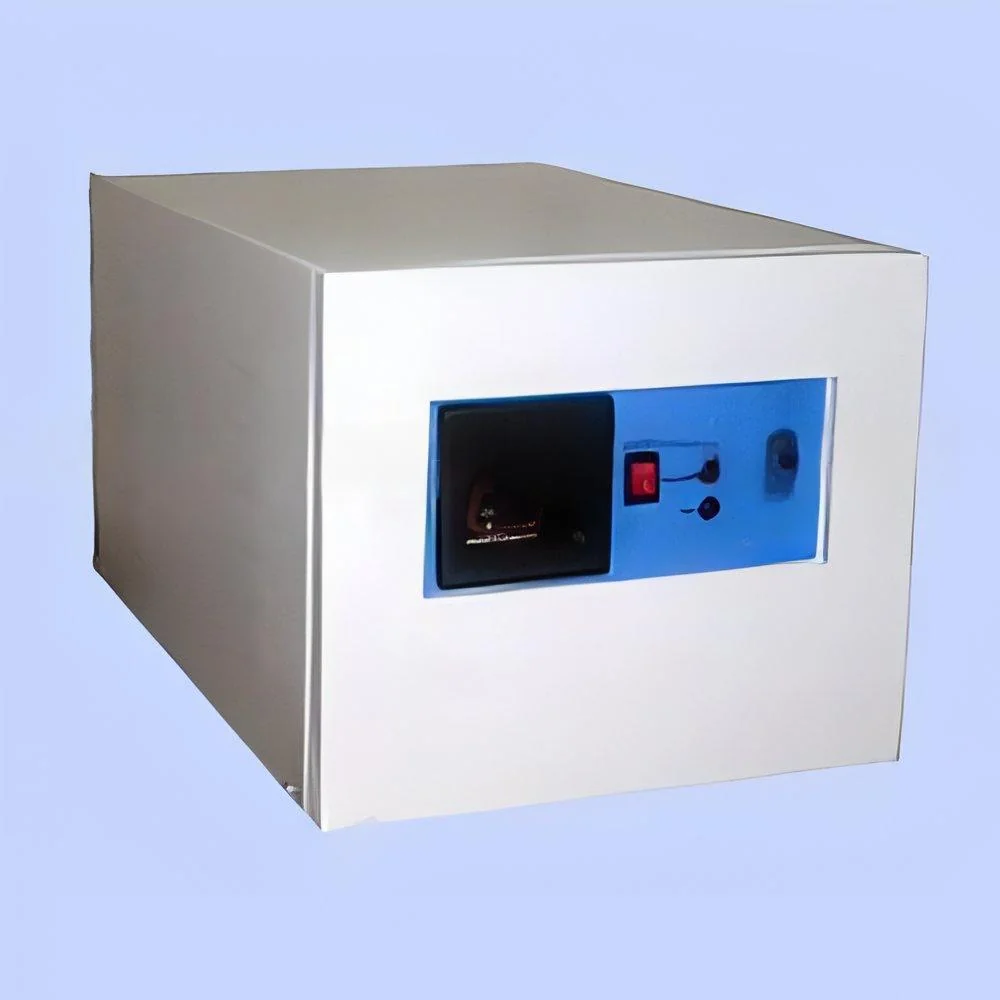
Single-Phase Voltage Stabilizers: These are designed for small to medium-sized electrical systems. They are ideal for residential and small commercial applications, providing reliable voltage regulation for everyday appliances.
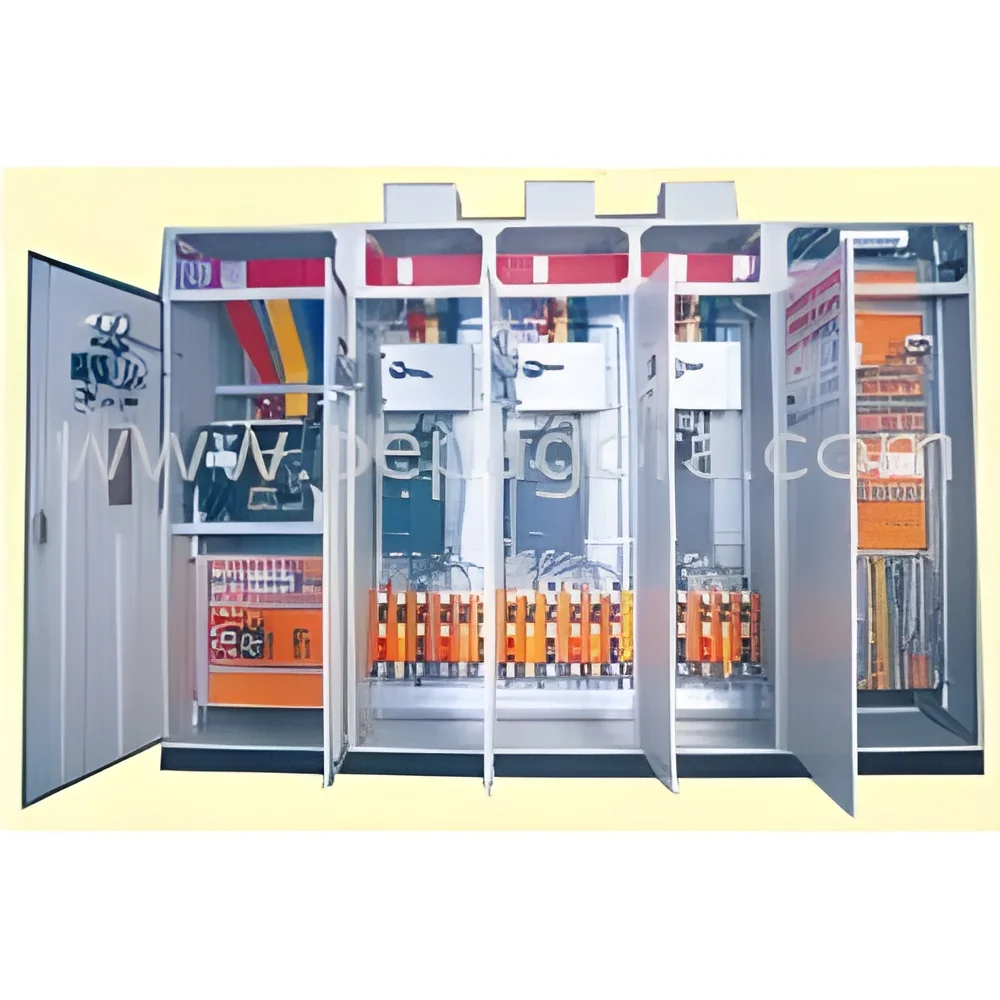
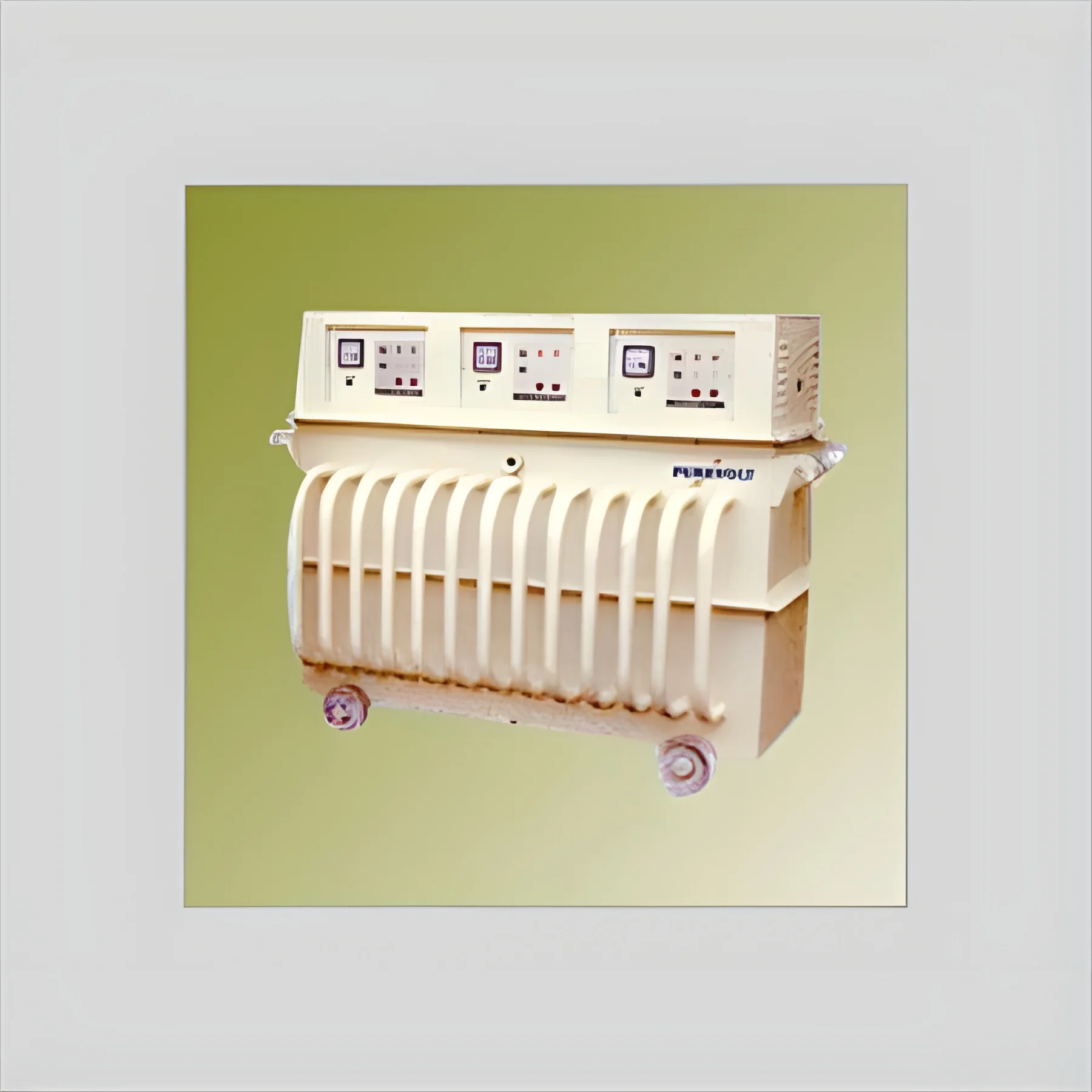
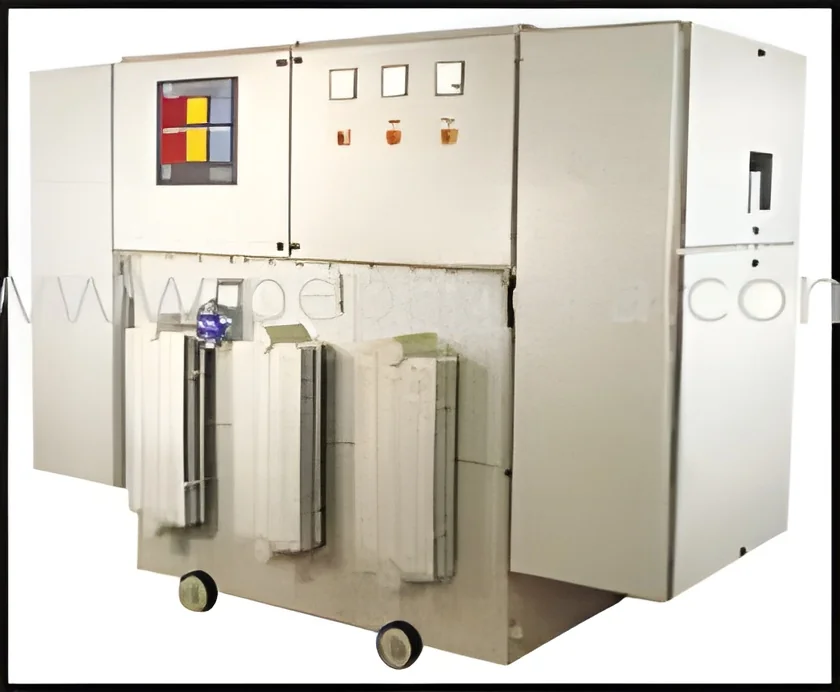
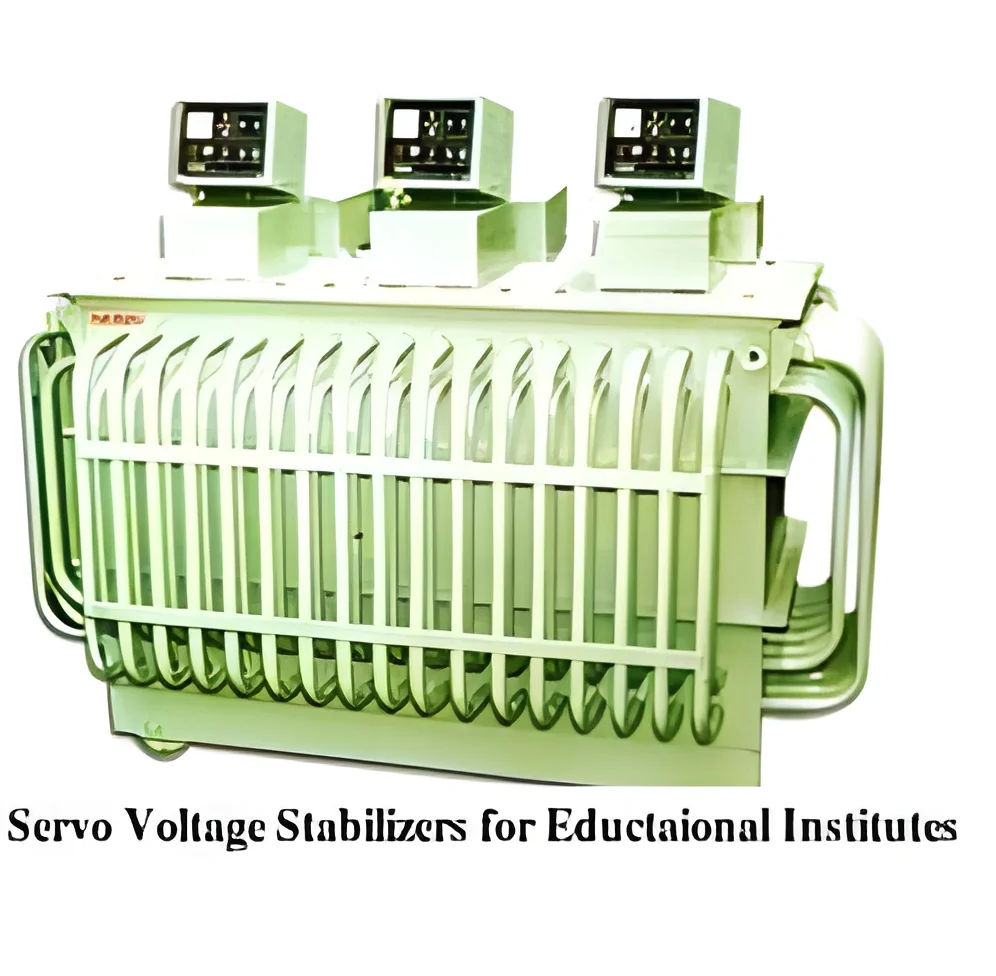
Three-Phase Voltage Stabilizers: Designed for larger industrial applications, these stabilizers manage voltage for three-phase systems. They are essential in manufacturing and heavy-duty machinery operations to ensure consistent performance.
Online Voltage Stabilizers: These devices provide continuous and reliable power by converting incoming AC power to DC and then back to AC. They are suitable for sensitive equipment that requires a stable power supply.
Automatic Voltage Stabilizers: These units automatically adjust voltage levels based on real-time monitoring, making them ideal for environments with frequent power fluctuations.
Benefits and Advantages
Investing in Digital Voltage Stabilizers offers numerous benefits to businesses.
1. Enhanced Equipment Longevity: By preventing voltage fluctuations, these stabilizers help extend the lifespan of electrical equipment, reducing replacement costs.
2. Improved Operational Efficiency: Stable voltage levels improve the performance of machinery and devices, leading to increased productivity.
3. Reduced Downtime: By protecting against power surges and outages, businesses experience fewer interruptions, resulting in smoother operations.
4. Cost Savings: The reduction in equipment damage and maintenance costs translates to significant savings over time.
5. Energy Efficiency: Many Digital Voltage Stabilizers are designed to operate with high energy efficiency, leading to lower electricity bills.
6. Safety Compliance: Implementing stabilizers can help businesses meet safety and operational regulations, ensuring compliance with industry standards.
Buying Guide for B2B Buyers
When sourcing Digital Voltage Stabilizers, it is crucial for businesses to consider several factors to make informed decisions.
1. Quality Assessment: Evaluate the quality of the stabilizers by reviewing manufacturer certifications and customer feedback. Look for products that meet international quality standards.
2. Supplier Verification: Vet potential suppliers by checking their reputation, experience in the market, and customer service records. This helps ensure reliable partnerships.
3. Pricing and MOQ: Understand the pricing structure and minimum order quantities. Compare costs among suppliers to find the best value without compromising quality.
4. Delivery and Lead Times: Discuss logistics with suppliers to ensure timely delivery. Consider lead times, especially for urgent projects or ongoing operations.
5. Compliance Requirements: Ensure that the stabilizers meet relevant industry standards and regulatory requirements, including safety and performance certifications.
Compliance and Certifications
Digital Voltage Stabilizers must adhere to various quality and safety standards to ensure reliability and performance.
Many manufacturers comply with ISO 9001 standards, which assess quality management systems. This certification indicates a commitment to providing quality products consistently.
In addition to ISO standards, Digital Voltage Stabilizers often carry CE certification, which signifies compliance with European health, safety, and environmental protection standards.
Safety testing requirements are crucial for ensuring that stabilizers can withstand electrical surges and operate safely under varying conditions. Manufacturers may conduct rigorous testing to meet these requirements.
Regionally, businesses should consider specific compliance standards that may apply in their area, ensuring that products are suitable for local market conditions and regulations.
Why Source Digital Voltage Stabilizers from Pepagora?
Pepagora provides a trusted platform for sourcing Digital Voltage Stabilizers, offering several key advantages to B2B buyers.
Verified Supplier Network: Pepagora ensures that all suppliers on the platform are verified, allowing businesses to source from reputable manufacturers. This reduces the risk of quality issues and enhances buyer confidence.
Streamlined RFQ Process: The Request for Quotation (RFQ) process is user-friendly, allowing buyers to efficiently compare offers from multiple suppliers. This helps in making informed purchasing decisions.
Trade Assurance and Support: Pepagora offers trade assurance, providing buyers with protection against potential disputes. This includes support throughout the purchasing process to ensure satisfaction.
Regional Coverage: With a focus on India, GCC, and Southeast Asia, Pepagora connects buyers with suppliers across these regions, facilitating access to a diverse range of Digital Voltage Stabilizers tailored to various industry needs.

 IN
IN