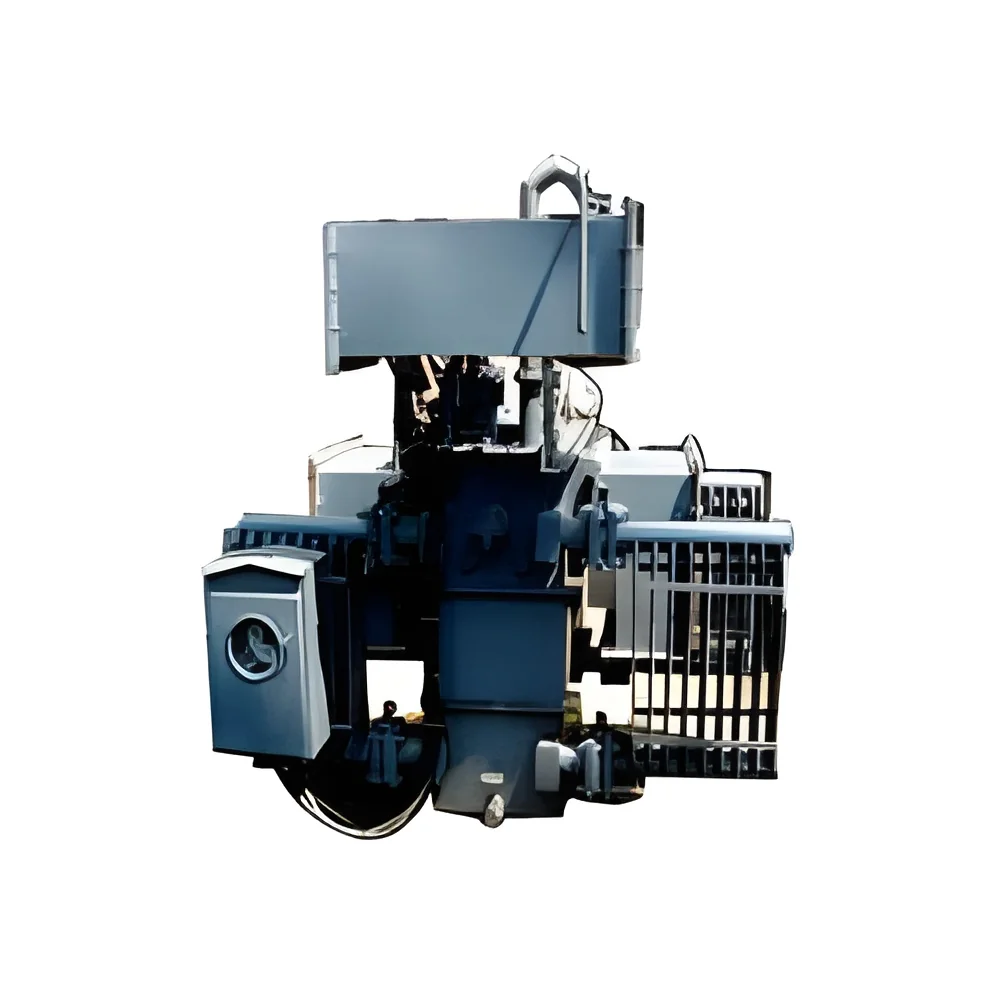
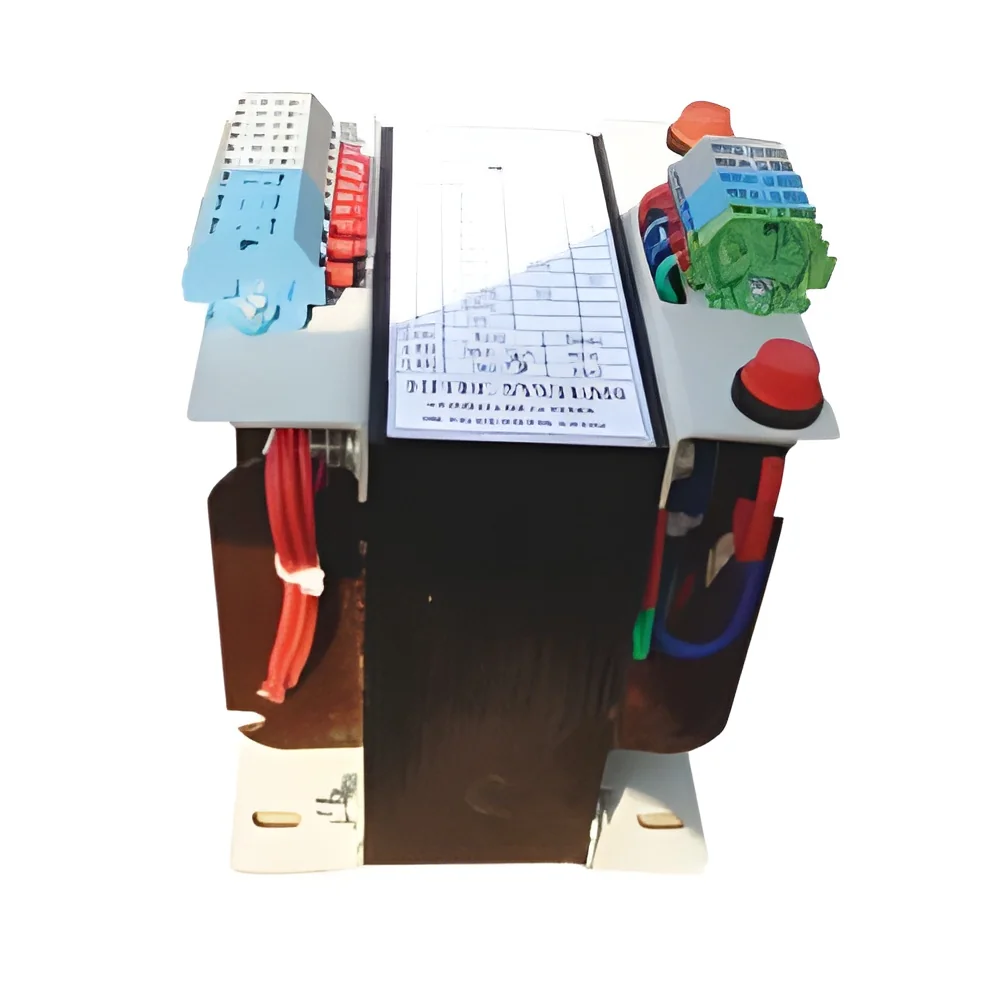
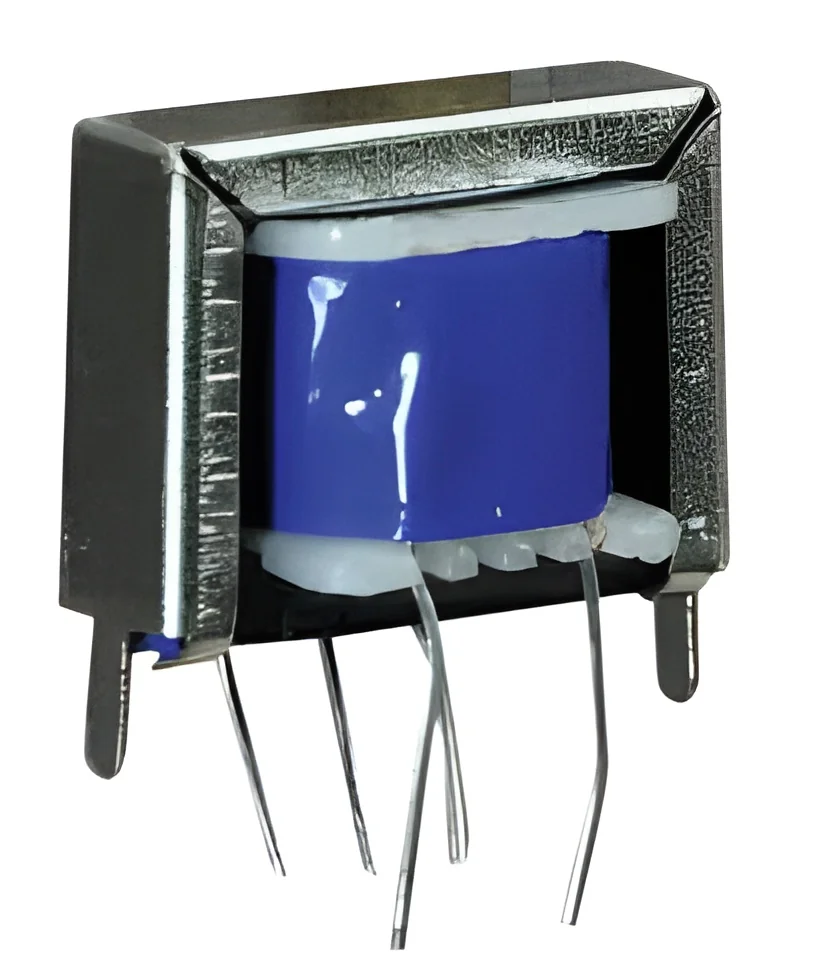
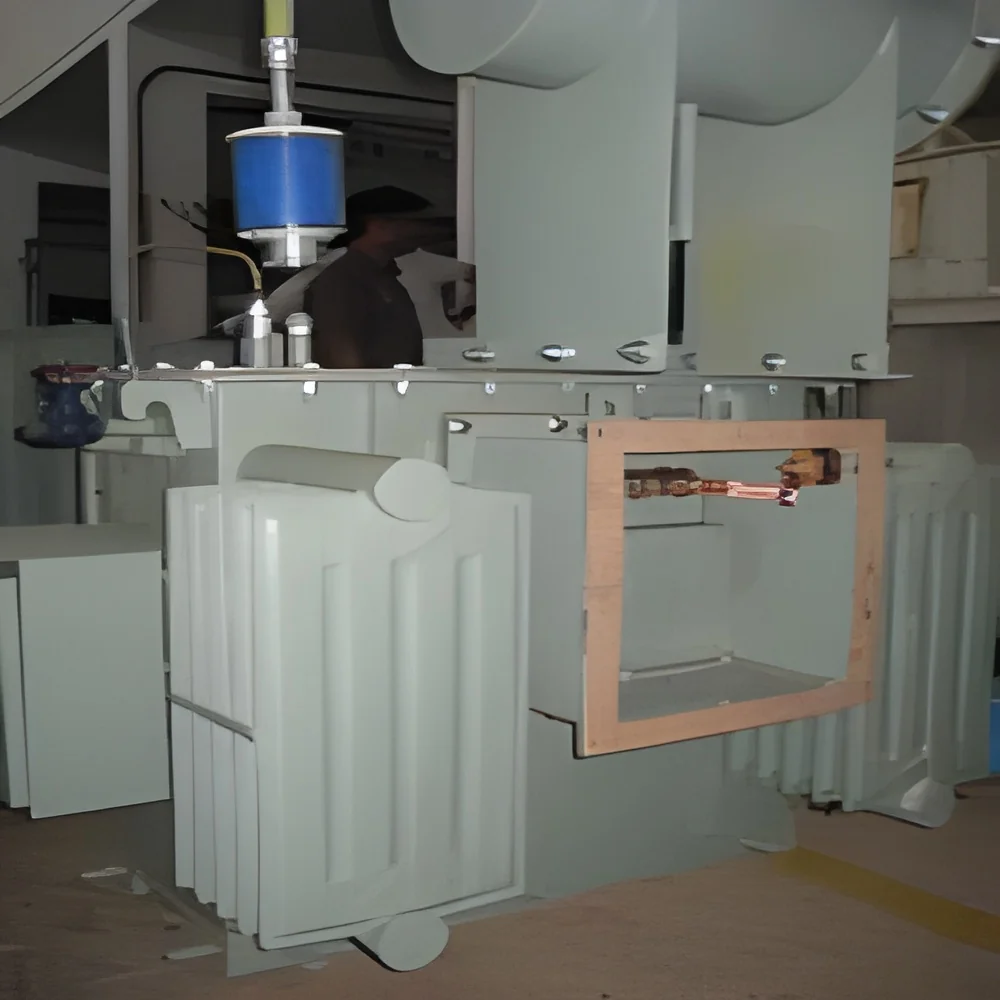
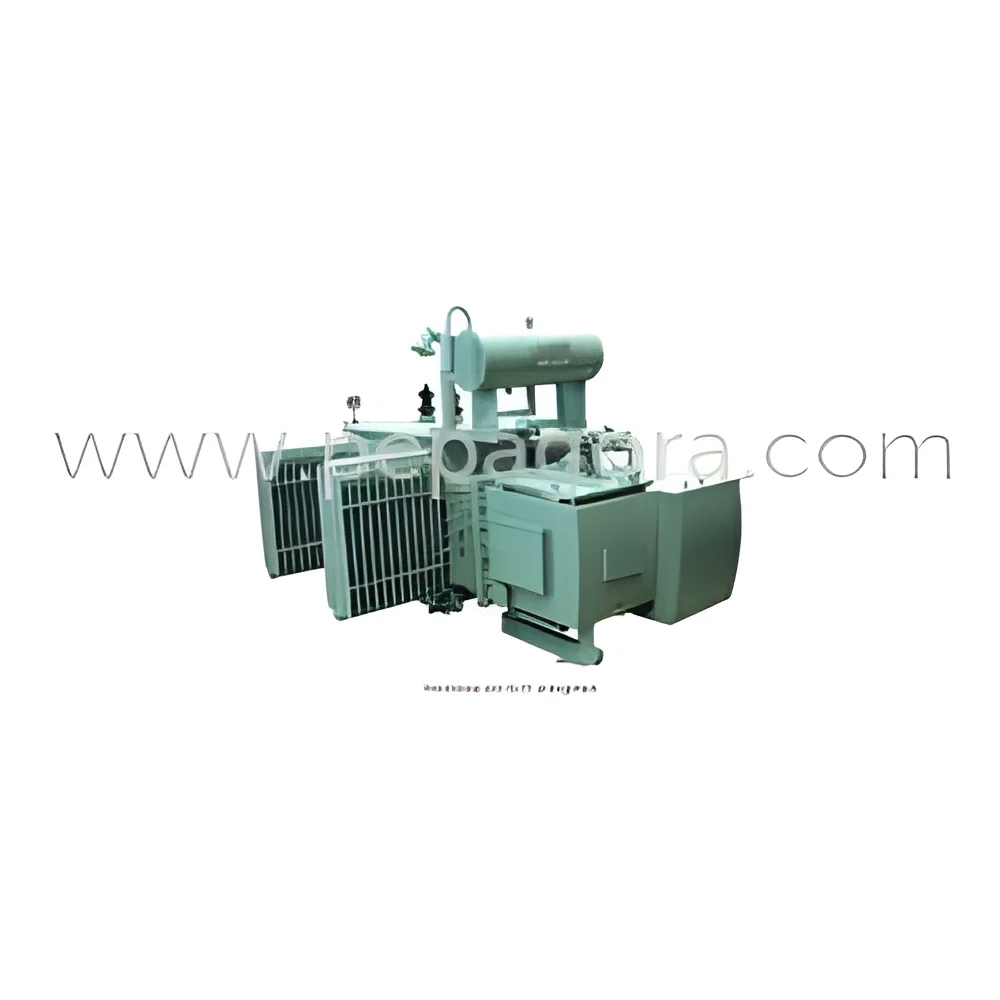
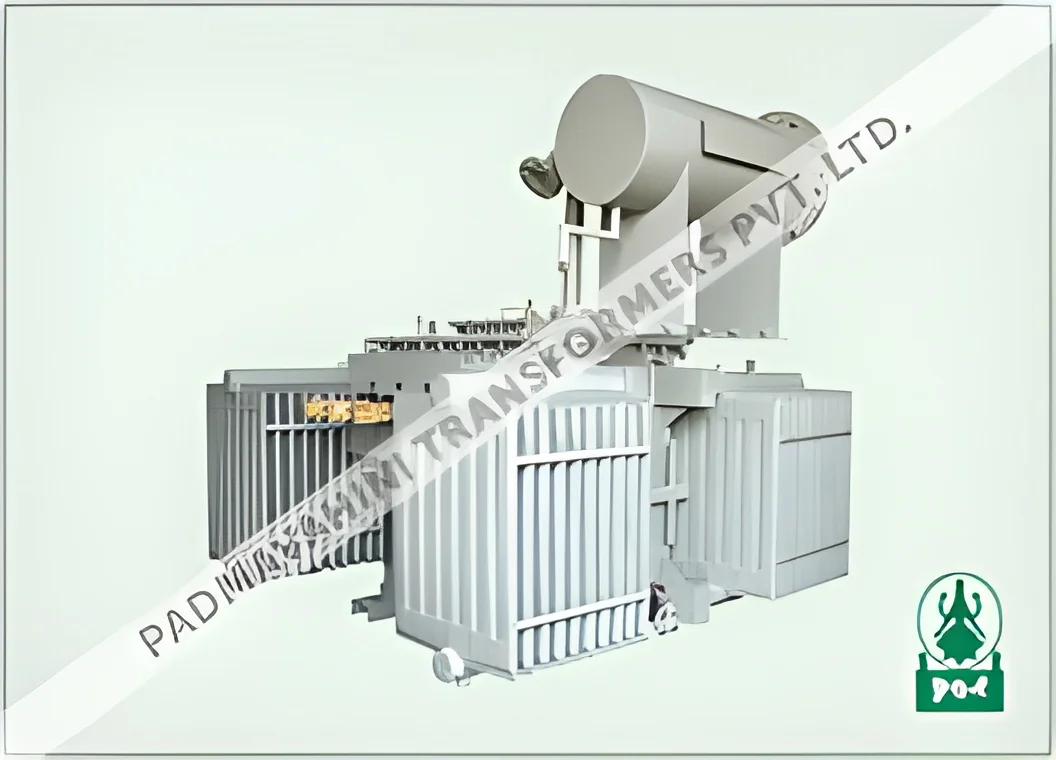
What are Auto Transformers?
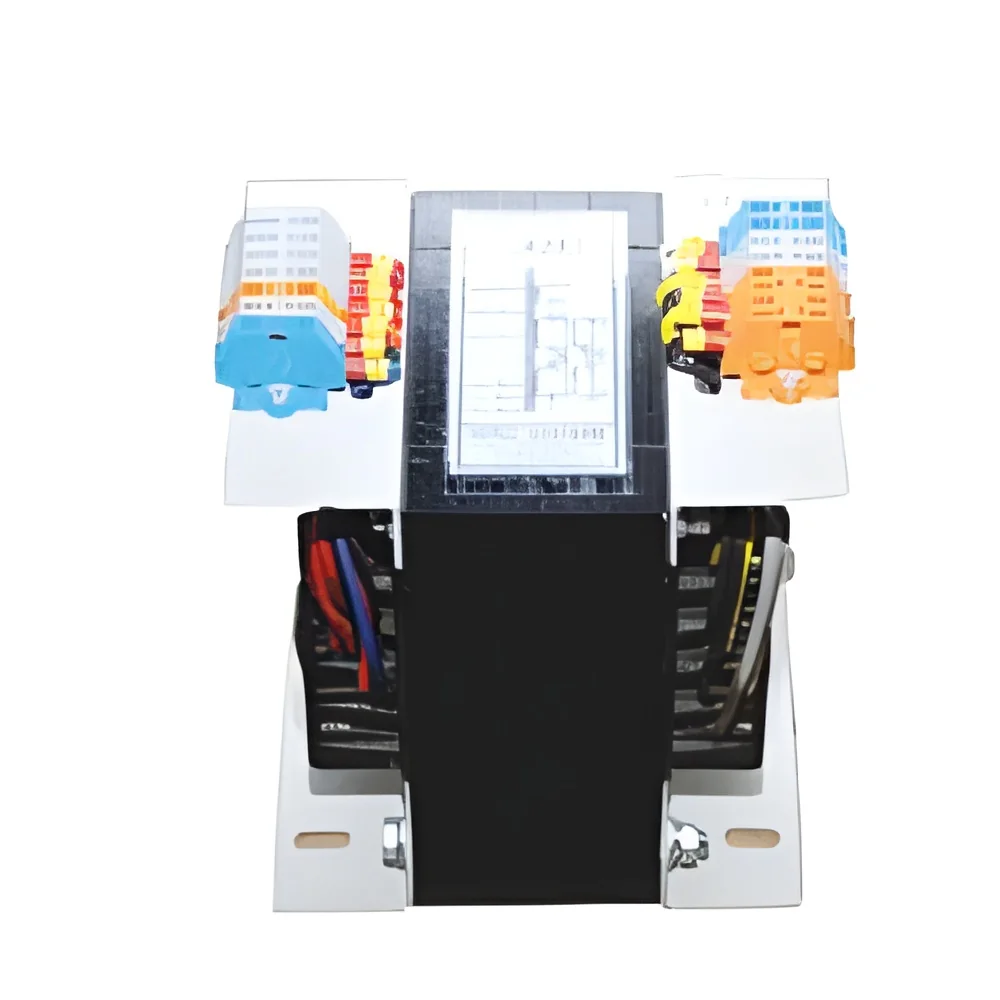
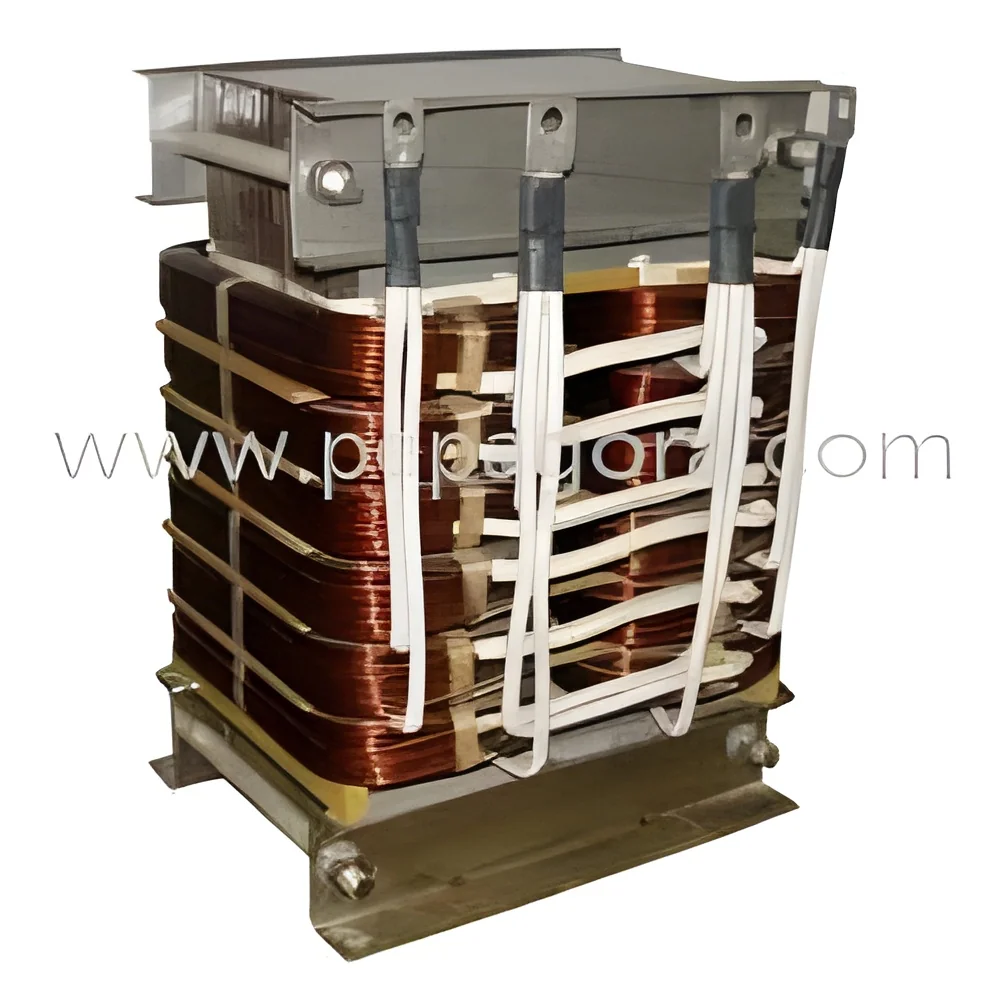
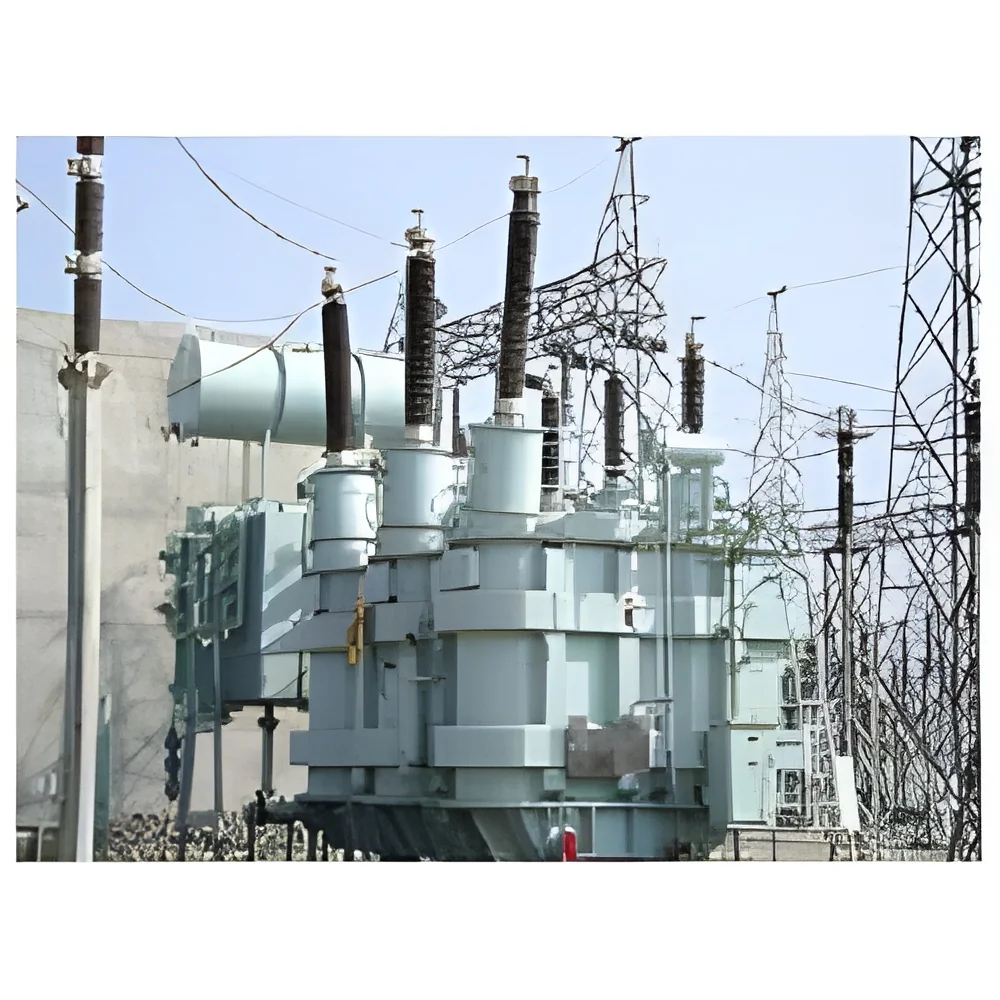
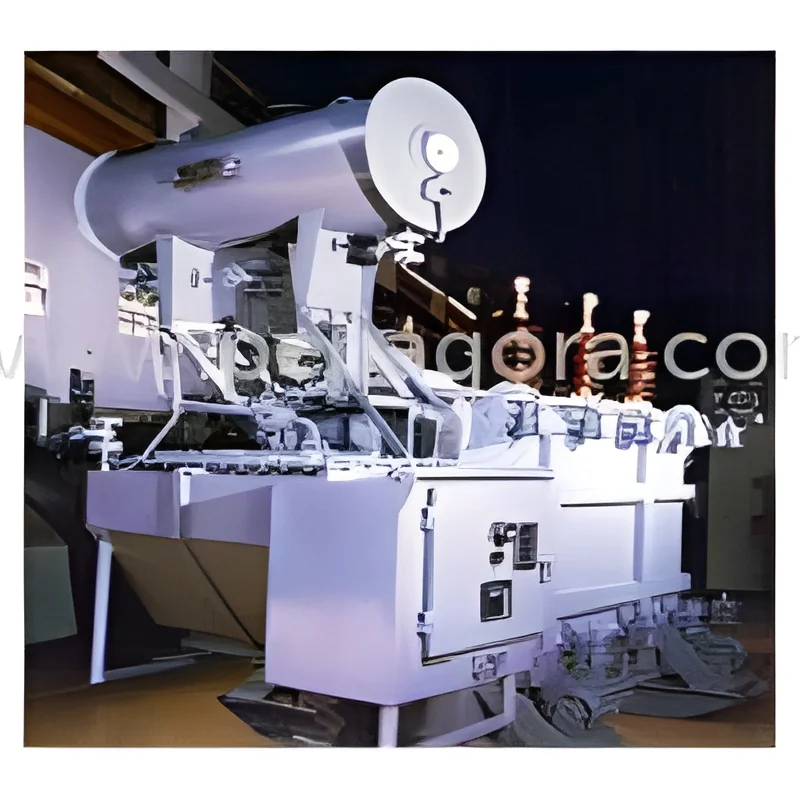
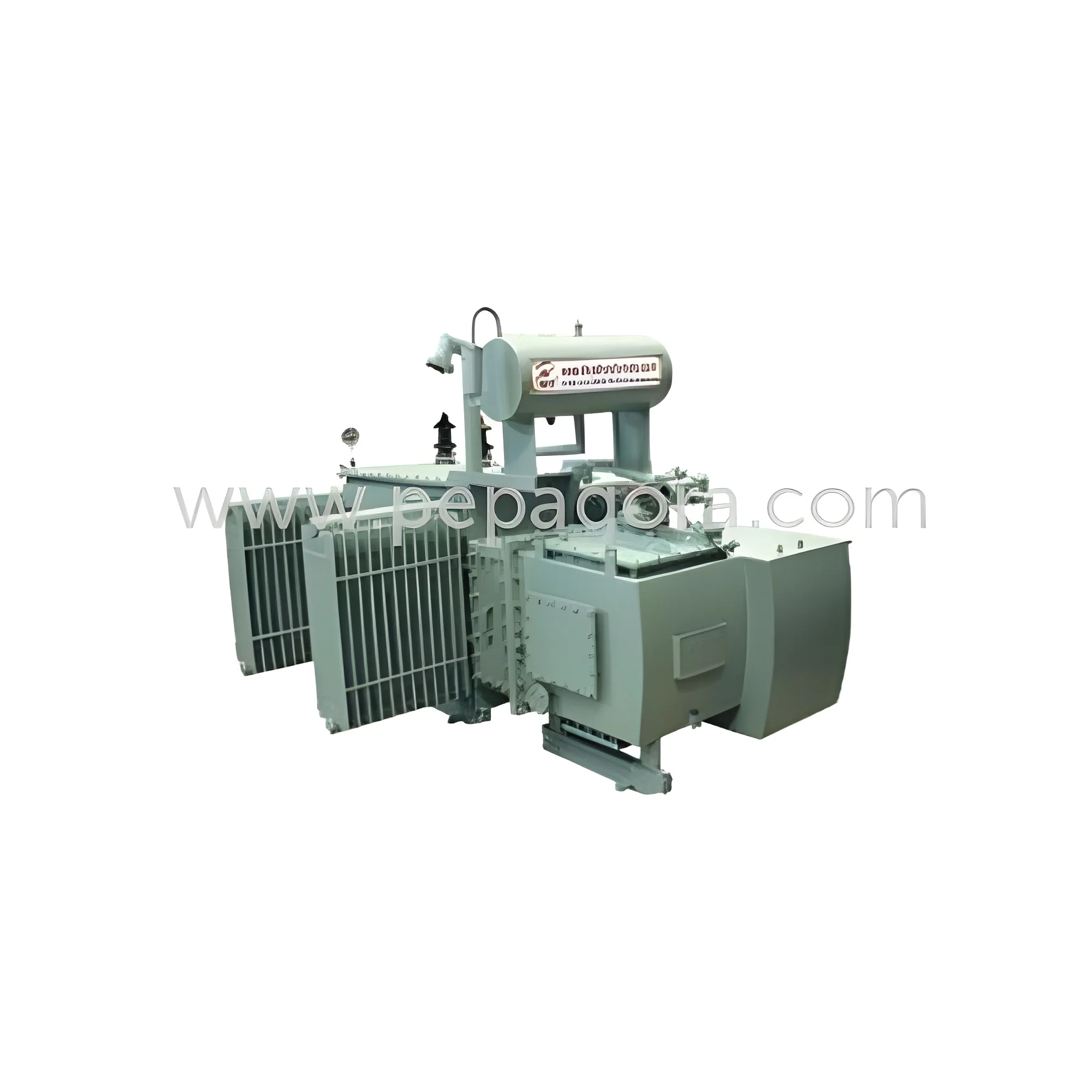
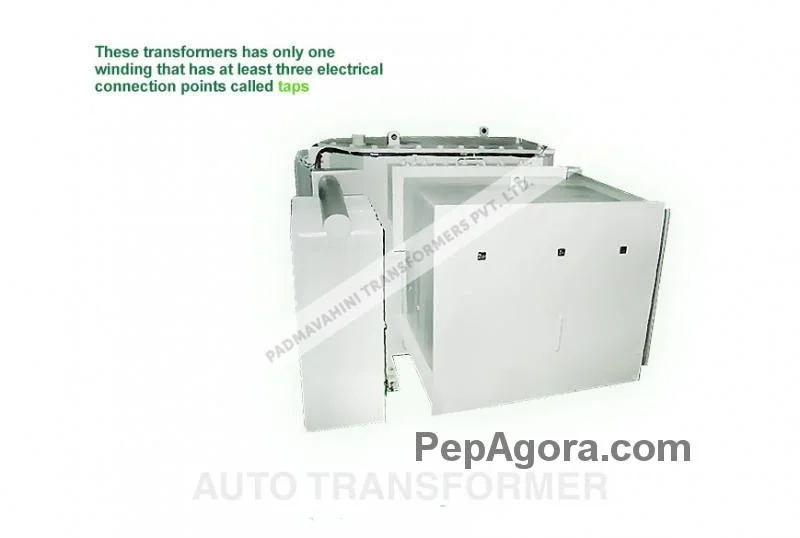
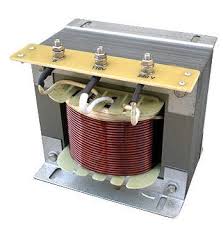
Auto transformers are electrical transformers that utilize a single winding to act as both the primary and secondary side of the device. Unlike traditional transformers that have separate windings for the input and output, auto transformers provide a more compact and cost-effective solution for voltage conversion. The winding has taps at various points, allowing it to deliver different voltage levels as required.
These devices are primarily used in applications where voltage regulation is necessary, such as in power distribution systems, motor starting, and electrical supply networks. Auto transformers are particularly beneficial for stepping down voltage in industrial settings, providing a reliable and efficient means to manage electrical energy. Their ability to handle varying loads makes them relevant in diverse sectors, including manufacturing, utilities, and construction.
In the current market, auto transformers are gaining traction due to their efficiency and space-saving design. As industries look for ways to optimize energy consumption and reduce costs, these transformers are becoming an integral component of modern electrical systems.
Key Features and Specifications
Auto transformers offer a range of features that enhance their functionality and performance. Understanding these specifications is essential for selecting the right unit for your application.
Key specifications include:
1. Voltage Rating
- Indicates the maximum voltage the transformer can handle.
- Common ranges include 220V to 480V.
2. Power Rating
- Refers to the maximum power the transformer can supply.
- Typically measured in kilovolt-amperes (kVA), ranging from 10 kVA to 1000 kVA.
3. Efficiency
- Represents the ratio of output power to input power.
- High-efficiency models can exceed 98%.
4. Frequency
- Specifies the operational frequency of the transformer.
- Standard frequencies are 50 Hz and 60 Hz.
5. Tap Range
- Indicates the range of voltage output available through taps.
- Usually ranges from +/- 5% to +/- 20%.
6. Insulation Class
- Determines the temperature rating of the insulation material used.
- Classes can range from A (105°C) to H (180°C).
7. Cooling Type
- Describes the method used to cool the transformer.
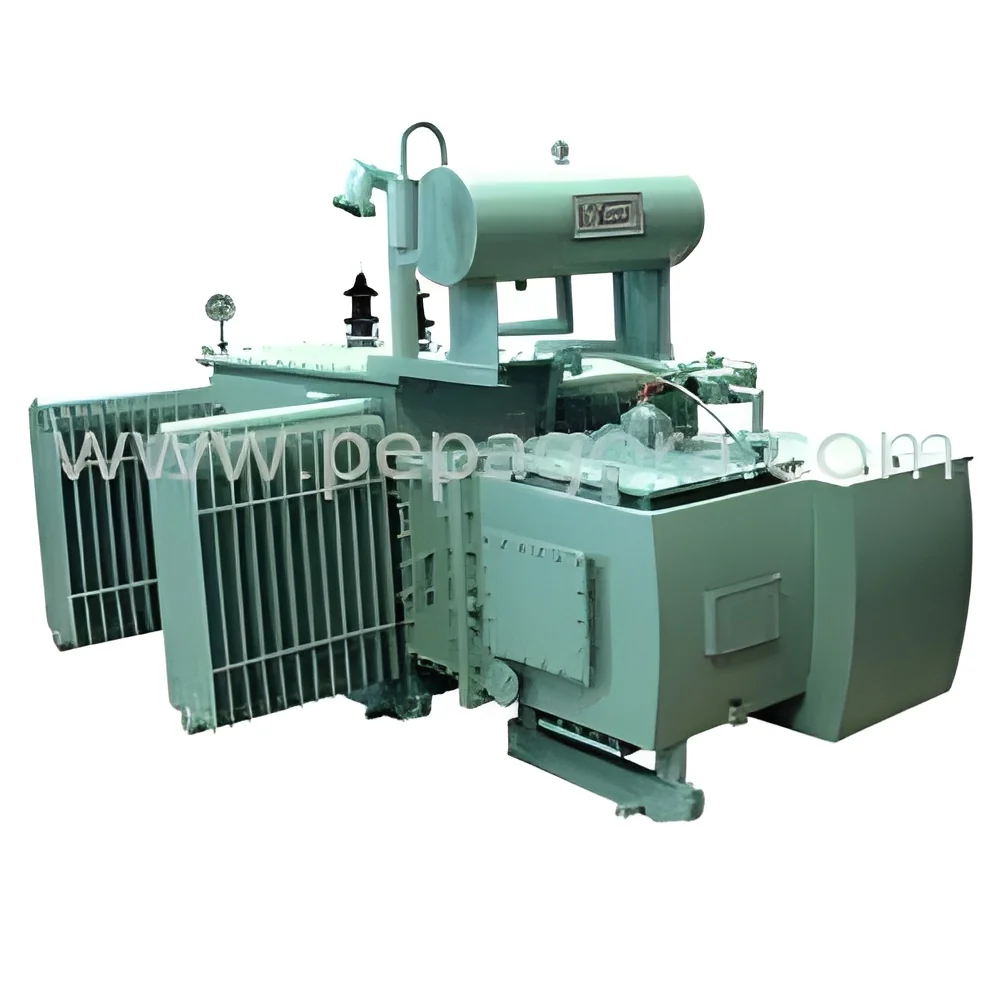
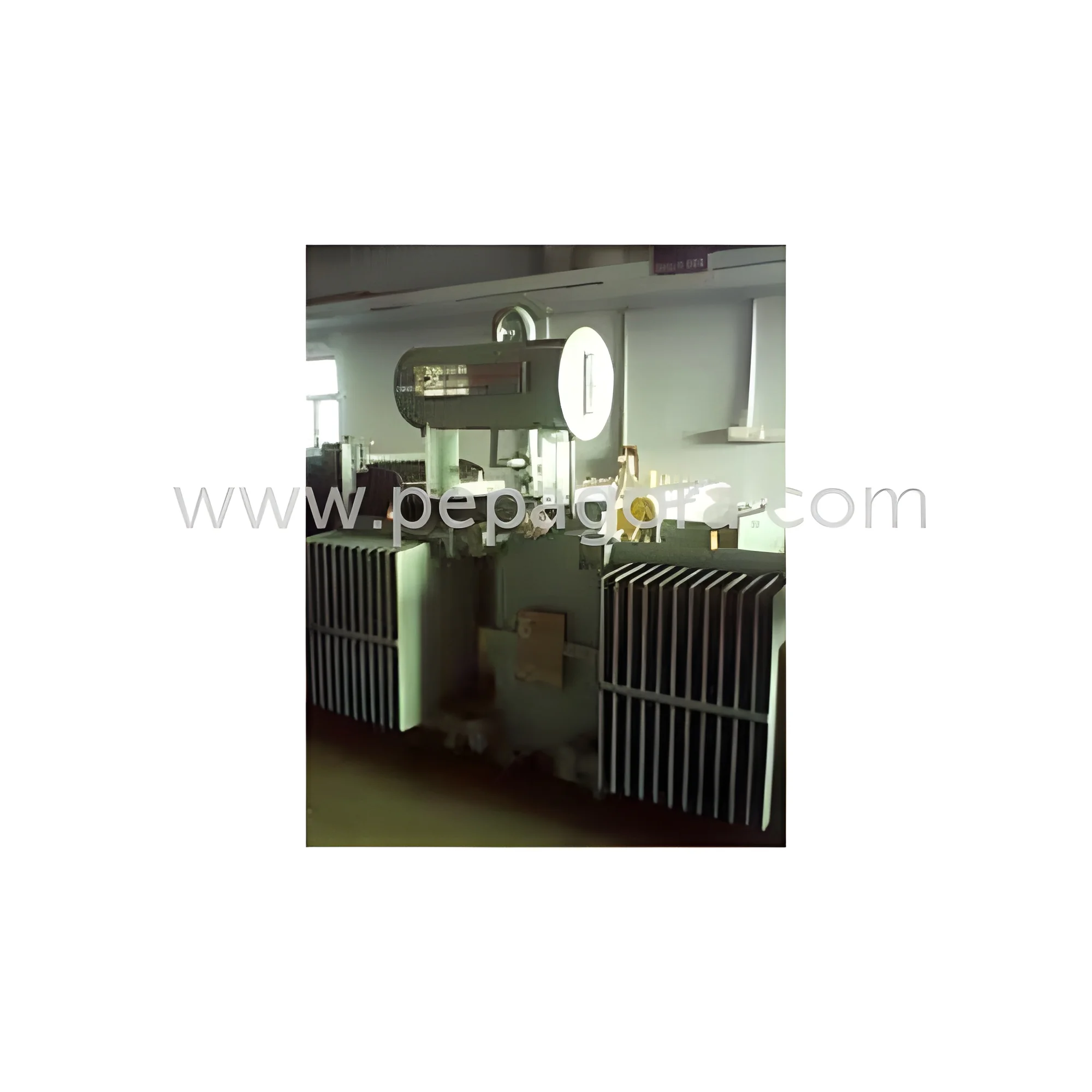
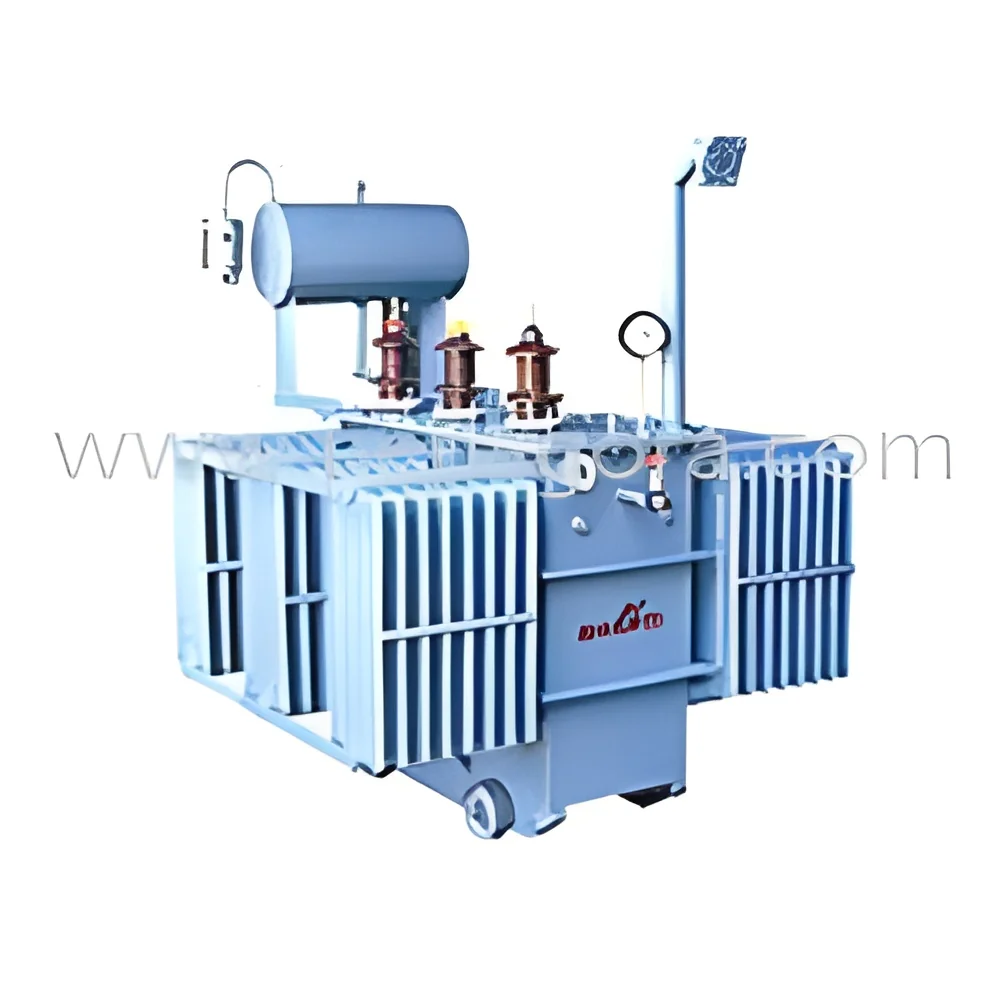
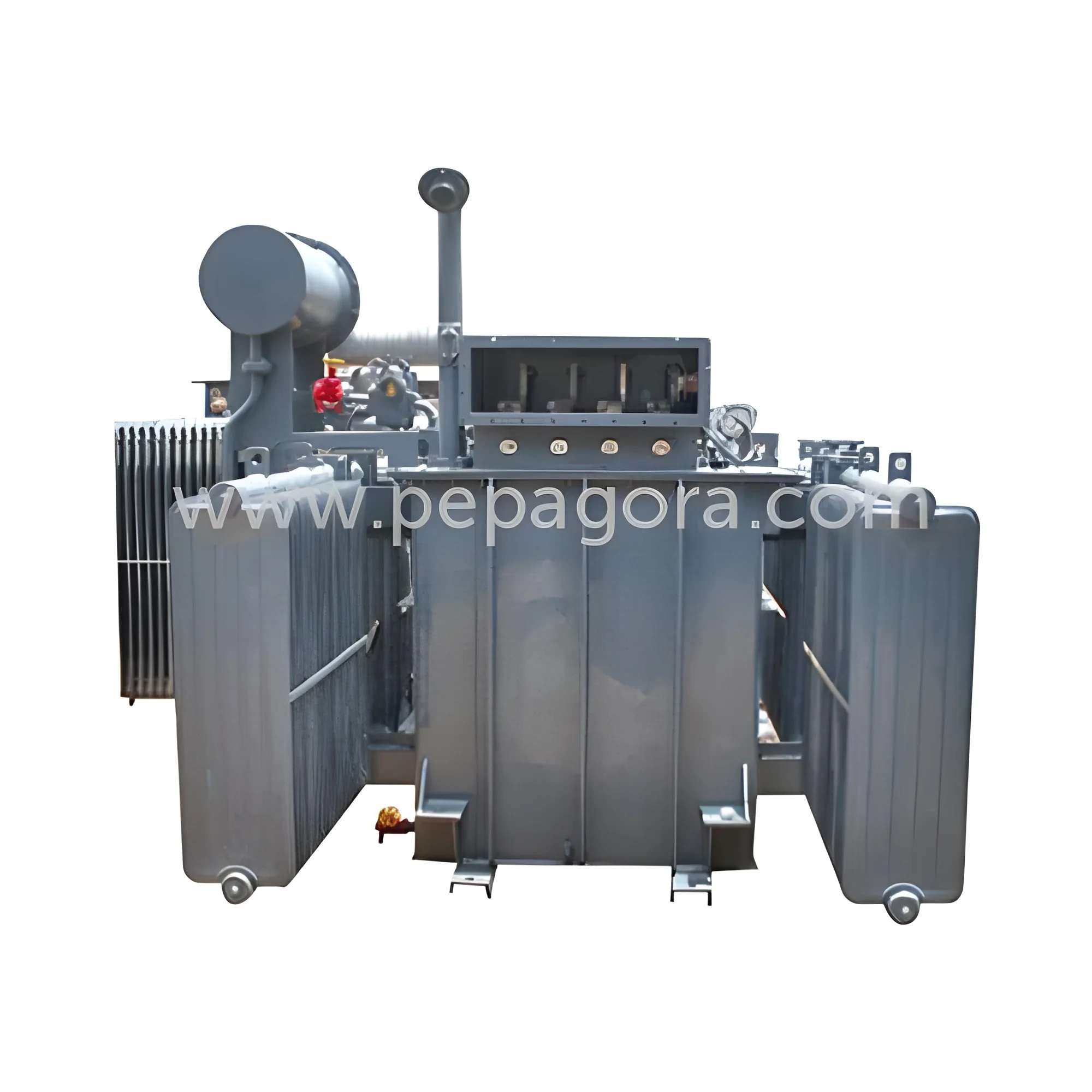
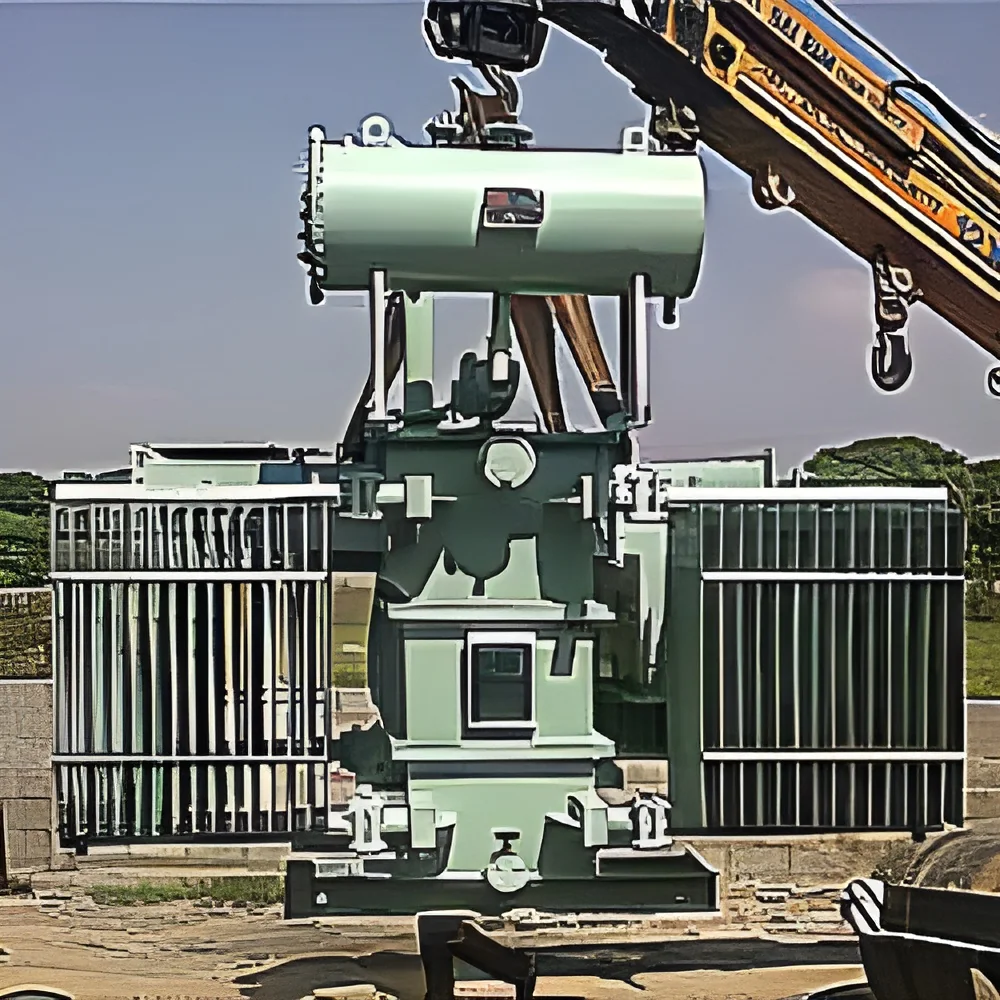
- Options include air-cooled and oil-cooled designs.
8. Dimensions and Weight
- Provides size and weight specifications for installation considerations.
- Dimensions vary greatly depending on power rating and design.
When selecting an auto transformer, understanding these specifications helps ensure optimal performance and compatibility with existing systems.
Common Applications and Use Cases
Auto transformers are versatile devices used across various industries to meet specific electrical needs.
1. Manufacturing: In manufacturing plants, auto transformers are used to regulate voltage for machinery, ensuring efficient operation and reducing energy wastage.
2. Utilities: Utility companies employ auto transformers in power distribution networks to step down high voltages for safe delivery to residential and commercial users.
3. Construction: In construction sites, auto transformers provide a reliable power source for tools and equipment, facilitating smooth operations without voltage interruptions.
4. HVAC Systems: Auto transformers are used in heating, ventilation, and air conditioning systems to adjust voltage levels for optimal performance and energy savings.
5. Renewable Energy: In solar and wind energy applications, auto transformers help integrate renewable energy sources into the grid by managing voltage levels.
6. Electric Vehicles: Auto transformers are utilized in charging stations to provide the appropriate voltage for electric vehicle batteries.
7. Railways: Rail systems use auto transformers for traction power supply, ensuring trains operate efficiently at the required voltage levels.
Product Variants and Subcategories
Auto transformers come in a variety of configurations to suit different applications and customer needs.
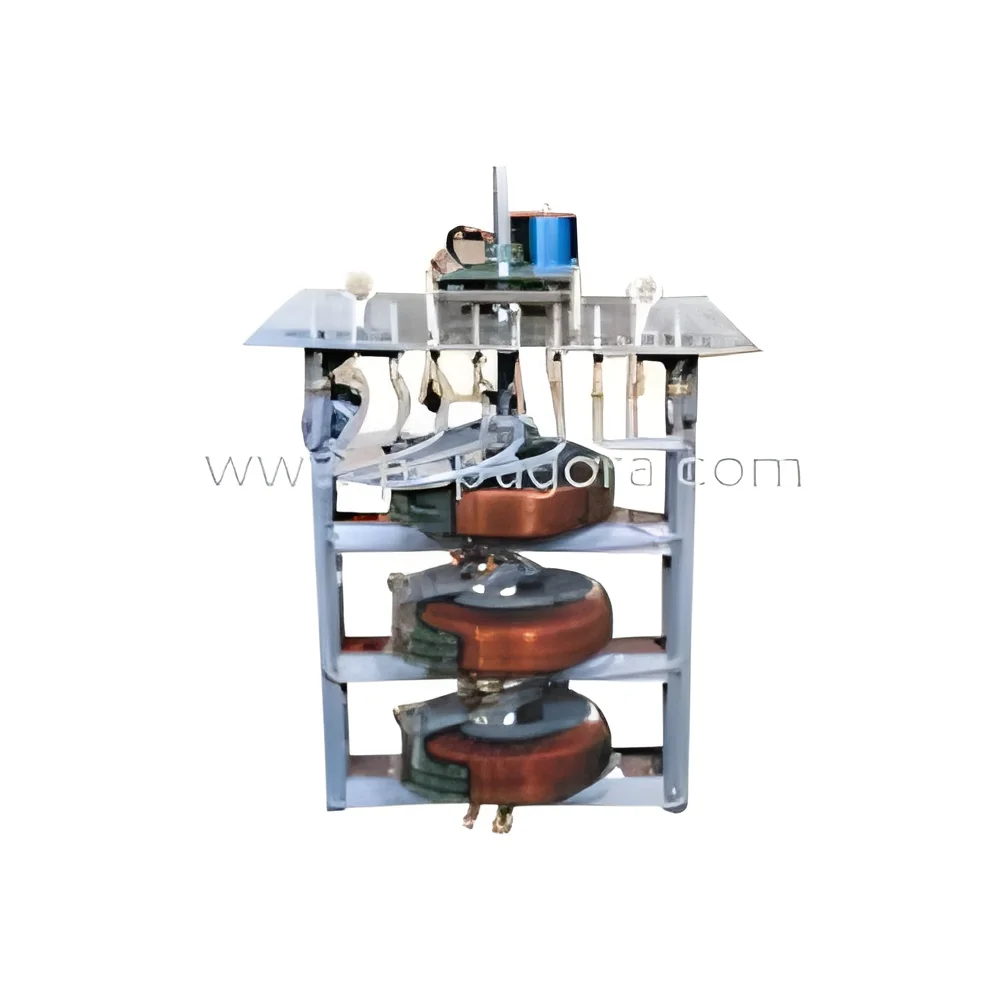
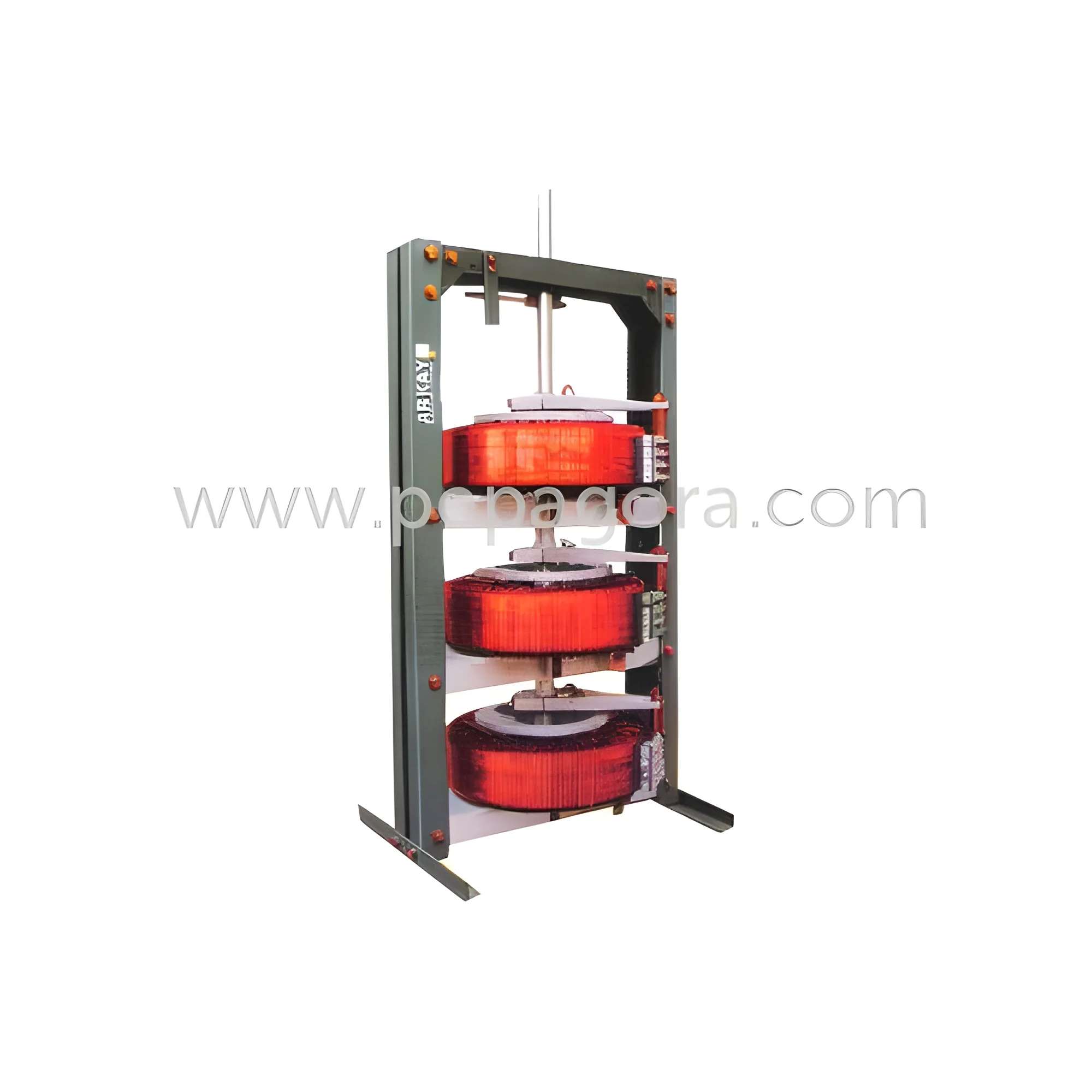
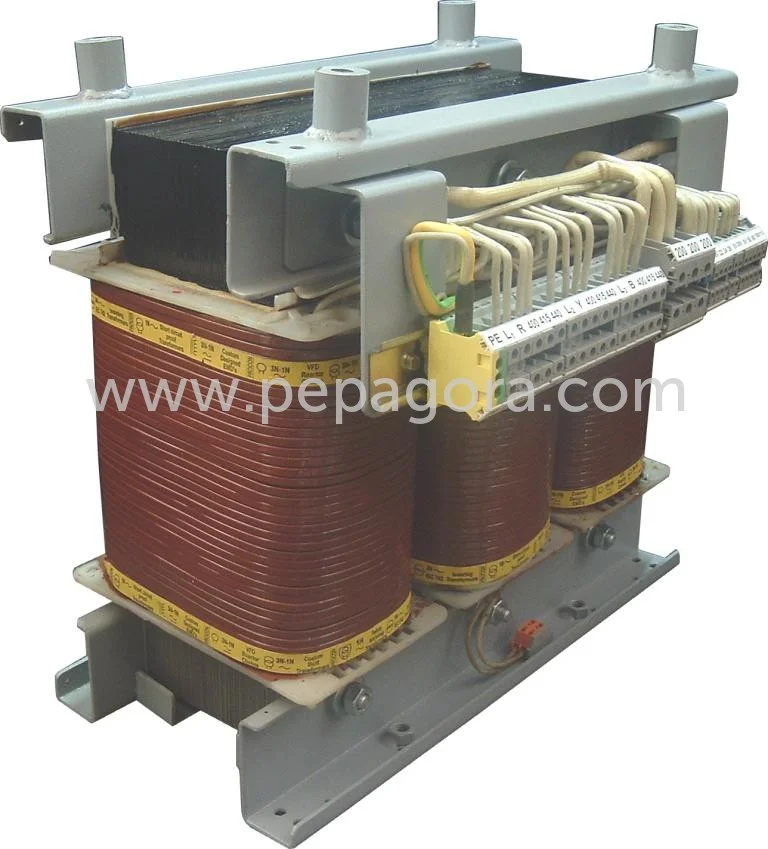
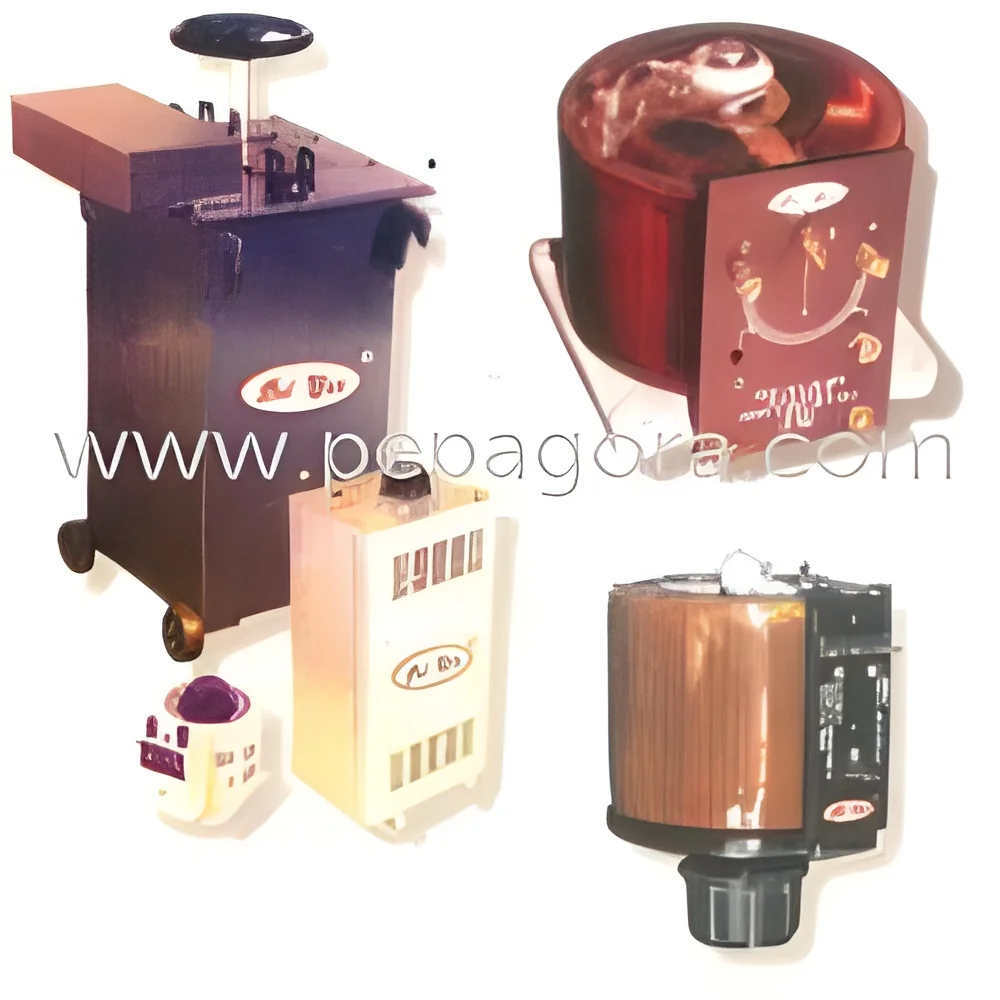
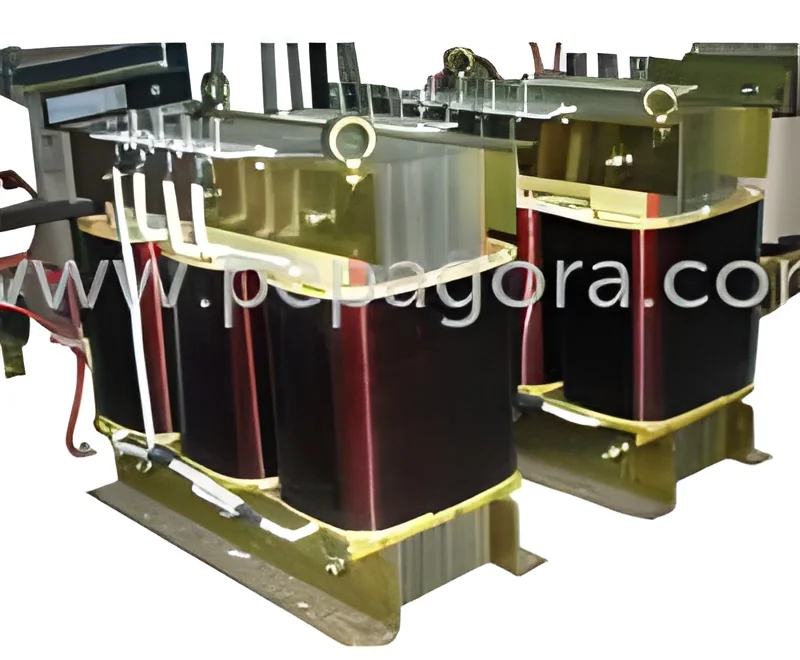
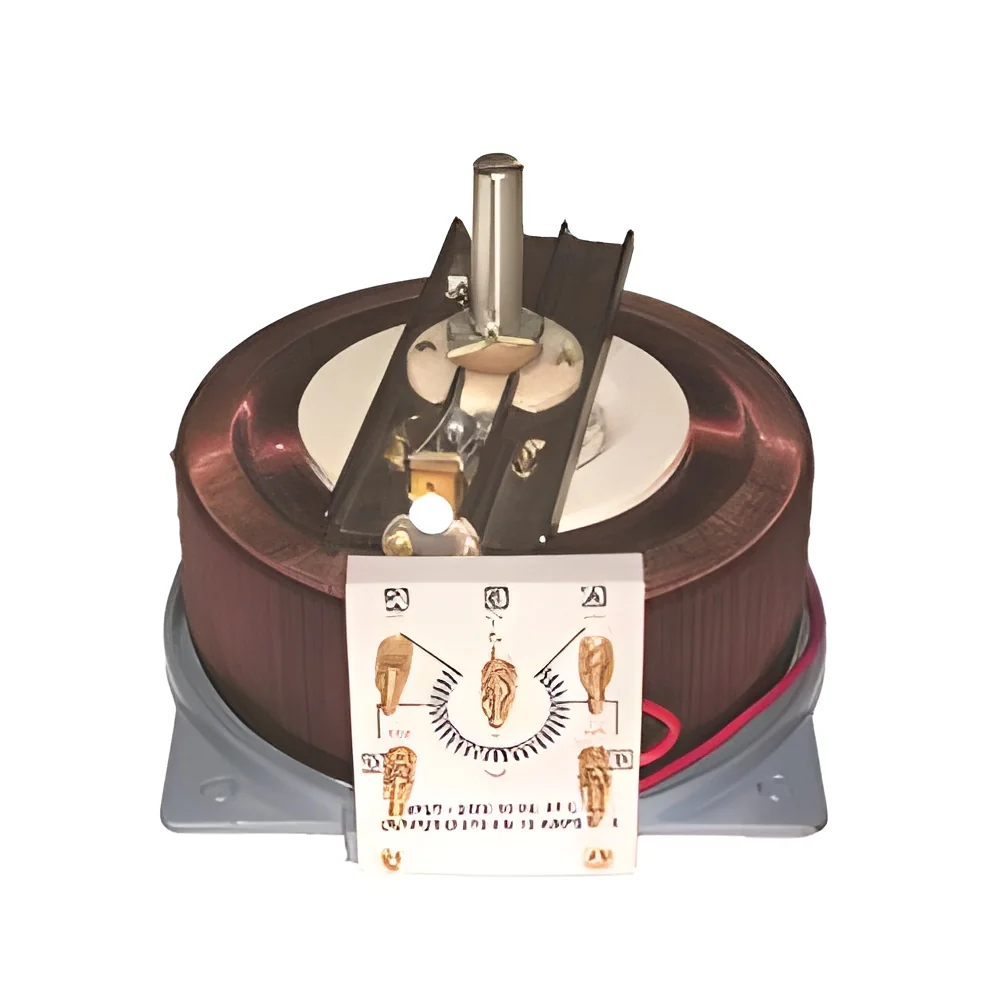
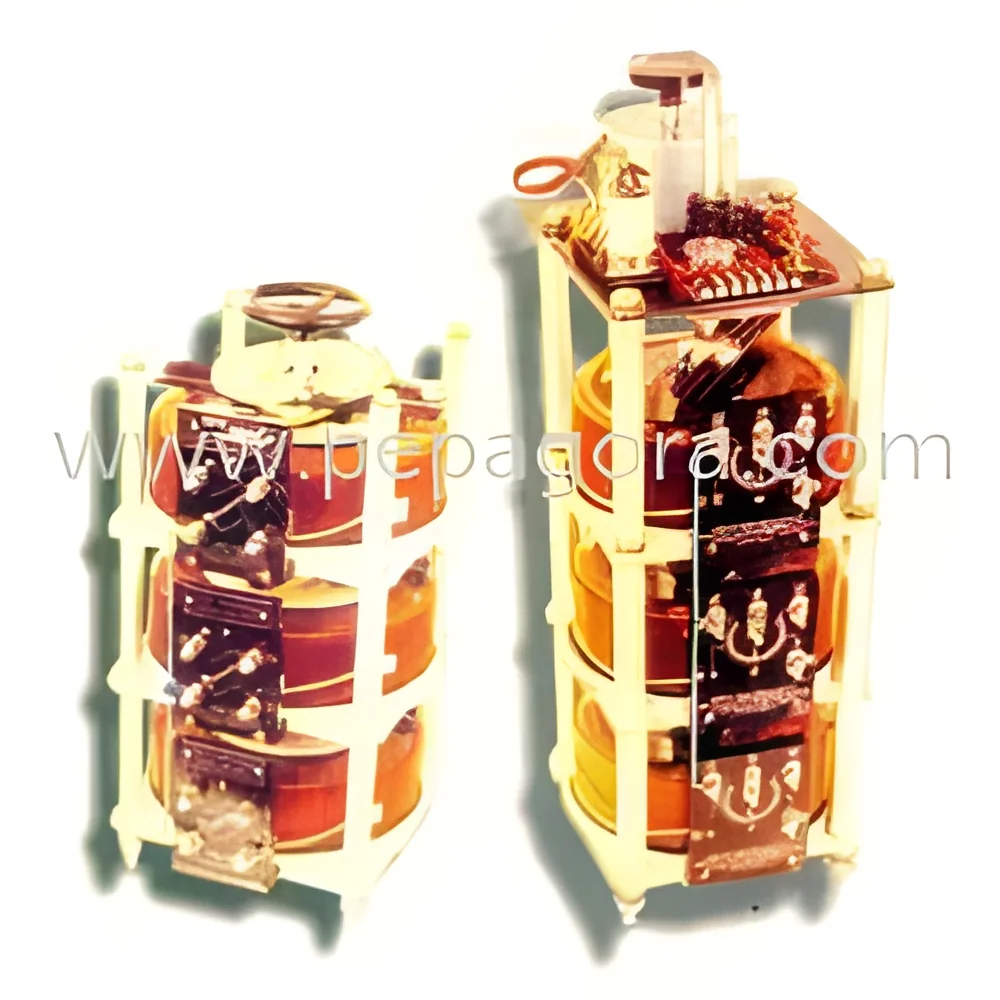
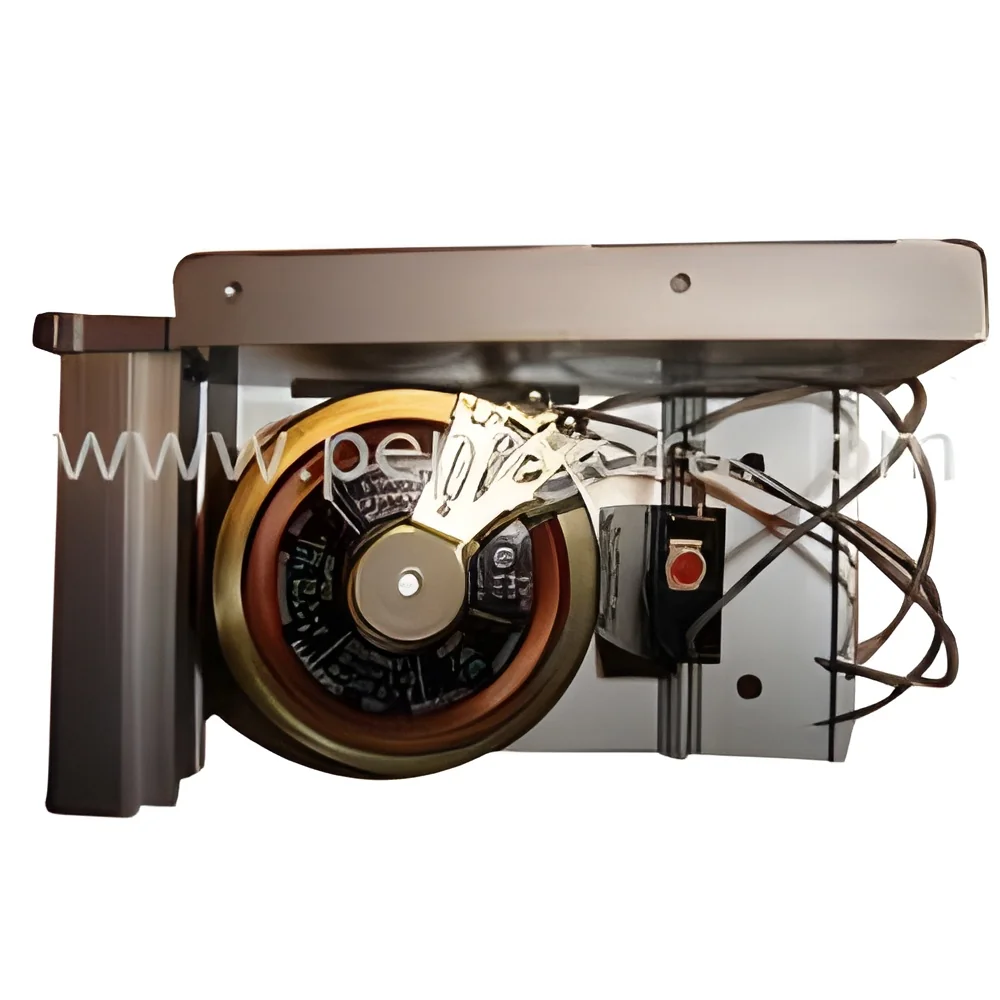
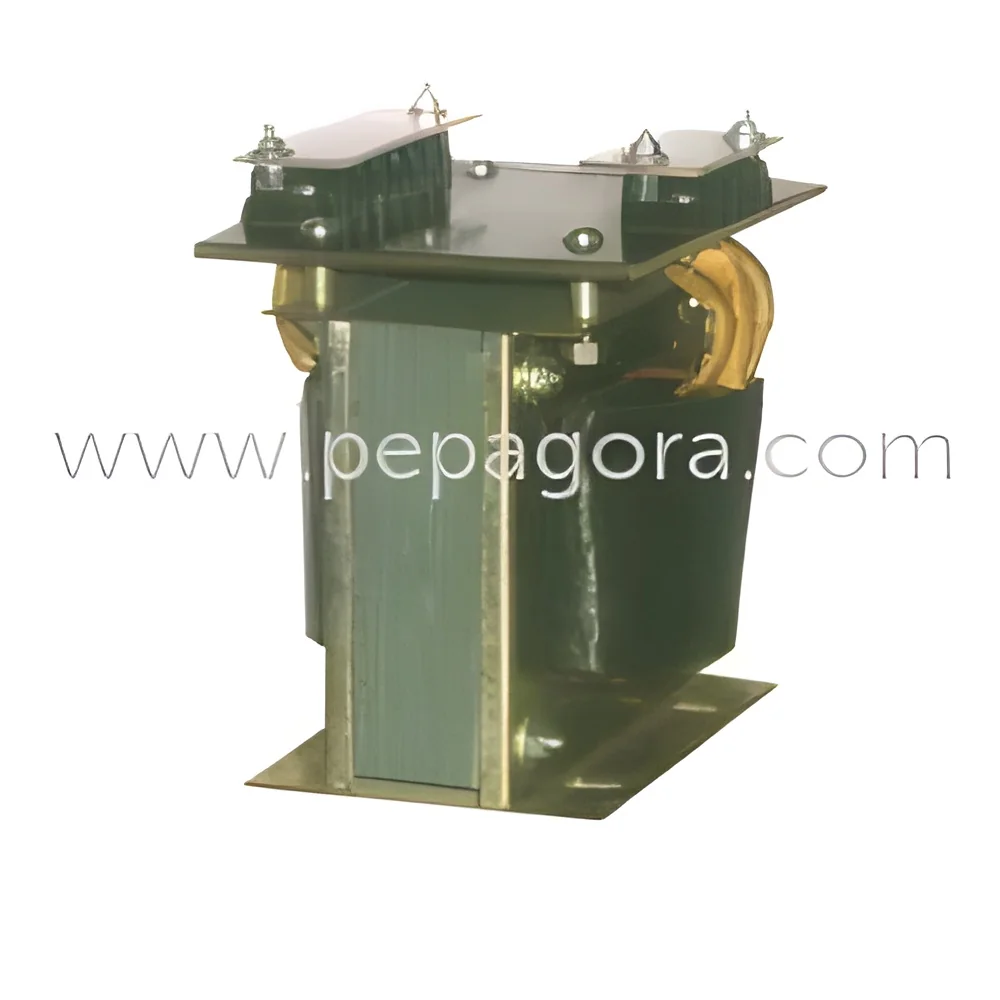
Open Frame Auto Transformers: These models are designed without an enclosure, offering easy access for maintenance and adjustments. They are ideal for applications requiring direct mounting.
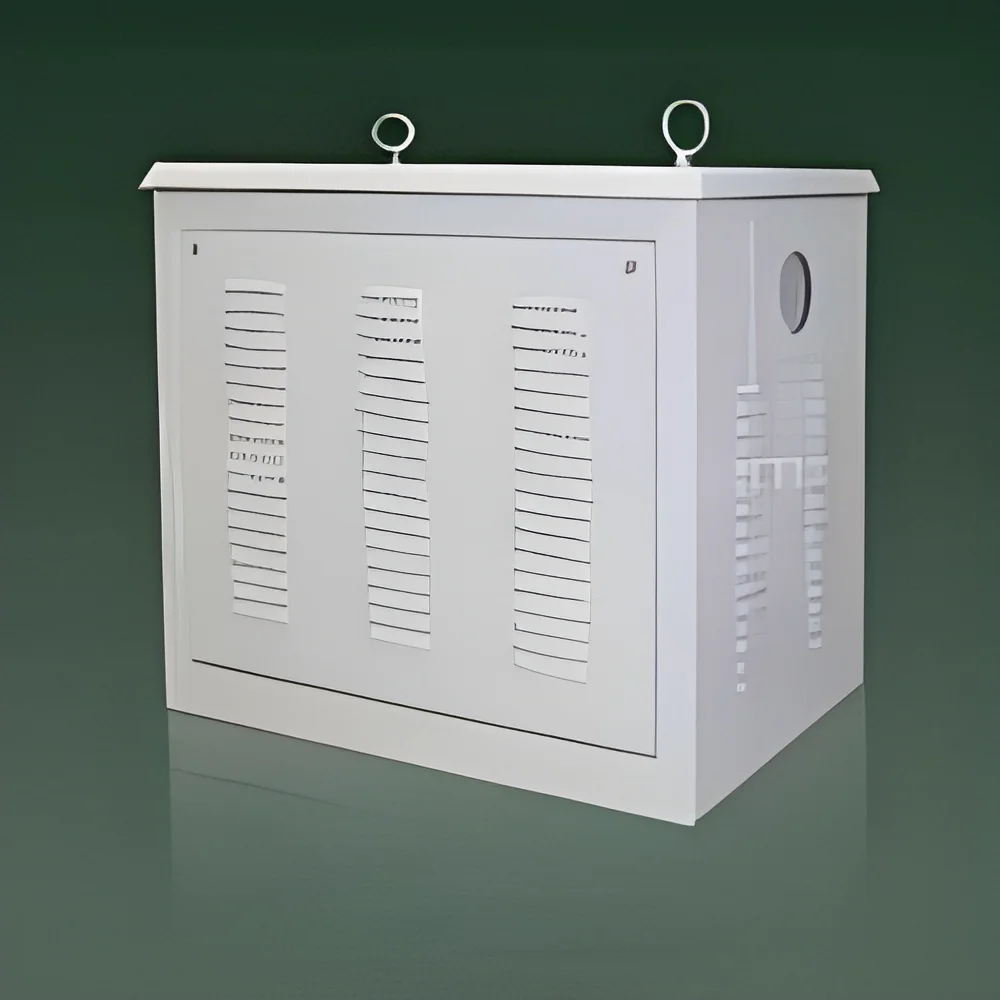
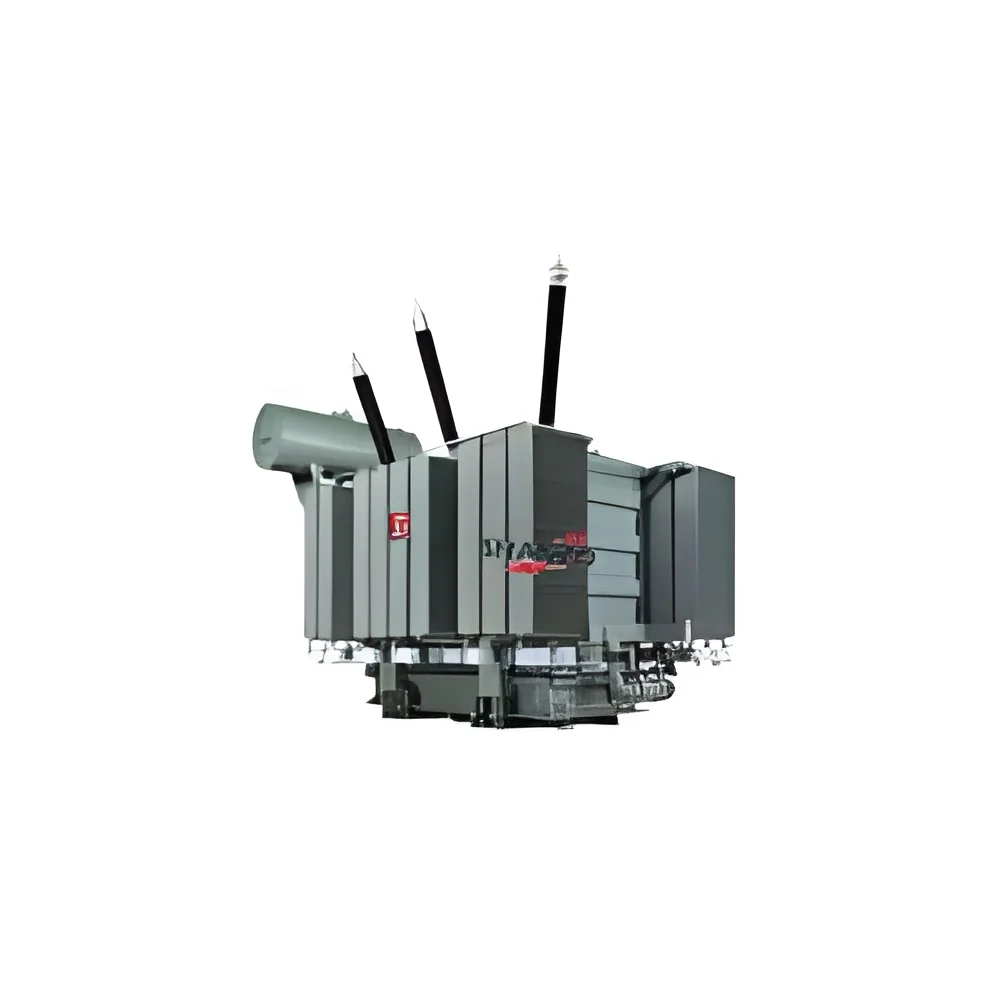
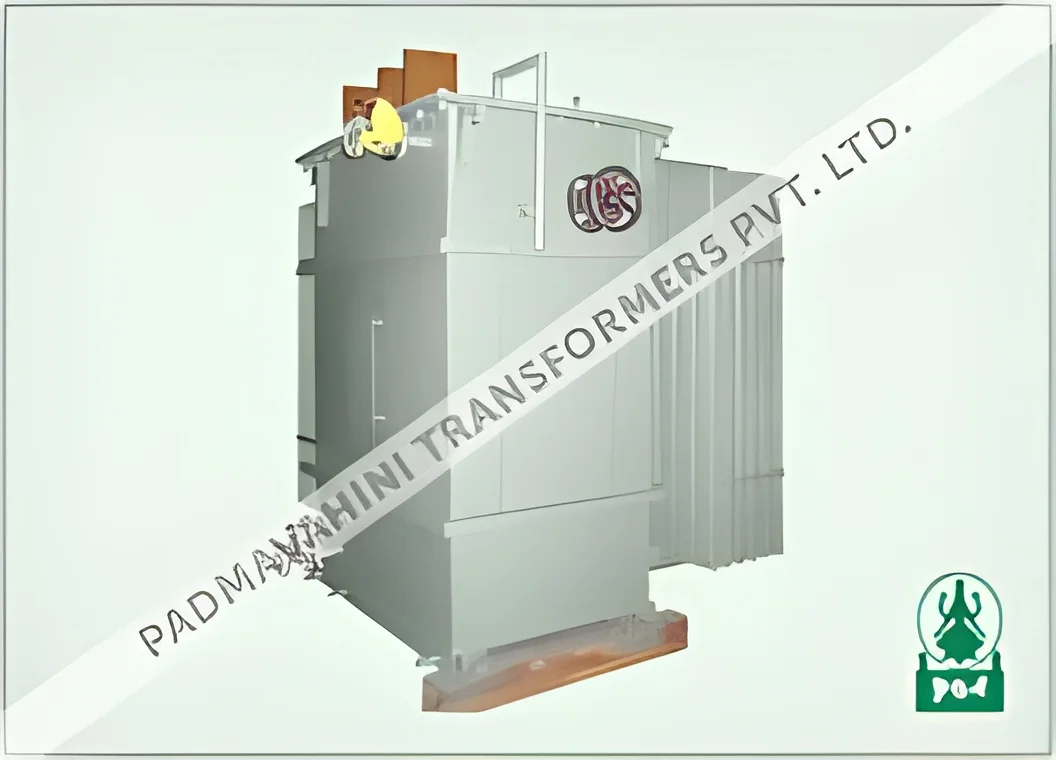
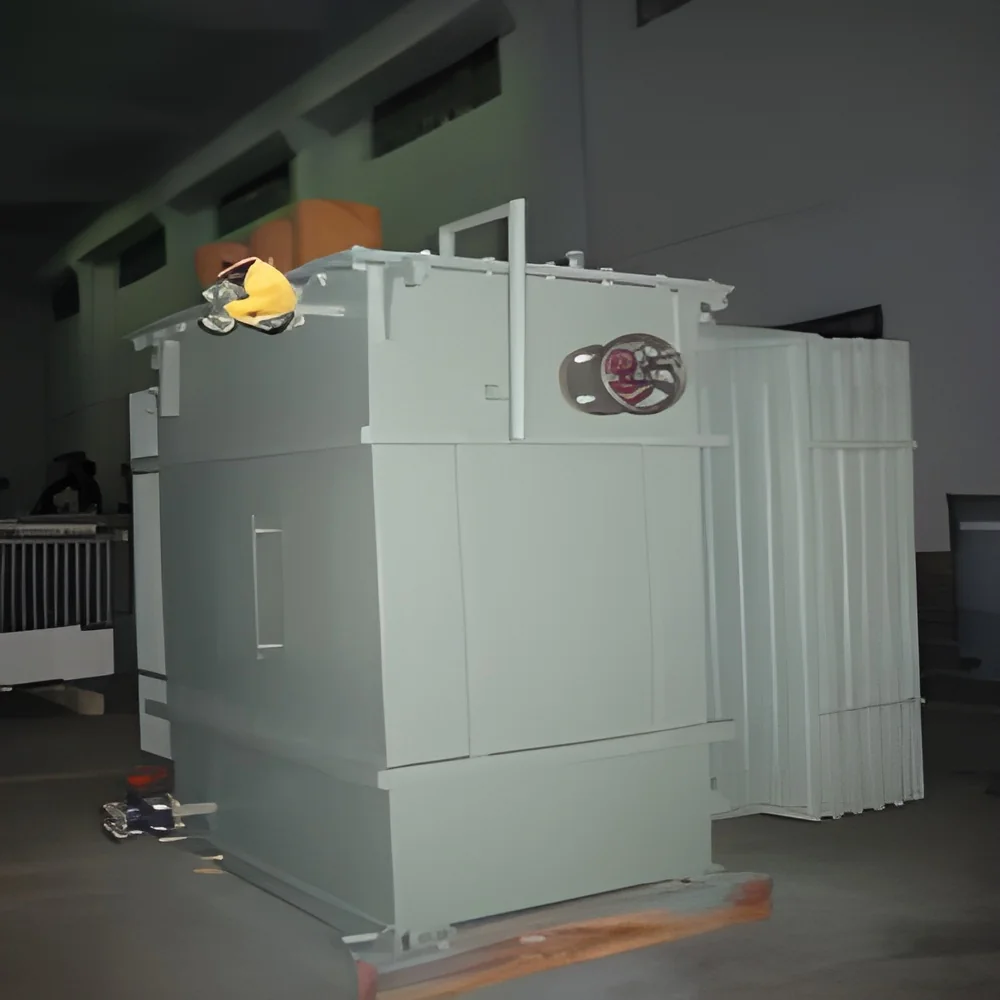
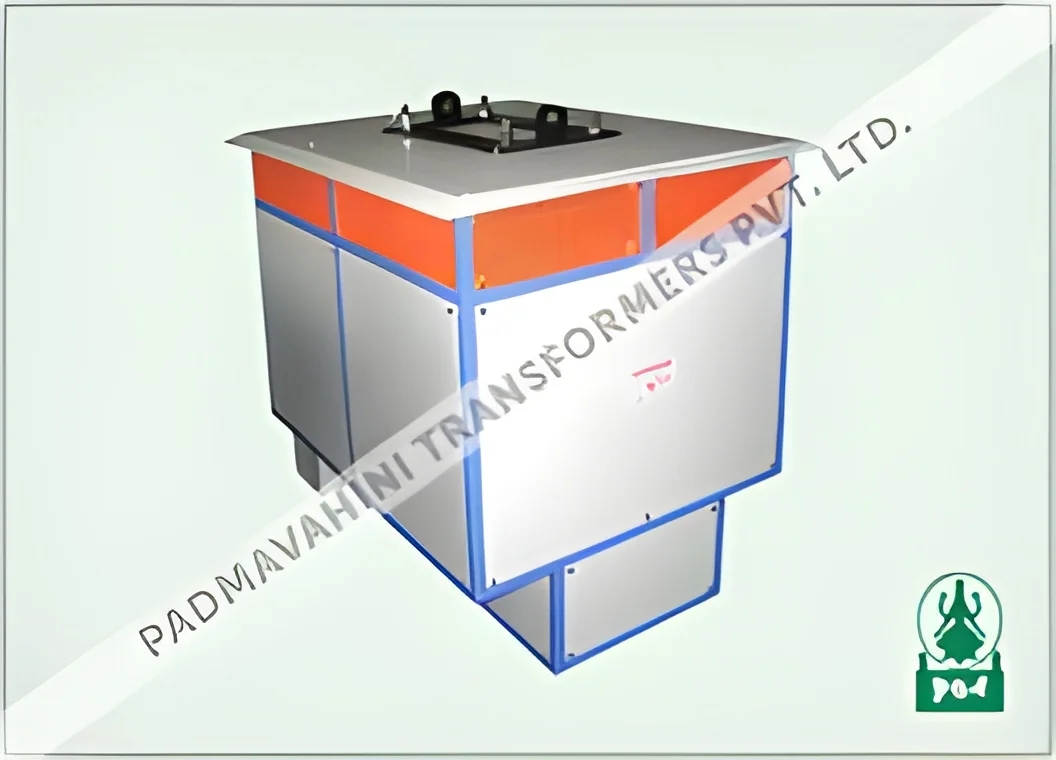
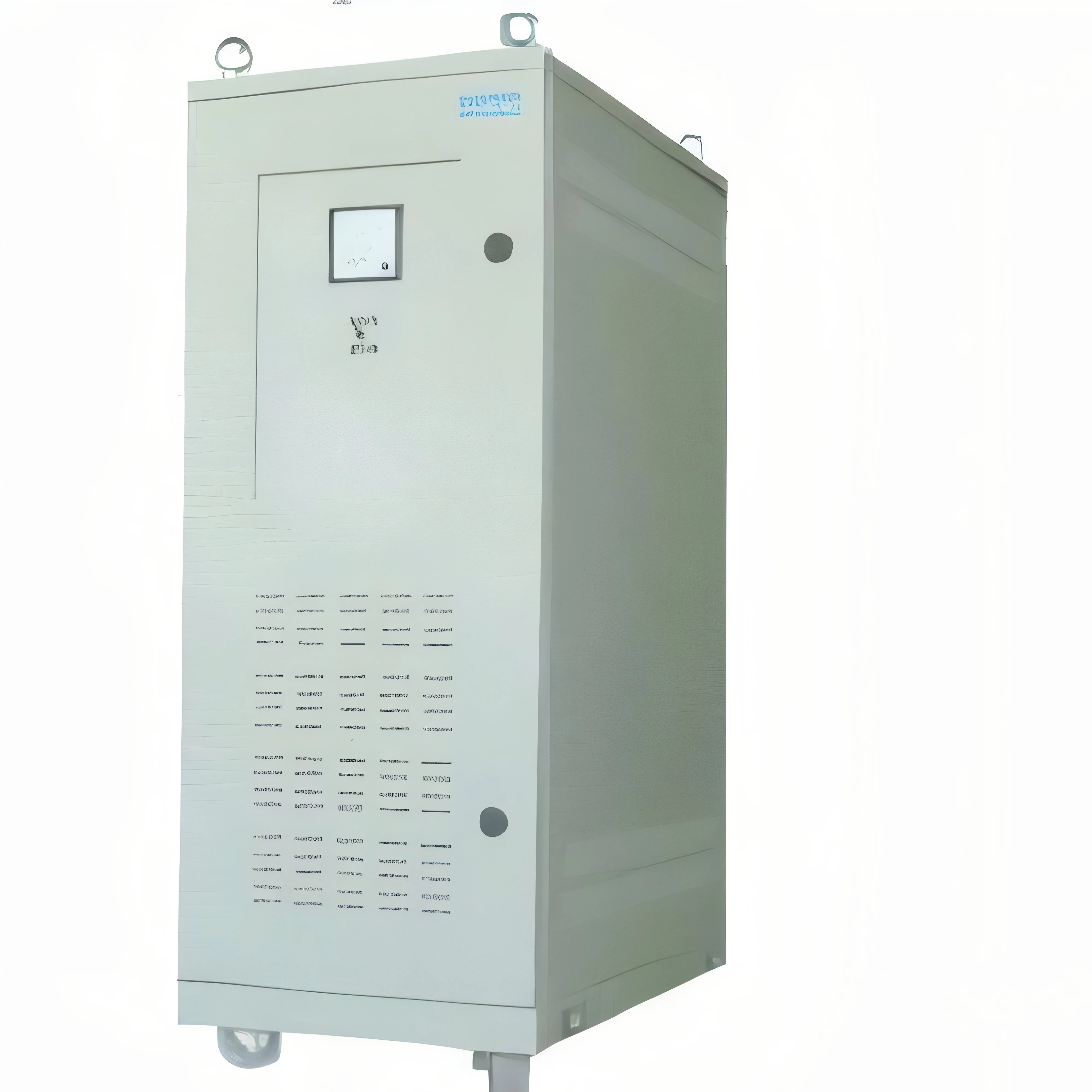
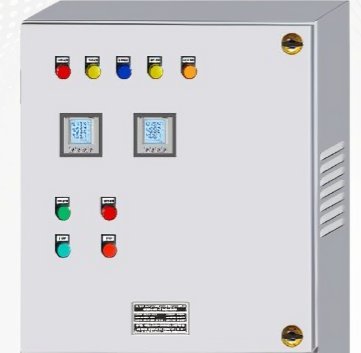
Enclosed Auto Transformers: These variants are housed in protective casings, providing enhanced safety and durability in harsh environments. They are suitable for industrial applications where exposure to dust and moisture is a concern.
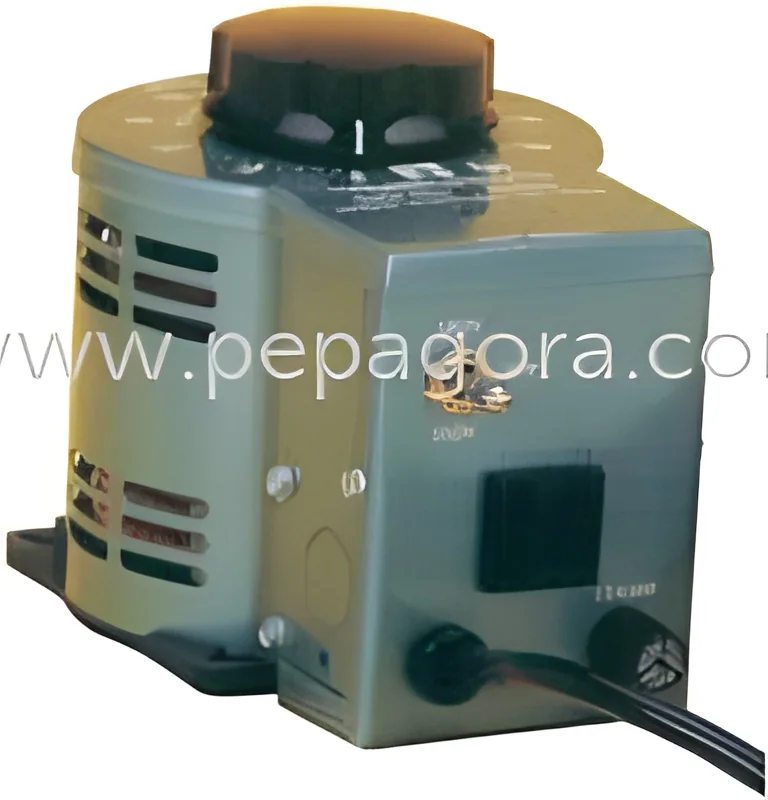
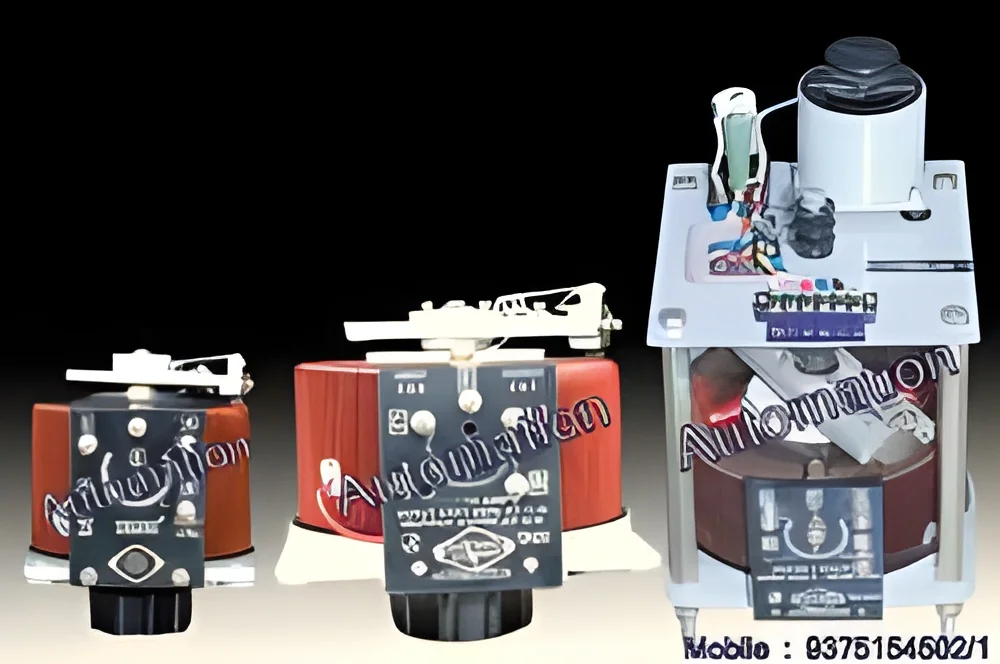
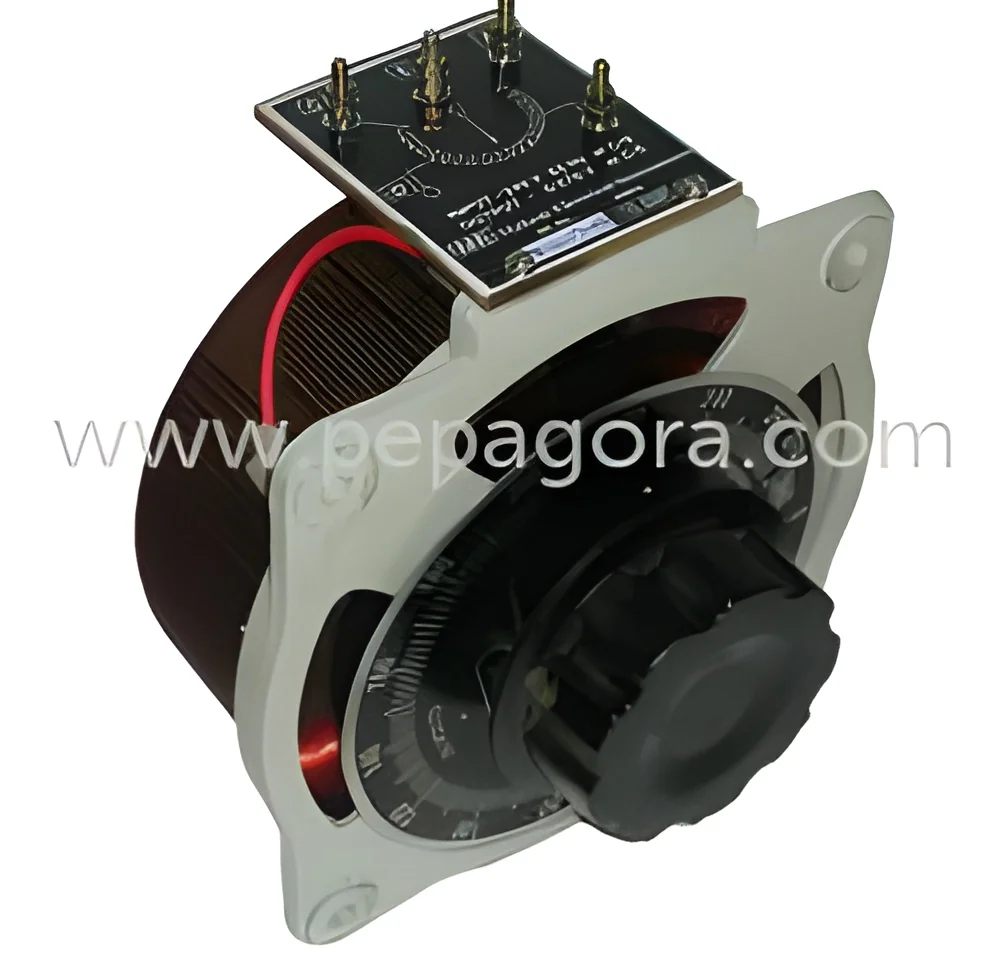
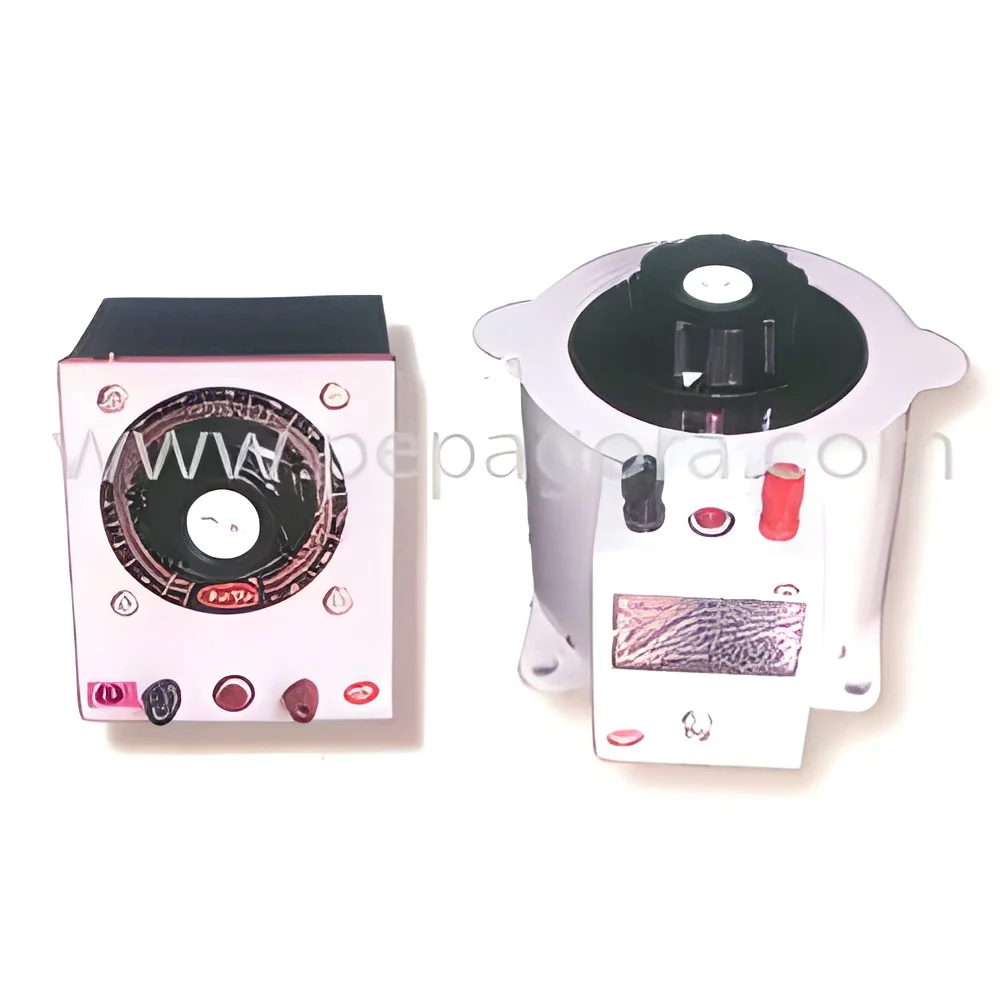
Adjustable Auto Transformers: These transformers feature adjustable taps, allowing users to modify voltage levels as needed. They are commonly used in laboratory settings and for testing equipment.
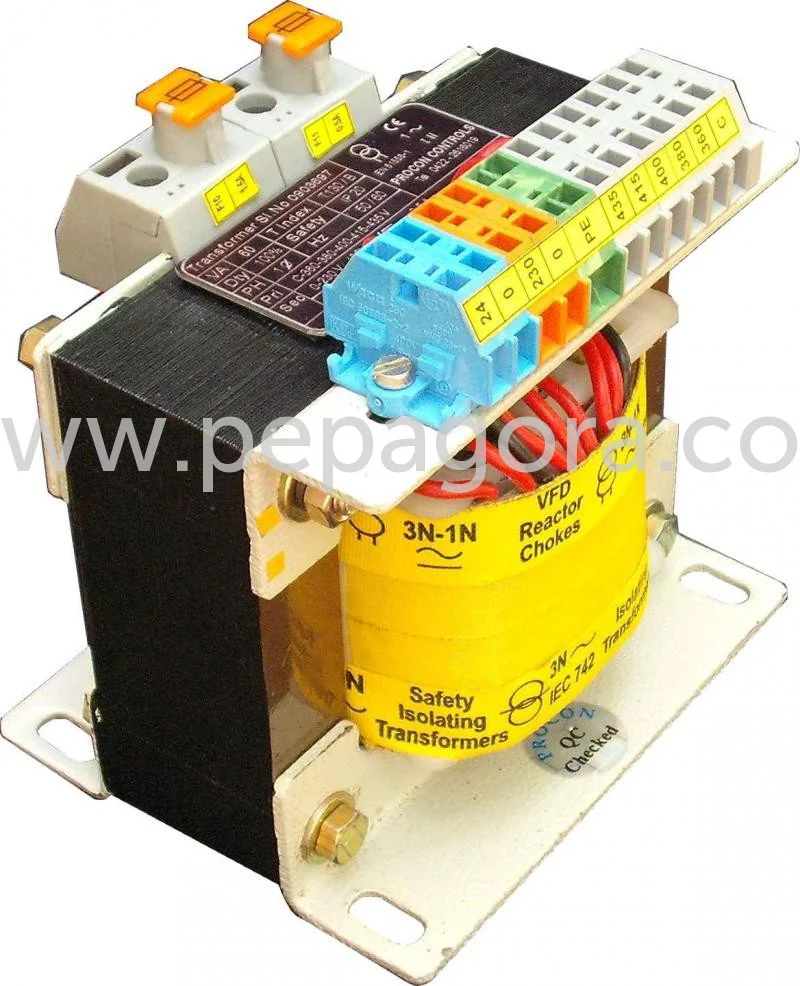
Isolation Auto Transformers: Designed to isolate electrical systems for safety, these transformers prevent electrical shock and improve system reliability. They are widely used in sensitive electronic applications.
Benefits and Advantages
Auto transformers provide several key advantages that make them a preferred choice in various applications.
1. Space Efficiency: Due to their compact design, auto transformers require less space compared to traditional transformers, making them suitable for installations with limited room.
2. Cost-Effectiveness: Auto transformers are generally more affordable than conventional transformers, offering a cost-effective solution for voltage regulation.
3. High Efficiency: These transformers typically operate at high efficiency levels, resulting in lower energy losses and reduced operational costs.
4. Lightweight Design: Auto transformers are lighter than traditional transformers, simplifying handling and installation.
5. Versatile Voltage Options: With multiple tap settings, auto transformers can provide a range of voltage outputs, allowing for flexible applications.
6. Improved Voltage Regulation: They help maintain stable voltage levels, ensuring the optimal performance of electrical equipment and reducing the risk of damage.
Buying Guide for B2B Buyers
When sourcing auto transformers, it is essential for B2B buyers to consider several critical factors to ensure they make informed decisions.
1. Quality Assessment: Evaluate the quality of the transformers by checking compliance with relevant standards and certifications. Look for features that enhance durability and performance.
2. Supplier Verification: Vet suppliers thoroughly to ensure they have a reliable track record and positive customer feedback. Seek out manufacturers with established reputations in the industry.
3. Pricing and MOQ: Understand the pricing structures and minimum order quantities (MOQ) offered by suppliers. Compare quotes to find competitive pricing that meets your budget.
4. Delivery and Lead Times: Consider the logistics of delivery, including lead times. Ensure that suppliers can meet your timelines to avoid project delays.
5. Compliance Requirements: Familiarize yourself with any regulatory requirements specific to your industry. Ensure that the transformers sourced meet necessary compliance standards.
Compliance and Certifications
Compliance and certification are crucial aspects of the auto transformer industry. Various quality standards apply, including ISO 9001, which outlines requirements for an effective quality management system. Adhering to this standard ensures consistent product quality and customer satisfaction.
In addition to ISO standards, CE certification is essential for products sold in Europe. This certification indicates that the product conforms to health, safety, and environmental protection standards.
Safety and testing requirements are also significant in the manufacturing of auto transformers. These devices must undergo rigorous testing to ensure they can handle electrical loads safely.
Regional compliance considerations may vary, so it is important for buyers to understand the specific regulations applicable in their geographical locations. This ensures that the transformers sourced are compliant with local laws and standards.
Why Source Auto Transformers from Pepagora?
Pepagora provides a trusted platform for sourcing auto transformers, offering several key advantages that facilitate the buying process.
Verified Supplier Network: Pepagora has established a network of verified suppliers, ensuring that buyers can access high-quality products from reputable manufacturers. This verification process enhances buyer confidence.
Streamlined RFQ Process: The Request for Quotation (RFQ) system simplifies the procurement process, making it easier for buyers to obtain competitive quotes from multiple suppliers. This efficiency saves time and resources.
Trade Assurance and Support: Pepagora offers buyer protection through trade assurance programs. This support helps mitigate risks associated with purchasing, providing peace of mind for buyers.
Regional Coverage: With a presence in India, the Gulf Cooperation Council (GCC), and Southeast Asia, Pepagora ensures that buyers can find suitable suppliers in their regions. This broad geographic coverage enhances accessibility and convenience for B2B transactions.

 IN
IN