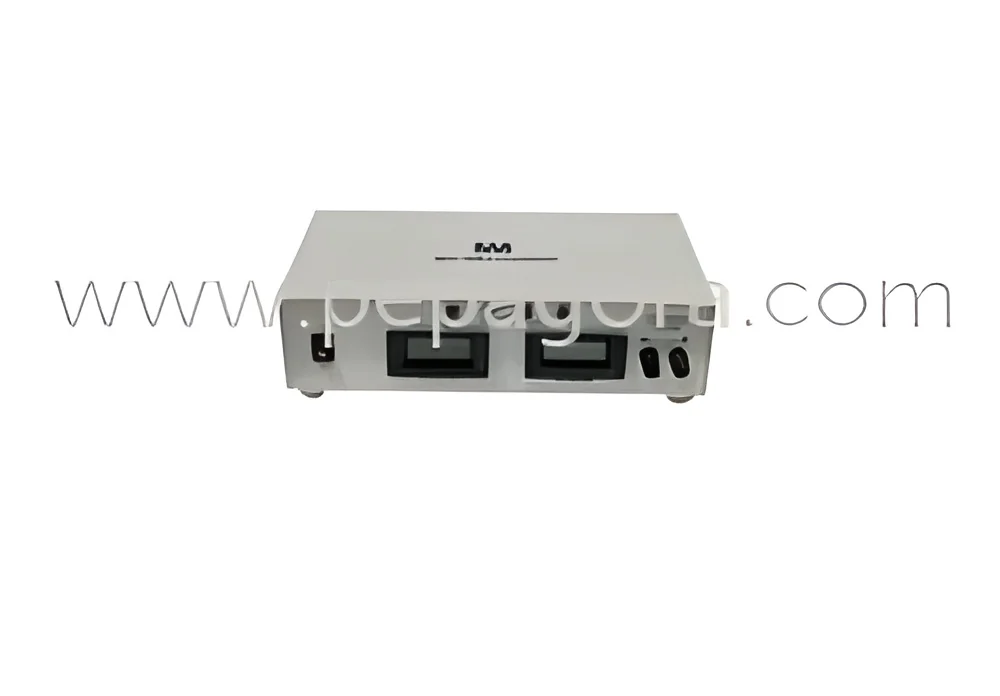
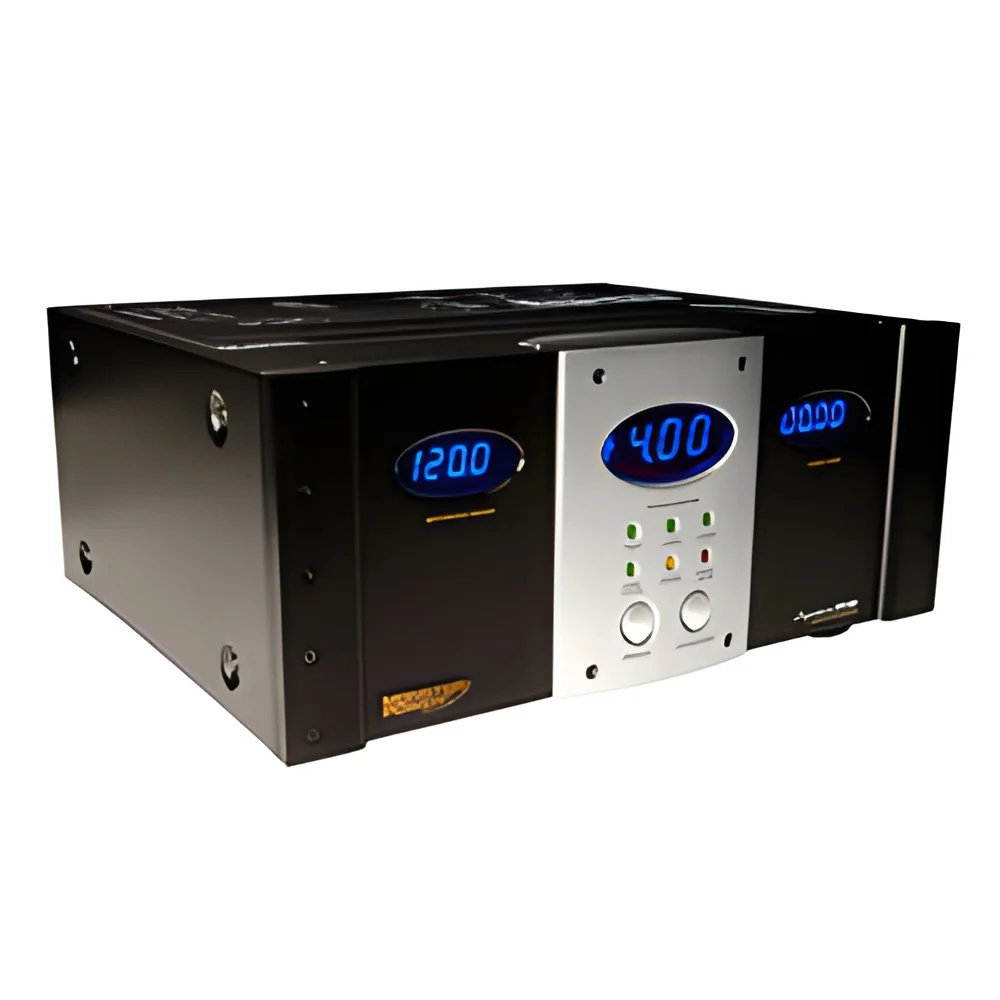
What are Mainline Stabilizers?
Mainline stabilizers are specialized products designed to enhance the stability and performance of various materials during processing and storage. These stabilizers play a critical role in maintaining the desired characteristics of products by preventing degradation due to environmental factors such as temperature fluctuations and humidity. They are commonly used in industries where the integrity of materials is vital for quality assurance.
The primary applications of mainline stabilizers span across multiple sectors, including plastics, food processing, and pharmaceuticals. In the plastics industry, for example, these stabilizers ensure that polymers retain their physical properties during manufacturing and end-use. In food processing, they help preserve the color, texture, and flavor of products. In pharmaceuticals, they are essential in maintaining the stability of active ingredients, thus ensuring product efficacy.
With the increasing demand for high-quality, durable products across industries, the relevance of mainline stabilizers is more pronounced than ever. Businesses are increasingly recognizing the need for these stabilizers to comply with regulatory standards and meet consumer expectations for product quality. The market for mainline stabilizers continues to grow, driven by innovation and the evolving requirements of various industrial applications.
Key Features and Specifications
Mainline stabilizers are characterized by a range of features that contribute to their effectiveness. Understanding these specifications is crucial for selecting the right product for specific applications.
Key specifications include:
1. Temperature Stability
- Maintains performance over a specified temperature range.
- Ensures product integrity in varying thermal conditions.
2. Humidity Control
- Designed to mitigate the effects of moisture.
- Helps in preserving material properties in humid environments.
3. Monitoring Features
- Some products may include built-in monitoring capabilities.
- Allows for real-time assessment of material stability.
4. Compatibility
- Formulated to work with various types of materials.
- Ensures seamless integration in processing.
5. Shelf Life
- Indicates the duration for which the stabilizer remains effective.
- Essential for inventory management and usage planning.
6. Regulatory Compliance
- Meets industry-specific regulatory standards.
- Ensures safety and quality in applications.
7. Customization Options
- Availability of tailored formulations for specific needs.
- Enhances versatility in applications.
8. Packaging Variants
- Offered in various packaging sizes for different usage scenarios.
- Facilitates ease of handling and storage.
In summary, the key features and specifications of mainline stabilizers make them a vital component in various industrial applications. Understanding these aspects helps businesses make informed decisions when selecting the appropriate stabilizer for their needs.
Common Applications and Use Cases
Mainline stabilizers serve a wide range of industries, each with unique requirements and applications.
1. Plastics Industry: In the plastics sector, mainline stabilizers are used to ensure that polymers maintain their physical properties during processing and throughout their lifecycle. They help prevent discoloration and degradation, enhancing product longevity.
2. Food Processing: These stabilizers play a critical role in maintaining the quality of food products. They help preserve flavors, textures, and colors in packaged goods, ensuring that they remain appealing to consumers.
3. Pharmaceuticals: In the pharmaceutical industry, mainline stabilizers are essential for maintaining the efficacy of active ingredients. They help ensure that medications remain stable and effective throughout their shelf life.
4. Agriculture: Mainline stabilizers are utilized in agricultural products to enhance the stability of fertilizers and pesticides, ensuring consistent performance under varying environmental conditions.
5. Cosmetics: In cosmetic formulations, these stabilizers help maintain the stability and appearance of products, preventing separation and ensuring a smooth application.
6. Paints and Coatings: Mainline stabilizers are added to paints and coatings to improve their stability and performance, ensuring a longer shelf life and better application properties.
7. Adhesives: In adhesive formulations, stabilizers help maintain viscosity and performance, ensuring that adhesives bond effectively under various conditions.
Product Variants and Subcategories
Mainline stabilizers come in various forms to cater to diverse industrial needs. Each variant is tailored to specific applications and performance requirements.
General Purpose Stabilizers
These stabilizers are designed for broad applications across multiple industries. They provide essential stability and performance enhancements for a wide range of materials.
Specialty Stabilizers
Specialty stabilizers are formulated for specific applications where enhanced performance is required. They may include additives for unique properties, such as UV resistance or enhanced thermal stability.
Custom Formulated Stabilizers
Some manufacturers offer customization options, allowing businesses to order stabilizers tailored to their specific needs. This flexibility ensures optimal performance in unique applications.
Benefits and Advantages
Mainline stabilizers offer numerous advantages that enhance product quality and performance across various industries.
1. Enhanced Product Stability: Mainline stabilizers help maintain the integrity of materials, preventing degradation over time.
2. Improved Quality Assurance: By using stabilizers, businesses can ensure that their products meet quality standards, leading to higher customer satisfaction.
3. Cost Efficiency: Stabilizers can extend the shelf life of products, reducing waste and associated costs.
4. Regulatory Compliance: Many stabilizers meet industry-specific regulations, helping businesses avoid compliance issues.
5. Versatility: With various formulations available, mainline stabilizers can be used across multiple industries and applications.
6. Customization: The availability of tailored solutions means businesses can find the right stabilizer for their specific needs, enhancing performance.
Buying Guide for B2B Buyers
When sourcing mainline stabilizers, it is important for B2B buyers to consider several key factors to ensure they make an informed decision.
1. Quality Assessment: Buyers should evaluate the quality of stabilizers by examining technical specifications and performance data. Consulting with suppliers about their testing methods can provide additional assurance.
2. Supplier Verification: It is crucial to vet suppliers for reliability and reputation. Checking certifications and customer reviews can help in identifying trustworthy partners.
3. Pricing and MOQ: Understanding the pricing structure and minimum order quantities (MOQ) is essential for budget planning. Buyers should compare costs across different suppliers to find the best value.
4. Delivery and Lead Times: Logistics play a significant role in sourcing. Buyers must consider delivery times and availability to ensure that they can meet their production schedules.
5. Compliance Requirements: Buyers should be aware of relevant regulatory requirements for their industry and ensure that the stabilizers they choose comply with these standards.
Compliance and Certifications
Mainline stabilizers are subject to various compliance and certification standards that ensure their safety and efficacy in industrial applications.
Quality standards such as ISO 9001 help ensure that manufacturers adhere to quality management principles, which in turn assures buyers of the reliability of the products they source.
Additionally, many mainline stabilizers carry industry certifications, such as CE marking, which indicates compliance with European safety standards. This certification is crucial for businesses operating within or exporting to European markets.
Safety and testing requirements are also paramount, as manufacturers must conduct rigorous testing to ensure that stabilizers perform as expected under various conditions.
Regional compliance considerations may vary, so it is essential for buyers to understand local regulations that pertain to the use of stabilizers in their specific markets.
Why Source Mainline Stabilizers from Pepagora?
Pepagora offers a trusted platform for sourcing mainline stabilizers, providing several key advantages that appeal to B2B buyers.
The verified supplier network ensures that businesses can connect with reputable manufacturers who meet stringent quality standards. This reduces the risk associated with sourcing high-quality stabilizers.
Pepagora also features a streamlined RFQ process, making it easy for buyers to request quotes from multiple suppliers quickly. This efficiency helps businesses compare options and make informed purchasing decisions.
Trade assurance and support are crucial components of the Pepagora platform. Buyers can benefit from protection against potential disputes, ensuring peace of mind during transactions.
Finally, Pepagora’s regional coverage extends across India, the GCC, and Southeast Asia, allowing businesses to access a diverse range of suppliers and products. This wide geographic reach enhances the likelihood of finding the right stabilizers to meet specific needs.

 IN
IN