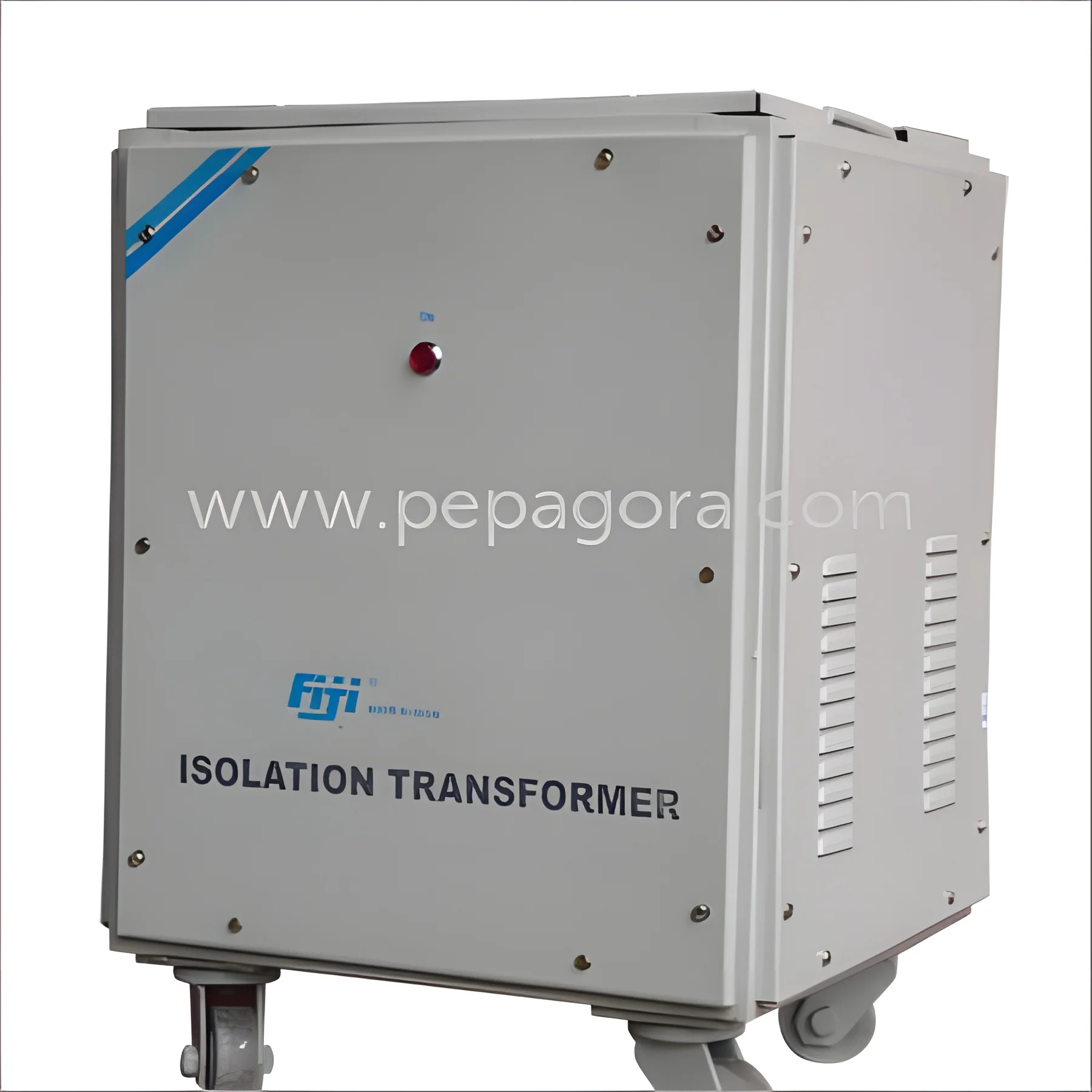
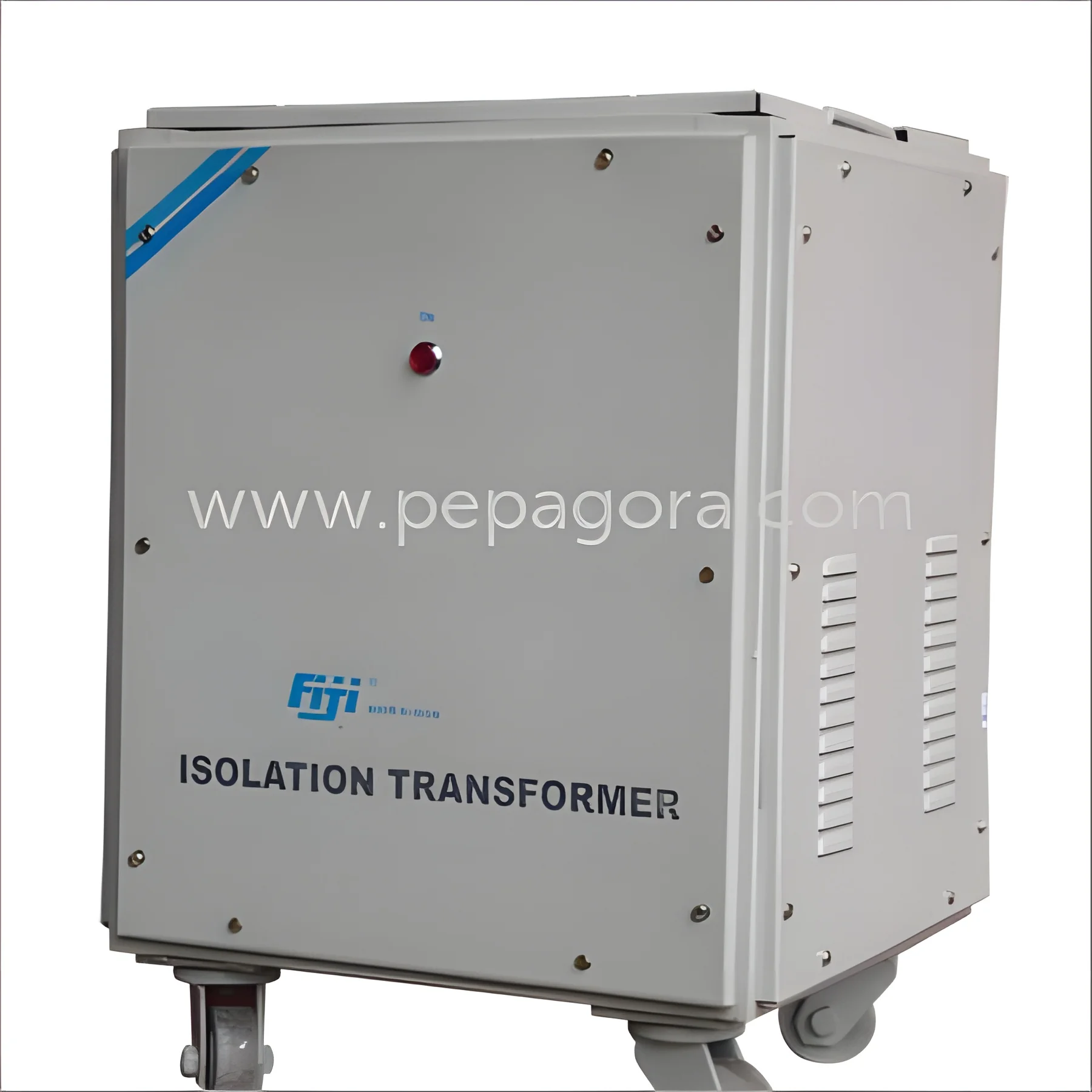
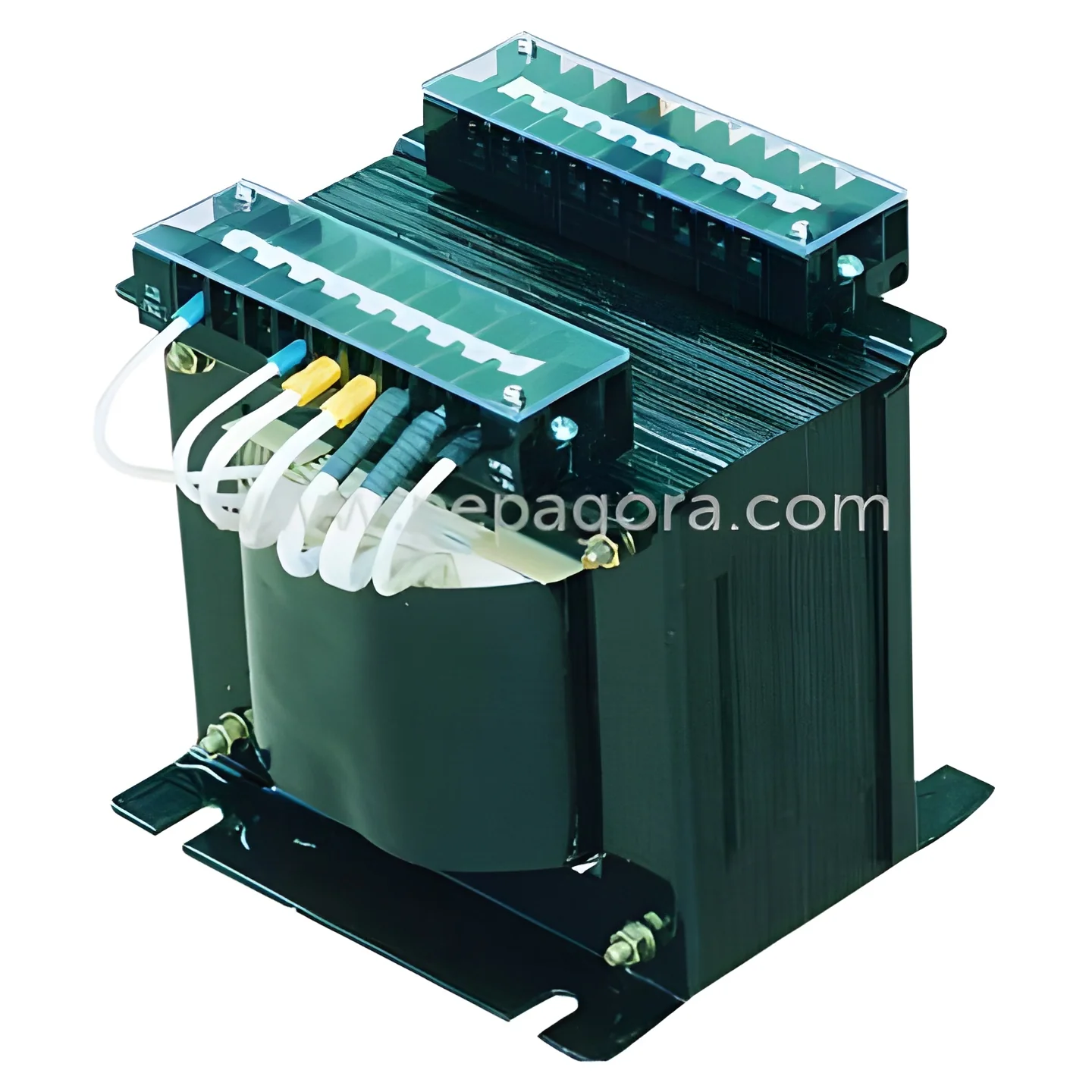
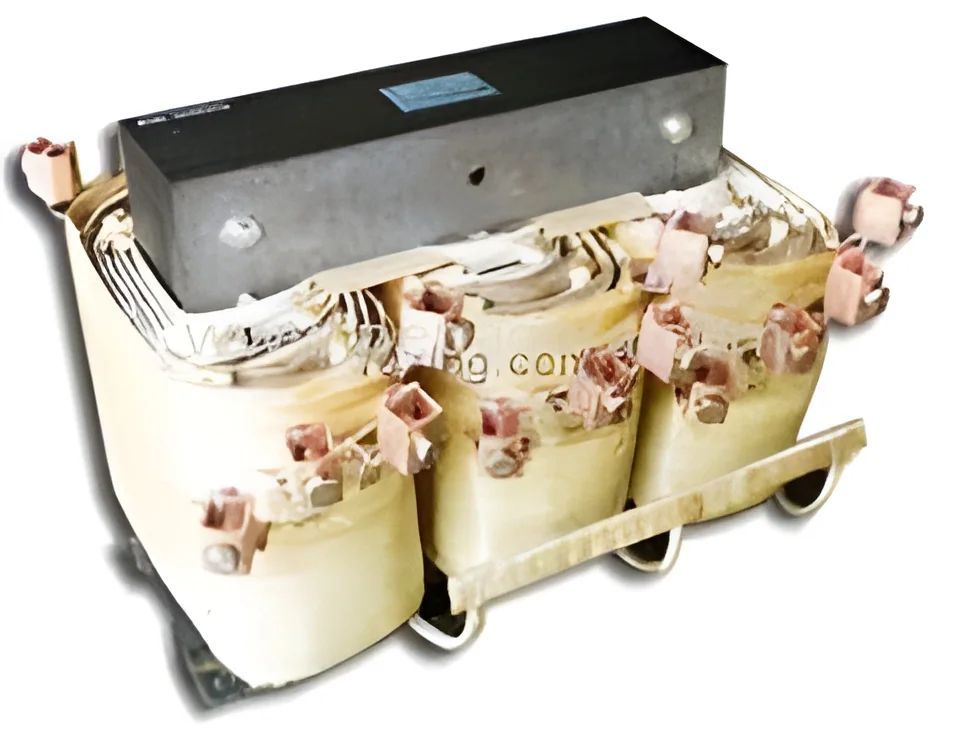
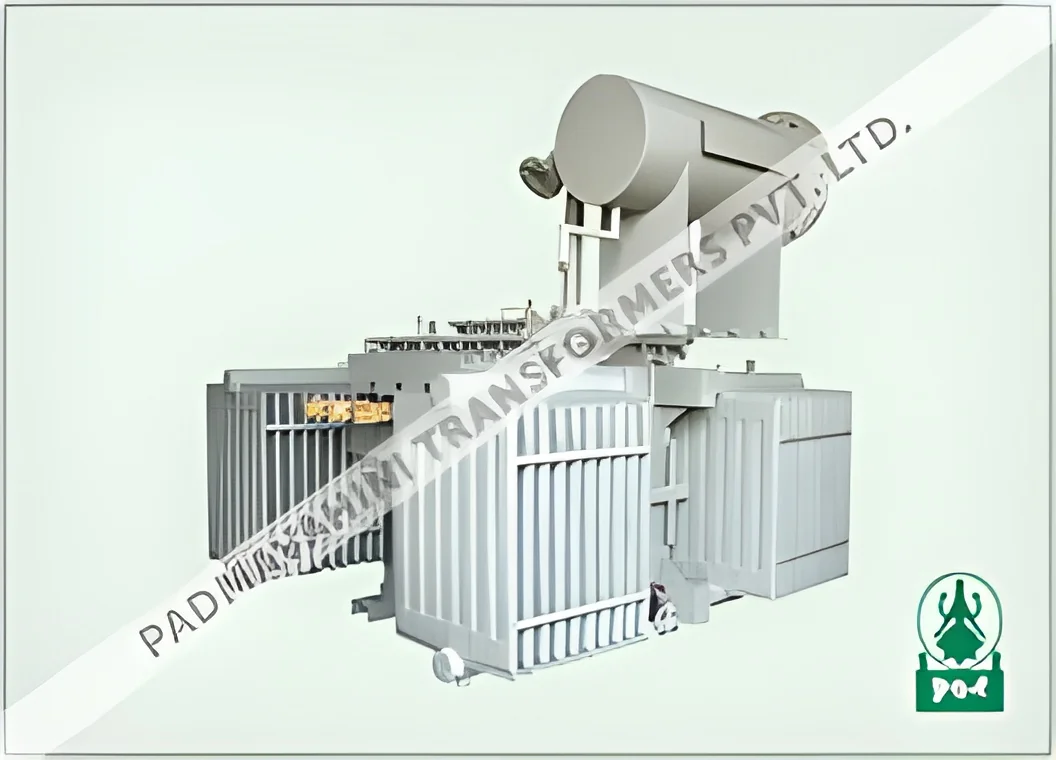
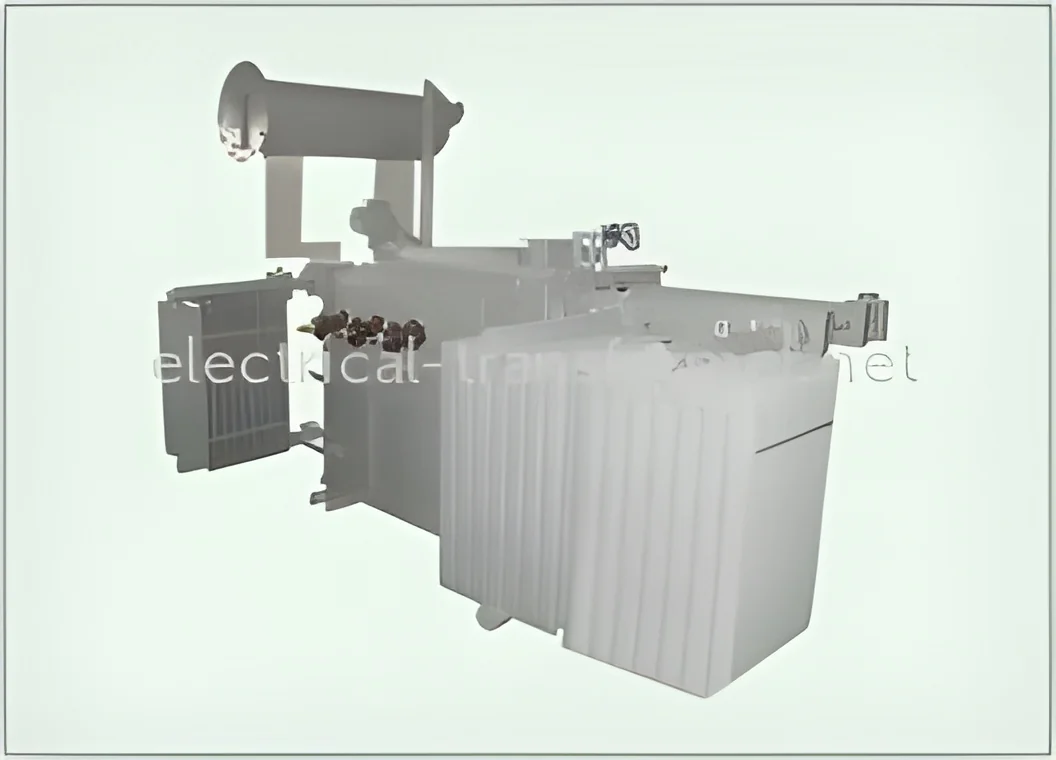
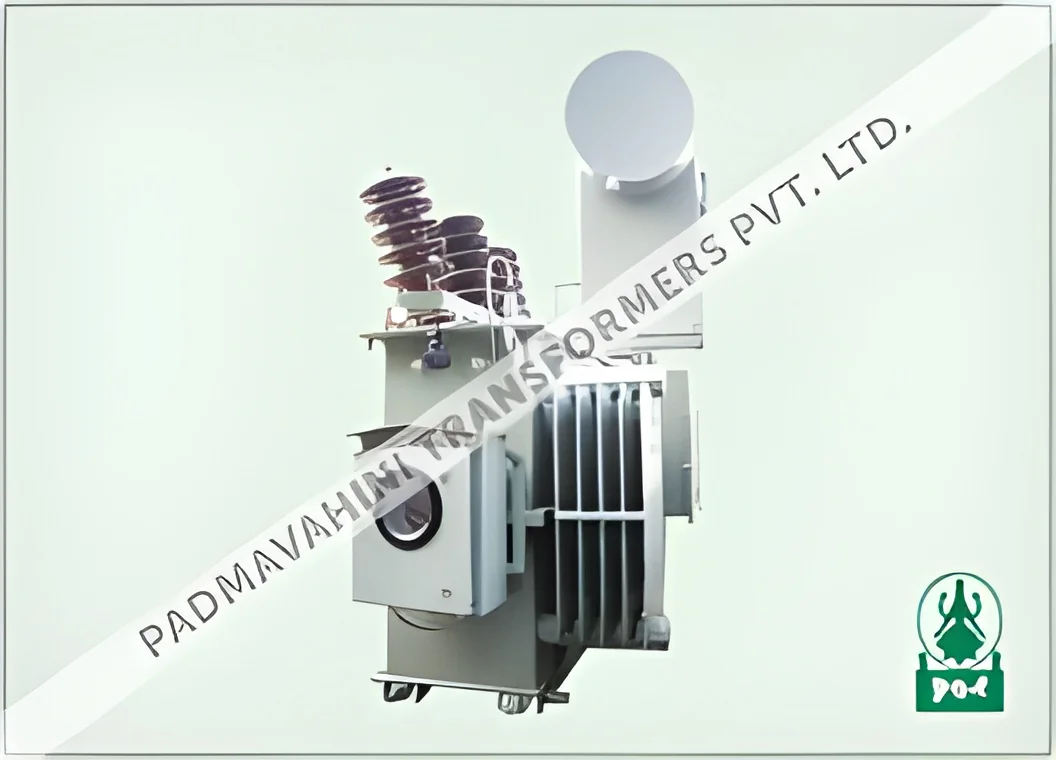
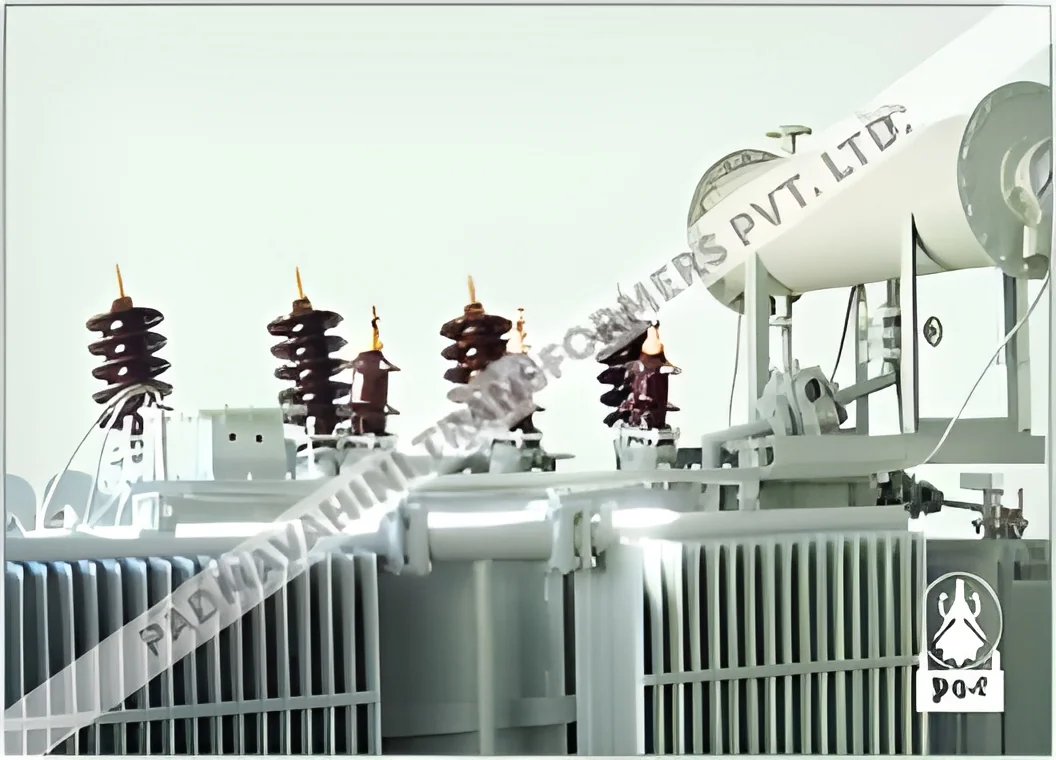
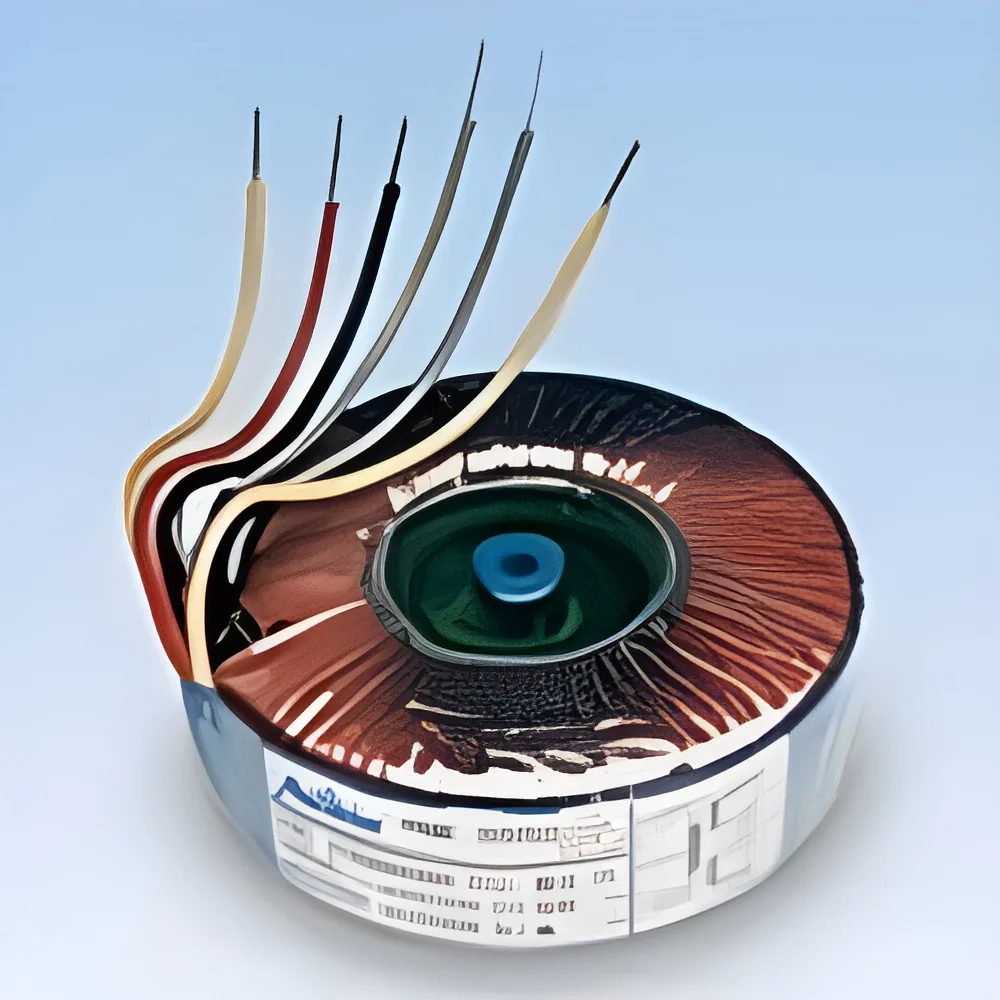
What are Toroidal Transformers?
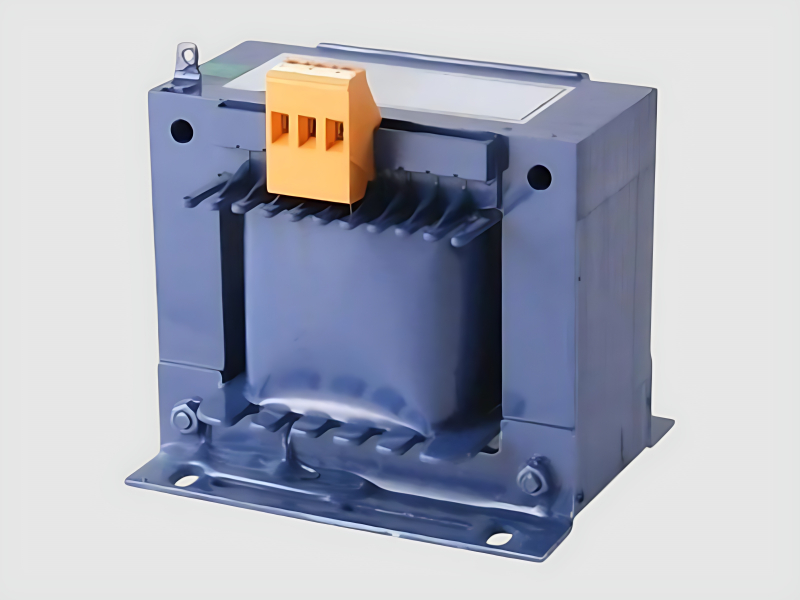
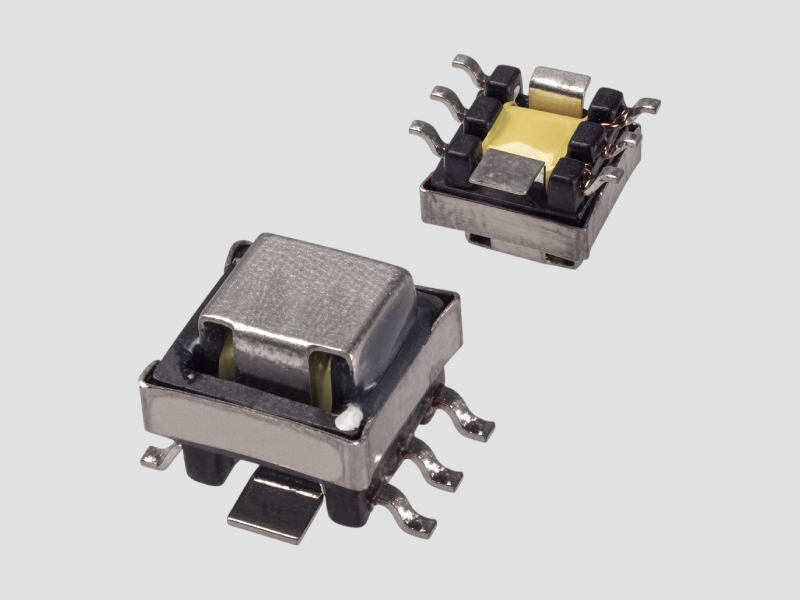
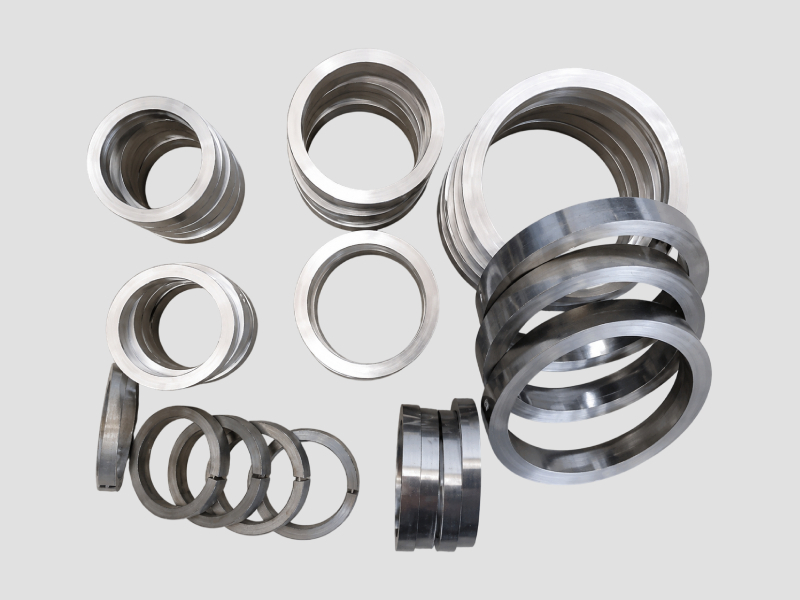
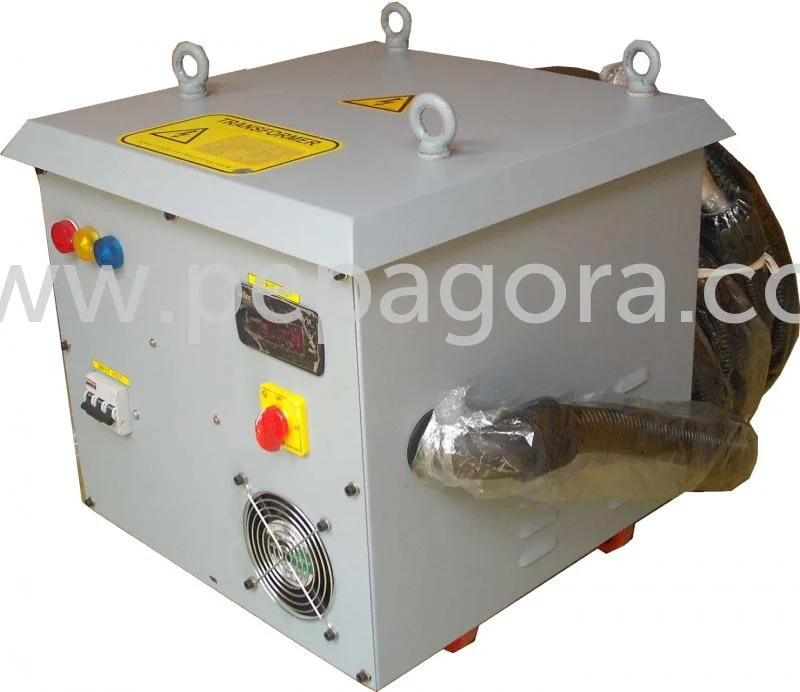
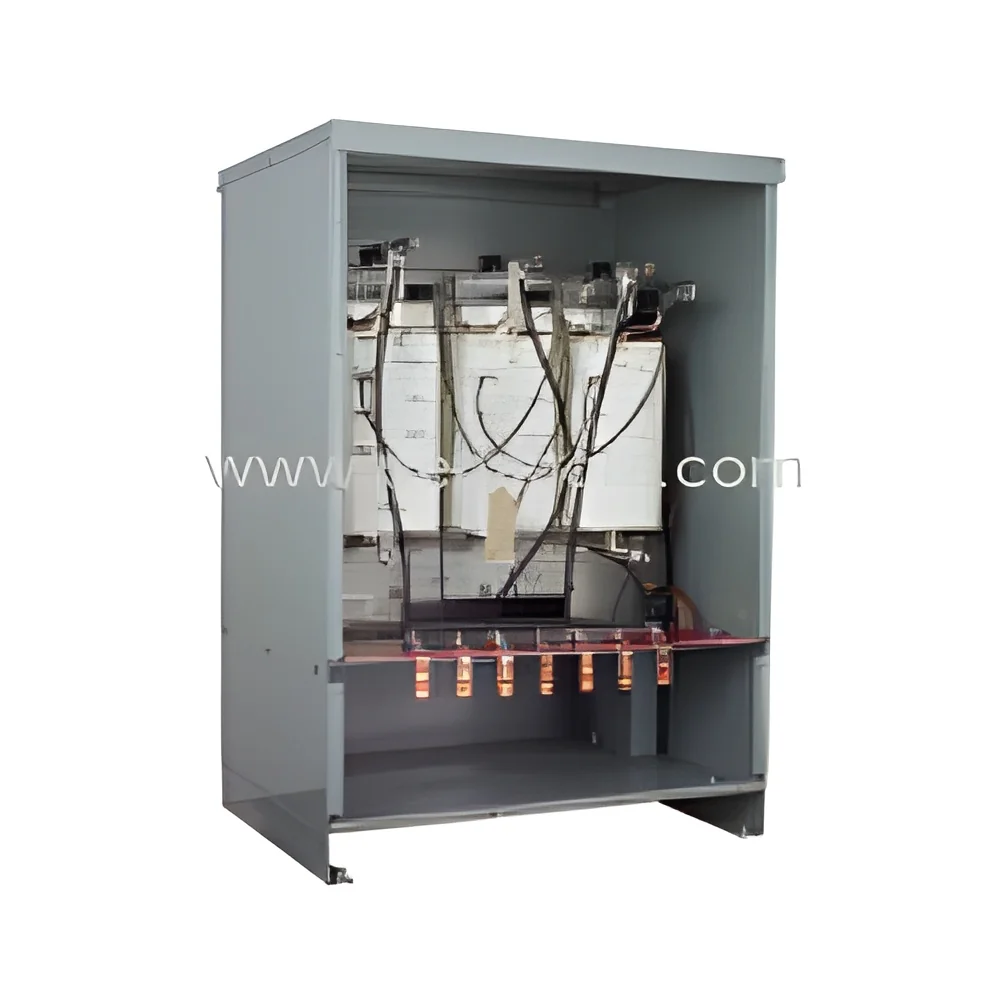
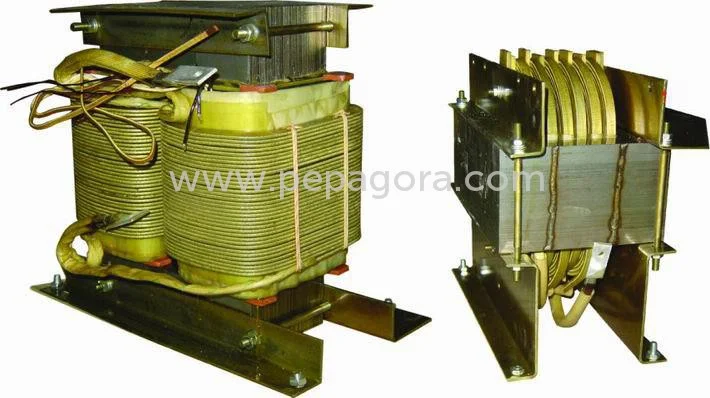
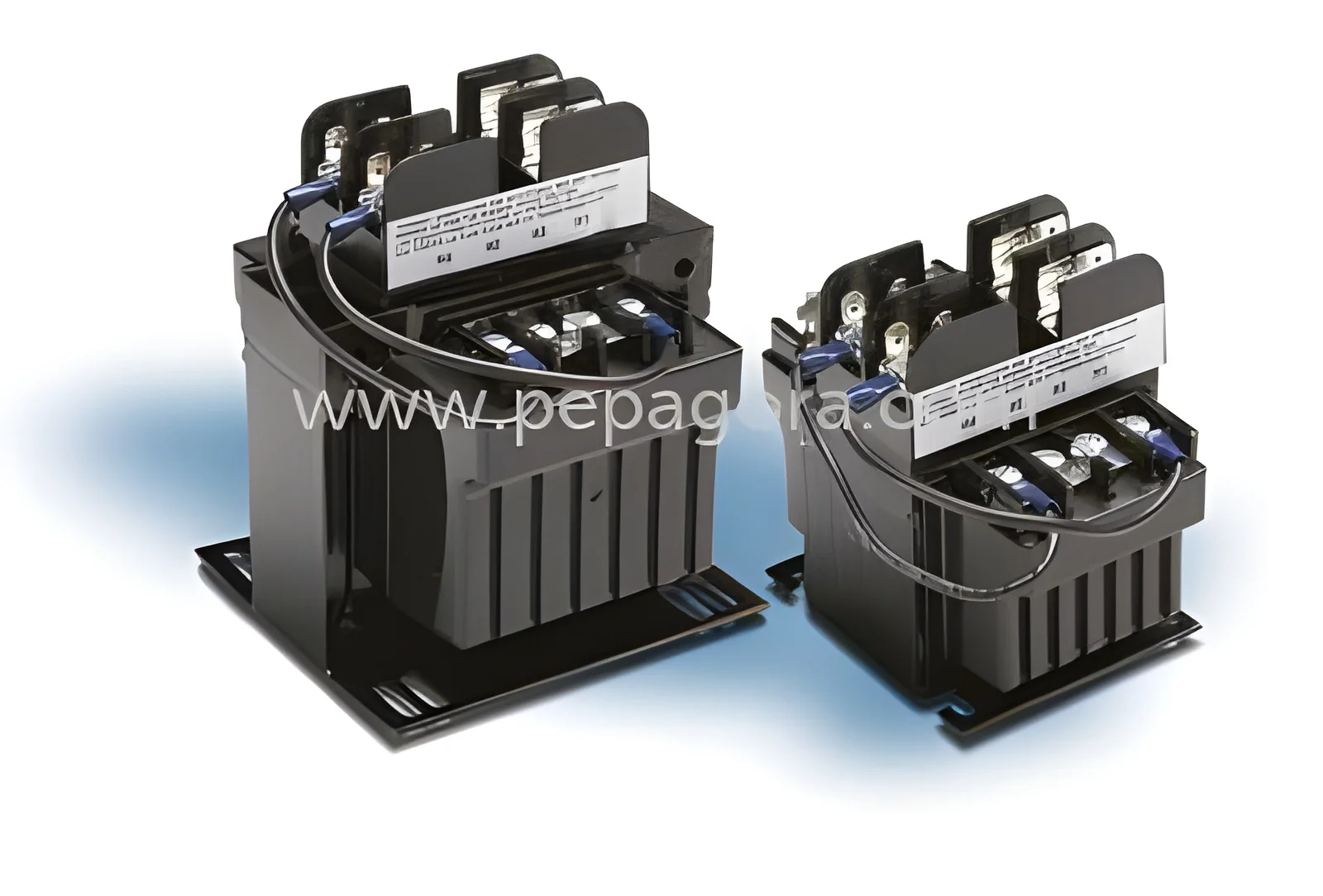
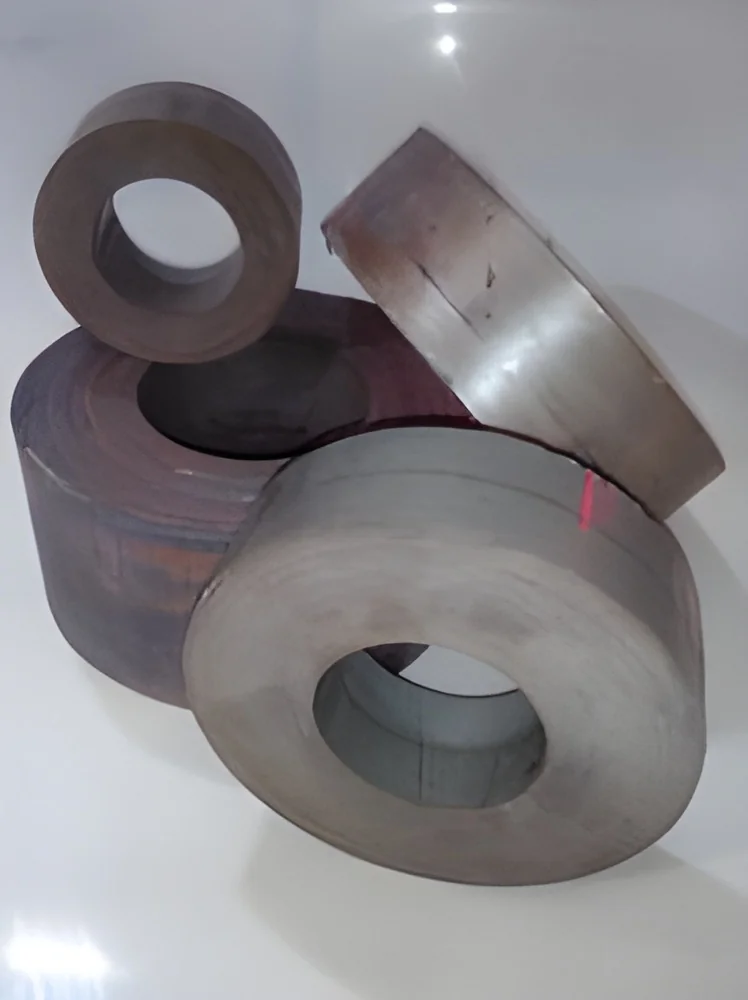
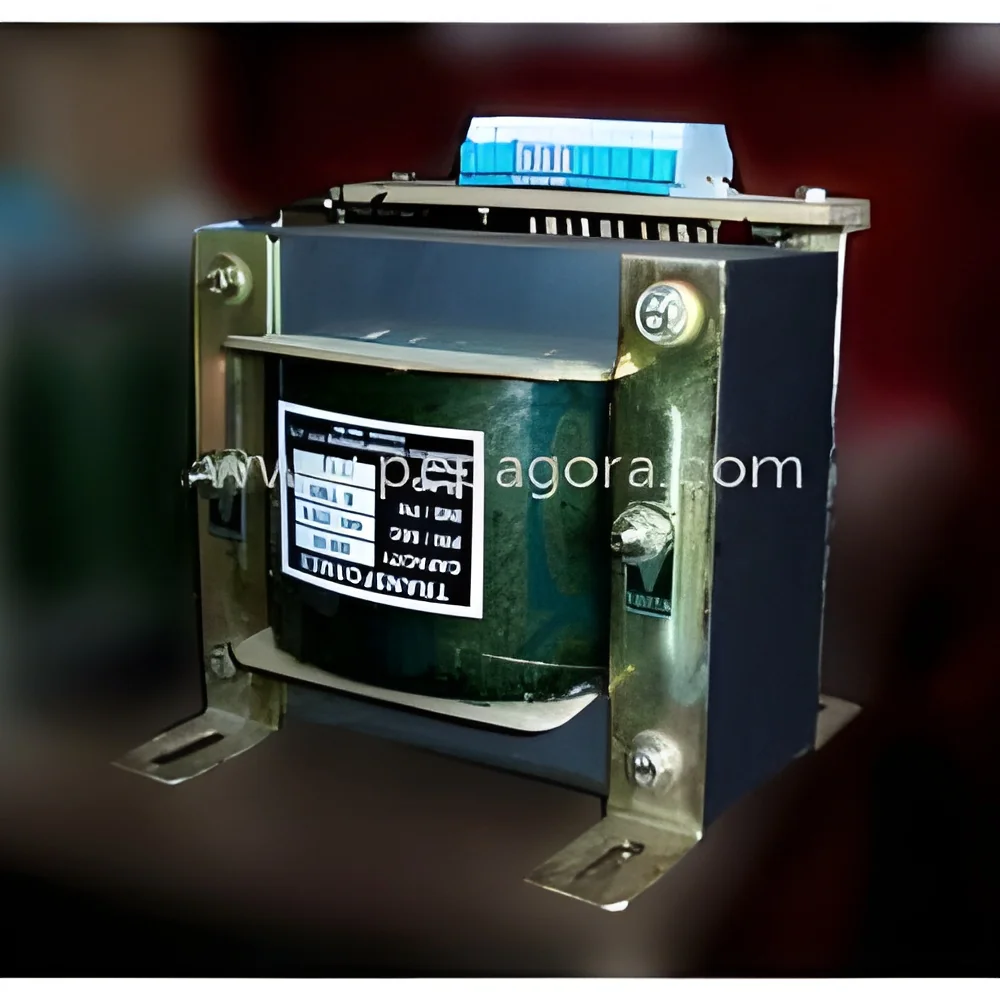
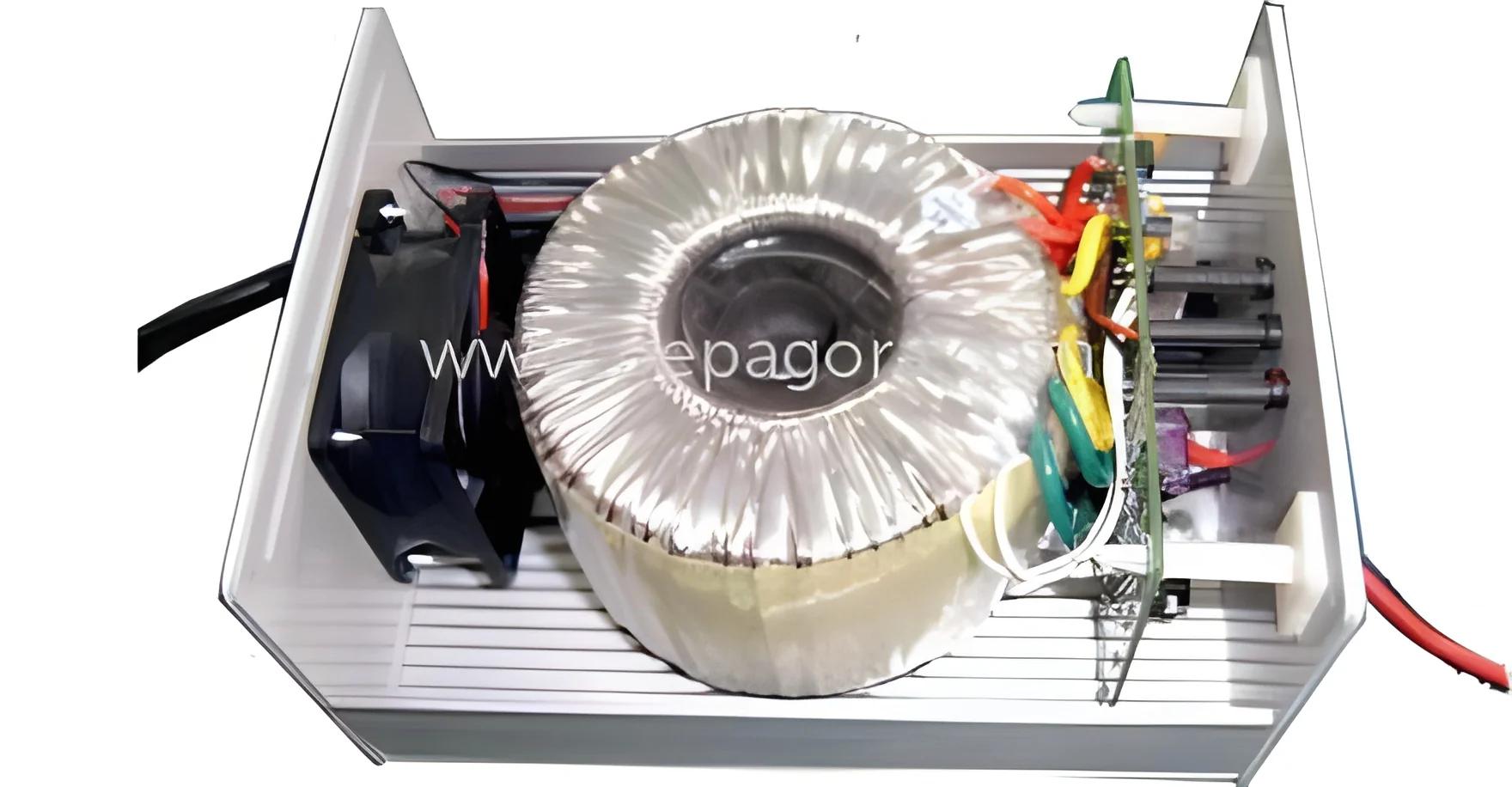
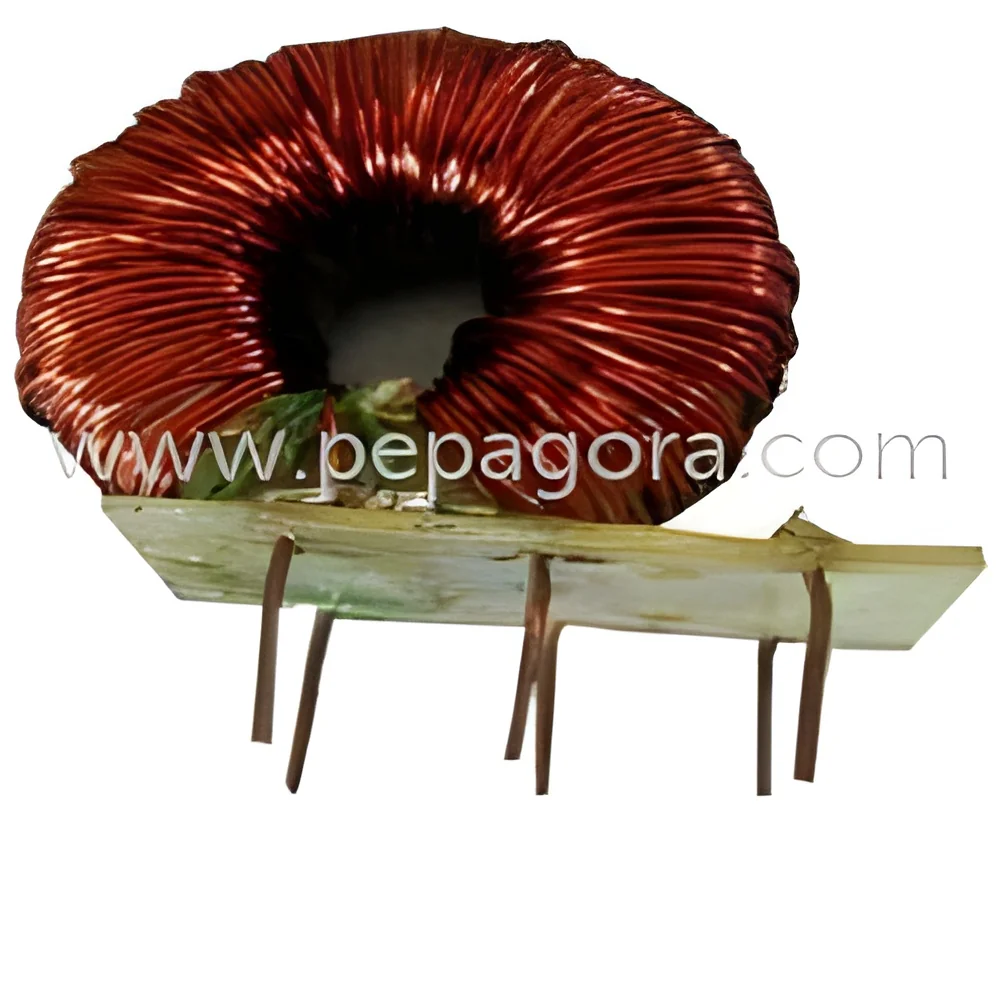
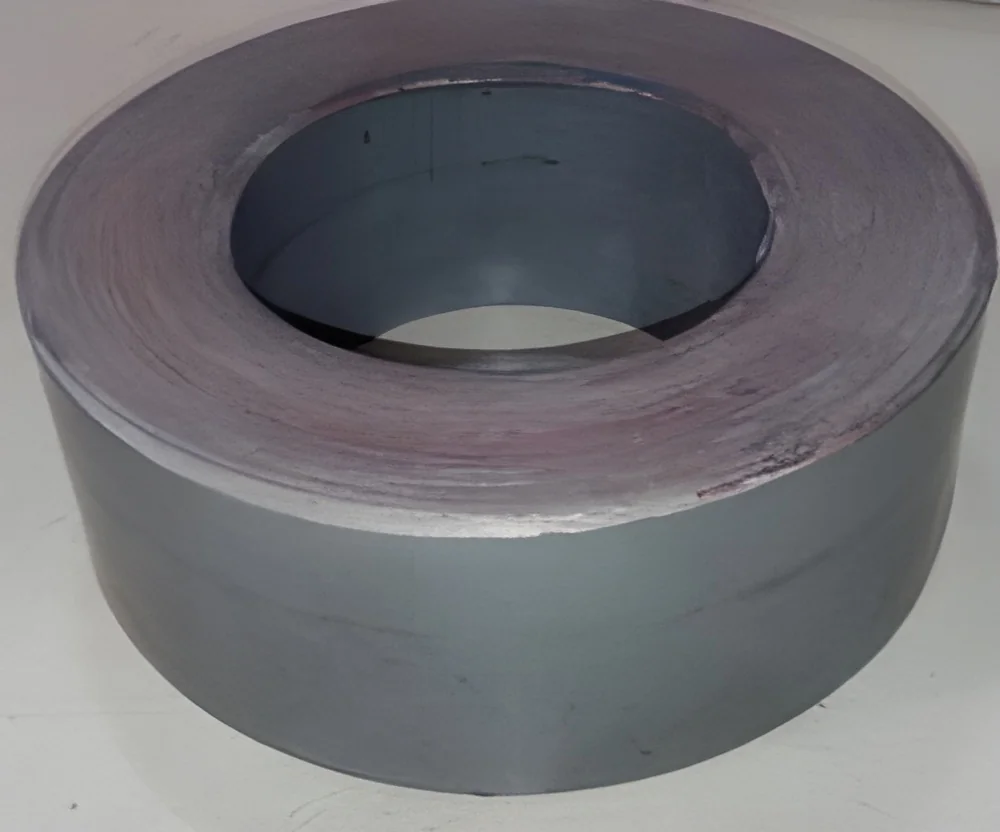
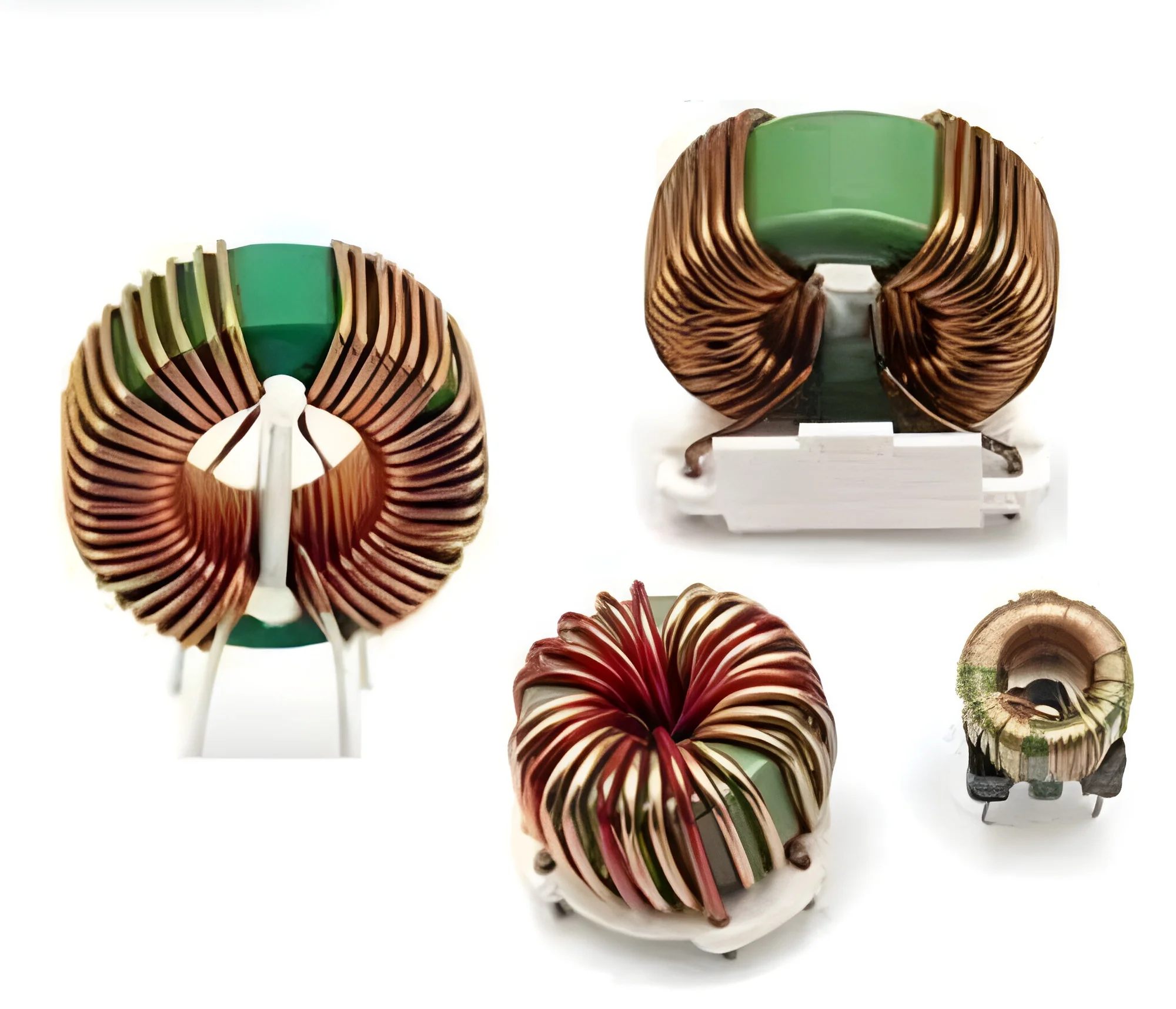
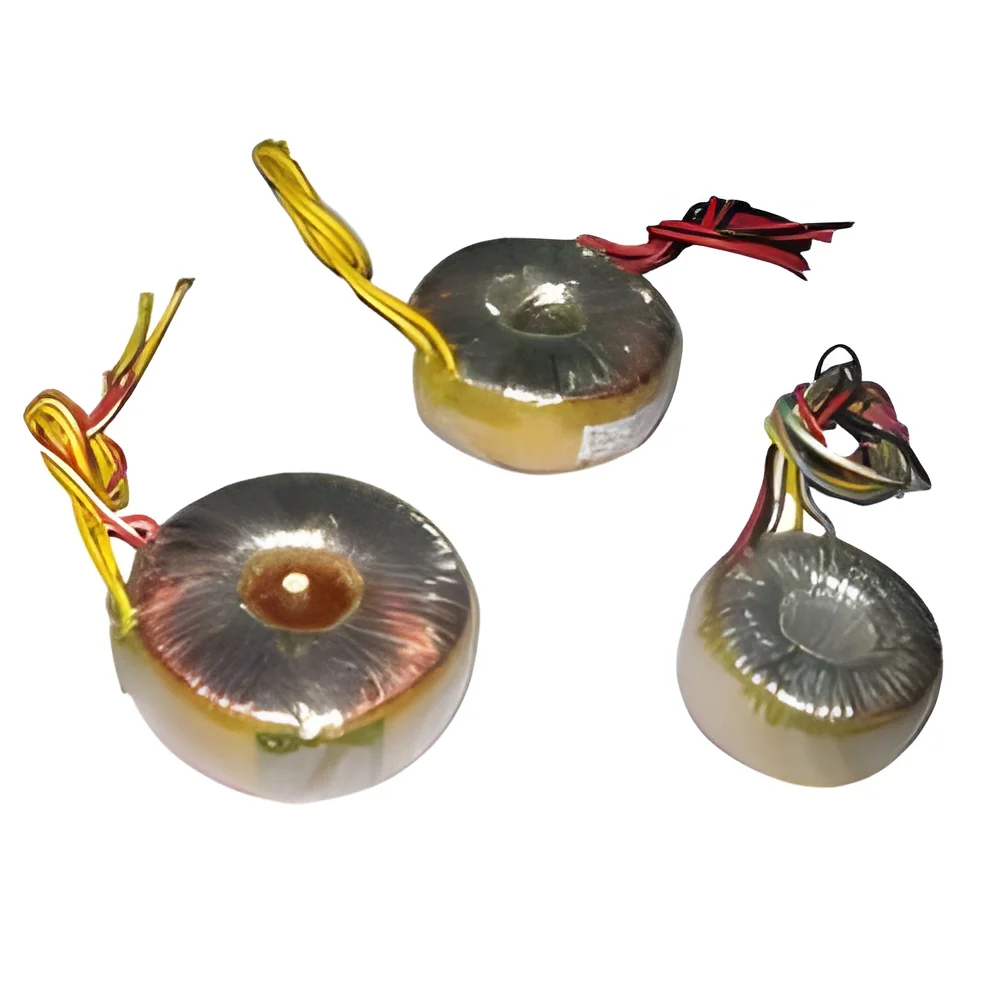
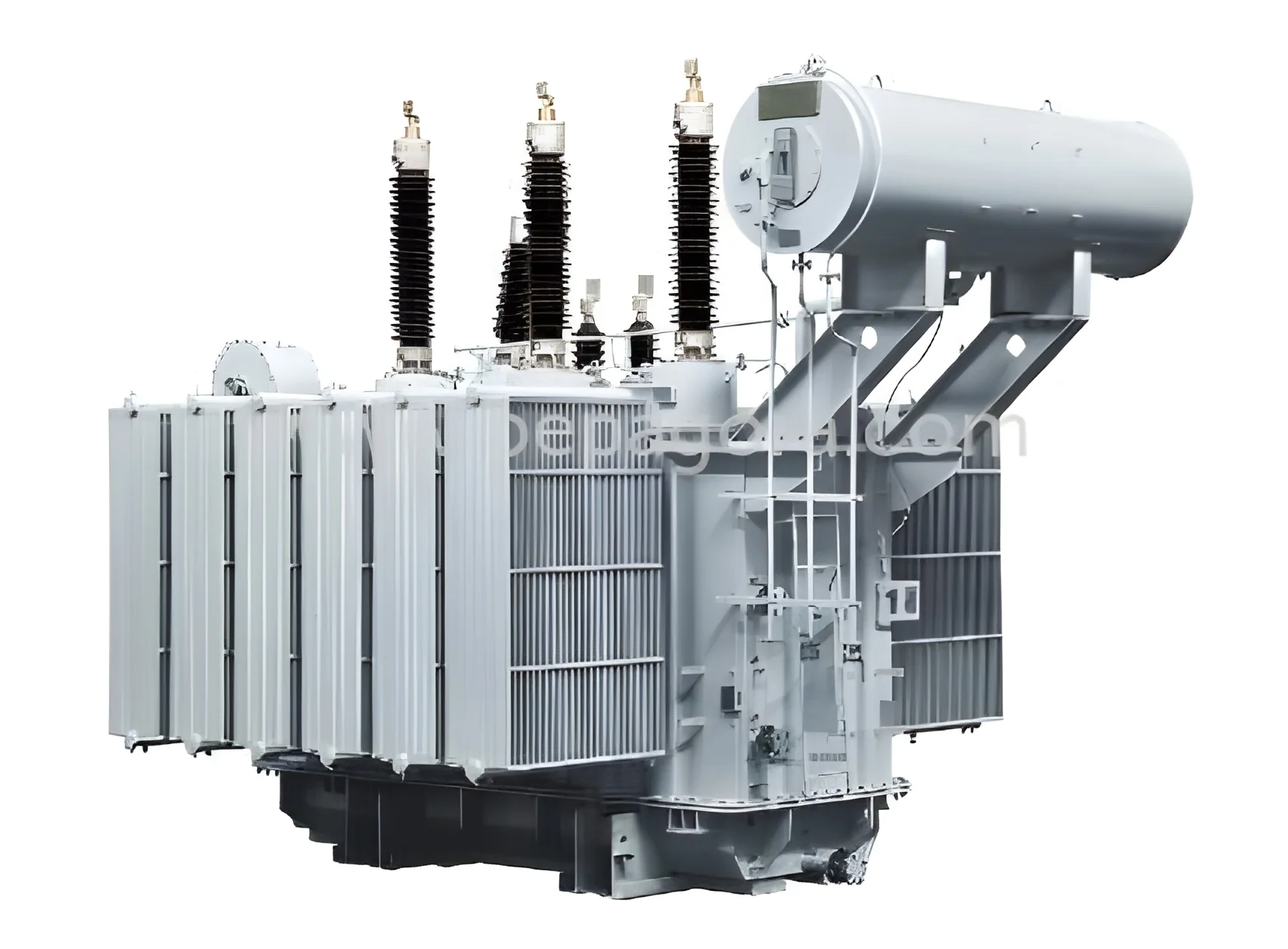
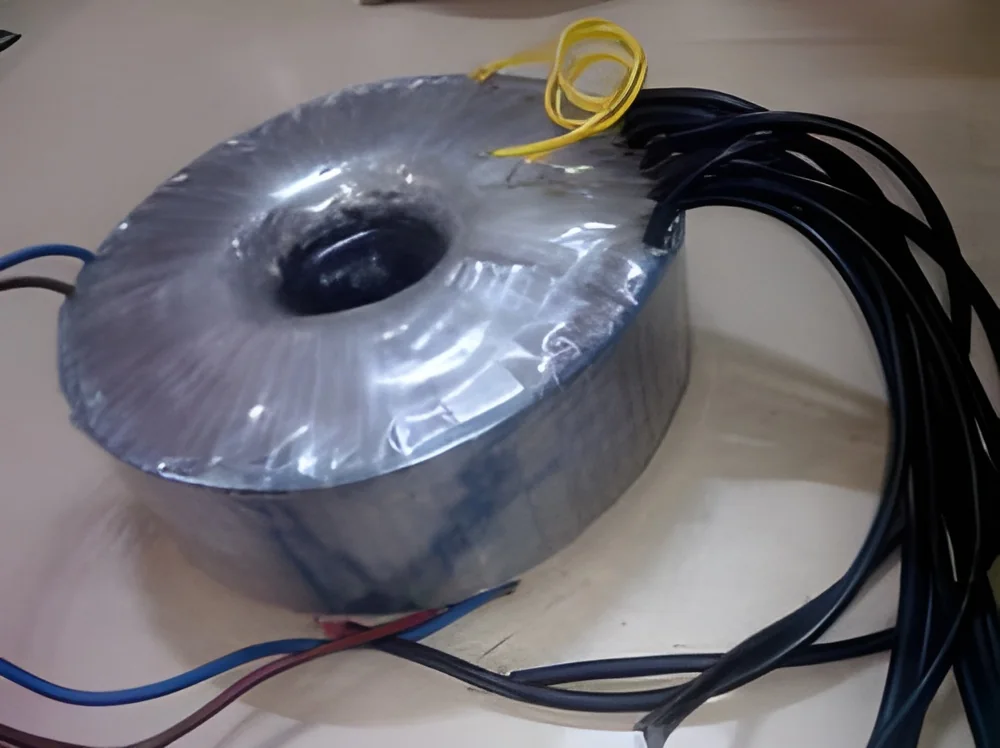
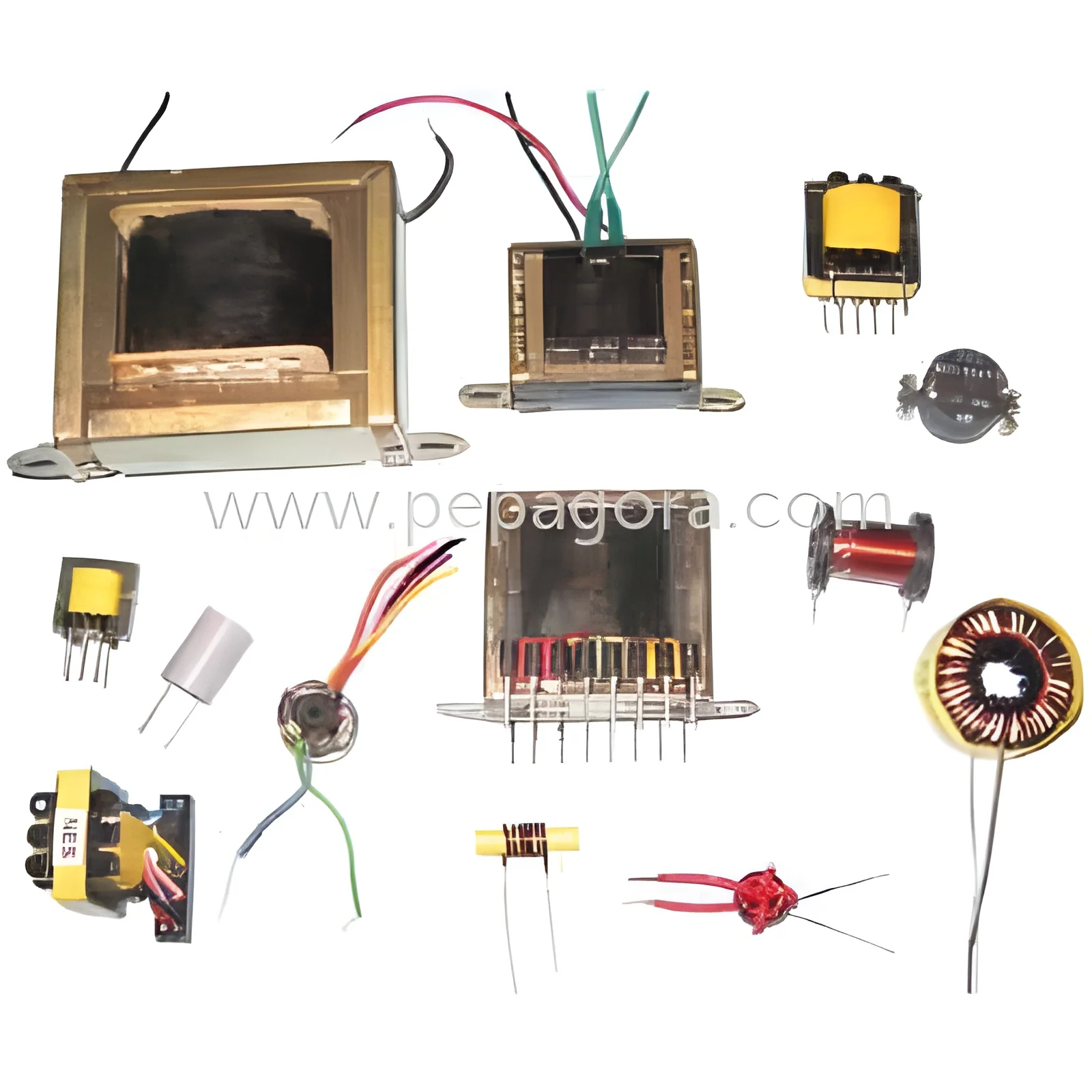
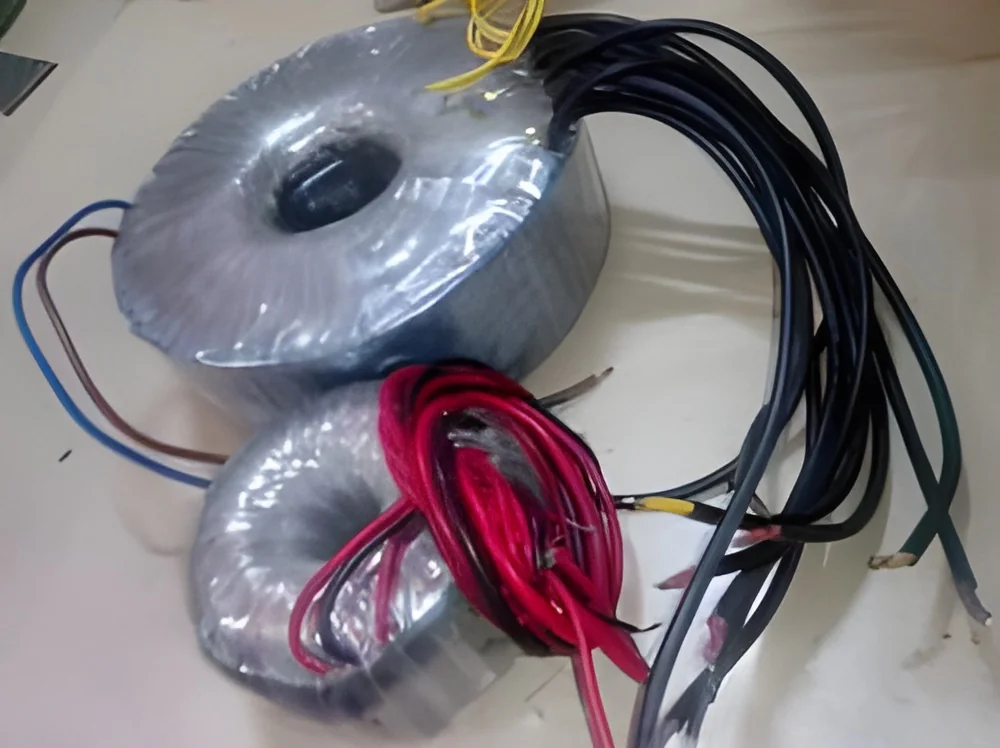
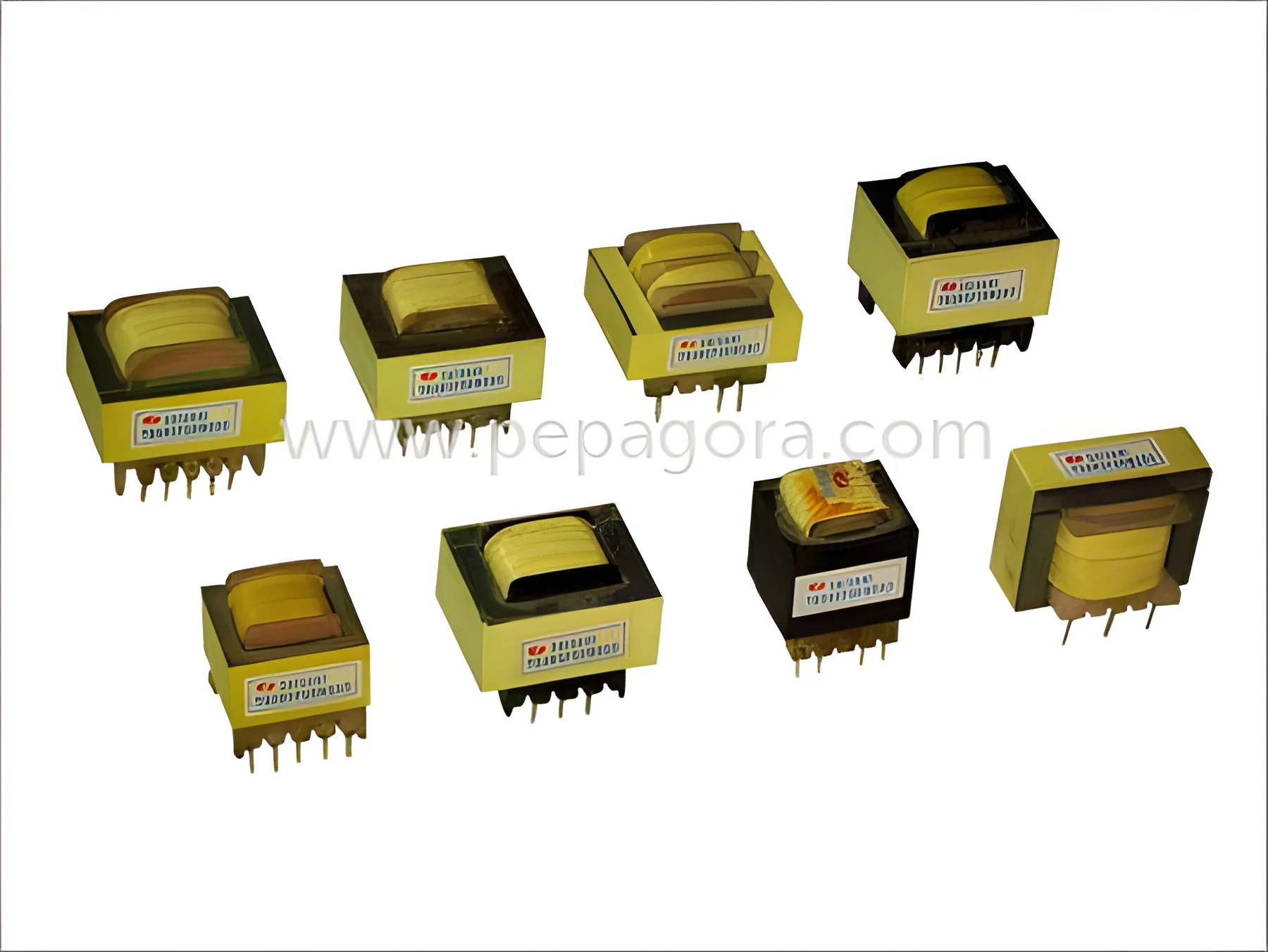
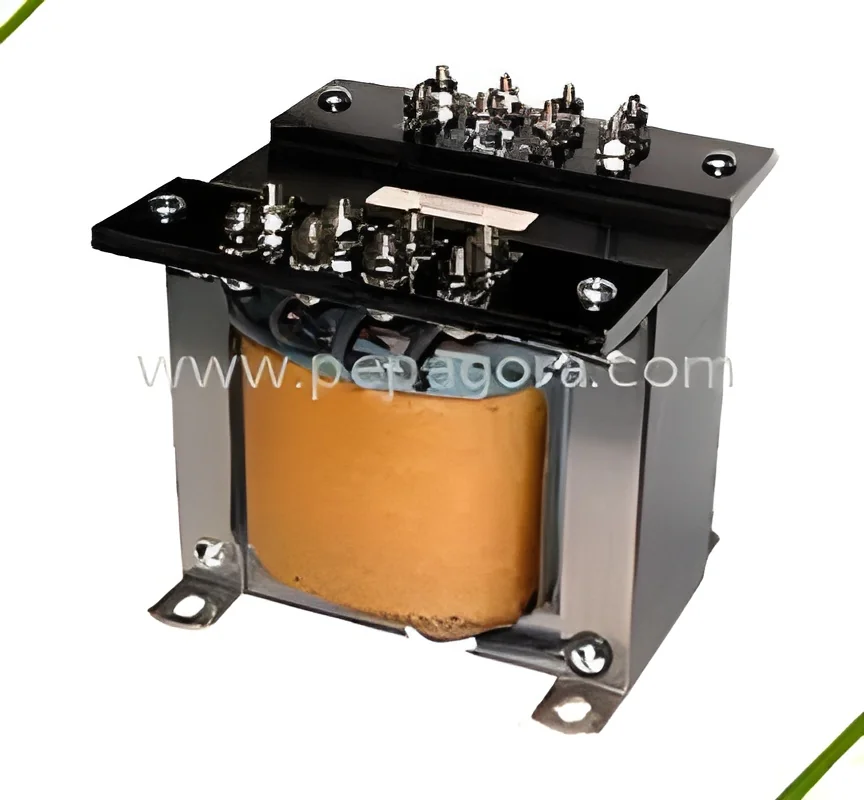
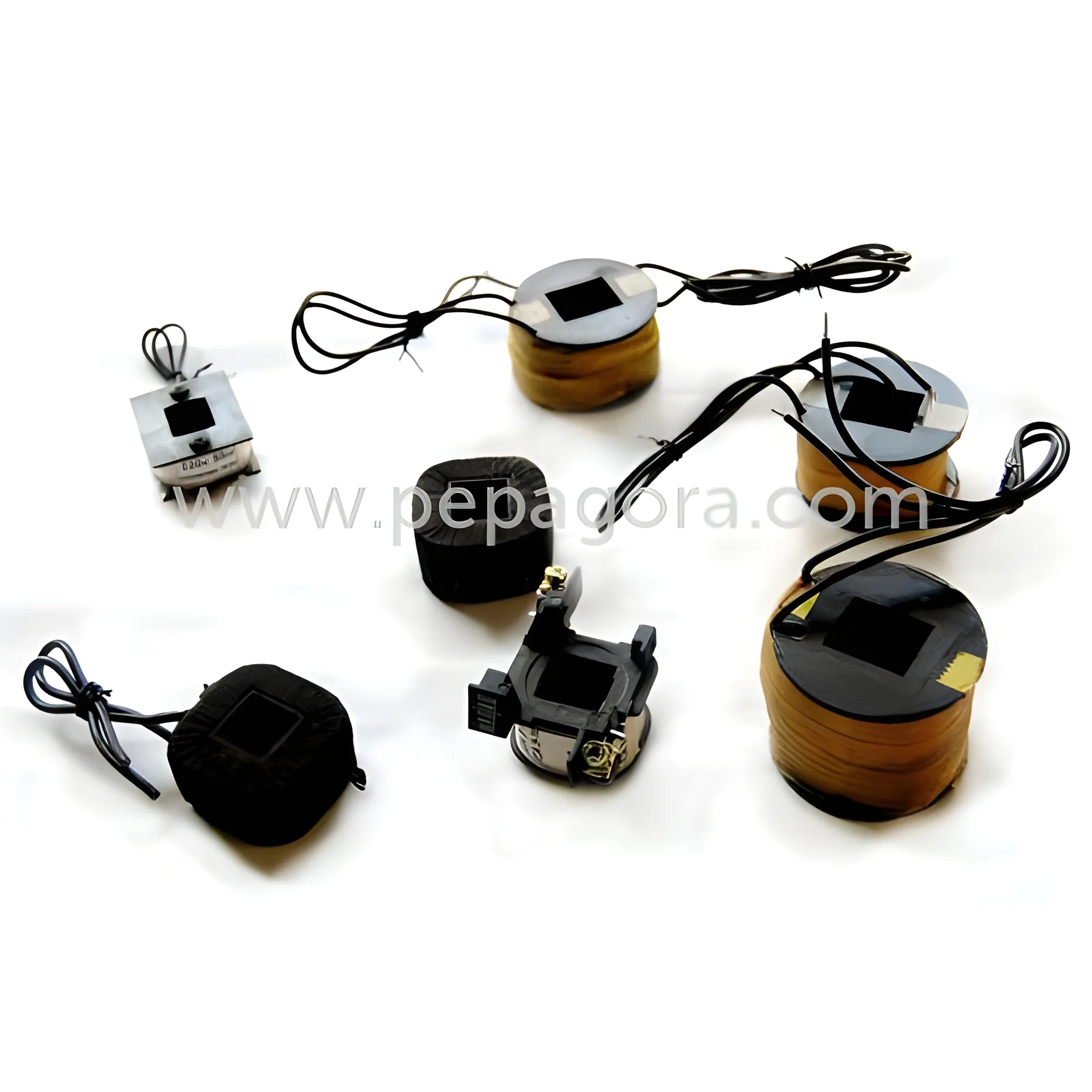
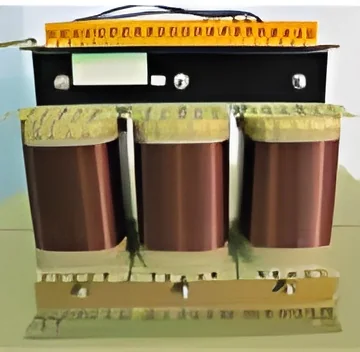
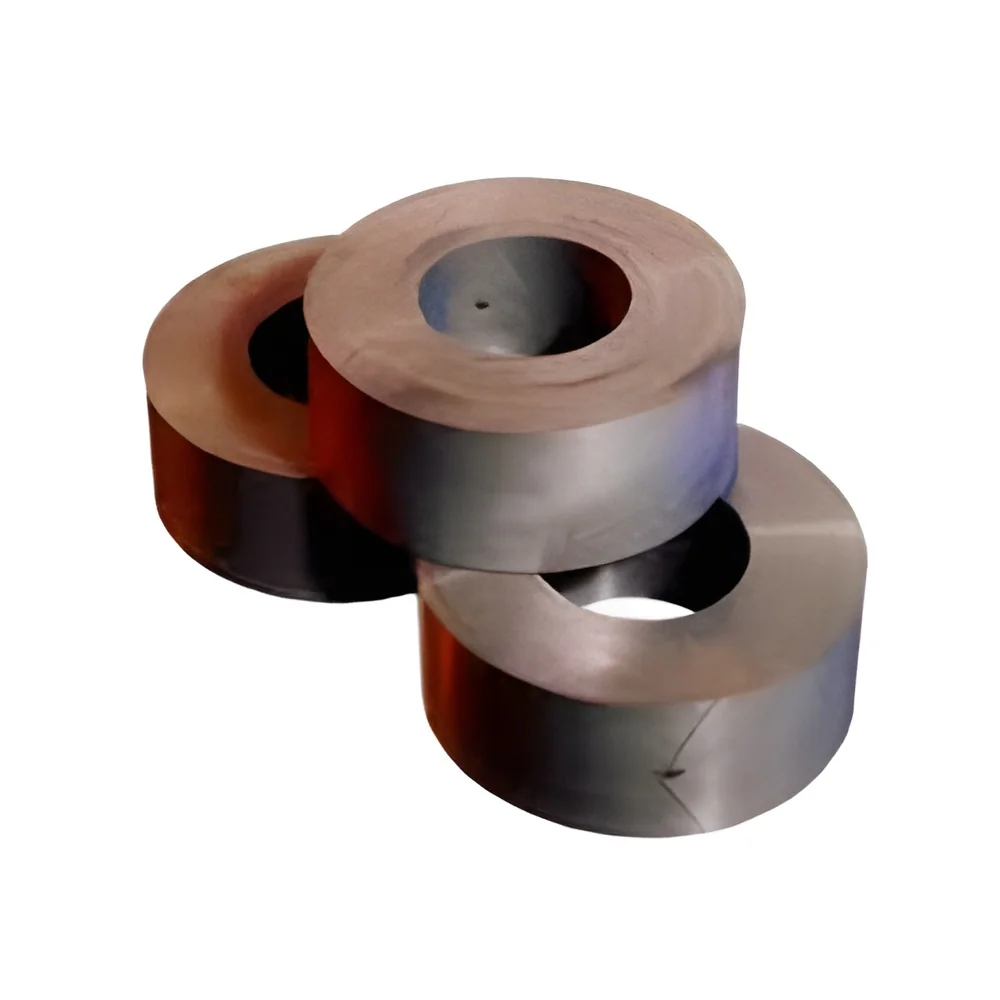
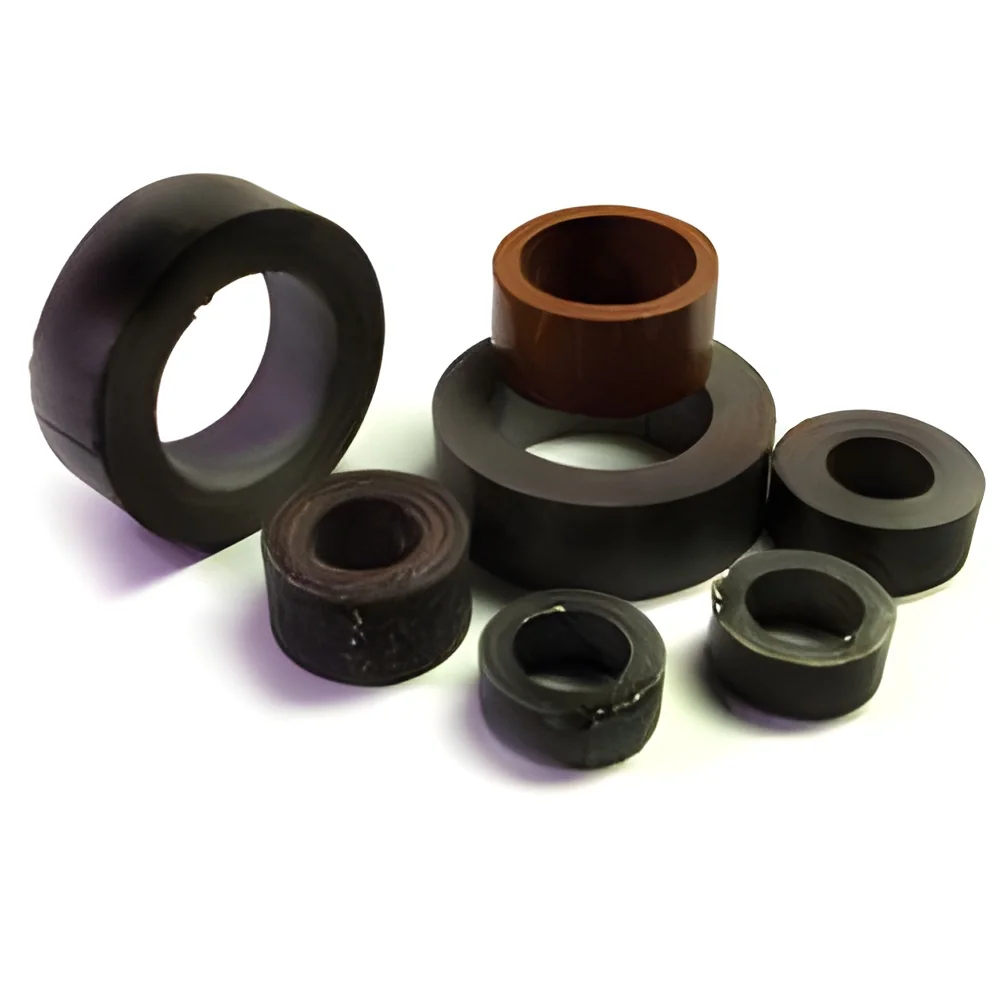
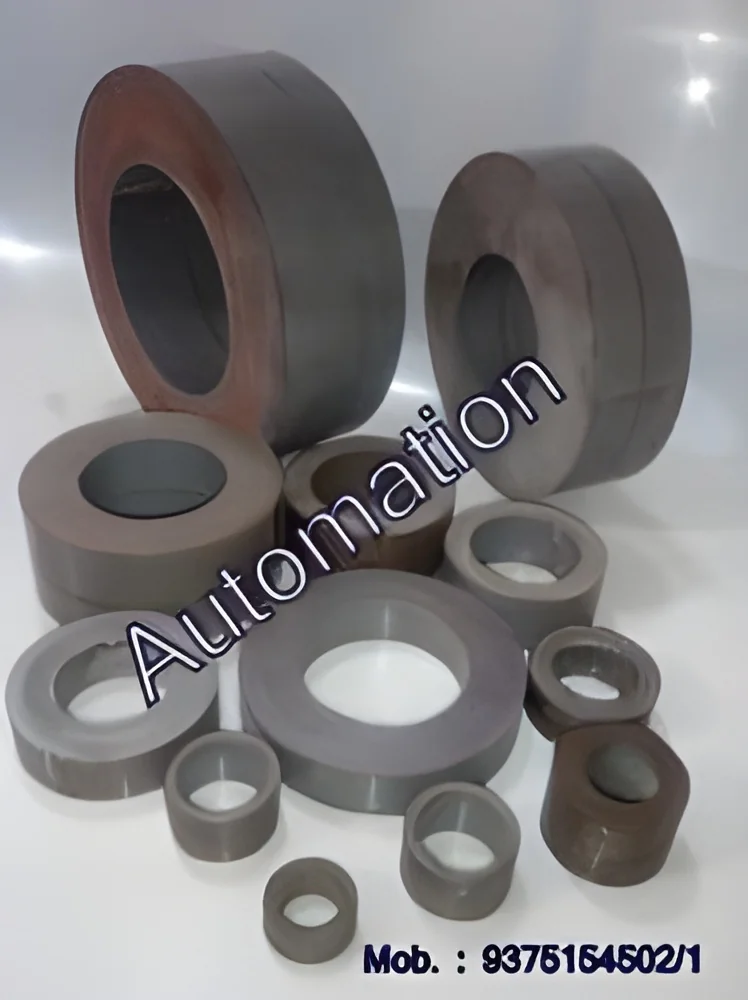
Toroidal transformers are electrical devices that use a toroidal core to transfer electrical energy between two or more circuits through electromagnetic induction. The core is typically made of a high magnetic permeability material, allowing for efficient energy transfer while minimizing losses. The circular shape of the toroidal core enables the magnetic field to be more uniformly distributed, which results in reduced electromagnetic interference and improved efficiency compared to traditional laminated transformers.
These transformers find extensive application across various industries, including telecommunications, audio equipment, and power supplies. They are utilized in situations where space is limited and efficiency is paramount. Businesses often rely on toroidal transformers for their compact size, lightweight design, and low noise operation. Their relevance in the market is underscored by the growing demand for energy-efficient solutions in industrial applications.
Key Features and Specifications
Toroidal transformers are known for their unique design and operational advantages. Their compact nature and lower electromagnetic interference make them a popular choice in various applications. Understanding their key specifications is essential for selecting the right transformer for specific needs.
Key specifications include:
1. Core Material
- Typically constructed from high-grade silicon steel or ferrite.
- Ensures high inductance and low core losses.
2. Power Rating
- Available in various ratings, typically ranging from a few VA to several kVA.
- Determines the maximum load the transformer can handle efficiently.
3. Input Voltage
- Standard input voltage ranges from 230V to 480V, depending on application.
- Ensures compatibility with different electrical systems.
4. Output Voltage
- Customizable output voltage options to suit specific requirements.
- Commonly available in single or multiple output configurations.
5. Frequency
- Designed for operation at standard frequencies of 50Hz or 60Hz.
- Ensures compatibility with regional power supplies.
6. Dimensions
- Compact design allows for easy integration into limited spaces.
- Typically available in various sizes based on power rating.
7. Weight
- Generally lighter than traditional transformers due to the toroidal design.
- Facilitates easier installation and handling.
8. Efficiency Rating
- High efficiency typically above 90%, reducing energy losses.
- Contributes to lower operational costs over time.
In summary, understanding these specifications helps businesses select the appropriate toroidal transformer that meets their operational needs while maximizing efficiency.
Common Applications and Use Cases
Toroidal transformers serve a wide range of industries due to their efficiency and compact design.
1. Telecommunications: Used in signal conditioning and power supply units to ensure stable and noise-free operation.
2. Audio Equipment: Commonly found in amplifiers and audio devices where high fidelity sound reproduction is critical.
3. Medical Equipment: Utilized in diagnostic and monitoring devices, where reliability and low electromagnetic interference are essential.
4. Power Supplies: Used in various electronic equipment to provide a stable power source with minimal energy loss.
5. Industrial Automation: Employed in control panels and machinery, ensuring efficient operation and energy savings.
6. Renewable Energy Systems: Integrated into solar inverters and other renewable technologies to improve energy conversion efficiency.
7. Lighting Systems: Used in LED drivers and fixtures to enhance performance and energy efficiency.
Product Variants and Subcategories
While there are no specific subcategories available for toroidal transformers, the product itself encompasses a variety of designs and configurations that cater to different needs.
Custom Toroidal Transformers: These are tailored to meet specific voltage, power, and application requirements. They provide flexibility for industries requiring unique specifications.
Standard Toroidal Transformers: These models come in predefined specifications suitable for general applications across various sectors. They are typically stocked for quick delivery.
Benefits and Advantages
Toroidal transformers offer several advantages that make them a preferred choice for many applications.
1. Space Efficiency: Their compact design allows for installation in tight spaces, maximizing available area.
2. Low Electromagnetic Interference: The toroidal shape minimizes stray magnetic fields, reducing interference with nearby electronics.
3. High Efficiency: With efficiency ratings often exceeding 90%, they reduce energy costs and operational expenses.
4. Lightweight: The design allows for a lighter transformer, making installation easier and reducing shipping costs.
5. Customizable: They can be tailored to meet specific voltage and power requirements for diverse applications.
6. Reliability: Known for their long lifespan and durability, they require less maintenance and fewer replacements.
Buying Guide for B2B Buyers
When sourcing toroidal transformers, several factors should be considered to ensure the right choice for your business needs.
1. Quality Assessment: Ensure that the transformers meet industry standards and specifications. Look for certifications that guarantee quality and reliability.
2. Supplier Verification: Vet suppliers to confirm their reputation and reliability. Check for reviews, past performance, and reliability in delivery timelines.
3. Pricing and MOQ: Understand the pricing structure and minimum order quantities. Compare costs across multiple suppliers to ensure competitive pricing.
4. Delivery and Lead Times: Discuss logistics and expected delivery times to ensure timely project execution. Factor in lead times for custom transformers.
5. Compliance Requirements: Verify that the transformers meet local regulatory and safety standards. This includes checking for necessary certifications such as CE.
Compliance and Certifications
Compliance with relevant quality standards is essential for the safety and performance of toroidal transformers. Key standards include ISO 9001, which ensures a quality management system is in place, and HACCP, which addresses safety in various applications. Additionally, industry certifications like CE indicate that the products meet European safety and environmental requirements.
Safety and testing requirements are critical, especially when transformers are used in sensitive applications such as medical devices or telecom equipment. It is also important to consider regional compliance, as different countries may have specific standards that must be met for transformers to be sold and used.
Why Source Toroidal Transformers from Pepagora?
Pepagora offers a reliable platform for sourcing toroidal transformers, presenting numerous advantages for businesses.
Verified Supplier Network: Our network consists of vetted suppliers who meet strict quality and performance standards. This ensures that buyers receive high-quality products.
Streamlined RFQ Process: The request for quotation system simplifies the procurement process. Buyers can easily submit their requirements and receive competitive quotes from multiple suppliers.
Trade Assurance and Support: Pepagora provides buyer protection through trade assurance, ensuring that your transactions are secure and that you receive the products as promised.
Regional Coverage: With a strong presence in India, the GCC, and Southeast Asia, Pepagora connects buyers with suppliers across these regions, facilitating smoother transactions and timely deliveries.
This comprehensive approach ensures that businesses can find the right toroidal transformers to meet their specific needs while enjoying a seamless purchasing experience.

 IN
IN