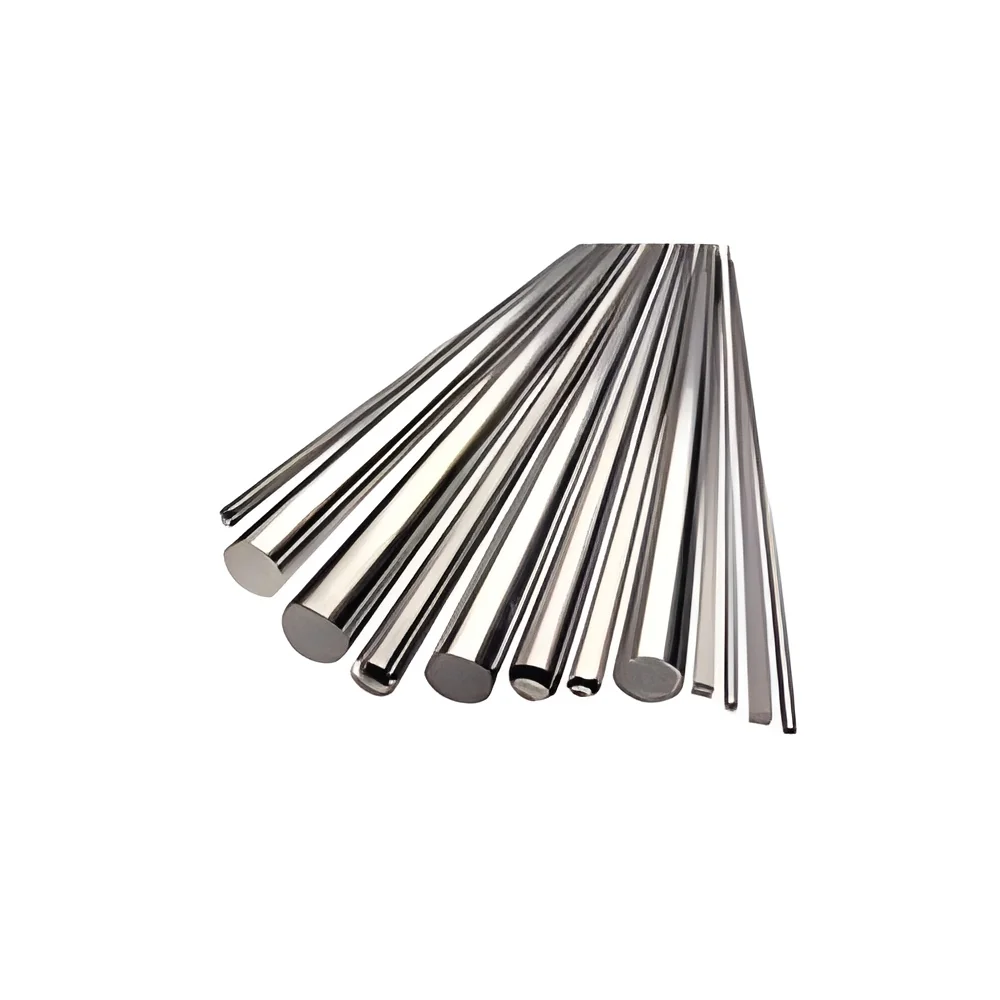
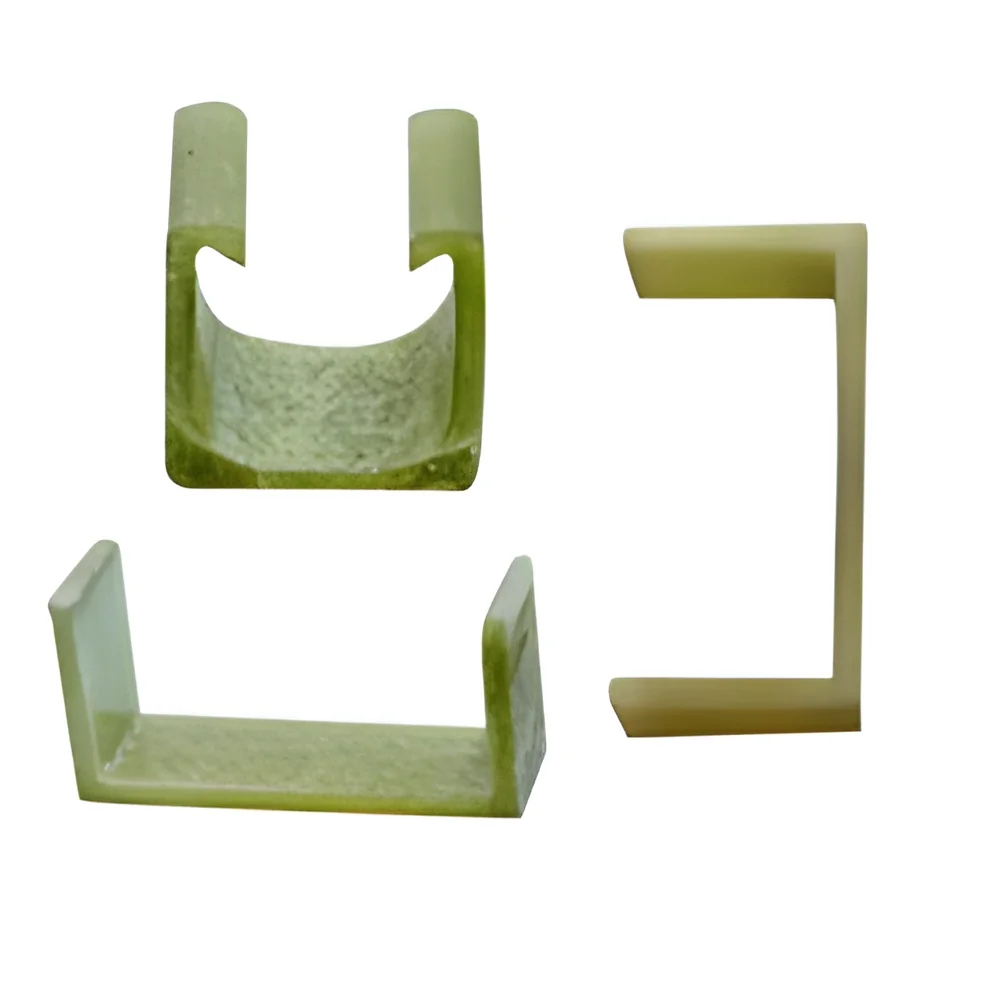
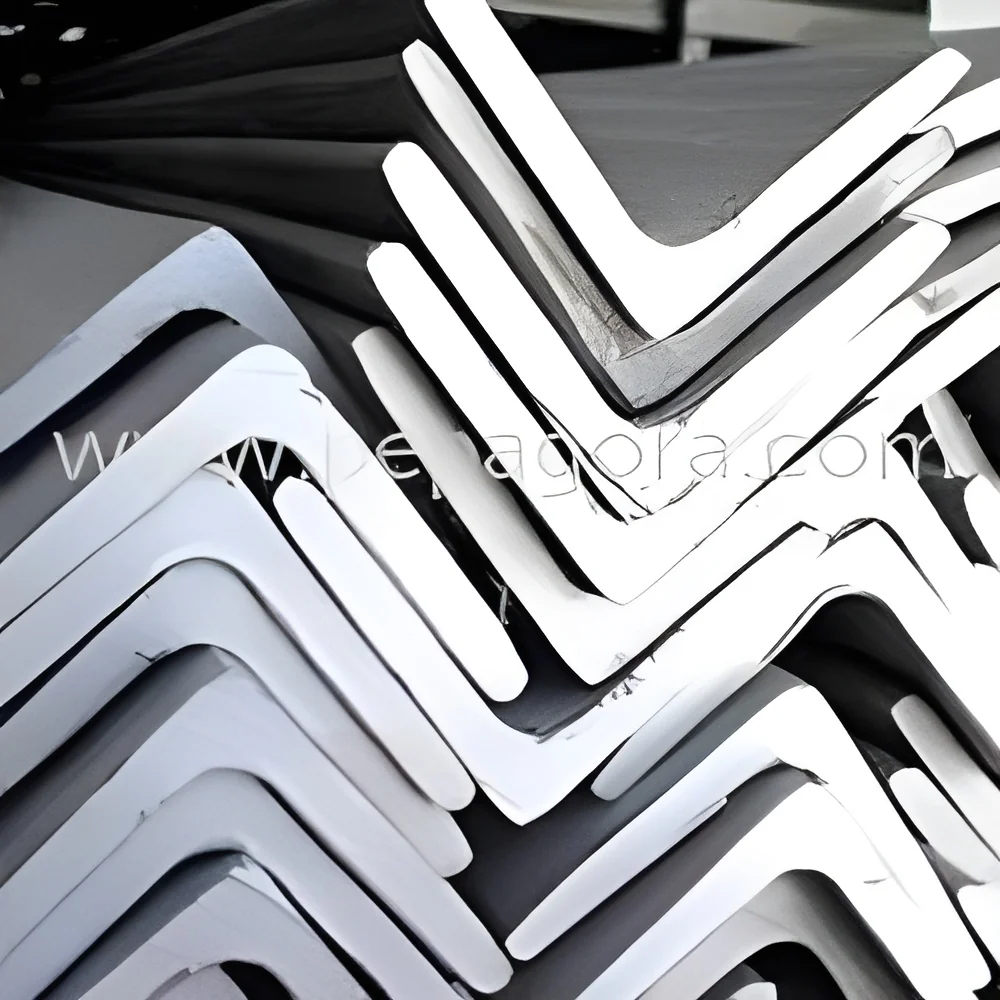
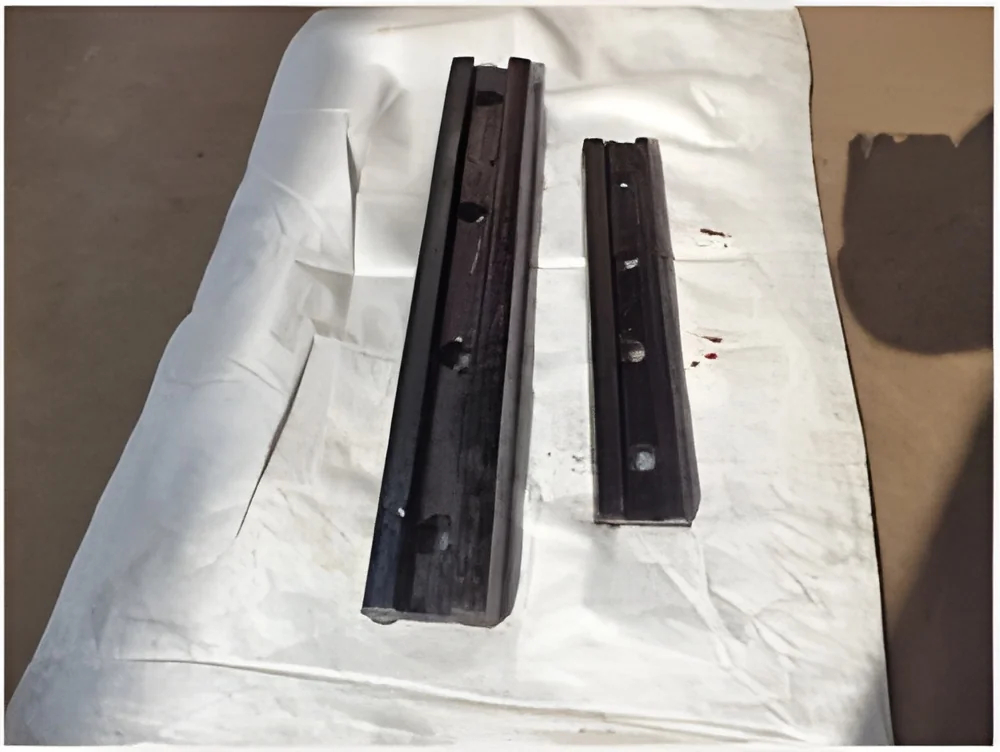
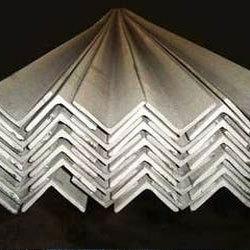
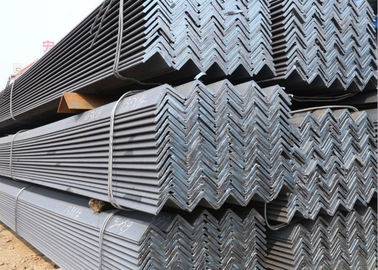
What are Steel Angles & Channels?
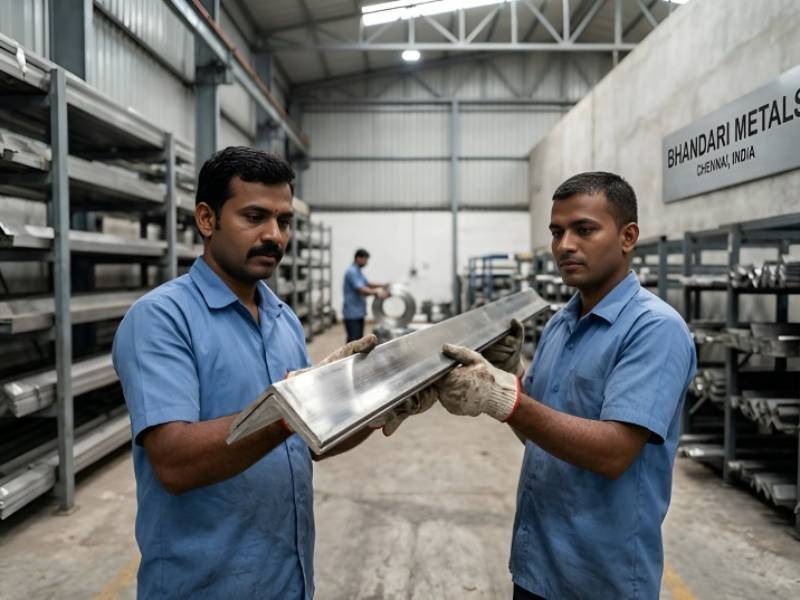
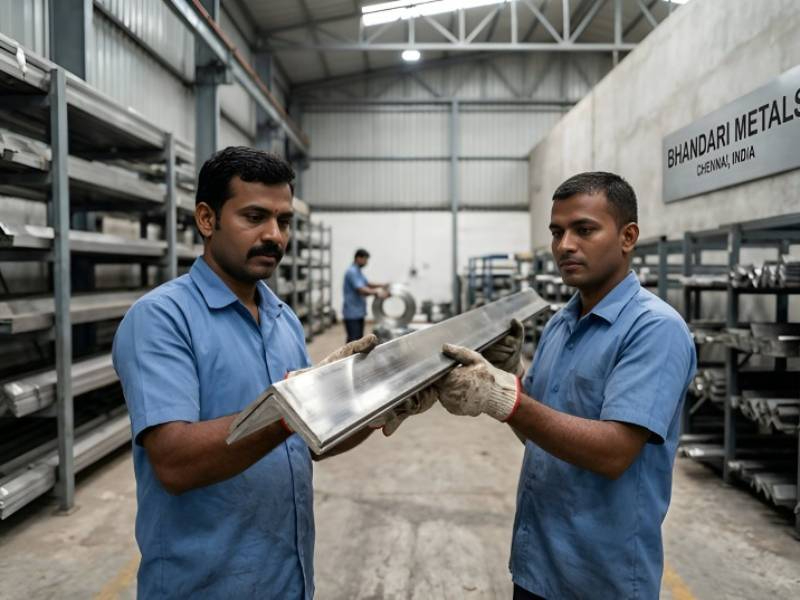
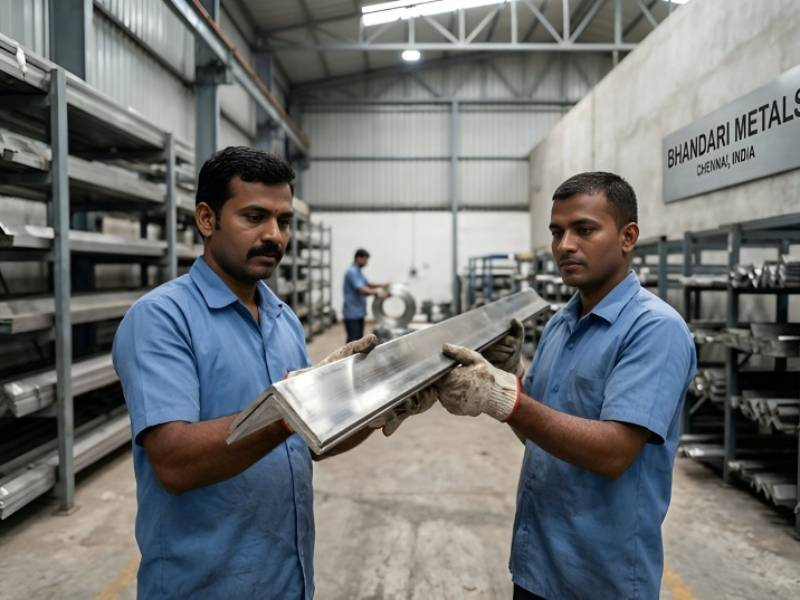
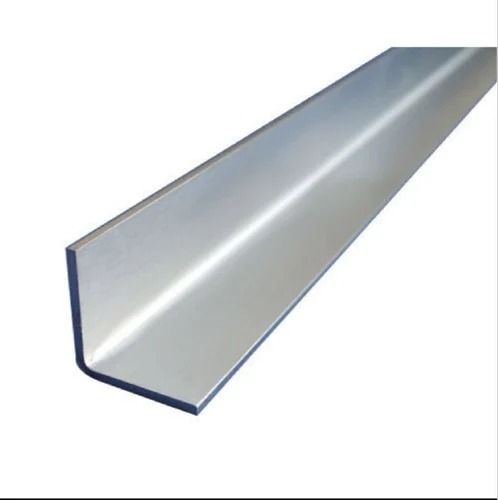
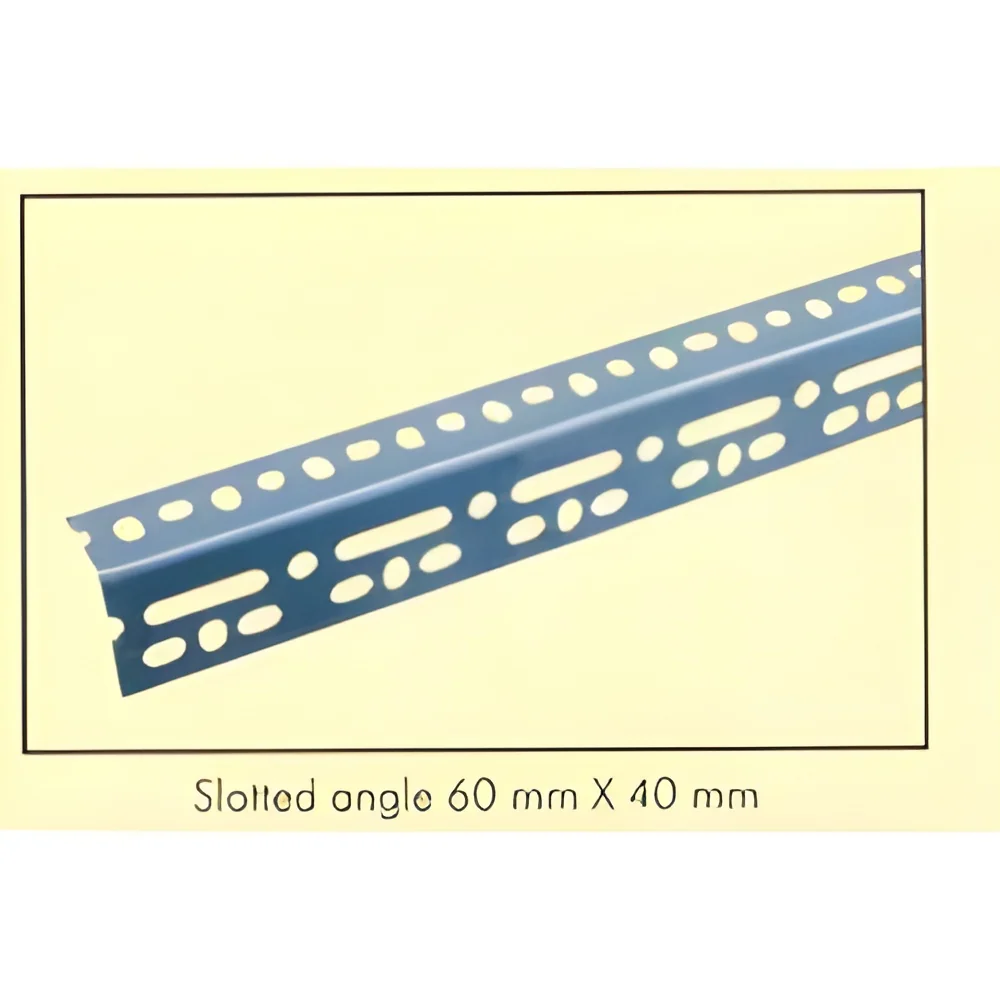
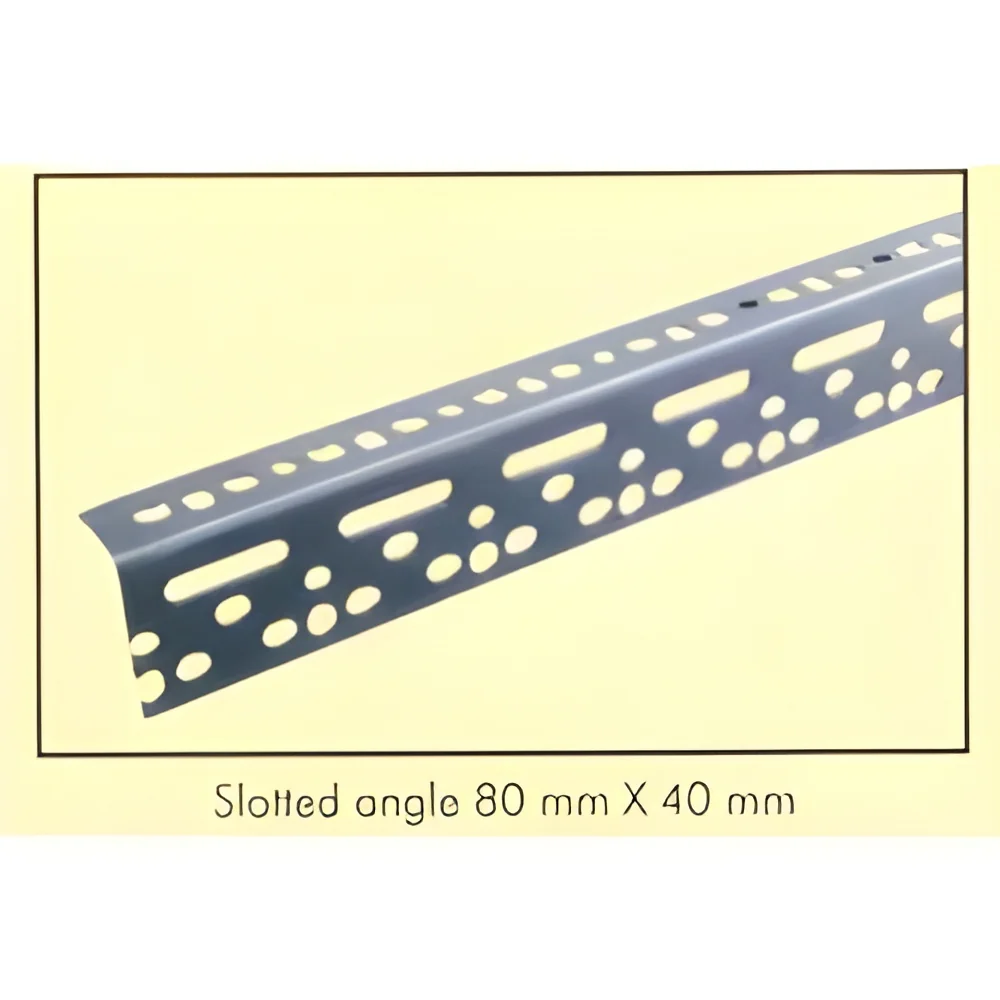
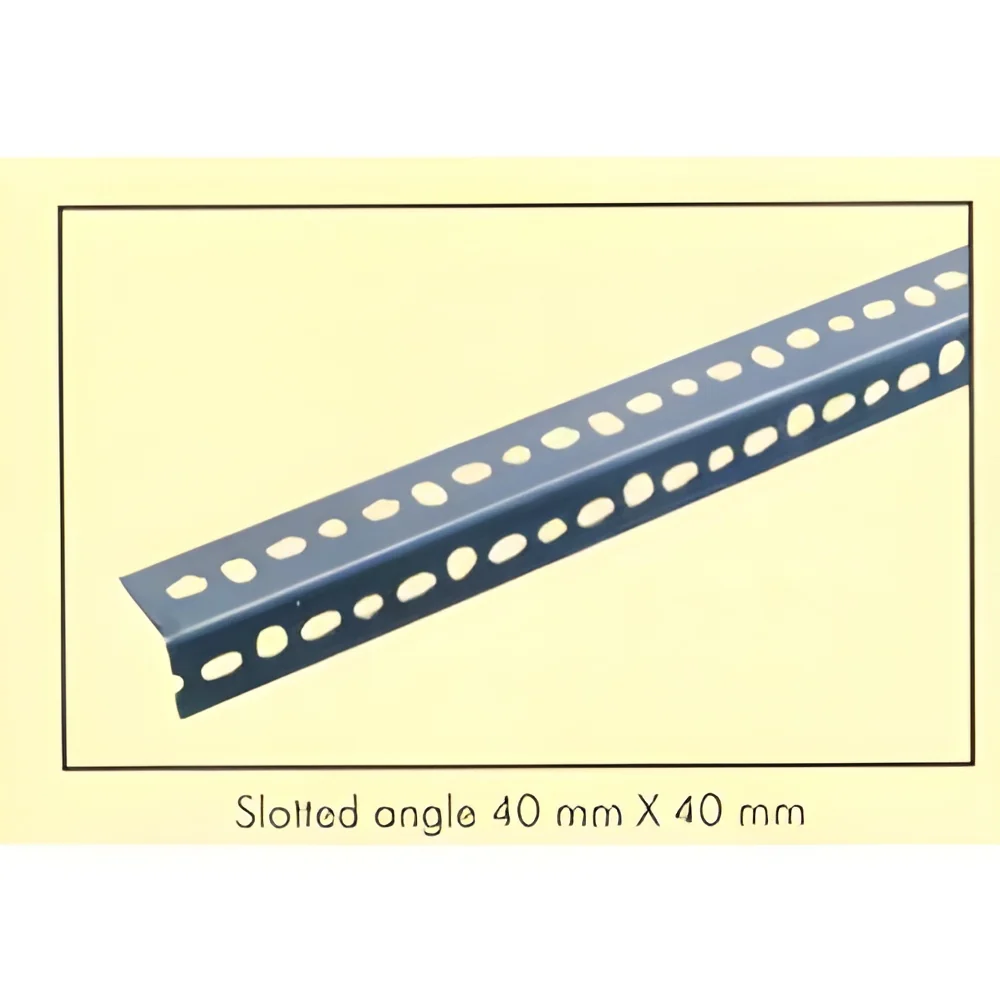
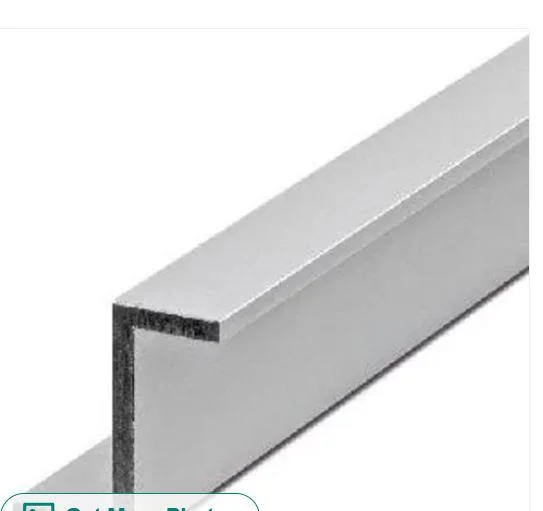
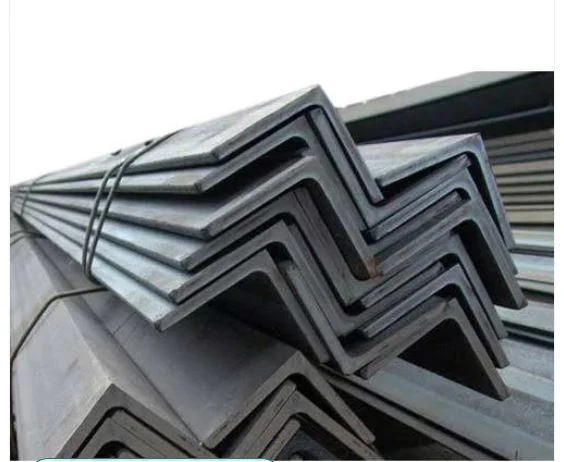
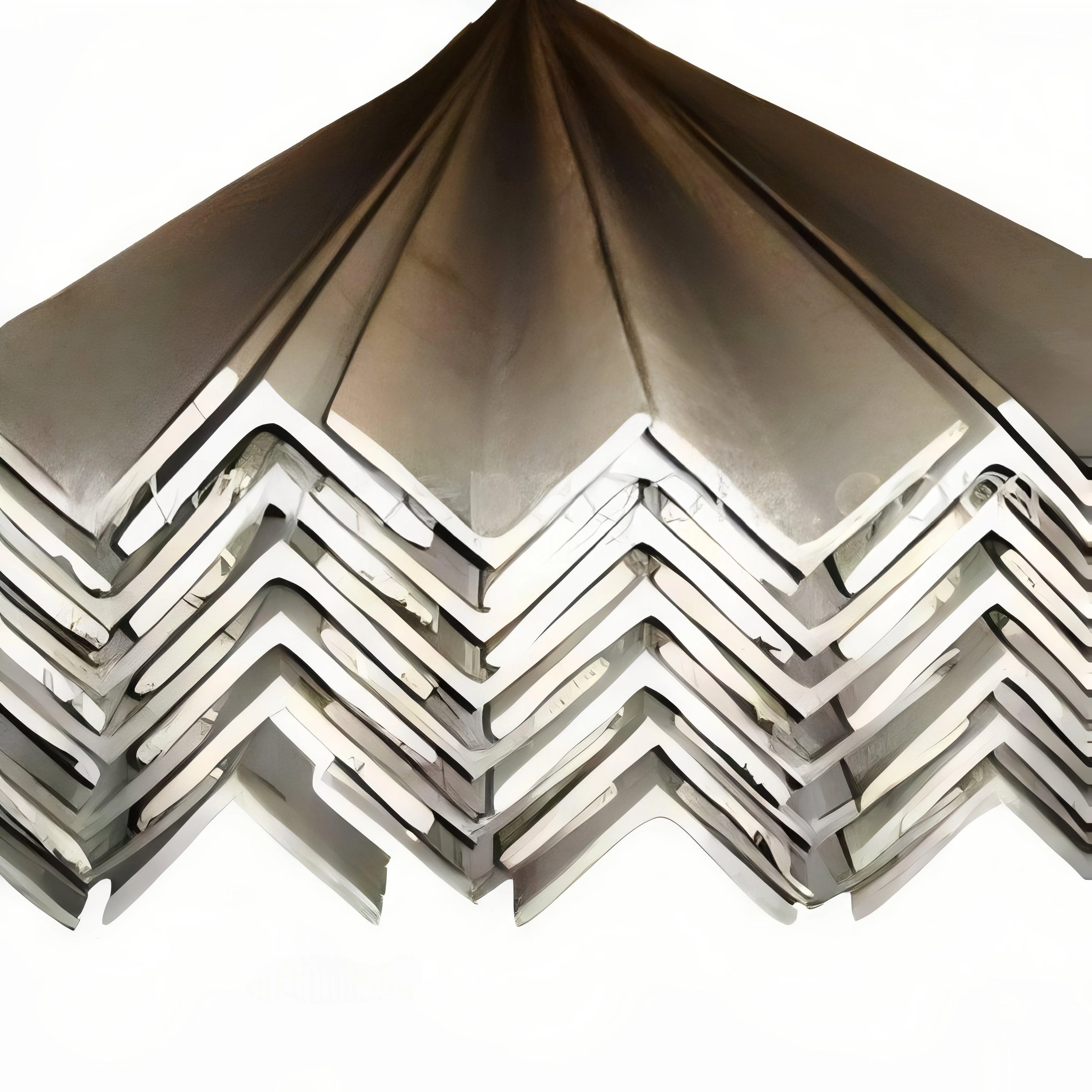
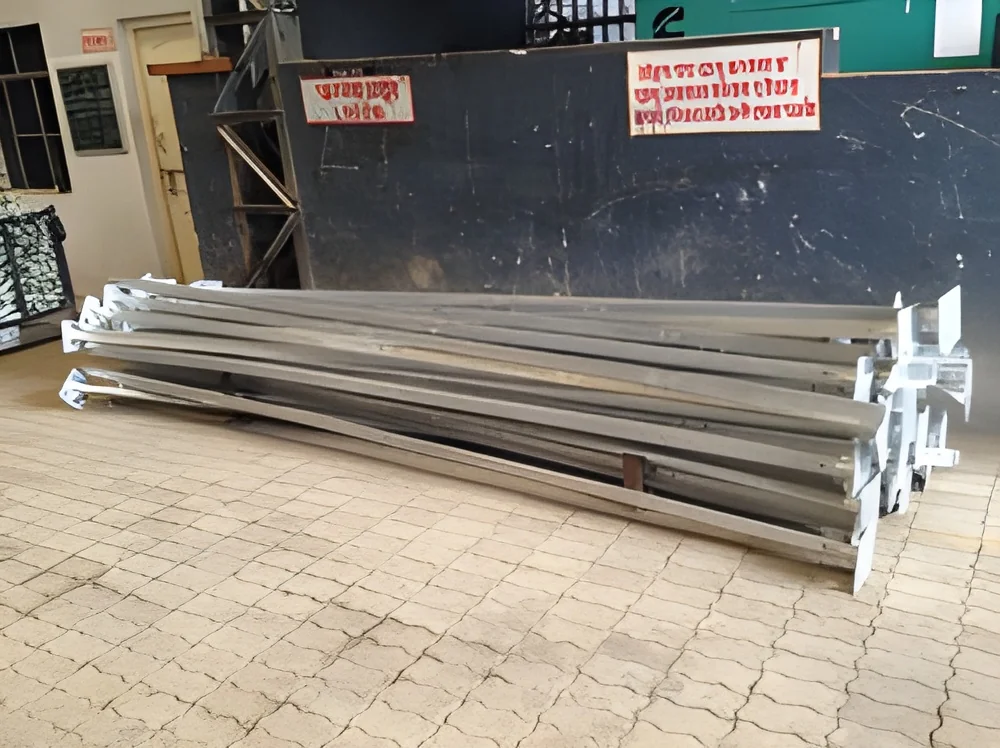
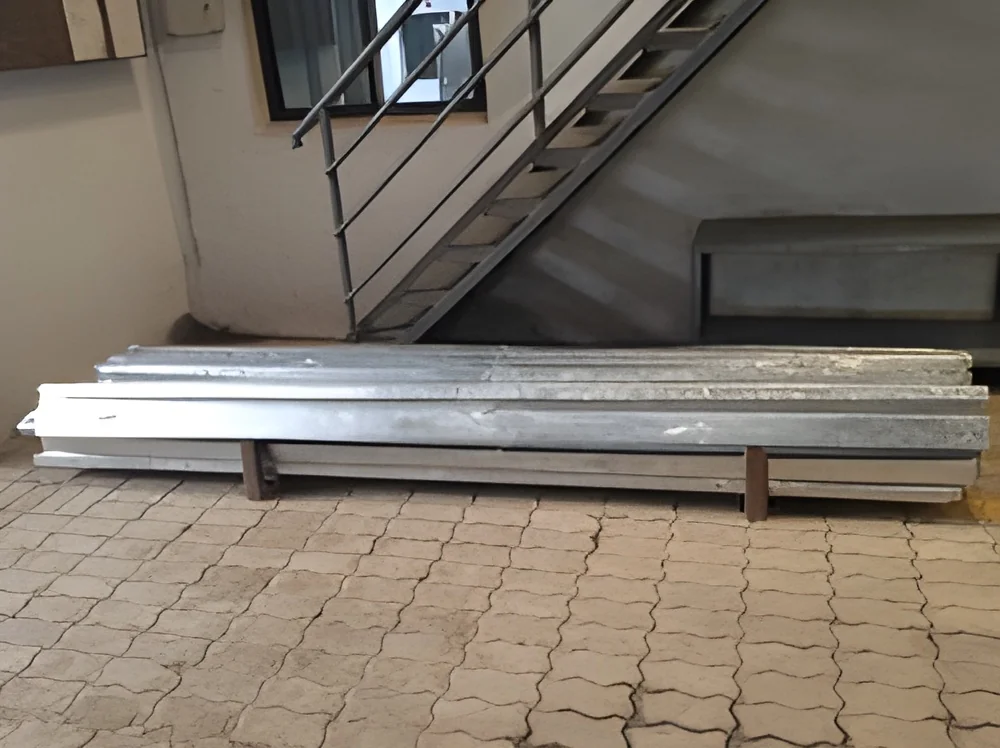
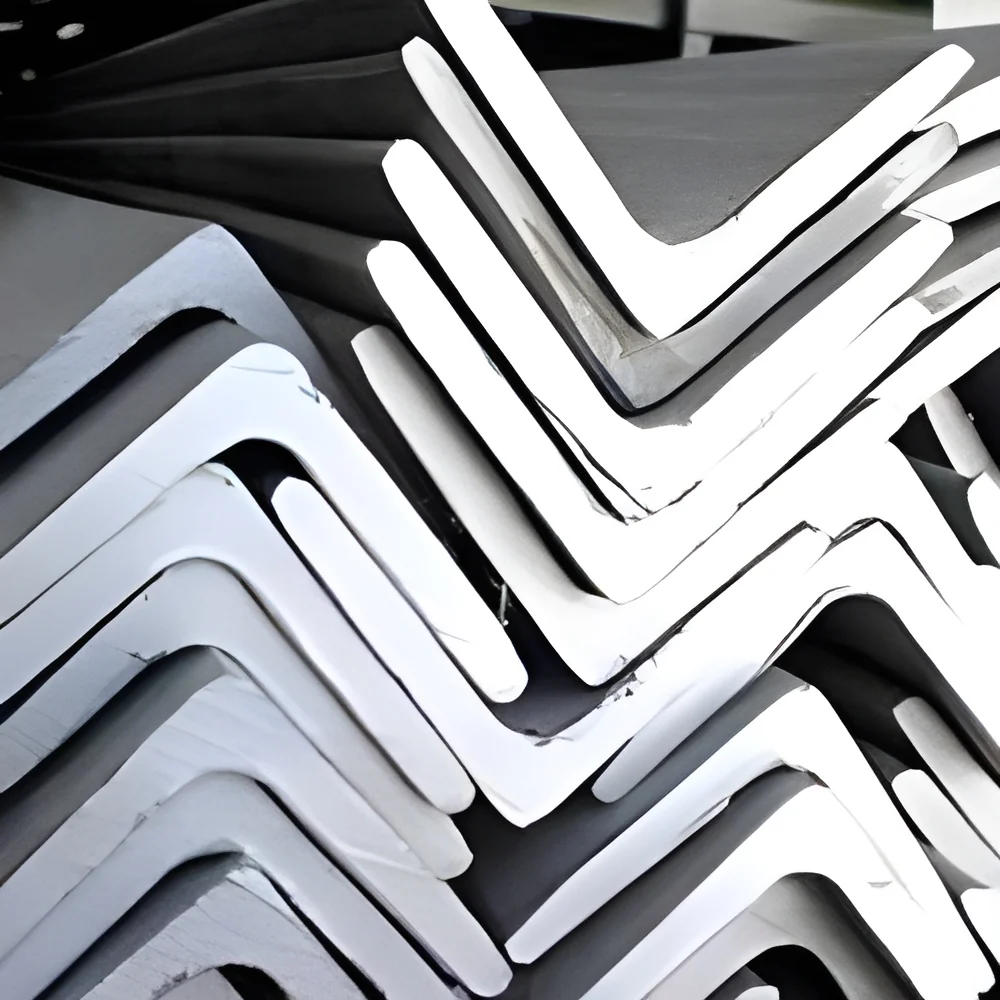
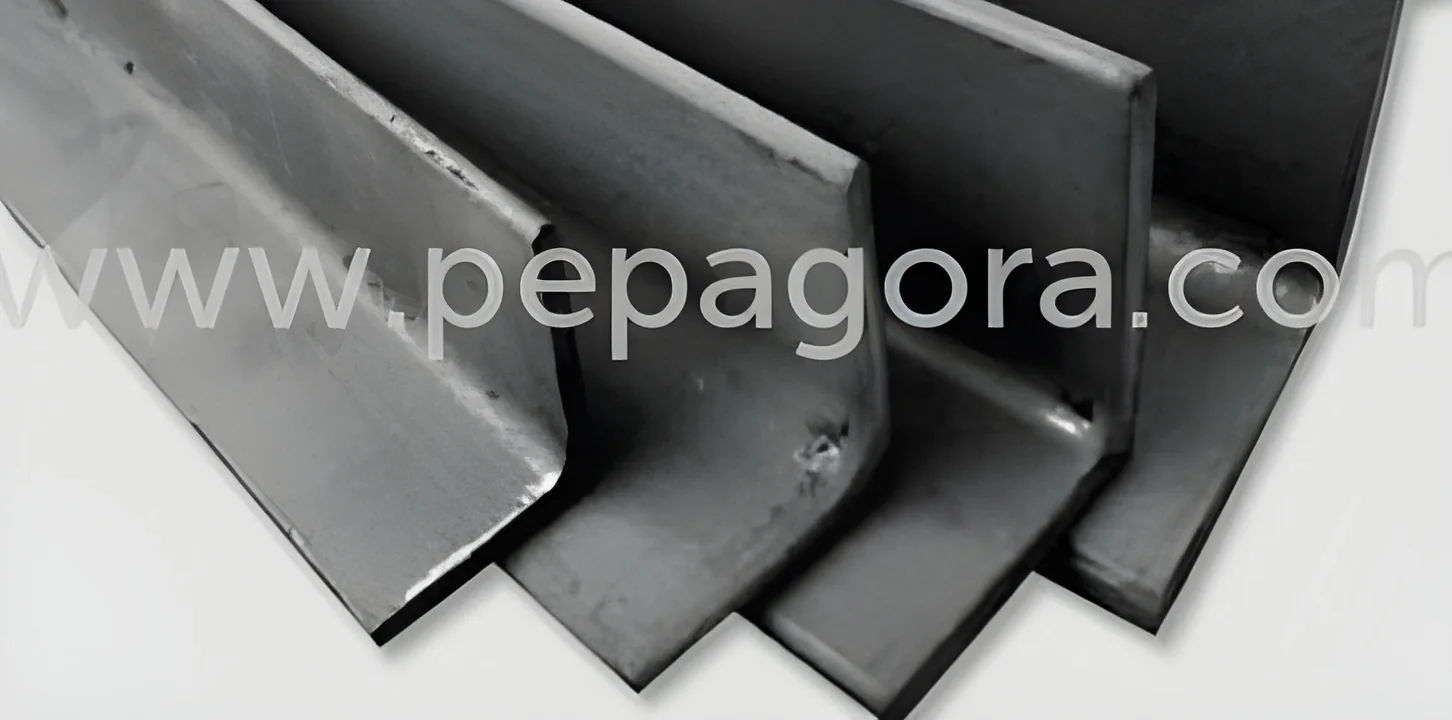
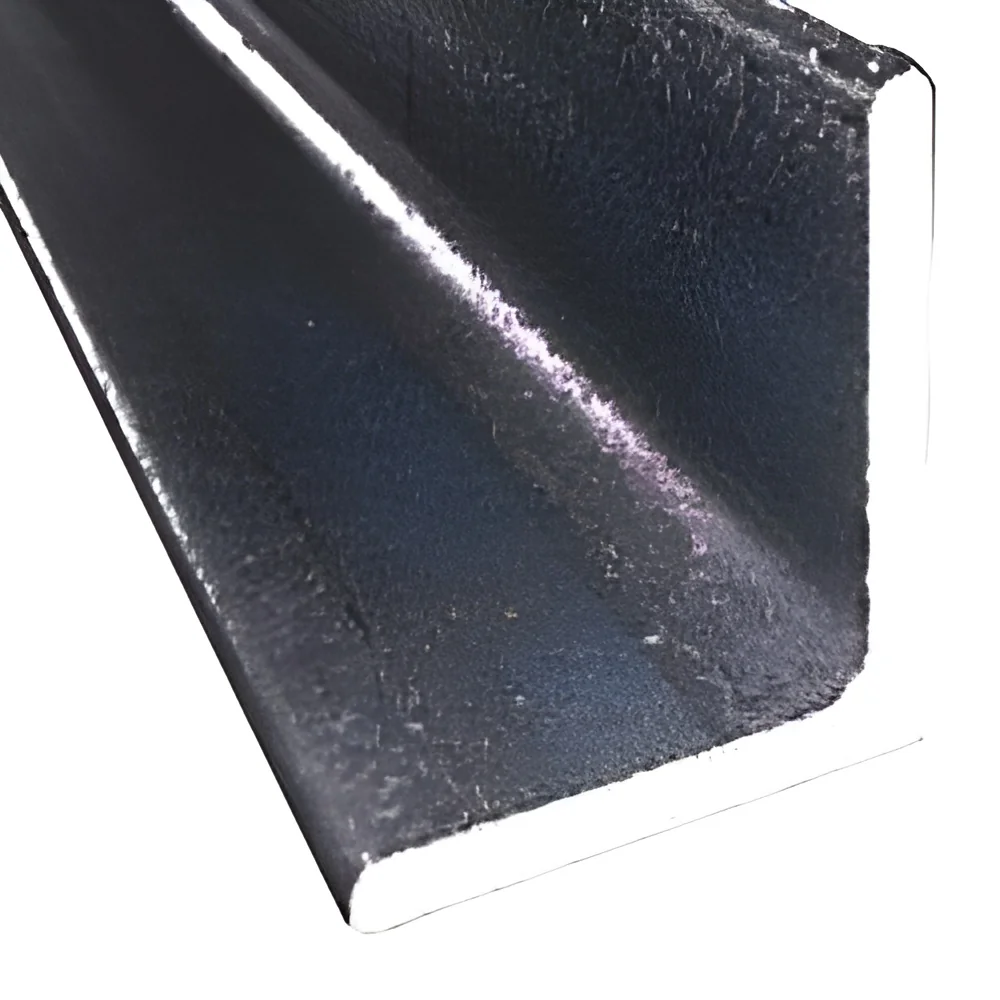
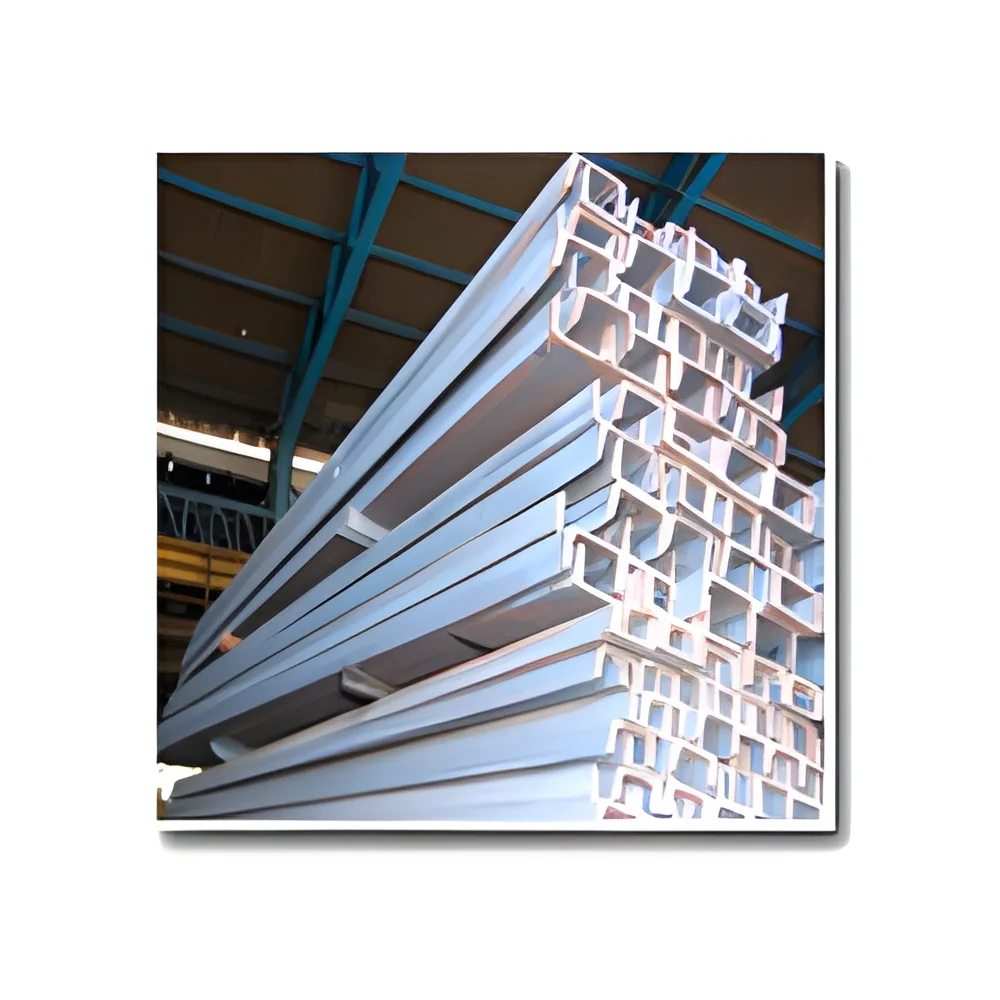
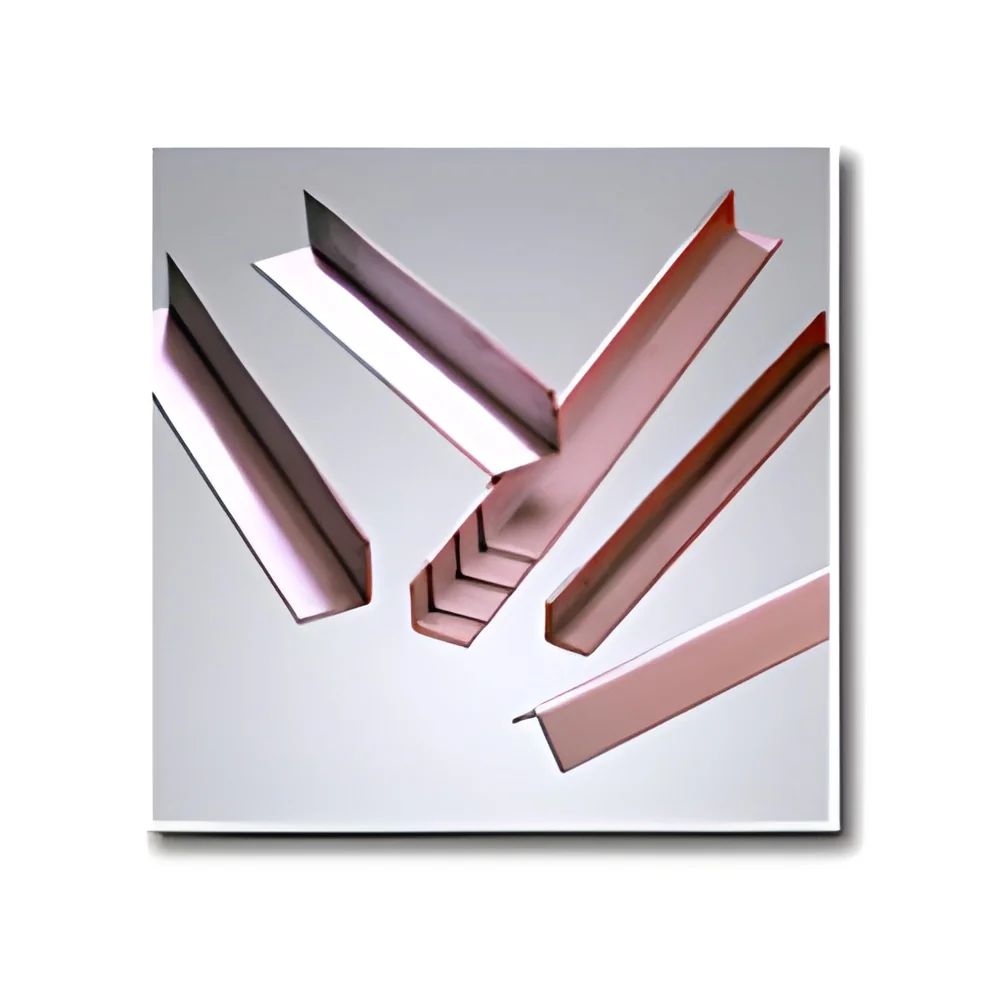
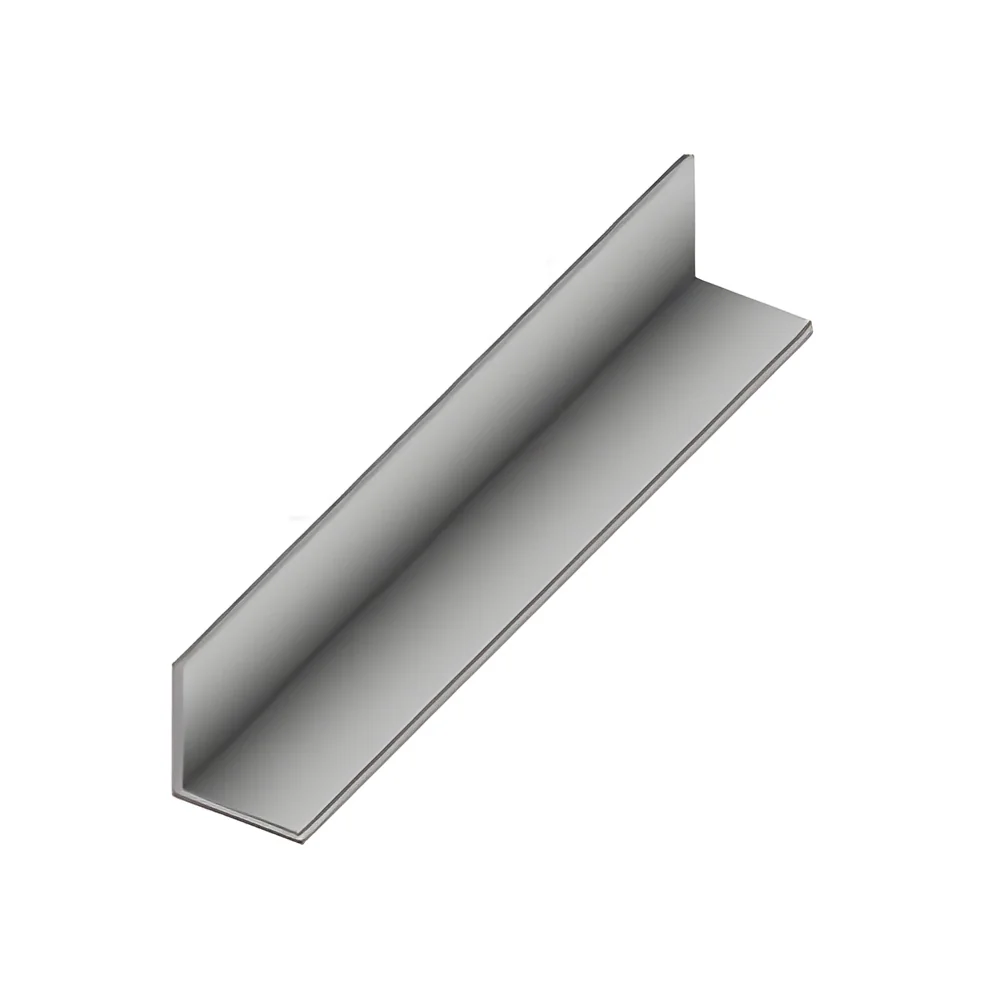
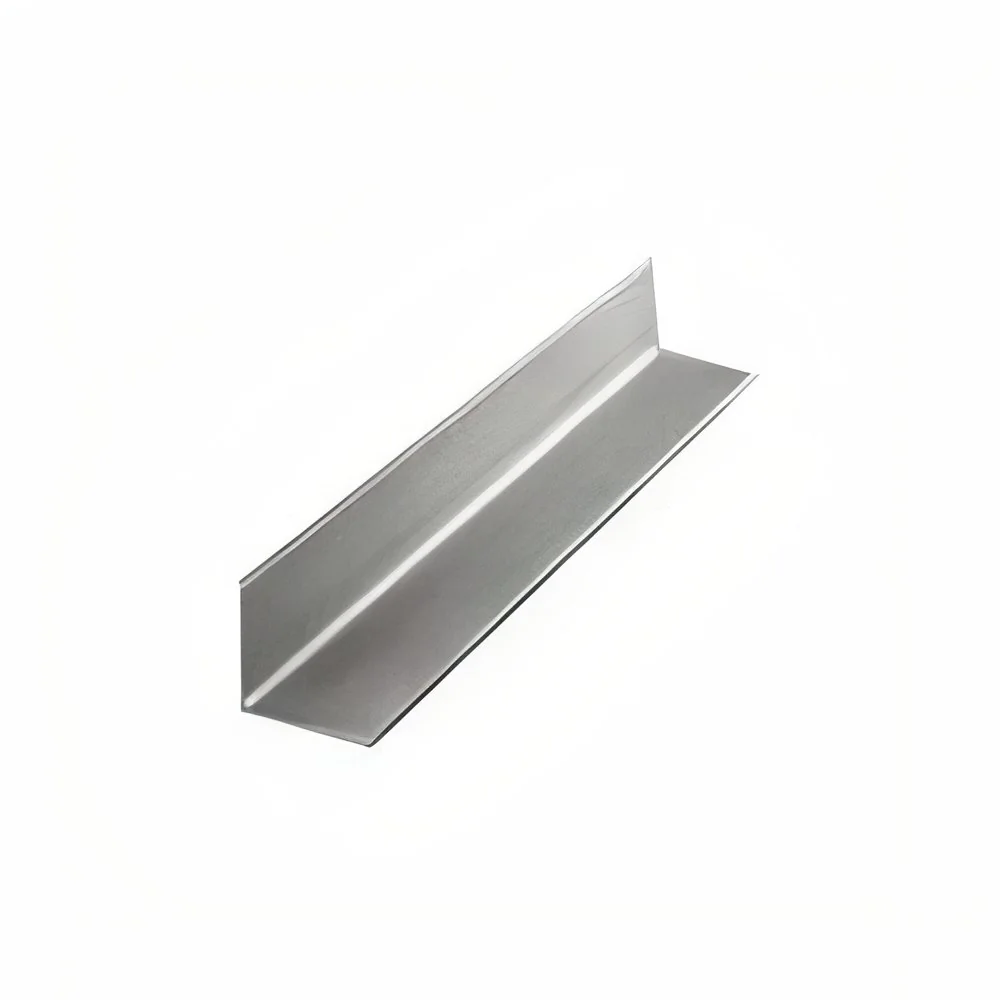
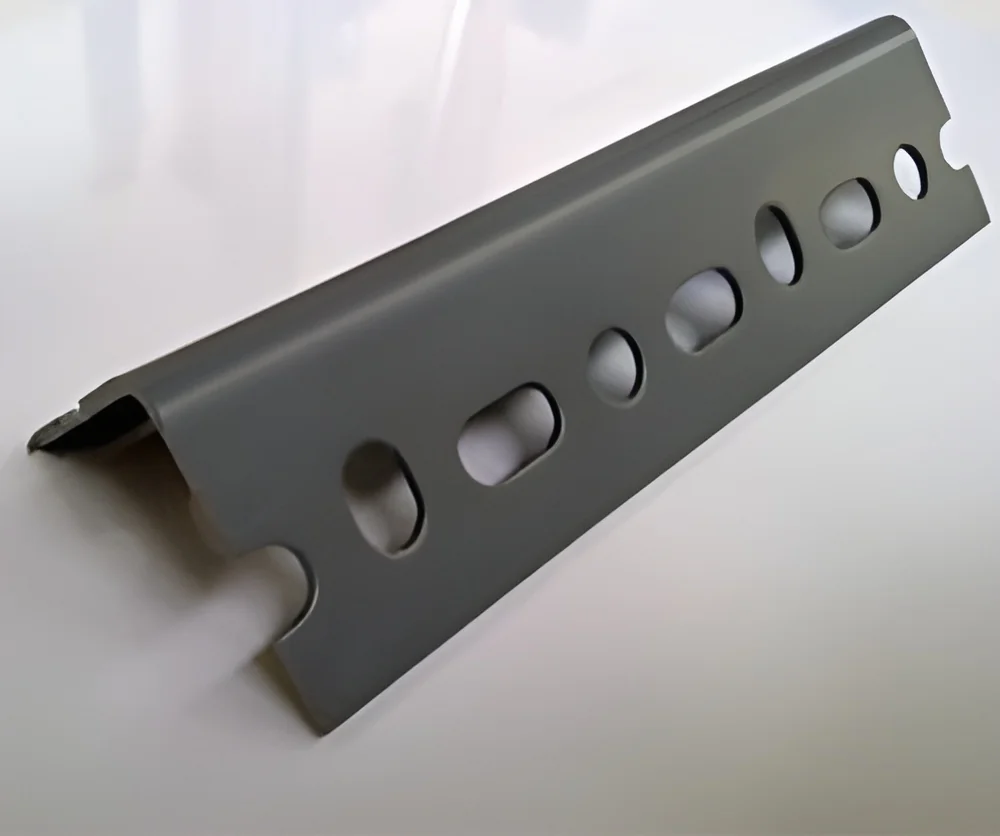
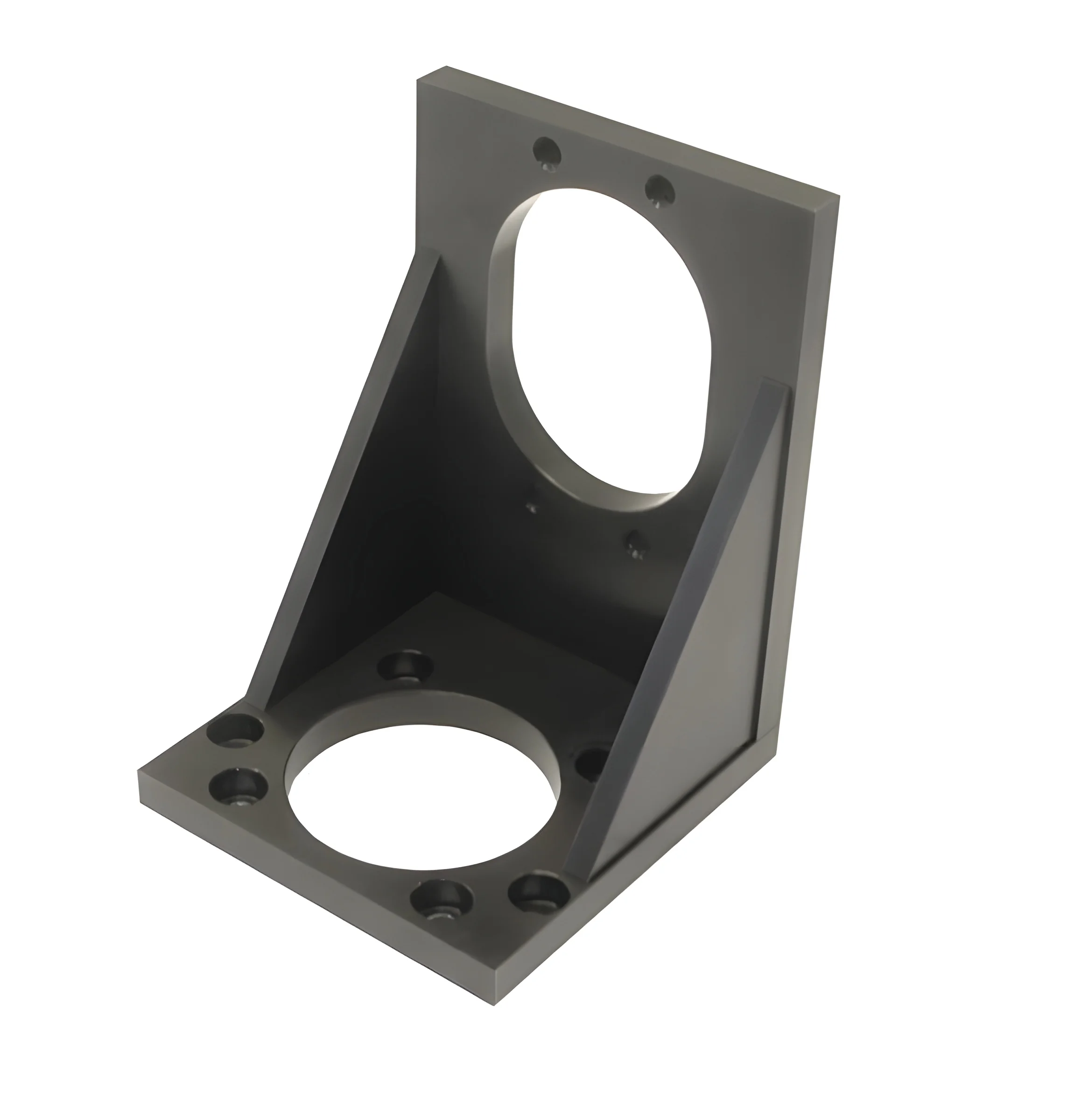
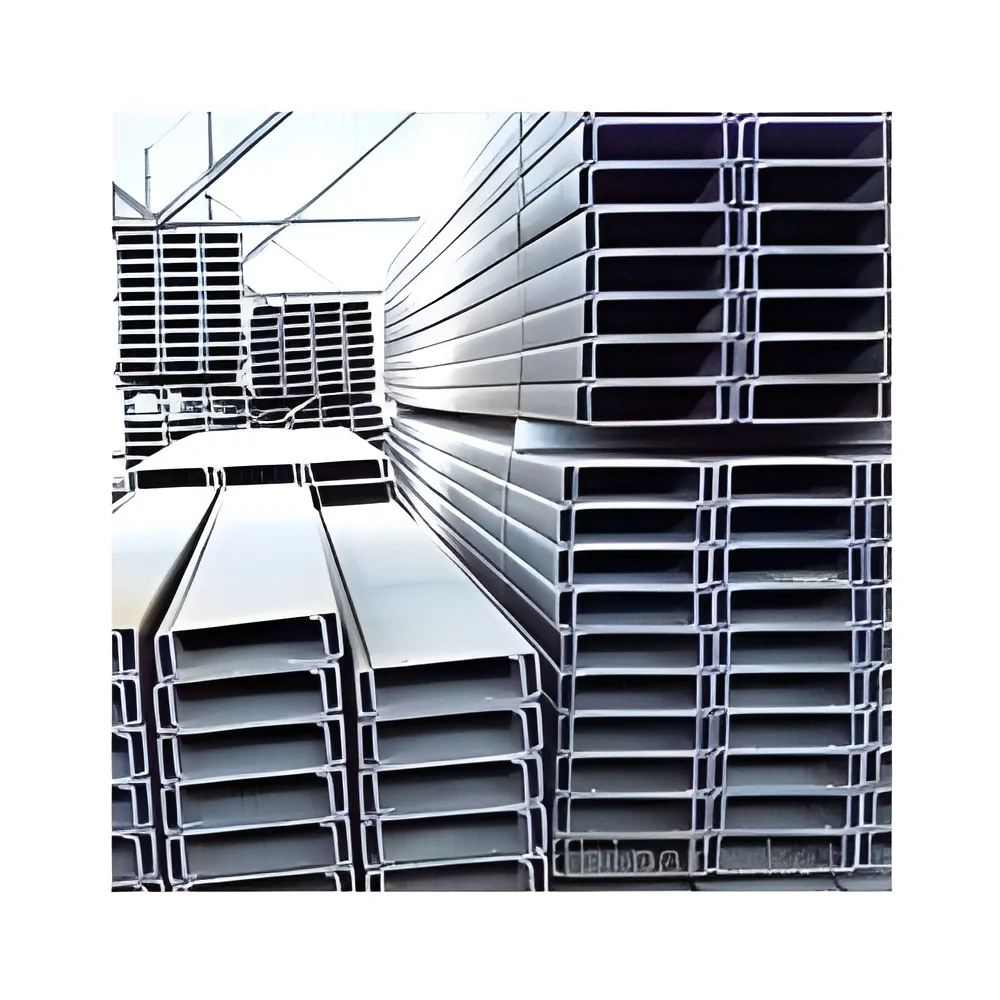
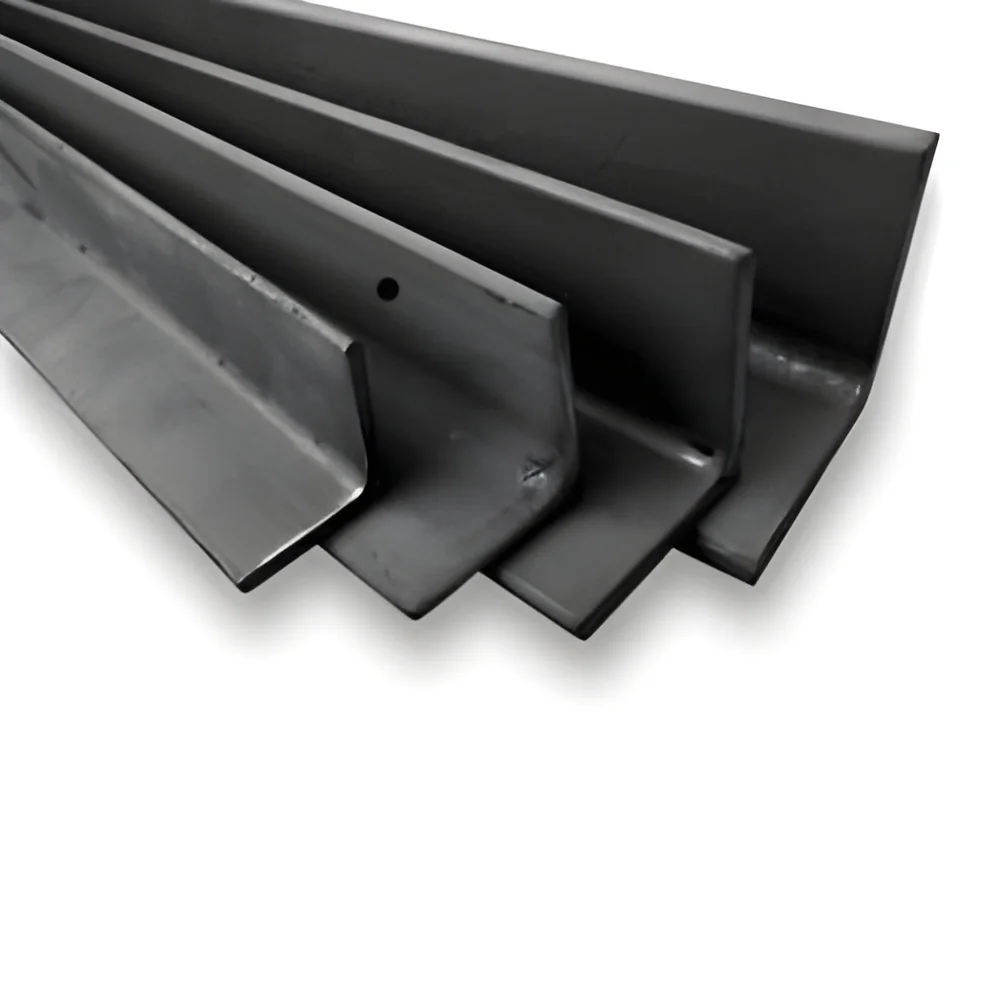
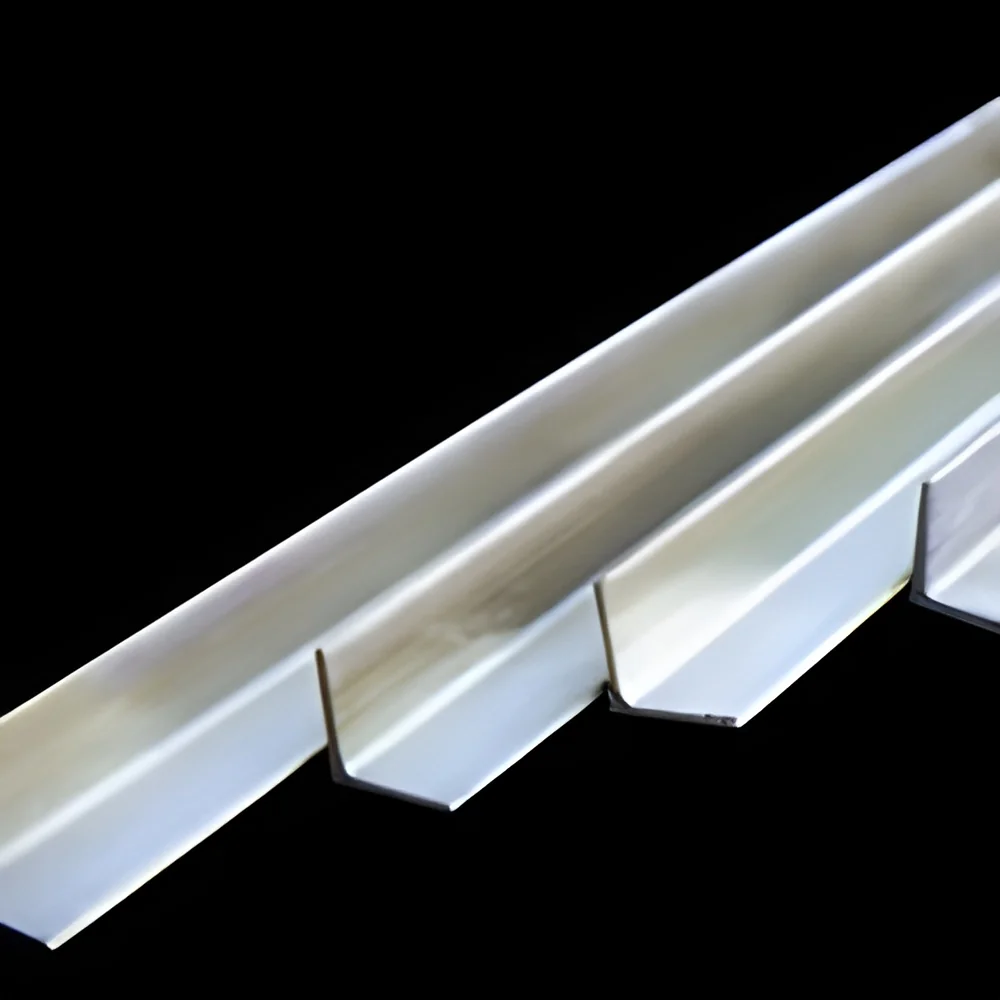
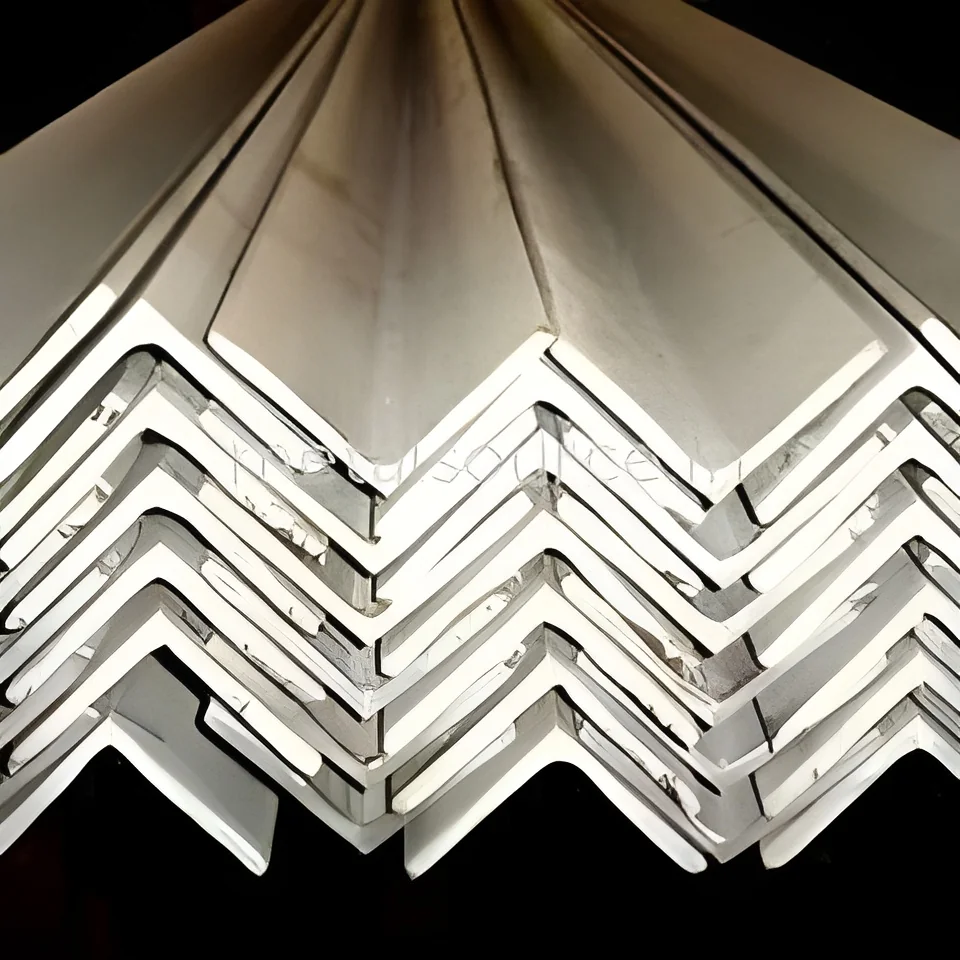
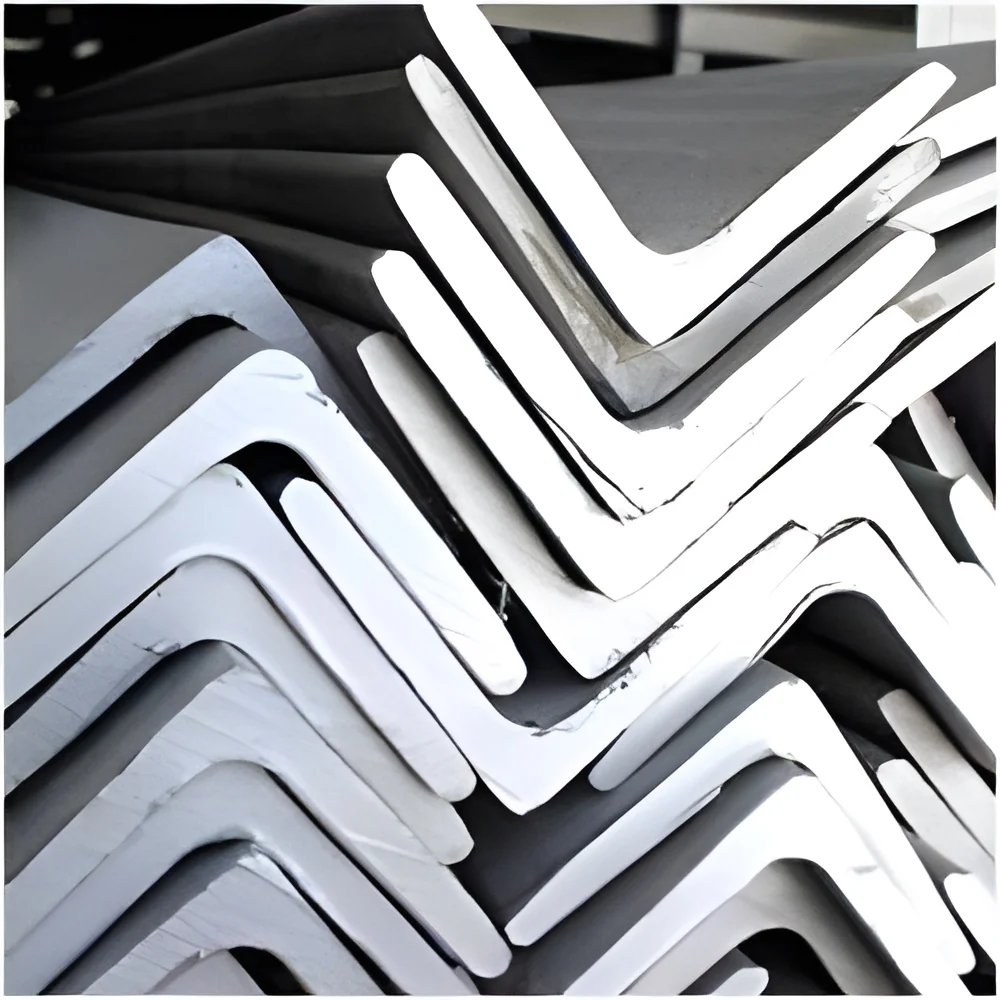
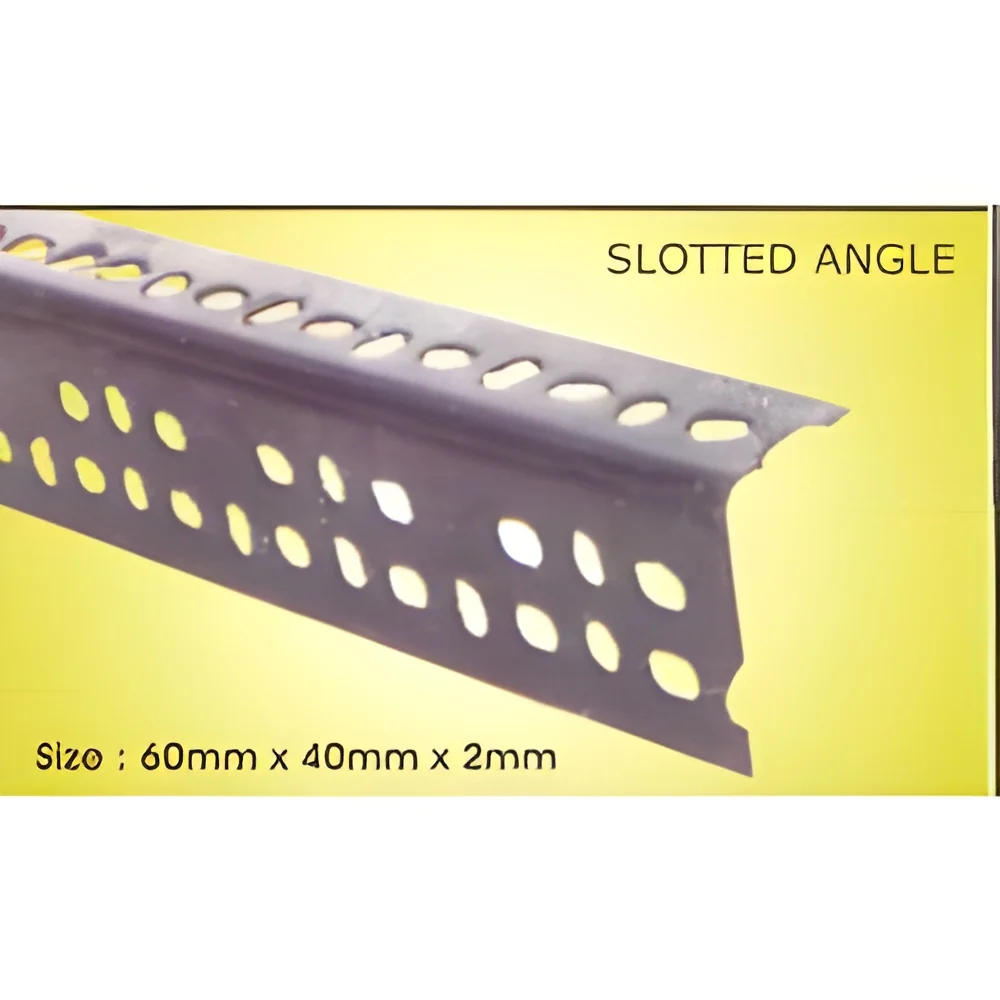
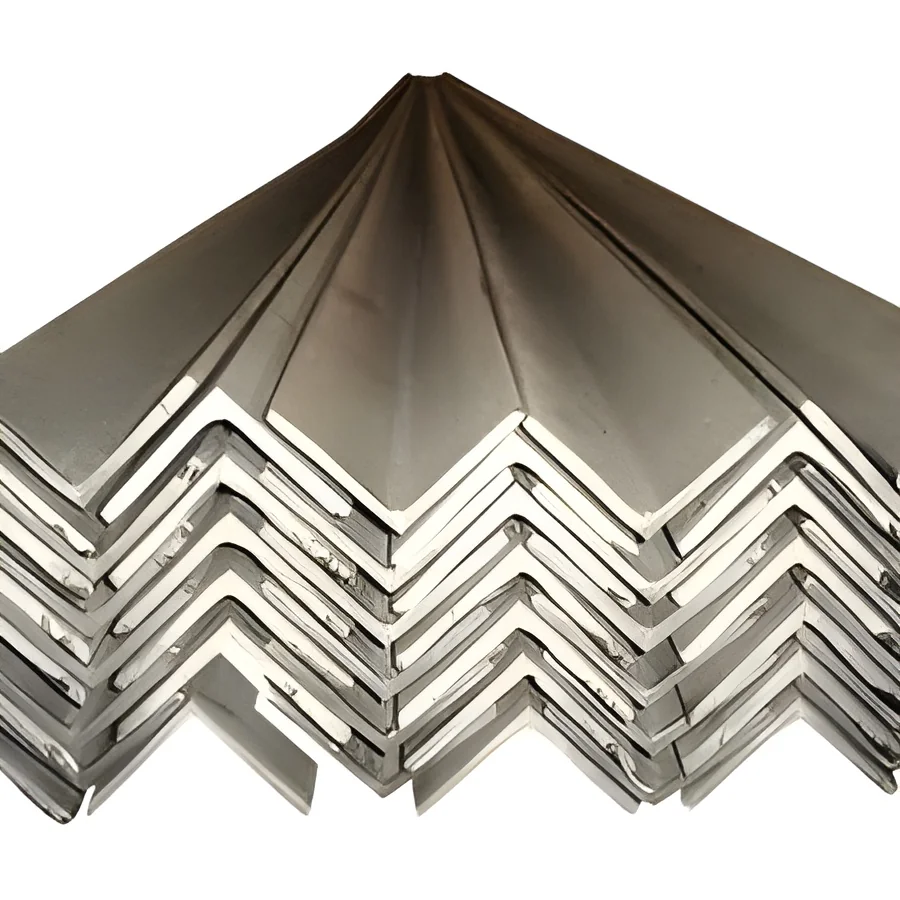
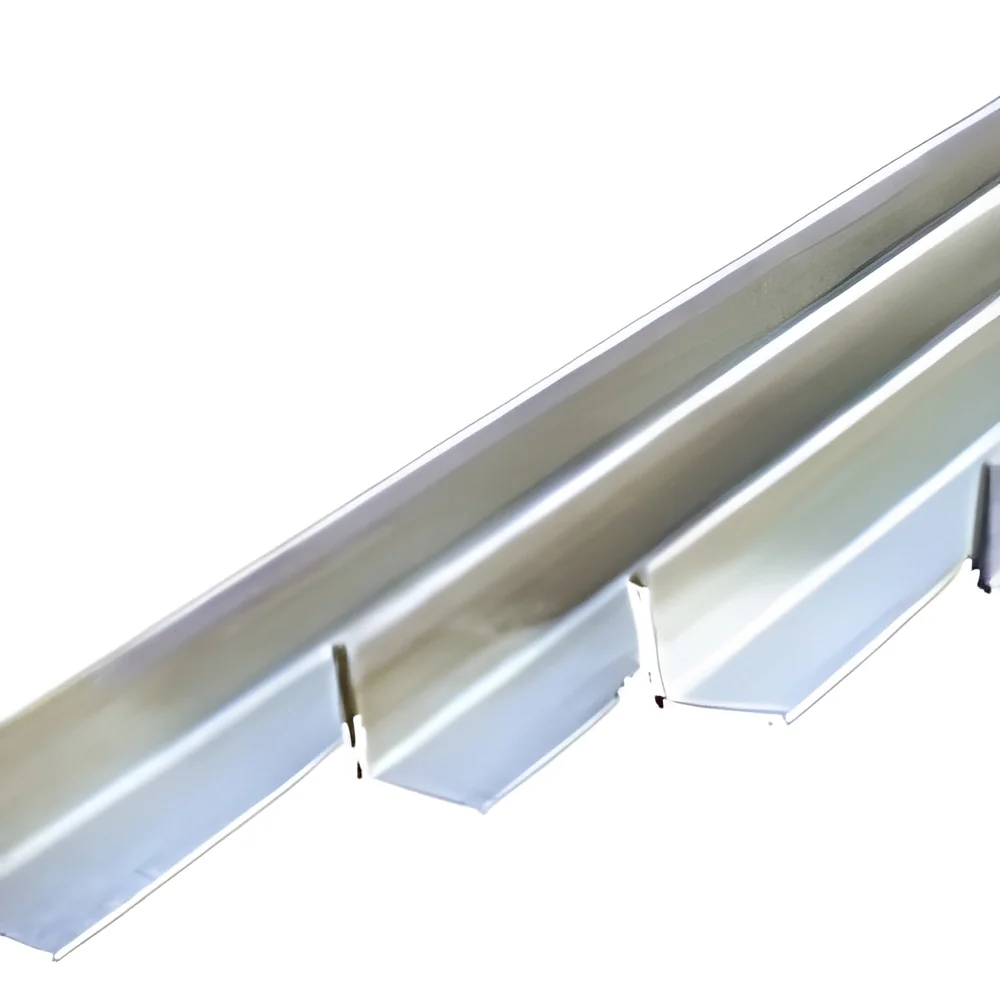
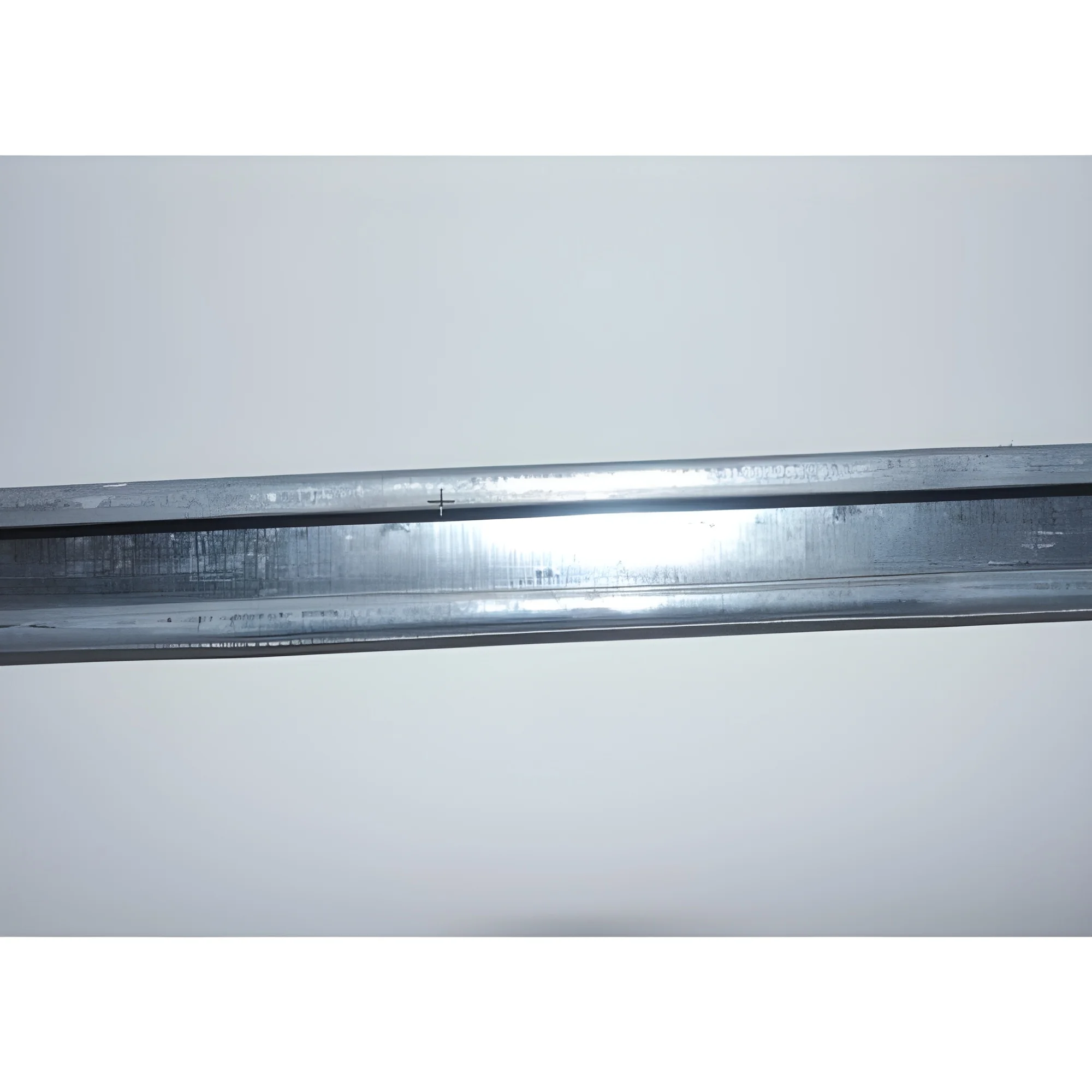
Steel angles and channels are essential structural components used widely in construction and engineering. Steel angles are L-shaped pieces of metal, whereas steel channels have a C-shaped profile. Both products are typically manufactured from high-quality steel, providing strength and durability for various applications. They are often used to create frameworks, supports, and reinforcements in buildings and other structures.
These products have a variety of business applications, including the construction of bridges, frames for machinery, and structural support for buildings. Industries such as manufacturing, construction, and infrastructure heavily rely on steel angles and channels due to their strength-to-weight ratio and versatility. The increasing demand for robust construction materials in emerging markets further highlights the importance of these products in the industrial sector.
Key Features and Specifications
Steel angles and channels come with several key features that make them suitable for various applications. Their structural integrity ensures they can withstand significant loads and stresses, making them a preferred choice in many industries. They are available in various sizes and thicknesses, allowing for customization based on specific project requirements.
Key specifications include:
1. Material Type
- Typically made from carbon steel or stainless steel
- Varied grades available for enhanced corrosion resistance
2. Dimensions
- Standard lengths usually range from 6 to 40 feet
- Width and height dimensions vary, commonly seen in sizes like 2"x2" to 10"x10"
3. Weight
- Weight per foot can vary depending on the thickness and size
- Generally measured in pounds per foot (lb/ft)
4. Finish
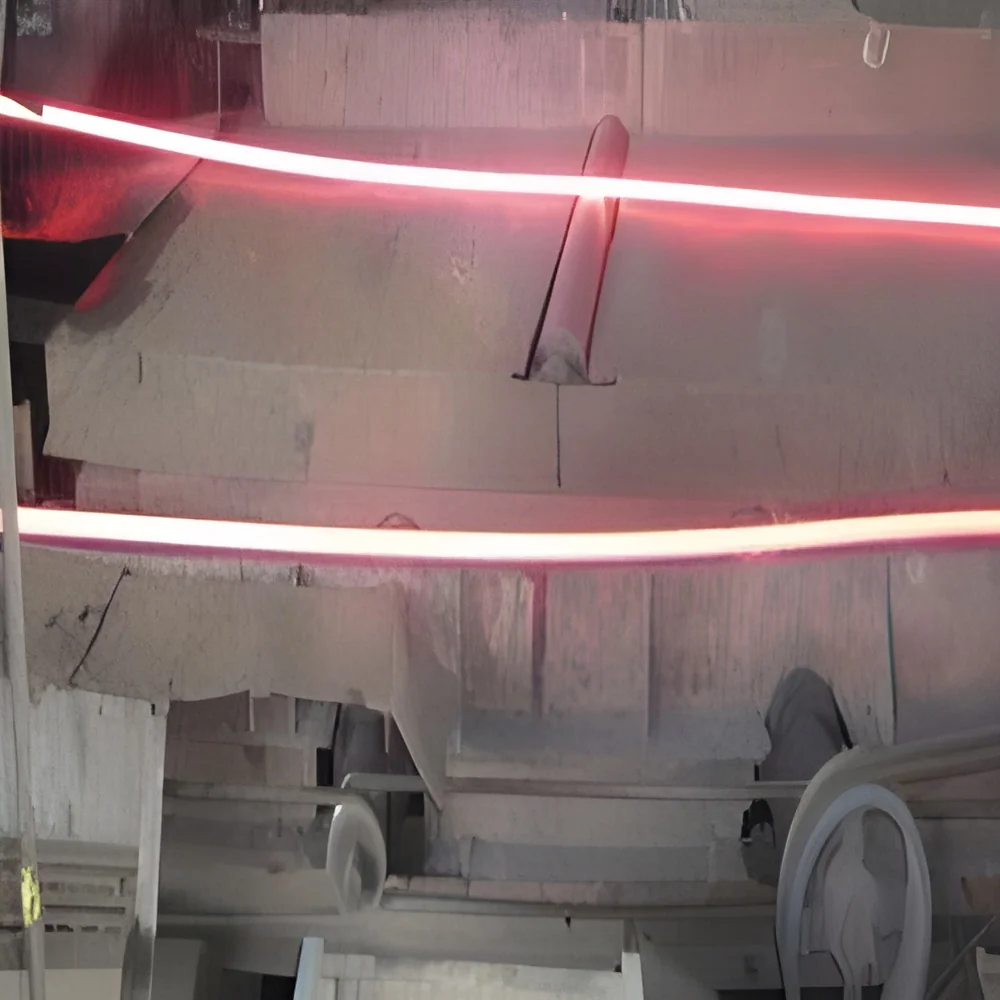
- Available in hot-rolled and cold-rolled finishes
- Options for galvanized or painted finishes for added protection
5. Tolerance Levels
- Manufactured to meet industry standard tolerances
- Ensures uniformity and precision in dimensions
6. Strength Ratings
- Yield strength and tensile strength vary based on steel grade
- Commonly rated in psi for performance assessments
7. Compliance with Standards
- Meets various structural design codes and standards
- Can be produced in accordance with specific industry regulations
In summary, steel angles and channels offer a range of features and specifications that cater to a variety of construction and engineering needs. Their adaptability and strength make them indispensable in modern industrial applications.
Common Applications and Use Cases
Steel angles and channels find applications across several industries due to their versatility and strength.
1. Construction: Used as structural supports in both residential and commercial buildings, providing stability and load-bearing capabilities.
2. Manufacturing: Integral in the assembly of machinery and equipment, ensuring robust frameworks that can withstand operational stresses.
3. Transportation: Utilized in the construction of bridges and railways, offering the necessary strength to support heavy loads and vehicles.
4. Energy: Employed in the construction of power plants and wind turbines, where durable and reliable materials are crucial.
5. Automotive: Used in vehicle frames and body structures, contributing to the overall strength and safety of automobiles.
6. Marine: Applied in shipbuilding and offshore structures, where resistance to corrosion and strength are essential.
7. Telecommunications: Used in the construction of cell towers and communication infrastructure, ensuring stability in various weather conditions.
These applications demonstrate the diverse use of steel angles and channels across multiple sectors, highlighting their crucial role in modern infrastructure and manufacturing.
Product Variants and Subcategories
Steel angles and channels come in various forms to cater to specific needs within the industry.
Equal Leg Angles: These angles have two equal-length legs and are ideal for applications requiring uniform strength in both directions. They are commonly used in construction and manufacturing.
Unequal Leg Angles: With one leg longer than the other, these angles provide flexibility for various structural applications, such as framing and bracing.
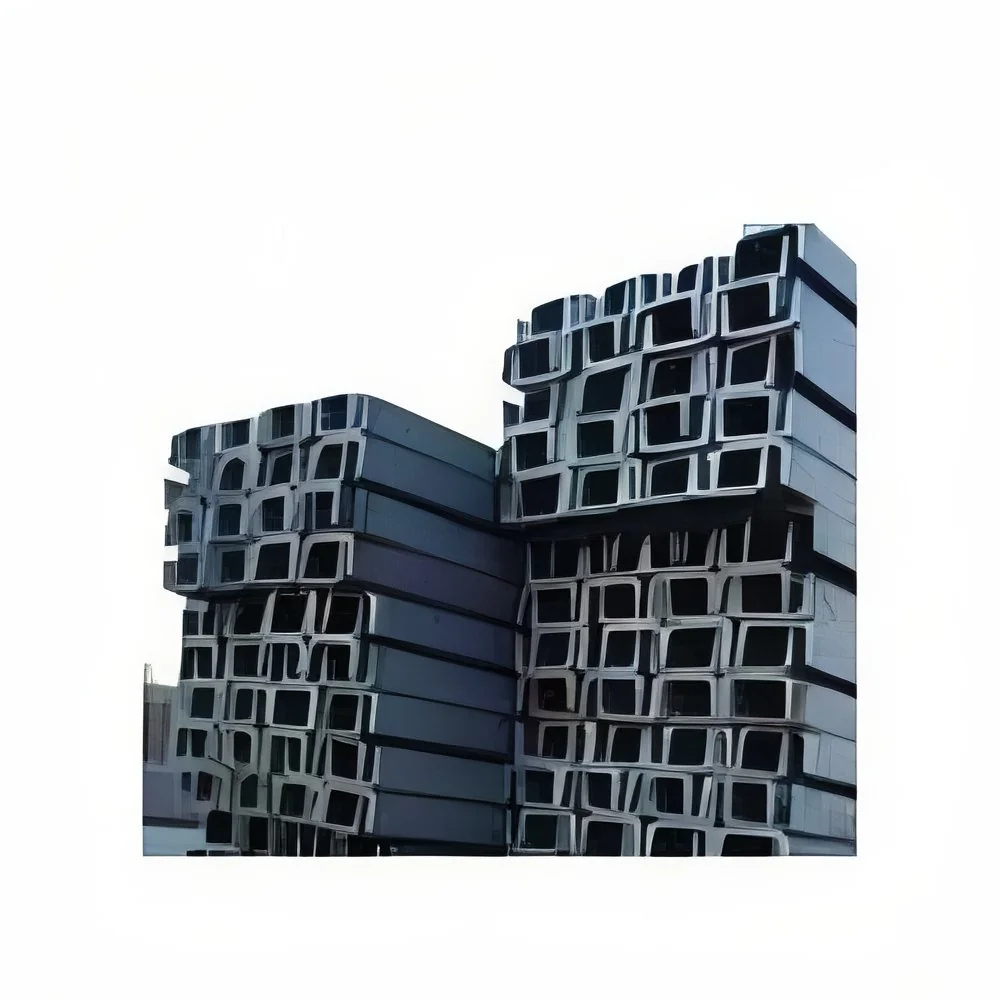
C Channels: These channels have a C-shaped cross-section and are primarily used for beams and structural supports in buildings and bridges.
U Channels: Similar to C channels but with a U-shaped profile, these are often used in applications requiring a wider base for stability.
Tee Sections: Shaped like the letter T, these sections are used in applications where additional support is needed, such as in girders and trusses.
Benefits and Advantages
Steel angles and channels offer numerous benefits that make them an attractive choice for businesses.
1. High Strength: Their robust construction provides exceptional strength, allowing them to handle heavy loads effectively.
2. Versatility: Available in various sizes and shapes, they can be used in a wide range of applications across multiple industries.
3. Cost-Effectiveness: Steel is a relatively affordable material, making angles and channels a budget-friendly option for construction projects.
4. Durability: Steel is resistant to wear and tear, ensuring a long lifespan and reducing the need for frequent replacements.
5. Ease of Fabrication: These materials can be easily cut, welded, or drilled to meet specific project requirements, allowing for custom solutions.
6. Structural Integrity: Their design ensures they contribute to the overall stability and safety of structures, minimizing risks during and after construction.
Buying Guide for B2B Buyers
When sourcing steel angles and channels, B2B buyers should consider several critical factors to ensure they make informed purchasing decisions.
1. Quality Assessment: Buyers should evaluate the quality of steel, looking for compliance with industry standards. A thorough inspection of material certifications and test reports is essential.
2. Supplier Verification: It is important to vet suppliers carefully. Buyers should check for credentials, industry experience, and customer reviews to ensure reliability and trustworthiness.
3. Pricing and MOQ: Understanding the pricing structure and minimum order quantities is crucial for budgeting. Buyers should compare quotes from different suppliers to find the best value.
4. Delivery and Lead Times: Logistics play a significant role in project timelines. Buyers should inquire about delivery schedules and lead times to avoid delays in their projects.
5. Compliance Requirements: Depending on the industry, specific regulations and certifications may need to be met. Buyers should ensure that the suppliers adhere to these compliance standards.
Compliance and Certifications
Steel angles and channels must meet various compliance and certification standards to ensure safety and reliability in their applications. Key quality standards include ISO 9001, which focuses on quality management systems, ensuring that products are consistently produced to meet customer and regulatory requirements.
Furthermore, many manufacturers seek CE certification, indicating that their products comply with European safety, health, and environmental protection standards. This certification is particularly important for products used in construction and infrastructure projects within the European market.
Safety and testing requirements are also critical, with products often undergoing rigorous testing for strength, durability, and corrosion resistance. Regional compliance considerations, such as adherence to local building codes and regulations, are essential to ensure that the products are suitable for specific applications.
Why Source Steel Angles & Channels from Pepagora?
Pepagora provides a trusted platform for sourcing steel angles and channels, offering several key advantages for B2B buyers.
Verified Supplier Network: Pepagora boasts a comprehensive network of verified suppliers, ensuring that buyers can connect with reputable manufacturers. This network fosters trust and reliability in sourcing quality materials.
Streamlined RFQ Process: The platform features an efficient request for quotation (RFQ) system, simplifying the purchasing process. Buyers can easily submit their requirements and receive competitive quotes from multiple suppliers, saving time and effort.
Trade Assurance and Support: Pepagora offers trade assurance and support to protect buyers throughout the sourcing process. This includes guarantees on product quality and delivery, providing peace of mind for businesses.
Regional Coverage: With a strong presence in India, the GCC, and Southeast Asia, Pepagora supports businesses looking to source steel angles and channels across these regions. This geographic reach ensures that buyers can access a diverse range of products tailored to their local markets.

 IN
IN

 India
India