
 IN
Static Voltage Stabilizers
6 products available
What are Static Voltage Stabilizers?
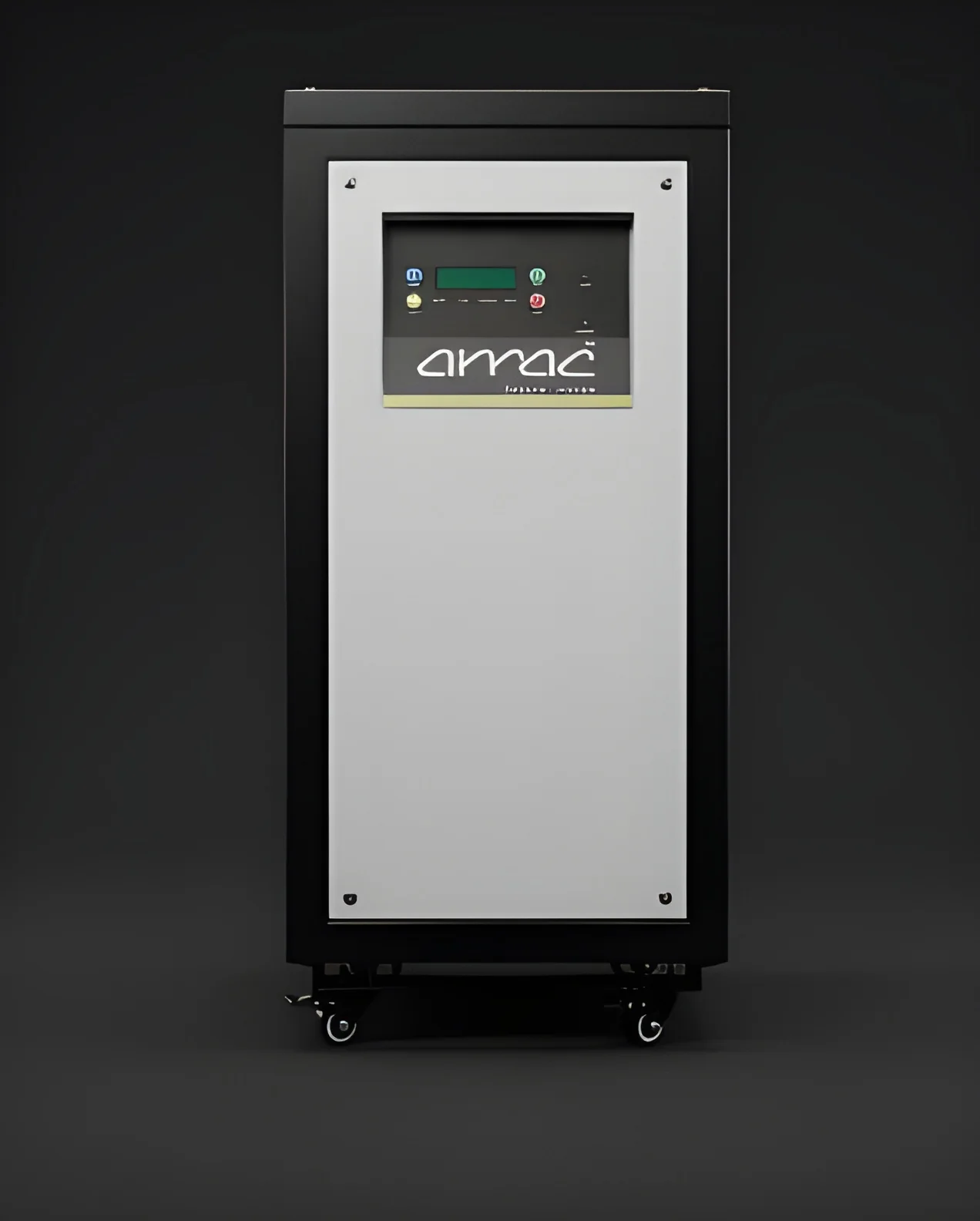
Static Voltage Stabilizers are devices designed to maintain a consistent voltage level in electrical systems. They function by automatically adjusting and stabilizing the voltage supply, protecting sensitive electronic equipment from fluctuations and surges. Unlike traditional stabilizers, static voltage stabilizers use solid-state components, which allow for faster response times and greater reliability. They are crucial in environments where voltage irregularities can lead to equipment malfunctions or failures.
These stabilizers are commonly used across various sectors, including manufacturing, healthcare, and telecommunications. Businesses rely on them to ensure that their operations run smoothly without interruptions caused by electrical disturbances. In addition, static voltage stabilizers are essential in environments with critical power requirements, such as data centers and industrial machinery, where even minor voltage variations can have significant consequences.
The market for static voltage stabilizers has grown in response to the increasing reliance on electronic systems and the need for uninterrupted power supply. As industries evolve and technology advances, the demand for efficient voltage regulation solutions continues to rise, reinforcing the importance of these devices in maintaining operational integrity.
Key Features and Specifications
Static Voltage Stabilizers come equipped with several features that enhance their performance and reliability. Understanding these key specifications is vital for businesses looking to implement these devices effectively.
Key specifications include:
1. Input Voltage Range
- Typically ranges from 160V to 480V.
- Ensures compatibility with various electrical systems.
2. Output Voltage Regulation
- Maintains output voltage within ±1%.
- Provides stability to connected equipment.
3. Response Time
- Fast response time of less than 20 milliseconds.
- Ensures immediate correction of voltage fluctuations.
4. Efficiency Rating
- Generally above 95%.
- Minimizes energy loss during operation.
5. Operating Temperature
- Standard operating temperature range from -10°C to 50°C.
- Ensures functionality in diverse environments.
6. Protection Features
- Includes overload, short-circuit, and surge protection.
- Safeguards both the stabilizer and connected devices.
7. Control System
- Utilizes advanced microprocessor control.
- Enhances precision in voltage regulation.
8. Form Factor
- Available in both floor-mounted and rack-mounted options.
- Offers flexibility in installation based on space requirements.
In summary, selecting the right static voltage stabilizer involves understanding these features and specifications, as they directly influence the performance and reliability of electrical systems.
Common Applications and Use Cases
Static Voltage Stabilizers find applications in various industries due to their capability to protect sensitive equipment from voltage fluctuations.
1. Manufacturing: Used to ensure consistent power supply to machinery and production lines, reducing downtime and maintenance costs.
2. Healthcare: Vital for protecting medical equipment, ensuring that devices like MRI machines and ventilators operate without interruption.
3. Telecommunications: Employed in data centers and communication towers to maintain stable power for critical communication systems.
4. IT and Data Centers: Essential for protecting servers from voltage spikes and dips, ensuring data integrity and system reliability.
5. Retail: Used in commercial establishments to safeguard point-of-sale systems and other electronic devices from electrical disturbances.
6. Food and Beverage: Protects processing equipment and refrigeration units from voltage fluctuations, ensuring quality and safety.
7. Construction: Provides stable power to tools and machinery, ensuring efficiency and safety on construction sites.
Product Variants and Subcategories
Static Voltage Stabilizers come in various configurations to meet the diverse needs of different industries.
Single-Phase Static Voltage Stabilizer
This variant is ideal for residential and small commercial applications. It provides reliable voltage stabilization for home appliances and small machinery, ensuring consistent performance.
Three-Phase Static Voltage Stabilizer
Designed for larger applications, this variant supports three-phase systems commonly found in industrial settings. It offers enhanced stability and protection for heavy machinery and equipment.
Modular Static Voltage Stabilizer
This flexible option allows for scalability in larger operations. It can be customized to add additional capacity as business needs grow, making it a cost-effective solution.
Benefits and Advantages
Implementing Static Voltage Stabilizers offers numerous advantages to businesses across various sectors.
1. Enhanced Equipment Longevity: Protects electrical devices from damage caused by voltage fluctuations, extending their operational life.
2. Increased Operational Efficiency: Reduces downtime and maintenance costs by ensuring a stable power supply for critical equipment.
3. Improved Power Quality: Provides clean and stable voltage, enhancing the performance of sensitive electronic devices.
4. Cost Savings: Lowers energy bills by improving the efficiency of electrical systems and reducing repair costs.
5. Safety Assurance: Offers built-in protection features that safeguard against overloads and surges, ensuring a safer working environment.
6. Scalability: Many systems can be customized or expanded to meet the changing needs of a business.
Buying Guide for B2B Buyers
When sourcing Static Voltage Stabilizers, several factors should be considered to make an informed decision.
1. Quality Assessment: Look for vendors who meet recognized industry standards. Check for certifications like CE to ensure product quality and reliability.
2. Supplier Verification: Vet suppliers by reviewing their track record, customer testimonials, and industry reputation. It is crucial to partner with reputable manufacturers.
3. Pricing and MOQ: Understand the pricing structures and minimum order quantities (MOQ) to ensure they align with your budget and requirements.
4. Delivery and Lead Times: Inquire about delivery schedules and lead times to ensure timely procurement and installation of stabilizers.
5. Compliance Requirements: Ensure that the products meet relevant regulatory standards for your industry, which can vary by region.
Compliance and Certifications
Static Voltage Stabilizers are subject to several quality standards and certifications that ensure their reliability and safety.
ISO 9001 is a widely recognized standard that indicates a company's commitment to quality management systems. Manufacturers adhering to this standard demonstrate their ability to consistently provide products that meet customer and regulatory requirements.
CE certification signifies that the product meets European safety, health, and environmental protection standards. This certification is crucial for businesses selling devices in European markets.
Additionally, manufacturers must comply with various safety and testing requirements, ensuring their products are safe for use in diverse environments. Compliance can include voltage testing, thermal testing, and certifications based on regional regulations.
In summary, businesses should prioritize sourcing Static Voltage Stabilizers that meet these compliance and certification standards to ensure product quality and safety.
Why Source Static Voltage Stabilizers from Pepagora?
Pepagora offers a reliable platform for sourcing Static Voltage Stabilizers, ensuring buyers can find quality products with ease.
Verified Supplier Network: Pepagora connects buyers with a network of verified suppliers, ensuring that businesses receive products from trusted manufacturers who meet industry standards.
Streamlined RFQ Process: The platform features an efficient Request for Quotation (RFQ) system, allowing businesses to easily request quotes from multiple suppliers to compare pricing and features.
Trade Assurance and Support: Pepagora provides buyer protection through trade assurance programs, giving businesses confidence in their purchases and support throughout the procurement process.
Regional Coverage: With a strong presence in India, the GCC, and Southeast Asia, Pepagora facilitates access to high-quality Static Voltage Stabilizers across diverse markets, ensuring that buyers can meet their operational needs efficiently.

 India


 India

 India
 India

Frequently Asked Questions
What are Static Voltage Stabilizers?
Static Voltage Stabilizers are electronic devices designed to maintain a constant voltage level to electrical equipment by correcting fluctuations in the input voltage. They use advanced technology to ensure that the output voltage remains stable, protecting sensitive equipment from damage due to voltage variations.
What are the different types of Static Voltage Stabilizers?
The main types of Static Voltage Stabilizers include Servo Voltage Stabilizers, Solid State Voltage Stabilizers, and Digital Voltage Stabilizers. Each type has distinct features and applications suitable for various industrial and commercial environments.
How do I choose the right Static Voltage Stabilizers?
To choose the right Static Voltage Stabilizers, consider factors such as the voltage range, load capacity, and specific application requirements. Additionally, assess the environment where the stabilizer will be used, as this can impact its performance and durability.
What are the standard specifications for Static Voltage Stabilizers?
Standard specifications for Static Voltage Stabilizers typically include input voltage range, output voltage accuracy, load capacity, and response time. Other important specifications may include efficiency ratings and protection features against overload and short circuits.
What is the price range for Static Voltage Stabilizers?
The price range for Static Voltage Stabilizers can vary significantly based on factors like capacity, manufacturer, and features. Generally, prices can start from a few thousand rupees for smaller models and can go up to several lakhs for higher capacity units.
What quality standards apply to Static Voltage Stabilizers?
Static Voltage Stabilizers must adhere to various quality standards, including IEC, ISO, and BIS certifications. These standards ensure that the stabilizers meet safety, efficiency, and performance benchmarks required for reliable operation.
Where can I find Static Voltage Stabilizers suppliers in India?
You can find Static Voltage Stabilizers suppliers in India through online B2B marketplaces like Pepagora, industry trade shows, and manufacturer directories. It is advisable to verify the credentials and reviews of suppliers to ensure quality and reliability.
Can Static Voltage Stabilizers be customized?
Yes, many manufacturers offer customization options for Static Voltage Stabilizers to meet specific requirements. Customizations may include adjustments in voltage capacity, design modifications, and additional features based on the application needs.
What is the typical minimum order quantity for Static Voltage Stabilizers?
The typical minimum order quantity (MOQ) for Static Voltage Stabilizers can vary from one supplier to another, often starting from one unit for smaller manufacturers to several units for larger suppliers. It's best to check with individual suppliers for their specific MOQs.
What is the typical lead time for Static Voltage Stabilizers?
The typical lead time for Static Voltage Stabilizers can range from a few days to several weeks, depending on factors such as stock availability, manufacturing time, and customization requests. It is advisable to confirm the lead time with suppliers at the time of order.
Why Businesses Trust Pepagora
Thousands of companies trust Pepagora to source smarter and sell faster
Expand Your Sales Globally

Source Smarter,Grow Faster
